

Imagine the ripple effect across the scientific world when news breaks of a completely unknown species found lurking in the Amazon’s most remote corners. It sounds like science fiction, yet researchers recently uncovered something extraordinary that brings this fantasy tantalizingly close to reality. Deep within Peru’s Alto Mayo region, scientists stumbled upon creatures that seemed to defy classification.
Researchers discovered 20 new species in the Peruvian Amazon during a recent Conservation International expedition. This isn’t just another routine discovery. Such discoveries are considered quite significant by the scientific community. But what if they had found something even more groundbreaking, something ancient that challenges everything we know about evolution?
The Amazon’s Hidden Treasure Trove
The numbers alone should make us pause and wonder. An estimated 80-90% of species on Earth have yet to be discovered. In the Amazon, a new species of animal or plant is discovered every other day. This represents a significant rate of new species discovery from the region.
An estimated 60 percent of tree species in the Amazon are yet to be discovered. Think about that for a moment. We’re not talking about microscopic organisms hiding in soil samples. We’re talking about entire trees, some potentially towering hundreds of feet above the forest floor, that science has never documented.
When Ancient Meets Modern
What if deep in the Amazon’s unexplored territories, researchers stumbled upon a living fossil? Picture discovering a mammal that evolutionary biologists thought extinct for millions of years, or finding a bird species that represents a completely unknown branch of the evolutionary tree.
Scientists recently discovered that newly identified northern green anacondas diverged from southern green anacondas almost 10 million years ago, differing genetically by 5.5%. “To put it in perspective, humans differ from chimpanzees by only about 2 percent.” If such dramatic genetic differences can exist in species we thought we knew, imagine what completely unknown ancient lineages might be hiding.
The Race Against Time
“The rate of destruction is faster than the rate of discovery,” warns botanist Francisco Farronay. This creates a chilling scenario where ancient species could vanish before we ever know they existed. The Amazon has lost millions of hectares of native vegetation between 1985 and 2020, an area equivalent to the entire territory of Chile.
Every bulldozer that tears through uncharted rainforest might be destroying the last habitat of species that have survived since the age of dinosaurs. Scientists estimate “we do not know 60 percent of the tree species, and every time an area is deforested, it destroys a part of the biodiversity that we will never know.” It’s heartbreaking to think about.
Indigenous Knowledge Holds the Keys

Indigenous groups in the area who assisted scientists have extensive knowledge about many species that science is only now documenting. “They have extensive traditional knowledge about the forests, animals and plants they live side-by-side with.” Their insights help researchers identify and understand species they discover.
What stories do these communities tell about creatures their ancestors encountered? What animals exist in their oral traditions that scientists haven’t yet confirmed? These indigenous peoples might hold clues to finding species that represent living links to prehistoric times, creatures that have survived in isolated pockets of the rainforest for millennia.
Technology Opens New Doors
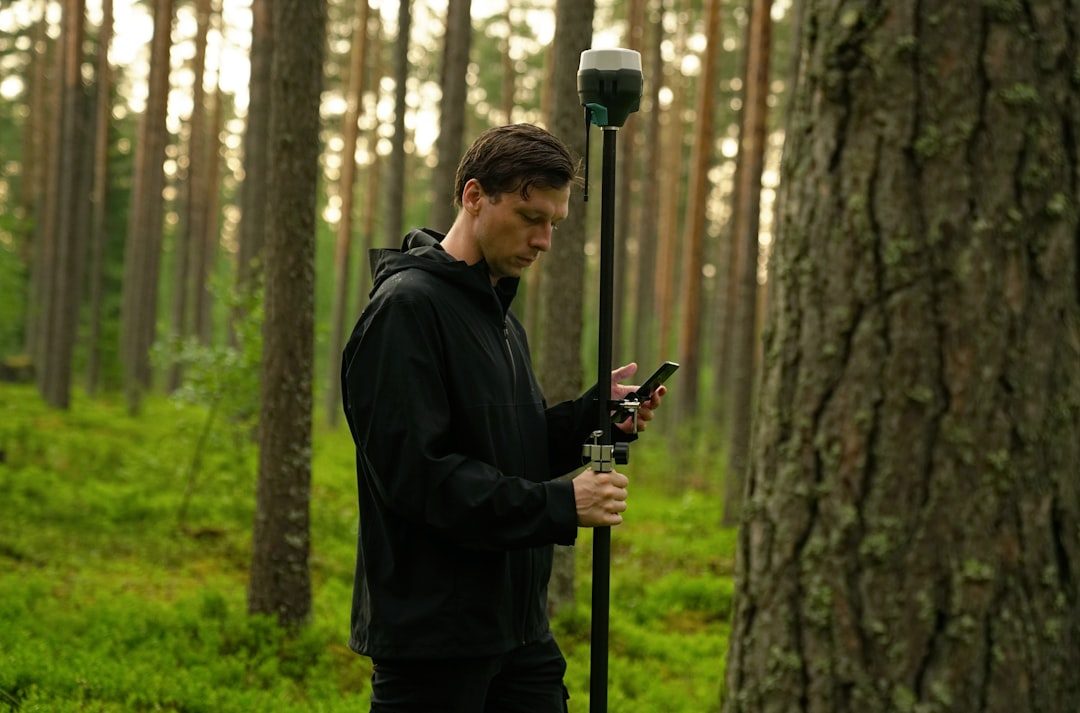
Scientists now use advanced tools like camera traps, bioacoustic sensors, and DNA sampling to document the species they encounter. New acoustic models can automatically detect species calls, facilitating long-term monitoring and efficient analyses. This technological revolution means we’re finding species faster than ever before.
Environmental DNA sampling can detect species from water or soil samples without even seeing the animals themselves. Imagine if this technology revealed genetic signatures of species thought extinct for millions of years, still thriving in remote Amazonian waters. Researchers have already detected 201 of 250 bird species using AI models. What happens when these same techniques uncover something completely unexpected?
Scientific Revolution Awaits
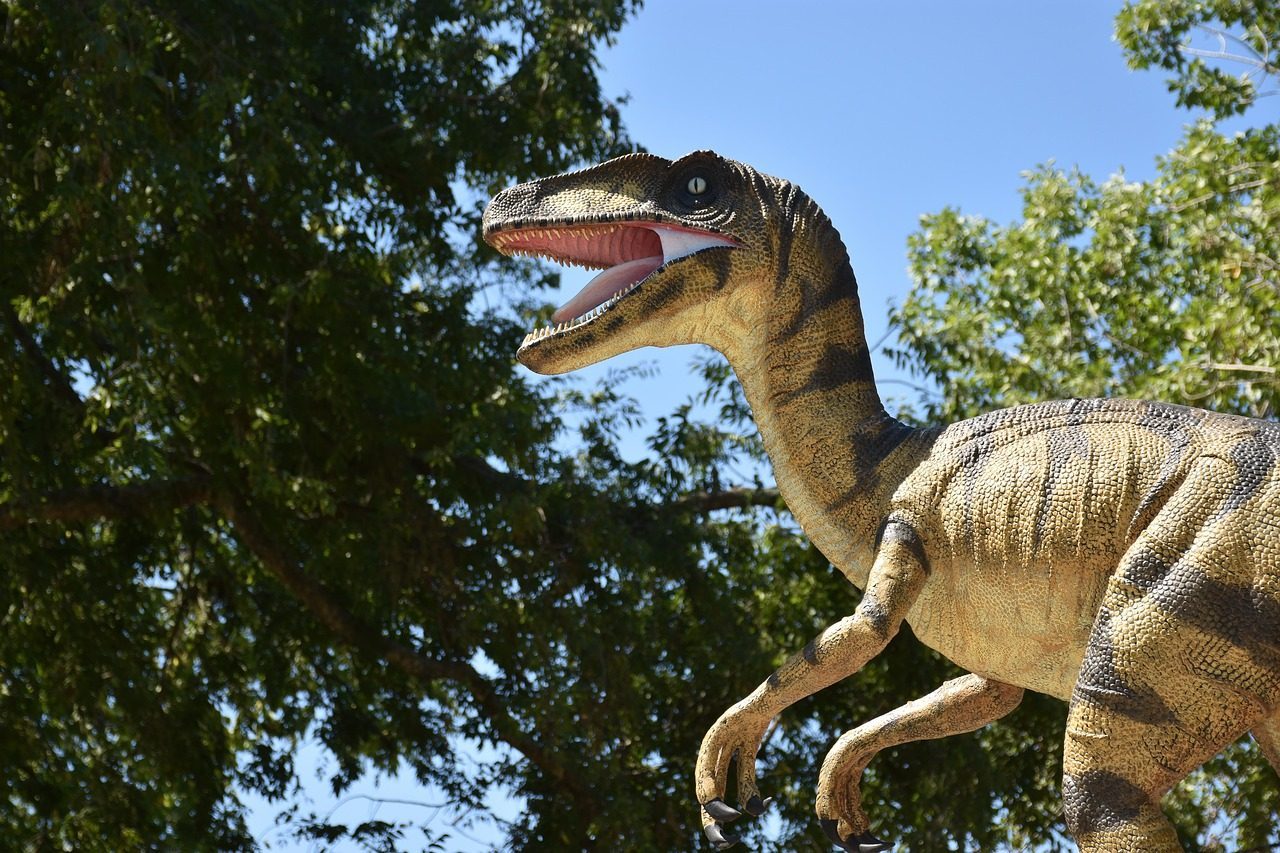
Discovering an ancient, unknown species would trigger a scientific earthquake. Textbooks would need rewriting. Evolutionary timelines would require adjustment. Recent expeditions recorded 2,046 species total, with 49 classified as threatened. Among these could be evolutionary treasures more valuable than any gold.
Such a discovery would force us to reconsider how species survive major extinction events. Did some lineages find refuge in the Amazon’s most inaccessible regions? Have they been quietly evolving in isolation, developing unique adaptations we’ve never seen? The implications for medicine, genetics, and our understanding of life itself would be staggering.
The Wonder That Awaits
Here’s the thing that keeps me awake at night thinking about this possibility. Some parts of the far north and western Amazon have never been scientifically explored. Most of the species that remain to be discovered are likely concentrated in hotspots and less explored environments. We’re literally sitting on the edge of potentially the greatest biological discovery in human history.
The Amazon continues to surprise us. From amphibious mice to blob-headed fish, each expedition reveals creatures that seem almost fictional. Yet somewhere in those unexplored depths, something even more extraordinary might be waiting. Something ancient. Something that survived when others perished. Something that could change everything we thought we knew about life on Earth.
The possibility isn’t just exciting, it’s almost inevitable given how little we actually know about our planet’s biodiversity. What do you think we’ll discover next in the Amazon’s hidden depths?
