
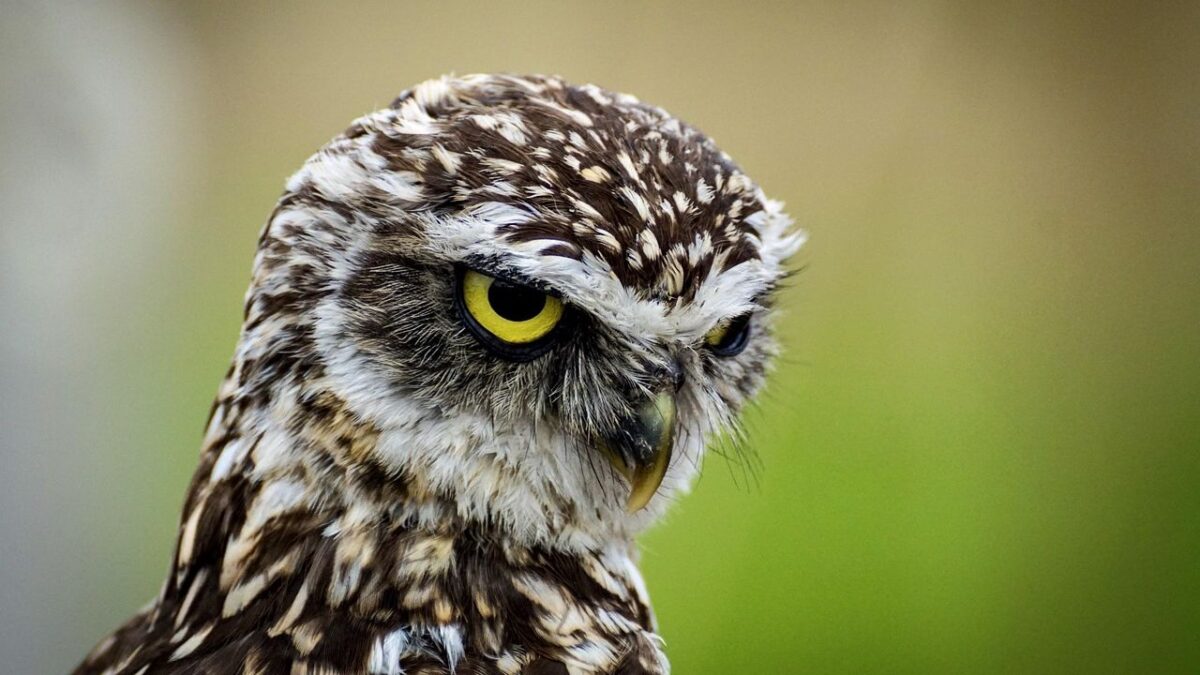
When darkness falls across the land and most creatures retreat to shelter, the owl emerges as master of the night. These enigmatic birds have captured the imagination of Native American peoples for many centuries, weaving themselves into the spiritual fabric of countless tribes across North America. The owl as a totem animal carries profound significance that’s both fascinating and complex, embodying everything from ancient wisdom to messages from beyond the veil.
Understanding the owl’s role requires looking beyond simple interpretations. Here’s the thing about Native American cultures – they’re incredibly diverse, with each tribe bringing its own perspective to this mysterious bird. What might seem like contradictions actually reveal the rich tapestry of beliefs that make these spiritual traditions so captivating.
The Dual Nature of Owl Symbolism
The owl’s symbolism in Native American culture exists on two distinct levels, with each having their own interpretations. They can symbolize either wisdom and guidance, or death and spiritual transformation. This duality isn’t contradictory – it reflects the owl’s unique position as a creature that bridges worlds.
The symbolism of owls in Native American culture is as complex and diverse as the many tribes that make up this rich tapestry of traditions. Owls can represent both the shadowy realm of death and the ethereal world of ancient wisdom. Think about it – what other animal possesses such incredible abilities to navigate unseen realms?
Wisdom and Ancient Knowledge Keepers
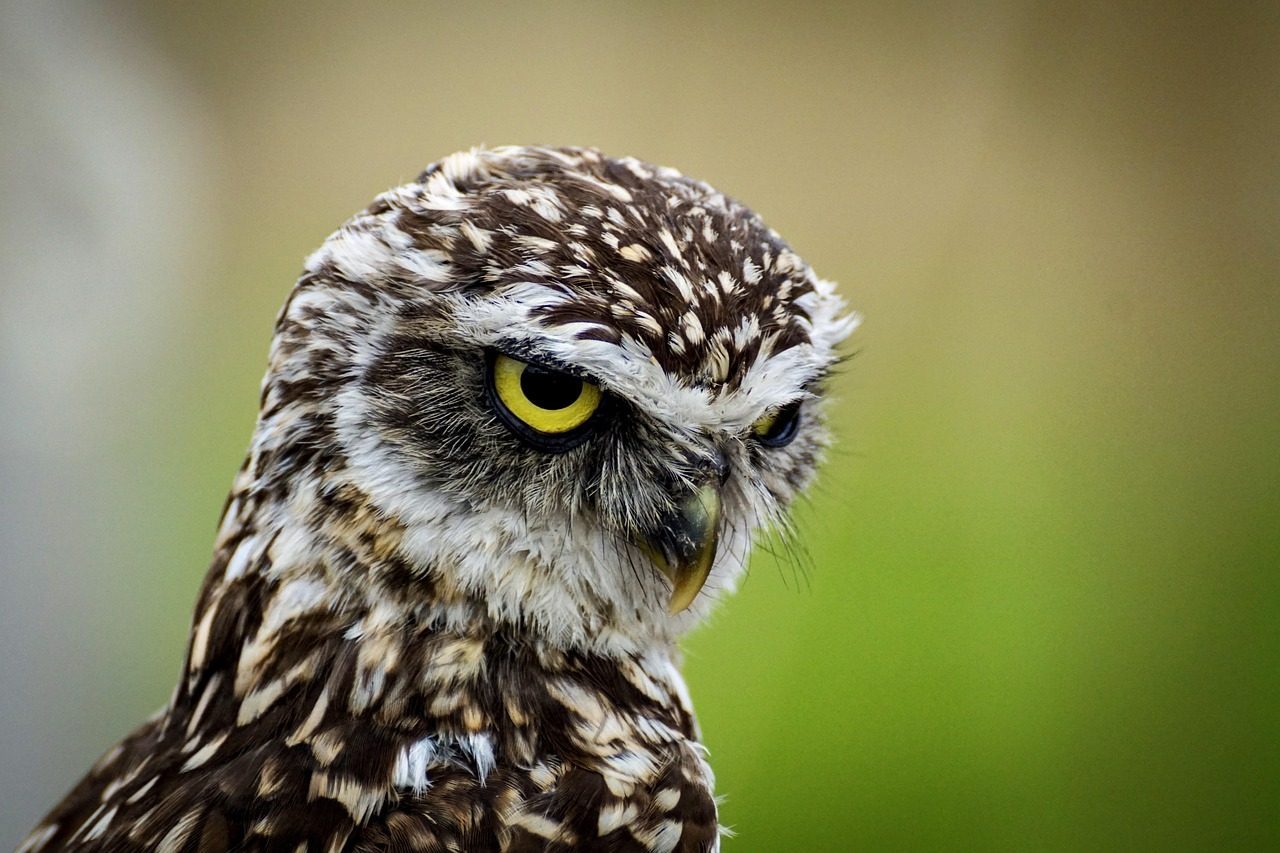
Owls hold a special place in Native American culture, serving as symbols of wisdom, intuition, and spiritual guidance. They are revered as totems, representing the ability to see beyond the surface and navigate through life’s challenges. The owl’s exceptional night vision becomes a metaphor for seeing truths that remain hidden from others.
Other Native American groups view owls in a different light, as carriers of ancient knowledge and deep, mystical wisdom. To them, the owl represents a connection to the spirit world, a symbol of foresight and intuition. They believe that owls possess the ability to traverse the boundaries between the physical and spiritual realms, making them messengers of profound insight. This perspective transforms the owl from mere predator to spiritual guide.
Death, Transformation, and the Spirit World
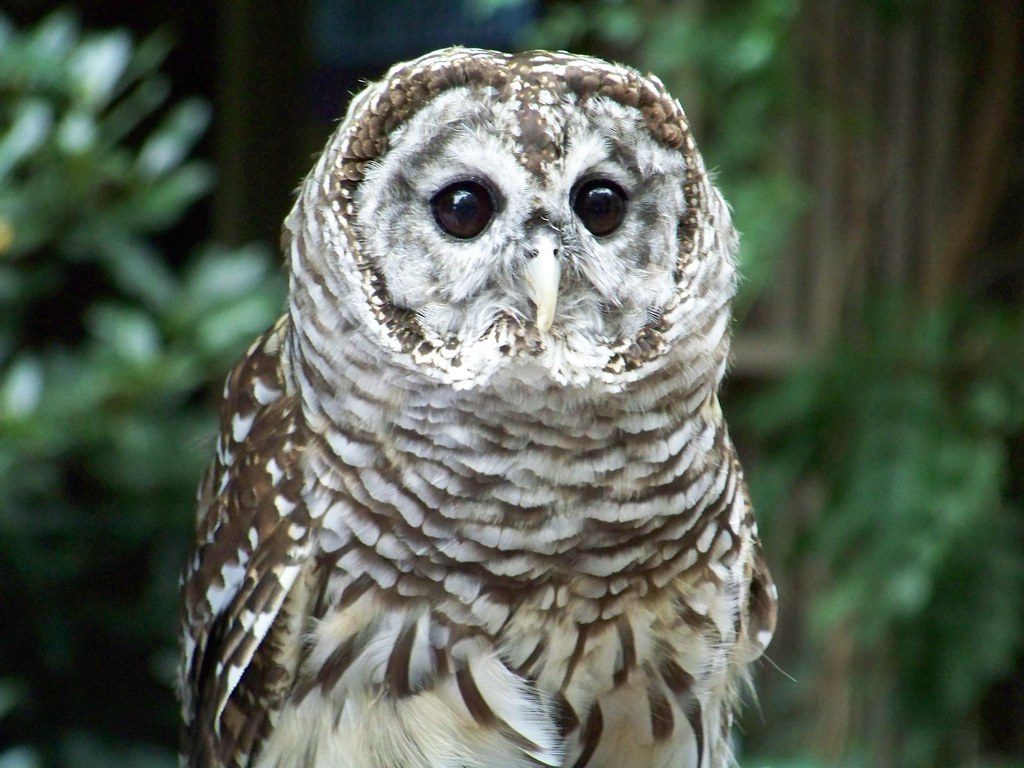
In most Native American tribes, owls are a symbol of death. Hearing owls hooting is considered an unlucky omen, and they are the subject of numerous ‘bogeyman’ stories told to warn children to stay inside at night. Yet this association with death isn’t necessarily negative – it often represents transformation and rebirth.
Many tribes not only believe that owls have a correlation to death, but also the afterlife. For example, tribes like the Lakota, Omaha, Cheyenne, Fox, Ojibwa, Menominee, Cherokee, and Creek consider owls to be either an embodied spirit of the dead or associated with a spirit in some way. In these cultures, the owl’s hoot in the night is believed to be the call of the deceased, seeking to communicate with the living.
Medicine Men and Healing Powers
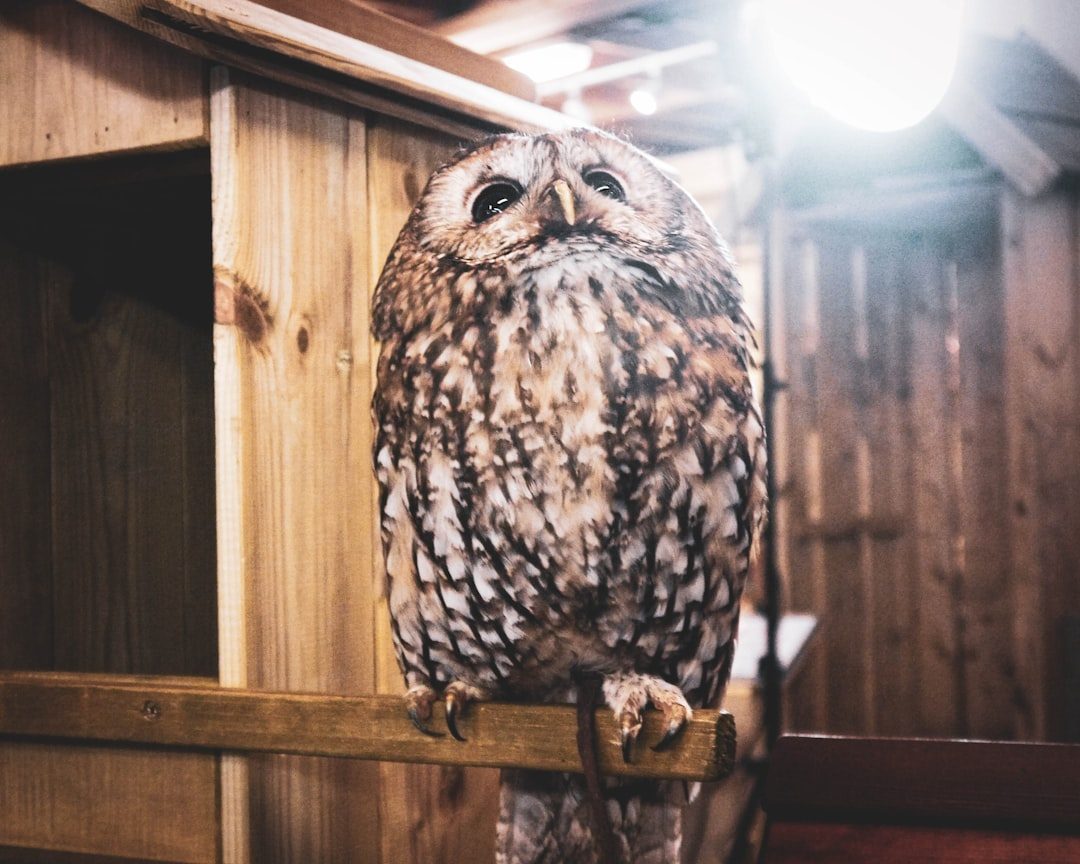
Holy men or holy women among many tribes frequently sought out spiritual help from real owls in their healing practices. The holy people believed that the owl had very soft and gentle ways, similar to the softness of an owl’s feather, and these ways were taught to them in the healing ways. Therefore, whenever owl feathers were worn by an individual, it often meant that they were a medicine person with healing abilities.
A medicine man or woman must be called upon to intervene, often aided by a spirit animal such as the owl. The relationship between healers and owls demonstrates how these birds serve as bridges between human suffering and spiritual remedy. It’s honestly remarkable how consistently this theme appears across different tribal traditions.
Shape-Shifters and Supernatural Beings
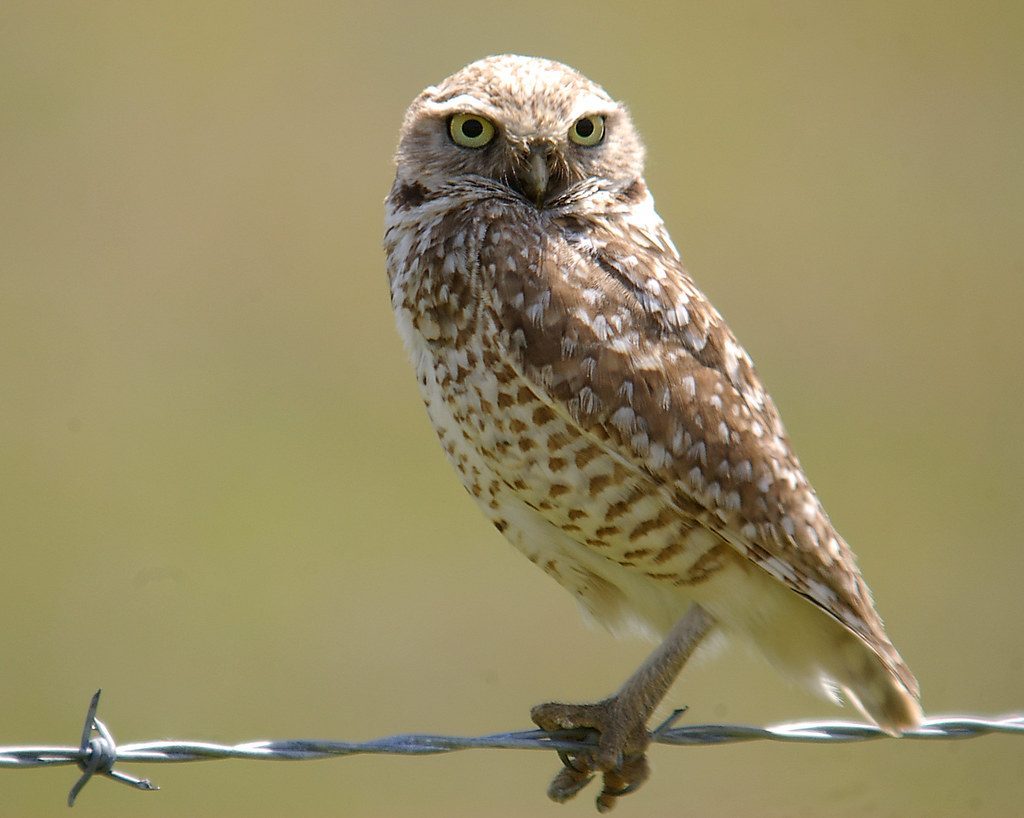
Historically, some Native Americans even believed that these owls might not be real birds at all, but are actually always shape-shifters. In other tribes, they were believed to be the restless spirits of the dead. This belief adds another layer to the owl’s mystique as a totem animal.
These “witches” or medicine people that practiced “bad medicine” were believed to have the ability to shape-shift or transform themselves into an animal, such as a bird. Many of these witches, it was believed, would change into the form of an owl so that they could fly silently through the night to cast spells on people while they were asleep. Because the average tribal member did not have the knowledge to distinguish a real owl from one that was actually a witch that had shape-shifted into the form of an owl, all owls were avoided in general for safety’s sake.
The Great Horned Owl’s Special Power
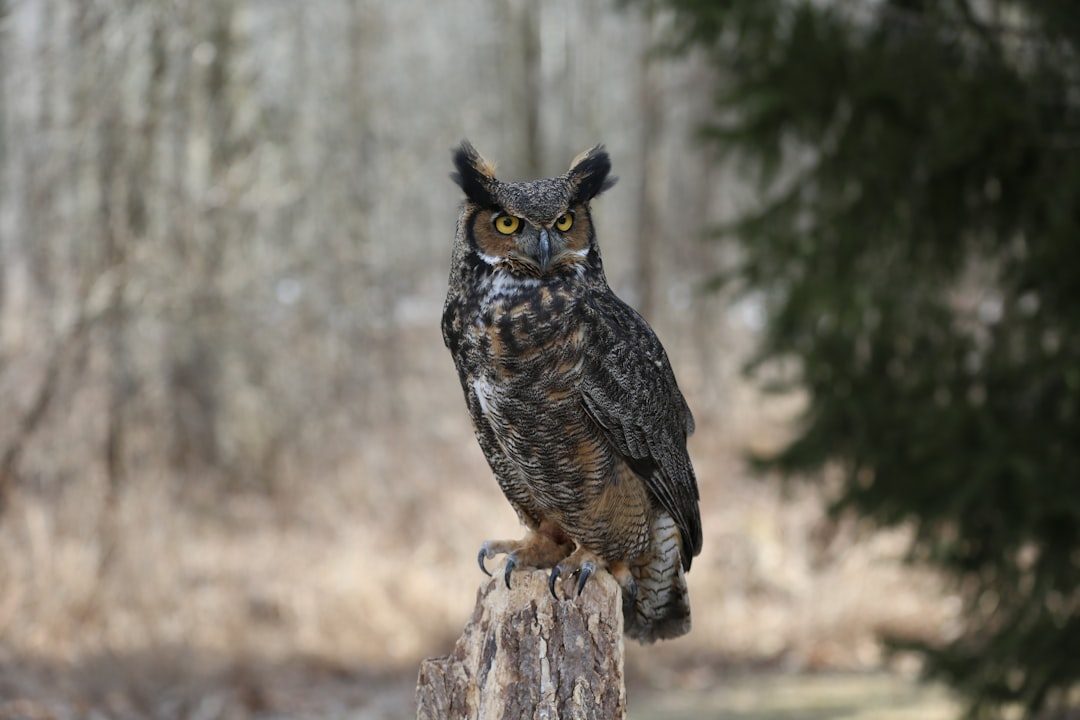
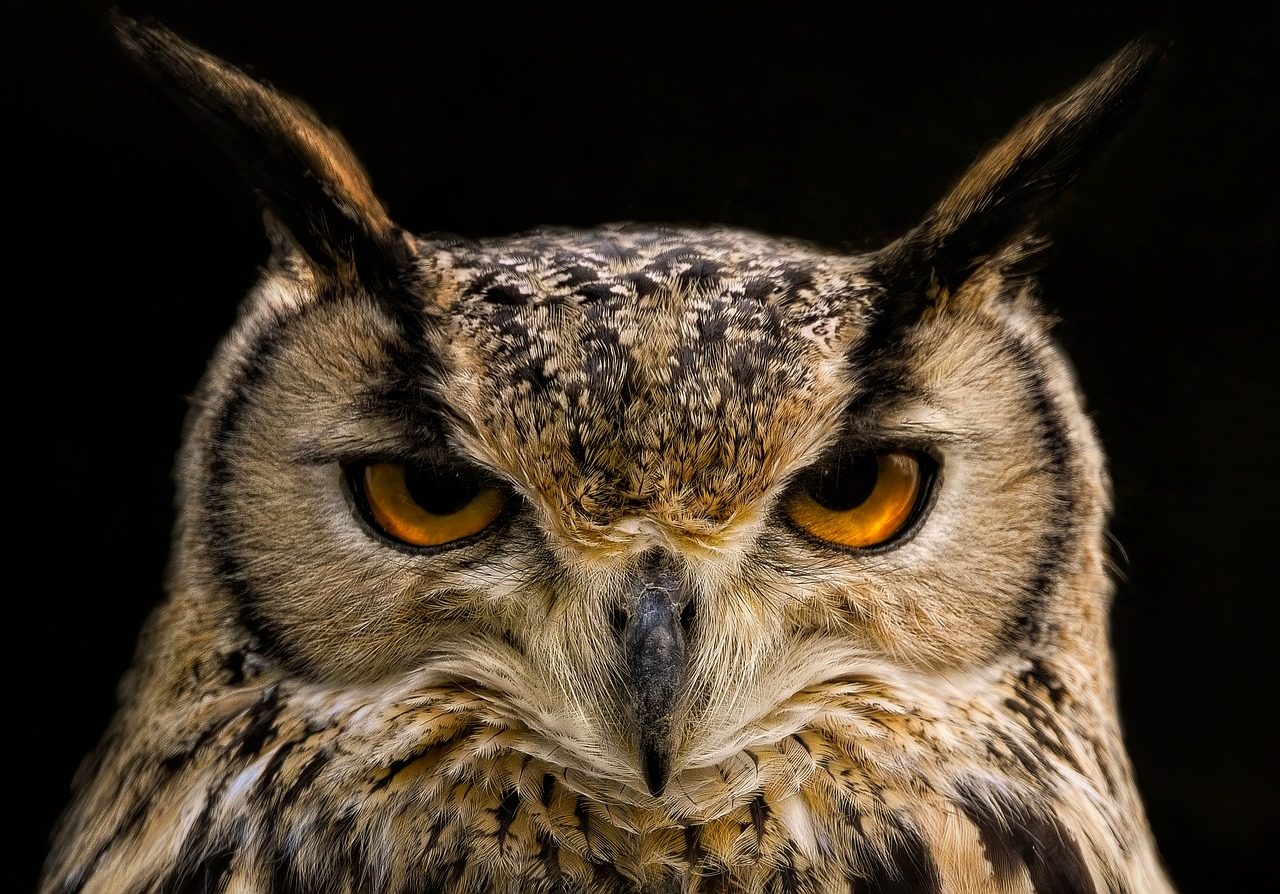
Among many tribes, two of the owls with tufts on their heads, the Great Horned Owl and the Screech Owl, are often seen as the most uncanny and most dangerous of owls. There are a number of reasons why these two owls might be seen as particularly powerful. Their distinctive “horned” appearance sets them apart from other owl species.
A good number of Canadian and American native tribes believed in the supernatural powers of a Great Horned Owl. It was thought this deity enforced divine laws and brought abundance and prosperity. The Great Horned Owl transcends its role as mere animal to become a deity figure in some traditions.
Tribal Variations and Specific Beliefs
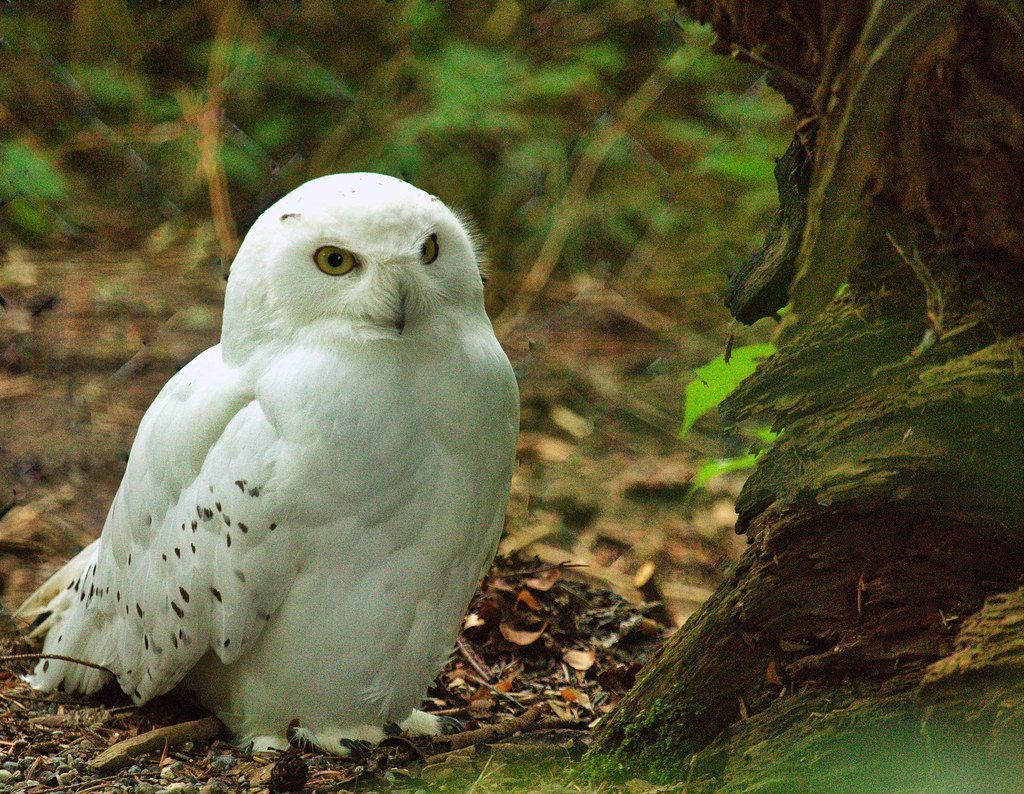
Among the Navajo people, the owl carries a dual symbolism. On one hand they are seen as messengers of death, signifying the end of a life’s journey. On the other hand, the Navajo also regard owls as protectors of their medicine men, who seek guidance from these creatures during their spiritual quests. In this context, the owl becomes a symbol of wisdom and a link to the unseen forces that shape their world.
The Lakota tribe view the owl as a sacred bird associated with healing and spiritual guidance. The Lakota people believe that owls can see what others cannot, and their presence brings clarity and understanding. Each tribe’s interpretation reflects their unique relationship with these mysterious birds.
Owl Clans and Ceremonial Significance
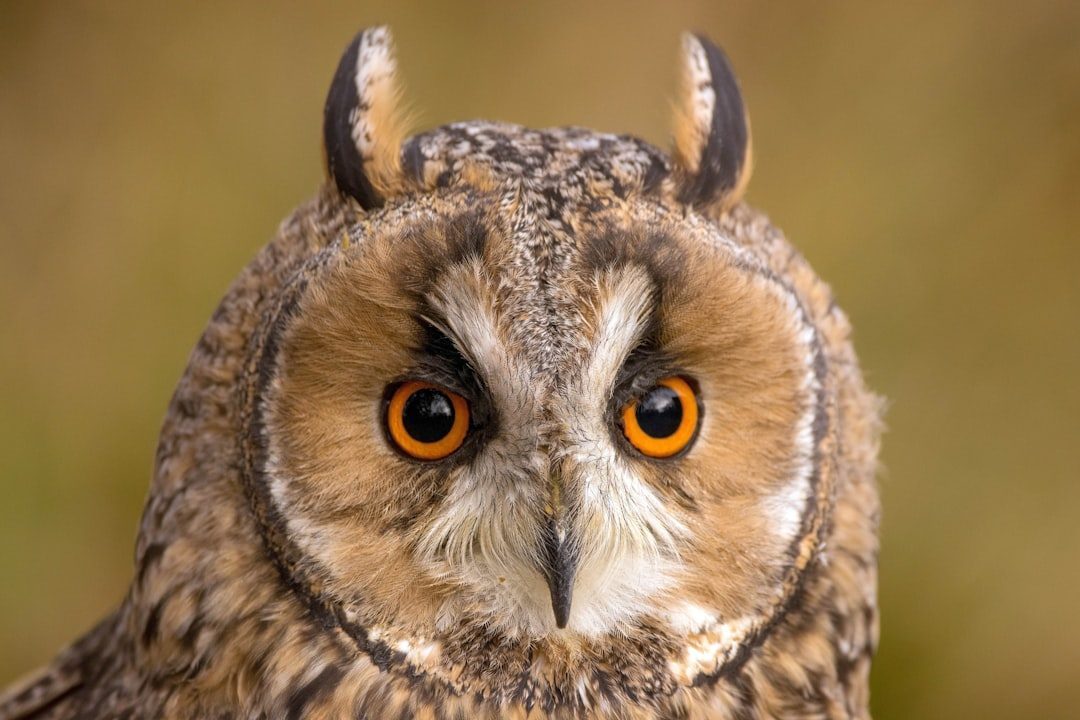
Owls are also used as clan animals in some Native American cultures. Tribes with Owl Clans include the Hopi tribe and some Pacific Northwest tribes. On the Northwest Coast, the owl is often used as a totem pole crest. The Creeks also have traditional animal dances among their tribal dance traditions.
The owl is very commonly used on the top of Pacific Northwest totem poles. In Native American legend, there is a belief in spirit animals that act as guides throughout a person’s life. A totem animal is one that is with a person for life. This ceremonial use demonstrates the owl’s importance in formal spiritual practices.
Vision, Intuition, and Hidden Truths
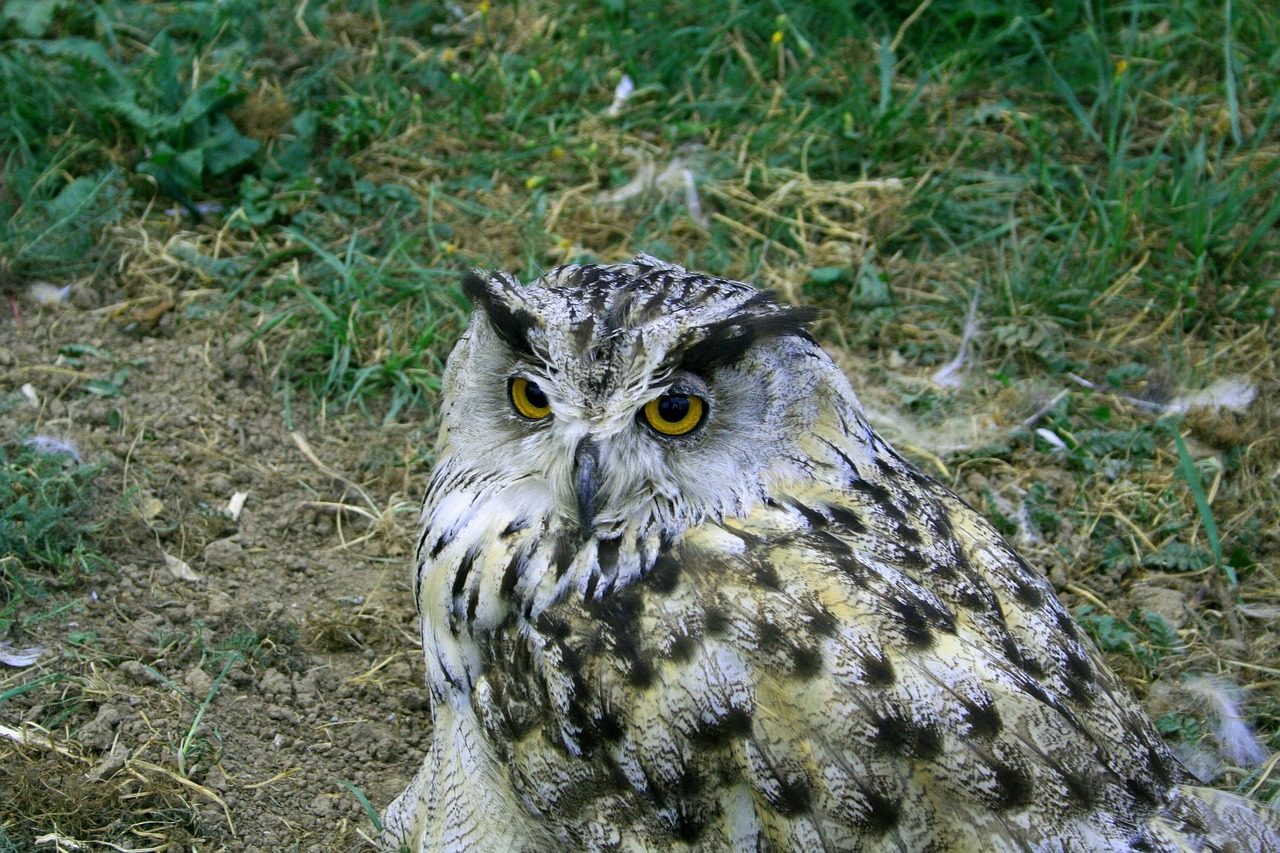
To this day, practitioners of Native American spiritual traditions hold that the owl represents vision and insight. The owl represents wisdom and gives the ability to see things that are normally hidden from view, such as the motives of others, and aids in thwarting deception. The owl’s nocturnal abilities translate into spiritual gifts for those who connect with this totem.
When this spirit animal comes into your life, you get the power to see the unseen. You acquire the ability to see through people. You can see a fraudster way before it affects your life. Also, you clearly understand someone’s state of mind and actions. The practical applications of owl medicine extend into everyday human interactions.
Modern Significance and Continuing Traditions
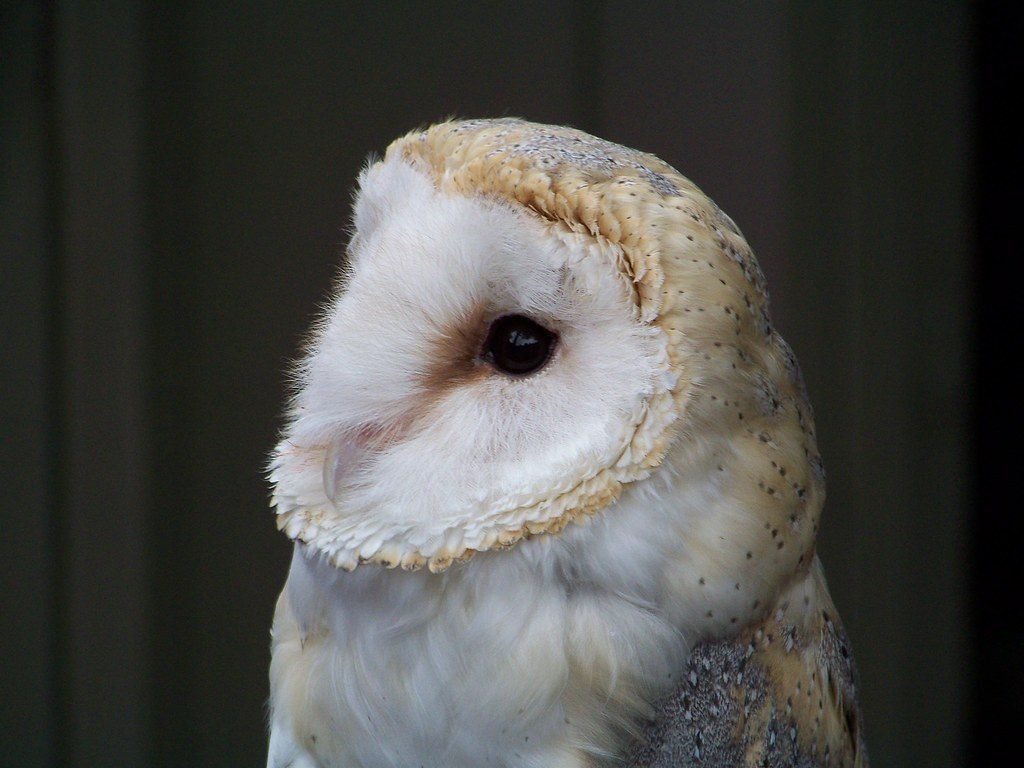
Owls hold a special place in Native American culture, serving as symbols of wisdom, intuition, and spiritual guidance. They are revered as totems, representing the ability to see beyond the surface and navigate through life’s challenges. North American owls continue to captivate and inspire both Native American communities and nature enthusiasts alike.
The owl’s significance hasn’t diminished in contemporary times. Modern practitioners still turn to owl medicine when seeking clarity in confusing situations or guidance through difficult transitions. The ancient wisdom remains relevant because human nature – our need for insight, protection, and spiritual connection – remains unchanged.
What strikes me most about the owl as a totem animal is how it embodies the beautiful complexity of Native American spiritual traditions. Rather than offering simple answers, the owl challenges us to embrace paradox and mystery. It reminds us that wisdom often comes wrapped in darkness, and that the most profound truths might hoot softly in the night when we least expect them. What aspects of owl medicine speak most strongly to your own spiritual journey?
