
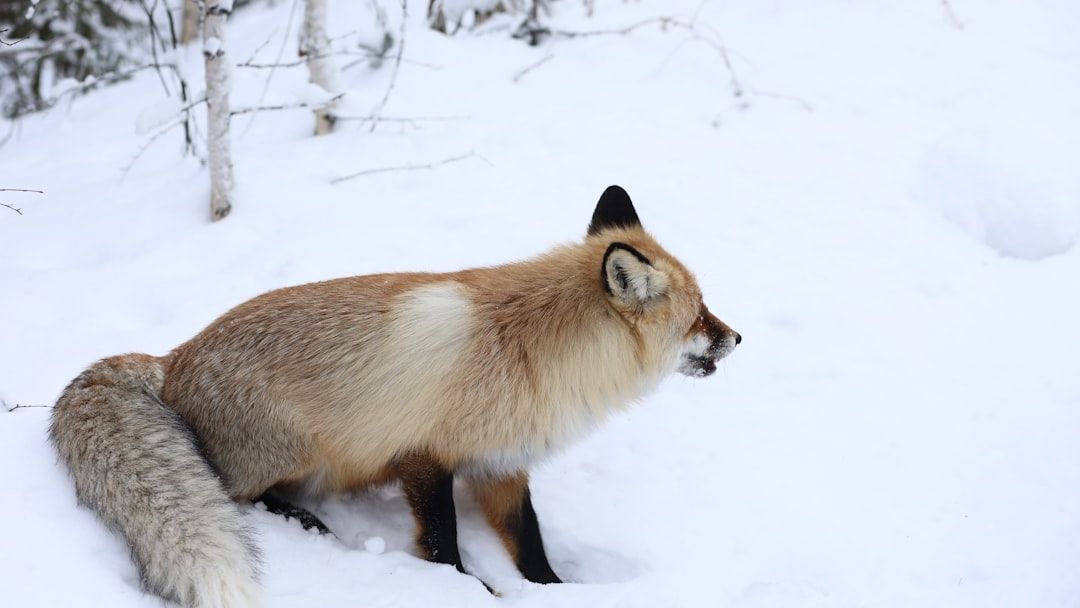
Picture this: while you’re bundled up in three layers of clothing, shivering at the mere thought of stepping outside in winter, there are creatures out there that genuinely thrive when the mercury drops. These remarkable animals have evolved incredible adaptations that don’t just help them survive – they actually prefer it. From the Arctic’s frozen expanses to the depths of icy oceans, nature has crafted some truly astonishing cold-weather specialists that would find our heated homes uncomfortably warm.
Let’s dive into the fascinating world of these cold-loving creatures and discover just how they’ve mastered the art of staying cozy when everything else is frozen solid.
Emperor Penguins
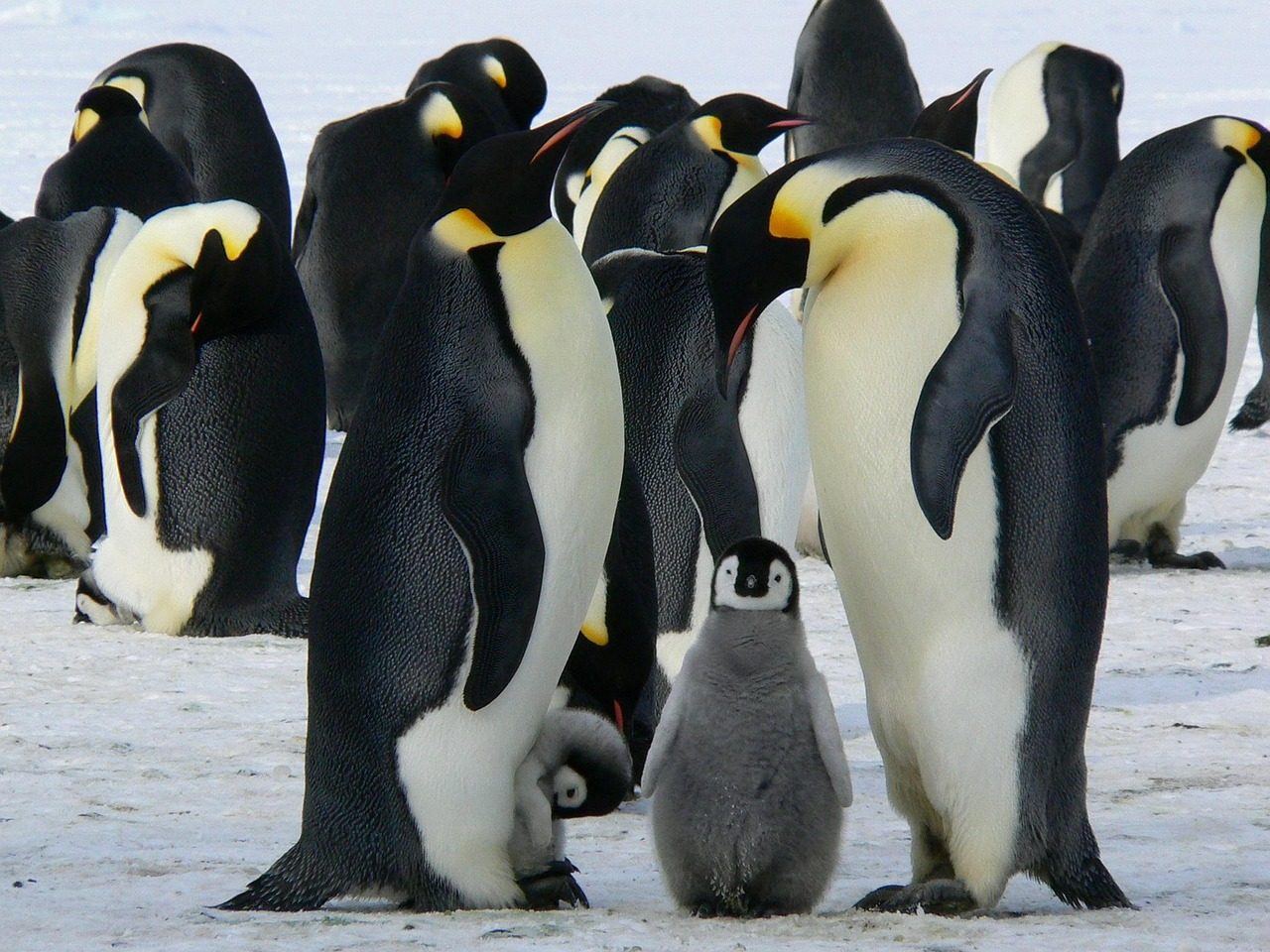
Let’s be real – when you think of animals that love the cold, emperor penguins probably come to mind first. These remarkable birds are among the world’s hardiest species, uniquely adapted to live in environments where little else can survive, and they’re the only species of penguin that breeds during the Antarctic winter, enduring temperatures as low as -40°C and extreme wind speeds of up to 144 kilometres per hour.
Emperor penguins can survive in the cold thanks to tightly packed feathers with a down-like base and a thick layer of fat, while their feet are cold-blooded to reduce heat loss through the ice and some Antarctic species huddle together to maintain body heat. What’s even more incredible is how they form massive huddles, rotating positions so everyone gets a turn in the warm center.
Polar Bears
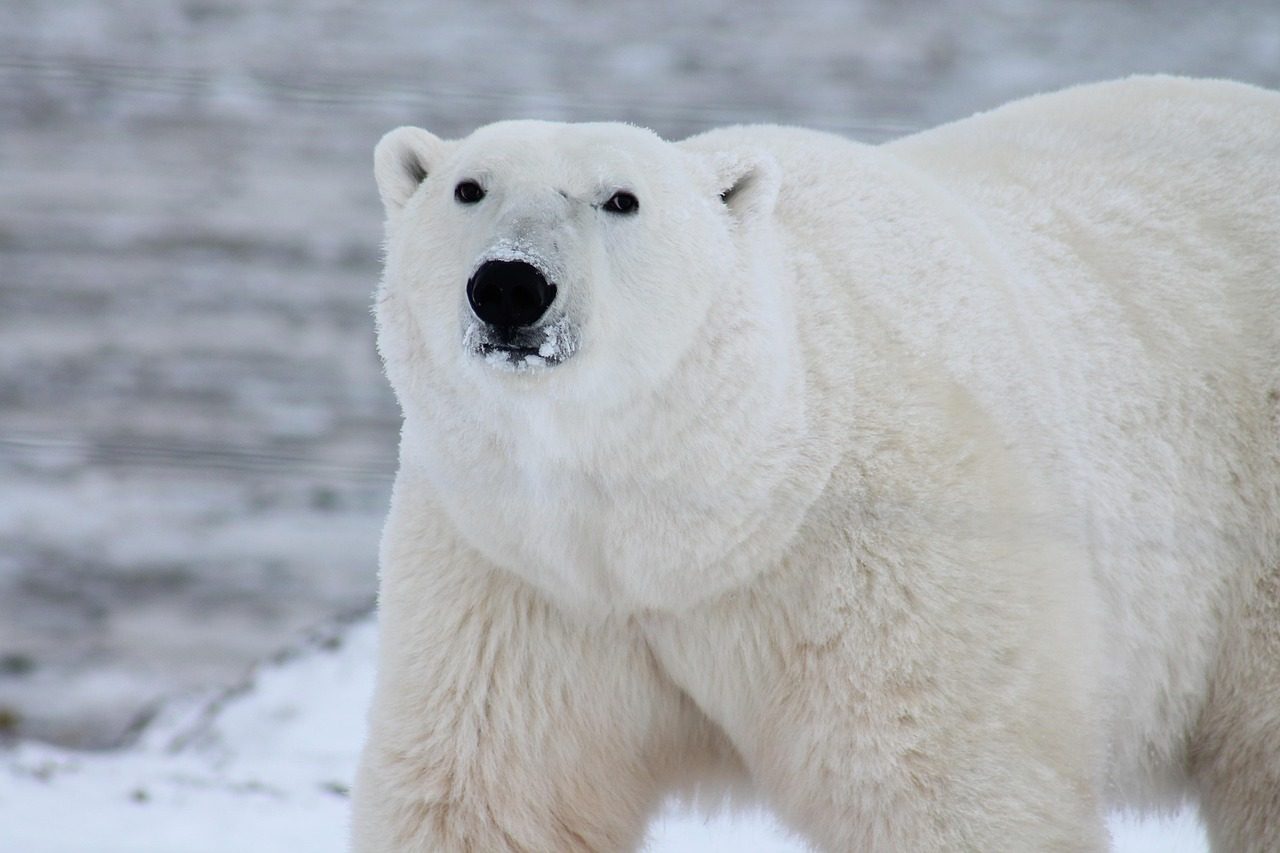
Honestly, polar bears are basically the ultimate winter survival machines. These magnificent predators have two thick layers of fur that act as insulation, protecting them from the surrounding harsh climate. Recent research has even found that polar bear fur contains grease that prevents it from freezing after they dive into the water to hunt, and scientists believe this grease could potentially be used to develop anti-ice surface coatings.
Here’s the thing though – polar bears are so well adapted to cold that they can actually overheat in warmer temperatures. If a whale is stranded on land, its blubber may cause it to overheat because air can’t remove heat fast enough to keep the creature cool, and the whale may die from its own internal heat. This same principle applies to polar bears, making them truly cold-weather specialists.
Arctic Foxes
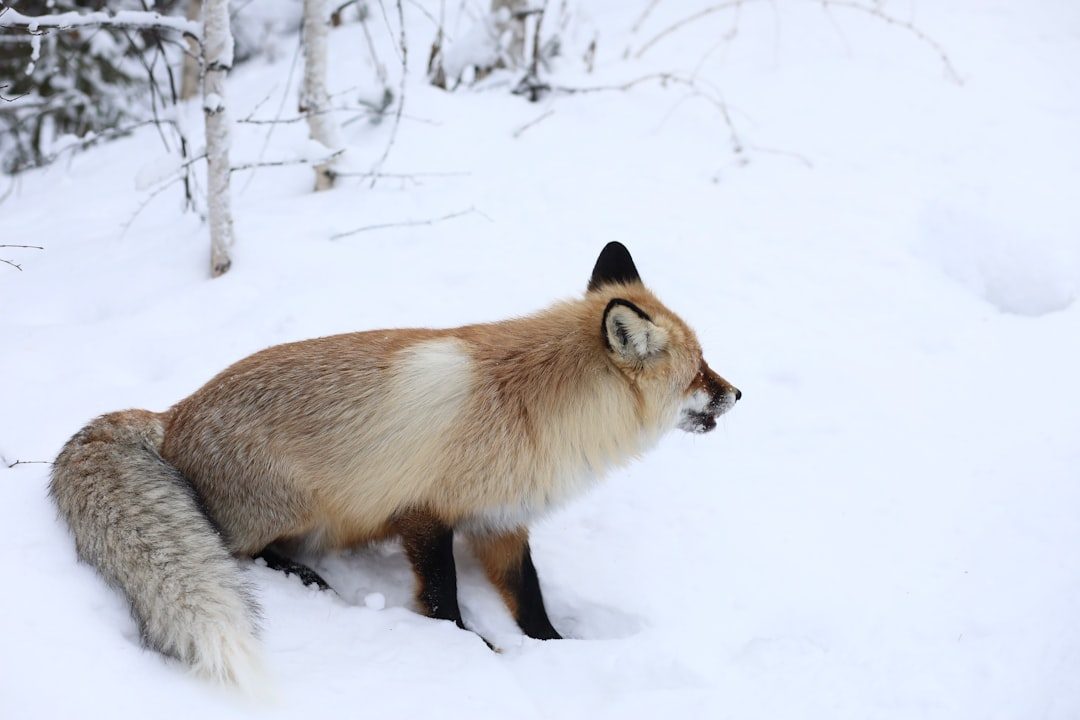
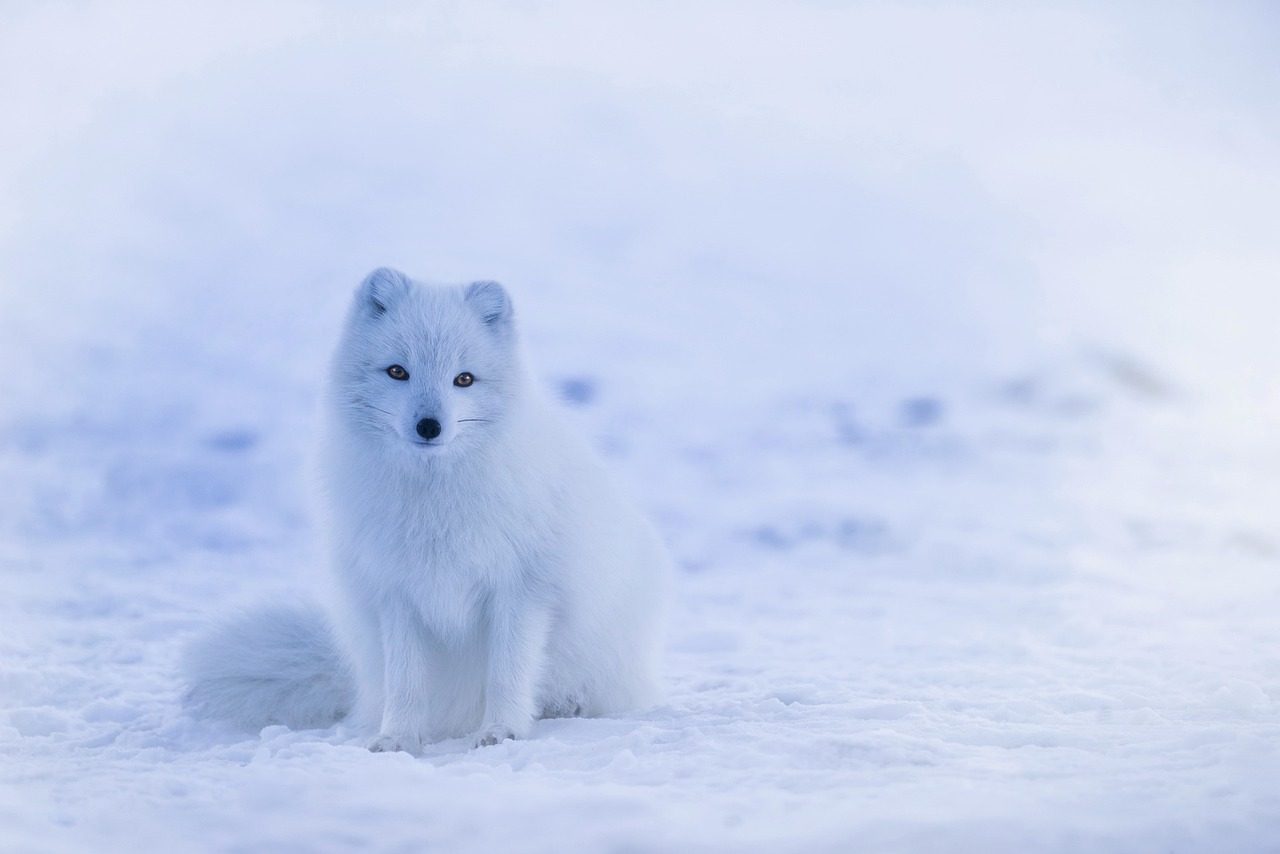
The Arctic fox is the ultimate winter survivor, known for its pure white coat that provides exceptional camouflage in the snow – this small but mighty fox is a master at staying warm. During the snow-covered winter, the arctic fox is kept warm by a fluffy white top coat, but in the warmer months, the top coat sheds revealing a thinner covering of grays and browns, and this seasonal shift in coat color helps them blend in with their environment.
Their most unique feature is their fur-covered toe pads, as the fur on their toes helps them grip the Arctic ice, and insulates their feet so they don’t lose as much heat when hunting out on the ice and snow – they are the only species in the canid family with this special trait. The Arctic fox also has the ability to lower its body temperature during extreme conditions, making it one of nature’s greatest adapters.
Beluga Whales
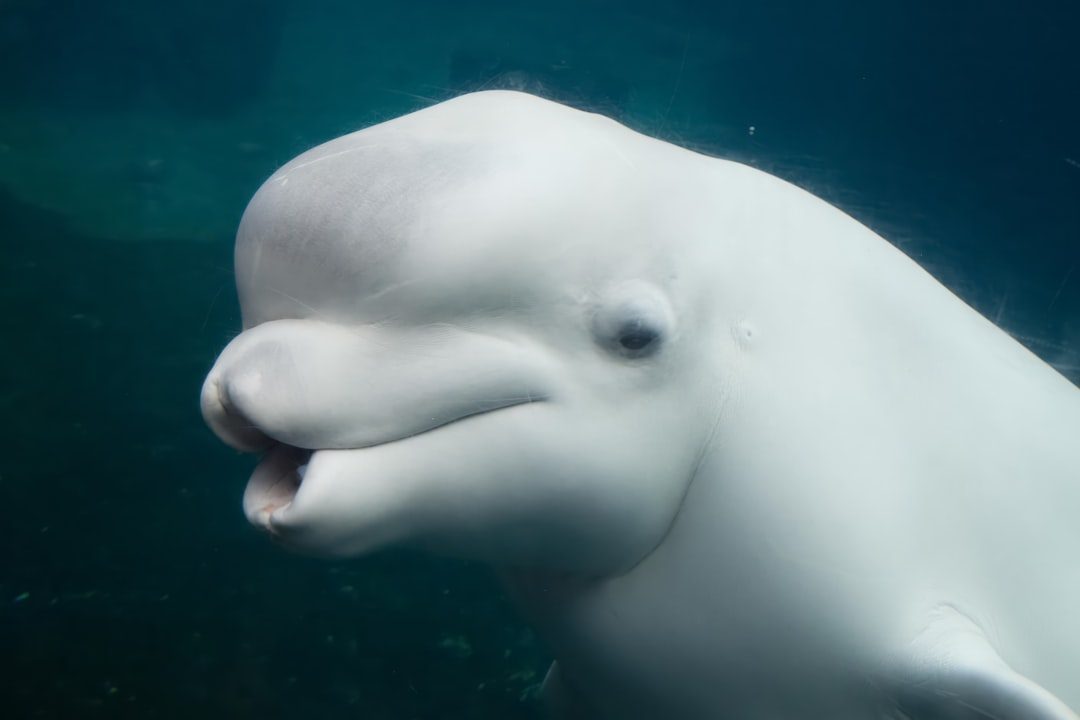
If the narwhal is the Arctic’s unicorn, the beluga whale is its songbird, adapted to cold waters with thick layers of blubber and no dorsal fin, allowing them to navigate under sea ice while they feed on fish, crustaceans, and worms. These small, light-coloured whales are known for their playful nature and a face that almost looks like it’s smiling, and they’re found across the Arctic Ocean with rounded foreheads that help them with vocalizations and echolocation.
What makes belugas particularly fascinating is their adaptability to ice-covered environments. They have adapted to swim without a dorsal fin, which also helps them move underneath ice floats, live mainly in coastal areas but have been known to swim inland during the summer months, and are opportunistic eaters that feed on whatever is available based on the season.
Musk Oxen
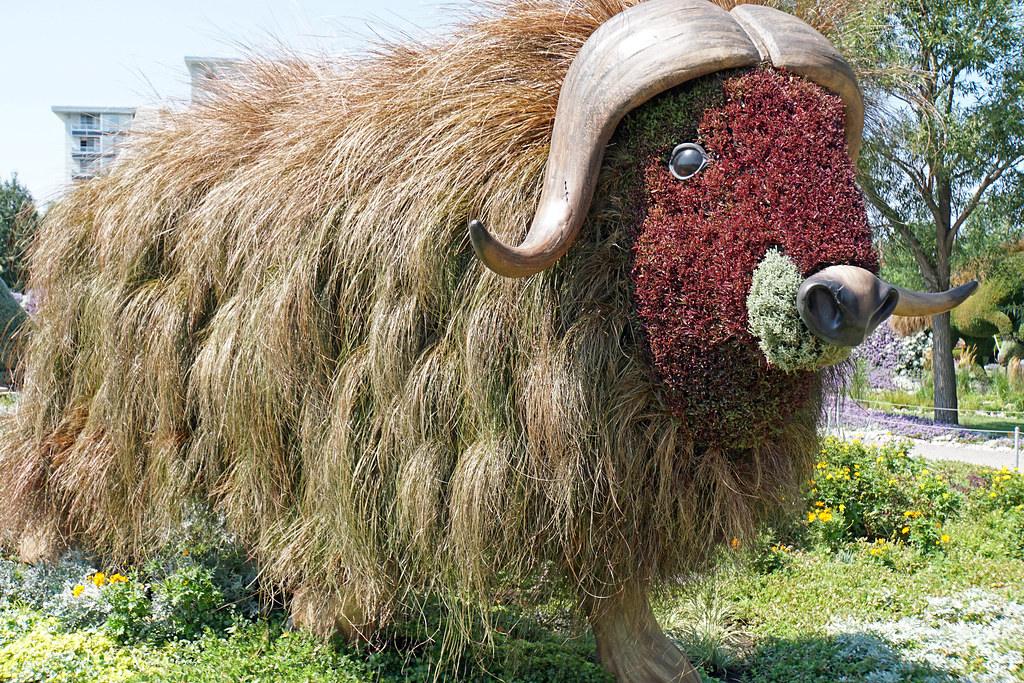
The musk ox looks like a relic from the Ice Age – and in many ways, it is, and when danger threatens, musk oxen form a defensive circle around their young, horns outward, presenting a united wall of strength in a display of both intelligence and solidarity. Weighing up to 340 kilograms, they have thick, double-layered fur which insulates them from the cold and wind, while their bodies are stocky and barrel-shaped, which helps minimise heat loss.
These hardy animals are adapted to survive in the harsh Arctic environment with a thick, woolly undercoat known as qiviut, which is warmer than sheep’s wool and softer than cashmere. I think it’s incredible how they’ve managed to create their own mobile fortress system that’s worked for thousands of years.
Reindeer
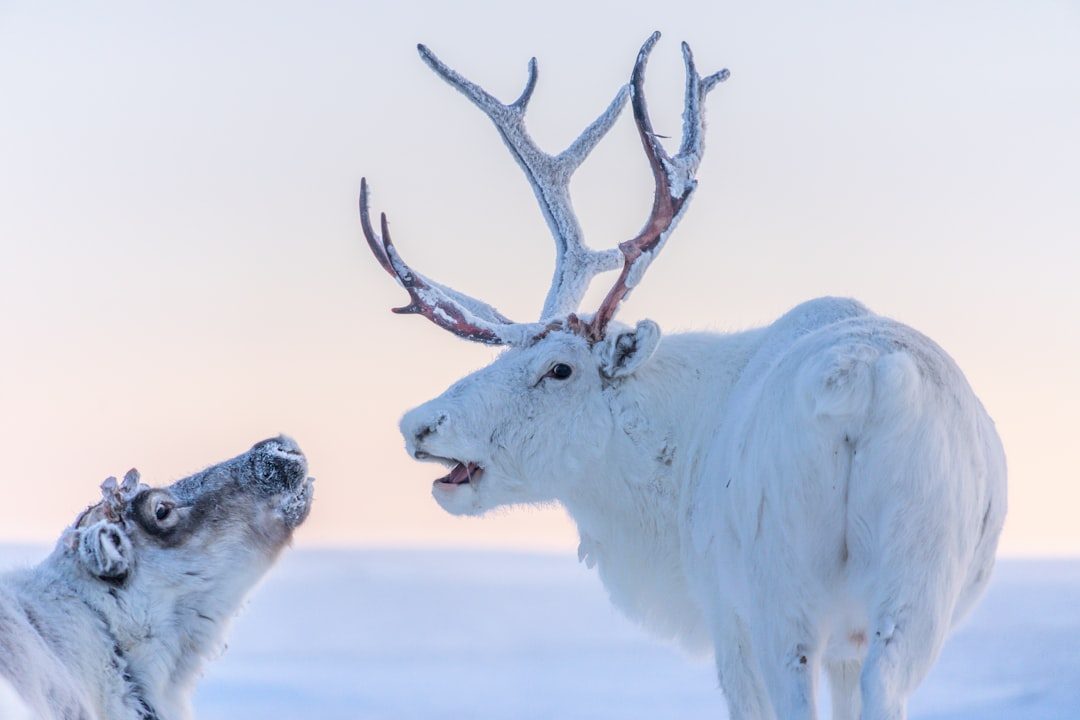
Reindeer have a rich fur coat for heat retention and weather protection, consisting of a soft fine undercoat of woolly insulating hairs and a longer coarser top coat of protective guard hairs that help shed rain and the worst weather, with a thicker undercoat grown for winter that’s then shed the following spring. These hardy animals have several adaptations for living in a cold climate, including enlarged chambers in the nose to warm up the cold Arctic air and hooves that get both smaller and harder in the winter, providing improved grip in ice and snow.
Here’s something that might blow your mind: reindeer have recently been discovered to have ultra violet vision that extends beyond the normal visible spectrum, and since snow and ice are very UV reflective while urine, predators and lichens all strongly absorb UV light, against a bright snow background, dark urine may indicate predators or mates, while predators like wolves show up strongly as dark silhouettes. Talk about evolutionary genius!
Snowy Owls

With their majestic white feathers and piercing yellow eyes, the snowy owl is a striking sight in winter landscapes, and this wild animal is an expert hunter, preying on small mammals like lemmings to sustain itself through snowy conditions. Their adaptations include white plumage that provides camouflage in snowy landscapes, thick feathers covering their entire body including legs and feet for warmth, and acute hearing and vision to detect prey such as lemmings even under snow.
Snowy owls remain active year-round, adapting to food scarcity by migrating short distances to areas with more abundant prey, and their ability to thrive in harsh climates makes them a favorite among bird enthusiasts. These magnificent birds are basically the Arctic’s silent assassins, perfectly equipped for winter hunting.
Walruses
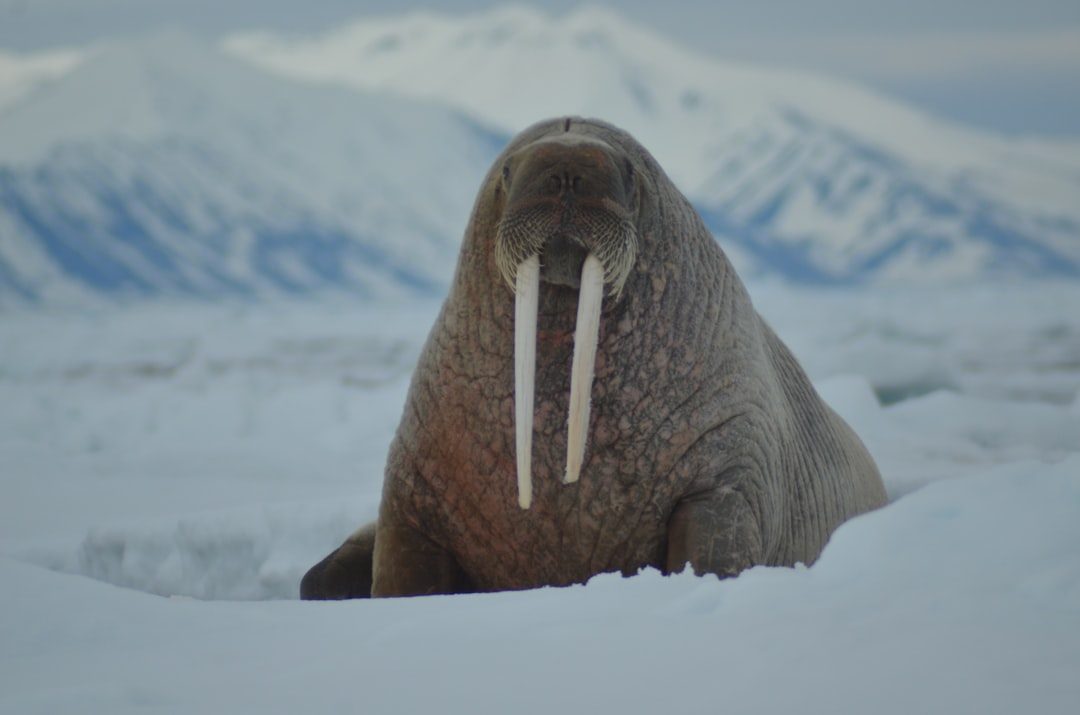
The walrus is a creature of both brute strength and unexpected tenderness – weighing up to 4,400 pounds with tusks that can exceed three feet, yet those tusks are not weapons of war but tools of life, used to haul its bulk onto ice, break through breathing holes, and assert status within social groups. Native to the Arctic, they have a thick layer of blubber for insulation against the cold and strong tusks which can grow up to one meter long and help them climb out of the water onto the ice.
What’s fascinating is their social behavior in cold environments. Living in shallow coastal waters, these Arctic animals spend much of their time on sea ice or beaches, where they feed mostly on clams and mussels, using their whiskers to help them seek out prey on the ocean floor. It’s hard to say for sure, but I suspect their communal hauling behavior actually helps them conserve heat through shared body warmth.
Caribou
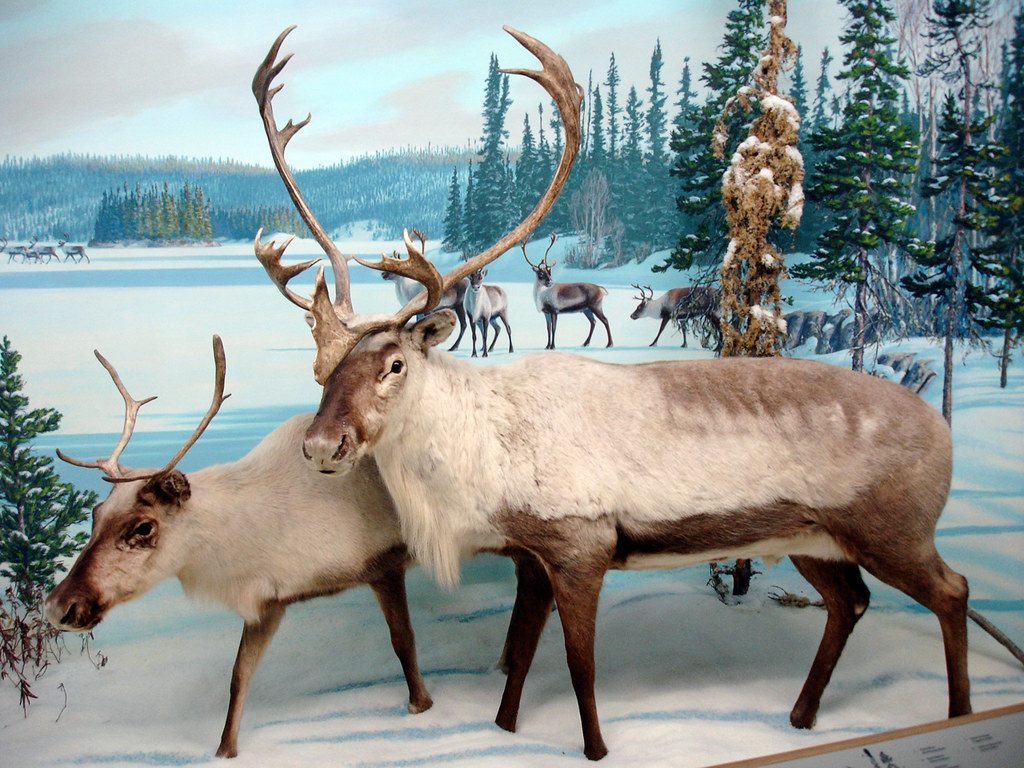
Caribou are large, hoofed mammals famous for their annual long-distance migrations, which are among the longest of any terrestrial mammal, and they have unique adaptations for the Arctic environment, including large, fur-covered hooves that provide stability on snow and a thick coat that insulates them from the cold. These remarkable animals migrate further than any other terrestrial animal, as much as 5,000 km a year.
In general they migrate north in summer where the increased day length leads to growth of plants to graze on though to areas that have few or no trees and so provide little shelter, while winters are spent further south and in forested areas which provide shelter from the worst of the weather especially during storms. Their migration strategy is honestly one of nature’s most impressive examples of working with seasonal changes rather than fighting them.
Arctic Wolves
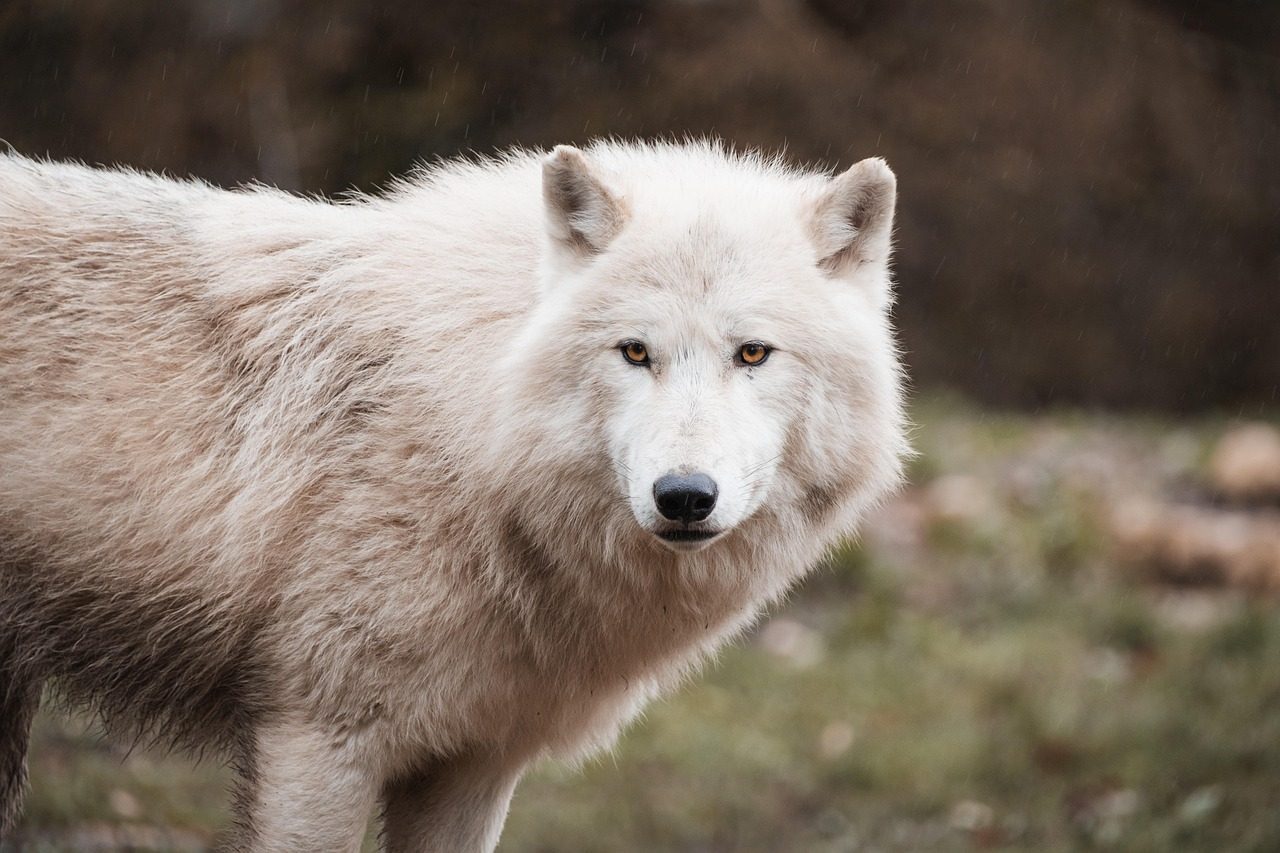
The Arctic Wolf, a subspecies of the gray wolf, is adapted to the Arctic’s extreme cold with a thick coat and smaller ears to minimize heat loss and preys on various Arctic animals. Together, they hunt musk oxen, Arctic hares, and caribou, often coordinating with remarkable intelligence, and unlike their southern relatives, Arctic wolves face little human interference with their isolation across the Canadian Archipelago and northern Greenland preserving their ancient rhythms.
Their fur is shorter and denser than that of gray wolves, adapted for conserving heat, and their paws are padded to grip ice and snow, while they can survive weeks without food, their metabolism slowing to conserve energy until a kill can be made. Let’s be honest – these wolves have mastered the art of winter survival better than most humans ever could.
Conclusion
These ten remarkable animals prove that isn’t just something to endure – for them, it’s their preferred living condition. From the emperor penguin’s incredible huddling behavior to the Arctic fox’s specialized toe fur, each species has evolved unique strategies that make freezing temperatures feel like home.
What strikes me most about these cold-weather champions is how they’ve turned what we consider harsh conditions into advantages. While we’re cranking up our heaters and complaining about winter, these animals are thriving in environments that would be lethal to most life forms. They remind us that adaptation isn’t just about surviving – sometimes it’s about finding your perfect niche and absolutely loving it there.
Did you expect some of these animals to be such enthusiasts? What would you guess is the most surprising adaptation among them?
