
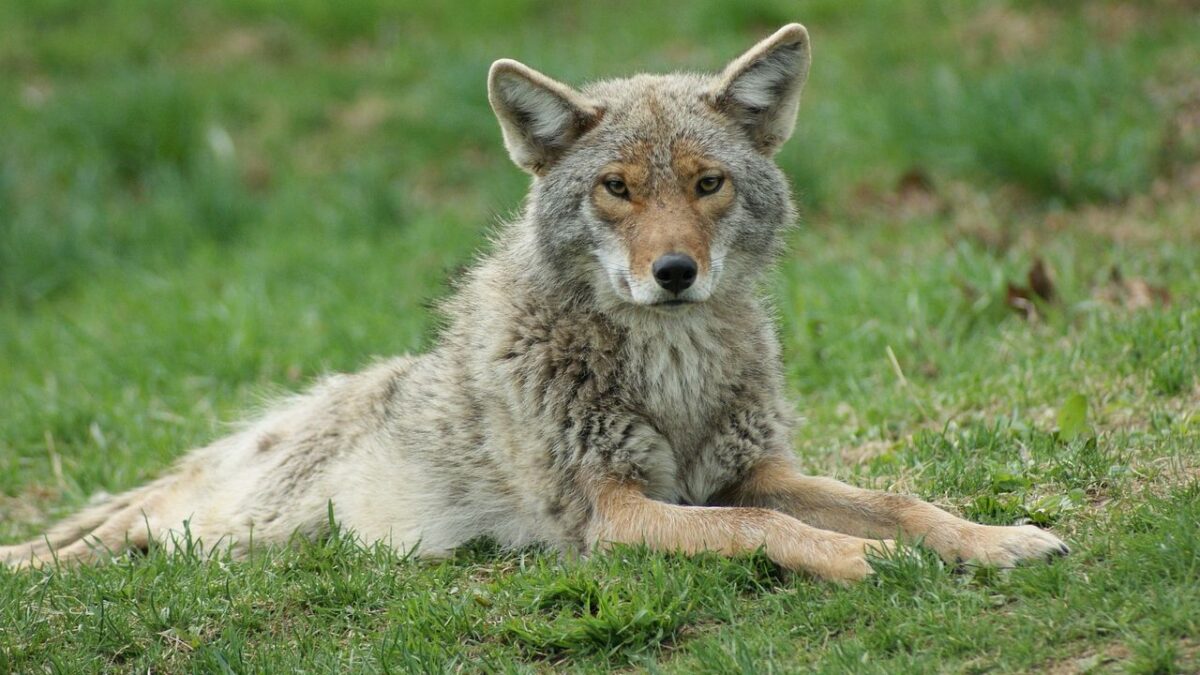
You’ve probably heard their eerie howls echoing through the night, maybe even spotted one trotting across a suburban street at dusk. Coyotes are everywhere these days, from dusty desert highways to city parks, and their numbers tell a remarkable survival story. While many large predators struggled under human expansion, coyotes did the opposite. They thrived.
In states like Texas and California, where the terrain offers ample cover and resources, coyote populations soar into the hundreds of thousands. Their success isn’t just about raw numbers, it’s about sheer adaptability. These canines have learned to exploit every niche we’ve created, from agricultural lands to urban sprawl. So let’s dive into which states host the biggest coyote populations and what makes these places such perfect havens for one of North America’s most resourceful predators.
Texas: The Undisputed Coyote Capital
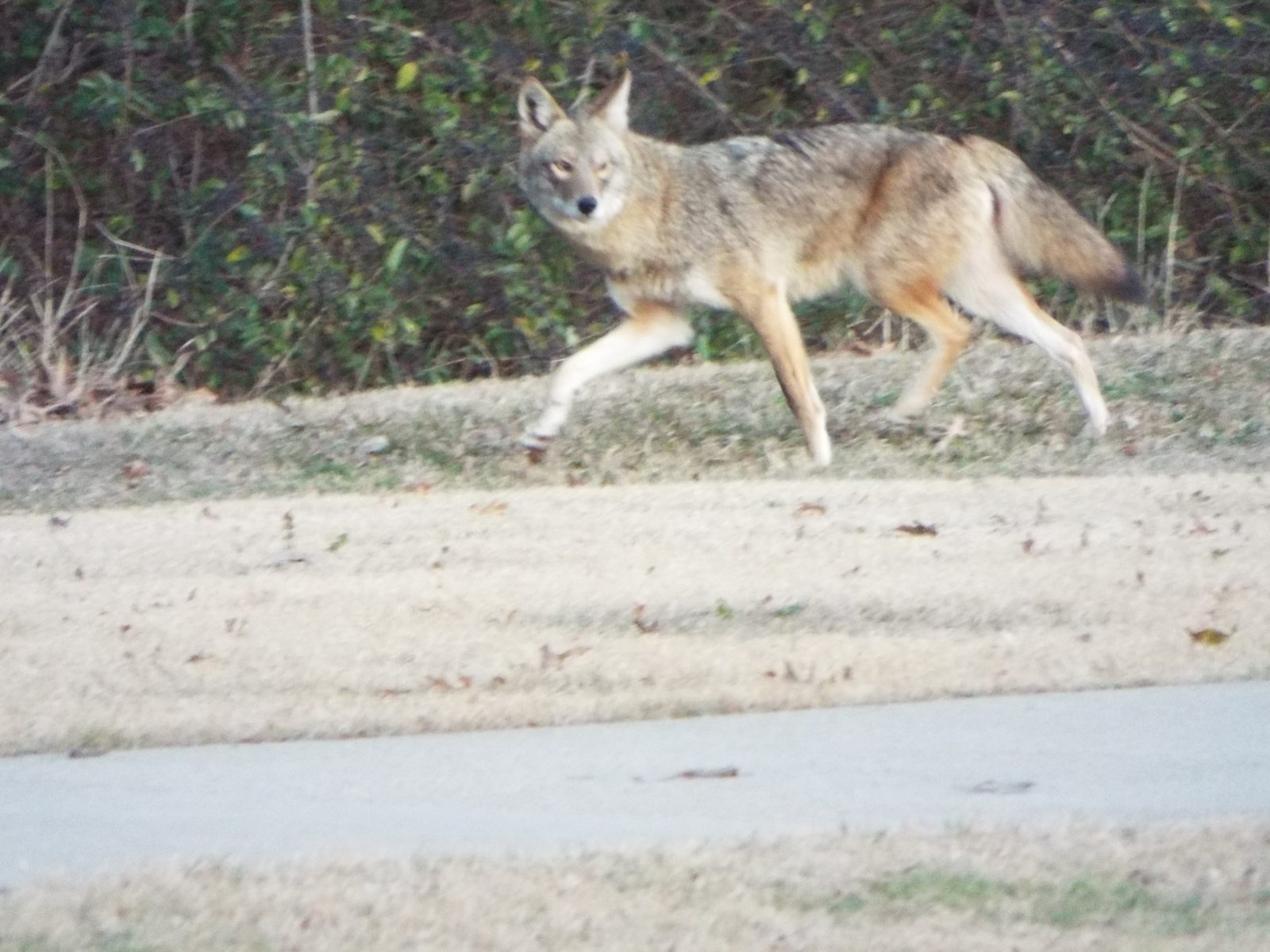
Texas tops the list with 859,510 coyotes, with the state’s vast open lands, ranches, and varied ecosystems supporting the largest coyote population in the country. It’s hard to overstate just how dominant Texas is when it comes to coyote numbers. The sheer size of the state gives these animals endless room to roam, from the arid deserts of West Texas to the piney woods of the east.
What really sets Texas apart is the diversity of habitat. Coyotes are a common sight in Texas, roaming the expansive prairies and open fields, with the state’s large size and diverse landscapes offering an ideal environment for these animals to thrive. They’ve adapted to both rural ranches and urban neighborhoods, often heard howling through the night in places like Dallas and Houston. Coyotes are common throughout all of Texas, and populations are expanding their ranges throughout much of North America. The animals help control rodent populations, which benefits agriculture, though conflicts with livestock remain a constant concern for ranchers.
California: Urban Survivors and Desert Dwellers
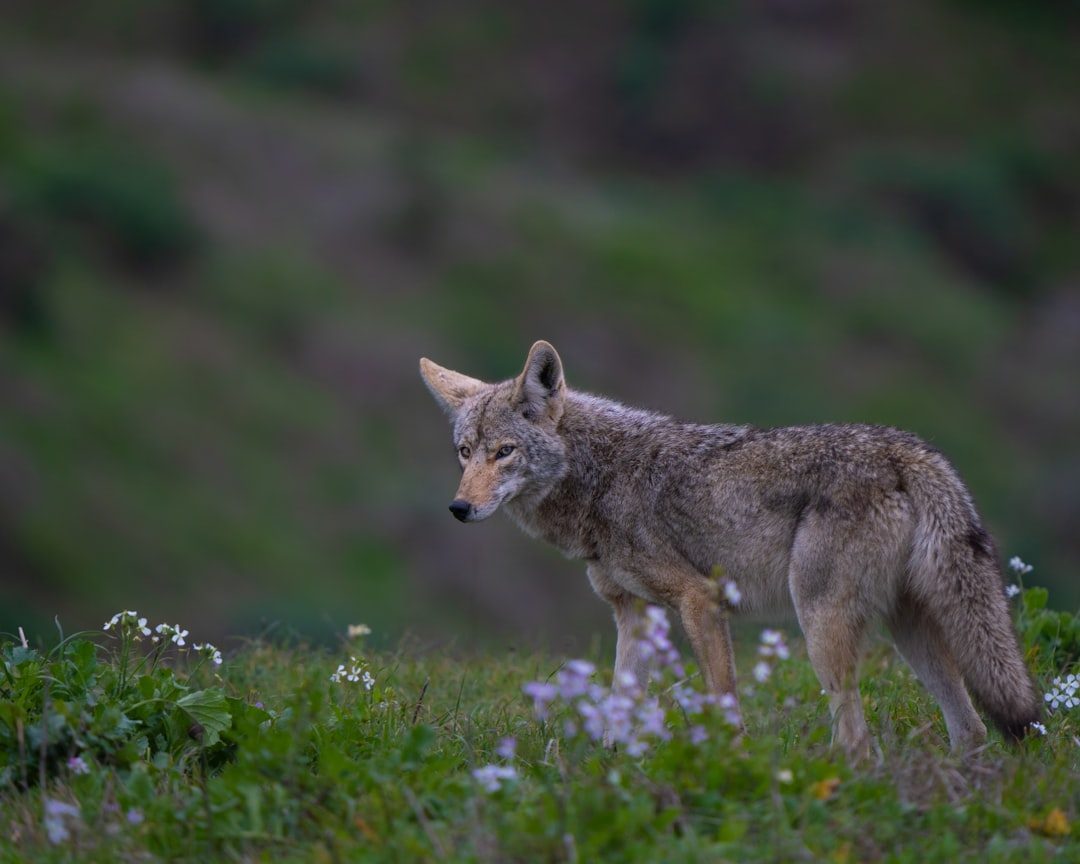
California has a whopping 250,000 coyotes in the state. That’s a staggering number, made even more impressive by how these animals have infiltrated nearly every ecosystem the Golden State offers. From the scorching Mojave Desert to the foggy streets of San Francisco, coyotes have proven they can handle it all.
California is home to a burgeoning coyote population, thriving in diverse habitats from urban areas to vast wilderness, with the state’s varied ecosystems ranging from deserts to forests providing ample food sources and shelter. I think what’s fascinating here is their boldness in urban settings. Coyotes are adept at navigating human-altered landscapes, often seen in suburban neighborhoods, with their adaptability allowing them to survive in high-density areas, scavenging for food and occasionally preying on small pets. People in Los Angeles regularly report seeing them trot down residential streets like they own the place, which honestly, they kind of do.
Arizona: Desert Specialists
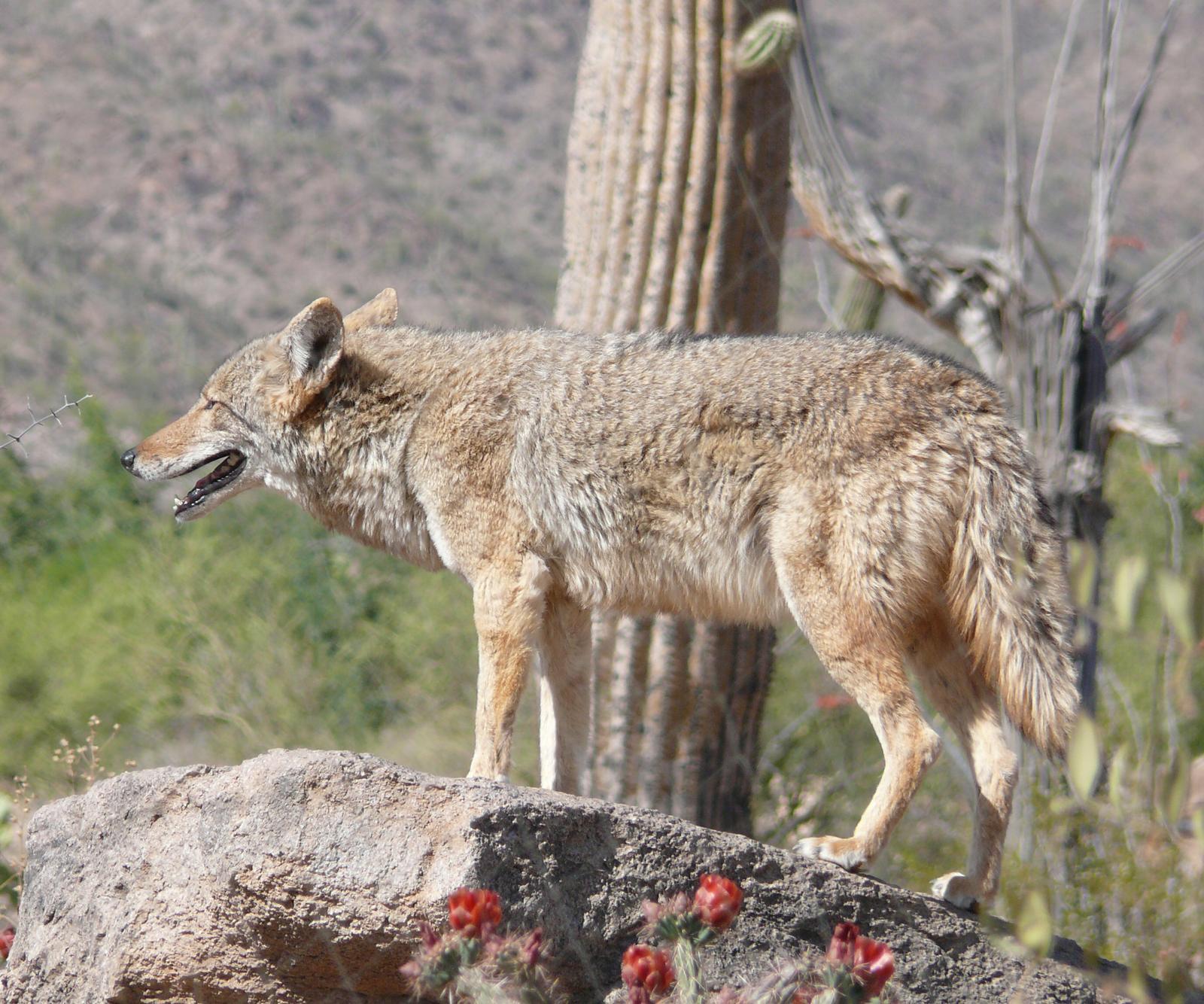
In Arizona, there are approximately 200,000 coyotes, with the deserts and forests of Arizona being ideal habitats, offering plenty of prey and open spaces. Arizona’s landscape is rugged and unforgiving, yet coyotes have mastered survival in this challenging environment. The vast stretches of Sonoran Desert, mountain ranges, and ponderosa pine forests create a mosaic of habitats that suit these versatile predators perfectly.
The extreme temperatures and sparse vegetation might seem like obstacles, but coyotes have adapted remarkably well. They hunt during cooler parts of the day, target abundant rodent populations, and even adjust their social behavior based on resource availability. Their presence in both wilderness areas and rapidly growing cities like Phoenix and Tucson shows just how flexible these animals can be when circumstances demand it.
Kansas: Prairie Predators
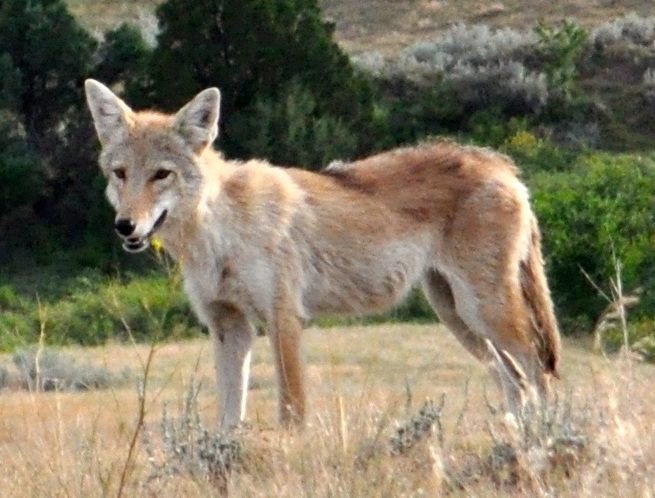
Kansas has about 150,000 coyotes, with the state’s agricultural areas and prairies being perfect hunting grounds for these skilled predators. The wide-open grasslands of Kansas offer exactly what coyotes need: space, prey, and relatively few competing predators. This is classic coyote country, reminiscent of their historical range on the Great Plains.
Farm country might not seem like ideal wildlife habitat, but coyotes have figured out how to make it work. They prey on rodents that damage crops, help keep rabbit populations in check, and generally fill an ecological role that’s actually beneficial to farmers in many ways. Still, tensions arise when coyotes occasionally turn their attention to chickens or small livestock. Kansas maintains substantial coyote populations, with year-round hunting permitted in many regions. The balance between agricultural interests and wildlife management remains an ongoing conversation across the state.
New Mexico: Mountain and Desert Dwellers
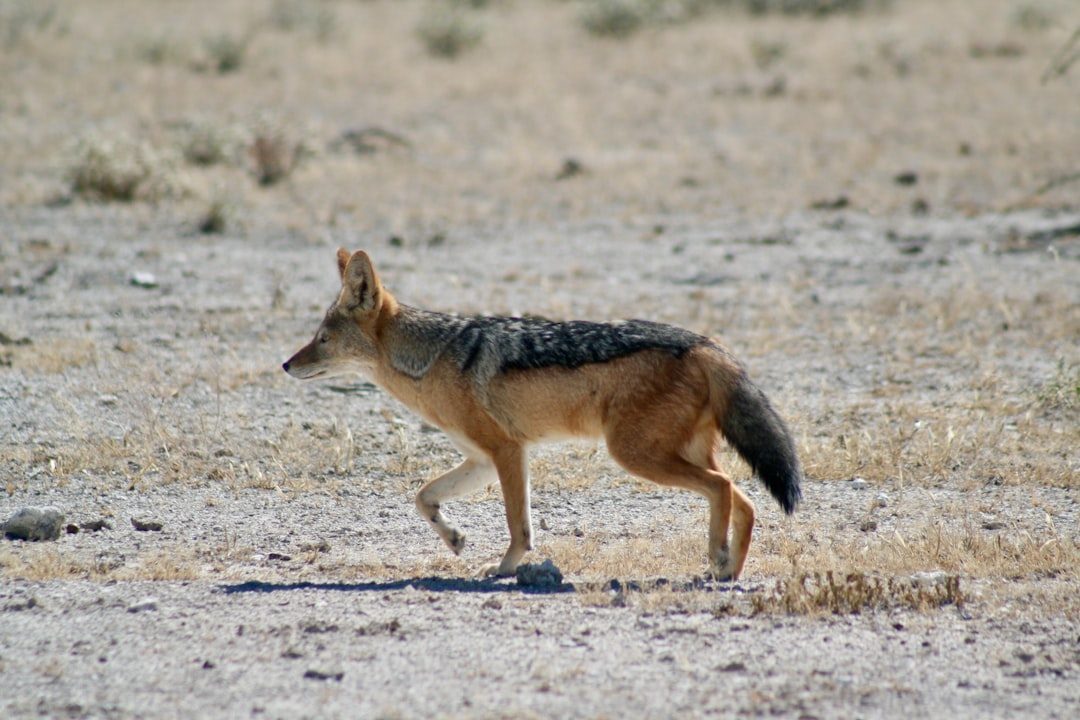
New Mexico’s 125,000 coyotes thrive in the desert and mountainous regions, with the state’s varied terrain providing ample opportunities for hunting and denning. New Mexico’s landscape is dramatic, with elevation changes from low desert basins to high mountain peaks creating incredibly diverse habitats. Coyotes exploit all of them.
New Mexico’s vast deserts and open landscapes provide an ideal environment for coyotes, with their keen senses and adaptability allowing them to traverse the state’s rugged terrains. What’s particularly interesting is how these animals have woven themselves into local culture and folklore, often symbolizing cunning and survival in Native American traditions. Despite the harsh conditions, these animals thrive, demonstrating their resilience and intelligence. Whether it’s the Chihuahuan Desert or the forested mountains near Santa Fe, coyotes have claimed every corner of the Land of Enchantment.
Arkansas: Forest and Farmland Opportunists
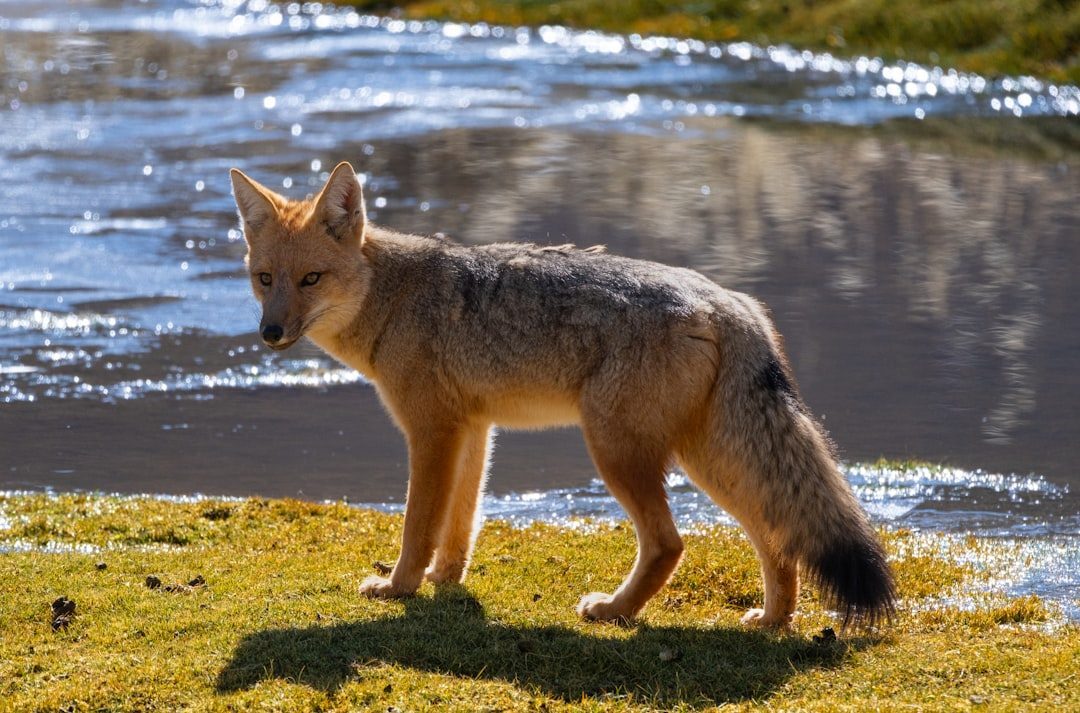
With a population of 106,360 coyotes, Arkansas offers vast wilderness areas and forests where these animals can find food and shelter. Arkansas rounds out our list with a substantial population that’s spread throughout the state’s dense woodlands and agricultural regions. The Ozark and Ouachita Mountains provide wild refuge, while river valleys and farmland offer easy hunting.
Coyotes in Arkansas represent the eastern expansion of the species that’s happened over the past century. From the 1890s, dense forests were transformed into agricultural land and wolf control implemented on a large scale, leaving a niche for coyotes to disperse into, with the first major dispersal to the northeast coming in the early 20th century. These eastern coyotes are often larger than their western counterparts and sometimes carry genetic traces of wolf ancestry from interbreeding as they expanded their range. Their howls now echo through forests where they were completely absent just generations ago.
Conclusion: A Success Story Worth Watching
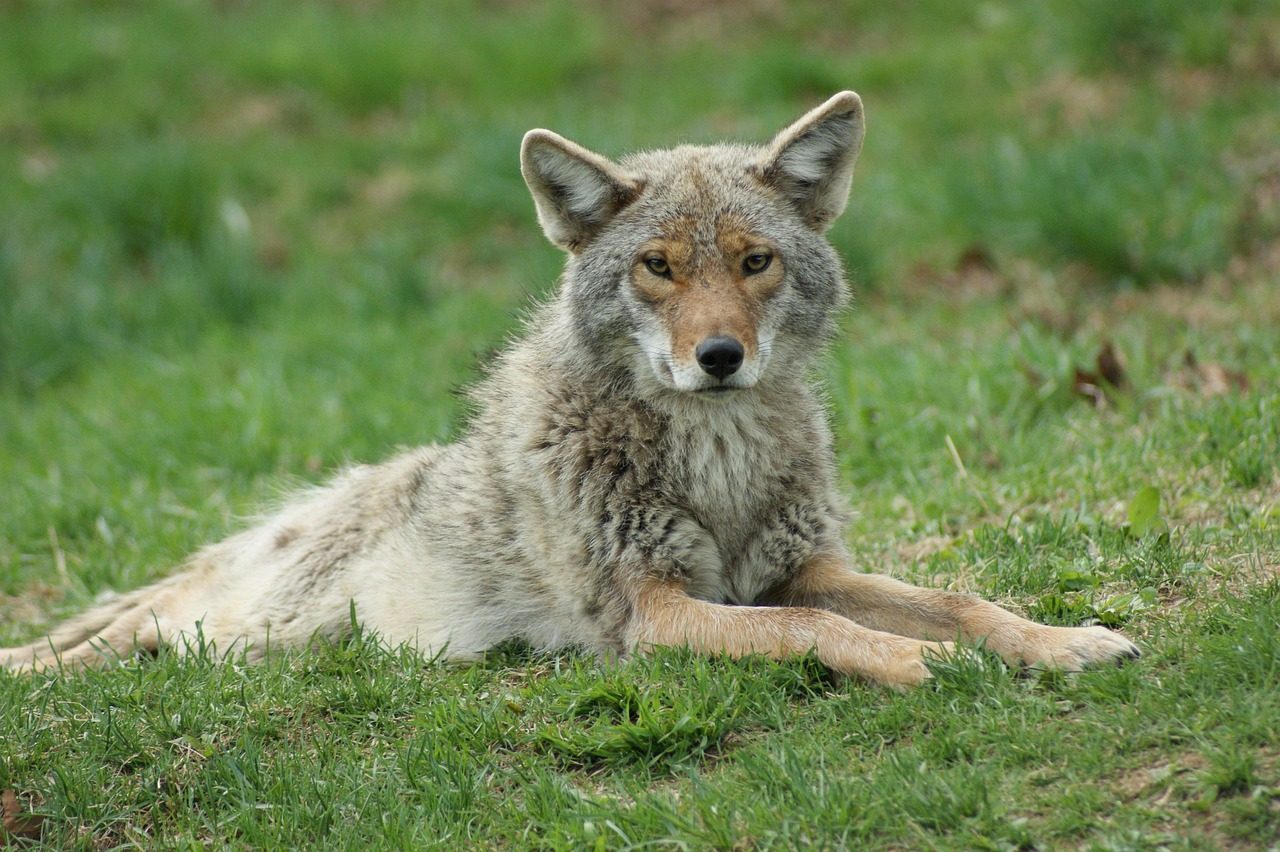
Despite all efforts to wipe them out, the irrepressible coyote continues to thrive, with their numbers at an all-time high and their range in North America expanding threefold since the 1850s. These six states represent the strongholds of one of nature’s most successful adapters. While other predators have retreated or disappeared, coyotes have pushed forward, colonizing new territories and learning to coexist with humans whether we like it or not.
There is no threat of extinction facing the coyote population, and in fact, their numbers may even be increasing. Their story challenges our assumptions about wildlife and human development. Maybe the future of wildlife isn’t just about protecting isolated wilderness, but also about understanding how adaptable species like coyotes rewrite the rules. What do you think about sharing your neighborhood with these crafty survivors? Would you welcome them or prefer they stay in the wild?
