
Ever thought we’d already mapped every corner of our planet? Think again. The natural world keeps throwing curveballs at scientists, revealing creatures and behaviors that completely upend what we thought we knew about life on Earth.
From the deepest ocean trenches to cloud forests shrouded in mist, researchers are constantly uncovering species that seem to defy the rules of biology. Some have been hiding in plain sight for decades. Others live in places so remote that finding them feels like striking gold. These discoveries aren’t just about adding new names to scientific journals, though. They’re reshaping our entire understanding of evolution, survival, and the delicate balance that keeps ecosystems humming along. So let’s dive in and explore seven wildlife findings that genuinely changed the game.
The Nano-Chameleon That Redefined Size Limits
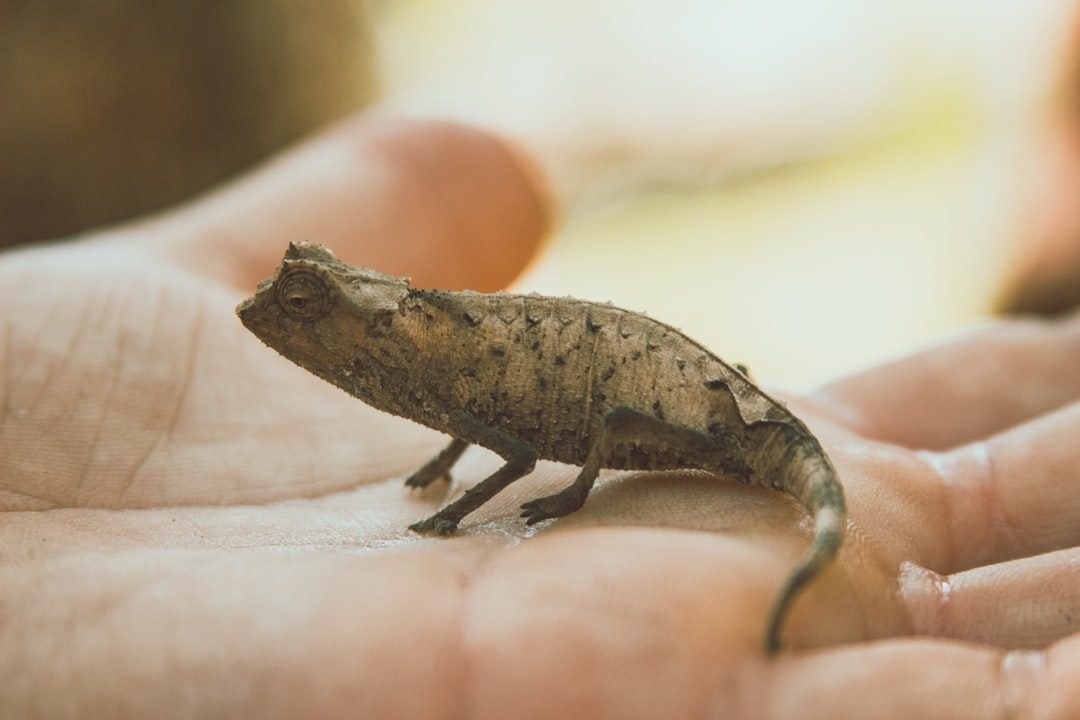
In February, researchers announced a new species of chameleon discovered in a rainforest in northern Madagascar, named Brookesia nana, or B. nana for short, about the size of a sunflower seed, and may be the smallest reptile on Earth. Imagine something so tiny it could comfortably perch on the tip of your fingernail. This discovery wasn’t just cute, it was scientifically mind-blowing.
Finding such a tiny reptile raises interesting questions about the lower limits of body size in vertebrates and highlights the astonishing – and highly threatened – biodiversity of Madagascar. Honestly, it makes you wonder what other miniature marvels are out there, waiting to be found. The fact that this little guy exists at all challenges our assumptions about how small a creature with a backbone can actually get while still functioning properly.
Deep-Sea Giants Living in Total Darkness
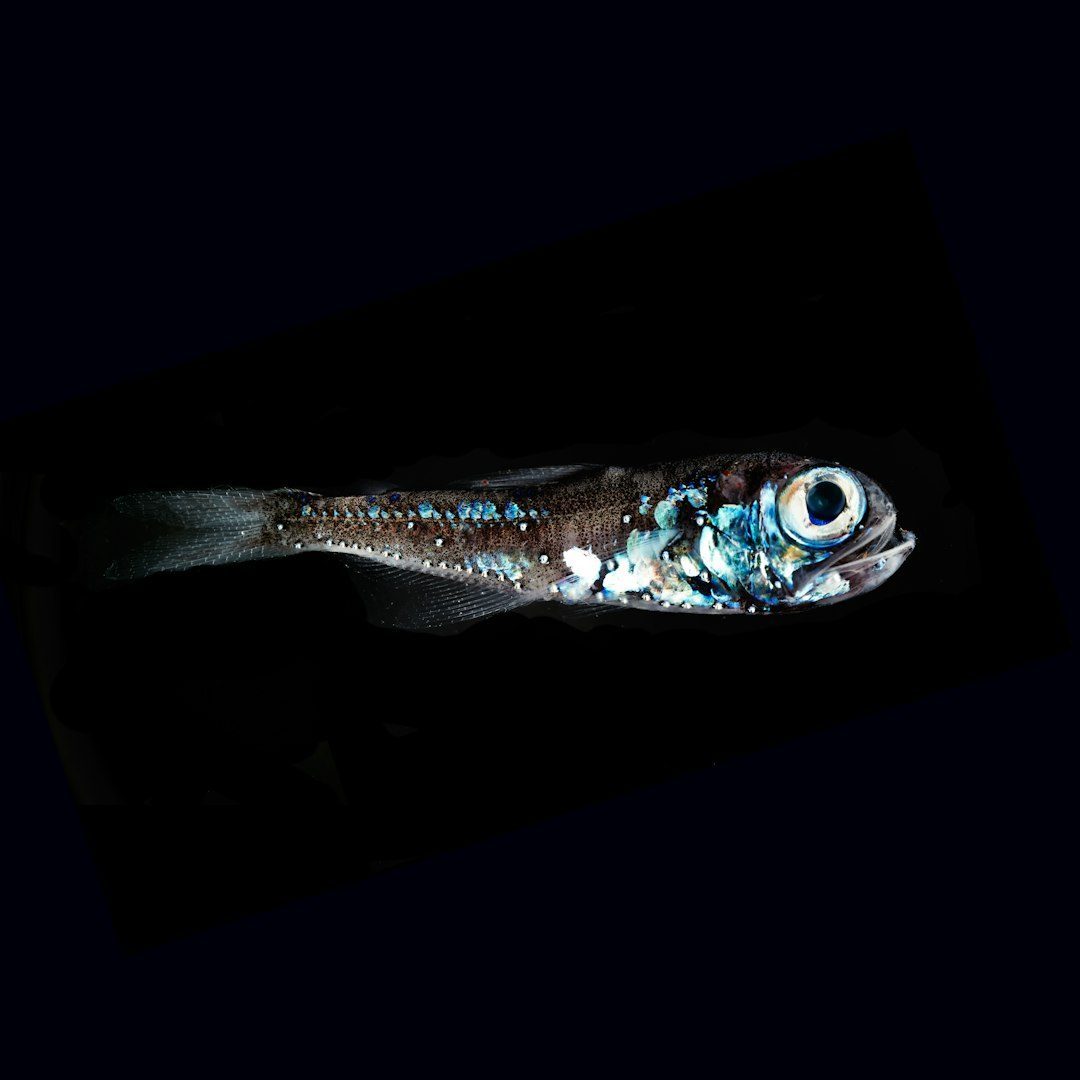
Using advanced lab techniques, researchers recently unveiled 14 new species from ocean depths exceeding 6,000 meters, including a record-setting mollusk, a carnivorous bivalve, and a popcorn-like parasitic isopod. The deep ocean remains one of Earth’s last true frontiers. These recent discoveries proved just how alien life can be when it evolves under crushing pressure and absolute darkness.
A major highlight is the detailed anatomical study of Myonera aleutiana, a carnivorous bivalve found between 5,170 and 5,280 meters, about 800 meters deeper than any previously known specimen. Think about that for a second. A meat-eating clam living nearly four miles beneath the waves. Scientists had no idea such creatures existed at those depths, fundamentally changing our understanding of how life adapts to the most extreme environments imaginable.
The Skeleton Panda Sea Squirt’s Bizarre Beauty
A new species of sea squirt discovered off the coast of Japan, which they’re literally calling the skeleton panda sea squirt, has what looks like bone-white rib cage, but it’s actually blood vessels that run through the gills. This discovery sounds like something out of a fever dream, doesn’t it? Picture a tiny creature with the face of a panda plastered onto what appears to be a miniature skeleton.
They have no idea why this thing looks like a skeletal panda, but they do know that they live in groups of about four, so in pictures, they look kind of like a gaggle of trick-or-treaters. The mystery surrounding its appearance adds another layer of intrigue. Nature doesn’t do anything without reason, even if we haven’t figured out that reason yet. This strange little sea squirt reminds us that evolution follows its own logic, creating forms that baffle human expectations.
Virgin Birth in California Condors
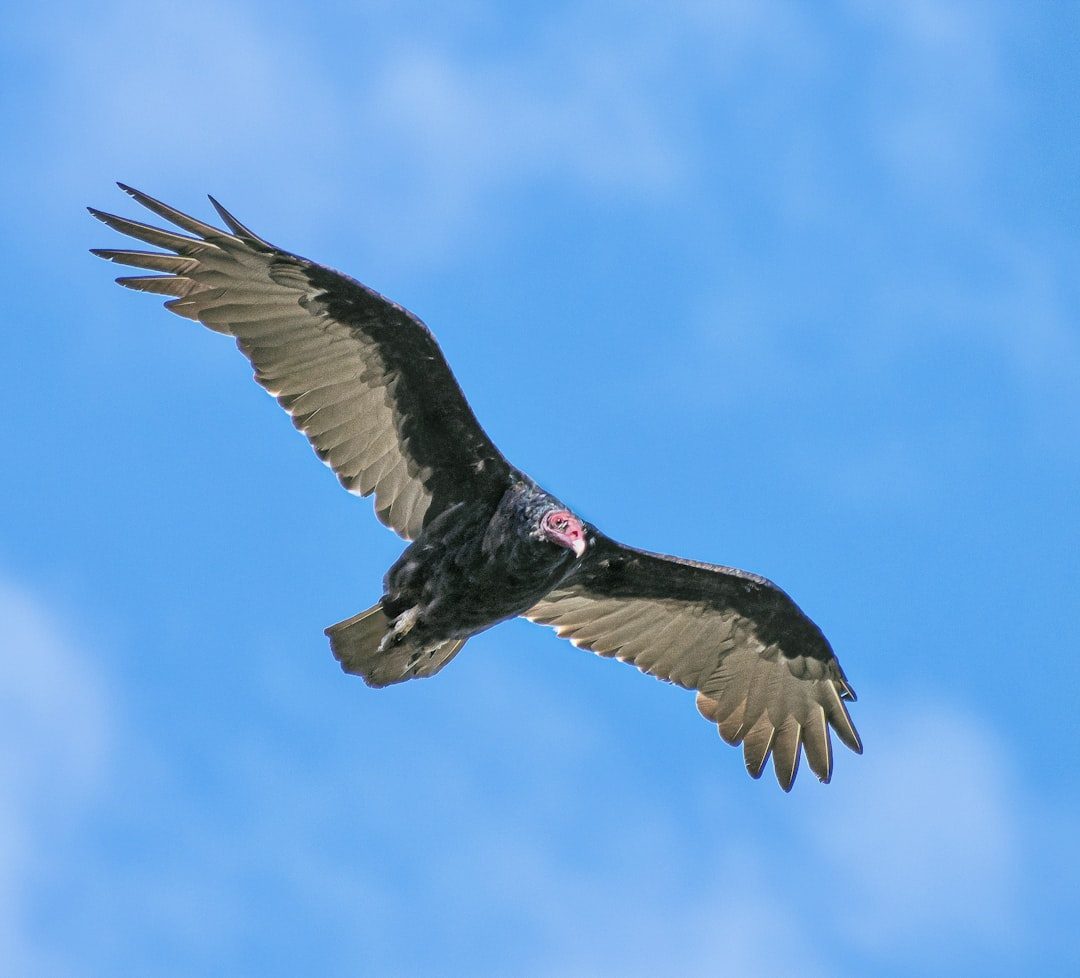
In October, researchers discovered that two female birds had given birth to young – without breeding, the first evidence of virgin birth, also known as parthenogenesis, in this species (and likely any non-domesticated bird). Let that sink in for a moment. These massive birds, with wingspans stretching over nine feet, managed to reproduce without any male involvement whatsoever.
This finding completely rewrites what scientists thought they knew about avian reproduction. Before this, parthenogenesis was considered extremely rare in birds, documented mainly in captive domestic species like turkeys and chickens. The fact that wild condors possess this ability suggests that nature has more reproductive tricks up its sleeve than we ever imagined. It could be an evolutionary backup plan, a way for species to persist even when mates are scarce.
Peru’s Hidden Biodiversity Hotspot
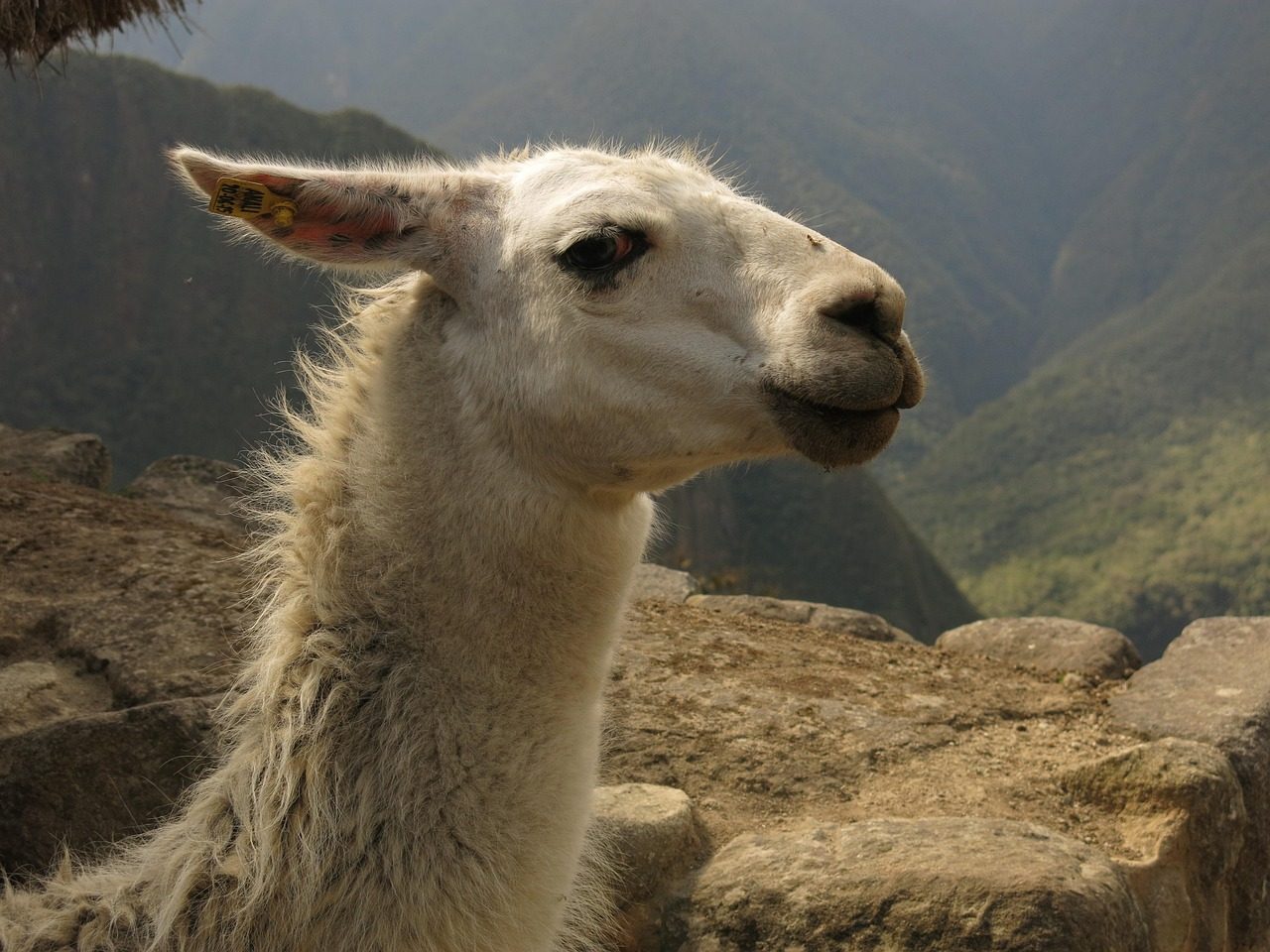
Researchers on an expedition in Peru’s Alto Mayo region discovered 27 new animal species, including a “blob-headed” fish and a semi-aquatic mouse, findings that were surprising given the area’s active deforestation. Here’s the kicker: this wasn’t some pristine, untouched wilderness. This region has been heavily impacted by human activity, yet it still harbors species completely unknown to science.
The sheer number of discoveries in such a relatively small area highlights how little we truly understand about tropical ecosystems. Each new species found represents not just a biological curiosity but an entire web of interactions, behaviors, and evolutionary history. The blob-headed fish alone raises questions about adaptation and niche specialization. These findings drive home an uncomfortable truth: we’re potentially losing species before we even know they exist.
The Eye of Sauron Vegetarian Piranha
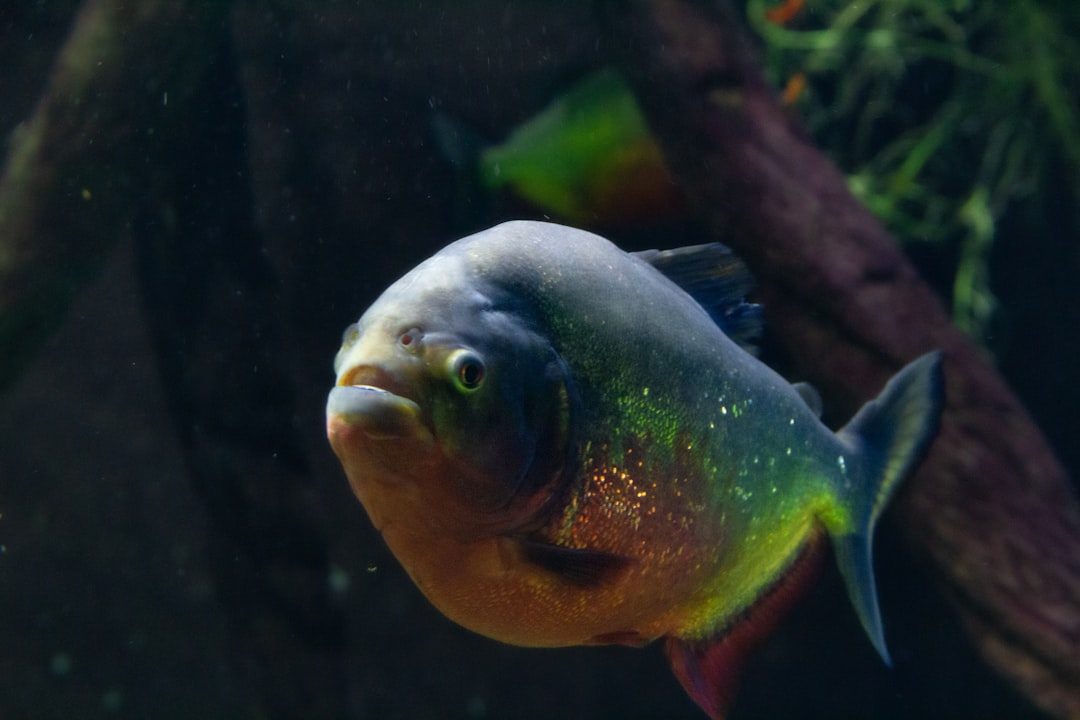
In the Amazon River Basin, researchers discovered a new piranha-like species called Myloplus sauron, with a black slash that runs down its side and fiery orange patches on its body that makes it look a lot like the Eye of Sauron, but the fish itself isn’t all that scary – it’s actually just a vegetarian. The irony here is delicious. Named after one of fiction’s most terrifying villains, this fish is basically the aquatic equivalent of a friendly herbivore.
This discovery challenges stereotypes about piranha-related species and highlights the incredible diversity within fish families. Not every close relative of a feared predator follows the same dietary path. Evolution branches in unexpected directions, shaped by available food sources and competition. The existence of vegetarian piranhas expands our understanding of how species adapt to fill different ecological roles within the same habitat.
The World’s Highest Concentration of Bee Diversity
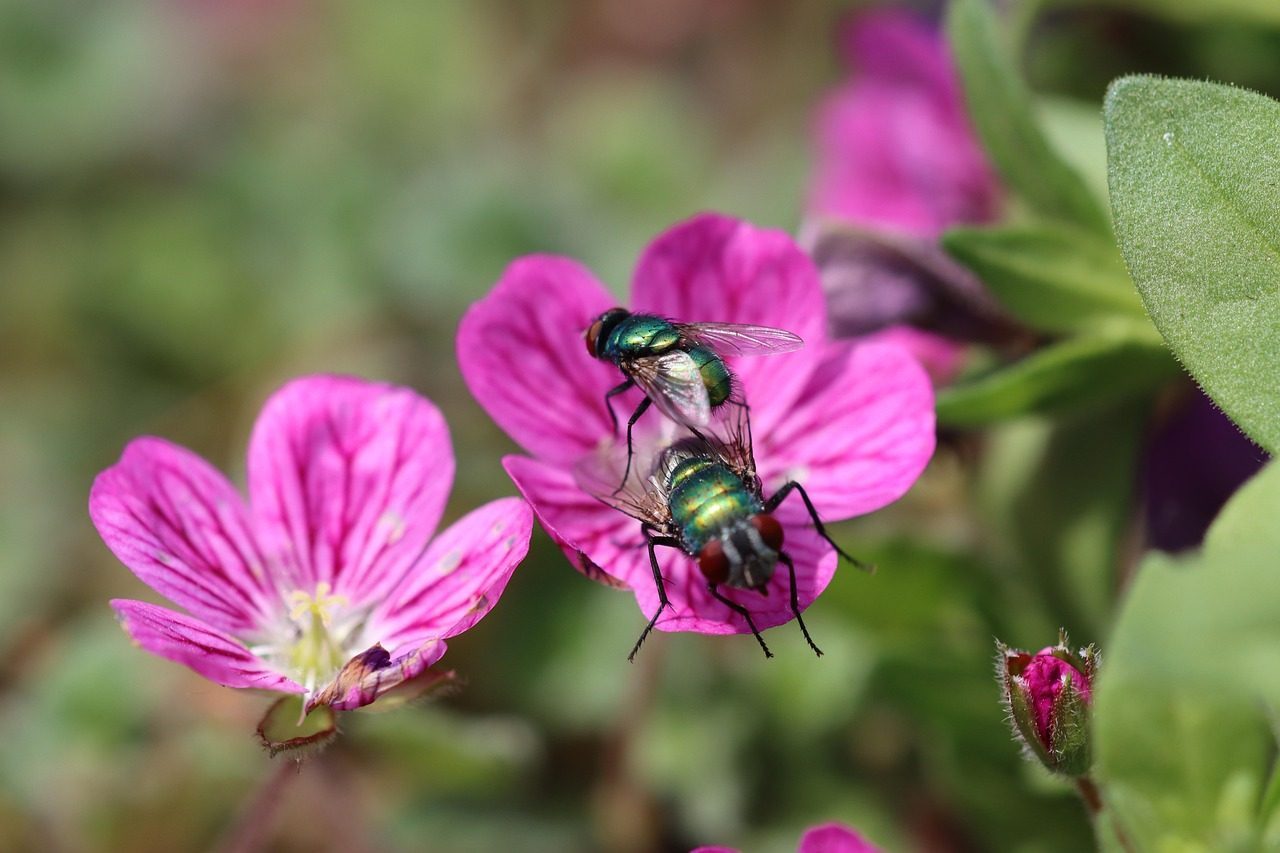
A study published in the Journal of Hymenoptera Research found that 497 species of bees live within just over six square miles of the valley – 10 times smaller than Washington, D.C. – the highest concentration of bee diversity on Earth. Nearly 500 species crammed into an area you could walk across in an afternoon. That’s absolutely staggering.
The discovery makes crucial the need to protect the valley, which has suffered from the construction of the border wall, a 30-foot steel fence that bisects the valley, using vast amounts of aquifer water to make cement for the base, which caused springs to dry up. This finding underscores a harsh reality: we often don’t recognize the ecological significance of places until it’s almost too late. Bees are essential pollinators, critical to countless plant species and, by extension, entire food webs. Losing even a fraction of this diversity could trigger cascading effects we can’t fully predict.
Conclusion: What These Discoveries Really Mean
These seven wildlife findings represent far more than isolated scientific curiosities. Each discovery peels back another layer of mystery surrounding our planet’s incredible biodiversity. They remind us that Earth still holds countless secrets, despite our technological advances and comprehensive mapping efforts.
Many of these newly discovered species are relatively rare and already under threat from things like deforestation or climate change, so we risk losing them just as soon as we found them. That’s the sobering reality behind the excitement. Every new species discovered carries with it an urgent conservation message: protect what we have before it slips away forever. What do you think about these discoveries? Did any of them surprise you as much as they surprised scientists? Share your thoughts in the comments below.
