
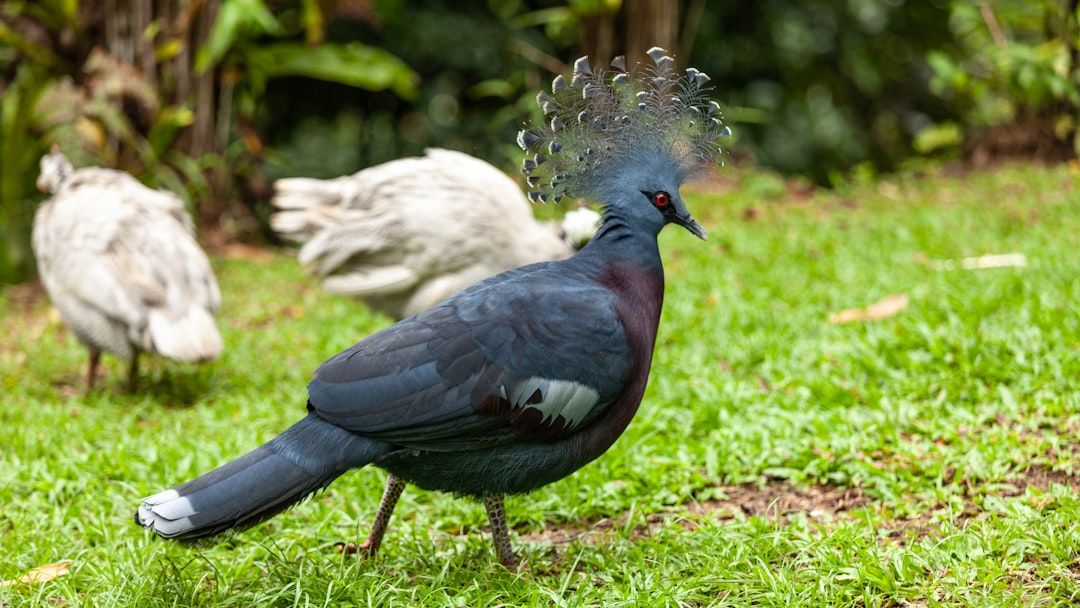
There’s something undeniably captivating about encountering a bird in its full glory. Maybe it’s the way sunlight catches iridescent feathers mid-flight, or perhaps it’s the sheer audacity of a color combination that seems impossible. Let’s be honest, birds don’t just wear colors. They own them.
From remote rainforests to suburban parks, some species push the boundaries of what we expect nature to look like. Here’s a look at ten birds that prove evolution has a wild imagination.
Resplendent Quetzal
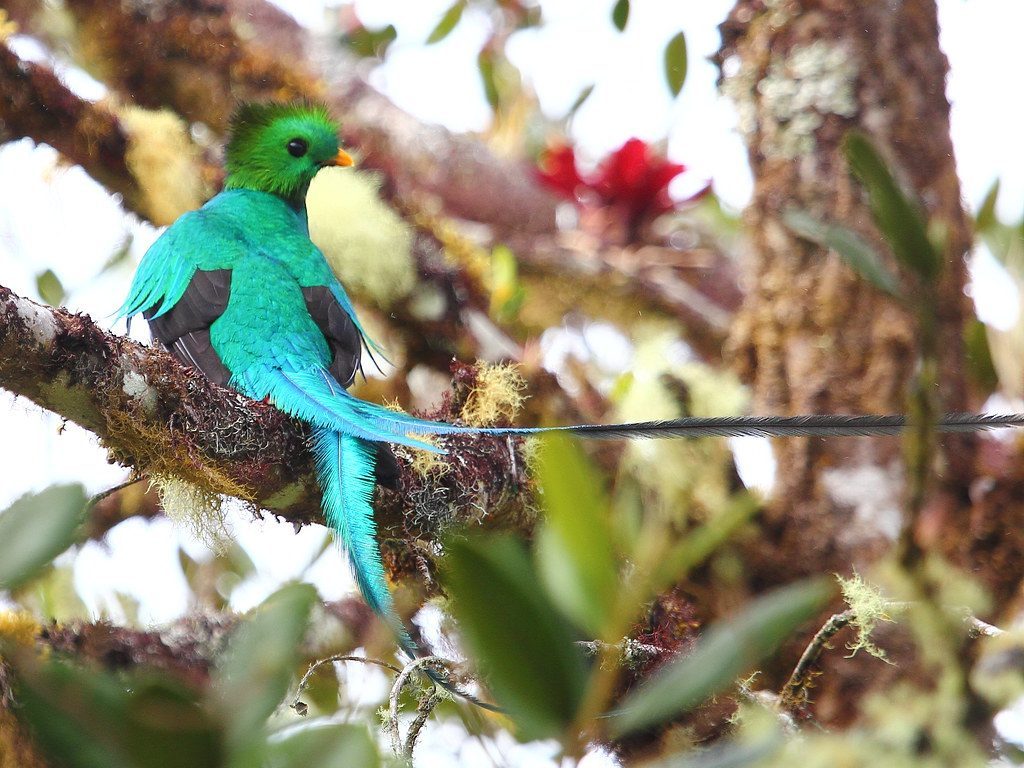
This Central American cloud forest dweller shows off bluish-green tail feathers that shimmer like polished jade. The male quetzal grows tail plumes that can stretch longer than its entire body during breeding season, creating an almost mythical silhouette as it moves between trees. These tail feathers can grow up to three feet long, longer than its body, making every flight a dramatic spectacle.
Ancient Aztecs and Mayans revered it as a symbol of freedom and divinity, and it is now Guatemala’s national bird. What strikes you most is how the bird seems to glow even in the dim forest light. Those emerald greens paired with a crimson chest create contrast that feels both elegant and bold, like nature decided to paint a masterpiece and then hide it in the mist.
Indian Peafowl
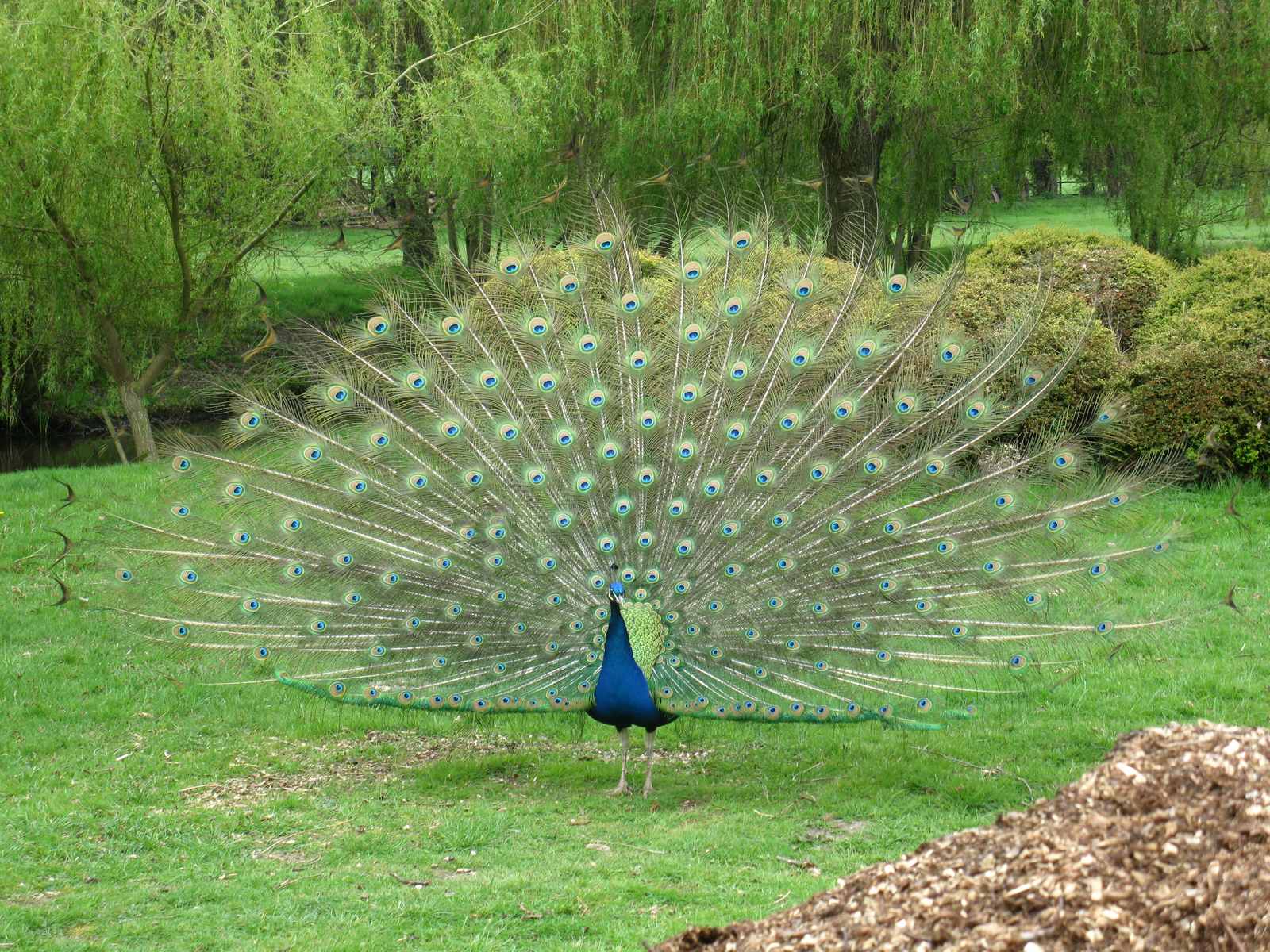
Commonly called the peacock, the Indian peafowl is known for its dazzling tail display with long, iridescent feathers with eye-like patterns used during courtship rituals. The train itself makes up more than half of the bird’s total body length, fanning out into a hypnotic semicircle that reaches across its back and touches the ground.
When a male peacock struts with that tail fully spread, it’s impossible not to stare. Found across southern Asia, these birds also serve as the national bird of India and often catch insects and small snakes for food. The combination of metallic blues, greens, and those distinctive eyespots creates a visual effect that feels almost hypnotic. Honestly, few birds command attention quite like this one.
Victoria Crowned Pigeon
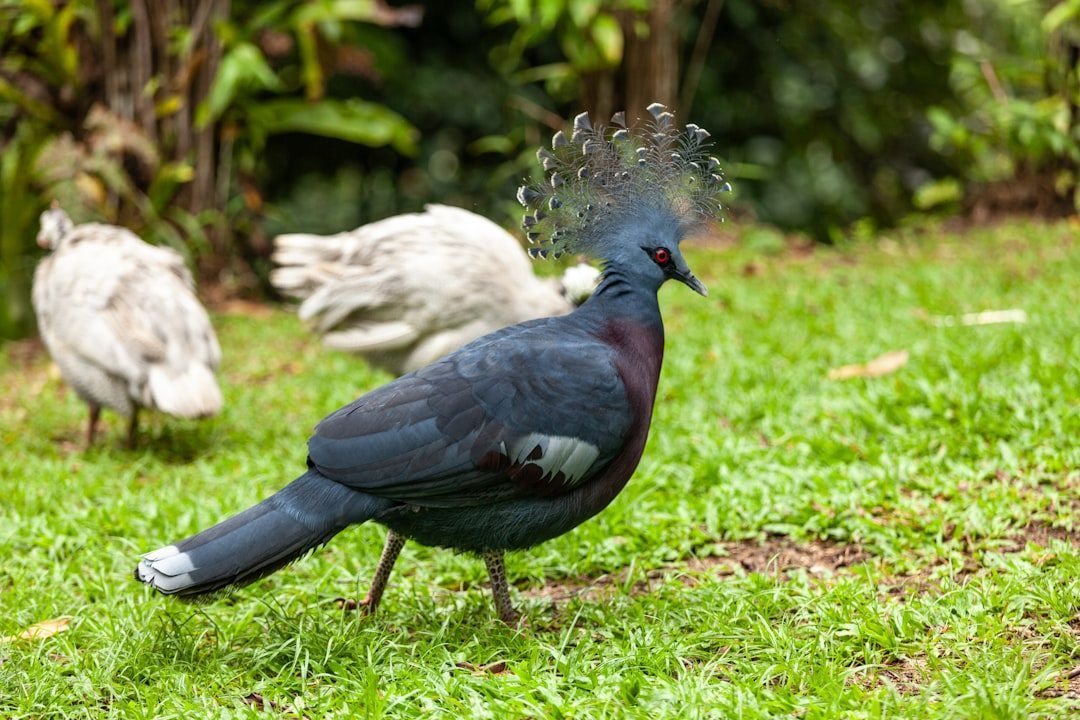
This blue-feathered giant from New Guinea looks like it belongs in royal court, with a lacy crest and a bluish body that can weigh as much as a chicken. It’s the largest pigeon species on Earth, yet somehow manages to look delicate and regal at the same time. That fan-shaped crest of feathers sits atop its head like an elaborate headdress.
The soft slate-blue plumage gives the bird an understated elegance that contrasts sharply with more flamboyant species. Unlike most pigeons, it lives in forests and eats fruits and seeds on the forest floor. Seeing one in person feels like stumbling upon royalty taking a quiet stroll through the jungle.
Rainbow Lorikeet
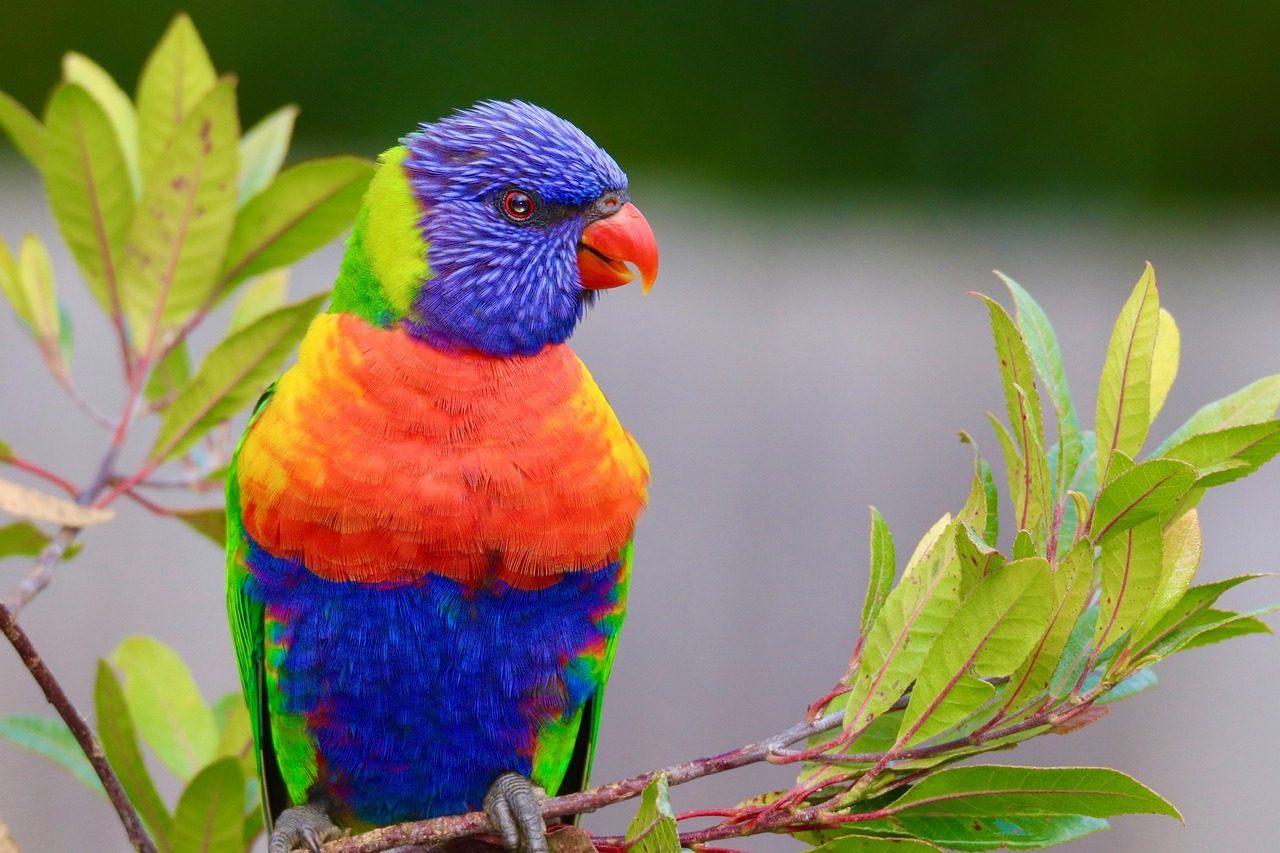
Found in noisy flocks across northern and eastern Australia, the rainbow lorikeet sports a vivid rainbow of red, blue, green, and yellow feathers. These parrots don’t believe in subtlety. Their plumage practically screams for attention, with every primary color represented in bold, saturated tones that look almost artificial.
They’re about the size of a small parrot and primarily feed on fruit and pollen. Watch them descend on flowering eucalyptus trees and you’ll witness an explosion of color and chaos. Their chattering calls and acrobatic movements only add to the spectacle. These birds prove that sometimes nature really does go all out.
Mandarin Duck
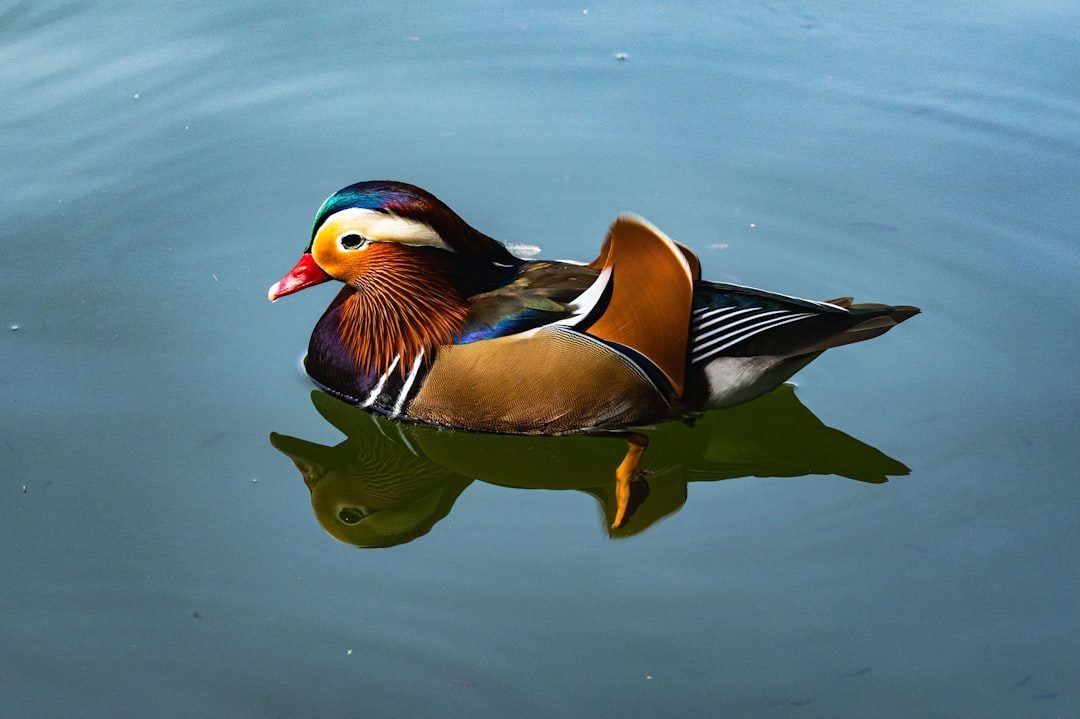
The Mandarin Duck is a true spectacle with its ornate orange and blue plumage, found in East Asia, and males are particularly eye-catching with their extravagant feather patterns. The intricate design looks hand-painted, with purples, whites, and greens blending in ways that seem too perfect to occur naturally.
Known for their monogamous pair bonds, Mandarin Ducks exhibit fascinating courtship behaviors. These ducks have become symbols of love and fidelity in several Asian cultures, often featured in wedding celebrations. When you see one floating serenely on a pond, those ornamental feathers reflected in the water, it’s easy to understand why they’ve inspired so much art and poetry.
Lilac-Breasted Roller
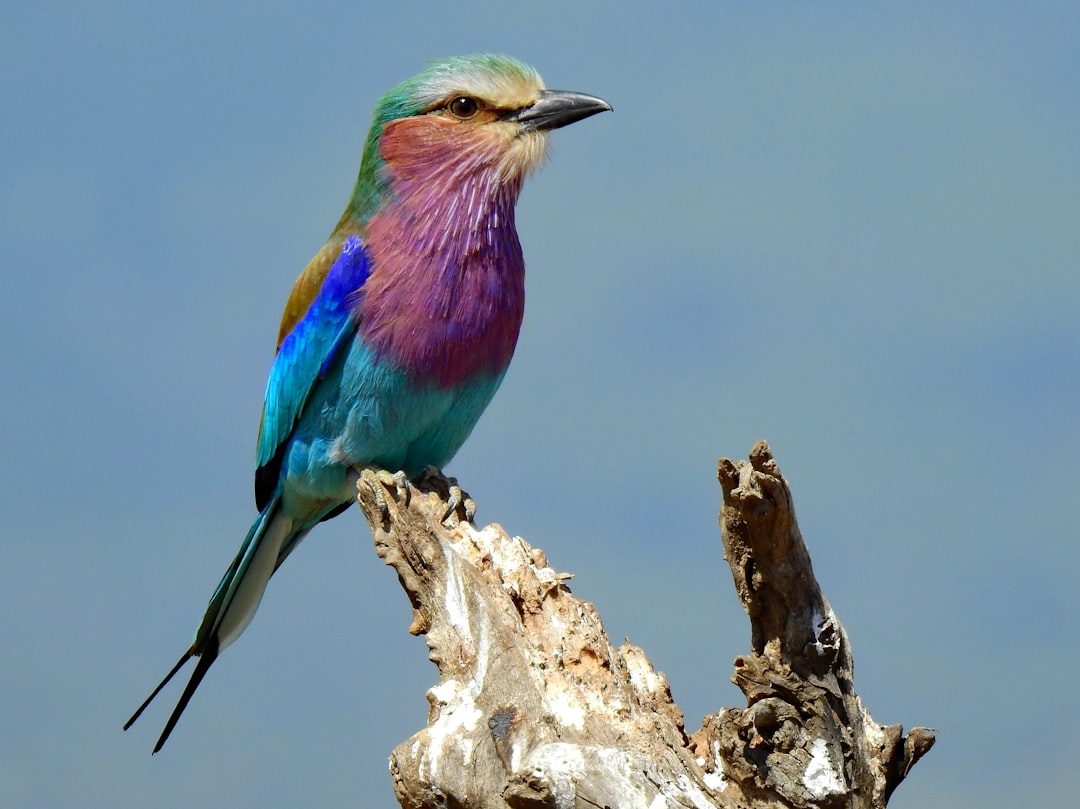
African skies are graced by the Lilac-Breasted Roller, with pastel lilac, turquoise, and golden feathers, often called Africa’s most beautiful bird. The color palette reads like a sunset mixed with tropical ocean water. What makes this bird particularly striking is how those soft pastels somehow remain vivid and attention-grabbing.
During flight displays, the roller performs aerial acrobatics that show off every shade in its plumage. It twists and tumbles through the air, flashing those brilliant blues and purples with each rotation. Watching one hunt from a perch, then suddenly explode into flight, is witnessing pure avian artistry in motion.
Golden Pheasant
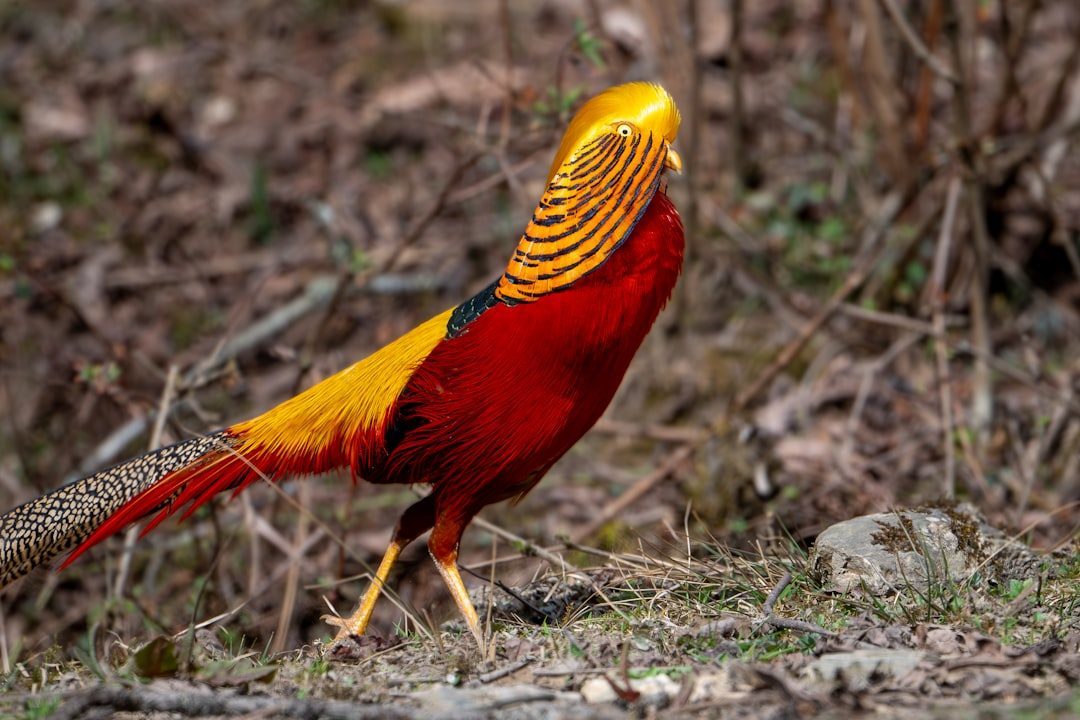
Golden Pheasants have a rainbow of brightly colored feathers, including yellow, red, orange, blue, and green. Native to the mountainous forests of western China, this gamebird looks like it wandered out of an imperial painting. The golden crest and rump paired with the bright red body create an almost overwhelming visual impact.
If the sun shines on their feathers for too long, their bold plumage could become faded, but the mountainous forests of Western China give them plenty of shade to protect their beautiful feathers. Only males display this vibrant coloration, while females wear more practical brown tones. Still, when a male golden pheasant emerges from the undergrowth, it’s like watching a flame come to life.
Painted Bunting
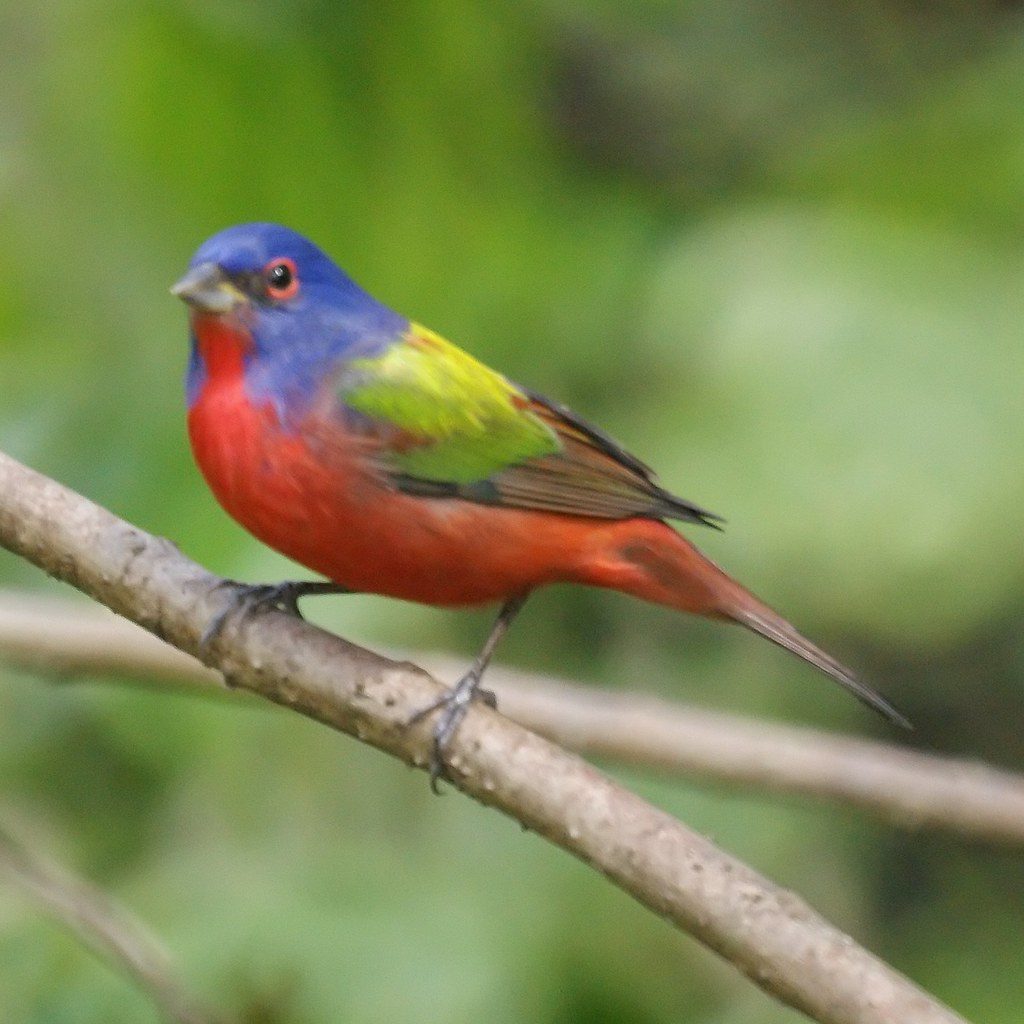
A vivid fusion of blue, green, yellow and red, painted buntings are also known as nonpareil, which is French for ‘without equal’. This small songbird packs an absurd amount of color into a compact frame. The combination shouldn’t work, yet somehow it does, creating one of North America’s .
A member of the cardinal family, they are native to North America but prefer to winter in the tropical forests of Central America, Florida and the Caribbean, and the bright plumage of the male painted bunting only comes out in the second year of its life. Spotting one at a backyard feeder feels like winning a small lottery. That electric blue head paired with the lime-green back and red underparts defies expectations every single time.
Keel-Billed Toucan
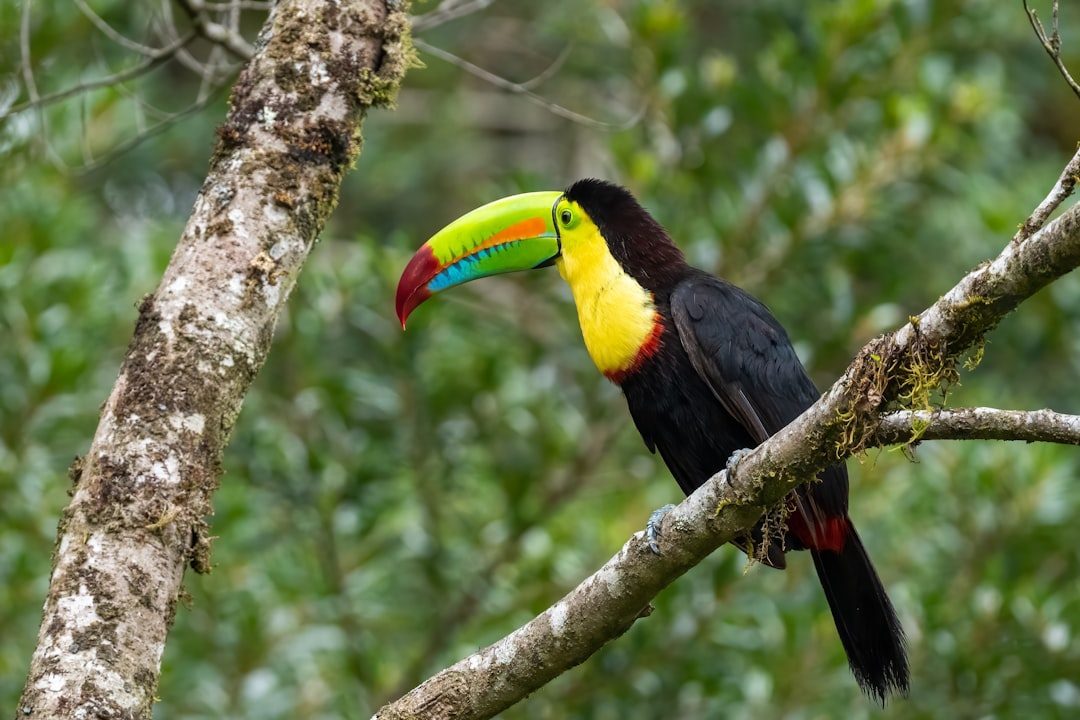
Among the many colorful toucans of the Americas, the keel-billed toucan stands out as the most dazzling, earning it the name “rainbow-billed toucan” with its oversized, vividly multi-colored bill combining green, orange, blue, and maroon. The bill itself is a work of art, looking almost cartoonish in its brightness and size.
The body is mostly black with a lemon-yellow throat and breast, a red band along the lower chest, and scarlet under-tail coverts. That massive colorful bill contrasting against the black body creates a focal point that’s impossible to ignore. Watching one hop between branches in the rainforest canopy, you can’t help but smile at nature’s sense of humor.
Gouldian Finch
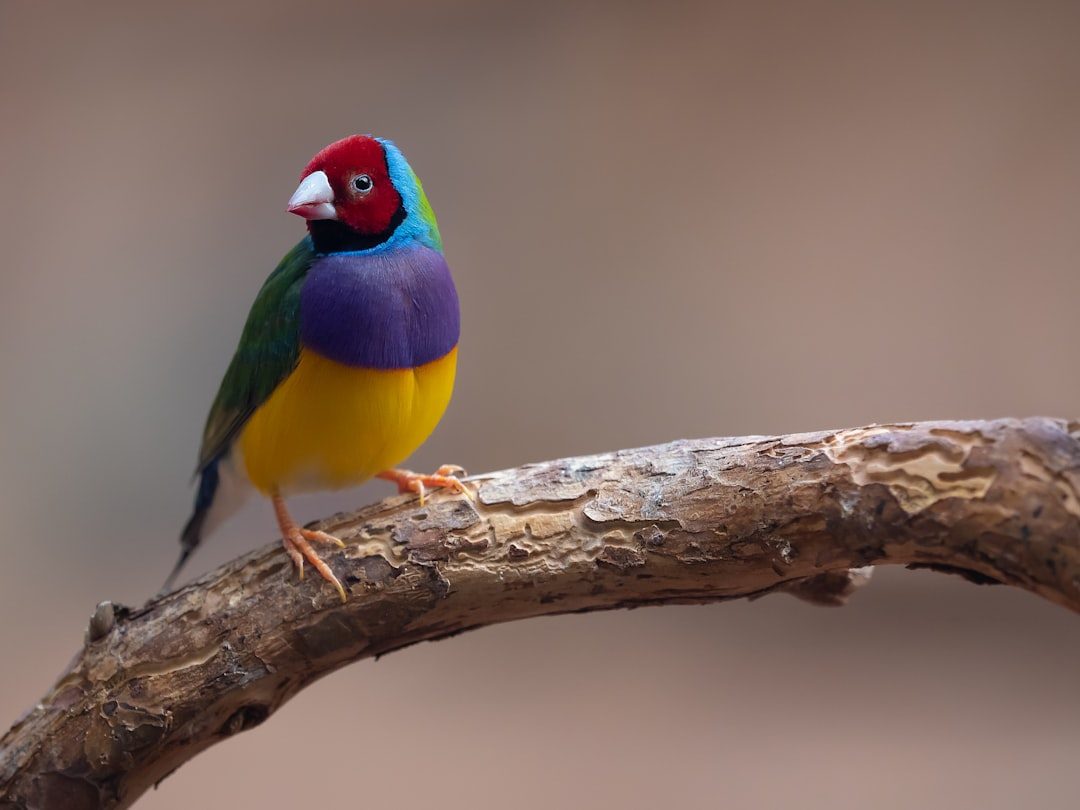
The Gouldian finch comes in three color combinations, with a black, red or yellow face to complement its bright-green back, turquoise neck, yellow belly and purple breast, with black being the most common facial color found in roughly three quarters of Gouldian finches. This tiny Australian grassland species might be one of the smallest birds on this list, yet it packs more colors into its frame than seems physically possible.
These finches look like living jewelry when they move through vegetation. Each color is saturated and distinct, creating a patchwork effect that resembles a carefully designed mosaic. It’s hard to believe something this small and delicate exists outside of an artist’s imagination, yet there they are, flitting about in the wild.
Conclusion
From cloud forests to open savannahs, these ten birds remind us that nature’s creativity knows no bounds. Each species has evolved its striking appearance for specific reasons, whether attracting mates or thriving in particular environments. Yet beyond the science, there’s something deeply satisfying about simply admiring their beauty.
These birds face various conservation challenges, from habitat loss to climate change. Protecting the ecosystems they call home ensures future generations can experience the same sense of wonder. Next time you’re outside, take a moment to really look at the birds around you. You might be surprised by what you’ve been missing. What’s the most striking bird you’ve ever seen in person?
