

The return of wolves to Colorado represents one of the most fascinating wildlife comeback stories in modern conservation history. Yet what’s happening on the Western Slope goes far beyond simple species recovery. These reintroduced wolves are challenging everything we thought we knew about pack dynamics, social structures, and territorial behavior.
Picture this: a female wolf wandering the vast Colorado landscape suddenly settles in perfect habitat, only to have a male find her by chance or scent. They mate, form a pack, and begin rewriting the textbook on wolf behavior in ways that even seasoned wildlife biologists didn’t anticipate. This isn’t just a feel-good conservation story – it’s a masterclass in adaptation that has scientists completely rethinking their assumptions about wolf societies.
From Dispersers to Territory Holders: A Behavioral Revolution
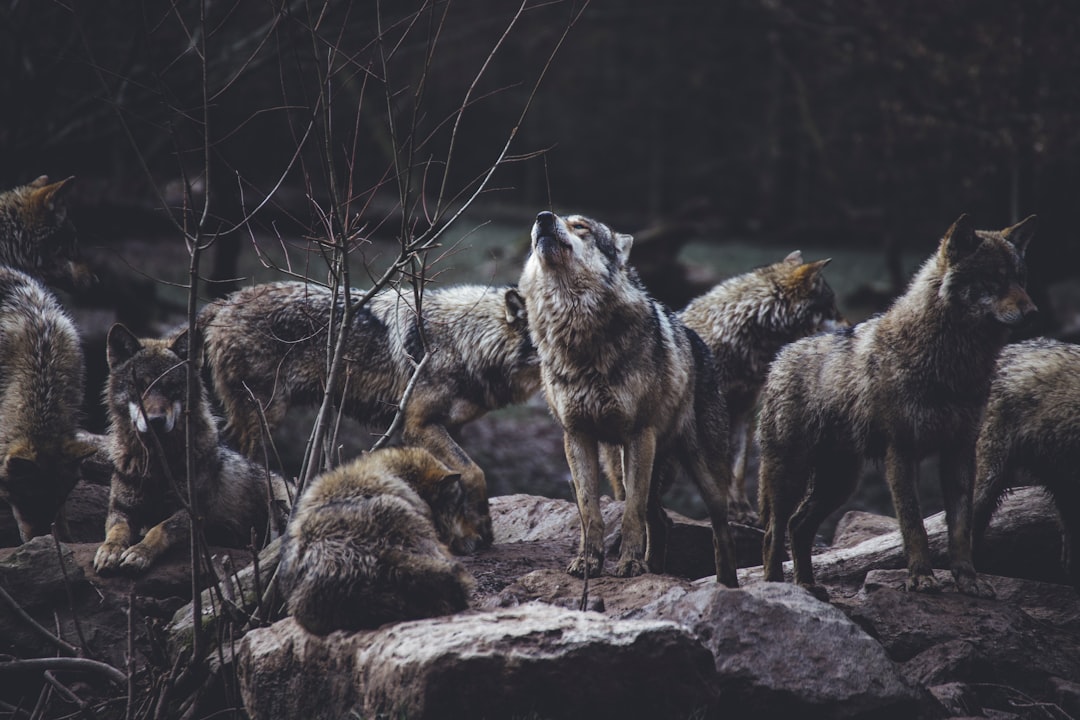
Colorado Parks and Wildlife is observing two distinct movement patterns as the state builds its self-sustaining wolf population – a mandate handed down by voters in 2020. “The biggest things, as far as movement, we’re seeing right now are just the difference between territorial wolves and dispersers,” according to Parks and Wildlife wolf monitoring officials. The dispersers explore vast territories with unpredictable movements, essentially becoming biological nomads searching for the perfect home.
Once packs form, the wolves’ movement patterns change dramatically. These territorial wolves become surprisingly predictable, staying within defined boundaries that they’ve established through scent marking and social cooperation. “Those territorial wolves are more predictable in that they’re much more likely to be in their polygon than they are to be outside of it,” Cassidy explained.
This shift from wandering individual to settled pack member represents a fundamental behavioral transformation. The wolves go from being exploratory loners to becoming part of a complex social unit with shared responsibilities and defined territories.
The Unprecedented Speed of Pack Formation
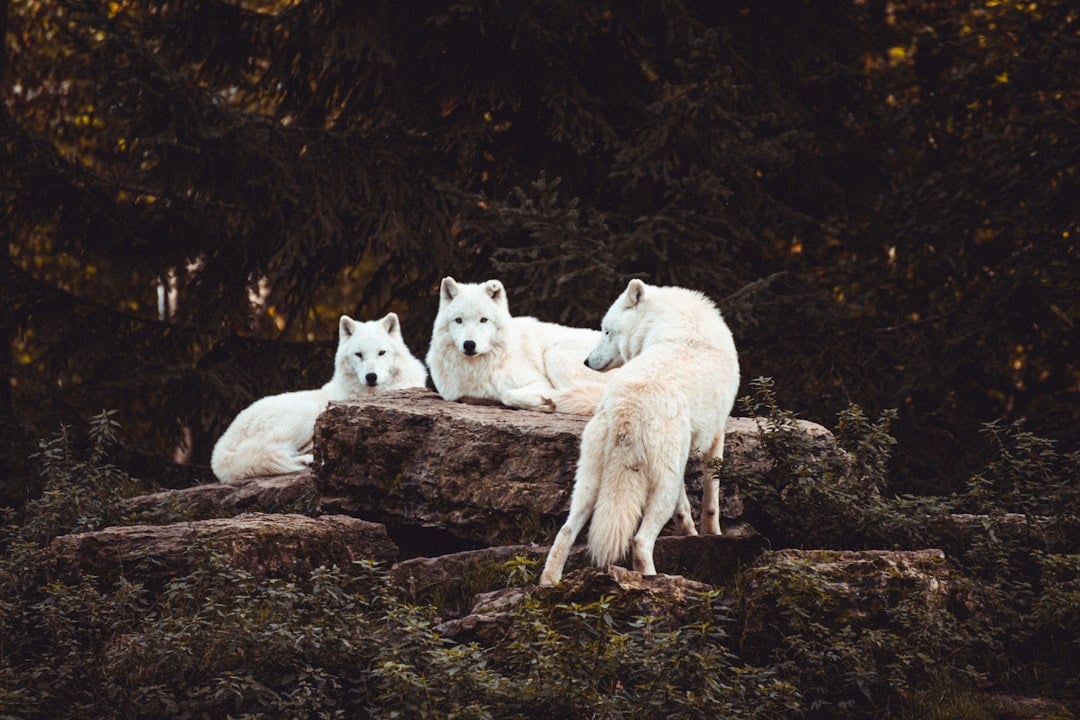
Wildlife managers anticipate that breeding pairs may result in additional officially designated wolf packs – the One Ear pack in Jackson County, the King Mountain pack in Routt County, and the Three Creeks pack in Rio Blanco County. What’s remarkable isn’t just that these packs formed, but how quickly they established themselves in completely unfamiliar territory.
“We can anticipate more territories forming just because there’s a higher chance of them running into each other,” Cassidy predicted. The rapid pace of pack establishment suggests that wolves possess an inherent ability to assess habitat quality and establish social bonds much faster than previously understood.
Wildlife managers expect neighboring territories to overlap slightly, which is common behavior that promotes genetic diversity while minimizing direct conflicts. This territorial flexibility demonstrates sophisticated social intelligence that allows multiple packs to coexist in relatively close proximity.
Territory Mapping: Redefining Home Range Concepts
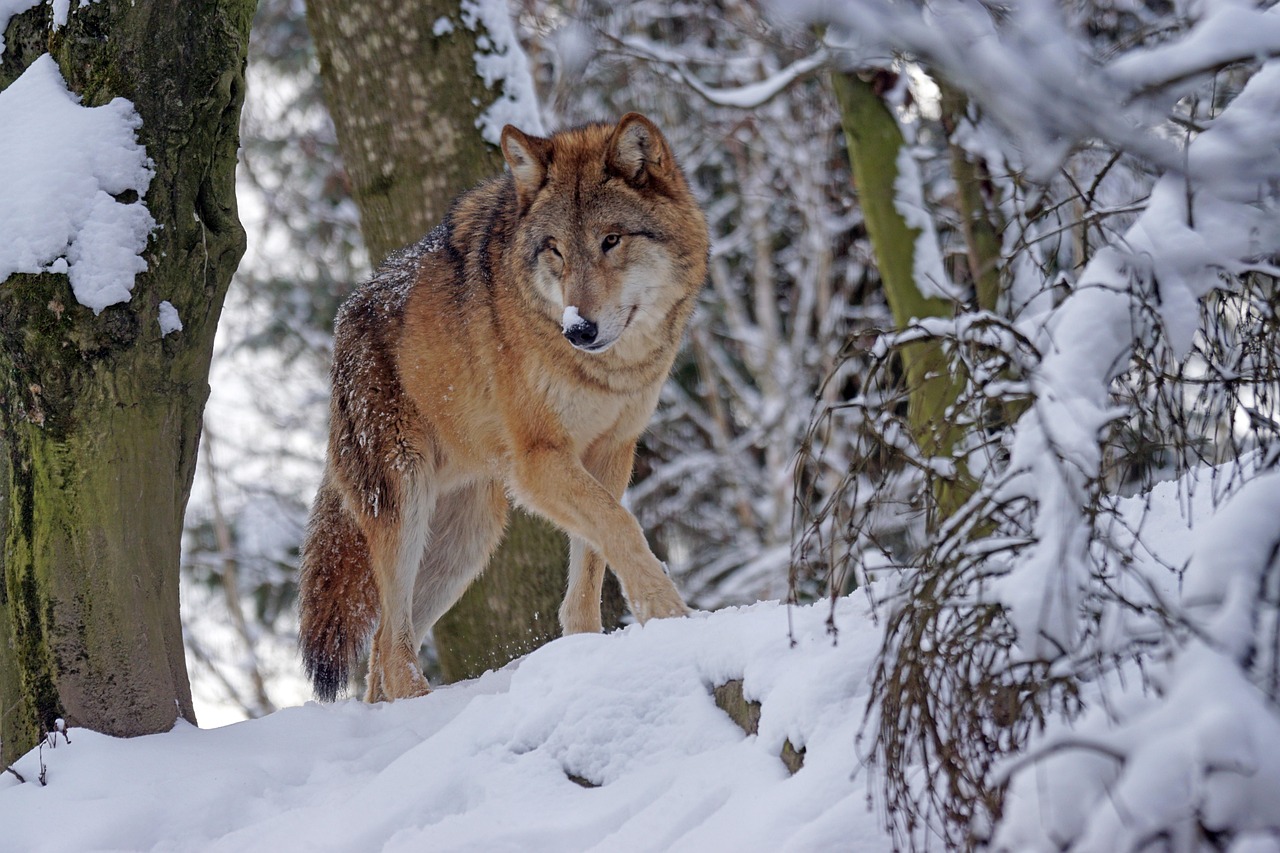
Multiple collared wolves currently roam Colorado, with pups reportedly born this year in the state’s four packs. The GPS collar data reveals movement patterns that challenge traditional understanding of wolf territories. Much of the wolves’ territory has been consistent over the year, centered around the spine of the Rocky Mountains that runs through the center of the state.
At least one wolf was present in watersheds north and west of Grand Junction, according to maps released by Colorado Parks and Wildlife. These western territories represent an expansion beyond typical wolf habitat, suggesting remarkable adaptability to diverse ecosystems.
The territorial behavior shows wolves actively exploring and claiming areas that provide optimal hunting grounds while avoiding high human activity zones. Successful territory establishment requires abundant prey and minimal human disturbance. This habitat selection demonstrates sophisticated decision-making that prioritizes pack survival over individual exploration.
Social Learning Through Human Interaction
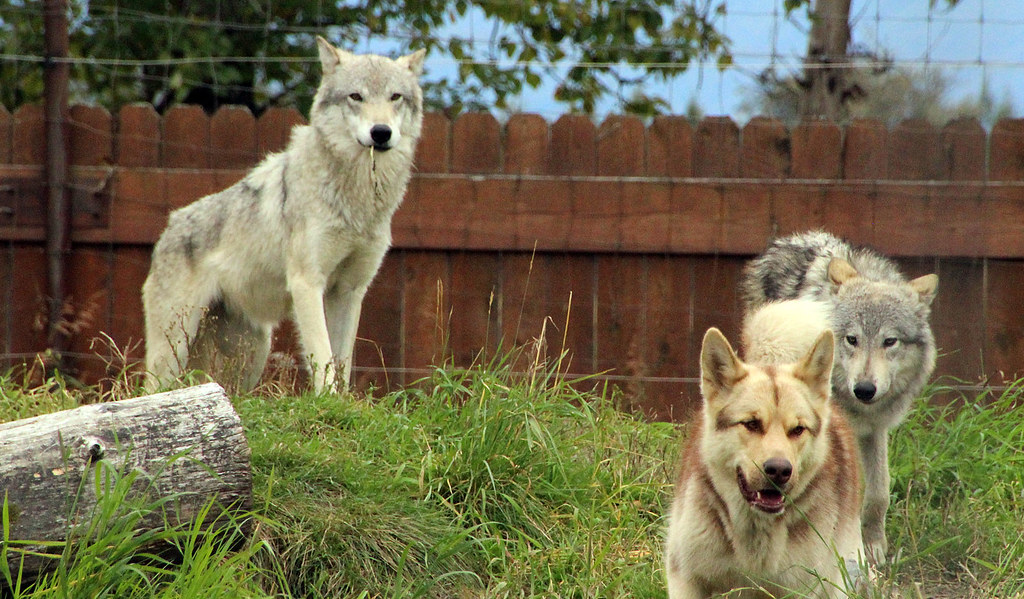
“Wolves are even smarter, and you can teach them,” according to CPW officials. The Colorado wolves have experienced unprecedented human interaction through capture, transport, and monitoring processes. All of the Copper Creek pack had the experience of being handled by humans, transported in crates, and held in facilities.
Davis believes this human interaction will alter pack behavior patterns going forward. The wolves have learned to associate humans with stress and confinement, which may influence their territorial choices and hunting behaviors. This represents a unique form of social learning where the entire pack develops shared responses to human presence.
The human-wolf interaction creates behavioral modifications that extend beyond individual animals to entire pack structures. Young wolves learn avoidance behaviors from their parents, potentially creating multi-generational changes in how packs interact with human-modified landscapes.
Cooperative Hunting Adaptations in New Terrain
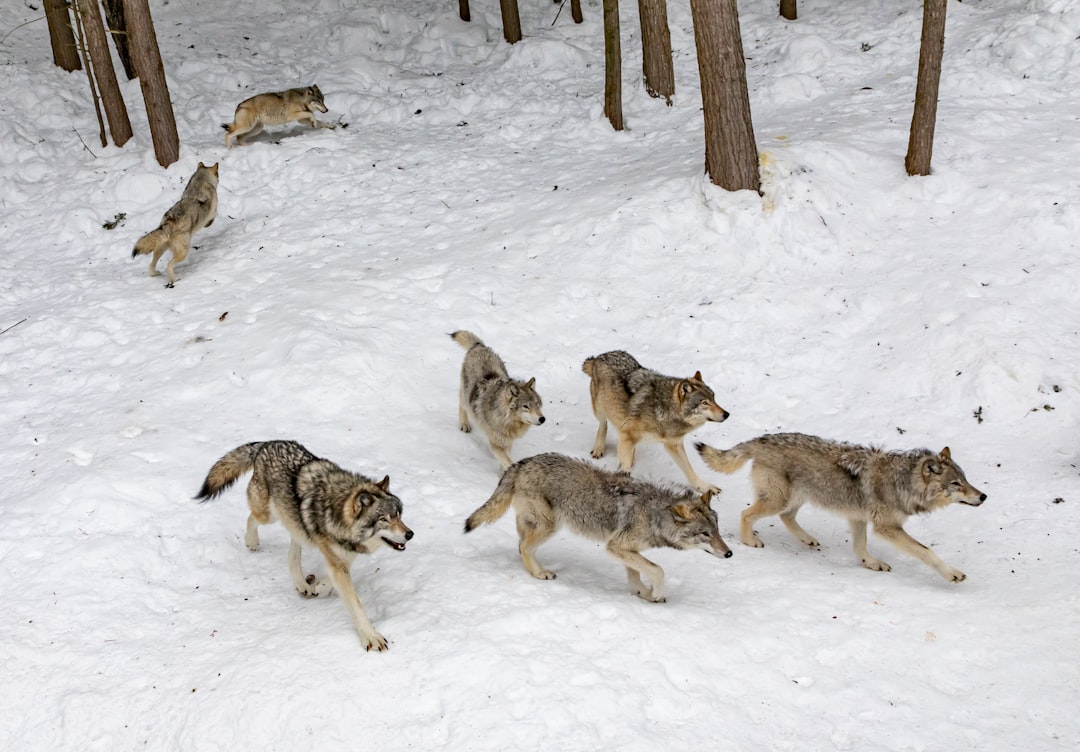
Wildlife managers noted that most reintroduced wolves prey on native ungulates as they spread across the landscape on the Western Slope. The hunting strategies employed by Colorado’s new packs demonstrate remarkable adaptability to unfamiliar prey species and terrain types.
At the core of their hunting prowess is the pack’s ability to work as a synchronized unit, with some wolves driving prey while others lie in ambush, ready to intercept. Colorado’s diverse topography from high alpine meadows to desert canyons requires packs to modify traditional hunting techniques.
Wolves are built for stamina rather than speed, enabling them to pursue prey over long distances, and this persistence wears down their quarry while demonstrating the strength of their social bonds. The collaborative hunting success depends entirely on pack cohesion and communication, making social structure absolutely critical for survival.
Mating Systems and Genetic Diversity Management
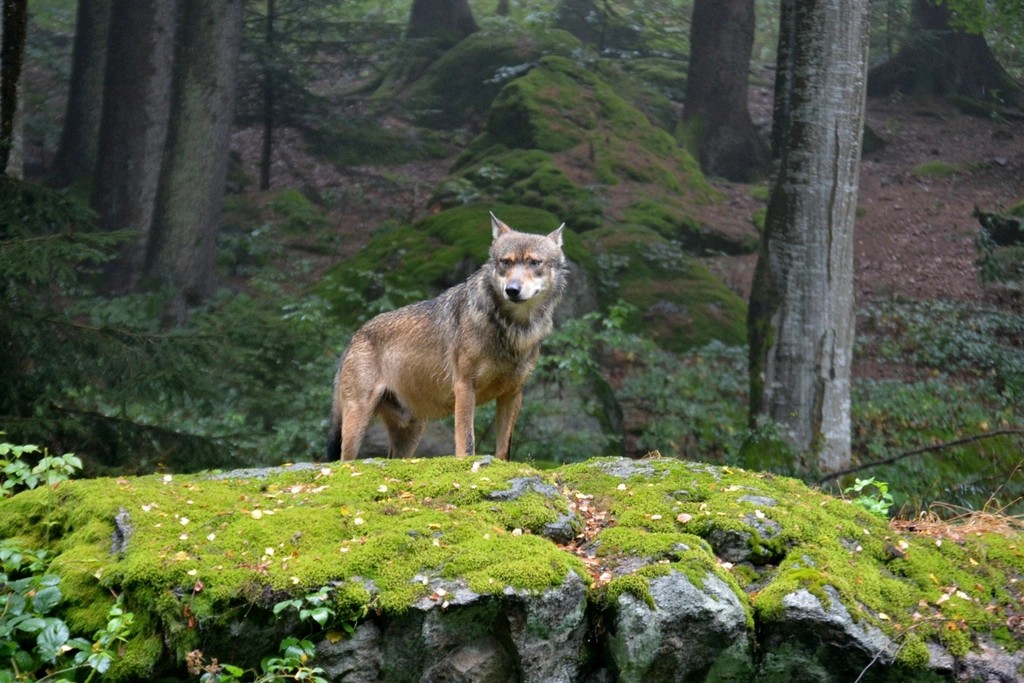
February is peak mating season for wolves, and once they find the right partner, they typically mate for life and form a new pack. Colorado’s reintroduced wolves are establishing mating patterns that prioritize genetic diversity while maintaining pack stability. When a female is ready to mate, she gives off specific scents to attract nearby males.
Adding animals to the existing population increases the likelihood of pairing, breeding and pack formation. The genetic mixing between wolves from different source populations creates stronger pack genetics than would occur in isolated populations.
The pack typically consists of a dominant breeding pair and their pups, with the whole pack pitching in to care for the new pups as part of building strong teamwork and family bonds. This cooperative breeding system ensures pup survival while strengthening social bonds throughout the pack.
Communication Networks Across Pack Territories
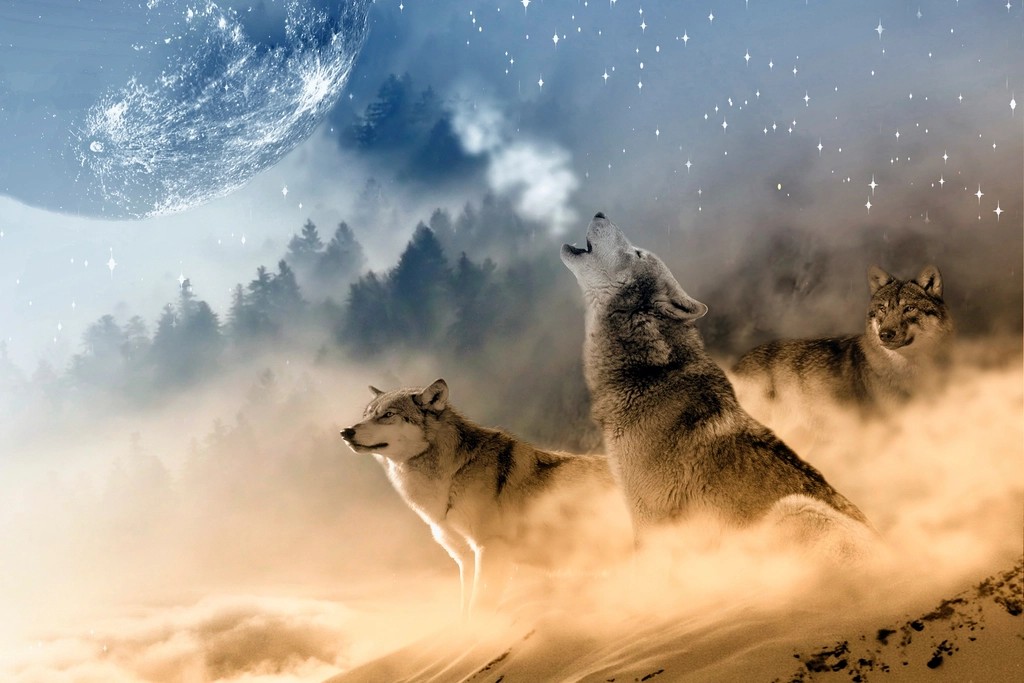
Vocalizations, such as howls, serve as primary tools for long-distance communication, and each howl carries distinct acoustic features that can identify individual wolves, allowing for personalized messages within the group’s collective soundscape. Colorado’s packs are developing territory-specific communication patterns that facilitate coordination across large landscapes.
Wolves utilize rich body language including ear positioning, tail wagging, and facial expressions, with subtle cues like lowered body posture signaling submission while erect ears and raised tails indicate dominance or alertness. These visual signals become particularly important in Colorado’s open terrain where pack members may be separated by significant distances.
Howling allows wolves to locate each other over great distances, especially during hunts, and individuals howl to announce their presence and solidarity within the pack. The acoustic landscape of Colorado is being transformed as multiple packs establish communication networks across overlapping territories.
Conflict Resolution and Pack Hierarchy Dynamics
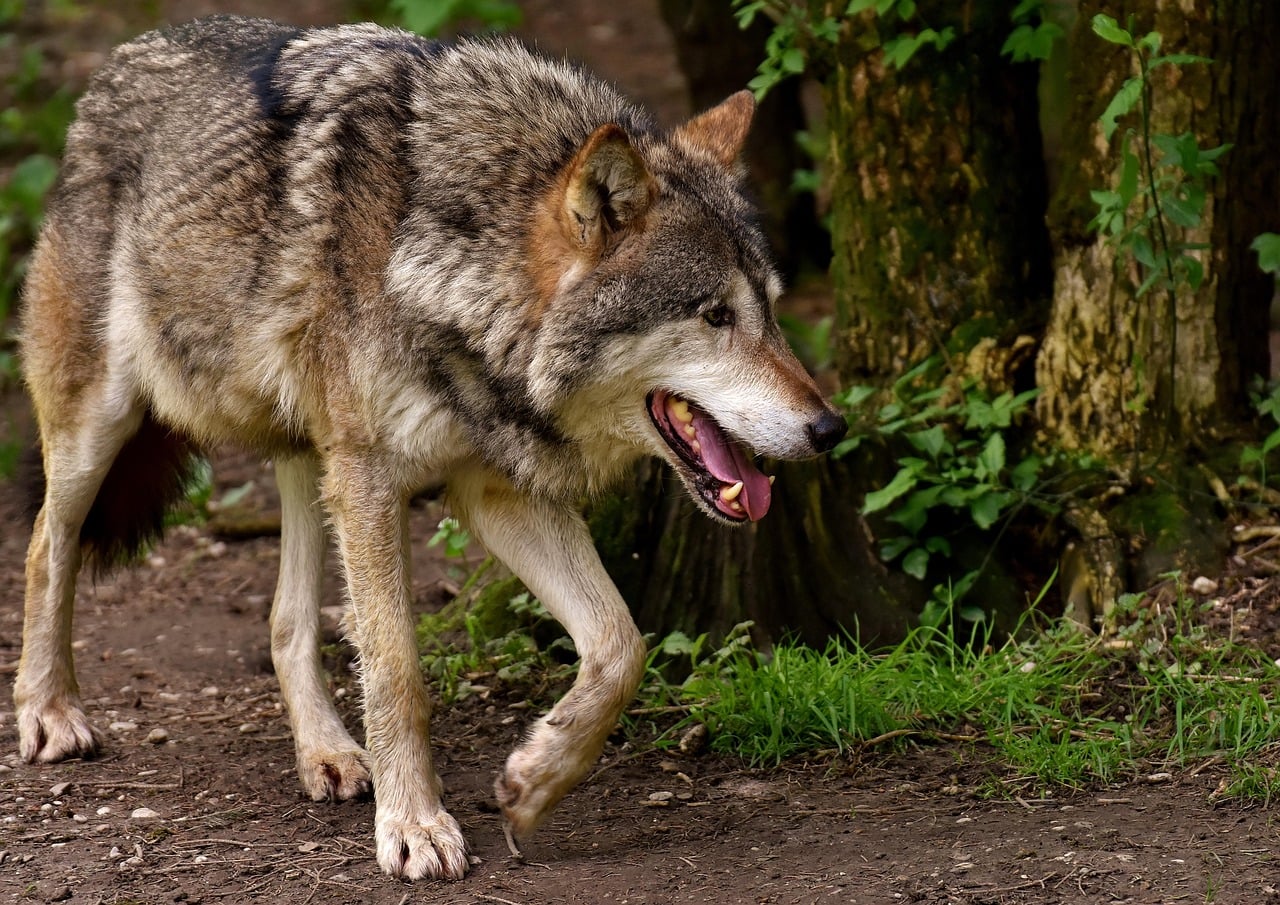
Wolves can make peace after aggression, console victims of a conflict, and calm down aggressors through post-conflict strategies that require social attentiveness towards others’ emotional state. Colorado’s packs are developing sophisticated conflict resolution mechanisms that maintain social harmony despite the stress of reintroduction.
Traditional dominance relationships in wolf packs follow an age-graded model where offspring submit to parents, and puppies submit to both parents and older siblings. Research based on free-living pack observations concludes that the typical wolf pack is a family, with adult parents guiding activities in a division-of-labor system where females predominate in pup care and defense while males focus on foraging and food-provisioning.
Wolf pack social structure appears to be more complex in systems where anthropogenic mortality is low, including more age classes and complex relationships. Colorado’s protected status allows packs to develop more nuanced social hierarchies than wolves living under hunting pressure.
Adaptive Responses to Human-Modified Landscapes

As new wolf packs establish territories, their behavior and movement become more consistent, making monitoring and conflict prevention much easier. The wolves are learning to navigate a landscape that includes ranches, roads, and recreational areas while maintaining their natural behavioral patterns.
Wolves alter their spatial and temporal movement patterns and space use within human-modified landscapes in response to human disturbance, which can dampen their ecological role as apex predators. Colorado’s packs are developing strategies that allow them to fulfill their ecological functions while minimizing human conflict.
Established pack territories allow wildlife managers to monitor patterns within defined areas, improving their ability to collaborate with ranchers on behavior modification and coexistence strategies. This predictable territorial behavior creates opportunities for proactive management rather than reactive conflict resolution.
The wolves in Colorado aren’t just surviving in their new home – they’re actively reshaping our understanding of what it means to be a pack. From rapid territory establishment to sophisticated communication networks, these animals are proving that wolf society is far more flexible and intelligent than we ever imagined. Their success suggests that with proper management and public support, wolves can adapt to modern landscapes while maintaining their essential ecological role.
What do you think about these remarkable behavioral adaptations? Tell us in the comments.
