
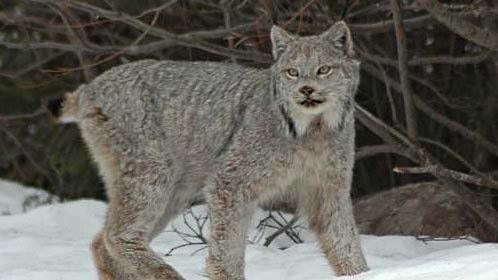
There’s something mesmerizing about wild cats. Those spotted coats, those piercing eyes, that untamed grace. I get it, honestly. Who wouldn’t want a little piece of the wilderness padding around their living room? Yet the reality behind those exotic feline fantasies is far more complicated, and frankly, more heartbreaking than most people realize.
Veterinarians and animal welfare experts have been sounding the alarm for years. These stunning creatures might look enchanting on social media, yet bringing them into your home creates a cascade of problems for everyone involved. Let’s be real, the desire for an exotic pet often overlooks the harsh truth about what these animals truly need.
Serval: The Leggy Hunter That Belongs in Africa
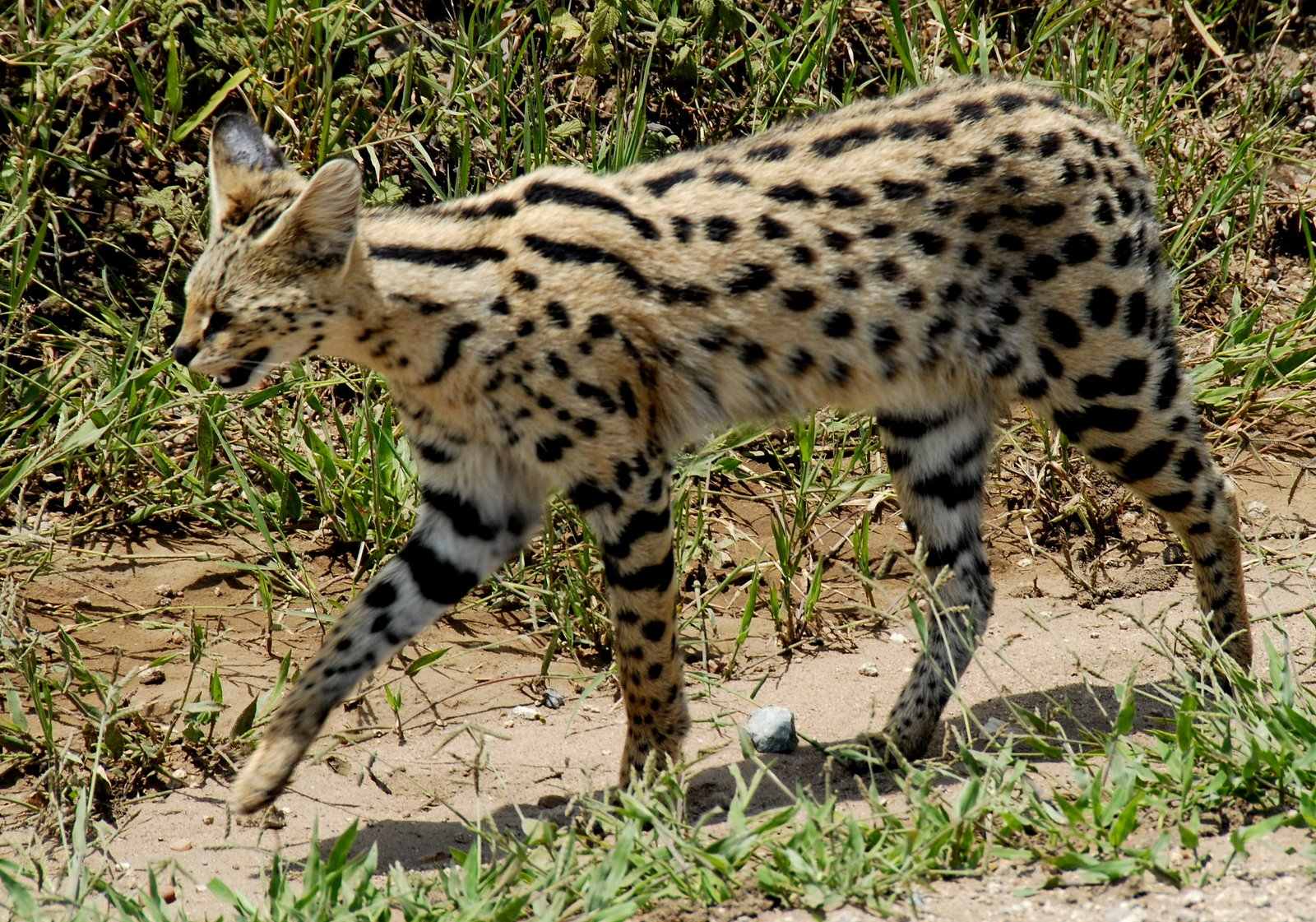
Servals are wild, African-native cats that are larger than domestic house cats, with body lengths of 26–36 inches and weights from 20 to 40 pounds when fully grown. They might seem aloof and quiet initially, yet their needs are staggering.
Serval cats require space of their own outside, and because they have the ability to jump high into the air and use their long legs for digging, a tall enclosure that extends underground is required. Because servals are wild, they are not as ideal as domesticated cats as pets, can bond with a person but are not good for families with children or other pets, and are best if you are an individual who lives alone.
In many areas, owning a serval cat is illegal or requires special permits due to safety and welfare concerns, they need large, secure spaces, and ownership comes with serious challenges. Most vets will tell you these athletic predators simply cannot have their complex needs met in typical home environments.
Savannah Cat: When Hybrid Doesn’t Mean House-Ready
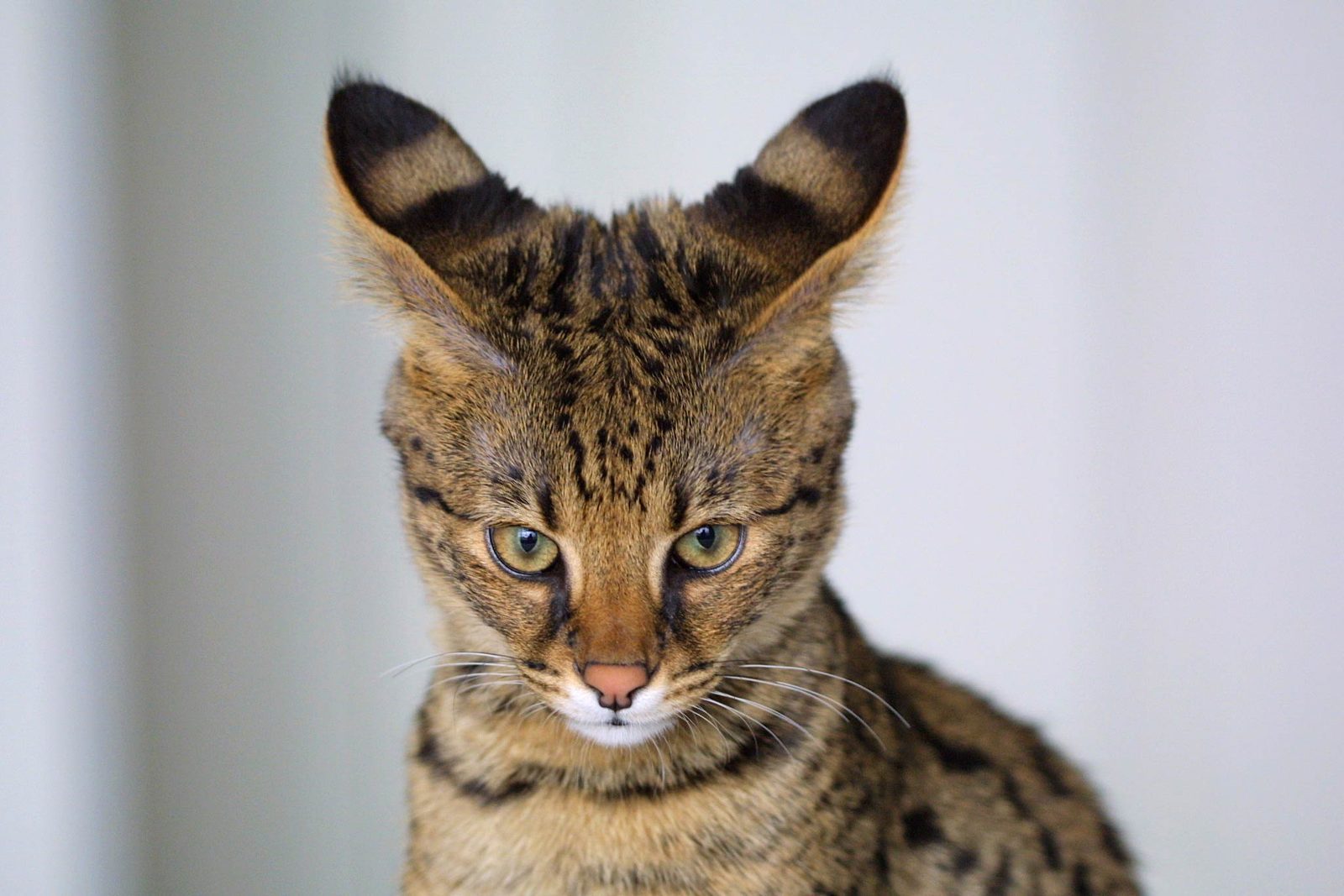
The most dangerous cat in the world as it relates to pets is the Savannah cat, a unique breed that is a cross between a domestic cat and a serval, a wild African cat, resulting in a large, exotic-looking cat with a wild appearance and an energetic personality. Here’s the thing, these cats have charmed the internet, yet their popularity has fueled a concerning trend.
The cats are outright illegal, regardless of their generational status, in Hawaii, Rhode Island, Nebraska, and Georgia, as well as the entire country of Australia. Some early-generation Savannah cats can weigh up to 24 pounds, and their size and closeness to their wild heritage can sometimes make them a challenging pet, because most wildcats are solitary, with their own territories, early-generation Savannahs may have a hard time adapting to domesticity.
Many still end up being more than their owners can handle, and hybrid cat rescues report that a high percentage of surrender calls, often cited around 90%, are due to litter box issues, with hybrid cats also urinating and defecating in unfavorable places, marking their territory. The reality is that no amount of wishful thinking can breed the wild instincts out of these cats.
Bengal Cat: Beauty with a Wild Streak
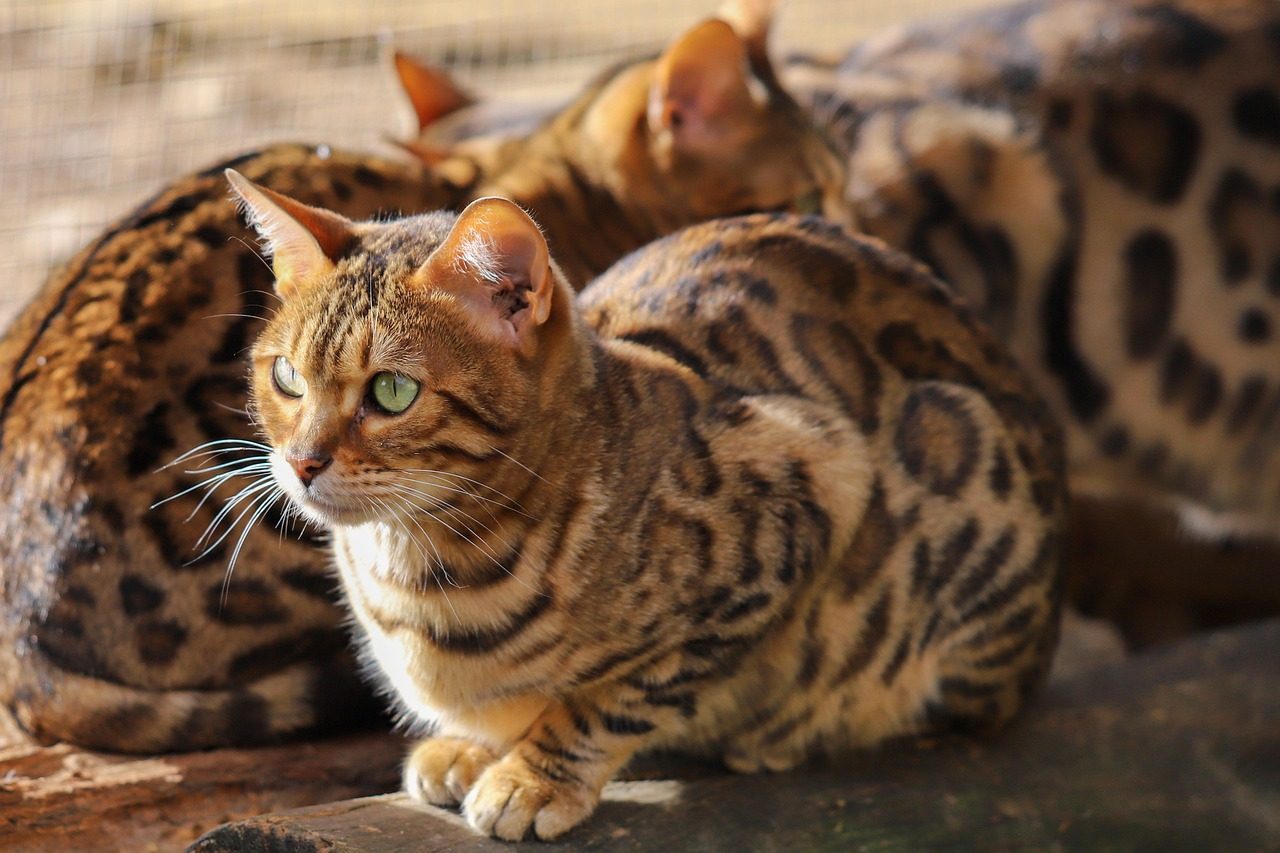
Bengals have become incredibly popular, those leopard-like rosettes are absolutely stunning. The Bengal cat is an interspecies hybrid of an Asian leopard cat and an American or European shorthair cat, and Asian leopard cats are believed to be one of the least tameable of all the wild felids, as they do not usually display any social behavior toward their keepers.
The Wildcat Sanctuary receives more calls from owners wanting to surrender Bengal domestic cats than all other wildcats and hybrids combined, and the most common reason is not using the litter box, especially when housed with other animals. Hybrid cats are known for being extremely destructive, with common complaints of ruined furniture, clothing, and personal items, and a hybrid marking territory is instinctive, whether it’s a male or female.
Some of the more common illnesses among hybrid cats include digestive issues such as IBD (a painful irritable bowel disease), or persistent infection with an intestinal parasite called Tritrichomonas foetus. Even later generation Bengals retain personality traits that can prove overwhelming for unprepared owners.
Asian Leopard Cat: The Parent Species Behind the Breeding
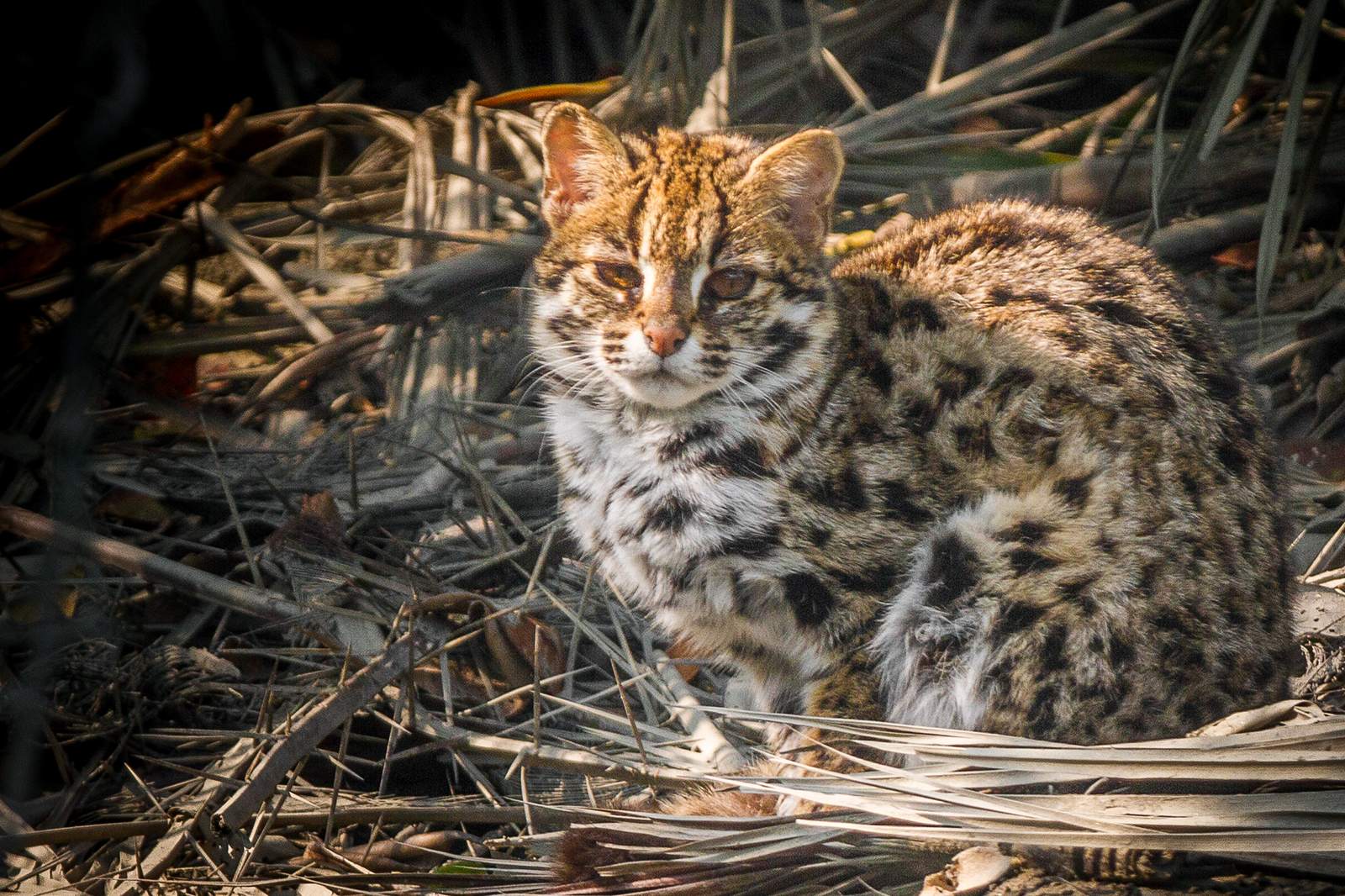
The Asian leopard cat embodies the untamed spirit of the wilderness, yet its allure has been exploited by humans for centuries, particularly in the dubious pursuit of creating hybrid Bengal cats. This small wild species should never be kept as a pet itself.
Asian leopard cats, adapted to life in the wild, are ill-suited to captivity, where they often suffer from stress, behavioral issues, and inadequate living conditions. They’re the foundation of the Bengal breed problem, honestly.
Veterinarians emphasize that these cats possess hunting instincts and territorial behaviors that cannot be suppressed. They need vast territories to roam, specialized diets, and environmental enrichment that typical homes simply cannot provide.
Bobcat: North America’s Unpredictable Wild Feline
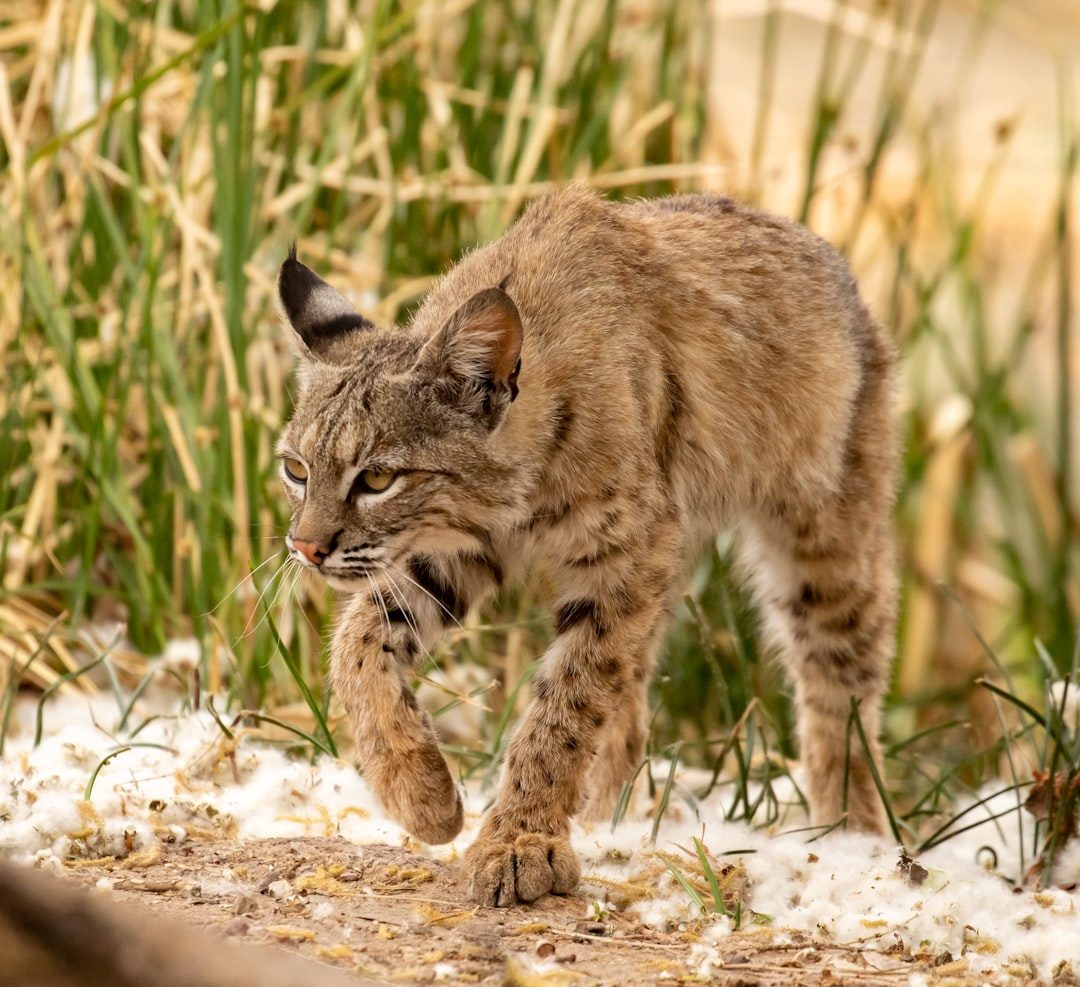
The bobcat is a stocky, medium-sized cat native to North America, and of all the different types of exotic cats, the bobcat will bond strongly with their owners, but bobcats can inflict serious injuries on humans. That should make anyone pause.
Never forget that bobcats can be very dangerous, as they have moments of aggression, which is why they should be kept in a large, sturdy outdoor cage during these episodes. Bobcats are wild animals, not domesticated pets, and even when raised from a young age, they retain their natural instincts that can make them unpredictable and dangerous, with territorial and aggressive behavior common, especially during mating seasons.
Bobcats are powerful predators with sharp claws and teeth that can inflict serious injuries on humans, particularly children, and even playful behavior can result in scratches or bites, and bobcats can carry diseases that are transmissible to humans and other animals.
Canadian Lynx: The Cold Climate Hunter
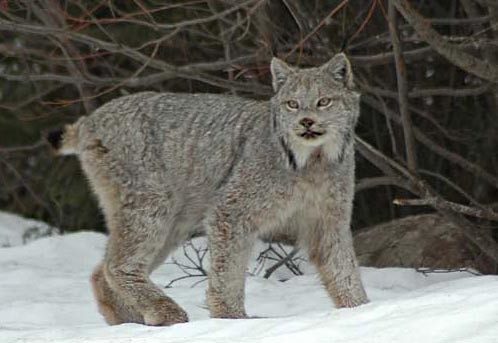
The Canadian lynx is another wild species that simply doesn’t belong in domestic settings. The Canadian Lynx is much like a bobcat, with two key differences: They don’t bond as close to their owners, but they’re not as prone to flights of fury, and this wild cat breed just wants to be left alone.
Even if it’s legally permissible, keeping a lynx as a pet raises ethical and practical concerns including rare and expensive exotic veterinarians, specific dietary needs typically requiring whole prey or raw diets, solitary and territorial behavior that is potentially dangerous as they mature, and a lifespan of 15-20 years in captivity making it a long-term commitment.
These solitary cats are built for northern forests, not suburban backyards. Their thick fur constantly sheds, and their climbing abilities mean you’d need extraordinarily tall and secure enclosures.
Caracal: The Desert Cat with Exceptional Needs
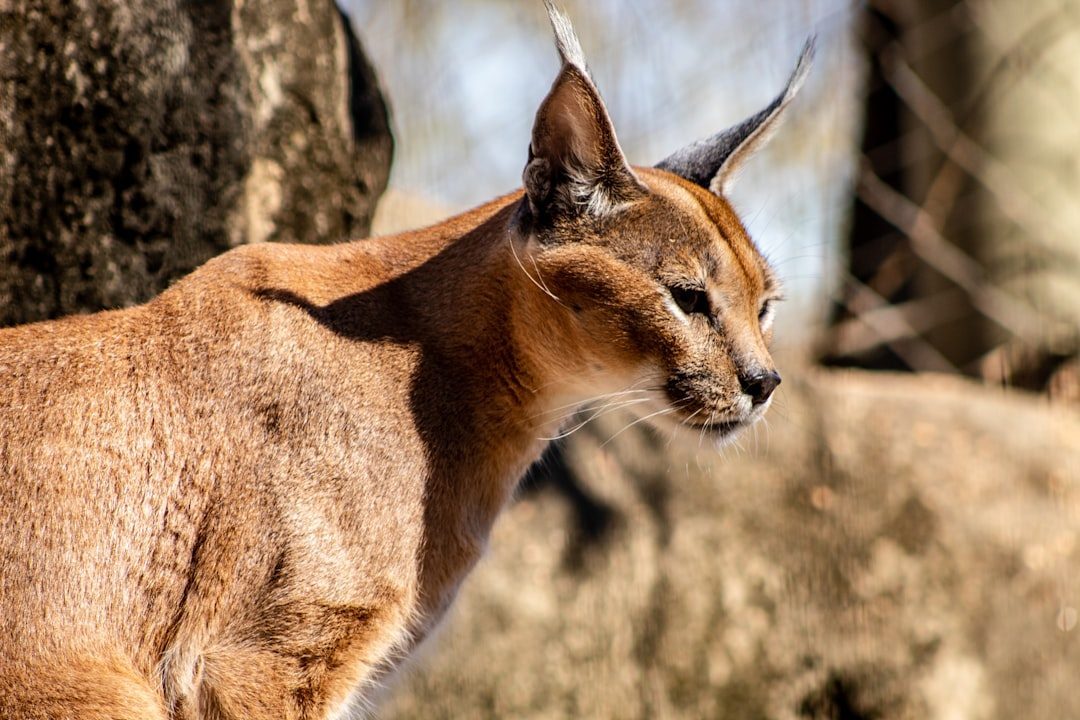
The Caracal is native to Africa, the Middle East, India, and Central Asia and can weigh 19 to 40 pounds, with females significantly smaller than males. They’re absolutely stunning with those distinctive ear tufts, yet beauty doesn’t equal suitability.
They act similarly to how you would expect a domestic cat to act, are playful and interact with their owners but only when they want to, and seem to have the independence of a domestic feline but to the extreme, as they can ignore their owners for days before deciding that they want cuddle time.
They can exhibit destructive behaviors, such as tearing up furniture, if not properly exercised, they need an enclosed area to run and play, and these outdoor areas need to be much larger than those for domestic cats. Like many medium-sized wild cats, Caracal cats will hiss to communicate everything.
Ocelot: The Rare Wild Cat Best Left Wild
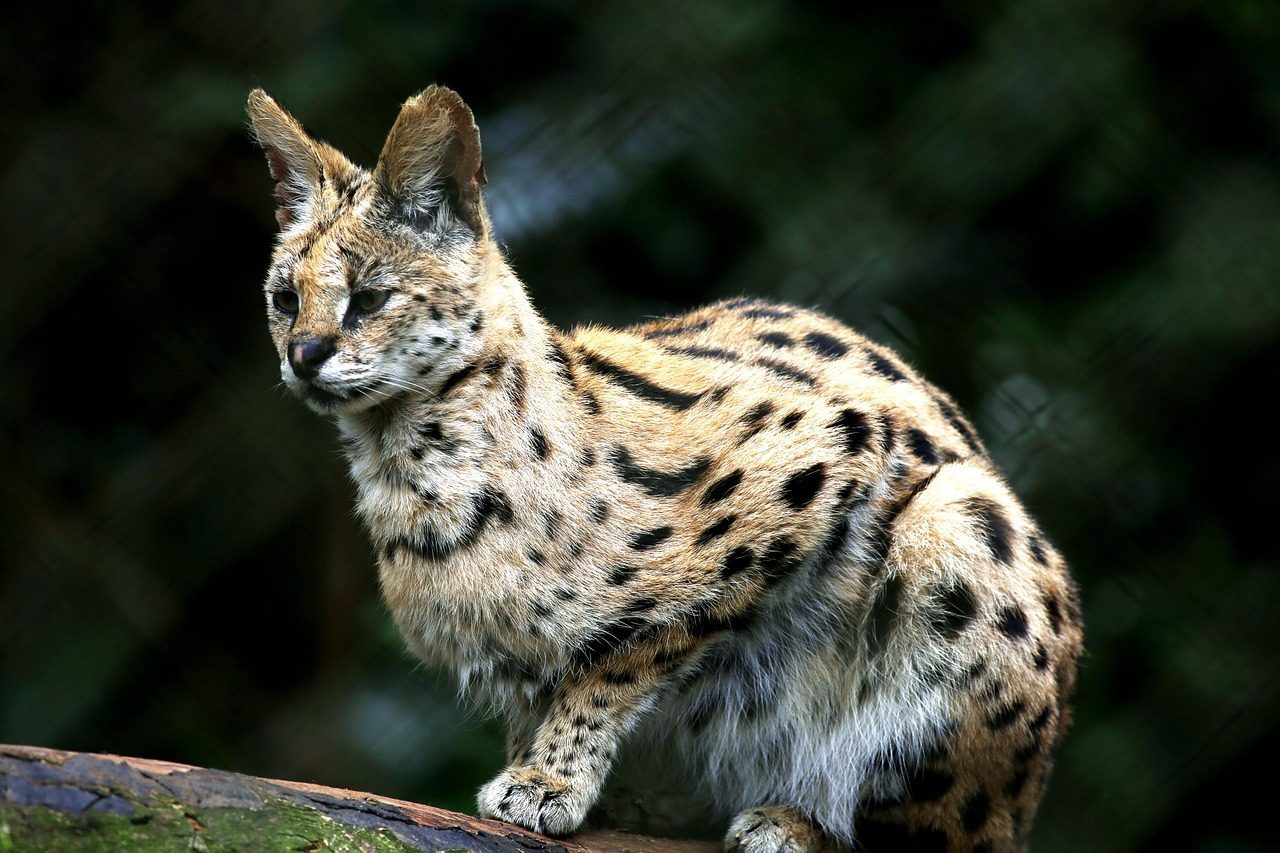
Ocelots are sometimes kept as domestic pets, however, they are illegal in many areas and quite rare, and while domestic breeders for ocelots are extremely rare in the United States, so they are wilder than other cats and generally more challenging to keep as pets.
Ocelots often refuse to listen to people due to their fierce independence, they are challenging to train and will not pay attention to your commands, they can be somewhat playful with their people but tend to be aloof and would rather spend time alone, and they are not that social and will hide whenever visitors come over.
Ocelots are not recommended for most pet owners, as they don’t adapt well to houses, and there is a reason that they are rarely kept as pets. Even Salvador Dali’s famous pet ocelot Babou demonstrated why these cats are problematic companions.
Chausie: The Jungle Cat Hybrid
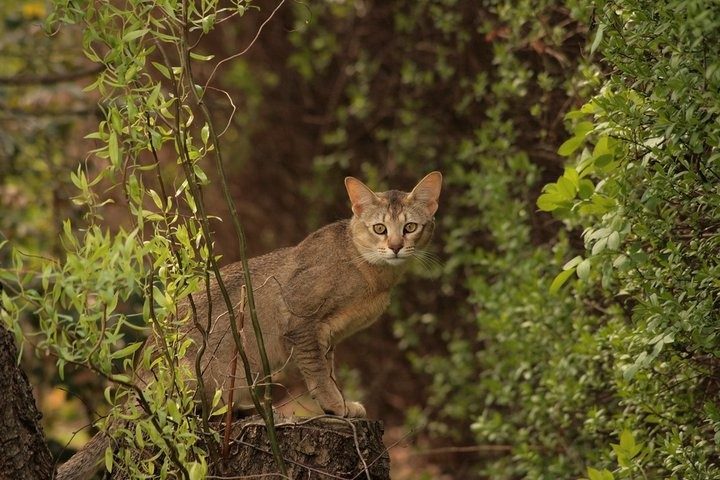
Some of the more common hybrid cats include the Savannah and the Chausie, with Savannahs resulting from crossbreeding a Serval with the Domestic cat, and the Chausie hybrid resulting from crossbreeding a Jungle Cat with the Domestic cat.
The Chausie is another hybrid breed that is a cross between a domestic cat and a jungle cat, these cats are known for their intelligence, athleticism, and curiosity, and while they can be loving and affectionate towards their owners, they can also be aggressive and territorial towards strangers, and Chausies require a lot of mental and physical stimulation to keep them happy and healthy.
Like other hybrids, Chausies suffer from the same fundamental problem: you cannot selectively breed out wild instincts while keeping the exotic appearance. Some of the more common illnesses among hybrid cats include digestive issues such as IBD or persistent infection with an intestinal parasite called Tritrichomonas foetus, and both medical issues can cause chronic diarrhea and may be difficult and discouraging for both the owner and the veterinarian to treat.
Geoffroy’s Cat: Tiny But Fierce
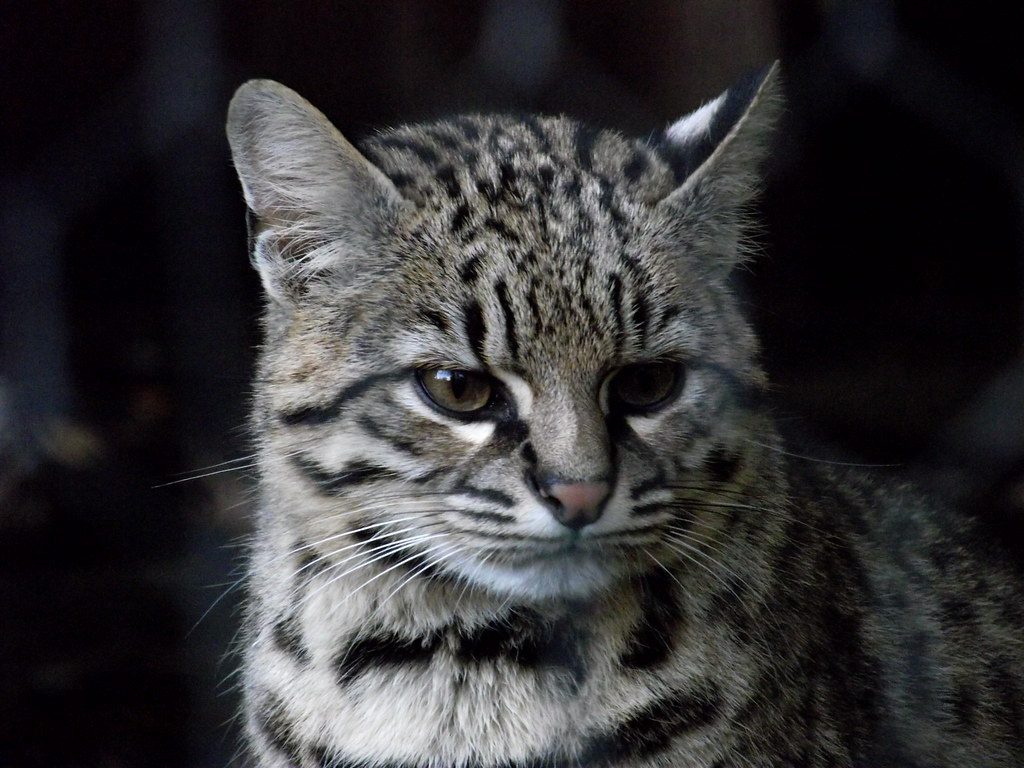
This small cat is native to Central and South America, and Geoffroy’s cats are among the smallest wild cat species, weighing only 4 to 8 pounds when fully grown, and because of their small size, they present no public safety threat to humans.
Yet size doesn’t determine suitability. Geoffroy’s cats can be rather timid and less social, which means that they thrive in a relatively placid, quiet environment, and if provoked, they can become nervous and aggressive, especially when they reach sexual maturity.
Shy and elusive, this nocturnal cat is wary of humans, they are not ideal house pets and do best when left to themselves in a large enclosure, though if humans interact with them often, these exotic cats can prove to be docile. The stress of typical household life is simply incompatible with their wild nature.
Conclusion
The exotic pet trade thrives on our fascination with the wild, yet it comes at an enormous cost to the animals themselves. Neither of the amazing wild cat species, nor any wild animal, should be considered pets, as each year, millions of animals are poached or farmed and sold into the exotic pet trade.
Veterinarians consistently emphasize that these wild and hybrid cats face chronic health issues, behavioral problems, and welfare concerns when kept in domestic settings. Standard vaccinations for domestic cats are not always specifically approved or tested for hybrid animals. The surrender rates tell a heartbreaking story of impulse purchases gone wrong.
If you genuinely love these magnificent creatures, the best way to appreciate them is by supporting conservation efforts, visiting accredited sanctuaries, or adopting domestic cat breeds that offer similar aesthetics without the ethical baggage. There are plenty of gorgeous domestic breeds that can satisfy your desire for an exotic-looking companion without causing suffering.
What’s your take on exotic cat ownership? Have you ever been tempted by these beautiful wild breeds, or do you think they should always remain in their natural habitats?
