
Picture this: you’re standing on a street corner, craning your neck upward, jaw slightly open. There’s something about the perfect arch of a window, the intricate detail carved into stone decades or even centuries ago. Honestly, it gets me every time. Architecture tells stories that go way beyond bricks and mortar, capturing moments of ambition, cultural shifts, and pure artistic vision frozen in time.
The United States might not have the ancient ruins of Rome or the medieval castles of Europe, but here’s the thing – this country has cultivated its own architectural identity that’s absolutely worth celebrating. From soaring skyscrapers that redefined what was possible to elegant Victorian homes painted in every color imaginable, American cities offer a visual feast that surprises even seasoned travelers. So let’s dive in.
Chicago: The Birthplace of Modern Skyscrapers
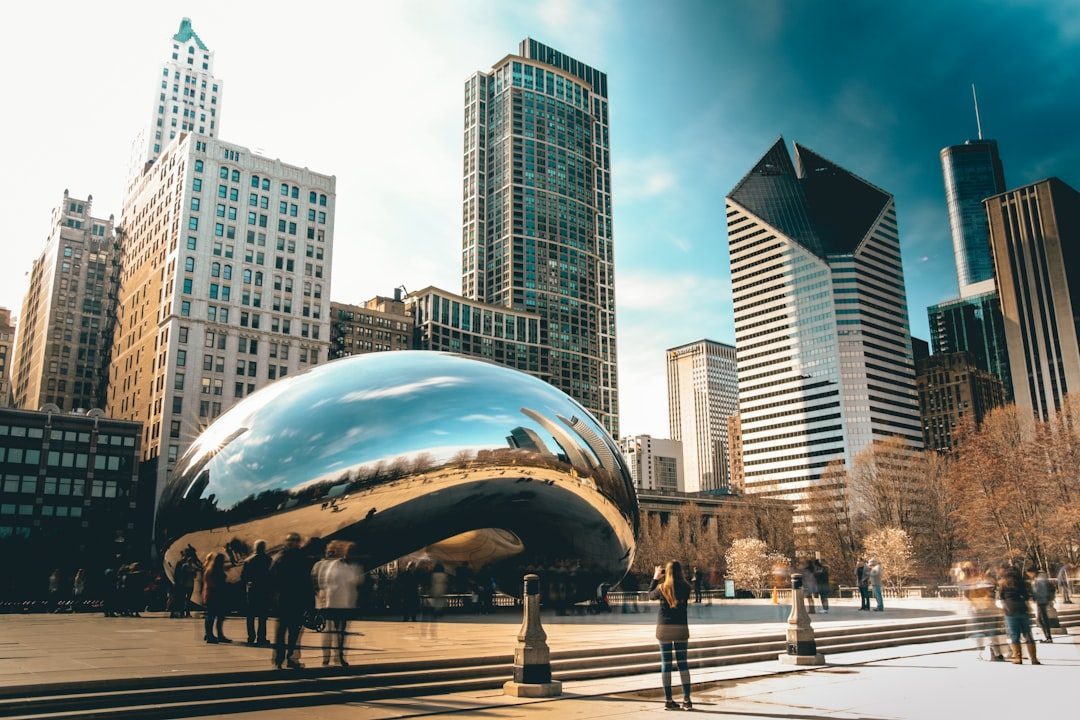
Chicago is known as one of the most architecturally significant cities in the world, as after the Great Chicago Fire of 1871, the Windy City became a blank canvas, rebuilt with new architectural techniques that led to the development of the modern skyscraper. Walking through downtown feels like stepping into a living museum where every corner showcases something remarkable. The skyline itself is like visual poetry composed of steel and glass.
Chicago is home to one of the largest and most diverse collections of skyscrapers in the world, as architectural pioneers of the Chicago School explored steel-frame construction in the early 1880s and used large areas of plate glass in the 1890s, creating some of the first modern skyscrapers. The Willis Tower still dominates the landscape, while Marina City’s iconic corn-cob towers add a playful yet bold element to the riverfront. Let’s be real, you could spend days just wandering and still discover new architectural marvels tucked between the famous ones.
New York City: Where Every Era Leaves Its Mark
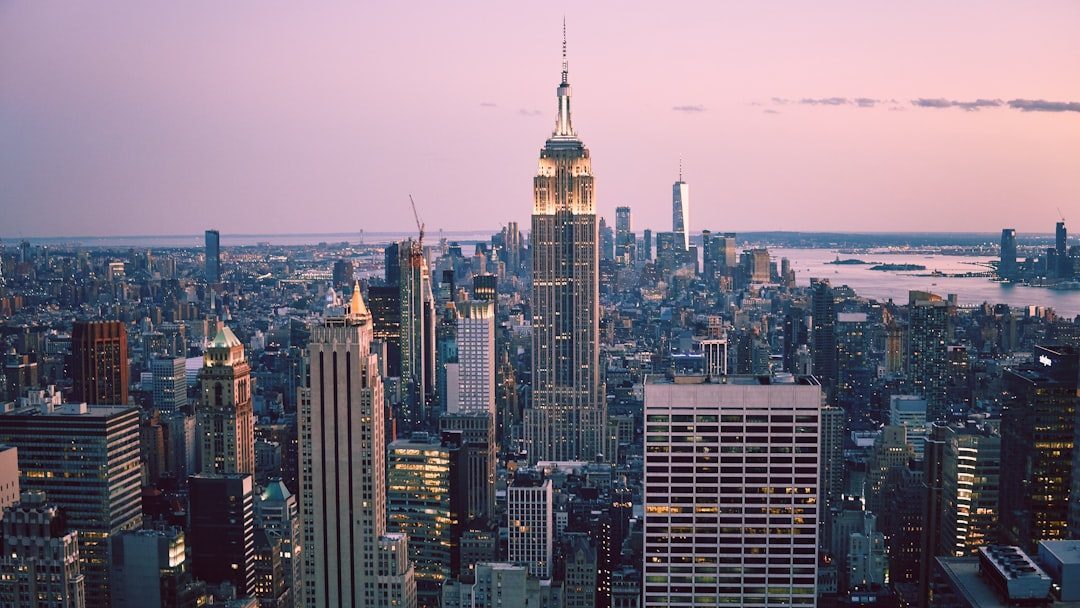
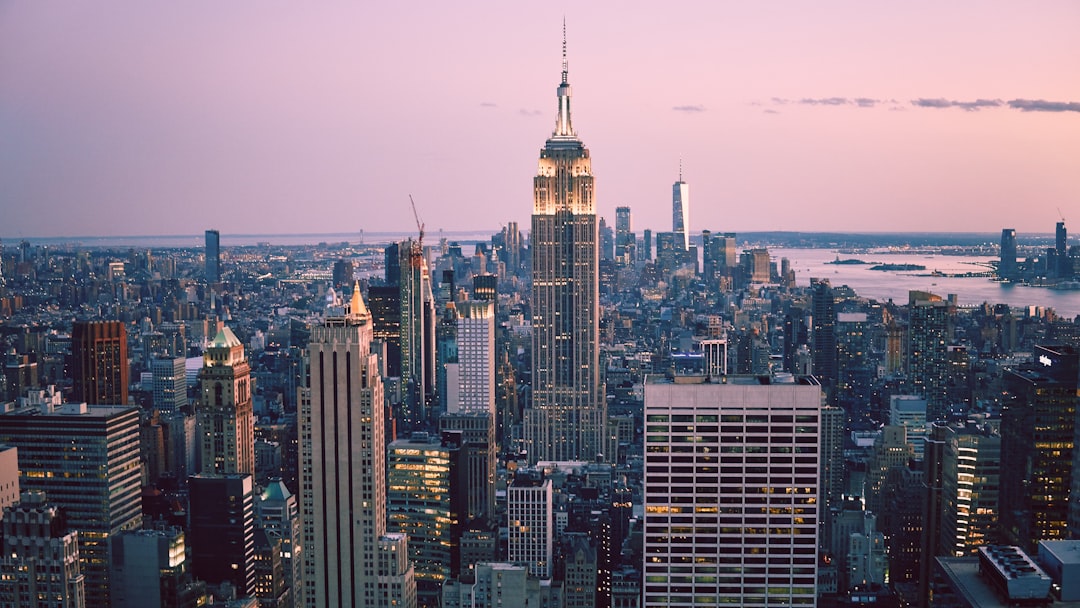
New York City is home to beautiful architecture, such as Art Deco skyscrapers and contemporary structures, with the Empire State Building being perhaps the city’s most famous building and a masterpiece of Art Deco design. The energy of Manhattan hits differently when you really look up. There’s the Chrysler Building with its stunning spire catching sunlight, the Flatiron Building creating its own triangular presence, and newer additions like One World Trade Center standing as symbols of resilience.
What makes New York truly special is this crazy mix of old and new living side by side. The High Line is a unique urban park built on a former elevated railway, featuring stunning landscape architecture and contemporary design, and walking through New York is like taking a tour through architectural history, with each borough offering something new, unique, and breathtaking. Brooklyn brownstones share the city with glass towers designed by starchitects, creating an architectural conversation that spans centuries.
Charleston: Southern Elegance Preserved in Time
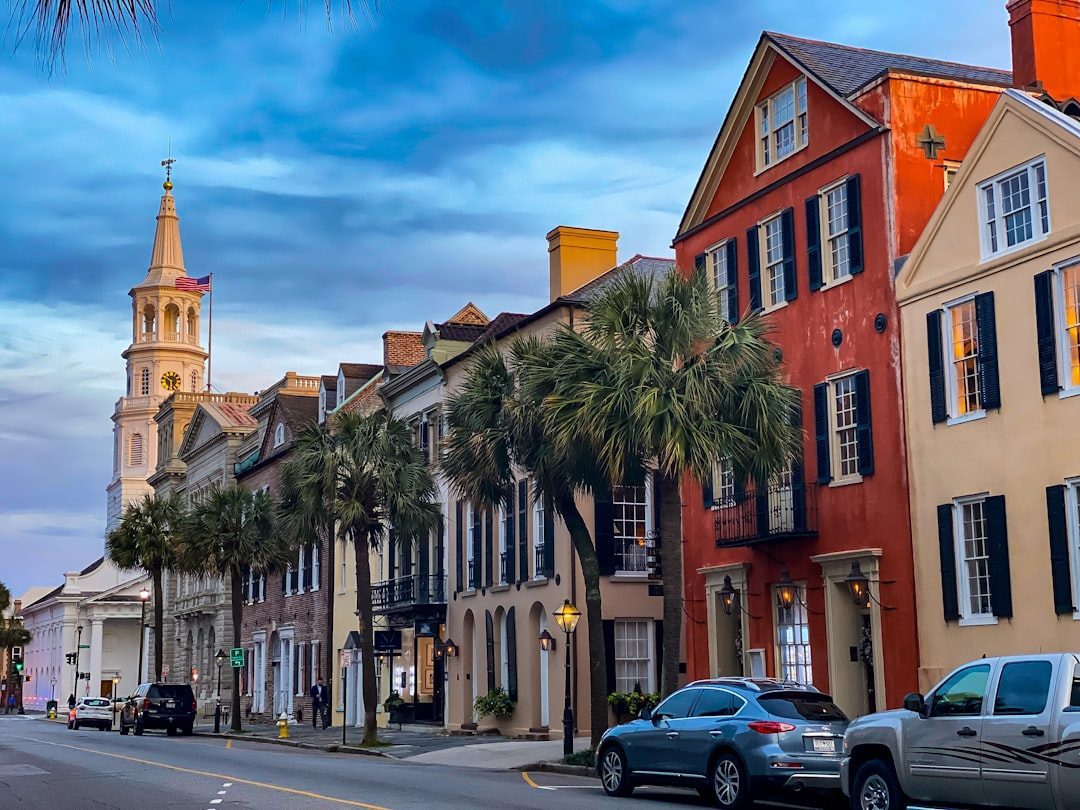
Charleston’s Old and Historic District displays American architecture from the 17th century to the early 20th century in a variety of styles, with over 2000 historic buildings telling the city’s story as visitors walk past hotels and grandiose antebellum mansions with wraparound porches. There’s something almost dreamlike about strolling these cobblestone streets. Spanish moss drapes from ancient oak trees, creating natural curtains over architectural treasures that somehow survived wars, earthquakes, and hurricanes.
The diversity of styles is genuinely impressive. Charleston was founded in the 1600s and is home to more than half a dozen different architectural styles, with famous structures designed in at least eight styles including Colonial, Georgian, Federal, Classic Revival, Gothic Revival, Italianate, Victorian, and Art Deco. Rainbow Row’s pastel-painted Georgian townhouses have become Instagram-famous for good reason, though honestly, the entire historic district deserves your camera’s attention. It’s hard to say for sure, but Charleston might just be America’s most photogenic city.
San Francisco: Victorian Splendor on Steep Streets
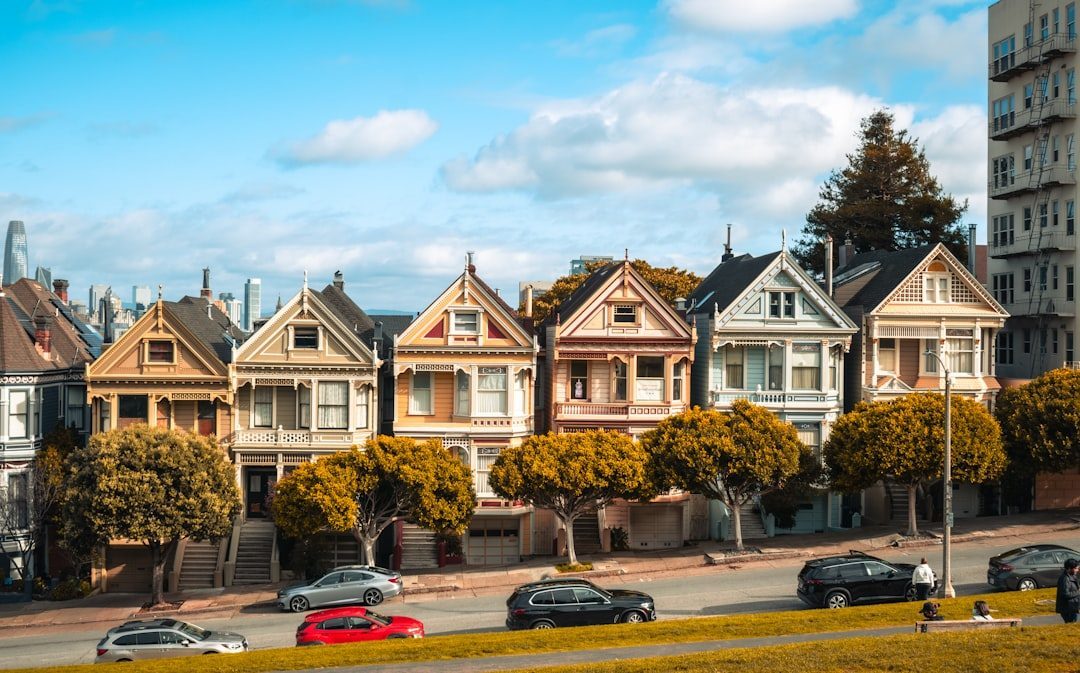
Approximately 48,000 houses in the Victorian and Edwardian styles were built in San Francisco between 1849 and 1915, with many painted in bright colors. The famous Painted Ladies at Alamo Square get all the glory, and yeah, they deserve it. Those colorful Queen Anne beauties with the city skyline behind them create one of those postcard-perfect scenes that somehow exceeds expectations in person.
What visitors sometimes miss is that Victorian architecture fills entire neighborhoods here. The most prevalent Victorian architectural styles in the city are Italianate, Queen Anne, and Stick-Eastlake, found in neighborhoods like Pacific Heights, Haight-Ashbury, Noe Valley, Cole Valley and the Mission District. Each style brings its own personality – ornate details, turrets, intricate wooden patterns. The 1906 earthquake destroyed thousands of these homes, which makes the survivors even more precious. Walking the hilly streets feels like traveling through a colorful architectural time capsule.
Washington D.C.: Monuments to Power and Purpose
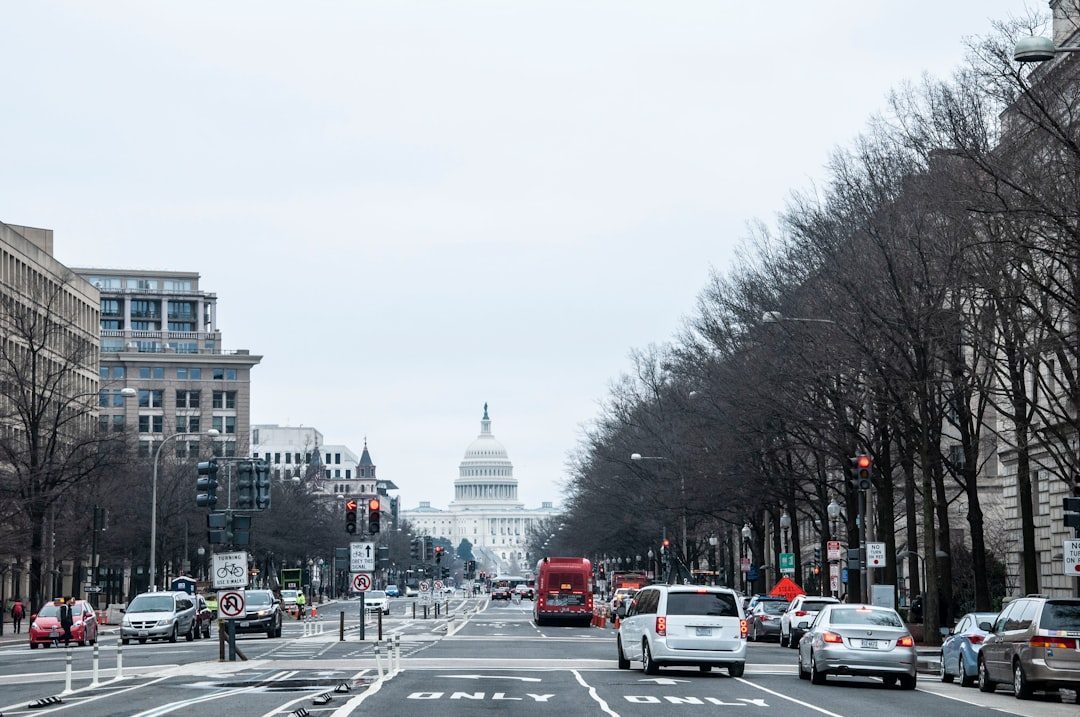
Washington D.C. is home to some of the most well-known buildings in the country, defined by grand neoclassical structures, historic row houses, and impressive monuments. The city’s architecture isn’t just beautiful – it’s intentionally imposing, designed to project authority and inspire civic pride. The gleaming white dome of the Capitol building commands attention from miles away, while the Washington Monument pierces the skyline like an exclamation point.
The White House is perhaps the most famous residence in the world, known for its elegant design, and D.C.’s architecture reflects the history and power of the nation, with carefully planned avenues and landmarks at every turn. The symmetry and grandeur of Beaux Arts structures line the National Mall, creating this incredible open-air museum of American ambition. You can feel the weight of history in every column and cornice. Did you expect a city built to symbolize democracy would look any less impressive?
Boston: Colonial Charm Meets Academic Excellence
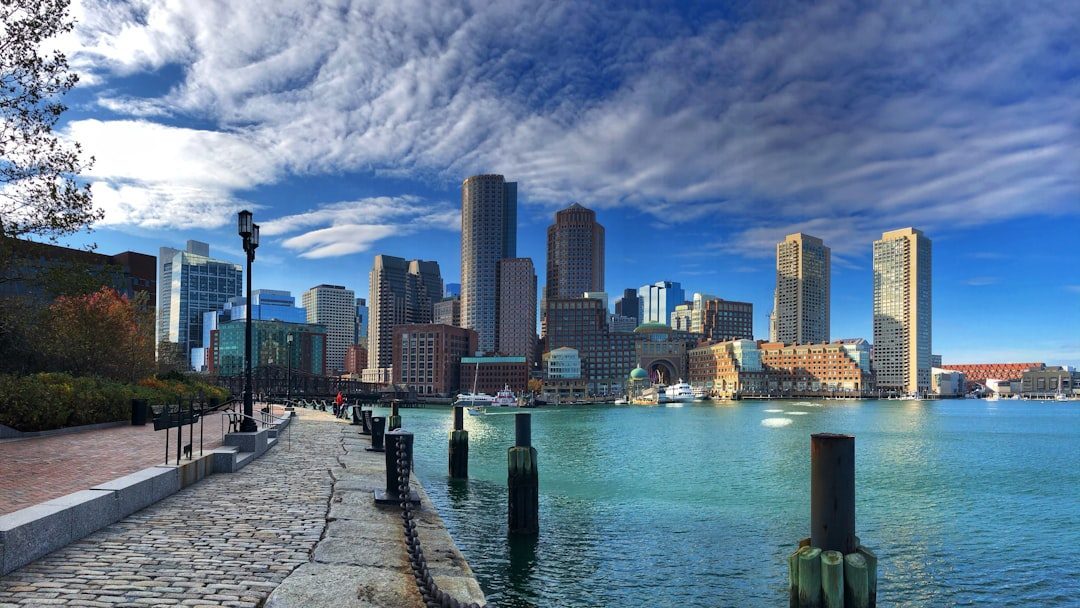
Boston’s academic institutions showcase architectural diversity, as Harvard’s traditional red brick buildings contrast with MIT’s boundary-pushing designs like the Frank Gehry-designed Stata Center, while the Back Bay neighborhood features well-preserved Victorian brownstones that create one of America’s most elegant urban landscapes. This city wears its history proudly, refusing to erase its past even as it builds its future. The narrow streets that follow old cow paths wind between centuries-old structures and gleaming contemporary towers.
Boston has more National Historic Landmarks per square mile than any other major city in the US. The Paul Revere House stands as downtown’s oldest building, a humble timber structure that witnessed revolution. Meanwhile, South Station is a masterpiece of Neoclassical architectural highlights, as the Beaux Arts landmark is one of Boston’s grandest gatekeepers with a regality befitting its function. It’s this juxtaposition – colonial simplicity alongside ornate grandeur – that makes Boston’s architectural landscape so compelling.
New Orleans: Where Cultures Converge in Iron and Color
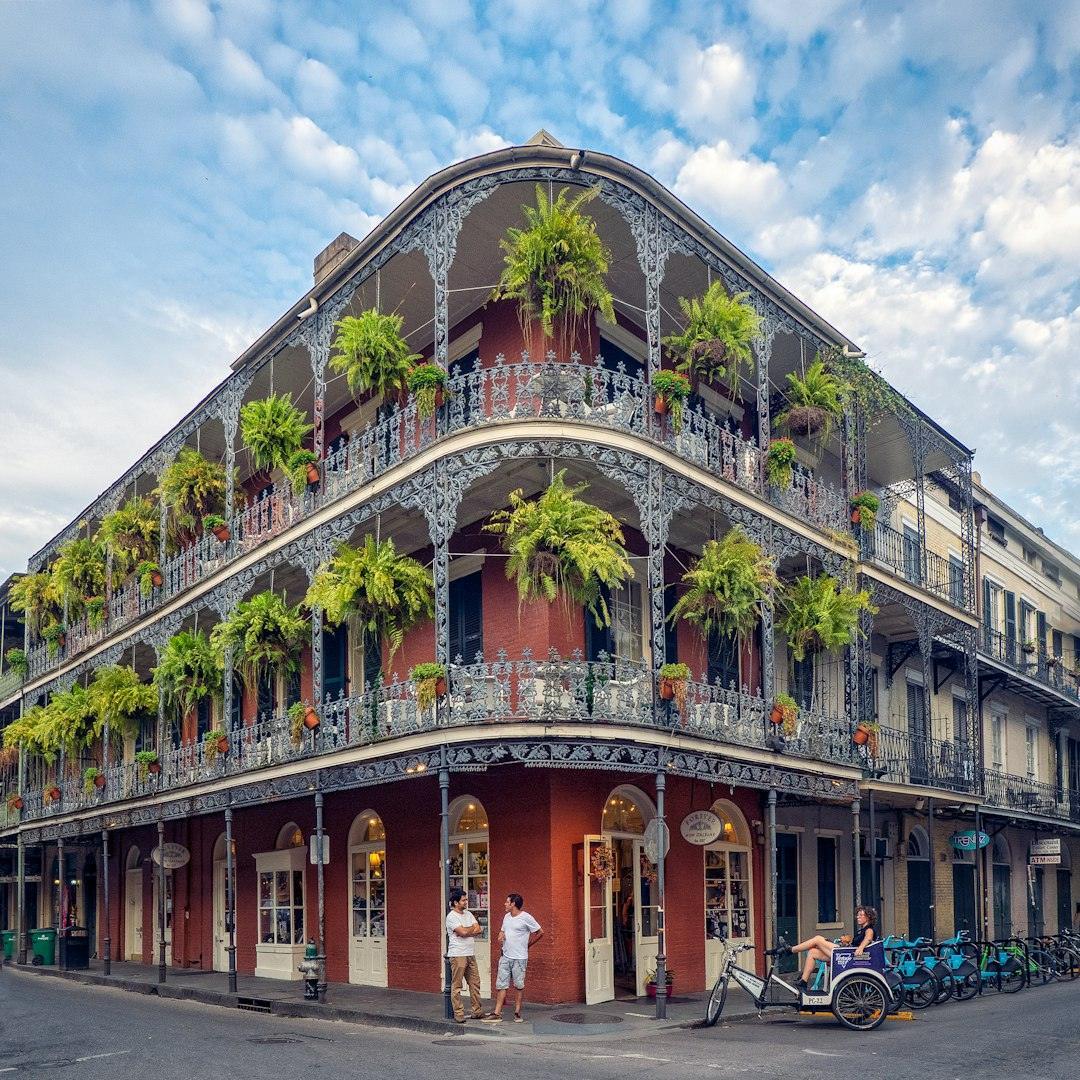
The influence of French, Spanish, and African cultures is evident in New Orleans’ diverse architectural styles, as the architectural details of Creole townhouses with their wrought-iron balconies contribute to the city’s vibrant and lively atmosphere. There’s no place quite like the French Quarter, where lacy iron balconies overflow with ferns and flowers, creating an almost theatrical backdrop for life on the street below. Every building seems to have a story whispered through its shutters.
The St. Louis Cathedral, with its Gothic Revival architecture, is a centerpiece that fascinates architectural enthusiasts. The pastel colors, the intimate courtyards hidden behind heavy wooden doors, the way light filters through Spanish moss onto centuries-old facades – it all creates an atmosphere you won’t find anywhere else in America. The architecture here doesn’t just frame the city’s famous culture; it actively participates in creating that unique New Orleans magic. What would you have guessed shapes a city’s soul more – its people or its buildings?
Conclusion

These seven cities represent just a fraction of America’s architectural treasures, yet each offers something genuinely special. From Chicago’s innovative skyscrapers to Charleston’s preserved colonial elegance, from San Francisco’s rainbow-hued Victorians to Washington’s monuments of marble, the United States has cultivated diverse architectural traditions worth exploring.
The beauty of architecture lies not just in the structures themselves but in the stories they tell about ambition, culture, and human creativity across generations. Next time you visit any of these cities, slow down. Look up. Notice the details that architects and builders left for us to discover. Which city’s architectural story calls to you the most?

- 10 Mind Blowing Facts About The Great White Shark - July 26, 2026
- Elephants Communicate With Each Other Using Sounds We Cannot Hear - July 26, 2026
- 10 Surprising Foods That Are Actually Good For Your Dog’s Health - July 26, 2026