
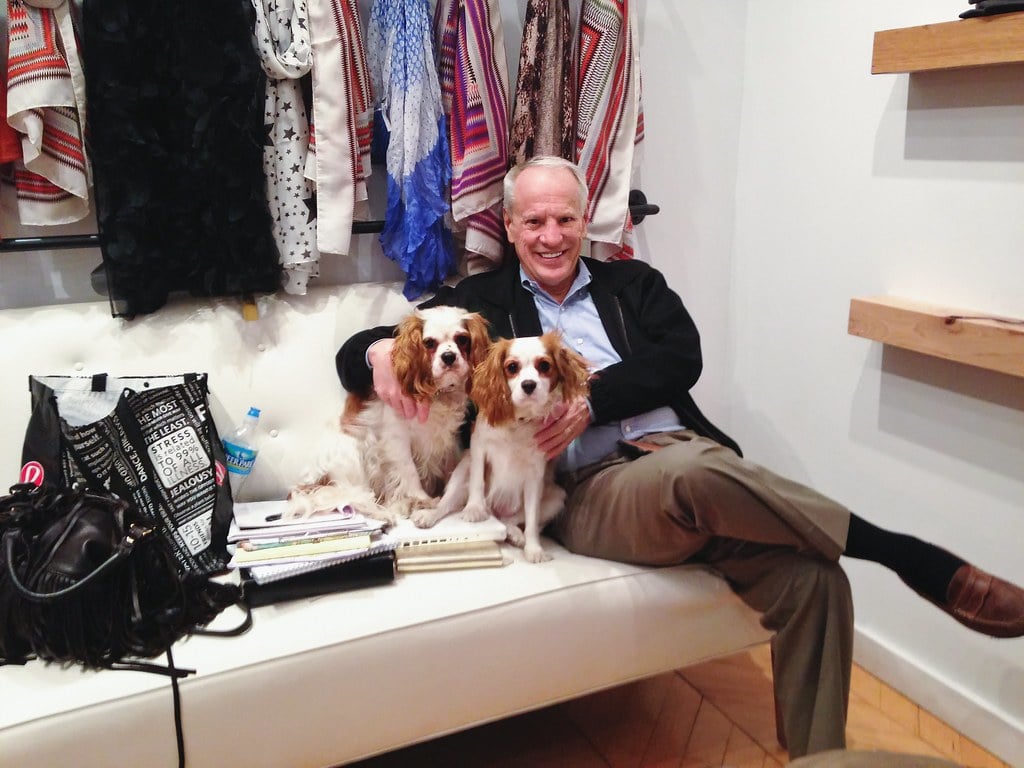
Most owners brace themselves for the moment their puppy “grows up” – the zoomies fade, the tail wags slow down, the couch starts winning over the tennis ball. It’s supposed to be inevitable. Every dog mellows eventually. That’s just biology, right?
Except vets keep running into the same exceptions, year after year, breed after breed. Certain dogs seem to skip the memo entirely, bouncing through their senior years with the same goofy, wide-eyed energy they had at four months old. Some of them might already be curled up next to you right now, and you had no idea they were on this list.
13. Pomeranian – The Fluffball That Refuses to Grow Up
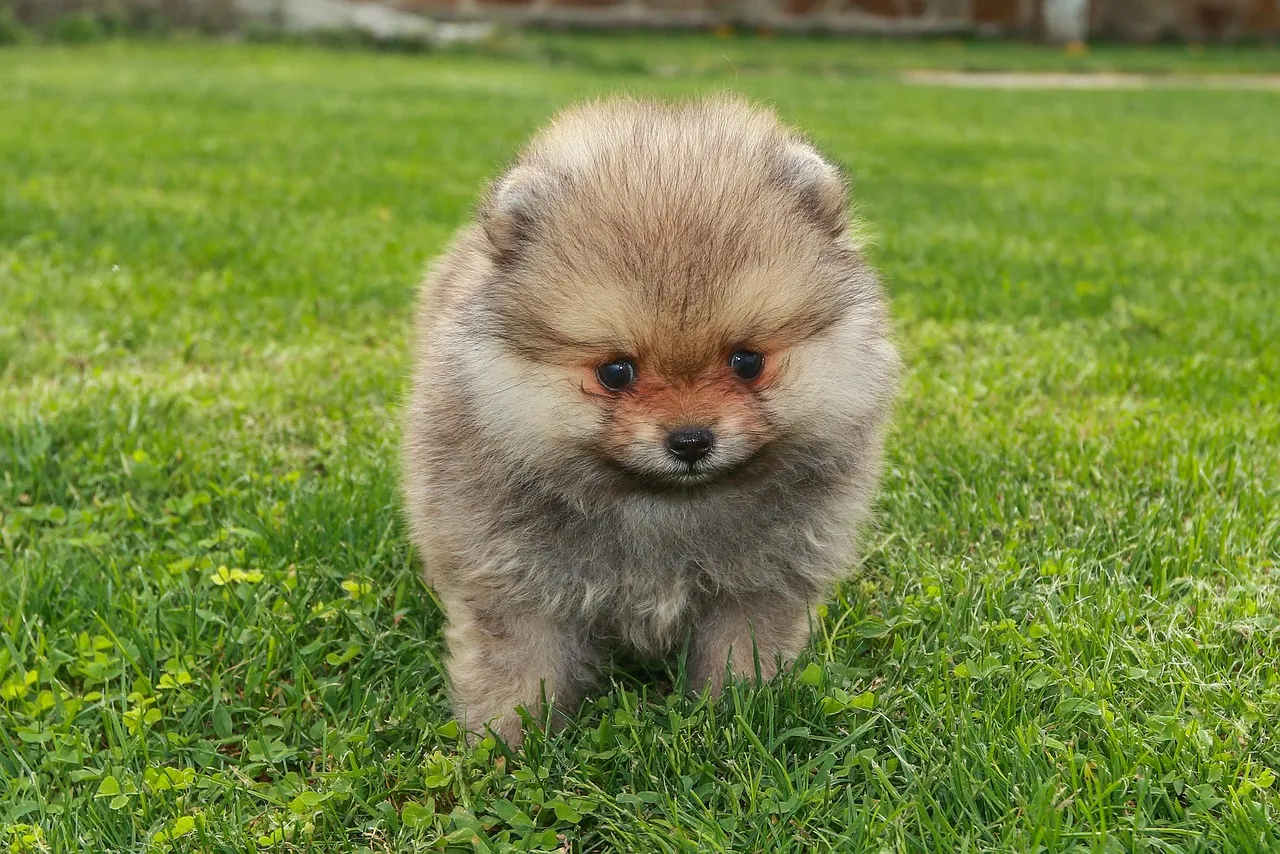
Pomeranians look like they’ve been frozen mid-puppyhood, and honestly, their behavior backs it up. That fox-like face and cloud of fur never really age out of “adorable baby animal” territory, but it’s the attitude underneath all that fluff that really sells it. Poms strut, bark at things twice their size, and demand attention like they’re still working on their first birthday.
What’s wild is how little their energy dips over time. A ten-year-old Pomeranian will still spin in circles at the sight of a leash and still expects to be the center of every conversation in the room. Their tiny bodies apparently never got the message that dignity is supposed to come with age – and their owners wouldn’t have it any other way.
Fast Facts
- Weight: Pomeranians are small dogs weighing 1.36–3.17 kilograms (3.0–7.0 lb) and standing 8–14 inches (20–36 cm) high at the withers
- Life expectancy: the average life expectancy for a Pomeranian is between 12 and 16 years
- Classed as a toy dog breed because of its small size, the Pomeranian is descended from larger Spitz-type dogs, specifically the German Spitz
- Named for the Pomerania region in north-west Poland and north-east Germany in Central Europe
12. Shih Tzu – Royalty’s Forever Puppy
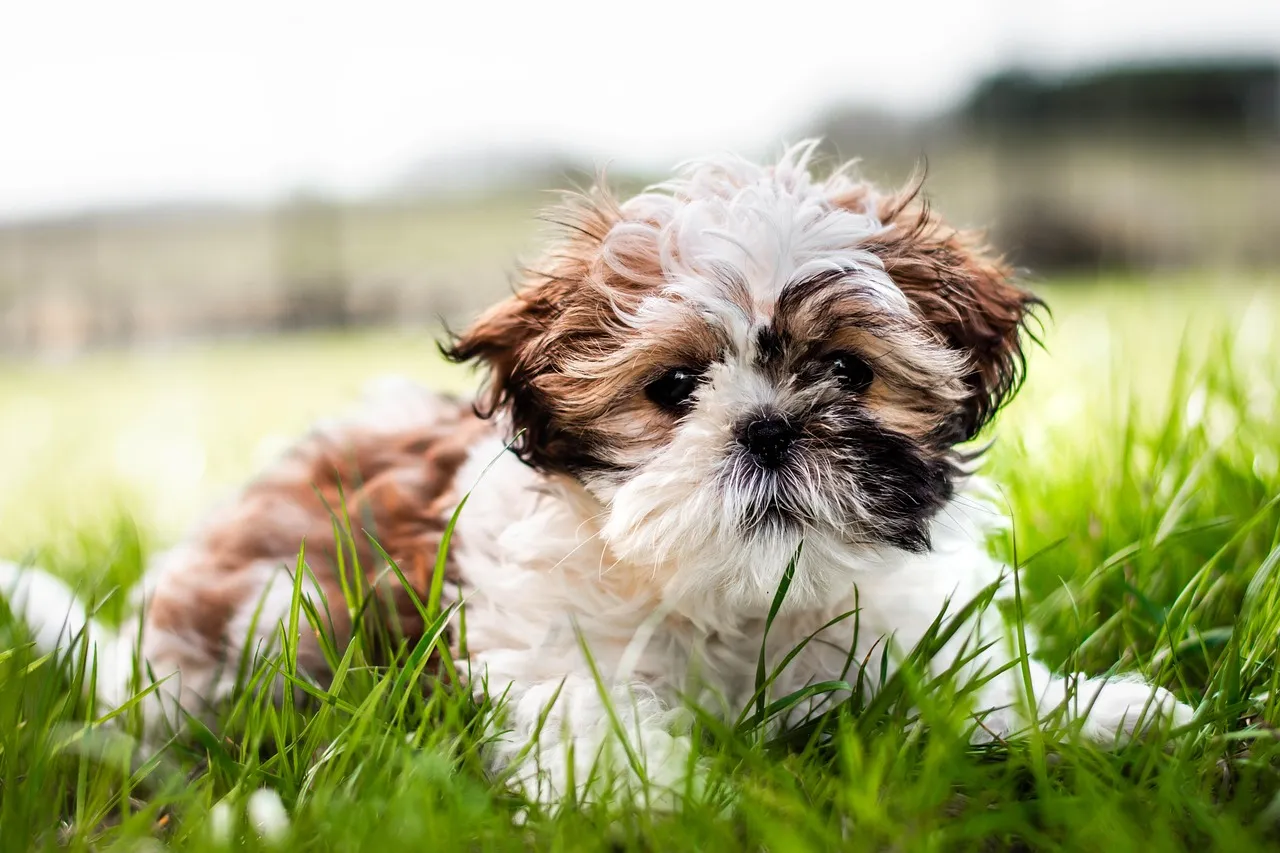
Shih Tzus were bred centuries ago to be lap dogs for Chinese emperors, and somewhere in that royal bloodline, they picked up a permanent case of youthful charm. Their round eyes and perpetually “surprised” expression make them look like they’re seeing the world for the first time, even at twelve years old.
It’s not just the look, though. Shih Tzus keep initiating play long after other small breeds have settled into nap-heavy routines. They’ll paw at a toy, drop it at your feet, and stare until you engage – a little ritual that barely changes from puppyhood to gray-muzzle seniority.
11. Beagle – Curiosity That Never Quits
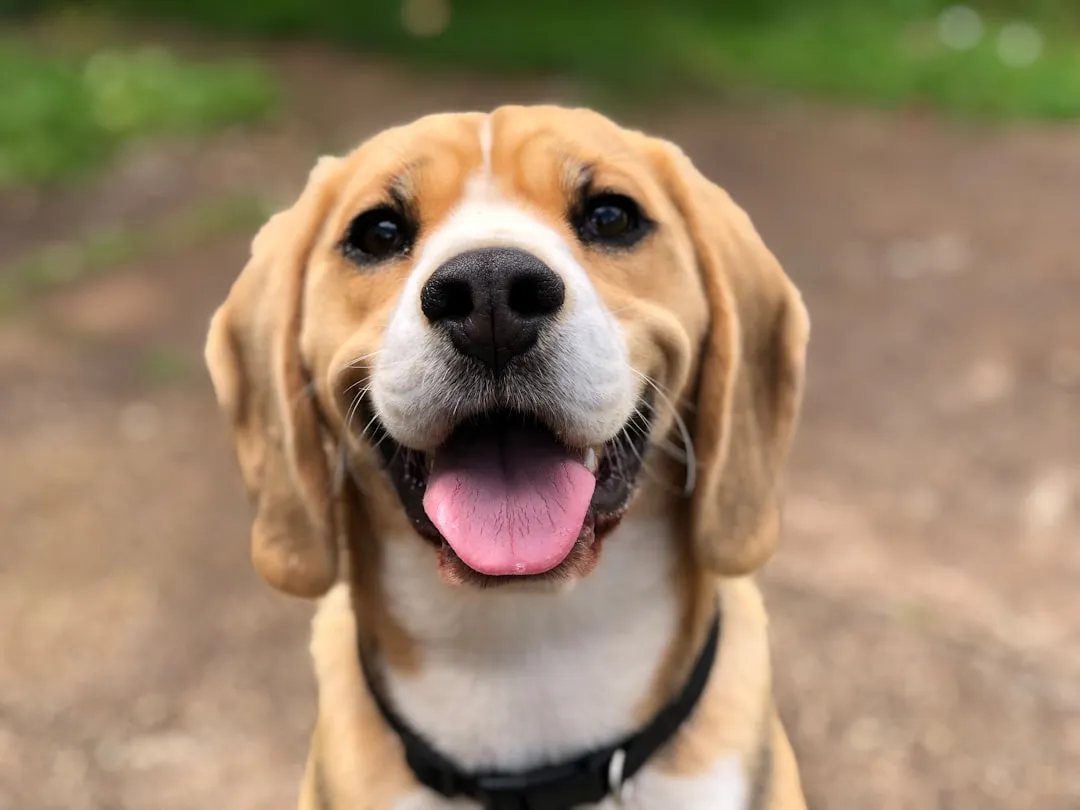
Beagles were built for one job: follow the smell, no matter what. That relentless nose doesn’t retire just because the dog turns eight or nine. If anything, an older Beagle with decades of scent-tracking instinct behind it gets even more determined to sniff out every rabbit trail in the backyard.
That mental engagement is exactly why Beagles stay so playful. A dog that’s constantly solving “where did that smell go” puzzles doesn’t have time to act old. Combine that curiosity with their famously stubborn streak, and you get a dog that argues with you about bedtime well into its senior years.
10. French Bulldog – The Class Clown Who Never Retires
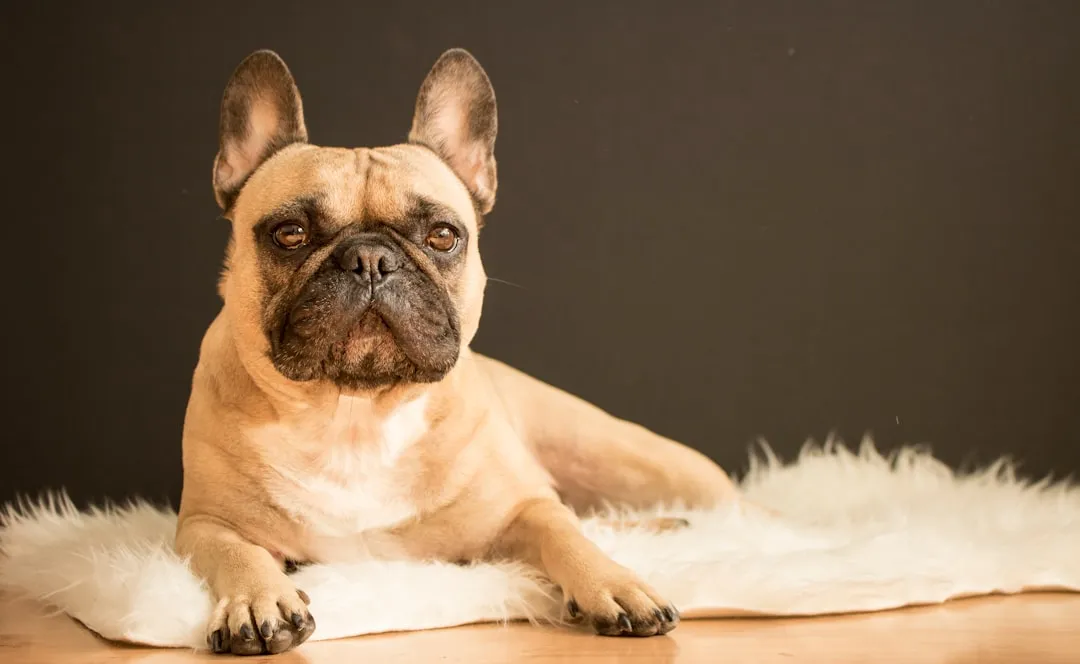
Frenchies look like they should be lazy – squat little bodies, flat faces, a whole aesthetic built around “couch potato.” Instead, they turn into full-time comedians who never stop auditioning for your attention. The bat ears perk up, the head tilts, and suddenly they’re doing something ridiculous just to make you laugh.
Owners often notice that a Frenchie’s need for an audience doesn’t fade with age the way you’d expect. Even senior French Bulldogs will paw at your leg mid-conversation, demanding you watch whatever silly trick they’ve decided to perform. Their bodies slow down eventually; their showmanship rarely does.
Quick Compare
- 2022 was the year the French Bulldog ended the Labrador Retriever’s 31-year reign as the most popular dog breed in America
- Weight: the AKC standard states that Frenchies usually will not exceed 28 pounds
- Lifespan: French Bulldogs typically live 10 to 12 years, though genetics, diet, and preventive care all play a role
- Officially recognized by the AKC in 1898, after decades as a Parisian favorite
9. Cocker Spaniel – All Heart, All the Time
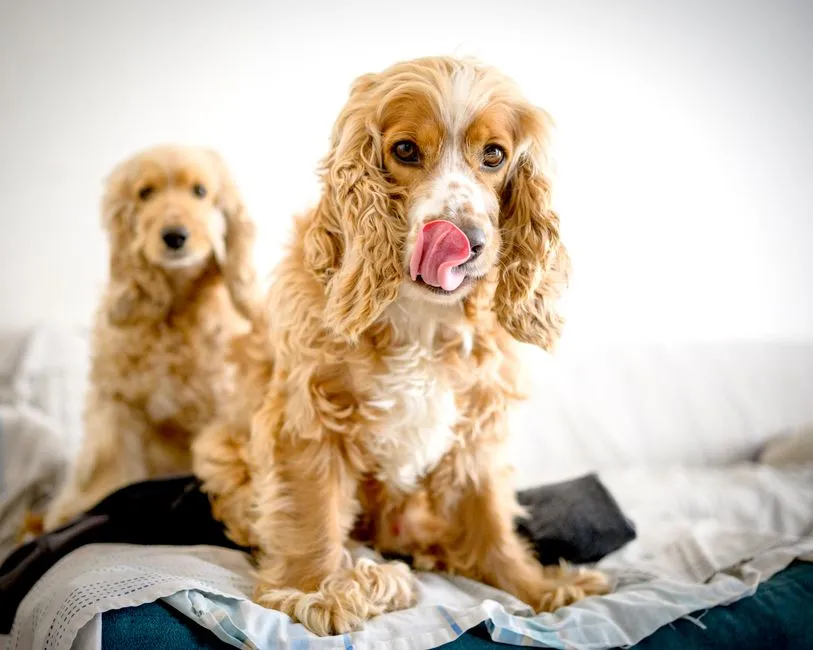
Cocker Spaniels wear their emotions on their sleeve their entire lives. That soulful, slightly worried expression isn’t just for puppyhood – it sticks around because Cockers stay emotionally tuned-in to their people well into old age, practically vibrating with joy when someone they love walks in the door.
That sensitivity translates directly into play. A senior Cocker Spaniel will still nudge a toy toward you, still perk up at the word “walk,” still curl into your lap like a puppy who just discovered what a hug feels like. Age changes their pace, but rarely their heart.
8. Labrador Retriever – Goofy to the Bone
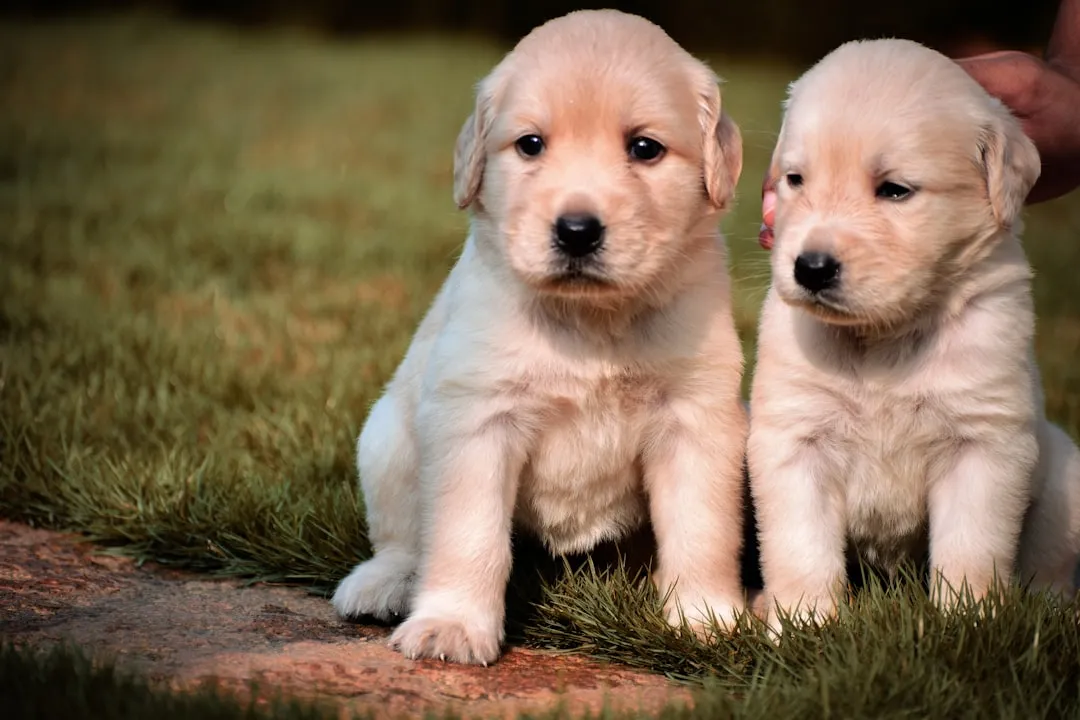
Labs are famous for one thing above all else: they never seem to realize they’ve grown up. A seven-year-old Lab will still barrel into a lake after a stick with the same reckless joy as a six-month-old puppy, tail going full helicopter mode the entire time.
That goofiness is baked into the breed. Labs were built to retrieve, play, and please people, and none of that ambition dims much with age. Even senior Labs tend to greet visitors like it’s the best thing that’s happened all week – which, to them, it probably is.
There is no psychiatrist in the world like a puppy licking your face.
Ben Williams
7. Golden Retriever – Sunshine on Four Paws
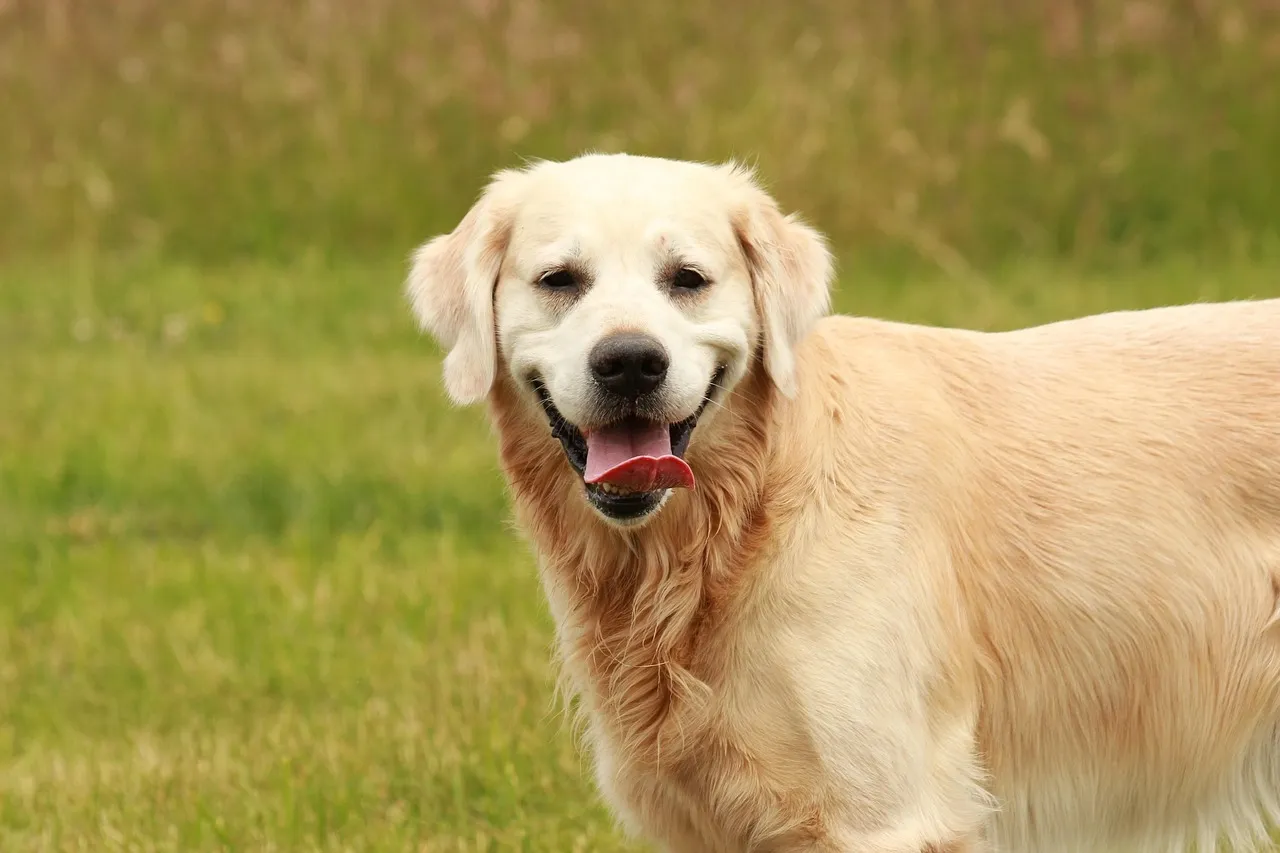
Golden Retrievers have built an entire reputation around being relentlessly, almost suspiciously happy. That signature grin and full-body wag don’t fade with time – a ten-year-old Golden will still act like your arrival home is the single greatest event in canine history.
Part of what keeps Goldens so playful is how eager they stay to please the people around them. Fetch, tug-of-war, a simple belly rub – it all lights them up the same way it did as a puppy. Their gentle, affectionate nature just doesn’t have an expiration date.
6. Boxer – The Bouncing Best Friend
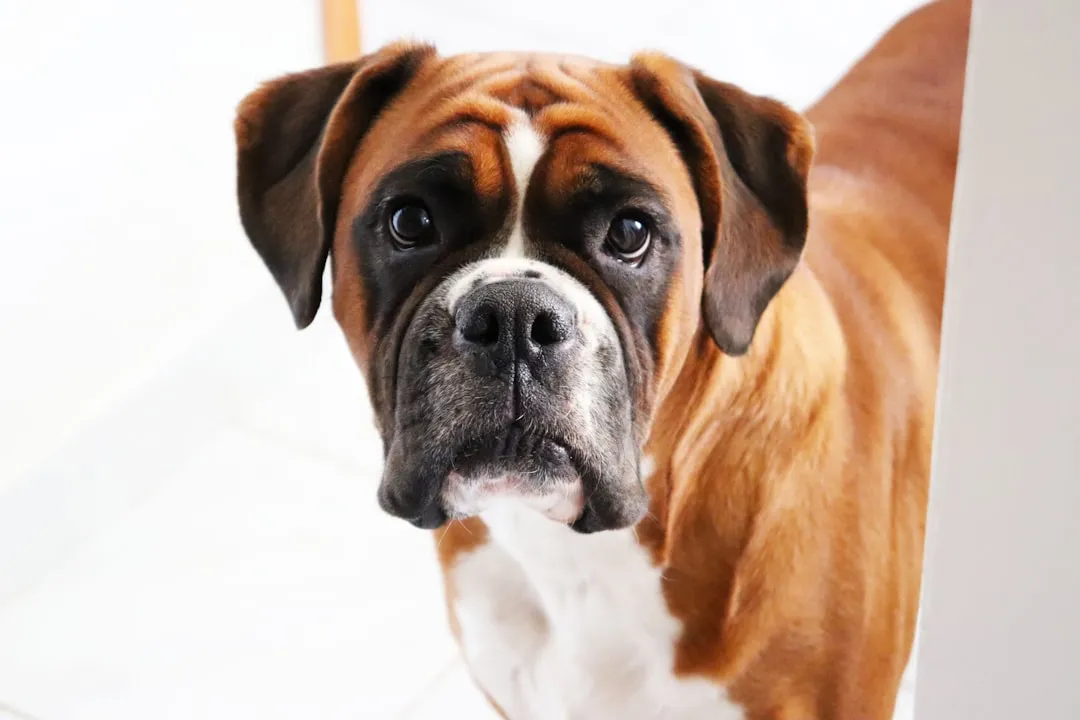
Boxers have earned their reputation as the clowns of the dog world, and that goofy streak survives well into their senior years. Springy legs, a wagging whole rear end, and an expression that always looks like they’re about to start something – that’s a Boxer at any age.
Even as gray creeps into their muzzle, Boxers keep inviting play, bouncing around the living room, and cheerfully ignoring the idea that they’re supposed to be “calming down.” For a lot of Boxer owners, that refusal to act their age is the whole appeal.
Worth Knowing
- Boxers belong to the AKC’s Working Group, originally developed in Germany as guard and hunting companions
- Their trademark full-body wiggle and wagging rear end are practically a breed signature
- Boxers tend to bond intensely with their families and dislike being left alone for long stretches
- Many owners describe their senior Boxer as “still a puppy in a middle-aged body”
5. Cavalier King Charles Spaniel – Sweetheart With Springs in Its Paws
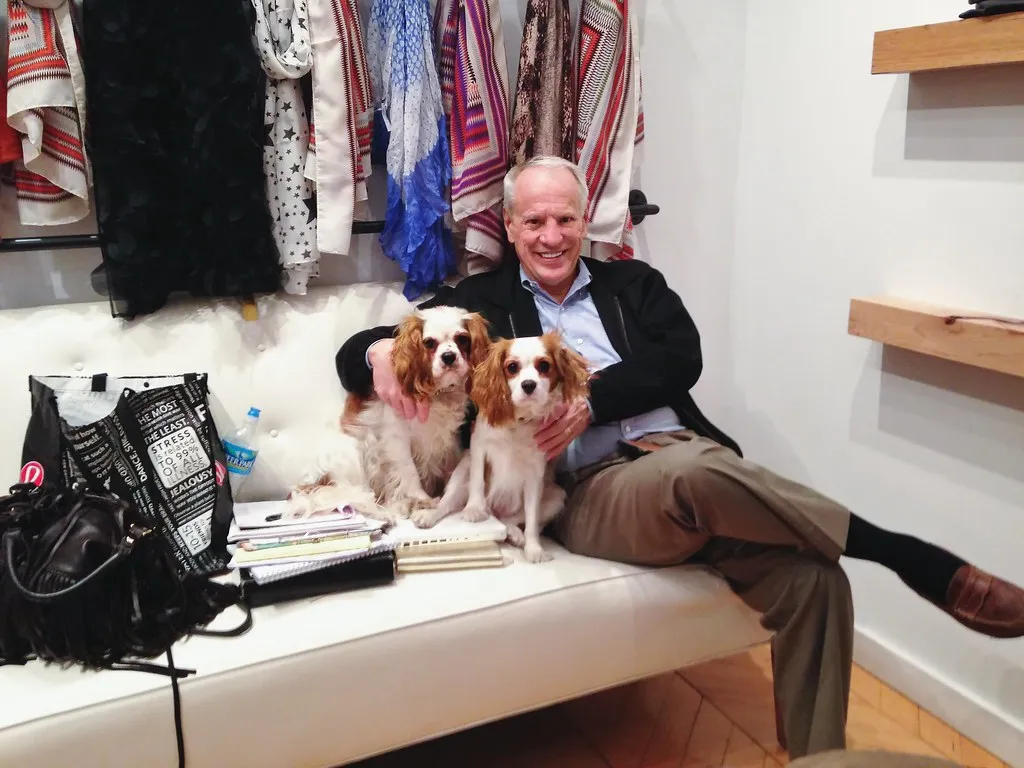
Cavaliers are often described as gentle and affectionate, but underneath that sweetness is a dog that genuinely loves to play – and keeps loving it for years longer than expected. Short bursts of sprinting, a favorite squeaky toy, an eager game of fetch across the yard; Cavaliers stay game for all of it well into their senior chapter.
Their light frame helps, too. Cavaliers move with an easy bounce that doesn’t disappear the way it does in heavier breeds, so even an older Cavalier tends to look and act more like a big puppy than a dignified senior dog.
4. Pug – Wrinkled Face, Forever Young Heart
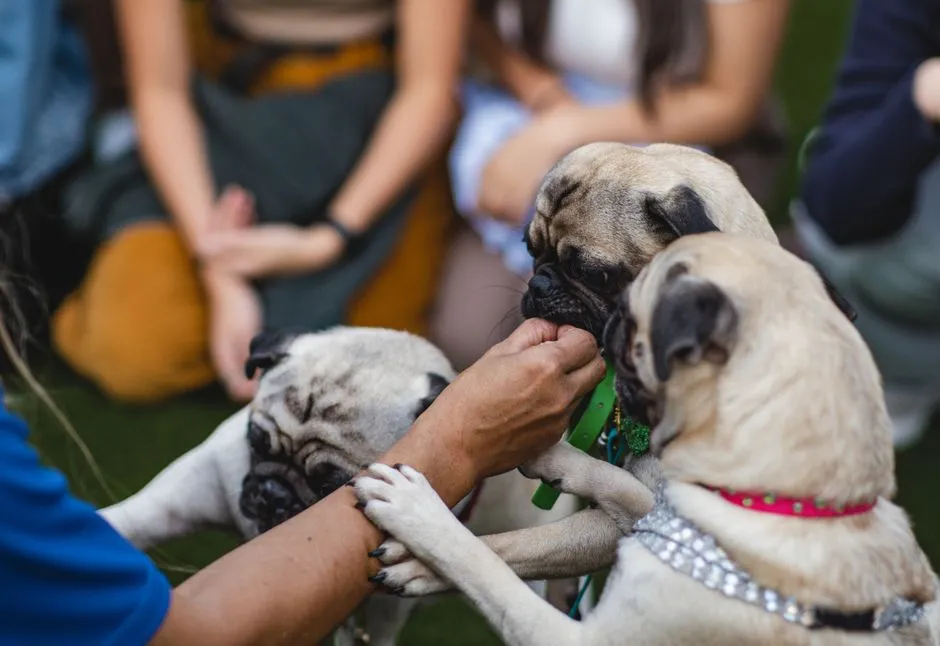
Pugs have built their entire charm around looking a little ridiculous, and that mischievous streak doesn’t fade with age. Their wrinkled faces and bulging, expressive eyes give them a permanent “up to something” look, and honestly, they usually are.
Even senior Pugs keep chasing attention with the same shameless enthusiasm they had as puppies – leaning into laps, snorting for snacks, following owners from room to room like it’s still their very first week home. Age slows their legs a bit; it never slows their personality.
3. Maltese – The Little White Puppy That Never Left
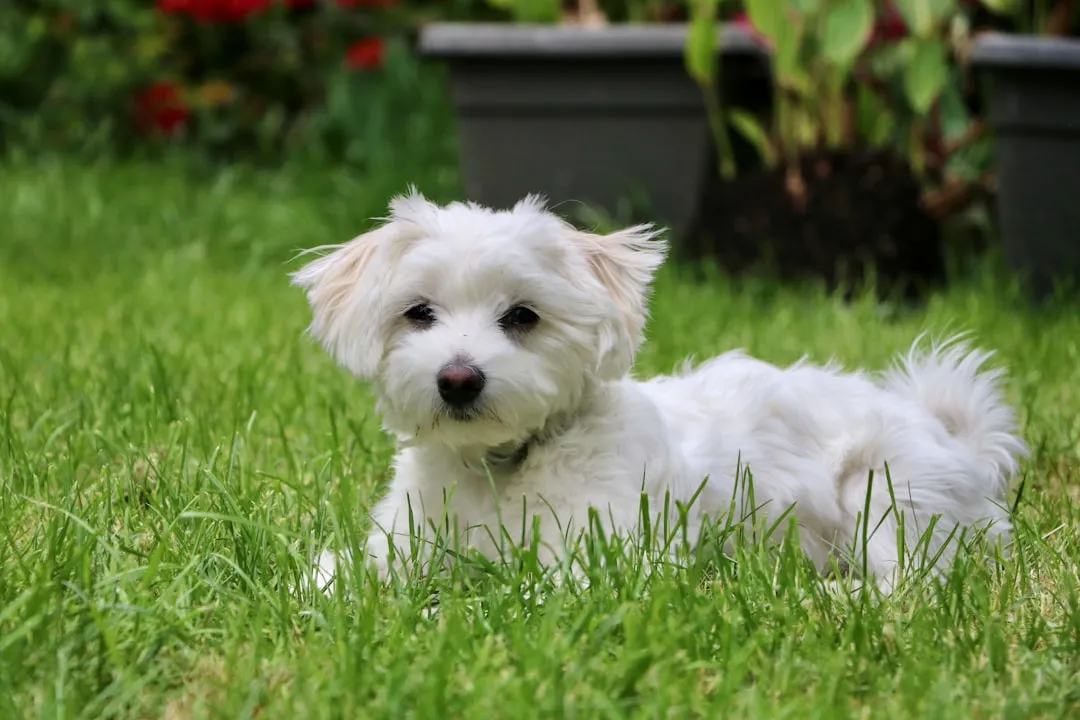
Maltese dogs have a way of looking permanently young, thanks to that soft white coat and gentle, cheerful face. But it’s not just appearances – their playful, affectionate temperament genuinely holds steady from puppyhood straight through their senior years.
Cuddling, playing, following their favorite person around the house – a Maltese barely changes its routine as it ages. Owners often say their older Maltese still acts like the same wide-eyed puppy they brought home years earlier, just with a little more gray around the muzzle.
2. Papillon – Small Dog, Endless Curiosity
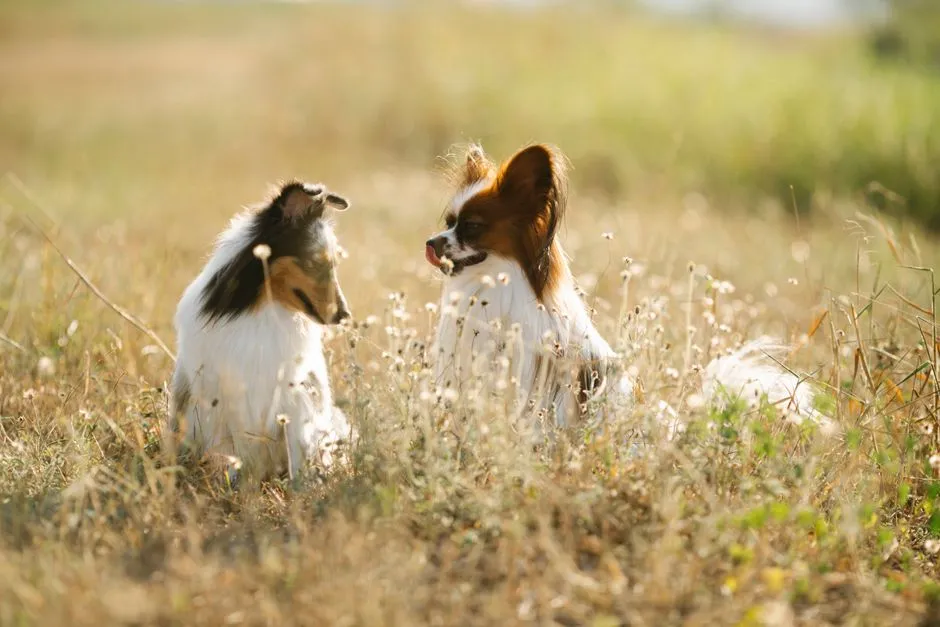
Papillons are sharp. Genuinely, surprisingly sharp for their size, and that intelligence keeps them mentally young for most of their lives. They love learning new games and tricks, and that eagerness to engage rarely dulls with age the way it might in less curious breeds.
Those butterfly-like ears and constant alertness give Papillons a permanently “switched on” quality. Even senior Papillons tend to greet a new toy or a new trick request with the same excitement they showed as puppies discovering the world for the first time.
1. Yorkshire Terrier – Big Attitude in a Tiny Package
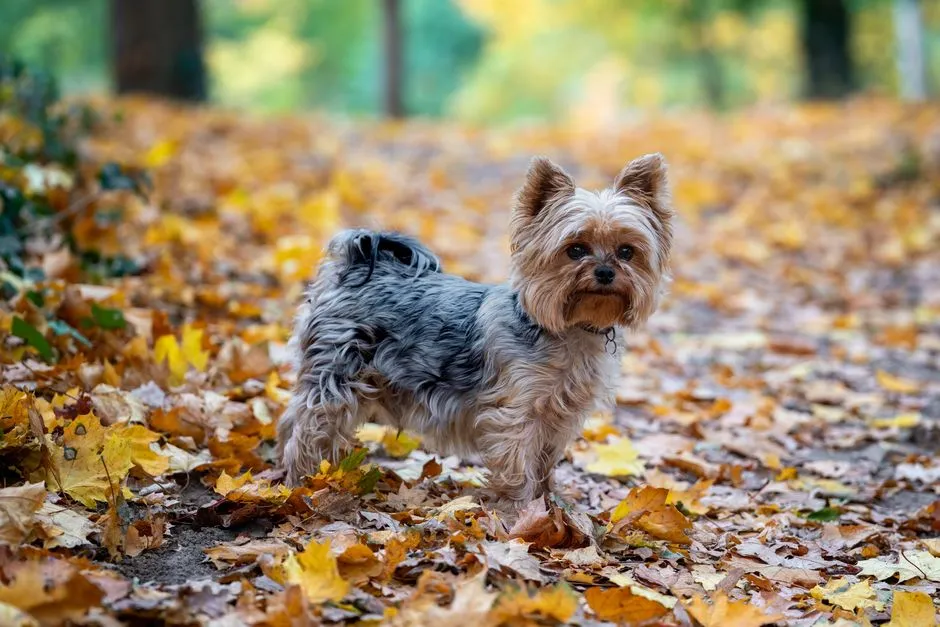
Yorkies were bred as scrappy little terriers, and that feisty, fearless energy never really leaves them. A senior Yorkie will still bark at the mail carrier like it’s a home invasion, still trot around the house with the confidence of a dog twice its size, still demand to be picked up and included in whatever’s happening.
That terrier stubbornness pairs with genuine affection, which is exactly why Yorkies stay so puppy-like for so long. They keep initiating play, keep following their favorite person from room to room, and keep acting like the tiniest, boldest dog in any household – right up through their golden years.
Why It Stands Out
- It is among the smallest of the terriers and indeed of all dog breeds, with a weight of no more than 3.2 kg (7 lb)
- Average life span of the Yorkshire Terrier is 12 to 15 years, with some individuals living well into their late teens
- Yorkies earned their living as ratters in mines and mills long before they became the beribboned lapdogs of Victorian ladies
- High society women turned their attention to pedigreed dogs that could look stylish on their mistress’s lap, and the Yorkshire terrier fit the bill
Here’s the thing vets rarely say out loud: it’s not really about the breed staying young. It’s about a certain kind of dog that never learned to hold back – the ones that greet every day, every walk, every returning owner like it’s the best thing that’s ever happened to them. If you’ve got one of these thirteen curled up on your couch right now, don’t mistake that endless enthusiasm for immaturity. It’s loyalty wearing a puppy’s face, and honestly, it’s one of the best deals in the entire animal kingdom.
