
Have you ever stopped to marvel at what humanity has achieved in just the last few decades? We live in a where engineering meets art, where impossible dreams transform into concrete reality. From bridges that defy physics to structures that scrape the clouds, our planet is dotted with creations that would have seemed like pure fantasy to our ancestors. These aren’t just buildings or monuments. They’re testaments to human ambition, ingenuity, and the relentless drive to push boundaries further than anyone thought possible. Let’s explore the masterpieces that define our modern age.
The Burj Khalifa: Touching the Sky
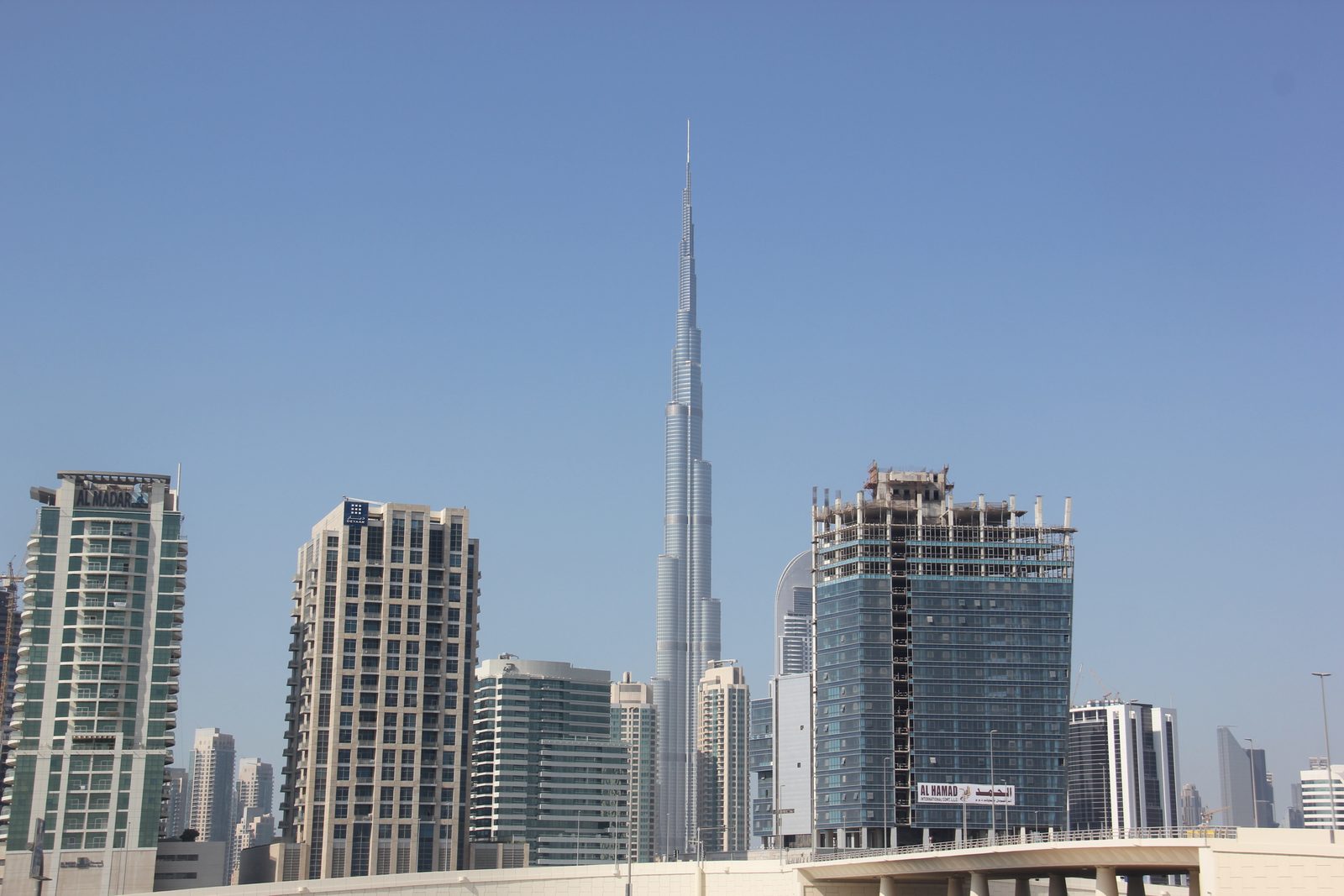
Standing at a staggering height that makes your neck hurt just looking up, the Burj Khalifa in Dubai completely redefined what’s possible in vertical construction. This isn’t just a tall building. It’s a city in the sky.
The unusual Y-shaped tripartite floor geometry reduces wind forces, allowing the structure to stand firm against powerful desert gusts that would topple lesser designs. Engineers had to invent new concrete formulas and pumping techniques just to get materials to the upper floors. The building’s exterior temperature can vary by as much as fifteen degrees between ground level and the top, requiring specially engineered cladding systems to handle the stress.
The International Space Station: Engineering Beyond Earth
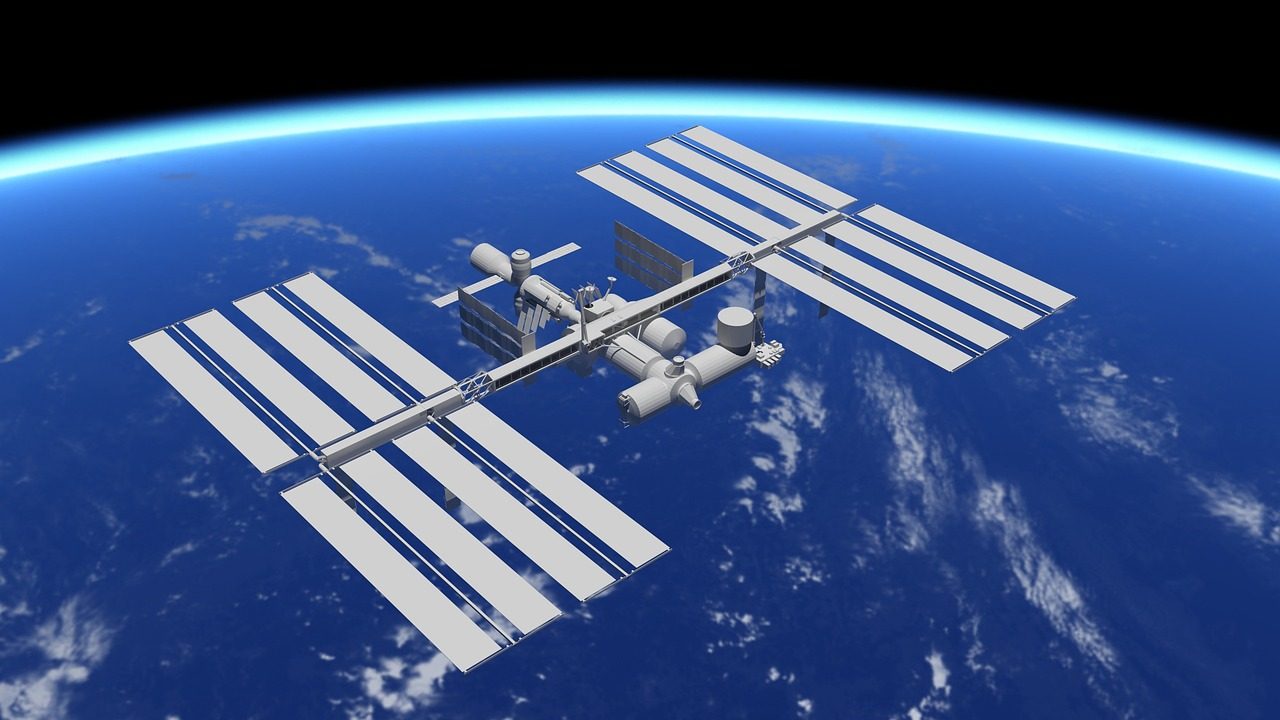
The International Space Station (ISS) is the largest single structure humans have ever put into space, orbiting Earth every 90 minutes from around 250 miles above the surface. Think about that for a second. We built something bigger than a football field and launched it piece by piece into the void.
The project was born from scientific and engineering collaboration from five space agencies representing 15 countries. The station weighs almost 400 tonnes, yet it floats effortlessly above us, a shining example of what nations can achieve when they work together. The technical challenges were mind-boggling. Every component had to survive launch vibrations, extreme temperature swings, and the vacuum of space while still functioning perfectly when assembled in orbit.
The Channel Tunnel: Connecting Continents Underwater
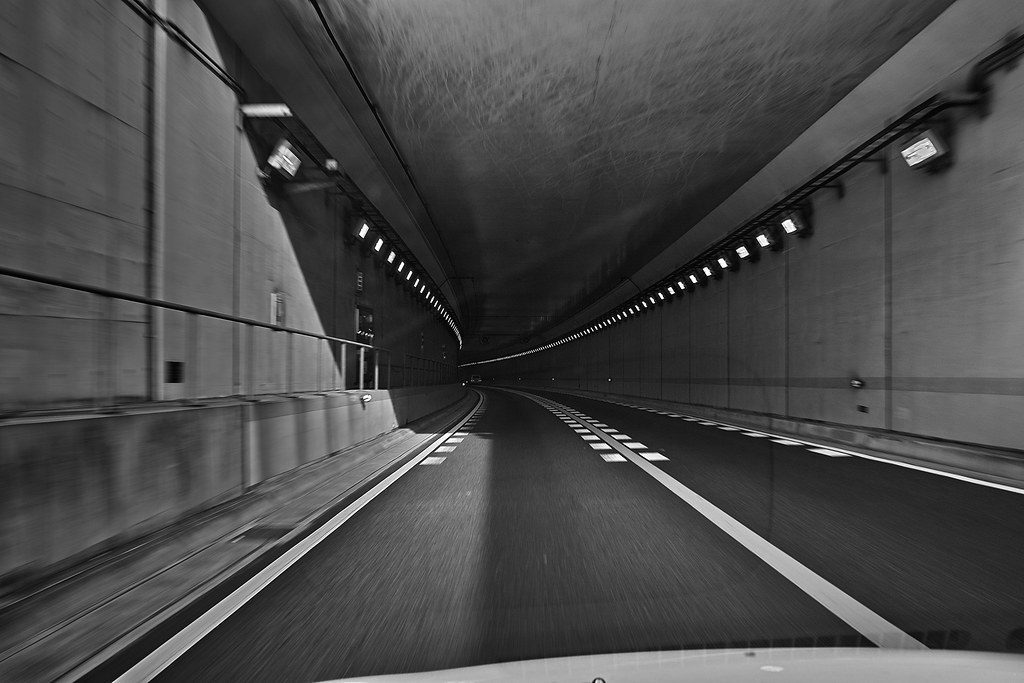
Imagine drilling through solid rock beneath one of the ‘s busiest shipping lanes to connect two countries. That’s exactly what engineers accomplished with the Channel Tunnel, affectionately known as the Chunnel.
One of the biggest challenges was making sure each half of the first tunnel would meet in the middle, so special lasers and surveying equipment were used. To everyone’s relief, they did, but there were still two more tunnels to construct, alongside crossover tunnels and a complex ventilation system. The project employed roughly thirteen thousand workers at its peak and removed enough earth to fill nearly three hundred Olympic swimming pools. Today, trains zip between England and France in just over twenty minutes, making the journey feel almost routine.
The Panama Canal: Reshaping Global Trade
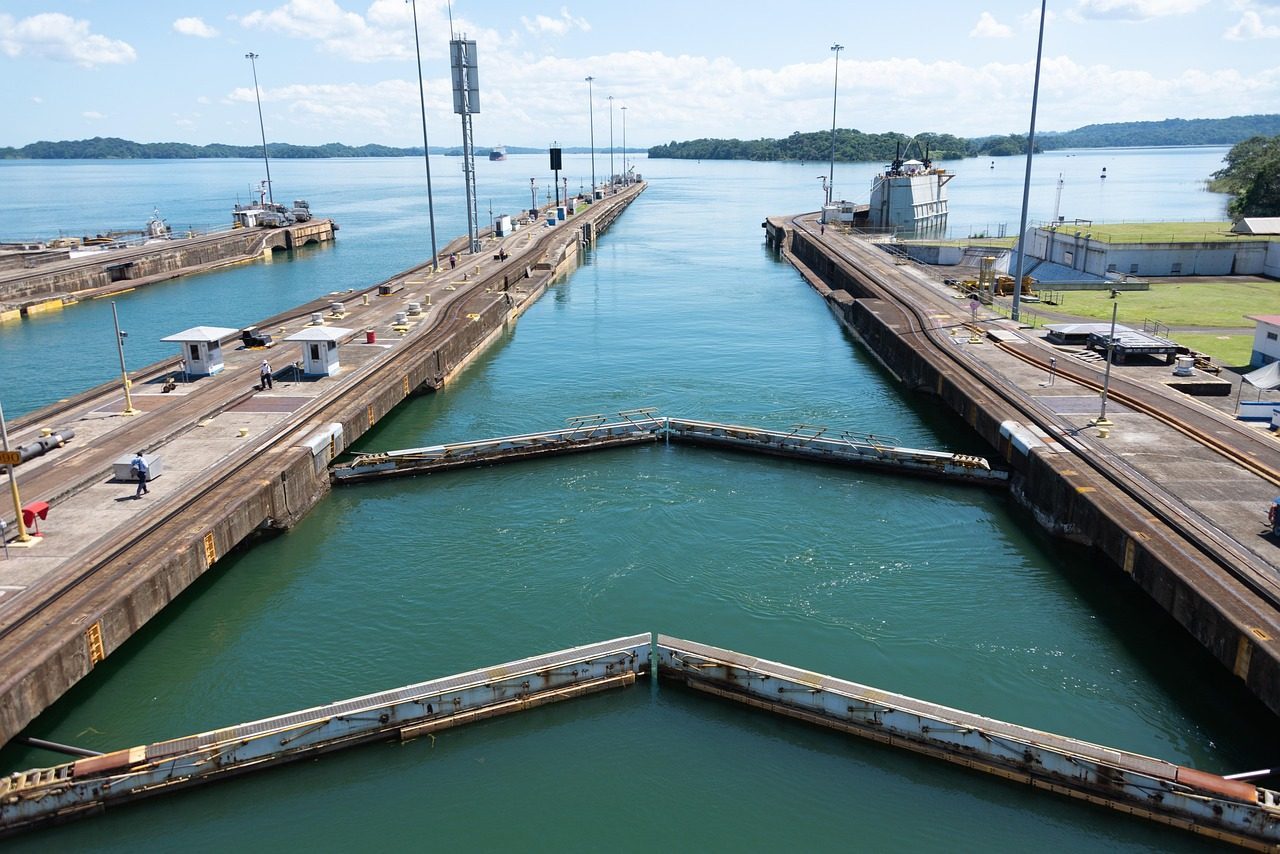
Linking the Atlantic and Pacific Oceans, the 51-mile Panama Canal transformed global trade routes when it opened in 1914. Before its completion, ships had to sail thousands of extra miles around the treacherous waters of South America.
The location of the canal provided many problems, not least the fact it was being built through a tropical jungle. Issues such as torrential rains, exhausting heat and humidity and tropical diseases all had to be contended with. Workers battled malaria, yellow fever, and landslides that could bury equipment overnight. The engineering solution involved creating massive locks that lift ships up and over the continental divide, a system so well designed that it still functions efficiently more than a century later.
The Millau Viaduct: A Bridge in the Clouds
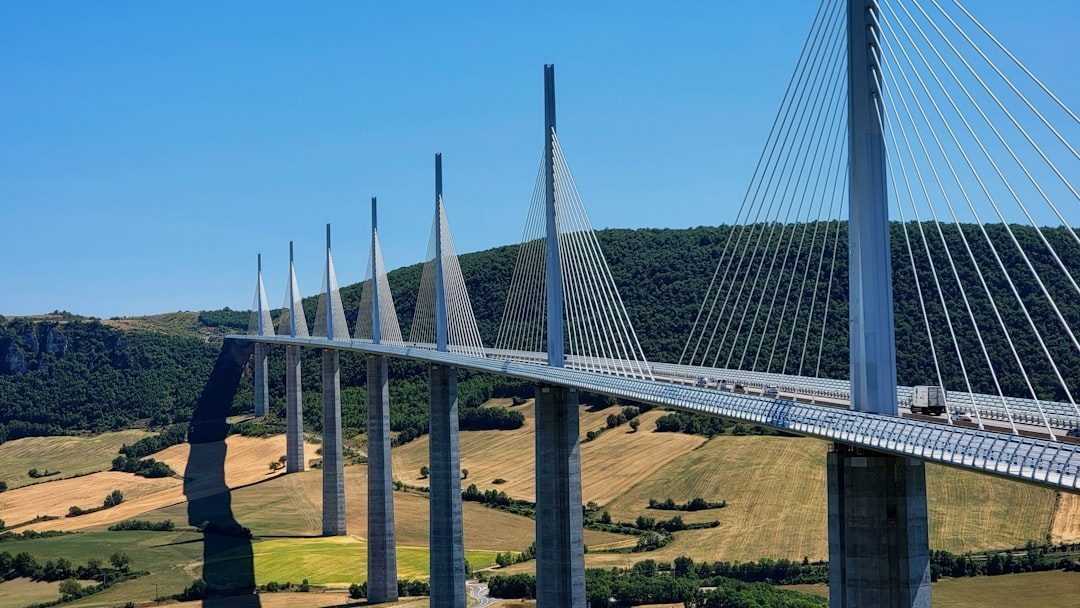
The Millau Viaduct is a cable bridge that spans the gorge valley of Tarn in southern France. It is the tallest bridge in the with a height of 343 metres. The thing looks like it’s floating on mist when fog rolls through the valley below.
The Millau Viaduct, completed in December 2004, was constructed to alleviate congested traffic on the route from Paris to Barcelona during the summer vacation months. This modern engineering marvel was developed by French engineer Michel Virlogeux and British designer Norman Foster. Here’s the thing that blows my mind: when they announced plans to build it, many believed the project was impossible. The roadway had to be constructed on either side of the towers and then rolled into the center, a technique that carried enormous risks but proved brilliantly effective.
The Three Gorges Dam: Harnessing the Yangtze
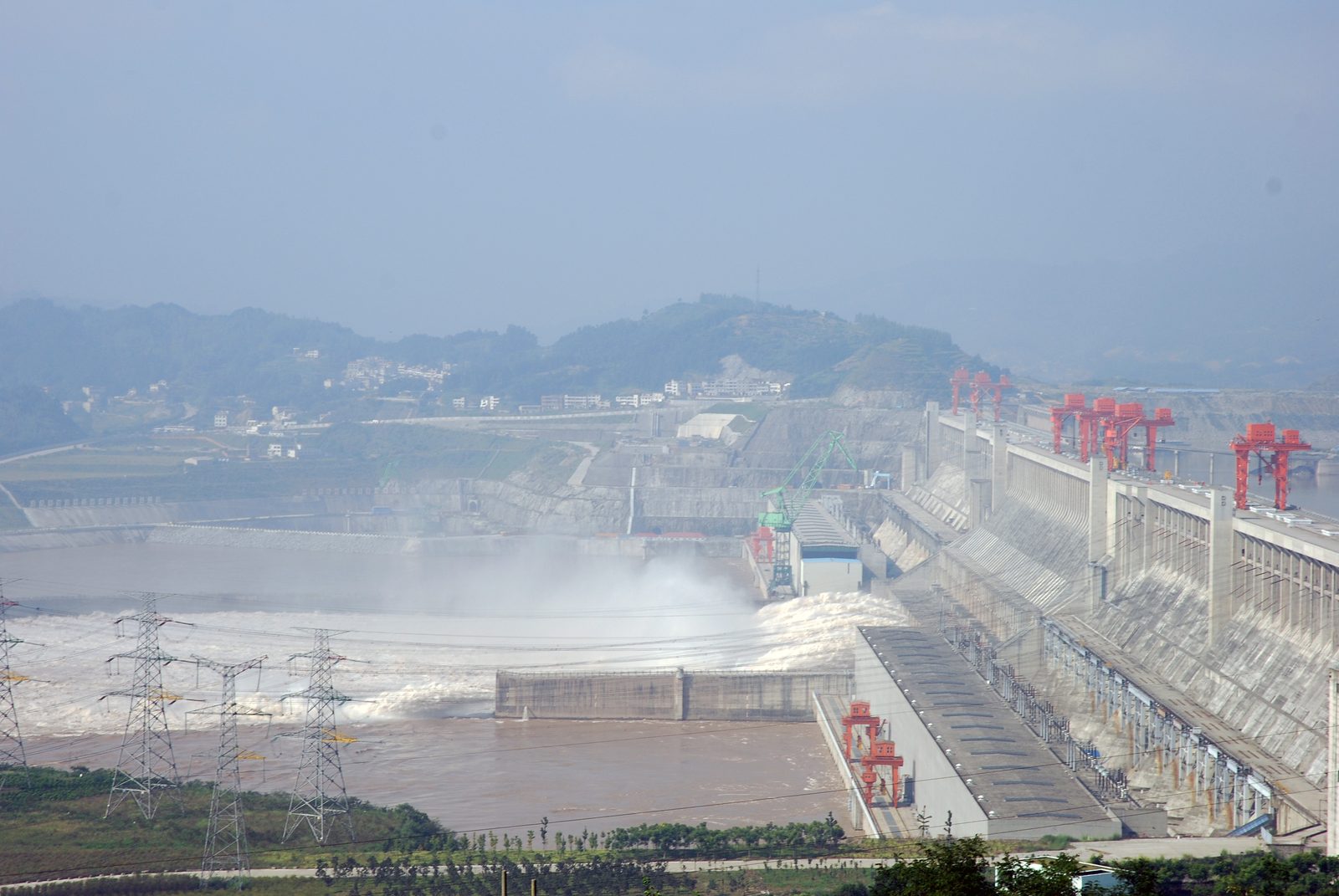
The Three Gorges Dam is a hydroelectric dam spanning the width of the Yangtze River near the town of Sandouping, China. Regarded as an engineering marvel of historic proportions by the Chinese government, the dam is the largest power station in the , producing a total of 22,500 MW, which is roughly eleven times what the famous Hoover Dam generates.
The Three Gorges Dam, located on the Yangtze River and one of China’s largest construction projects since the Great Wall, is one-and-a-half miles wide, over 600 feet wide and almost 400 miles long. The scale is almost incomprehensible. While the dam provides clean energy to millions and improved flood control, it has been plagued with controversy. The dam has created ecological problems, such as landslides and pollution, and has displaced over a million people, reminding us that even our greatest achievements often come with difficult trade-offs.
The Large Hadron Collider: Unlocking the Universe
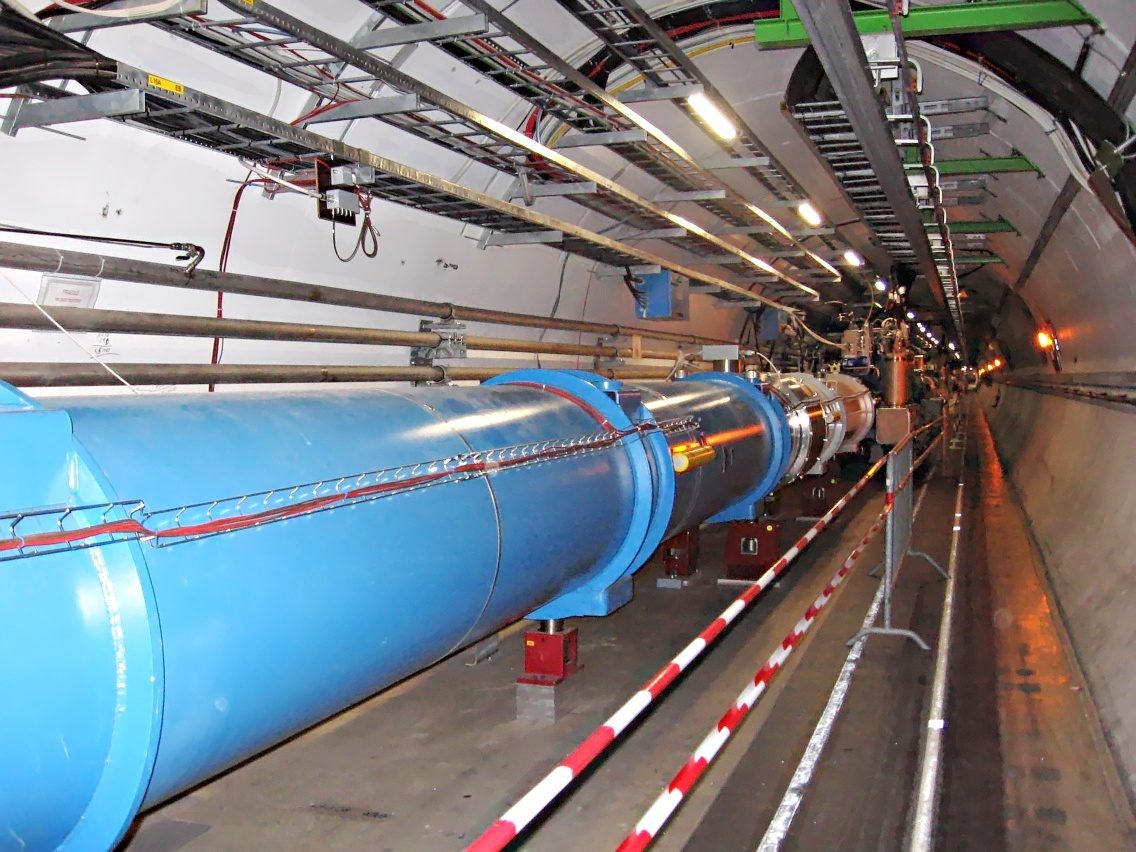
The Large Hadron Collider is the ‘s largest machine and the most powerful particle collider. Built between 1998 and 2008, the construction involved over 100 countries and over 10000 scientists. It’s basically a seventeen-mile underground racetrack for subatomic particles.
The tunnel in which it is situated is as deep as 175 metres and is 27 kilometres long. Scientists use this incredible machine to smash particles together at nearly the speed of light, recreating conditions that existed fractions of a second after the Big Bang. The technology required to keep the equipment cooled to temperatures colder than outer space while maintaining perfect vacuum conditions across such distances represents one of humanity’s most ambitious scientific endeavors.
The Golden Gate Bridge: An American Icon
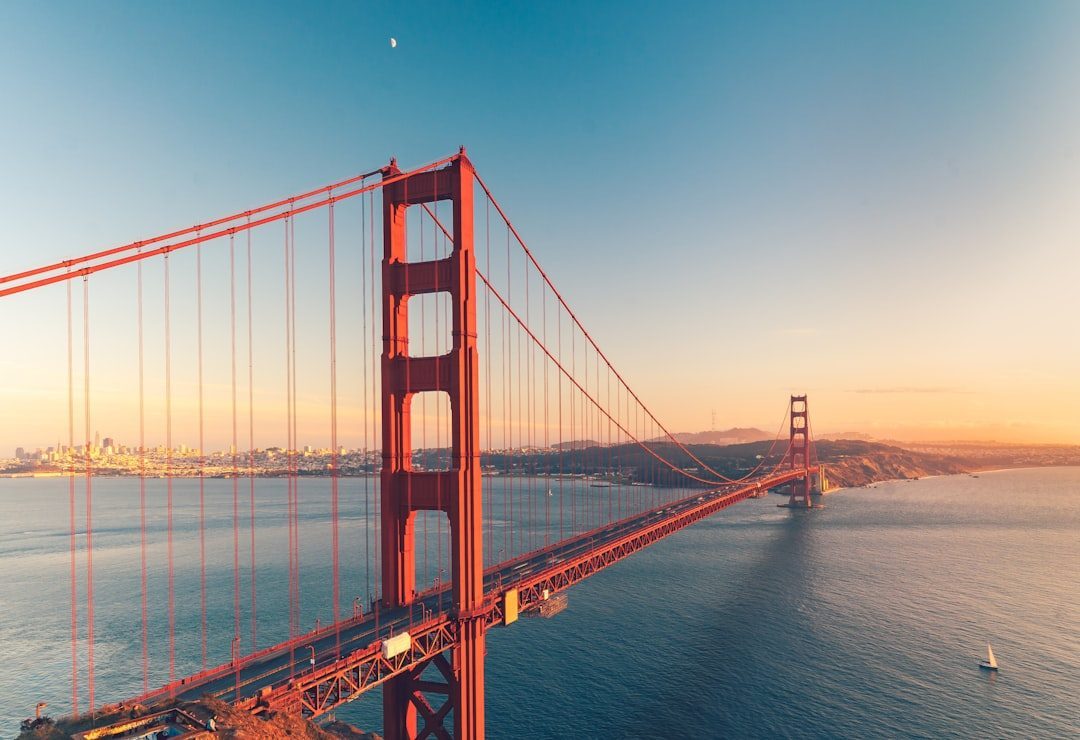
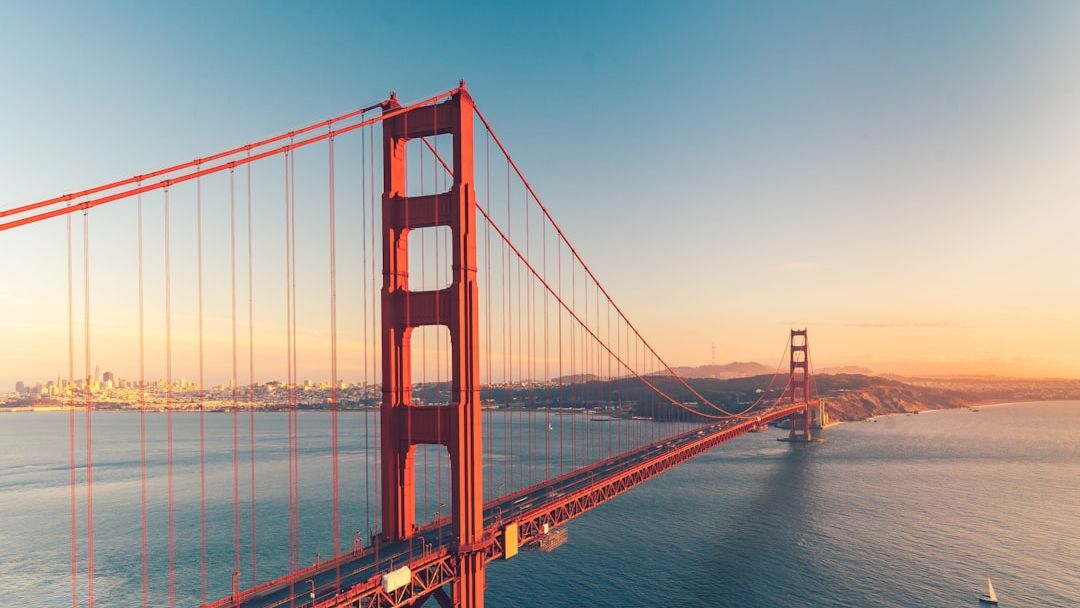
The four-year project to span the Golden Gate strait and connect San Francisco to Marin County culminated in what was the ‘s longest (4,200 feet) and tallest suspension bridge when this Bay Area landmark opened in 1937. That distinctive burnt orange color wasn’t just an aesthetic choice; it was the primer coat, but everyone loved it so much they kept it.
The strait under the bridge proved to be an engineering nightmare and made many deem the bridge an impossible feat, with the water running more than 300 feet deep, strong tides, frequent winds, fog, and salt air for engineers to battle with. Chief engineer Joseph Strauss implemented revolutionary safety measures, including a safety net that saved nineteen workers’ lives. Today, the bridge remains one of the most photographed structures on Earth, a symbol of both San Francisco and human determination.
Beijing National Stadium: The Bird’s Nest
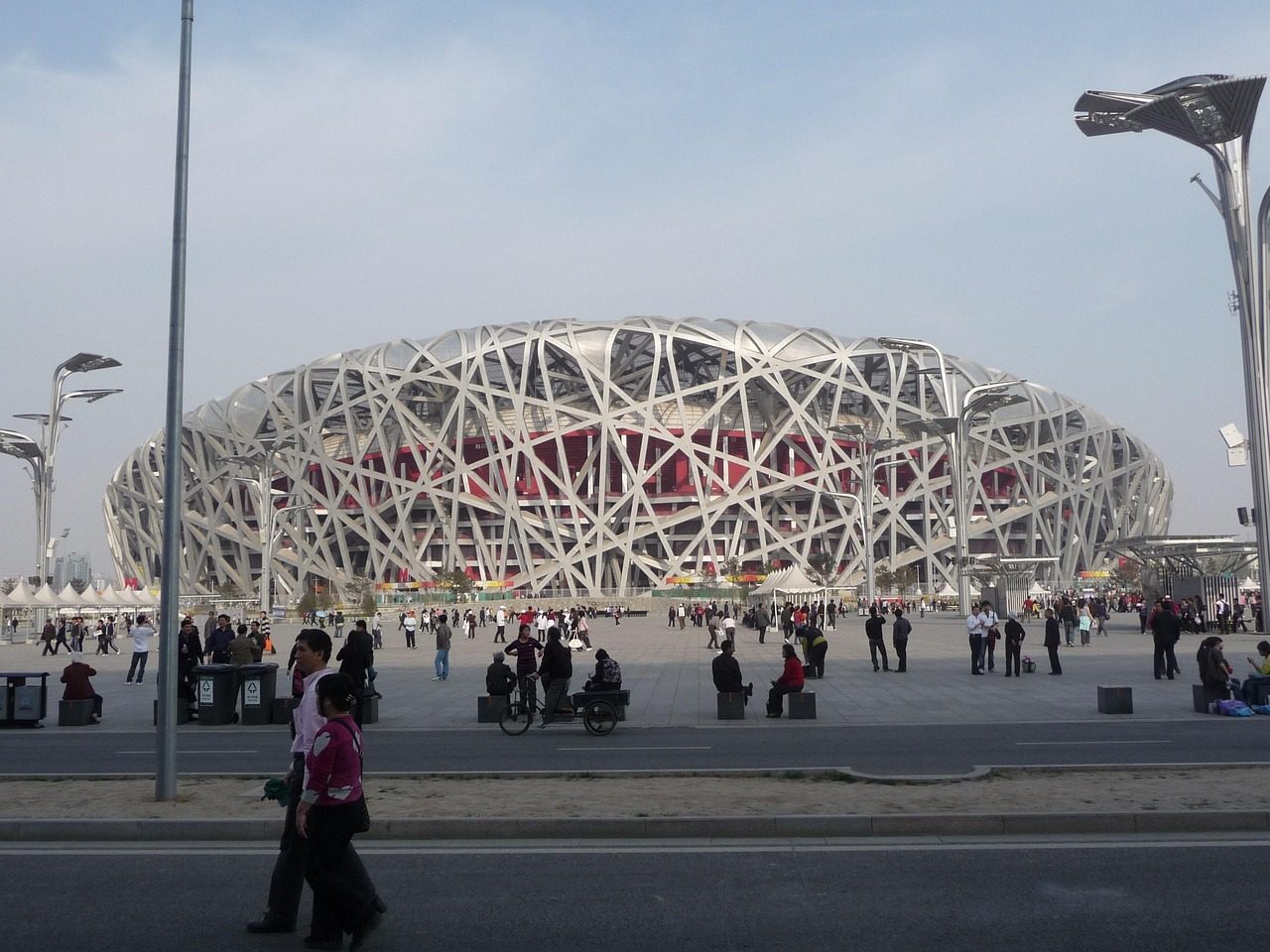
The Beijing National Stadium, also referred to as the Bird’s nest is one of the unique engineering marvels in modern times. The stadium was a crucial venue in the Olympics held in the summer of 2008. Its intricate lattice design looks more like contemporary art than a sports venue.
Its outer shell is steel, making it the largest steel structure ever constructed and one of the most complex Olympic stadiums. The interwoven steel beams create a pattern inspired by traditional Chinese ceramics, blending cutting-edge engineering with ancient artistic traditions. The stadium is located in one of the hottest seismic zones globally and was thus designed to be earthquake resistant. The structure can accommodate more than ninety thousand spectators and has been repurposed for concerts and winter sports since the Olympics concluded.
The Shard: London’s Glass Giant
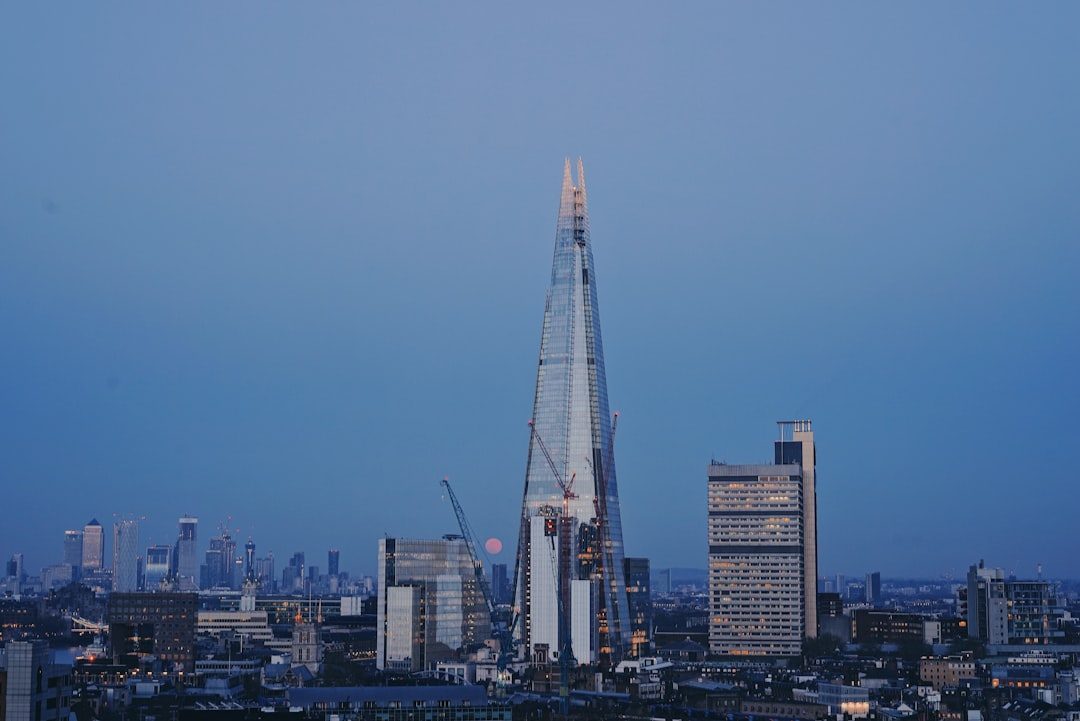
Though tightly contested, professionals crowned The Shard, an iconic gem on London’s skyline, the most impressive engineering feat of the century (35%). Rising above the city like a shard of glass piercing the clouds, this skyscraper fundamentally changed London’s architectural landscape.
As the tallest building in the UK, The Shard was chosen for its groundbreaking construction techniques, including innovative top-down building methods, which allowed construction to proceed both upward and downward simultaneously. Even more impressively, 95% of the construction materials used in the building are recycled. The building’s glass façade consists of over eleven thousand panels, each angled differently to reflect the sky and create an ever-changing appearance depending on the weather and time of day.
Conclusion
These ten wonders represent more than just impressive statistics and engineering prowess. They embody humanity’s endless curiosity and our refusal to accept limitations. Each structure solved real problems, whether connecting distant places, generating clean energy, or simply inspiring us to dream bigger.
What strikes me most is how these projects required unprecedented collaboration, innovative thinking, and sheer audacity. Engineers had to invent new techniques, materials, and construction methods because existing solutions simply weren’t good enough. Looking at what we’ve accomplished makes you wonder what impossible dreams we’ll make real in the decades ahead. Which of these wonders would you most want to experience in person?
