

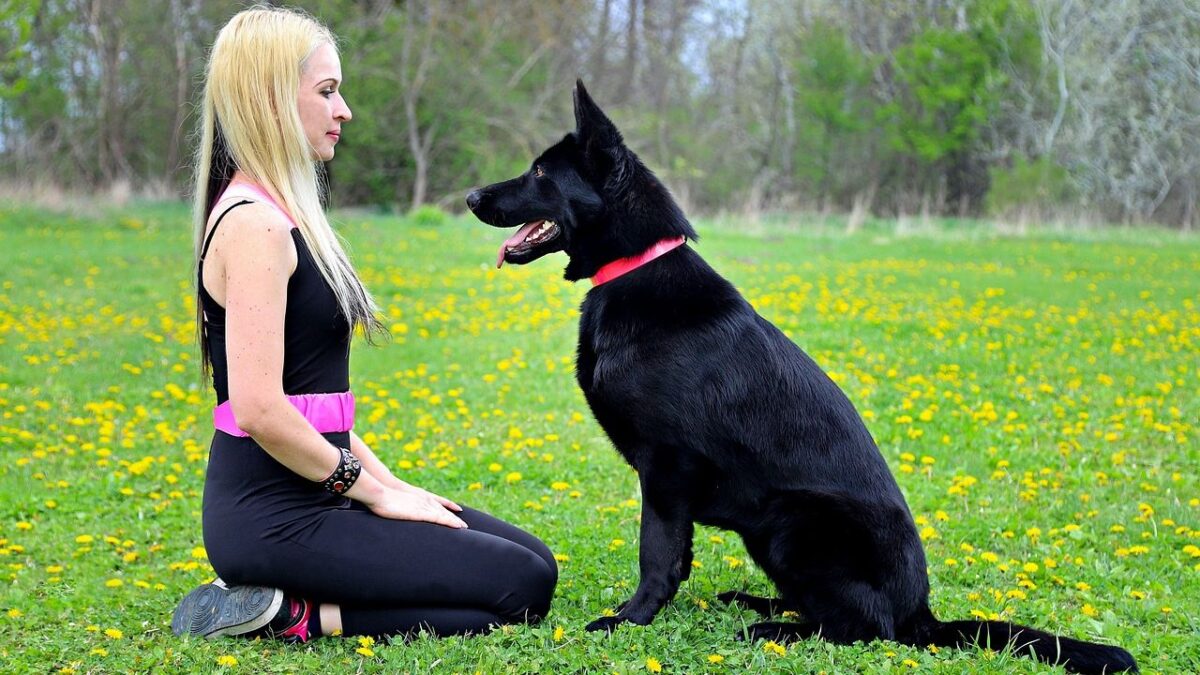
You’ve probably heard it a hundred times: training is the cornerstone of a happy relationship with your dog. Yet here’s something nobody talks about enough. The way most people approach dog training can actually push their furry companion further away instead of bringing them closer. These aren’t just minor slip-ups either. Some of these mistakes create anxiety, confusion, and even fear in dogs that might take months or years to undo.
Think about it for a second. Your dog wants to please you, they really do. Yet sometimes the very methods we use to teach them end up sending mixed signals or worse, damaging the trust we’ve worked so hard to build. Ready to find out what you might be getting wrong? Let’s dive in and uncover the training traps that could be sabotaging your bond without you even realizing it.
Using Punishment Instead of Positive Reinforcement
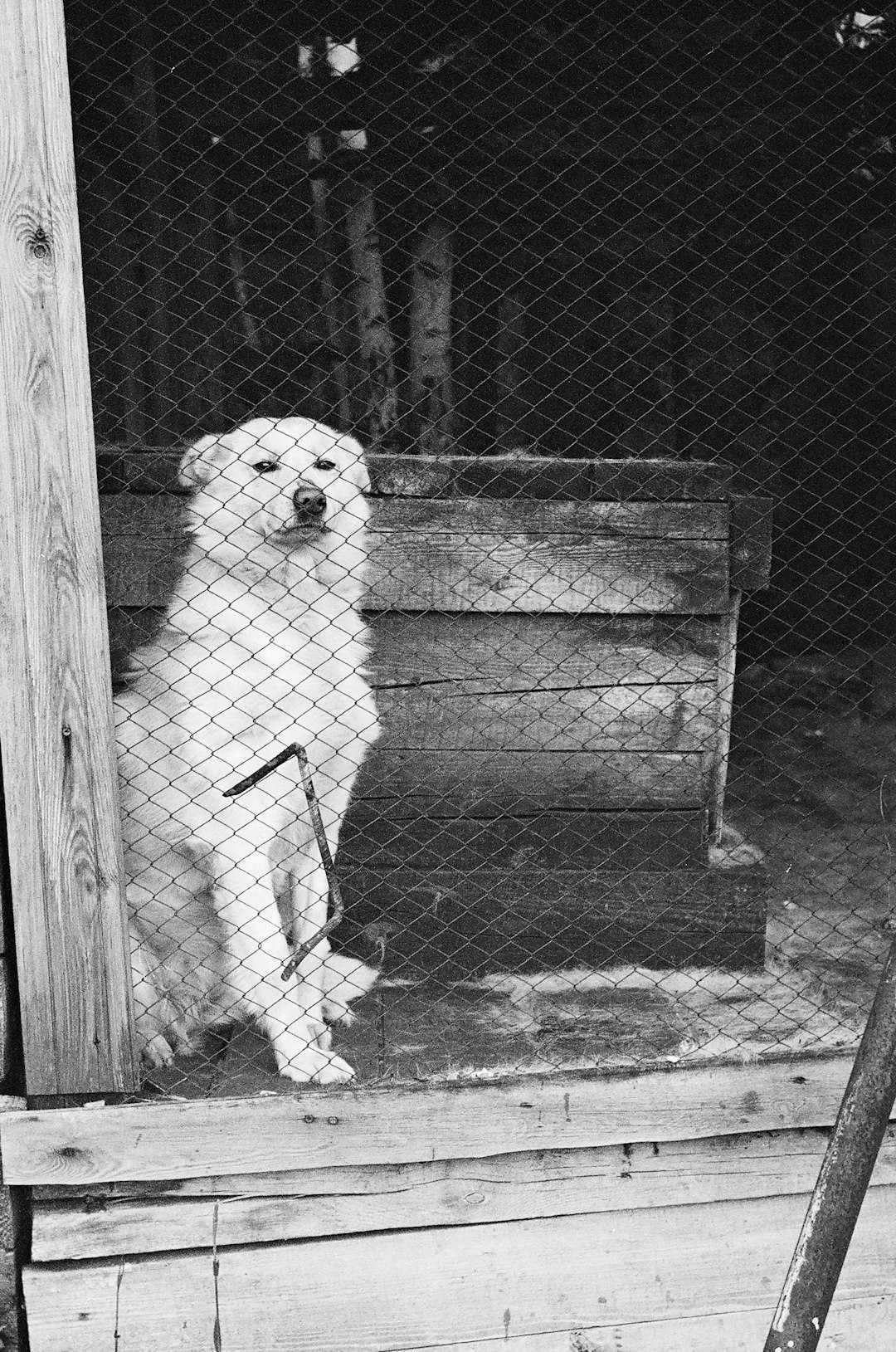
One of the biggest dog training mistakes is resorting to punishment, such as yelling or physical reprimands, which can cause a dog to feel threatened, damaging their trust in their owner. Here’s the thing: when you yell at your dog or use physical corrections, you might get immediate compliance. That dog might stop barking or jumping right then and there.
The problem is what happens underneath the surface. Punishment often leads to fear, anxiety, or even aggressive behaviors, making it an unreliable and harmful approach. Your dog starts associating you with unpredictability and stress rather than safety and guidance. Think about how you’d feel if your boss screamed at you every time you made a mistake at work. You’d probably avoid them, right? Same goes for your dog.
Being Inconsistent With Commands and Rules
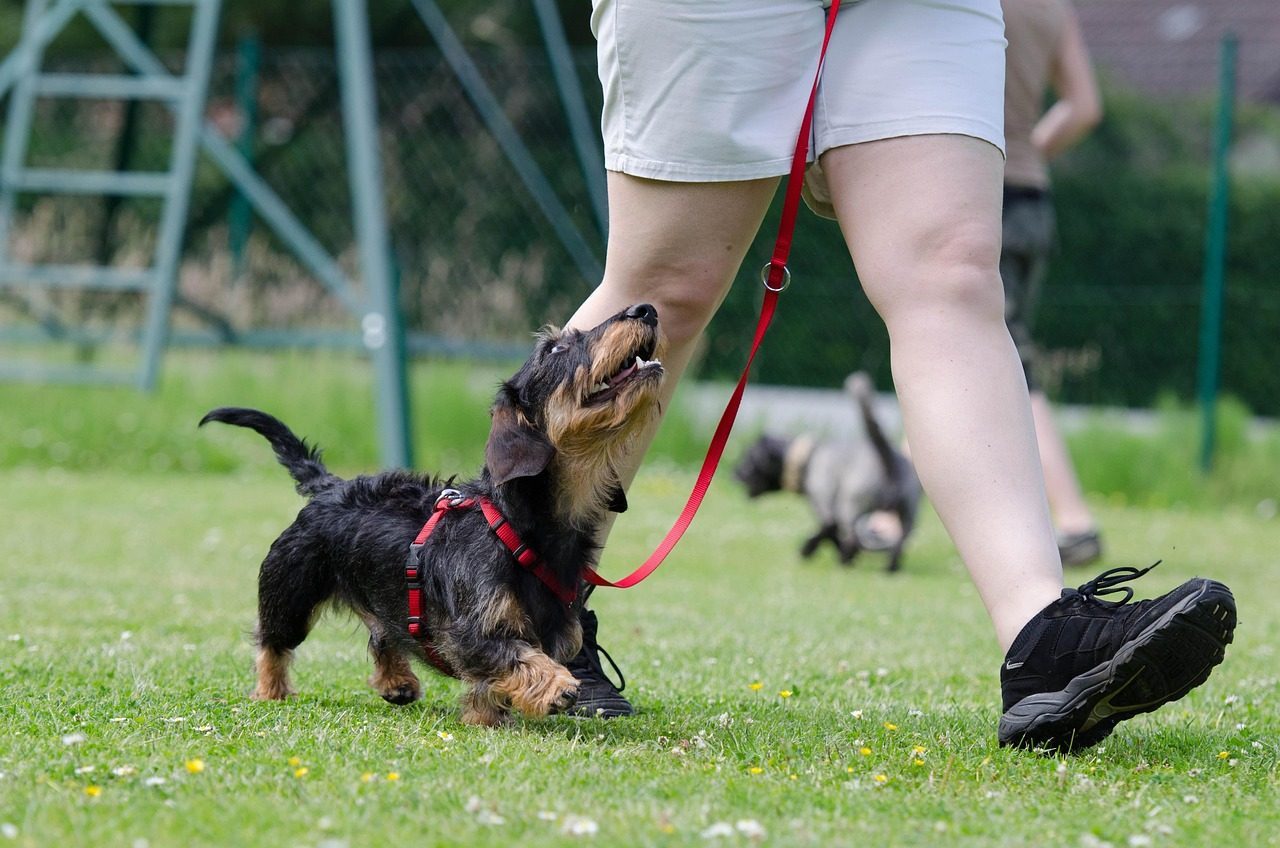
Let’s be real, consistency might be the least sexy part of dog training, but it’s absolutely crucial. When different household members use different commands for the same behavior or enforce rules differently, dogs become confused and may choose to ignore commands altogether. One day your dog’s allowed on the couch, the next day they’re scolded for it.
Switching tactics halfway through your dog’s training may do more harm than good. Dogs thrive on predictability and clear expectations. When the rules keep changing, they have no idea what you actually want from them. It’s like trying to play a game where someone keeps changing the rules mid-play. Eventually, you’d just give up trying to win, wouldn’t you?
Repeating Commands Over and Over
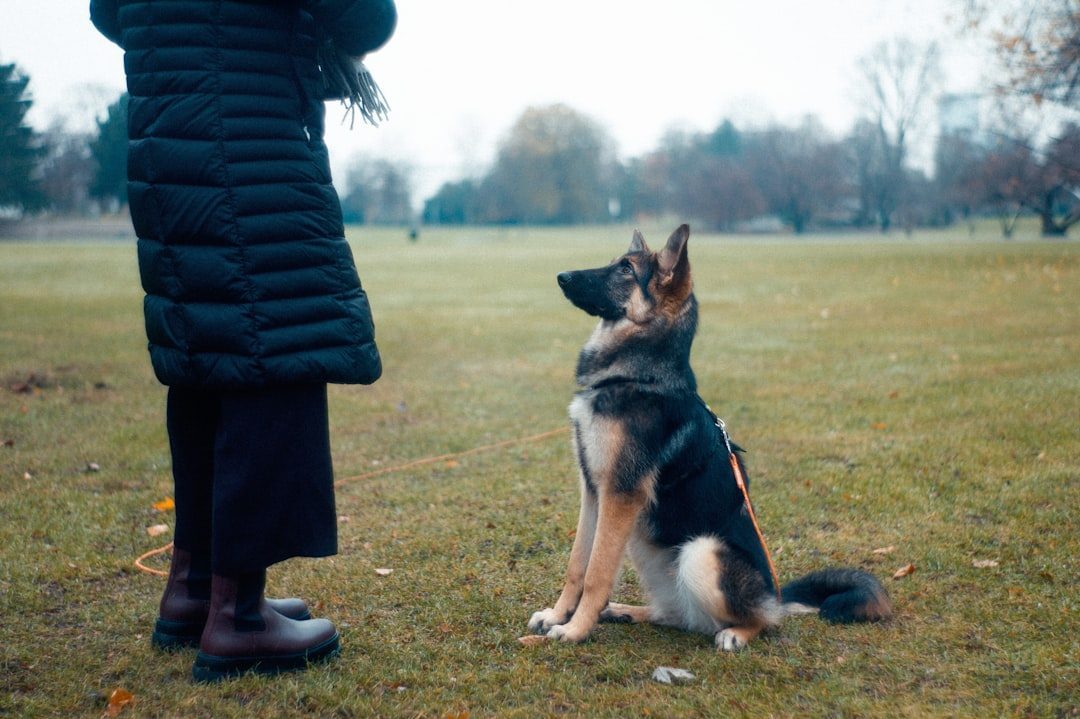
Cue nagging is when your dog doesn’t respond to a cue, so you keep repeating it, which often happens with the word “come.” Sit, sit, sit, SIT! Sound familiar? Most people think repeating a command will eventually get through to their dog.
What you’re actually teaching them is that they don’t need to listen the first time. Pretty soon, your dog doesn’t pay attention until you’ve said the word five or six times, and by repeating the cue, you’ve taught your pet that he doesn’t have to respond right away. Instead, say the command once and wait. If your dog doesn’t respond, don’t reward them. Simple as that.
Training When You’re in a Bad Mood
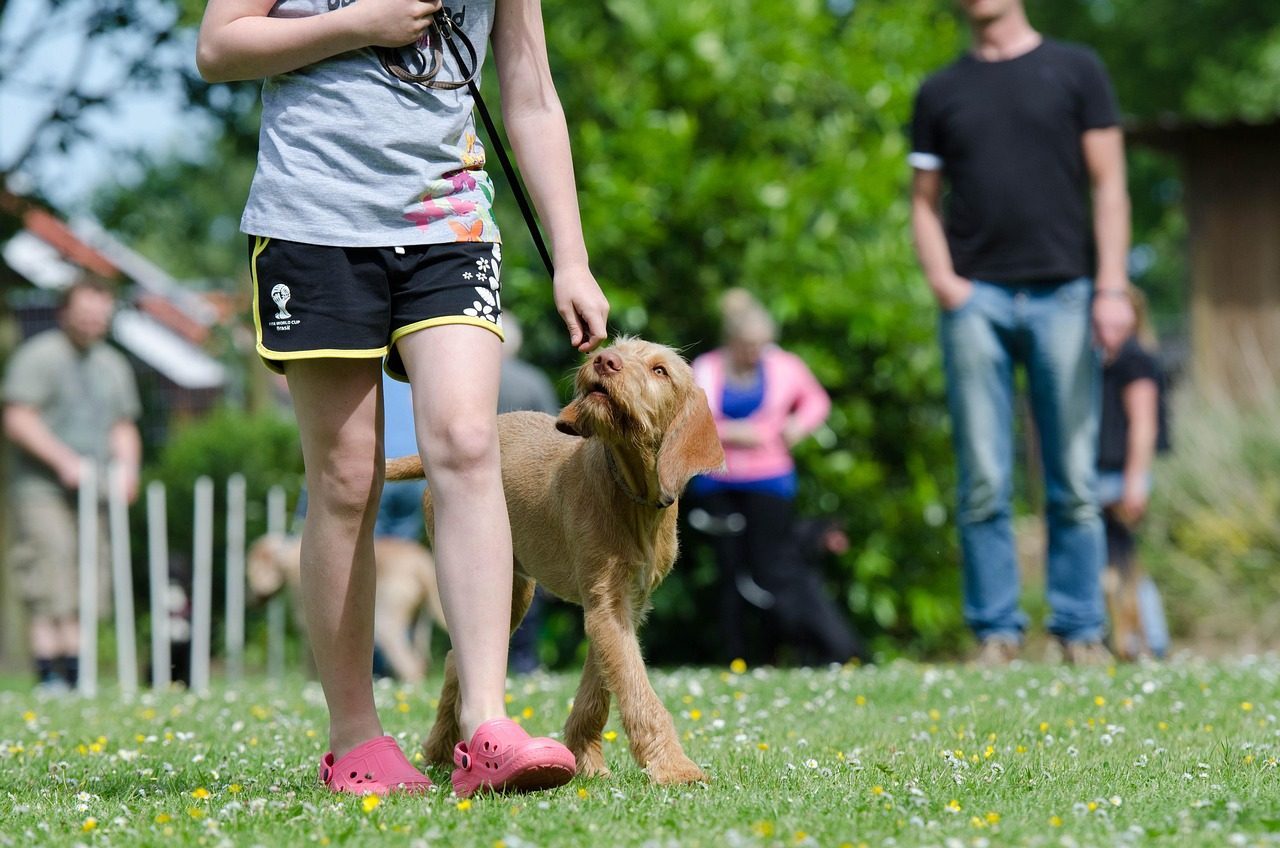
Dogs can read human emotions, and if your dog thinks you’re angry or stressed, they’ll shut down and stop learning. I know it sounds crazy, but your emotional state during training sessions matters way more than you’d think. Ever noticed your dog acting weird when you’ve had a rough day?
Canine buddies are incredibly observant and can detect our moods, so only work with your furry friend while you’re in a good mood as your dog can tell when you’re stressed, unhappy, or angry. If you’re frustrated, take a break. End the session with something simple your dog can do successfully, praise them, and try again tomorrow. Training should feel like playtime, not detention.
Waiting Too Long to Start Training

One of the most prevalent dog training mistakes is waiting too long to begin teaching commands, as waiting until your pet has developed bad habits or behavioral issues can make the ordeal more challenging and time-consuming. Honestly, this might be the most damaging mistake on the list because it sets everything else up for failure.
Waiting until unwanted behaviors appear before starting training is a major mistake, as puppies learn most about the world between 6 and 16 weeks during their critical socialization window. Think of it this way: it’s much easier to teach a puppy not to jump on people than it is to un-teach a seventy-pound adult dog who’s been doing it for years. Time matters more than people realize.
Poor Timing with Rewards

Reward timing and placement are critical in reinforcing behaviors because they help dogs associate specific actions with positive outcomes, as delivering a reward immediately after a desired behavior ensures the dog understands which action is being reinforced, while delayed rewards may confuse the dog. Picture this: your dog sits perfectly, you fumble around in your pocket for a treat, and by the time you give it to them, they’ve already stood up and taken three steps forward.
What did you just reward? Not the sit, that’s for sure. It means paying close attention so that you can give your dog the reward right away, as soon as they do the behavior, as research shows that it’s important to be quick in dog training. Speed matters. Keep those treats handy and mark the exact moment your dog does what you want.
Skipping Socialization
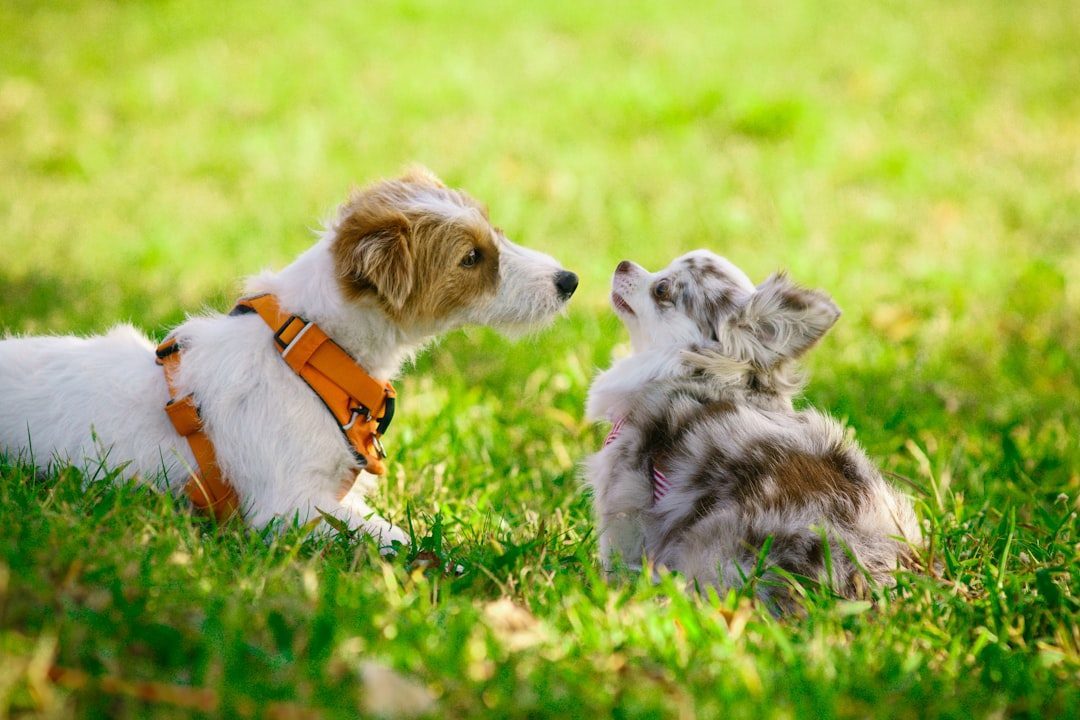
Without training your puppy or dog does not know how to behave, and if you don’t socialize your puppy with lots of positive experiences, they won’t be so friendly and confident when they grow up. Socialization isn’t just about letting your dog meet other dogs at the park. It’s about exposure to different people, places, sounds, surfaces, and experiences during those critical early weeks.
Waiting until your pup is six months or older can mean missing out on that critical socialization window, where they learn to navigate the world with confidence as your puppy should be gently exposed to a variety of people, places, other animals, sounds, and situations. A dog who missed proper socialization can develop fear, anxiety, and reactivity that follows them for life. The window closes faster than most people realize.
Forgetting to Practice Between Training Sessions
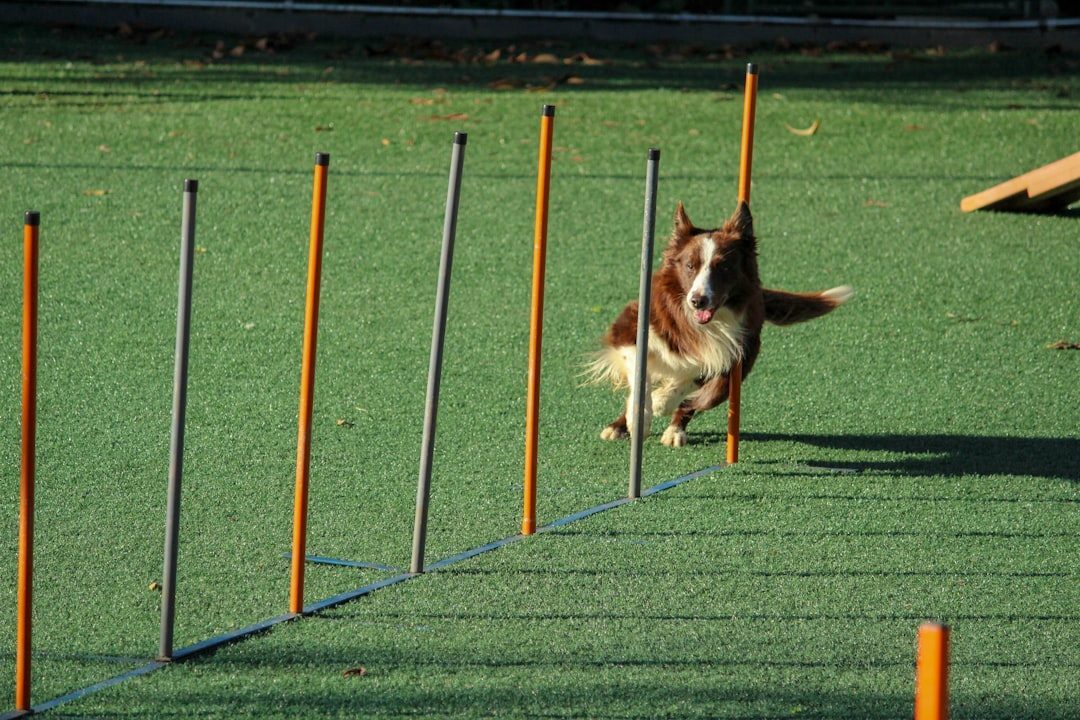
Failing to practice in-between training classes is a big mistake owners make, as practice makes perfect, and if you attend a class once a week, that’s not enough time to create a well-behaved dog. Going to one training class per week and then ignoring everything until the next class is like going to the gym once and expecting abs. It just doesn’t work that way.
Make sure you practice every day, but for brief stretches, as dogs have the mentality of a human toddler with short attention spans, and for most pups, you’ll have better success with 5-to-10-minute sessions. Short, frequent practice beats long, occasional sessions every single time. Five minutes a day will get you further than an hour once a week.
Using Aversive Training Tools
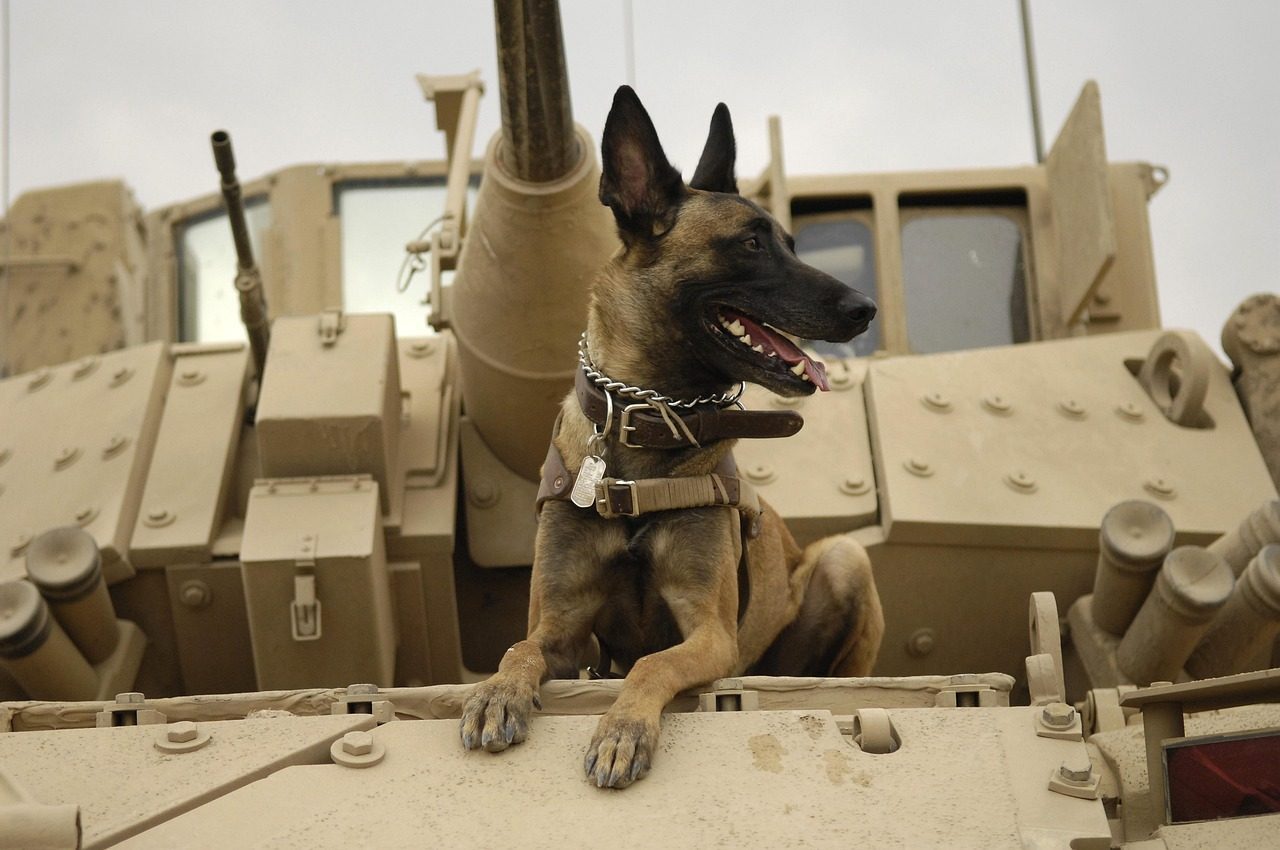
Using shock, prong, or choke collars has risks according to scientific research, as all of these methods are aversive and using aversive methods risks fear, anxiety, stress, aggression, and a worse relationship with your pet. Tools that cause pain or discomfort might seem like a quick fix, especially when your dog pulls on the leash or doesn’t listen. The science tells a different story though.
Studies have compared training at dog training schools that use leash corrections and other aversive methods to schools that use only positive reinforcement, with one study finding that dogs trained with rewards only are more optimistic while another found that if people use aversive methods, their dog is less likely to have a secure attachment to their owner. That secure attachment is literally the bond we’re talking about. Why would you risk it?
Training During High-Stress Moments

We wait for chaos, then we try to teach as the doorbell rings, the dog rockets forward, and that’s when we remember commands like “down” or “settle,” which is like opening a grammar book as the plane takes off and expecting to land speaking fluent French. This one hits home for so many dog owners. The mail arrives, your dog goes ballistic, and suddenly you’re trying to teach them to be calm.
Dogs live by spillover as one big wobble early in the day and the whole system sits closer to boiling in what trainers call trigger stacking. Teaching your dog new behaviors when they’re already overstimulated or stressed is setting both of you up for failure. Train in calm moments, then gradually add distractions. Master the basics when nothing exciting is happening, not during the chaos.
Conclusion
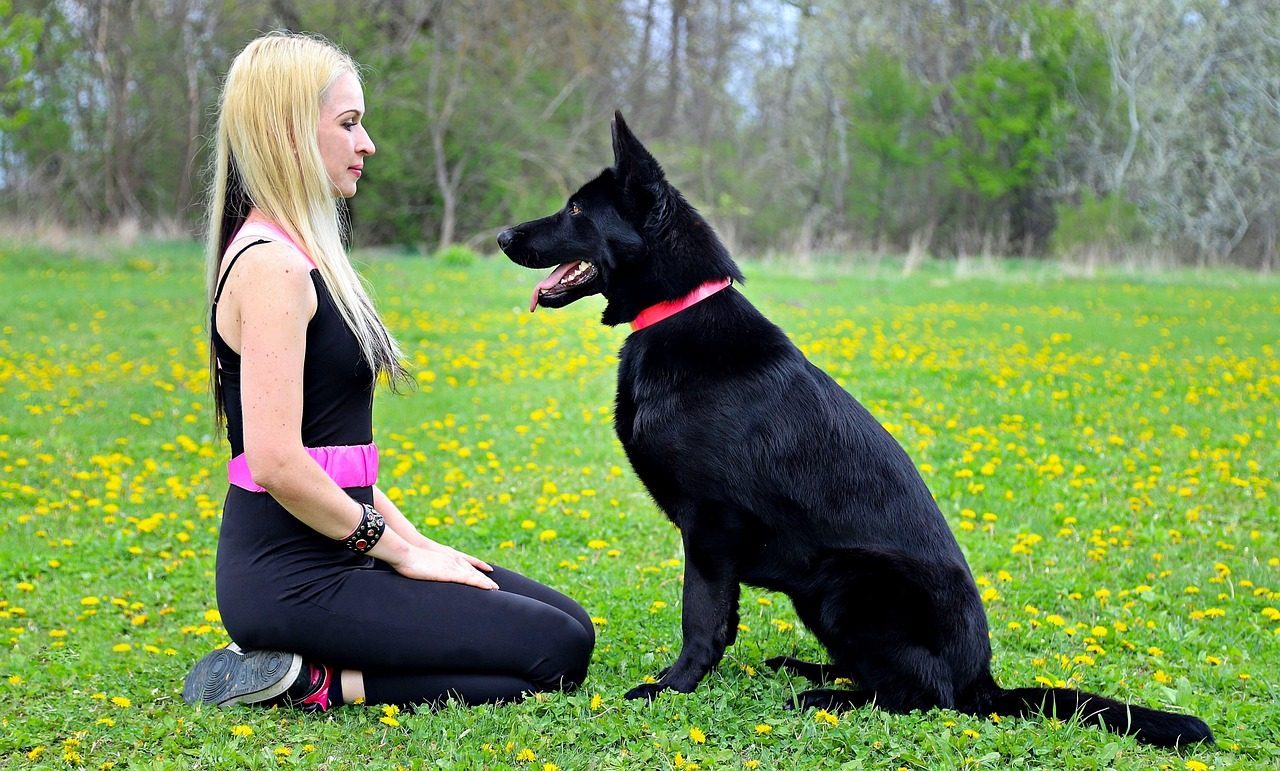
Training mistakes happen to everyone. The difference between a strained relationship and a strong bond with your dog often comes down to recognizing these patterns and making small adjustments. Remember, your dog isn’t trying to be difficult or stubborn. Most of the time, they’re just confused by our mixed signals or reacting to stress we’ve accidentally created.
The beautiful part? It’s never too late to change your approach. Start implementing positive reinforcement, stay consistent, practice patience, and watch how your relationship transforms. Your dog is already trying their best to understand you. Now it’s your turn to meet them halfway. What training mistake surprised you the most on this list? Have you been making any of these without realizing it?
