
Worried about unexpected vet bills?
Pet insurance can cover thousands in unexpected vet costs. Get a free quote from Lemonade in under 2 minutes.
Get My Free Quote →Sponsored · Opens Lemonade.com
When most people think about ancient ruins, their minds wander to the pyramids of Egypt or the temples of Greece. But here’s the thing: North America holds secrets that are just as intriguing, just as perplexing, and honestly, far less understood. Long before Europeans arrived on these shores, sophisticated civilizations thrived across this continent, leaving behind architectural marvels that still baffle researchers to this day.
These places weren’t just settlements. They were centers of astronomy, trade, ceremony, and power. Yet many of their purposes remain shrouded in mystery. Let’s be real, most of us weren’t taught about these places in school. So let’s dive into seven ancient wonders that prove North America’s history is far more complex and fascinating than we ever imagined.
Cahokia Mounds: America’s Forgotten City
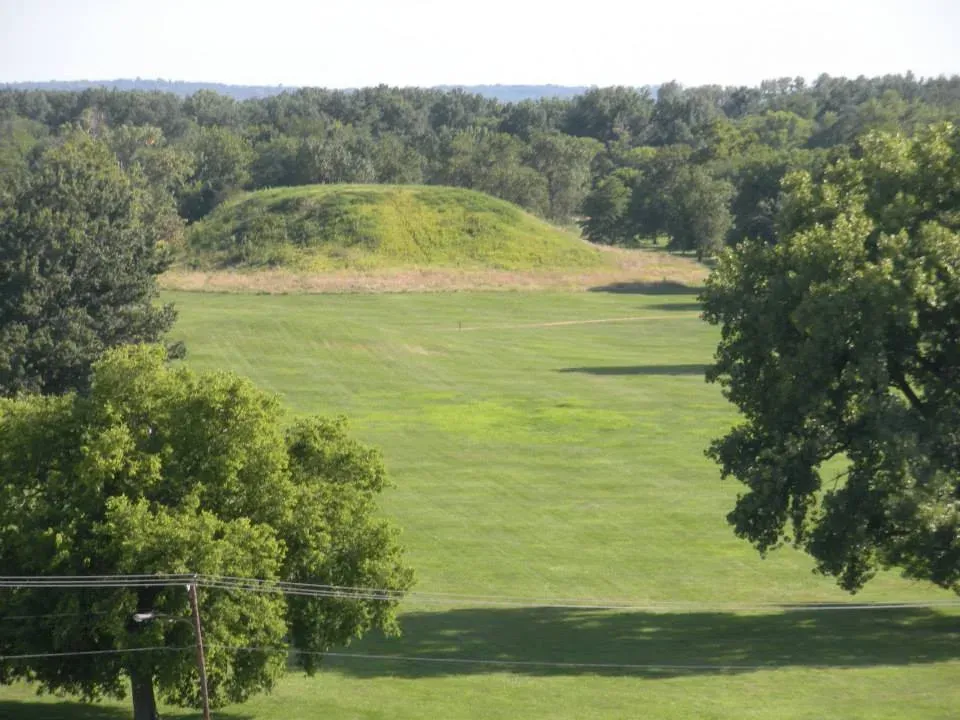
Spread across six square miles with an estimated population of between 10,000 and 20,000, Cahokia was once bigger than London as it was in AD 1250, which is when North America’s first known city reached its peak. Think about that for a moment. While medieval London was thriving, an even larger city existed right here in what is now Illinois, just across the Mississippi River from modern St. Louis.
The largest mound, called Monks Mound, is the biggest pre-Columbian settlement north of Mexico, taking up about 12 acres and topping off at 30 meters high, constructed in 14 stages over several centuries, all built by a society that didn’t have the wheel or beasts of burden to help them out. The Cahokia Natives had to move 55 million cubic feet of earth in woven baskets. The sheer labor and organization required boggles the mind.
The site also contains Woodhenge, a circle of posts that were used as an astronomical observatory, with the placement of the posts marking the solstices and other astronomical occurrences. The land is dotted with more than 100 earthen mounds and their origins are shrouded in mystery. Why did the inhabitants eventually abandon this magnificent city? Nobody knows for certain, though theories range from environmental collapse to social upheaval.
The Great Serpent Mound: An Ancient Earthwork Enigma
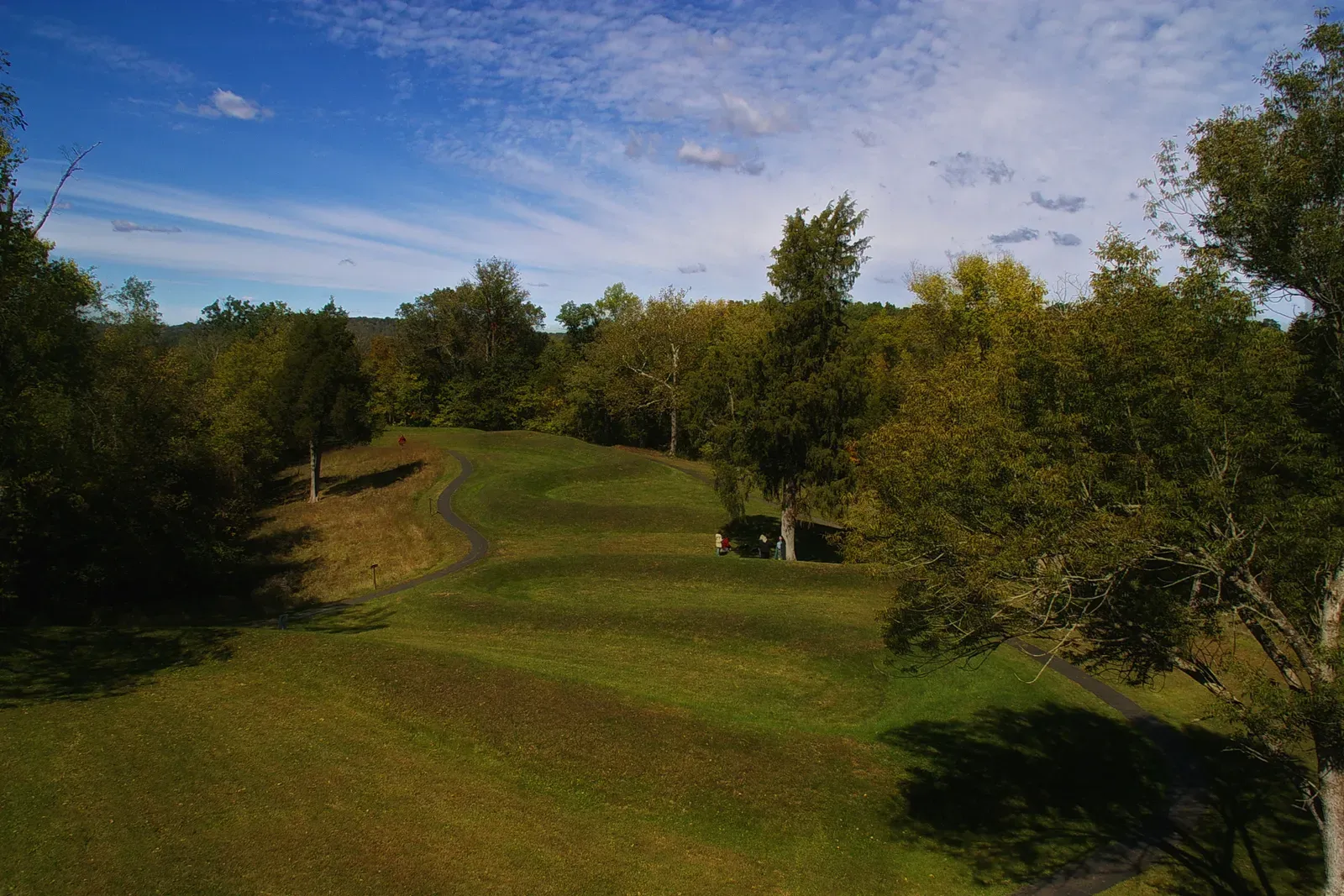
The Great Serpent Mound is a 1,348-feet-long, three-feet-high prehistoric effigy mound located in Peebles, Ohio, built on what is known as the Serpent Mound crater plateau, running along the Ohio Brush Creek in Adams County, and is the largest serpent effigy known in the world. From the ground, it looks like a winding hill. From above, its true form emerges: a massive snake appearing to swallow an egg or perhaps the sun itself.
Dating back to around 300 BC, its exact purpose is debated, but it likely had astronomical or ceremonial significance. Its alignment with solstices and lunar events highlights its advanced understanding of celestial phenomena. The precision with which ancient peoples tracked the heavens without modern instruments never ceases to amaze.
The Adena culture is not known to have built effigy mounds or to have used serpent symbolism in their art, whereas the Fort Ancient culture built the Ohio Alligator Mound and frequently depicted serpents in their art, with assessments concluding that the best available data indicate that Serpent Mound was built by the Fort Ancient culture. Even today, experts argue over who actually constructed this monument and why.
Mesa Verde: Cliff Dwellings That Defy Logic
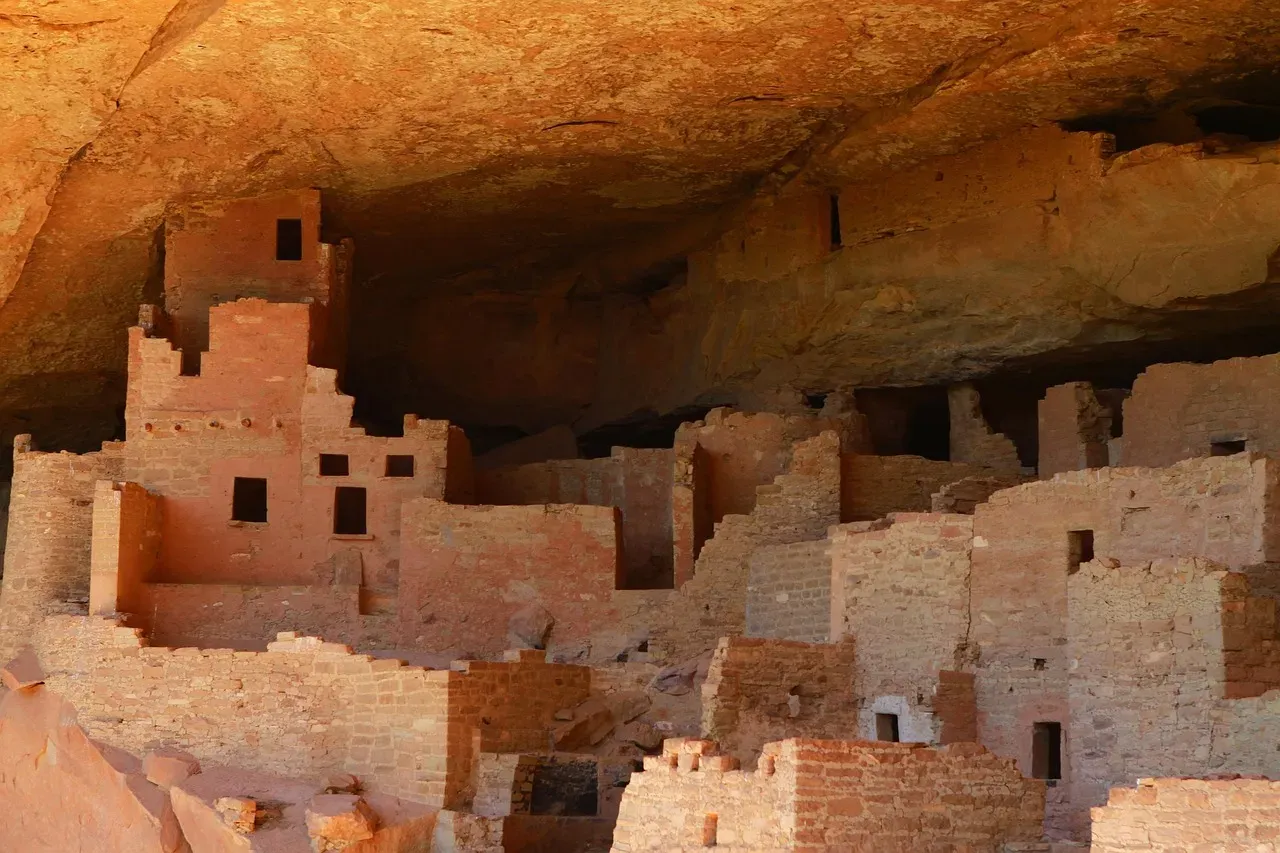
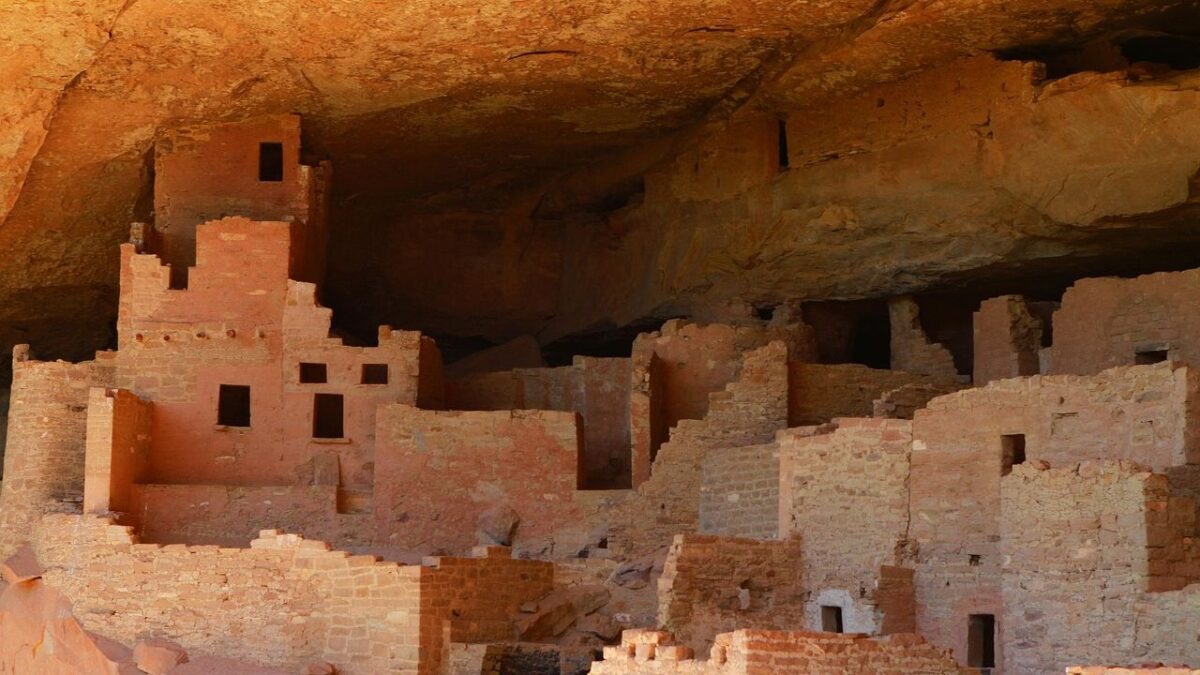
Mesa Verde is home to over 600 cliff dwellings and other ancient sites, representing life in the ancient Puebloan era. Tucked into the sheer sandstone cliffs of southwestern Colorado, these structures seem almost impossible. How did the Ancestral Puebloans build entire communities hanging from cliff faces?
How these cliff dwellings were constructed is still a mystery, and since their discovery in the 18th century, they have continued to create curiosity and wonder in the hearts of archeologists and explorers. Nestled in the rugged cliffs of southwest Colorado, Mesa Verde National Park preserves the impressive cliff dwellings of the Ancestral Puebloans, dating back to approximately 600 CE.
The dwellings weren’t just homes. They were fortified communities with ceremonial kivas, storage rooms, and living quarters all carved into or built against the cliff walls. The Ancestral Puebloans left their impressive cliff dwellings at Mesa Verde around 1300 AD, and Chaco Canyon went out of style around 1250 AD. Why entire populations abandoned these spectacular settlements remains one of archaeology’s great puzzles.
Chaco Canyon: The Architectural Marvel of the Southwest
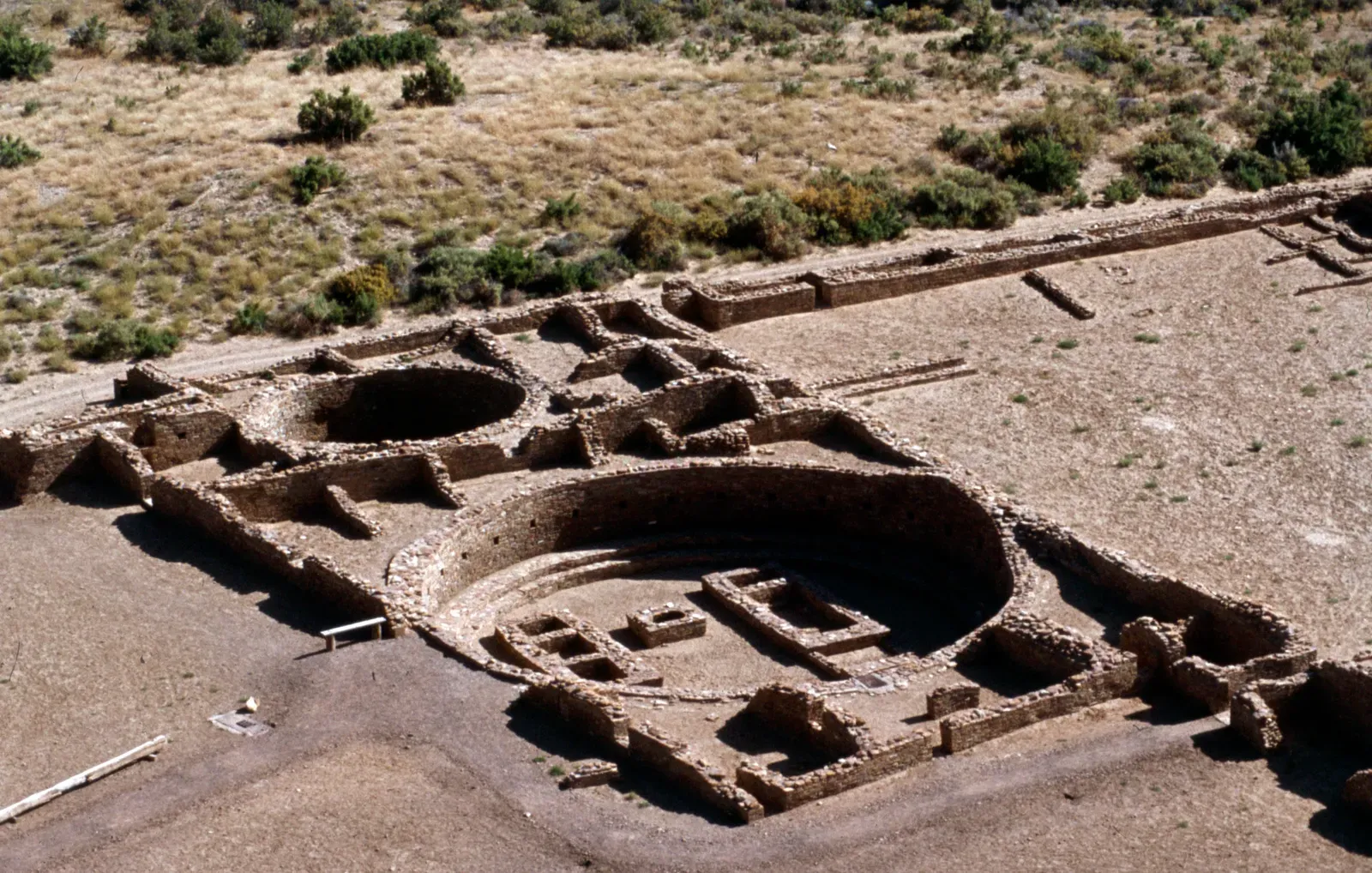
Chaco Canyon, a major centre of ancestral Pueblo culture between 850 and 1250, was a focus for ceremonials, trade and political activity for the prehistoric Four Corners area, remarkable for its monumental public and ceremonial buildings and its distinctive architecture with an ancient urban ceremonial centre that is unlike anything constructed before or since. Hidden in the high desert of northwestern New Mexico, Chaco represents something extraordinary.
Between AD 900 and 1150, Chaco Canyon was a major cultural center for the Ancestral Puebloans, where Chacoans quarried sandstone blocks and hauled timber from great distances, assembling fifteen major complexes that remained the largest buildings ever built in North America until the 19th century. Pueblo Bonito is probably the best known of these great houses, the largest Southwest Native American building ever excavated, containing between 600 to 800 rooms, constructed in the form of a giant D, and it was between three and four stories high.
Testing of the trees that were used to construct these massive buildings has demonstrated that the wood came from two distinct areas more than 50 miles away, and about 240,000 trees would have been used for one of the larger Great Houses. The logistics alone are staggering. Ancient Chacoans constructed hundreds of miles of road ways that linked them with cultures from as far away as Mexico. This wasn’t just a settlement. It was the center of a vast network.
Poverty Point: Louisiana’s Ancient Trade Hub
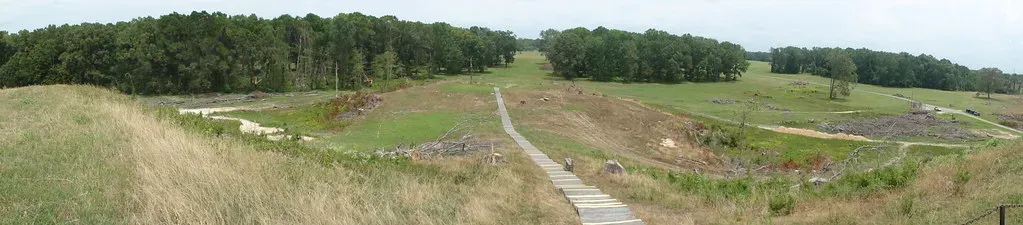
In the Lower Mississippi Valley in Louisiana, an ancient Indigenous city called Poverty Point flourished between 1650–800 B.C.E. in the Late Archaic Period, where the people who traveled through and settled here built several monumental earthworks including Mound A, which is a massive structure, and six curved concentric earthen ridges. This place shouldn’t exist, at least not according to conventional thinking about hunter-gatherer societies.
Mound A, the second-largest ancient architectural structure north of Mexico, was so large and appeared to be so thoroughly integrated into the contours of the land, that as late as 1926 archaeologists believed it was a natural feature of the landscape. What isn’t yet known is the purpose of the site, though ongoing archaeological studies suggest it may have been both a residential space and a centre of trade, and adding to the mystery, Poverty Point was abandoned sometime around 1100 BC before another group moved in around AD 700.
The scope of trade networks centered here is remarkable. Artifacts from the Great Lakes, the Gulf Coast, and the Appalachians have all been recovered from Poverty Point. As a monumental public work, these arched ridges are unique to the region and indeed unique to all of North America, radiating out from the narrow bottom edge of Mound A into what may have been used as a plaza-like space, leading scholars to speculate on whether Poverty Point may have been a pilgrimage site specifically structured to welcome large influxes of temporary inhabitants and visitors.
Bighorn Medicine Wheel: Stone Circle in the Sky
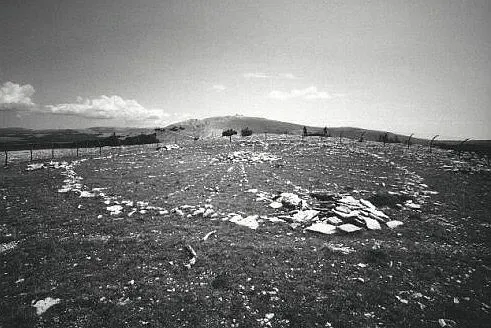
Bighorn Medicine Wheel, in northern Wyoming’s Bighorn National Forest, is shrouded in snow through the winter months, but in summer, the snow melts away to reveal limestone rocks scattered in a wheel shape, with spokes encased in a large circle. Perched at nearly 10,000 feet on Medicine Mountain, this remote structure feels otherworldly.
Experts have dated the mountaintop site to at least as far back as AD 1300, forming part of a chain of Native American archaeological sites up to 7,000 years old, and it’s thought that the pattern was used to predict astronomical events such as the summer solstice, though the truth remains something of an enigma. The Medicine Wheel is a circular stone structure made with white limestone in Medicine Mountain at an elevation of 9,642 feet, with no exact date of the limestone’s creation, but radiocarbon dating on the surroundings suggests 6,550 years ago.
Like Stonehenge, these stone circles continue to mystify researchers. Multiple indigenous groups consider the site sacred, which adds layers of complexity to archaeological investigations. The isolation and altitude make you wonder: why build something so elaborate in such an inaccessible location? Was the remoteness itself part of its spiritual significance?
Casa Grande: Arizona’s Enigmatic Desert Tower
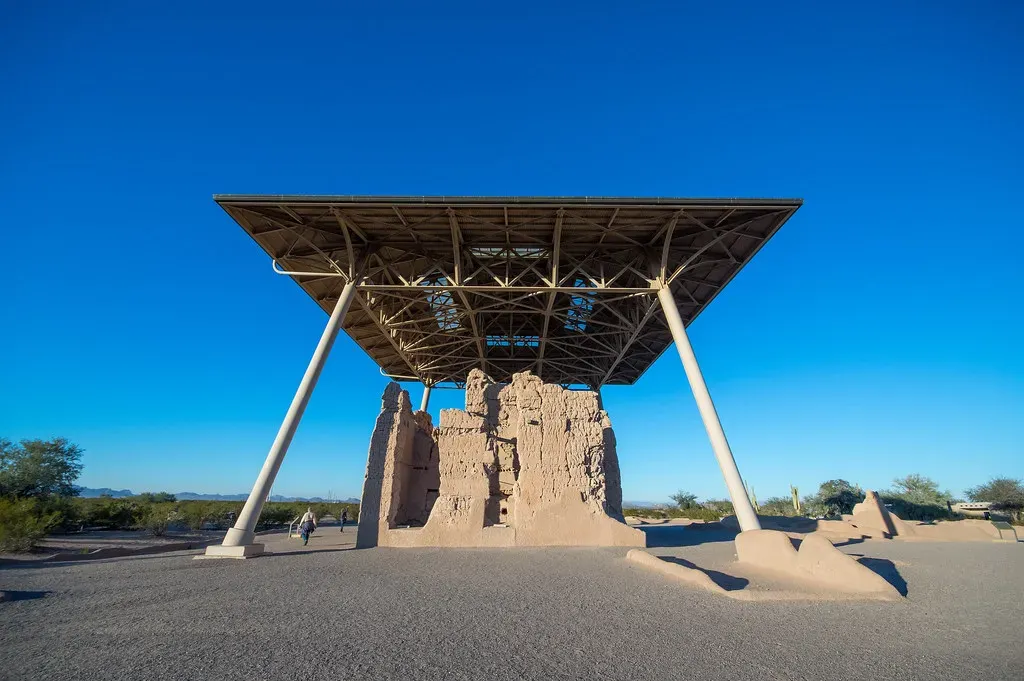
Archaeologists know that Casa Grande in Arizona was probably constructed in the early 13th century, that the builders used adobe, and that the full complex included several other adobe structures and a ball court, and was once surrounded by a wall, but what they don’t know is what the four-story central building was for: a guard tower, a grain silo, a house of worship, or something else. Standing alone in the Sonoran Desert, this massive structure poses more questions than answers.
The ruins at Casa Grande are some of the biggest prehistoric structures in North America, but no one really knows what they are, while the advanced Sonoran Desert people built sprawling irrigation networks and participated in extensive trade in the area. The site was abandoned nearly half a century before Columbus’s voyage to the Americas, long after the nearby Hopi had moved away, and was too ruined for early Spanish explorers to do their own investigating into what it was.
The engineering sophistication is undeniable. The people who built Casa Grande understood desert agriculture, water management, and construction techniques that allowed their structures to endure centuries. Yet they left no written records, no clear indication of what drove them to build this tower or why they eventually walked away.
Conclusion: Mysteries That Connect Us to the Past
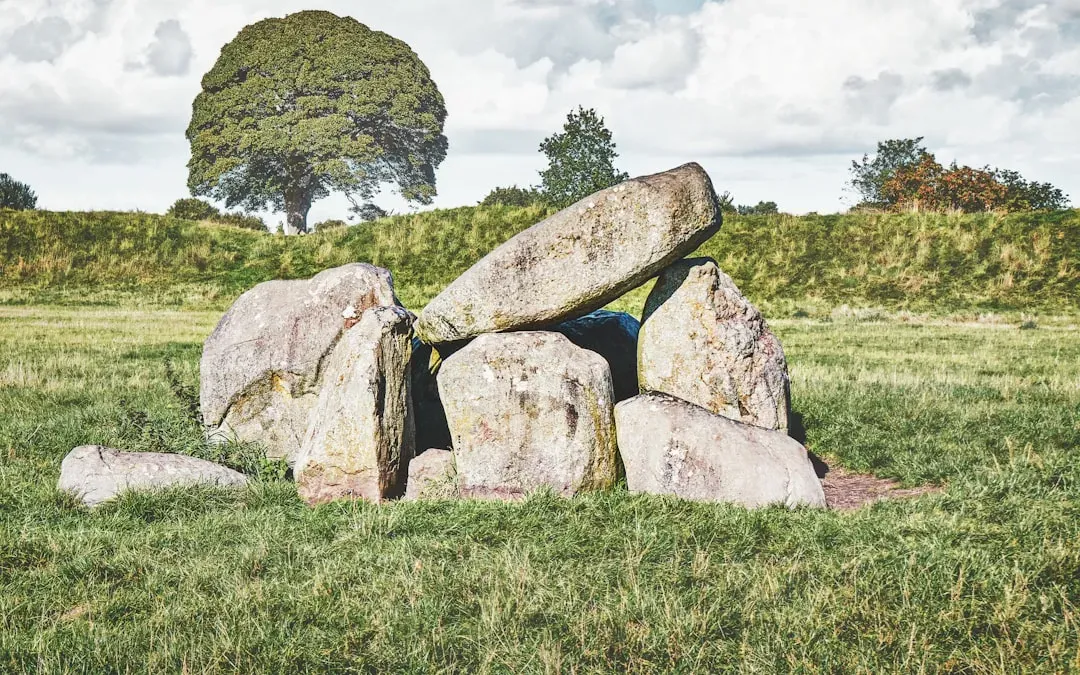
These seven sites represent only a fraction of North America’s ancient wonders. Each one challenges our assumptions about what indigenous peoples could achieve and what life was like on this continent before European contact. From massive earthworks to cliff dwellings, from astronomical observatories to urban centers, these places showcase ingenuity, determination, and a profound connection to the land and sky.
What strikes me most is how much we still don’t know. Despite decades of research, fundamental questions remain unanswered. Who built these structures? Why were they abandoned? What ceremonies took place there? Perhaps that’s what makes them so captivating. They remind us that history isn’t a closed book but an ongoing investigation, with each archaeological season potentially revealing something new.
These sites deserve recognition alongside the world’s more famous ancient wonders. They’re testaments to human achievement and ambition, built by societies that understood astronomy, engineering, trade, and community organization at levels that continue to impress modern observers. Have you visited any of these incredible places? What mysteries do you think they still hold?
Worried about unexpected vet bills?
Pet insurance can cover thousands in unexpected vet costs. Get a free quote from Lemonade in under 2 minutes.
Get My Free Quote →Sponsored · Opens Lemonade.com
