
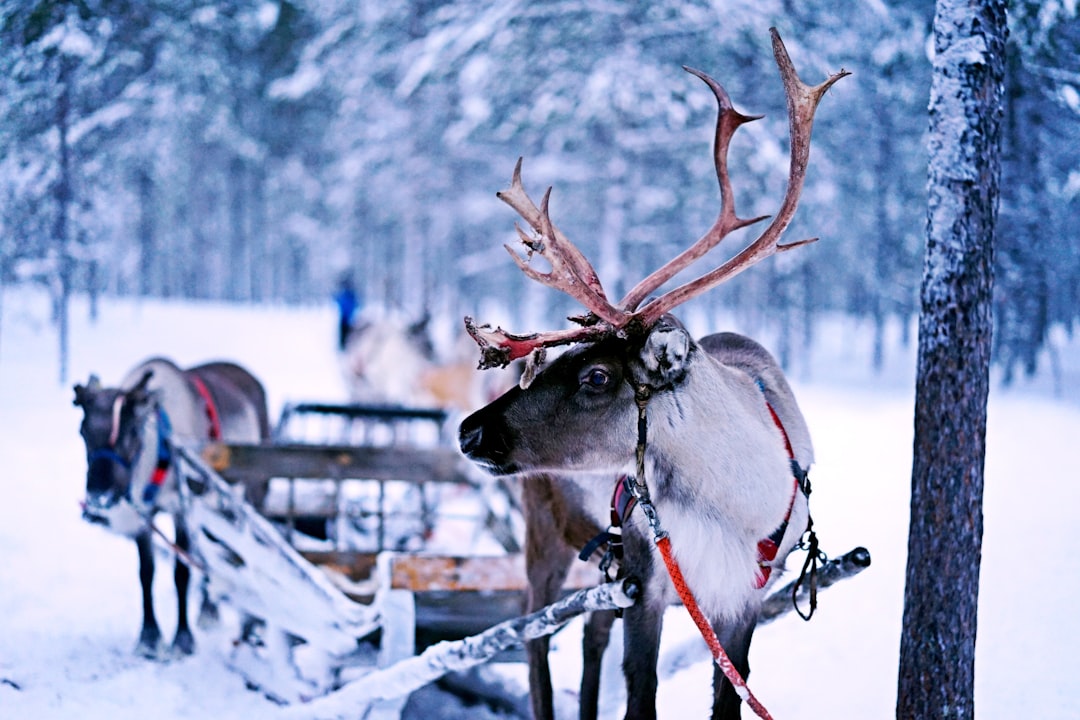
Have you ever wondered how those antlered creatures ended up pulling a sleigh through the night sky? It’s funny when you think about it. Reindeer weren’t always part of Christmas tradition. There’s actually a fascinating story behind how they became so deeply woven into our holiday celebrations, mixing ancient mythology with modern marketing genius. Let’s be real, the journey from mysterious Arctic animals to beloved Christmas icons is more surprising than you might expect. So come along as we explore the twist and turns that transformed these majestic animals into essential holiday figures, and discover where you can actually meet them in real life across America.
The Ancient Roots of Reindeer in Winter Celebrations
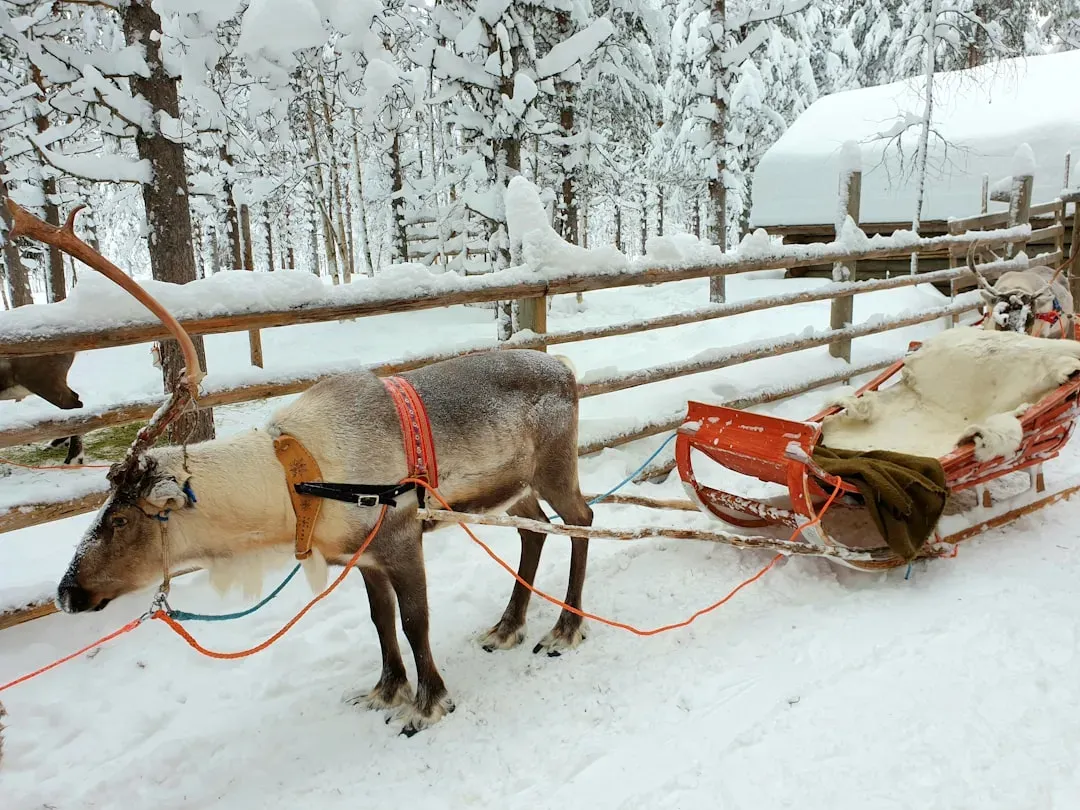
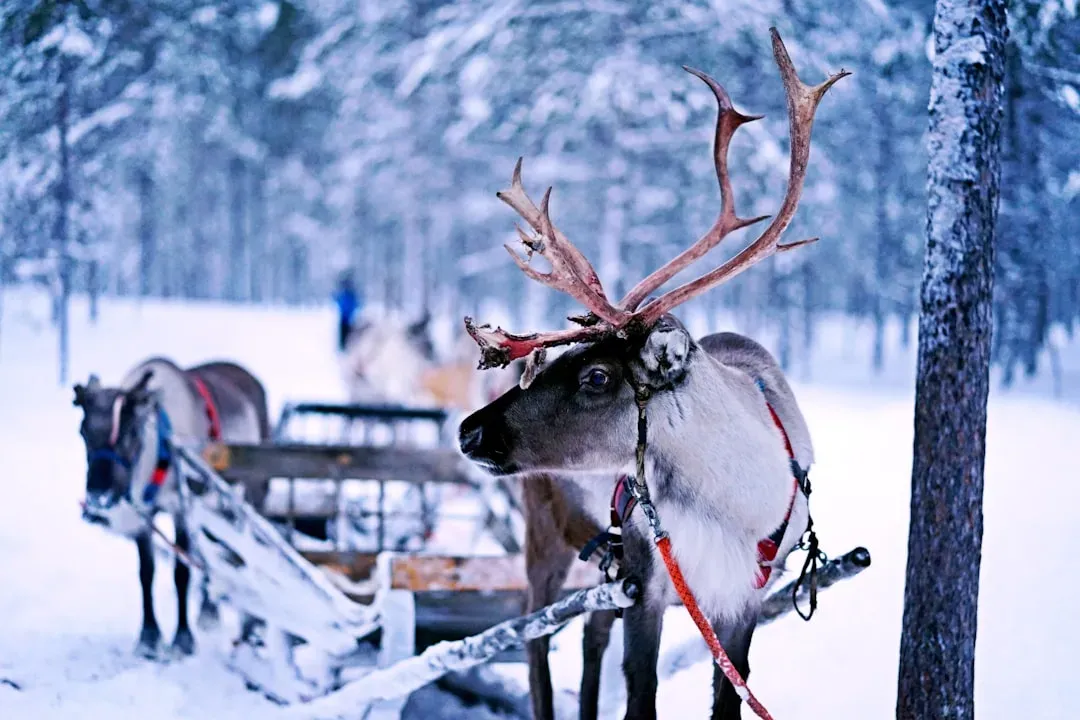
When pagans converted to Christianity during the Middle Ages, their ancient customs became part of Christmas celebrations, and reindeer came to symbolize creativity, resourcefulness and knowledge, whilst also representing safe journeying and endurance through travels. These animals weren’t just symbolic decorations. They were vital to survival in harsh northern climates.
Think about it for a moment. Having been domesticated since the Bronze Age, the reindeer has proved itself as an invaluable asset time and again, and in the west, the species has always been thought of as mysterious, an elusive creature of the northern hemisphere that serves people through transport, warmth from hides and nourishment. In Scandinavia and Eastern Europe, people relied on these resilient creatures for nearly everything. The connection between reindeer and winter festivals felt natural because these animals thrived when others couldn’t.
Deer are native to many of the areas where Christianity took hold, particularly European countries like Germany and the United Kingdom, were an important food source in winter and frequently figure in the legends of many cultures, and it seems only natural that deer decorations would become associated with a winter holiday.
Norse Mythology and Flying Through Winter Skies
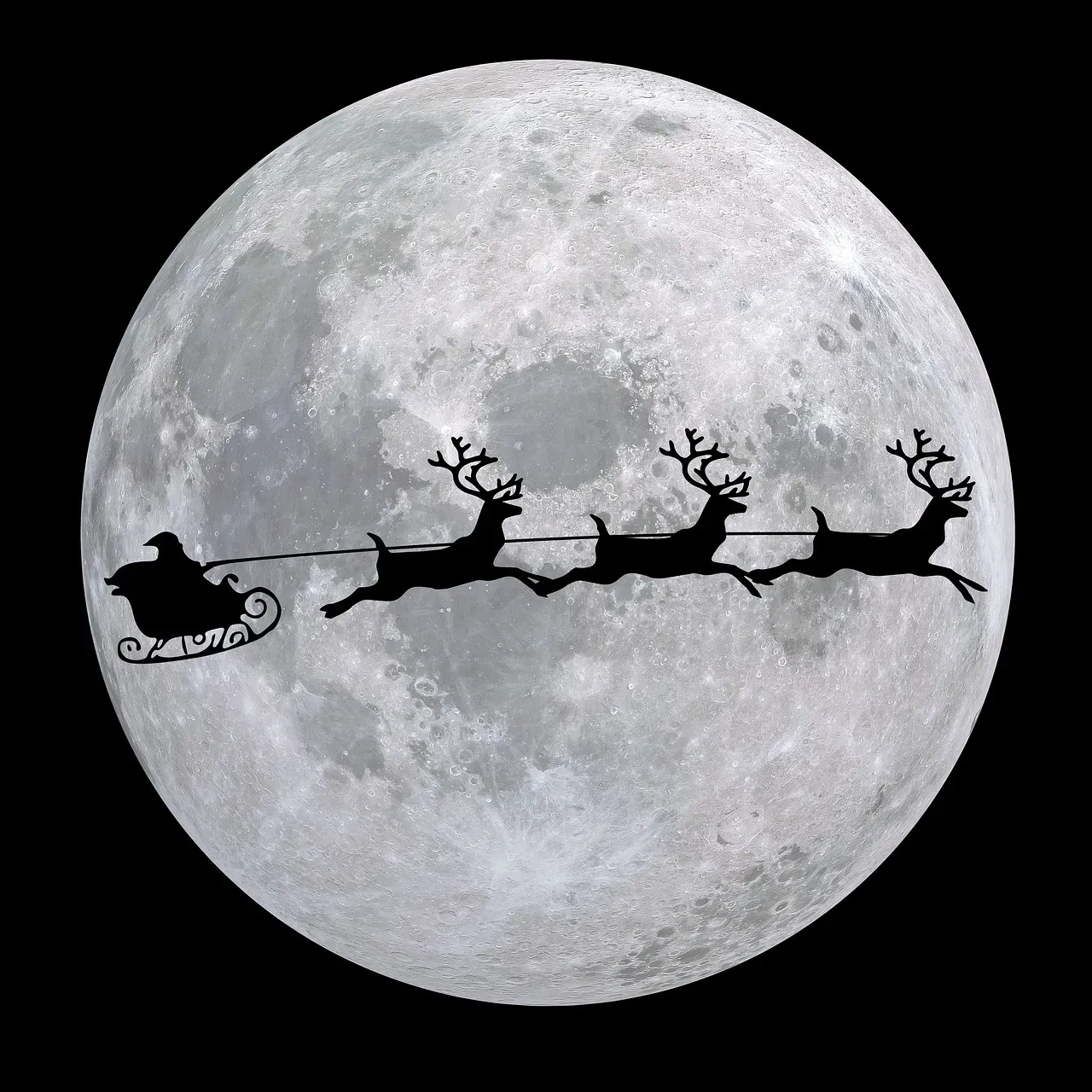
Here’s where things get really interesting. In Norse and Germanic mythology, Thor is the God of Thunder and soars through the sky in a chariot pulled by two magical goats, and images and stories of Thor soaring the skies in his sleigh pulled by two large, horned goats may have influenced the creation of Santa’s sleigh and flying, antlered reindeer. Pretty wild connection, right?
There are also Finnish Laplander tales of a magical reindeer that can fly through the sky. These ancient stories created a perfect foundation for what came later. When European settlers brought their traditions to America, these mythological elements blended with emerging Christmas customs. Reindeer were once viewed as mysterious creatures linked to lands in the northern part of the world. That air of mystery made them perfect candidates for magical transformation.
The 1823 Poem That Changed Everything
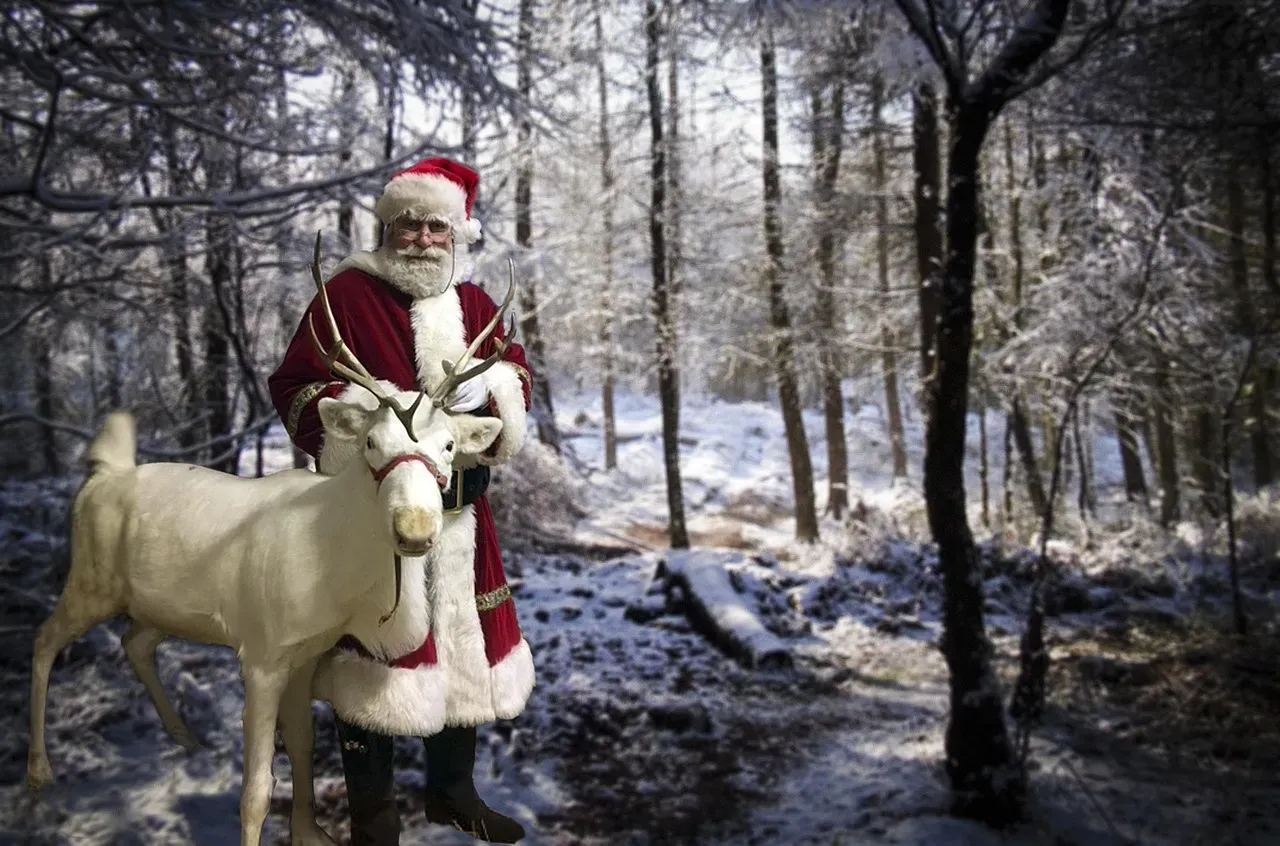
The jolly old elf’s notoriety surged with the popularity of Clement Charles Moore’s Christmas poem “A Visit from St. Nicholas,” printed in the New York Sentinel in 1823, which made eight tiny reindeer into a standard Christmas symbol. This wasn’t just any poem. It fundamentally reshaped American Christmas tradition.
Before this poem, Santa Claus traveled quite differently. The character of Santa Claus is largely based on St. Nicholas of Myra and Sinterklaas of Dutch lore, and both of those figures traveled via a noble, white steed. But Moore’s vision captured something different. Clement Moore came up with the individual names for the creatures that power Santa’s sleigh: Dasher, Dancer, Prancer Vixen, Comet, Cupid, Dunder and Blixem.
Those last two names reveal the poem’s deeper cultural roots. “Dunder” and “Blixem” are Dutch words meaning “thunder” and “lightning.” The poem became wildly popular and established reindeer as permanent fixtures in American Christmas lore. It’s hard to imagine now, but this was genuinely revolutionary at the time.
Rudolph’s Depression-Era Birth
Fast forward to 1939. America was struggling through difficult economic times. Rudolph came to life in 1939 when the Chicago-based Montgomery Ward company asked one of their copywriters, 34-year-old Robert L. May, to come up with a Christmas story they could give away in booklet form to shoppers as a promotional gimmick. What happened next became part of American cultural history.
He came up with the story of a reindeer with an abnormally large, shiny, red nose who gets teased by the other black-nosed reindeer, but on a foggy Christmas Eve, Santa realizes Rudolph’s glowing snout is the beacon he needs so that he can deliver presents to children on time. May poured personal experience into the character. Robert was a bit of an outcast, just like Rudolph, he skipped a grade or two and so was younger and smaller than his classmates, he was a nerdy kid who saw himself as a loser, and it was his opinion of himself that gave rise to Rudolph.
Montgomery Ward printed more than two million copies of Robert L. May’s book that year. The story resonated deeply with Americans facing their own struggles during the Depression.
From Story to Song to Cultural Icon
In 1949, the story was adapted to song by Johnny Marks, who wrote the lyrics based on the original story and set it to music, and Marks just happened to be Robert May’s brother-in-law. Getting the song recorded proved surprisingly difficult. Many famous singers initially passed on it.
The song blew up in the charts in 1949. Gene Autry’s recording became phenomenal. The most popular version was the one released by Gene Autry, the singing cowboy, in 1949, and the catchy tune was an instant hit with the public and some 1.75 million copies were sold the first year.
Then came television. Sponsored by the General Electric Company, Rudolph the Red-Nosed Reindeer premiered on NBC on December 6, 1964, and is said to be the longest-running children’s Christmas special on TV. The animated special added beloved characters and became an annual tradition for generations of American families.
Where to See Real Reindeer in Alaska
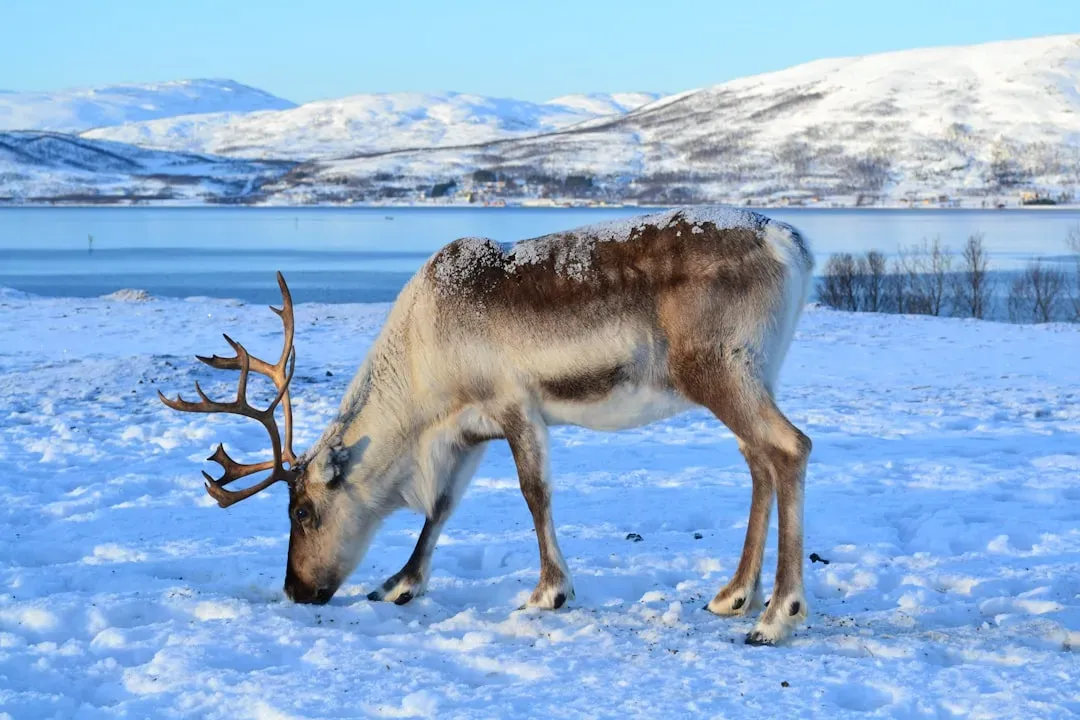
Now here’s something you probably didn’t know you needed to experience. A reported 750,000 reindeer live across Alaska, and you can see herds of caribou across Alaska, but one of the best places is at the Large Animal Research Station outside of Fairbanks, where caribou hangout next to muskoxen, and the Station offers 45-minute tours for guests to see the animals and learn more about them.
Walk with reindeer through Alaska’s boreal forest at Running Reindeer Ranch, an unforgettable, magical tour and highlight of your Alaska adventure, and there’s nothing else like the Ranch anywhere in the state of Alaska. This isn’t your typical zoo experience. You’re actually walking alongside these magnificent creatures in their natural habitat.
Go for a walk in the woods with the reindeer, in summer or winter, you’ll embark on a short walk for about an hour, with stops along the way, and you’ll quickly notice that a couple of the nine or so reindeer are happy to follow along, and you’ll be able to stop, pet them, and take as many photos as you like. The experience combines education with genuine interaction, making it perfect for families seeking authentic wildlife encounters.
Denali National Park’s Wild Caribou Experience
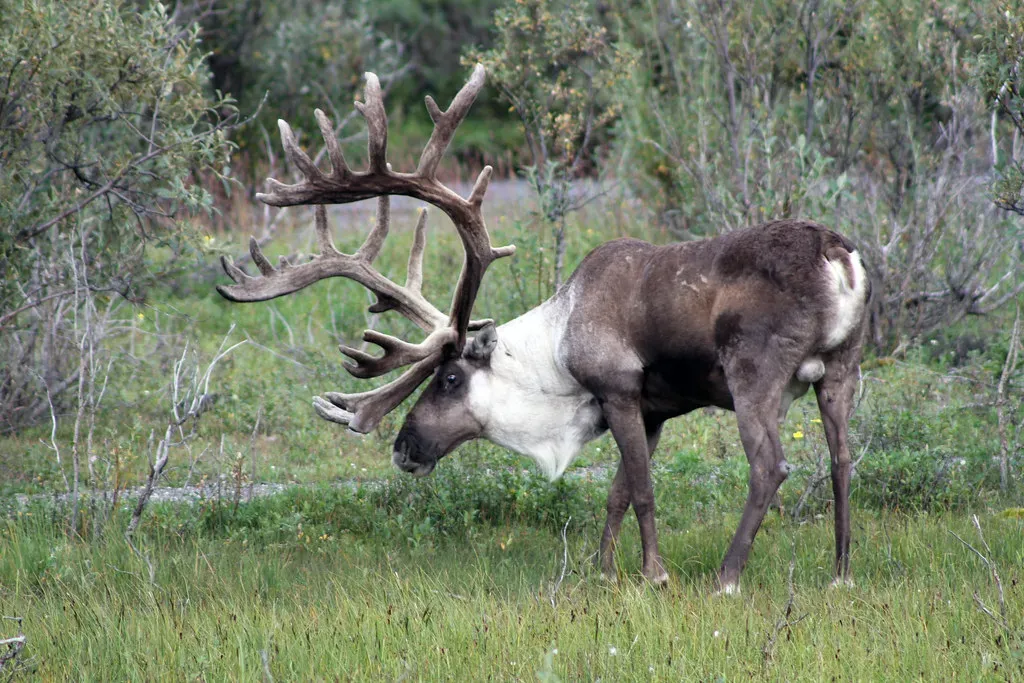
At its core, the Denali caribou migration is the seasonal movement of thousands of caribou across the vast expanse of Denali National Park and Preserve, their movements are more complex than other large migrations, often driven by a combination of factors: the availability of food, the search for safe calving grounds, and the desire to escape predators and insects, and the caribou of Denali belong primarily to the Denali Herd, which can number anywhere from 1,500 to over 3,000 individuals.
Late August through September is arguably the prime time to witness significant caribou movements and experience the migration in its most iconic form. Picture yourself standing in one of America’s most spectacular national parks, watching these animals move across tundra with towering peaks as your backdrop. It’s breathtaking in ways photos simply can’t capture.
One wild sighting spot worth visiting anyway is Denali National Park, where an approximate 3,000 caribou roam, and if nothing else, this national park offers absolutely breathtaking views. Even if you don’t spot caribou, the landscape alone justifies the journey. Though honestly, your chances of seeing them are pretty good if you time your visit right.
Reindeer Farms Across America
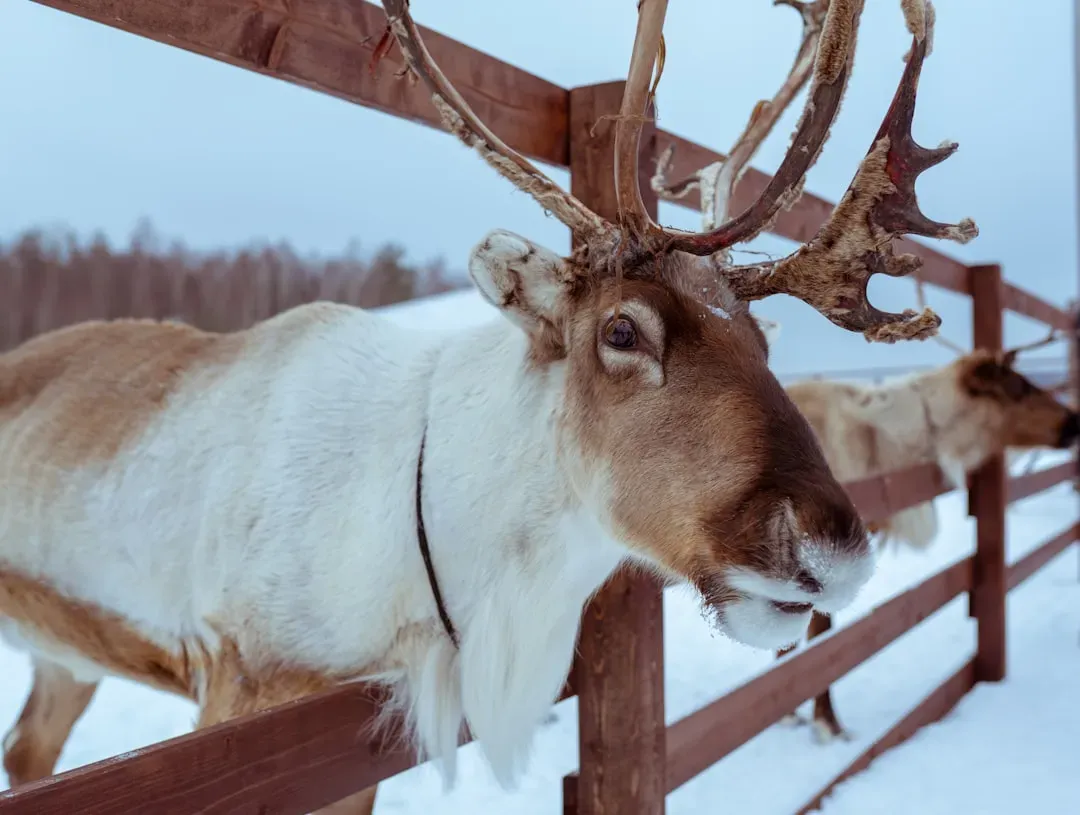
You don’t necessarily need to travel to Alaska to meet reindeer. Nestled in the Cascade Mountains, Leavenworth Reindeer Farm is the only farm on the West Coast that provides a reindeer experience for all ages. These facilities offer intimate encounters that bring Christmas magic to life year round.
Set on a 200-acre plot, the Reindeer Farm has been in the Williams family for three generations, but a passion took this family in a different direction, and since domesticating moose wasn’t possible, he got reindeer instead – 120 of them, and a reindeer is a domesticated caribou. Palmer, Alaska’s Reindeer Farm provides another excellent option for hands-on experiences.
Private reindeer tours start with a classroom session where visitors deep dive into the history of reindeer in Alaska, the difference between reindeer and caribou, and the unique Arctic adaptations of these incredible animals, then venturing outside to meet the herd and go for a stroll through the black spruce forest, perfect for families and wildlife enthusiasts. Each farm offers its own unique approach to sharing these wonderful animals with visitors.
Conclusion: From Legend to Living Experience
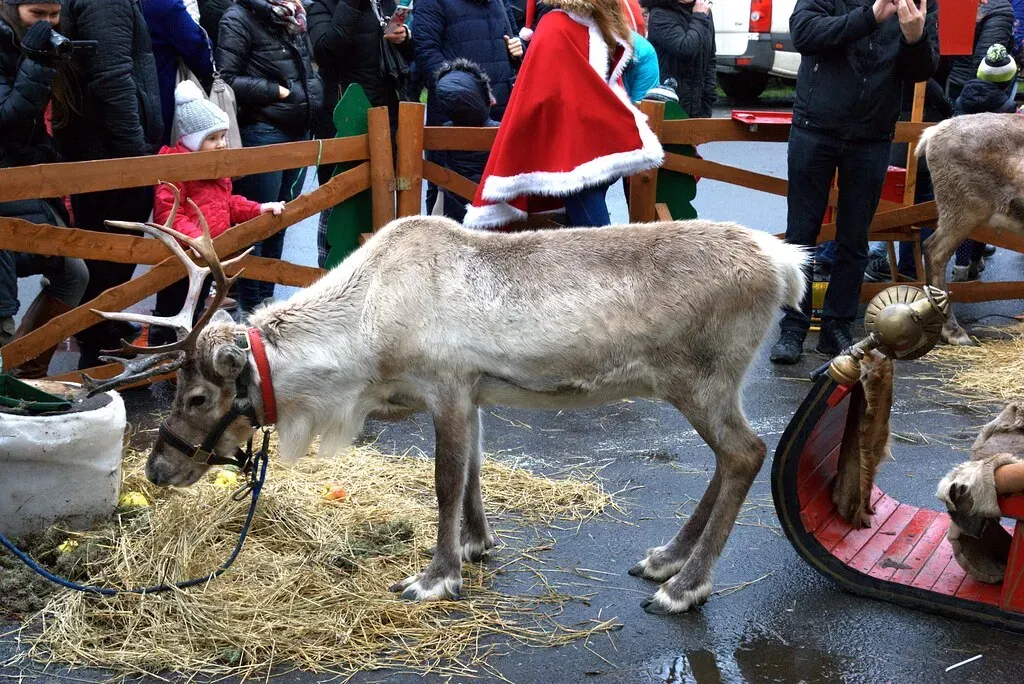
The transformation of reindeer from Arctic survival animals to Christmas icons represents a beautiful collision of ancient mythology, immigrant traditions, commercial innovation, and genuine wonder. Reindeer have become a part of Christmas history and a significant Christmas image and symbol and will remain so as long as the stories of Rudolph and Santa’s flying sleigh are retold from generation to generation.
What makes this story even more special is that you can actually experience these remarkable animals yourself. Whether you’re hiking through Denali watching wild caribou migrations or feeding domesticated reindeer at a family farm, you’re connecting with creatures that have captured human imagination for centuries. The magic isn’t just in the stories we tell. It’s in those velvet noses, those impressive antlers, and those gentle eyes that have inspired wonder across cultures and generations.
Have you ever seen a reindeer in person? It might just become your new favorite holiday tradition.
