
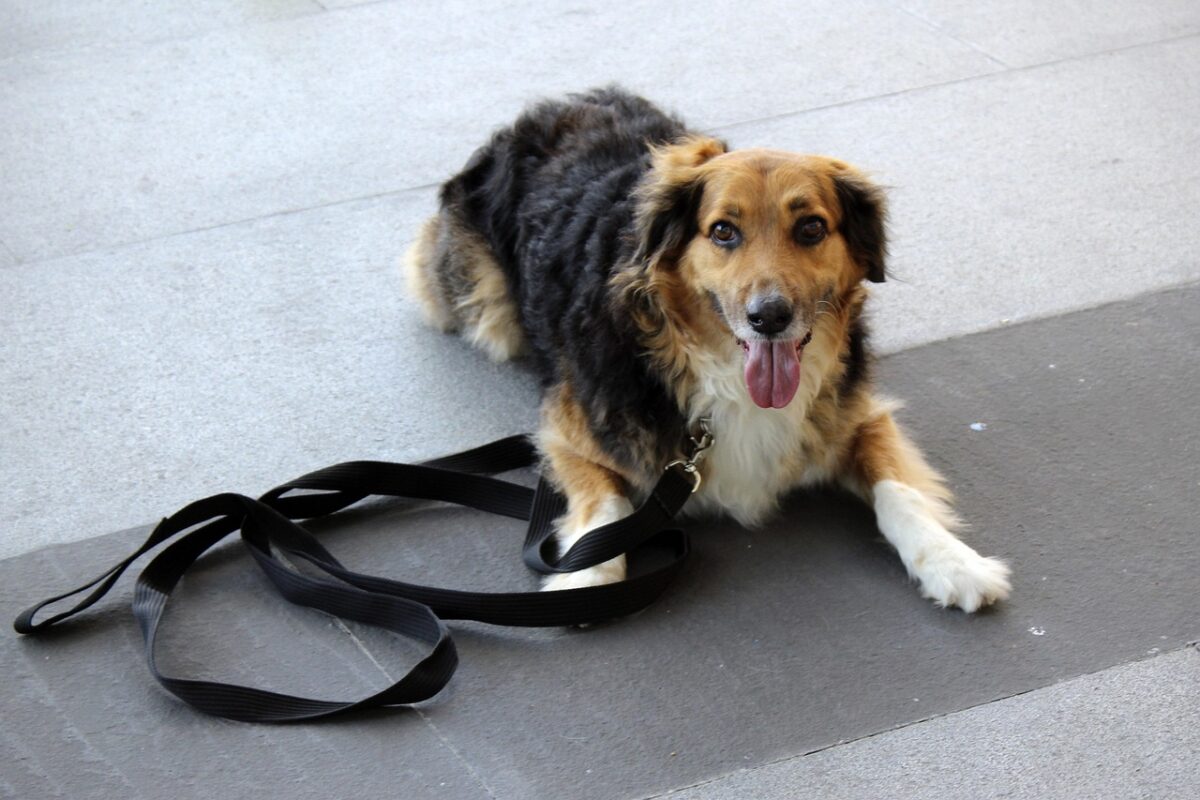
You’ve seen it before. Maybe you’ve even lived it. That moment when your dog stubbornly refuses to sit, or bolts after a squirrel despite weeks of recall practice, and suddenly your chest tightens with frustration. Training a dog isn’t just about teaching commands or correcting behaviors. It’s deeply emotional work, tangled up with our expectations, patience levels, and how we handle disappointment.
Here’s the thing though. The mistakes that derail dog training aren’t always about technique. They’re about the emotional storms we bring into the process. When you lose your cool or give up too soon, your dog picks up on that energy faster than you’d think. Understanding these emotional pitfalls can transform your training sessions from stressful battles into meaningful connections. So let’s dive in.
Getting Frustrated When Progress Feels Slow
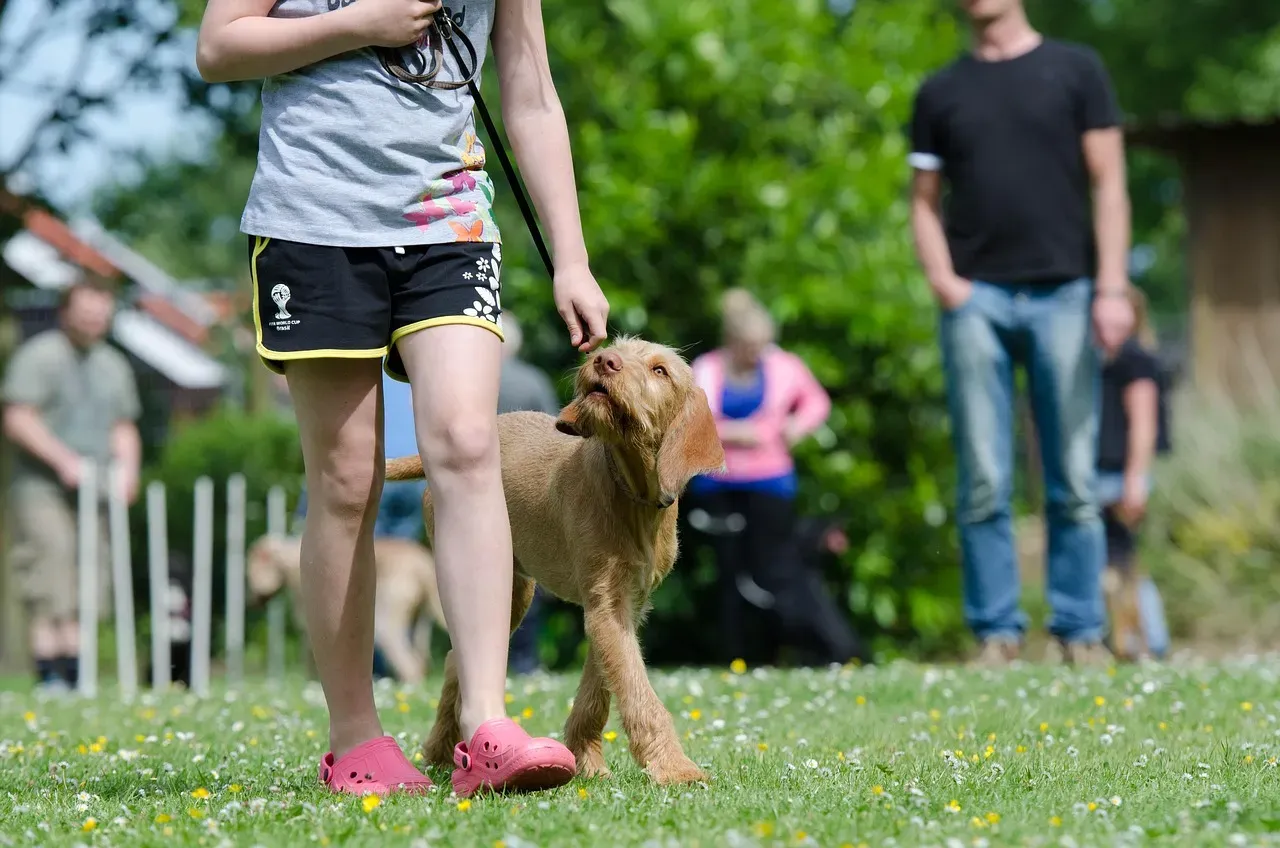
Training when you’re frustrated, angry, or impatient rarely leads to good results, as dogs are incredibly sensitive to our emotions and often mirror our energy level. You walk into a session expecting your dog to master a new trick immediately, only to watch them stare blankly at you. That sinking feeling creeps in.
When trying to change a dog’s behavior, owners often give up after the first unsuccessful attempt, yet changing behaviors such as jumping on people or barking for attention can take weeks to months, depending on how self-rewarding the behavior has been. Let’s be real. Your dog isn’t trying to make you mad. They’re learning at their own pace, processing information in ways completely different from humans. Expecting instant results is setting yourself up for disappointment.
Training During Emotional Chaos

Picture this: you’ve had a terrible day at work, traffic was brutal, and now you’re home trying to work on leash training. Dogs are remarkably in tune with our emotions, and training when you’re feeling stressed or impatient can lead to a poor experience for both of you and possibly a negative association with training sessions. Your dog doesn’t understand you had a rough commute.
Training doesn’t go so well when you’re overtired or upset, as it requires good observation and concentration to minimize mistakes. Honestly, if you can’t bring calm energy to the session, skip it entirely. Better to wait until tomorrow than to poison the experience with your bad mood. Your emotional state bleeds into everything you do.
Losing Patience and Giving Up Too Quickly
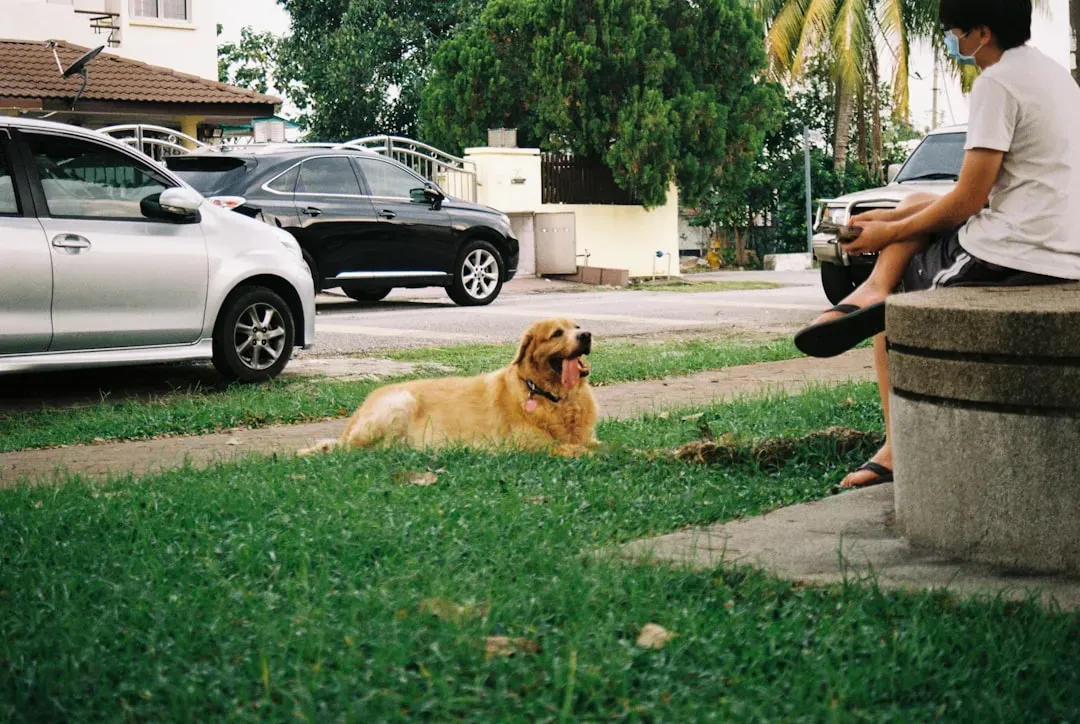
Patience is the ability to not mind when things temporarily do not go as intended and the confidence to know that things will ultimately go as intended, which is very important when training and living with animals. It sounds simple until you’re standing in the park for the fifth time this week and your dog still won’t come when called.
Research shows that patient people are more likely to achieve their goals and enjoy the process far more than impatient people, as patience prevents rushing the training process and helps you see each session through to the end. Most owners bail halfway through the hard part. They miss the breakthrough that was just around the corner. Think of it like this: if you quit every guitar lesson when your fingers hurt, you’d never play a song.
Repeating Commands Out of Anxiety
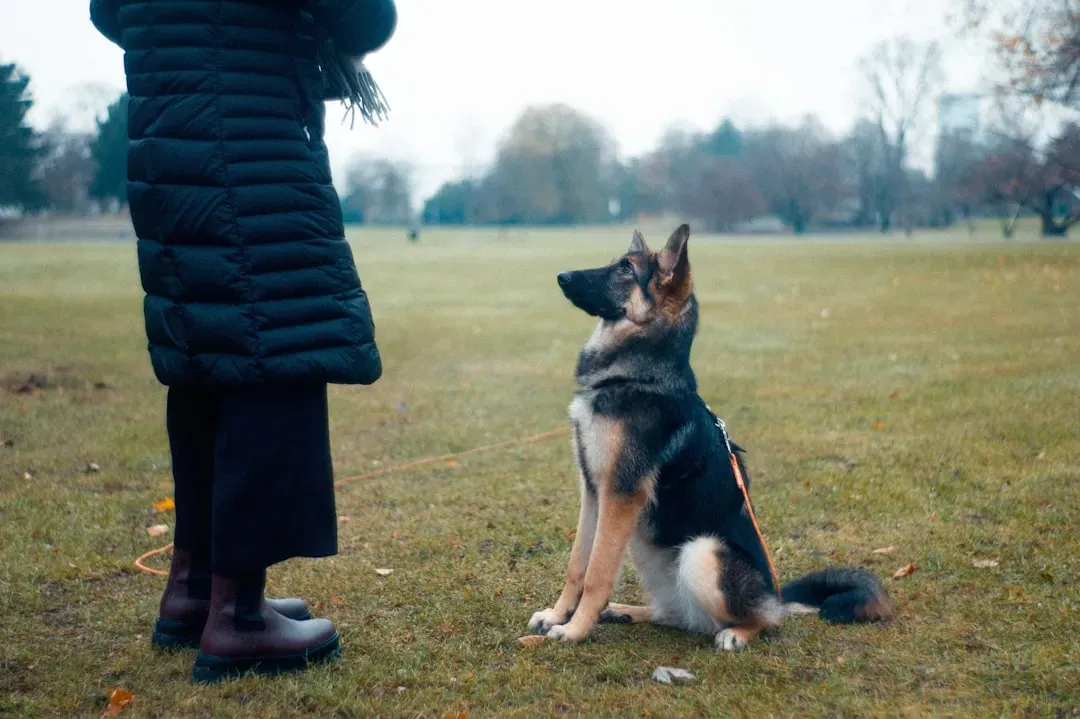
It’s tempting to repeat a cue if your dog doesn’t respond immediately, but this cue nagging only teaches your dog they don’t have to listen the first time. You say sit once. Nothing happens. So you say it again. Then again. Before you know it, you’ve said it six times.
This pattern, called cue nagging, is one of the most common issues in training, as it teaches dogs that they don’t have to listen the first time. Your anxiety about whether your dog will obey pushes you to nag, which actually makes the problem worse. Say the command once, then wait. Give your dog time to process what you’re asking.
Rewarding Behaviors You Don’t Actually Want
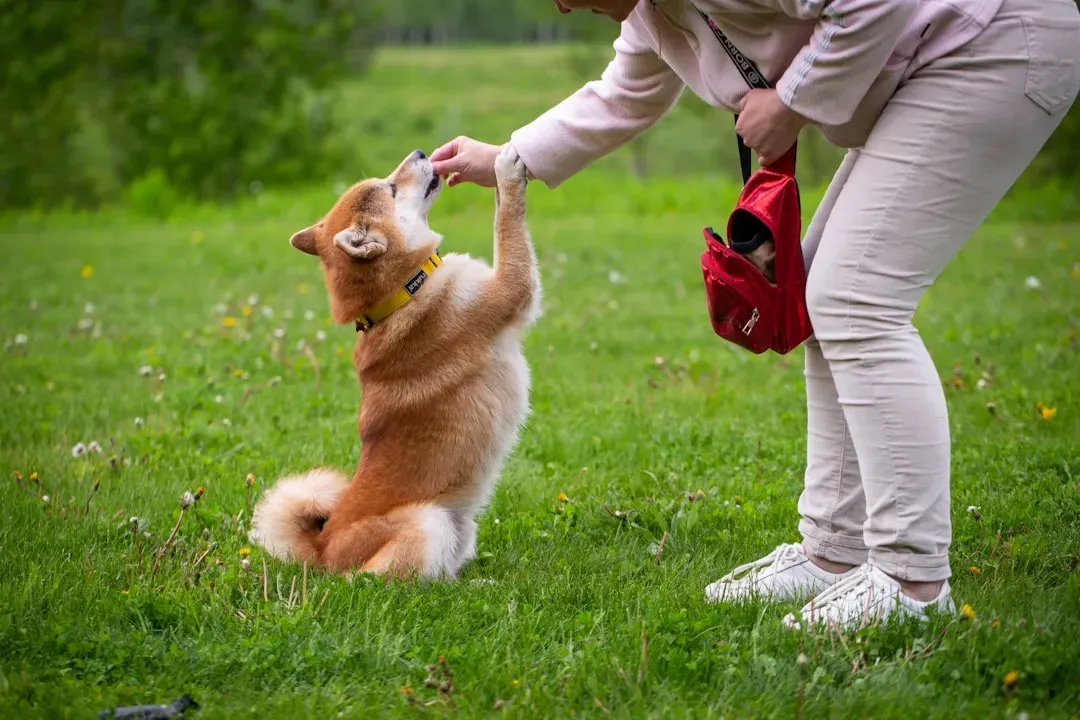
It’s helpful to be fast with reward delivery, otherwise your dog can become confused about what exactly you’re reinforcing or can lose interest. Timing matters more than you think. You ask your dog to lie down, they do it, then jump up immediately before you deliver the treat. If you still give the reward, you’ve just reinforced jumping up.
Timing is everything in dog training, as rewards and corrections must happen within one to two seconds of the behavior to be effective, otherwise your dog won’t connect the consequence with the action. Your emotional desire to reward your dog, to be nice and give them something, can backfire if you’re sloppy with timing. You need to mark the exact behavior you want, not just the general vicinity of good behavior.
Being Inconsistent Because You Feel Bad
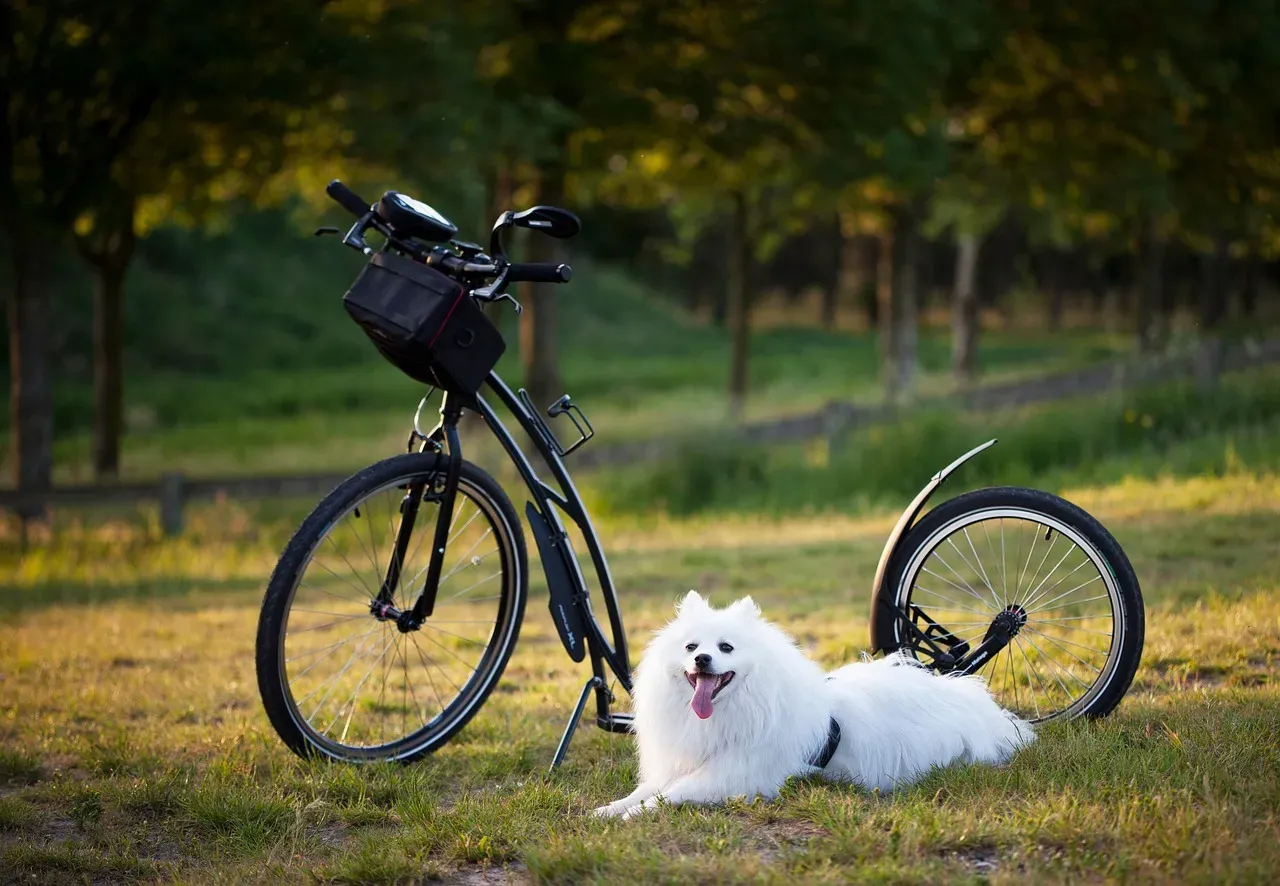
Sometimes you enforce the no-jumping rule. Other times you’re tired or happy to see your dog, so you let it slide. The biggest mistake in family dog training is inconsistency, which happens when family members have different rules or when the same person enforces rules differently depending on their mood or the situation.
Being consistent means practicing the same way between different people or circumstances, and when dogs get mixed signals from their family, it is not the dog’s fault for misbehaving but due to the family’s lack of consistency. Your guilt or affection shouldn’t override the rules you’ve set. Dogs thrive on predictability. When you change the rules based on how you feel in the moment, you’re asking your dog to read your mind.
Consoling Fear Instead of Building Confidence
Dogs do not understand human abstractions such as empathy or consolation, and if your puppy gets scared and you pick them up and soothe them, they can literally learn that being scared or nervous gets your emotional and physical praise. Your instinct when your dog is frightened is to comfort them. You scoop them up, pet them, speak in a soothing voice.
This can make for a nervous yet manipulative dog later in life, so instead when your dog has a scary experience, ensure their immediate safety then redirect their anxiety by giving them a sit command then rewarding them with praise or a treat. Your emotional need to console can accidentally teach your dog that fear is something you reward. Redirect instead. Help them focus on something else and reward that confidence.
Setting Unrealistic Expectations

Especially with small puppy training, it’s important to set realistic goals, as puppies have short attention spans and need gradual, age-appropriate learning, so celebrate small wins before expecting them to perform flawlessly at the park. You see videos online of dogs doing incredible tricks and wonder why yours can’t even master stay.
Your emotional comparison game is killing your progress. Every dog learns at a different pace. Your eight-week-old puppy isn’t going to behave like a two-year-old trained service dog. Stop measuring your dog against an impossible standard and celebrate the small victories. That three-second sit is progress.
Skipping Practice Because You’re Busy or Unmotivated
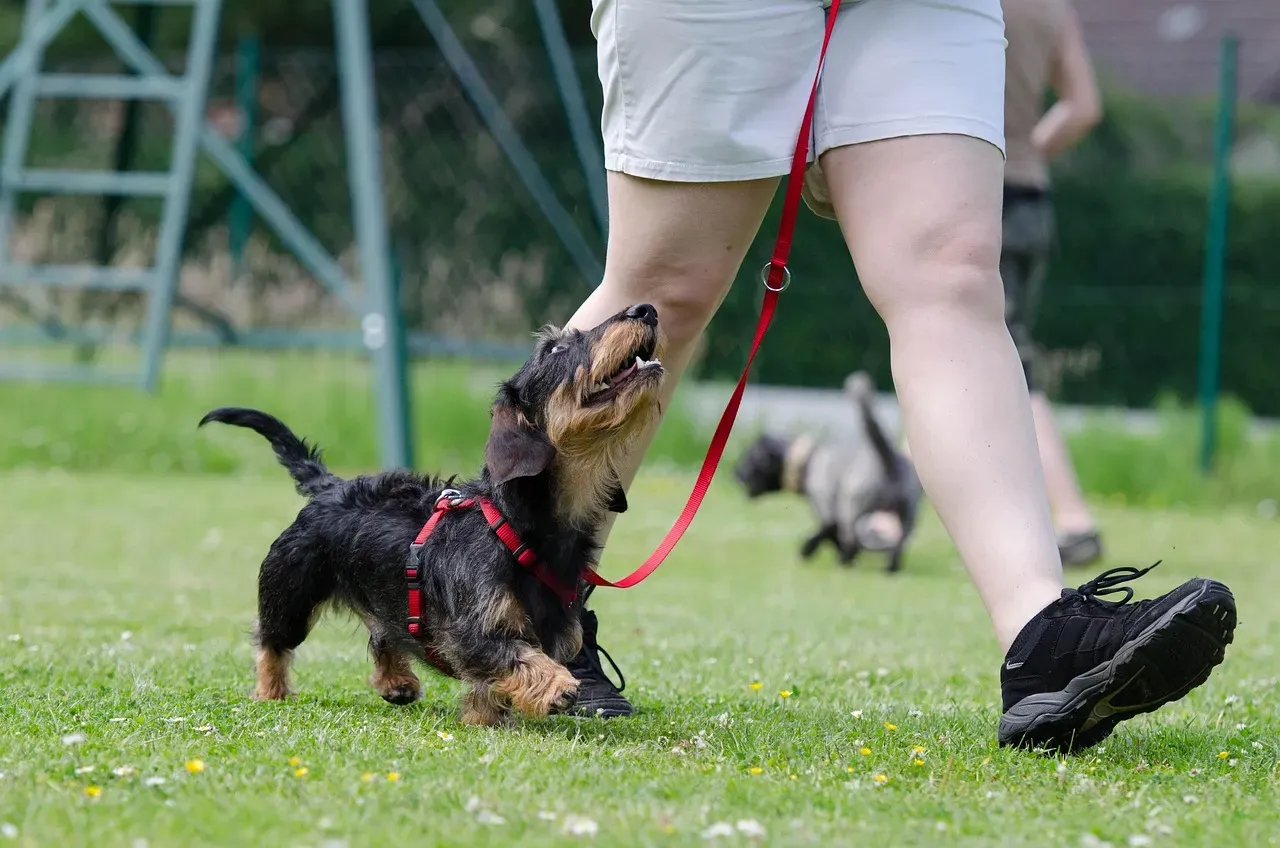
Failing to practice between training classes is a big mistake owners make, and if you attend a class once a week, that’s not enough time to create a well-behaved dog. Life gets in the way. You’re exhausted after work. The weather’s bad. You tell yourself you’ll practice tomorrow.
Make sure you practice every day but for brief stretches, as dogs have the mentality of a human toddler with short attention spans, so five to ten minute sessions work better for most pups. Your emotional fatigue or lack of motivation becomes your dog’s lack of progress. Training isn’t a once-a-week thing. It’s woven into daily life. Short, consistent sessions beat long sporadic ones every time.
Trying to Train in High-Stress Situations
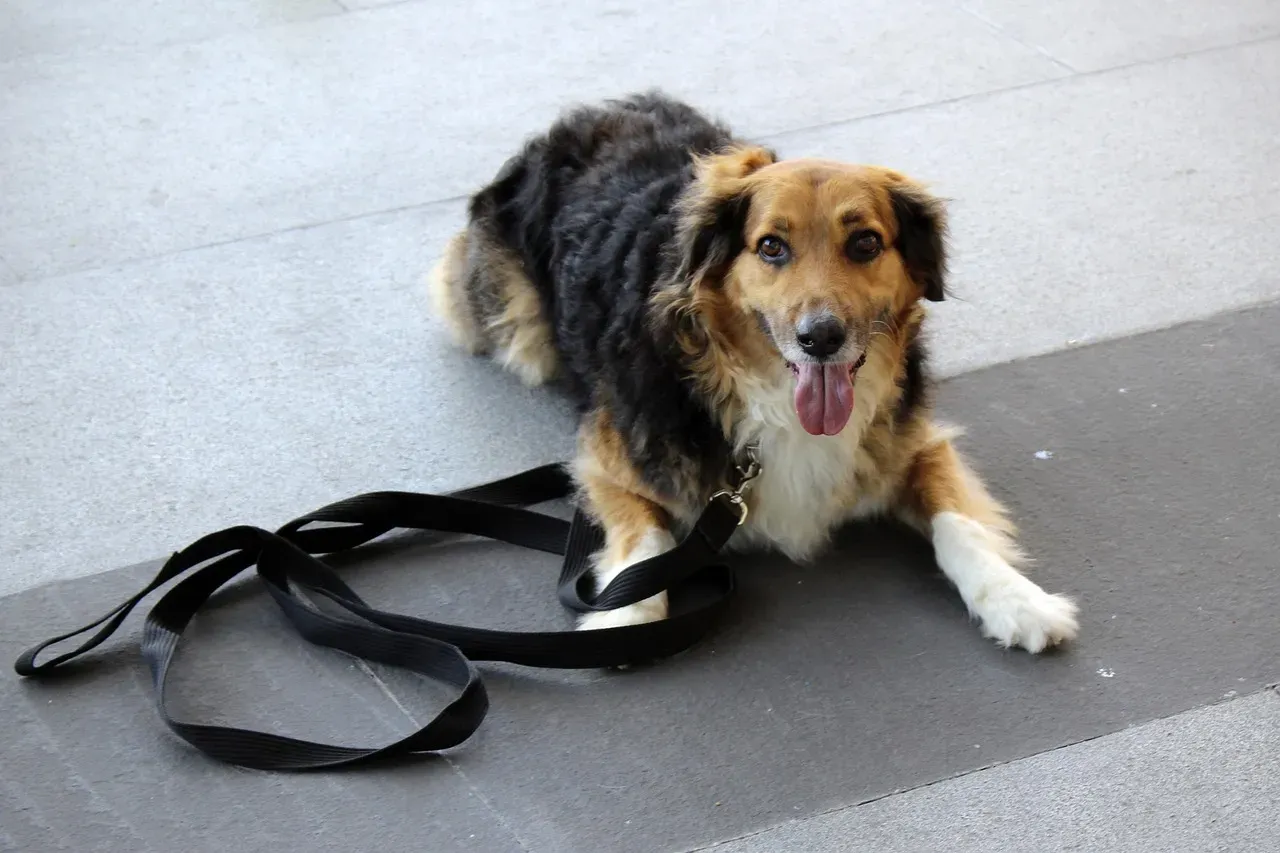
The one mistake that makes every dog problem snowball is that we wait for chaos, then we try to teach. The doorbell rings, your dog goes ballistic, and that’s when you suddenly remember to work on calm behavior. It’s like trying to learn French grammar while the plane is taking off.
Dogs live by spillover, where one big wobble early in the day sits closer to boiling, a concept trainers call trigger stacking. If the mistake is training in the fire, the correction is simple: feed calm, manage chaos, rehearse safety. Train when nothing is happening. Practice the calm moments so they become the default setting.
Holding Onto Guilt or Past Mistakes
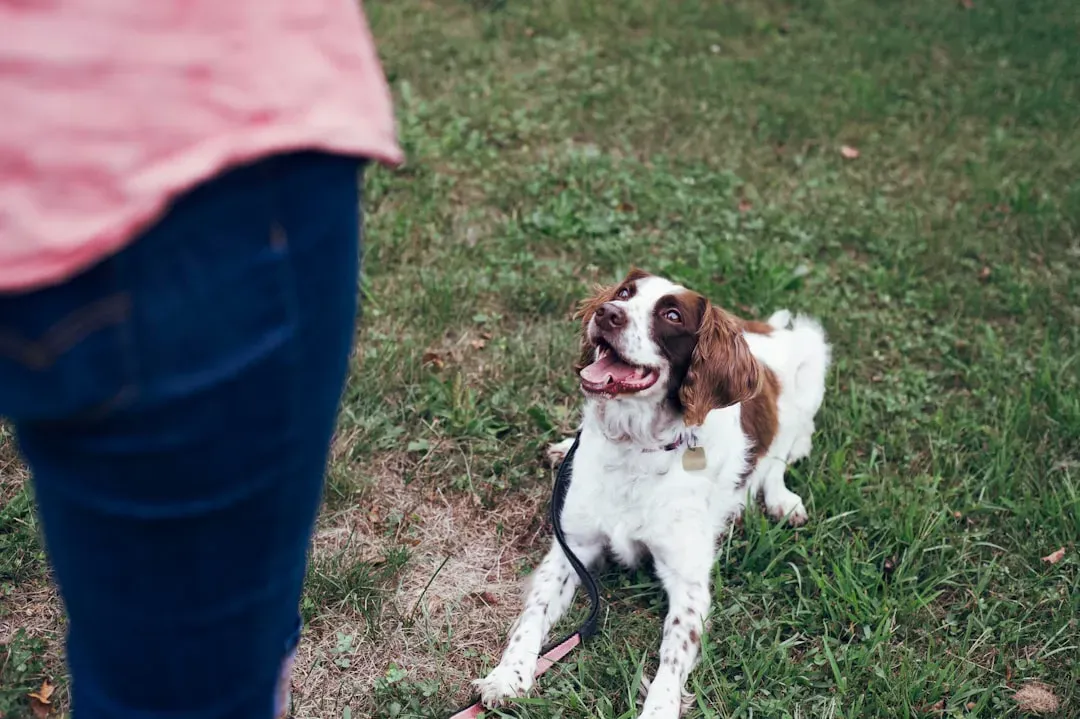
You snapped at your dog last week during a training session. Now you feel terrible and overcompensate by being too lenient. Being too hard on yourself is the very first mistake on training lists because dog training can be very challenging indeed, and everyone makes mistakes.
If you’ve made a lot of mistakes, welcome to the club, as almost every successful dog trainer has made them too, and the good news is that they are all fixable. Your guilt doesn’t help your dog. It just makes you inconsistent and emotional. Acknowledge the mistake, learn from it, then move forward. Dogs don’t hold grudges. They live in the present moment. You should too.
Conclusion
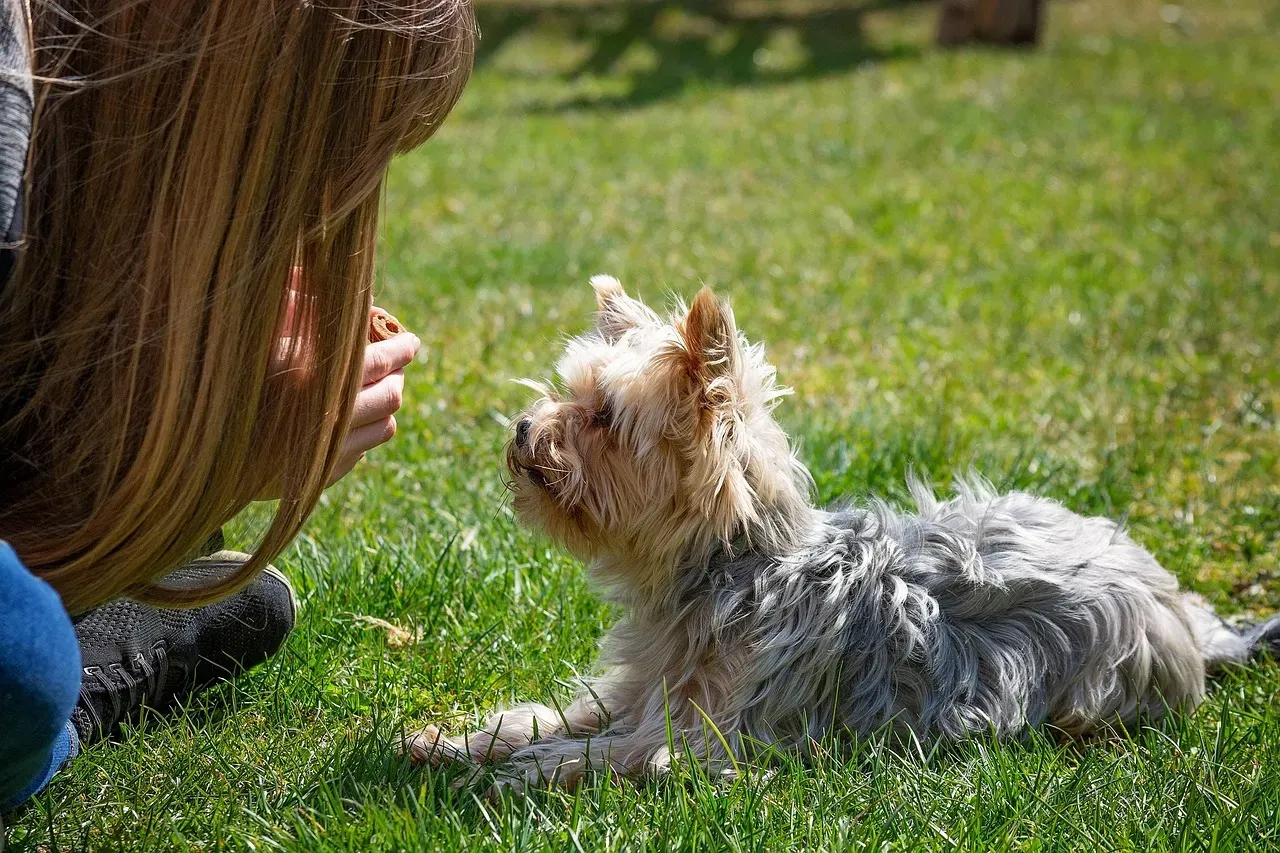
Training your dog is as much about managing your own emotions as it is about teaching commands. When you bring patience, consistency, and calm energy to the process, everything changes. Your dog isn’t being difficult on purpose. They’re responding to your emotional state, your timing, and the signals you send.
The beautiful part is that every mistake is fixable. Every session is a fresh start. Take a breath, adjust your expectations, and remember that progress isn’t always linear. Sometimes the breakthrough happens right after you wanted to quit. What emotional mistake surprised you the most? Share your experiences in the comments.

- Could Animals Predict Earthquakes Better Than Technology? - June 22, 2026
- Can Animals Grieve the Loss of Their Loved Ones? - June 22, 2026
- 15 Dog Breeds That Are Surprisingly Calm and Perfect for Seniors - June 22, 2026