

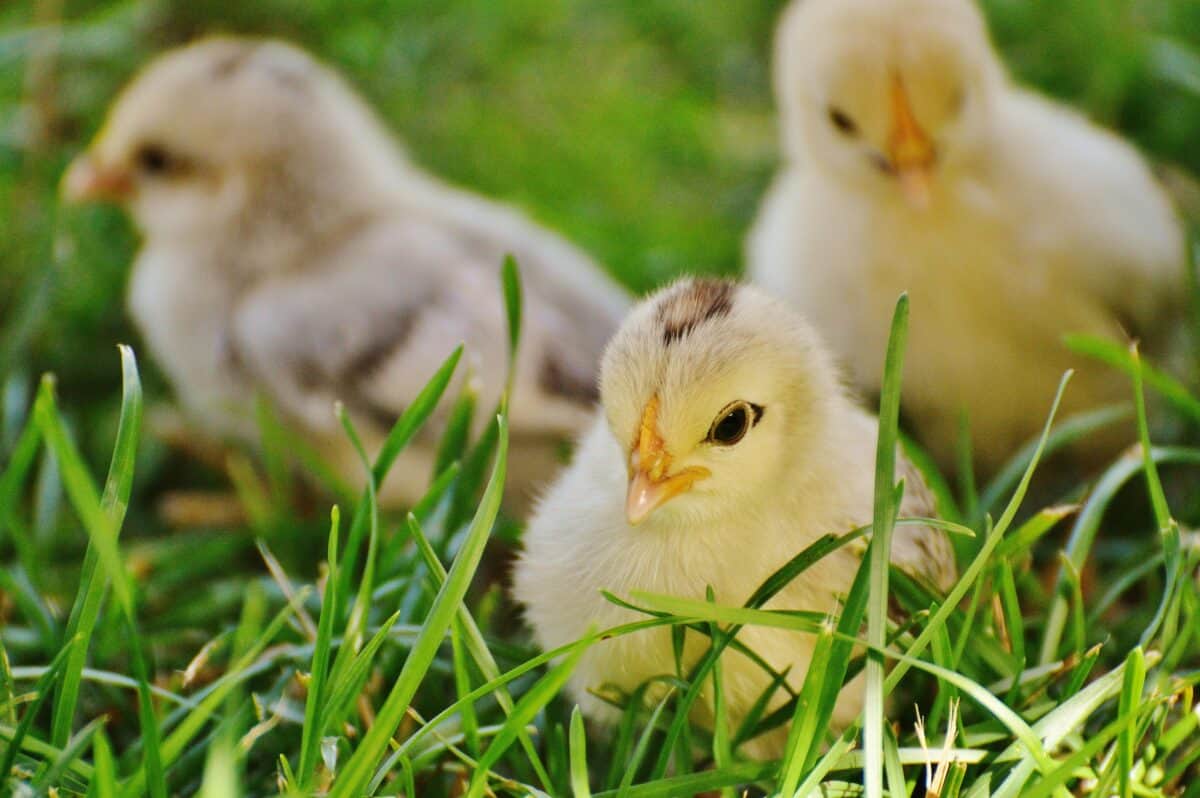
The egg industry is a massive global enterprise that provides billions of eggs to consumers worldwide. Behind this operation lies a little-discussed reality: the fate of male chicks in egg production. Since males cannot lay eggs and aren’t typically raised for meat in the layer chicken industry, their existence presents an economic challenge for hatcheries. This article explores the standard practices, ethical considerations, and emerging alternatives regarding male chicks in the egg industry, providing a comprehensive understanding of this controversial aspect of modern food production.
The Biological Reality of Egg Production

Egg production begins with hatcheries that incubate fertilized eggs to produce laying hens. When these eggs hatch, approximately half the chicks are female (pullets) and half are male (cockerels). The females are raised to become egg-laying hens, while the males present a dilemma for the industry. Males of egg-laying breeds grow too slowly and don’t develop enough breast meat to be economically viable for meat production compared to breeds specifically developed for that purpose.
This biological reality creates an economic problem: male chicks require feed, housing, and care but don’t contribute to egg production. In the highly competitive egg industry, where profit margins are often slim, businesses have historically made the economic decision to cull male chicks shortly after hatching. This practice has become standard in most commercial egg operations worldwide, regardless of whether they’re conventional, free-range, or organic.
Current Industry Practices
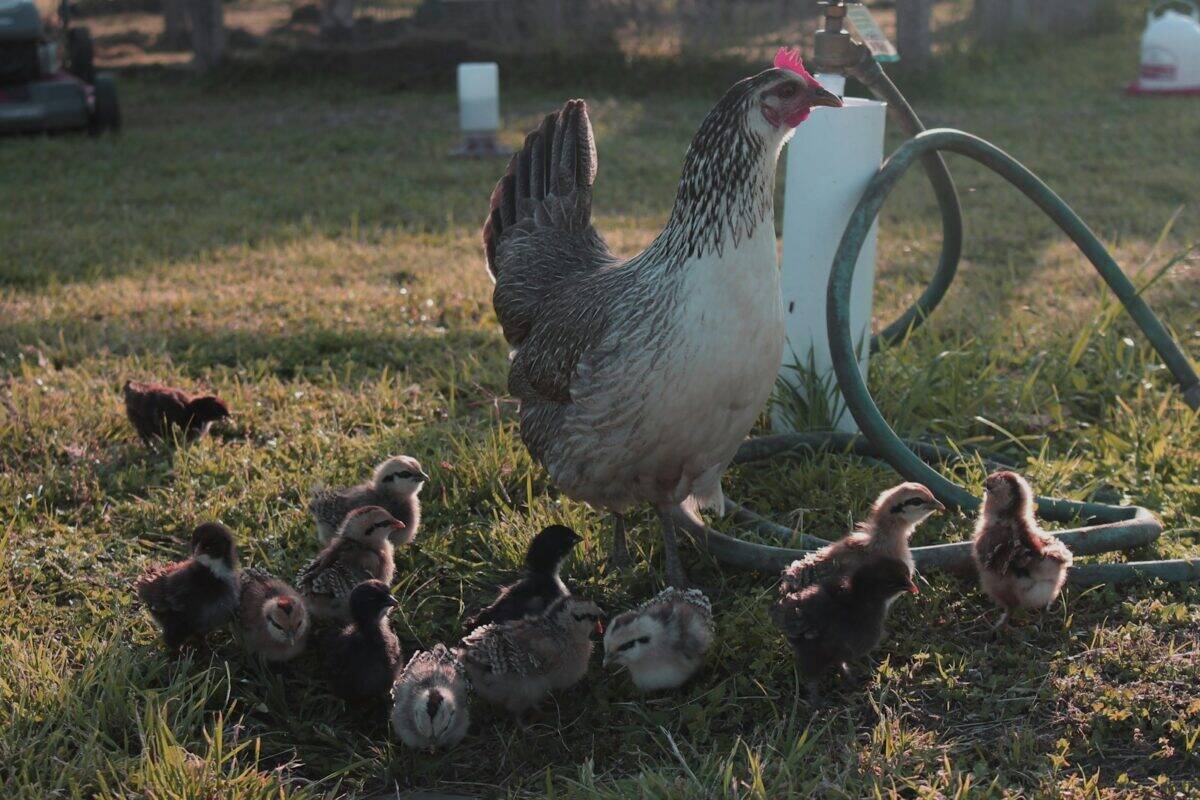
The most common method for culling male chicks in the egg industry has been maceration, where chicks are placed on a conveyor belt that leads to a high-speed grinder. This method is approved by the American Veterinary Medical Association (AVMA) and other veterinary authorities worldwide as it causes instantaneous death. Another approved method is gas culling, where carbon dioxide or other gases are used to cause rapid unconsciousness followed by death. These methods are used because they’re considered relatively humane compared to alternatives, as they cause minimal pain and stress when performed correctly.
The scale of this practice is staggering. In the United States alone, approximately 300 million male chicks are culled annually, with billions more worldwide. This occurs across all egg production systems, including organic and free-range, as the economic challenge of raising non-productive males exists regardless of how the females are subsequently housed. The practice remains largely unknown to most consumers, despite being a standard part of egg production for decades.
Ethical Considerations
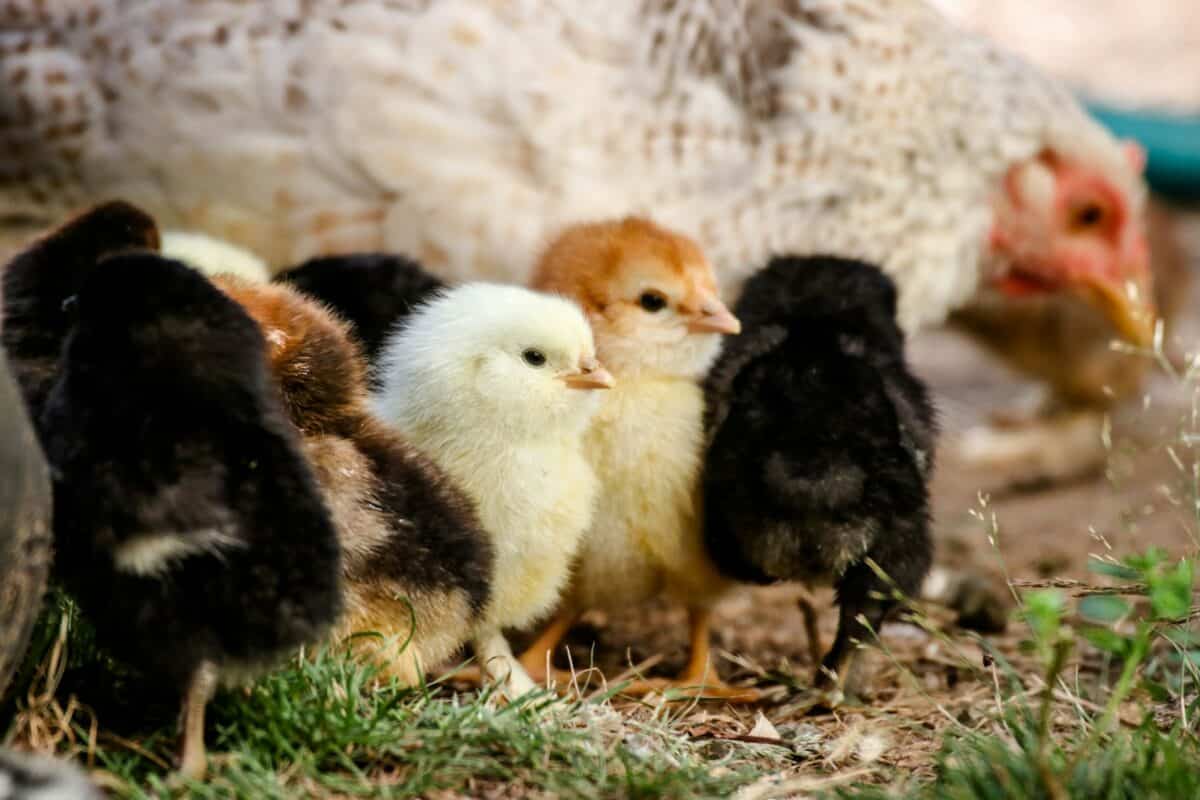
The culling of day-old male chicks raises significant ethical questions about our food production systems. Animal welfare advocates argue that the practice represents a commodification of life, where animals are valued only for their productive capacity. They contend that a practice which results in the immediate death of billions of animals annually deserves serious ethical examination, regardless of how quickly or painlessly it might be performed. The mass culling also represents a significant waste of life and resources, as the eggs were fertilized, incubated, and hatched only for the males to be immediately killed.
From an industry perspective, producers argue that they’re making the most humane choice possible within current economic and technological constraints. They point out that the alternatives—such as raising male chicks in poor conditions or abandoning them—would cause more suffering. This ethical tension has prompted increasing pressure from consumers and animal welfare organizations for the development of alternatives, leading to new research and commitments from some industry players to change practices.
The Development of In-Ovo Sexing Technology
A promising solution to the male chick culling dilemma is in-ovo sexing technology, which identifies the sex of embryos before they hatch. Several approaches are being developed and refined. Spectroscopic methods examine either the allantoic fluid or the embryo itself through the shell to determine sex based on hormonal or genetic markers. Genetic approaches involve taking a small sample from the egg to test for sex chromosomes. Hormonal detection methods analyze minute samples from the egg to identify sex-specific hormones.
The goal of these technologies is to identify male eggs early in incubation, ideally before the embryo develops pain sensitivity (generally believed to be around day 7 of development). The identified male eggs can then be removed from incubation and repurposed for animal feed, fertilizer, or other uses rather than being hatched only to be culled. Companies including Seleggt in Germany, Plantegg in the Netherlands, and Egg-Tech in Canada are among those developing commercial applications of this technology, with some already in limited use.
Dual-Purpose Chicken Breeds
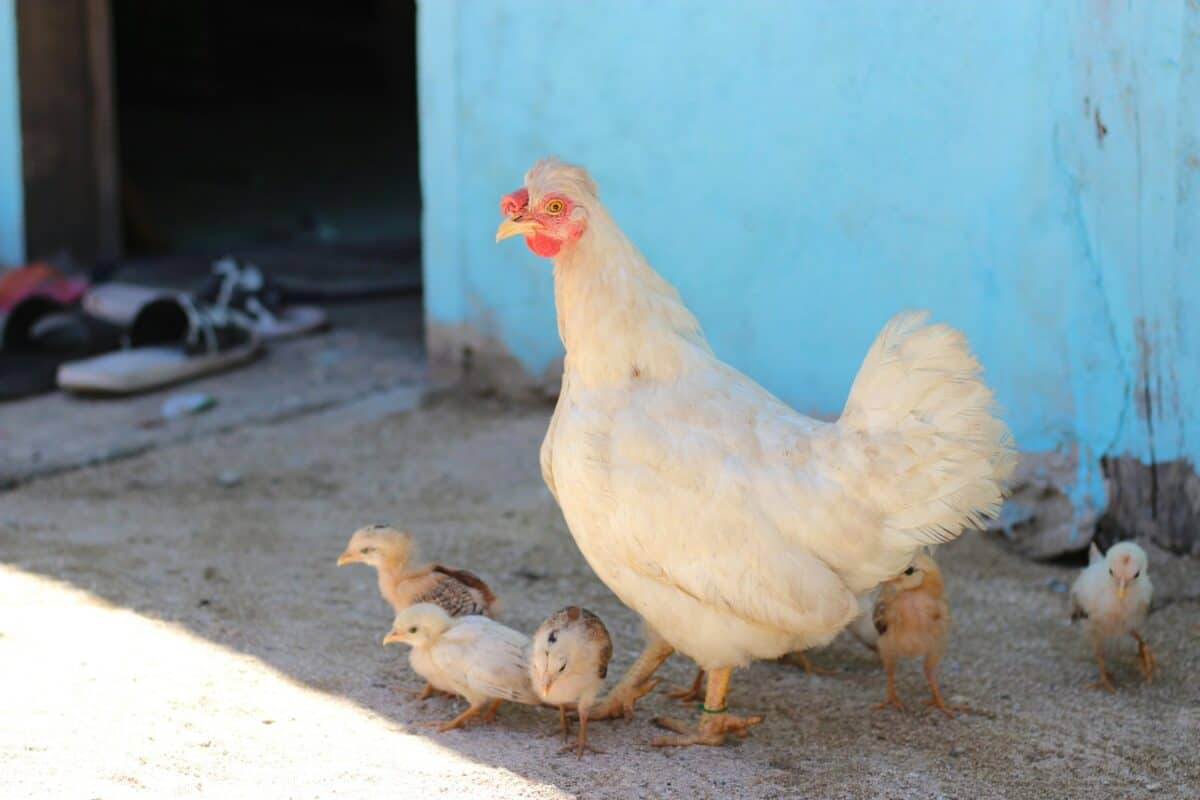
Another approach to addressing the male chick issue is the revival and development of dual-purpose chicken breeds. Historically, before the intense specialization of modern poultry, chickens were raised for both eggs and meat. While modern layer hens produce significantly more eggs than dual-purpose breeds, and broiler chickens grow much faster, dual-purpose breeds offer a compromise where females lay a reasonable number of eggs and males provide an acceptable amount of meat.
Several initiatives around the world are working to develop improved dual-purpose breeds that can be economically viable in today’s market. In Germany, the Lohmann Dual has been developed specifically to address this issue. In the United States, heritage breeds like the Barred Plymouth Rock or Rhode Island Red are sometimes used in smaller-scale operations. While dual-purpose chickens don’t match the productivity of specialized breeds, they provide a more holistic approach to chicken farming that eliminates the need for culling males, appealing to consumers willing to pay premium prices for more ethical production methods.
Regulatory Landscape and Industry Commitments
The regulatory approach to male chick culling varies significantly worldwide. Germany became the first country to ban the practice in 2022, requiring hatcheries to implement alternatives such as in-ovo sexing. France has announced plans to ban male chick culling by the end of 2022. Switzerland has prohibited maceration but allows gas culling. In most countries, including the United States, Canada, and the United Kingdom, the practice remains legal and standard, though subject to animal welfare regulations regarding humane methods.
Several major egg industry players have made voluntary commitments to end male chick culling. United Egg Producers, representing most U.S. egg producers, committed to ending or sharply reducing the practice as alternatives become commercially available. European retail chains including Rewe and Aldi have committed to selling only eggs from supply chains that avoid male chick culling. These commitments represent significant market pressure for change, though implementation timelines often depend on the commercial viability of alternative technologies.
Consumer Awareness and Market Response
Consumer awareness of male chick culling has grown significantly in recent years, driven by animal welfare organizations, social media, and documentary films. This awareness has contributed to changing consumer expectations and market demands. A growing segment of consumers are willing to pay premium prices for eggs produced without male chick culling, creating market opportunities for alternative approaches. In Germany, France, and the Netherlands, “brother hen” or “no-cull” eggs are available in some supermarkets, typically at higher prices than conventional eggs.
The market response has been particularly strong in Europe, where several major retailers now offer eggs from systems that avoid male chick culling. In North America, the response has been slower, though some specialty producers are beginning to address the issue. This reflects a broader pattern where European consumers have historically been more responsive to animal welfare concerns in food production. As awareness grows, market segmentation based on male chick handling practices is likely to increase globally.
The Economic Challenges of Alternatives

The persistence of male chick culling in the egg industry is largely driven by economic factors. In-ovo sexing technologies currently add significant costs to egg production—estimates range from 1-4 cents per egg at commercial scale, which represents a substantial increase in production costs in an industry with typically slim margins. Dual-purpose breeds produce fewer eggs per hen and require more feed per pound of meat produced, making them less economically efficient than specialized breeds. These economic realities create challenges for widespread adoption of alternatives.
The transition away from culling also requires substantial capital investment in new technologies or breeding programs. For large-scale producers, retrofitting hatcheries with in-ovo sexing equipment represents a major expense that must be justified by consumer willingness to pay higher prices. Smaller producers may find it difficult to access these technologies due to scale requirements. Despite these challenges, decreasing technology costs and increasing consumer demand for higher welfare standards suggest that alternatives will become increasingly viable over time.
Cultural and Religious Perspectives

Different cultural and religious traditions have varying perspectives on the ethical treatment of animals, including practices in egg production. Some religious traditions place significant emphasis on avoiding unnecessary harm to animals. For example, many interpretations of Jewish kosher rules and Islamic halal principles emphasize minimizing animal suffering. Buddhist traditions generally emphasize compassion toward all sentient beings. These perspectives can influence both consumer choices and regulatory approaches in different regions.
In some countries, cultural attitudes toward efficiency and food production practicalities may place less emphasis on animal welfare concerns, while in others, there are strong cultural connections to more traditional farming methods that might naturally align with approaches like dual-purpose breeds. These cultural differences help explain the varied pace of change in different markets and the different emphasis placed on finding alternatives to male chick culling around the world.
Environmental Implications

The environmental impact of different approaches to handling male chicks is an important consideration. Current culling practices represent a significant waste of resources—the energy, water, and feed that go into incubating eggs only to destroy half the hatched chicks. However, alternatives have their own environmental considerations. Dual-purpose breeds typically have higher feed conversion ratios, meaning they require more feed per unit of output (either eggs or meat), potentially increasing their environmental footprint in terms of land use, water consumption, and greenhouse gas emissions.
In-ovo sexing technologies may have a lower environmental impact if implemented early in incubation, as they reduce resource use compared to hatching all eggs. However, the equipment and energy required for these technologies must also be considered. A comprehensive environmental assessment would need to consider the full lifecycle impacts of different approaches. As sustainability becomes an increasingly important consideration for consumers and businesses, the environmental dimension of male chick handling will likely receive more attention.
The Role of Backyard and Small-Scale Farming
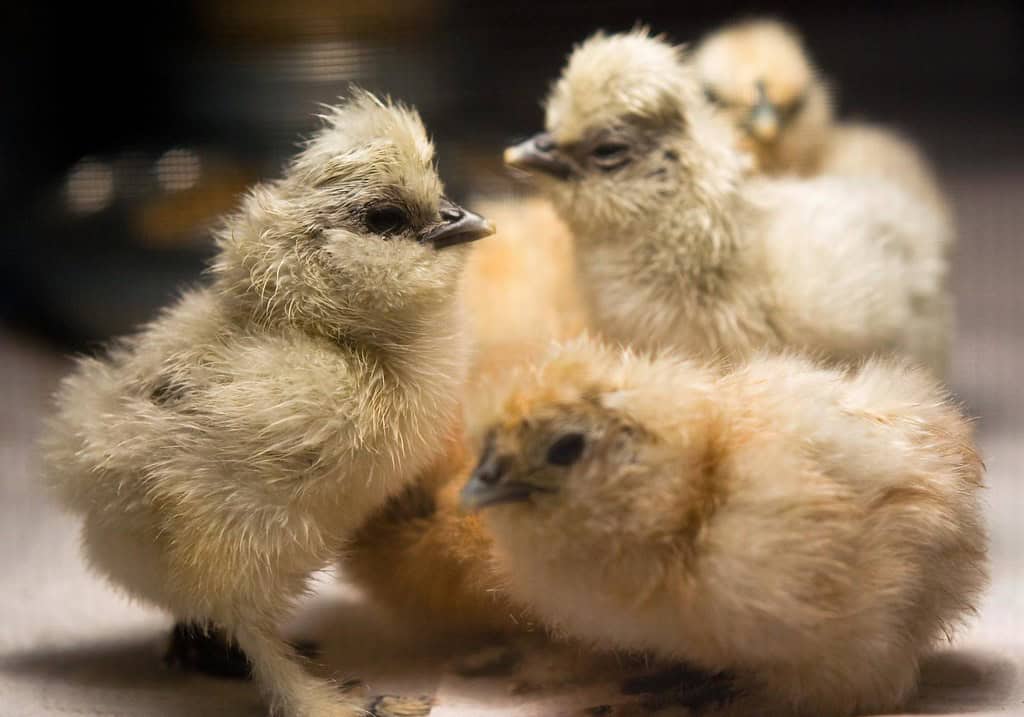
Small-scale and backyard egg production often handles the male chick issue differently than industrial operations. In these settings, dual-purpose breeds are more common, allowing households or small farms to raise males for meat. Some small producers even keep roosters alongside hens, though this is limited by noise regulations in many areas and the fact that eggs don’t need roosters to be produced (only to be fertilized). Small-scale operations may also have access to specialty markets or direct-to-consumer sales where the premium prices for dual-purpose products are more achievable.
While backyard and small-scale production represents a tiny fraction of total egg production, it offers a model for more integrated approaches to chicken farming. These approaches often prioritize animal welfare, sustainability, and connection to traditional farming practices over maximum productivity. The growing interest in backyard chicken keeping and local food systems suggests that these alternative models may continue to expand, though they’re unlikely to replace large-scale commercial production in the foreseeable future.
Future Directions and Conclusions
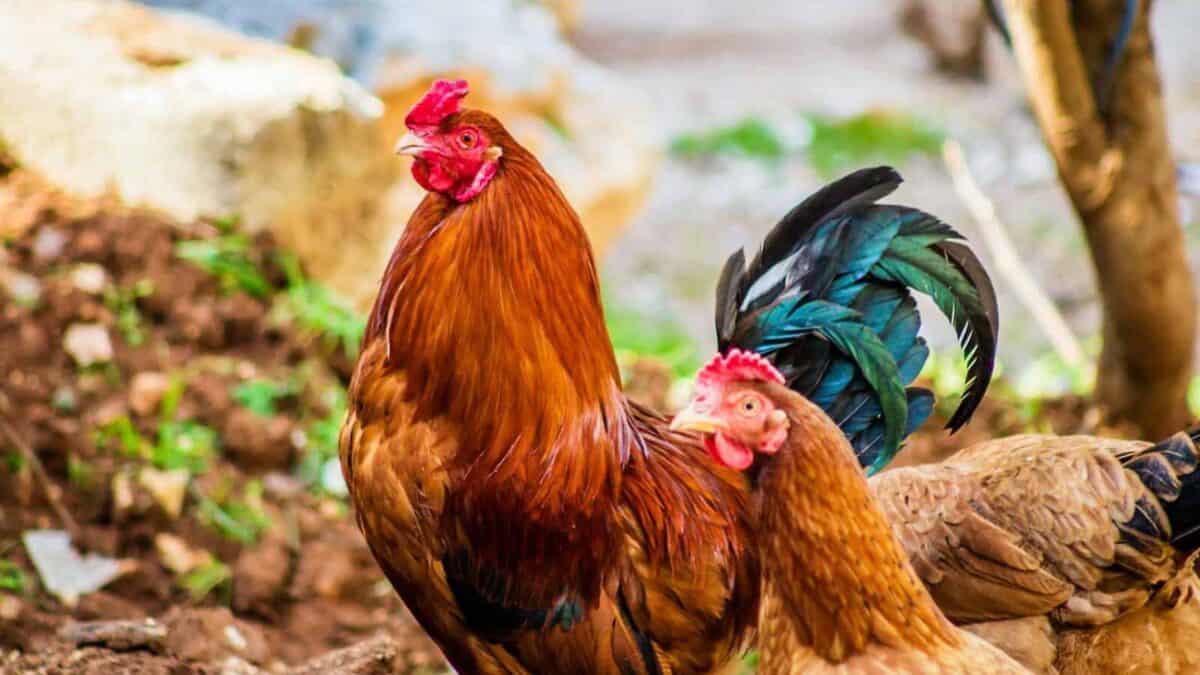
The issue of male chicks in egg farming represents a significant ethical challenge for modern food production. As technology advances and consumer awareness grows, the egg industry is moving—albeit at different paces in different regions—toward alternatives to the current practice of culling day-old males. In-ovo sexing technologies appear to be the most likely solution for large-scale commercial production, while dual-purpose breeds may remain important for smaller-scale and specialty markets.
The transition away from male chick culling illustrates the complex interplay between ethics, economics, technology, and consumer preferences in shaping food production practices. It highlights how practices once considered inevitable can change when sufficient pressure, innovation, and willingness to adapt converge. While the complete elimination of male chick culling may still be years away in many markets, the direction of change appears clear, moving toward production systems that address this ethical concern while still meeting the global demand for eggs.

From exploring the marine wonders in the Azores and witnessing the vast savannas of Kenya, to delving deep into the rich biodiversity of South Africa and traversing iconic landscapes in Australia and the US like Yellowstone, Chris's experiences are vast.
With a penchant for diving alongside sharks, the ocean holds a special place in his heart.
Through his academic insights, he champions wildlife conservation, striving with 'Animals Around The Globe' to cultivate a profound connection between humans and animals, enhancing our mutual appreciation.
Connect with him at Feedback@animalsaroundtheglobe.com.
- Jaguars Are the Only Cats That Crush Skulls—Here’s Why - June 22, 2026
- This Fish Has the Most Teeth in the Ocean—And Uses Them Well - June 22, 2026
- Bears Sit Like Humans While They Watch the World Go By - June 22, 2026