
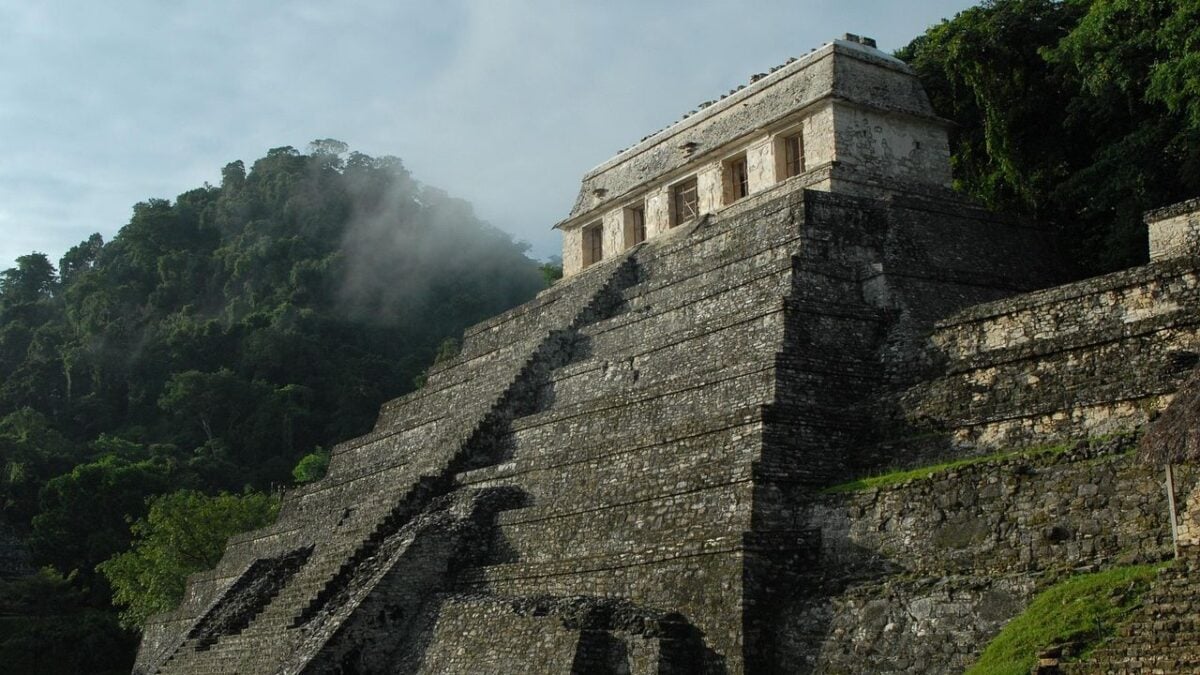
Picture this: thriving cities full of life, bustling marketplaces, intricate architecture stretching toward the sky, entire civilizations at the peak of their power. Then, silence. Emptiness. Stone temples swallowed by jungle vines, grand palaces left to crumble under desert sands. Throughout history, remarkable civilizations have simply… disappeared, leaving behind nothing but ruins and questions that haunt us to this day.
What could drive entire societies to abandon everything they’d built? Was it drought, war, disease? Or something even more mysterious? Let’s journey through time and explore ten ancient civilizations that vanished from the face of the earth, taking most of their secrets with them.
The Indus Valley Civilization: When the Waters Dried Up
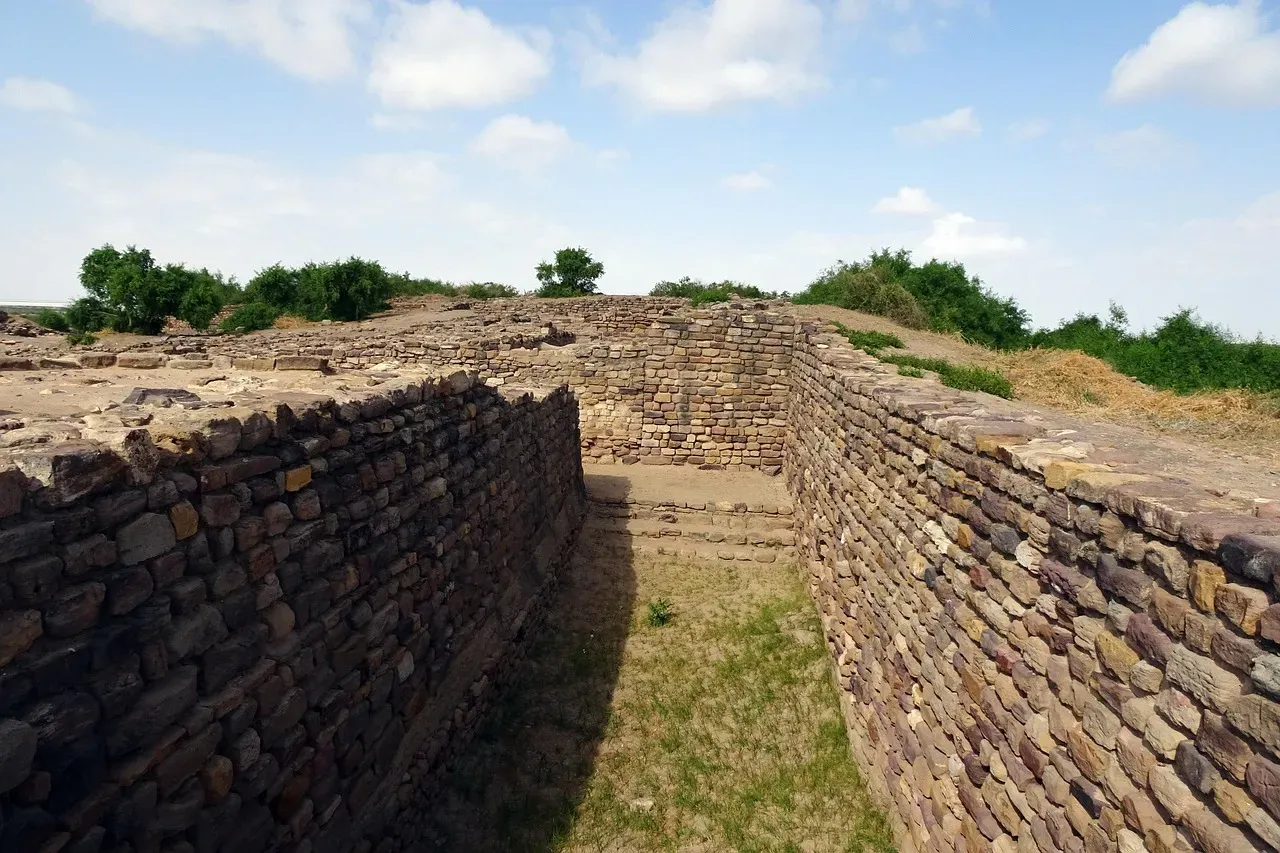
Stretching across parts of modern-day Pakistan, northwestern India, and northeast Afghanistan, the Indus Valley Civilization was a Bronze Age powerhouse that thrived from roughly 3300 BCE to 1300 BCE. This wasn’t some small settlement. At its height, the civilization occupied over 386,000 square miles and accounted for an estimated 10 percent of the world’s population.
The Indus people were incredibly advanced for their time. They developed a writing script that’s still yet to be deciphered, and their cities contained sanitation systems that remained unequaled until Roman times. Roughly 3,000 years ago, this sophisticated civilization disappeared. Many scholars believe that drought, combined with a decline in trade with Egypt and Mesopotamia, caused the collapse. A new study reveals that a prolonged drought lasting 900 years slowly destroyed irrigation systems, devastated agriculture, and eventually forced people to abandon thriving urban centers like Harappa and Mohenjo-Daro.
The Minoans: Europe’s First Civilization Lost to Fire and Ash
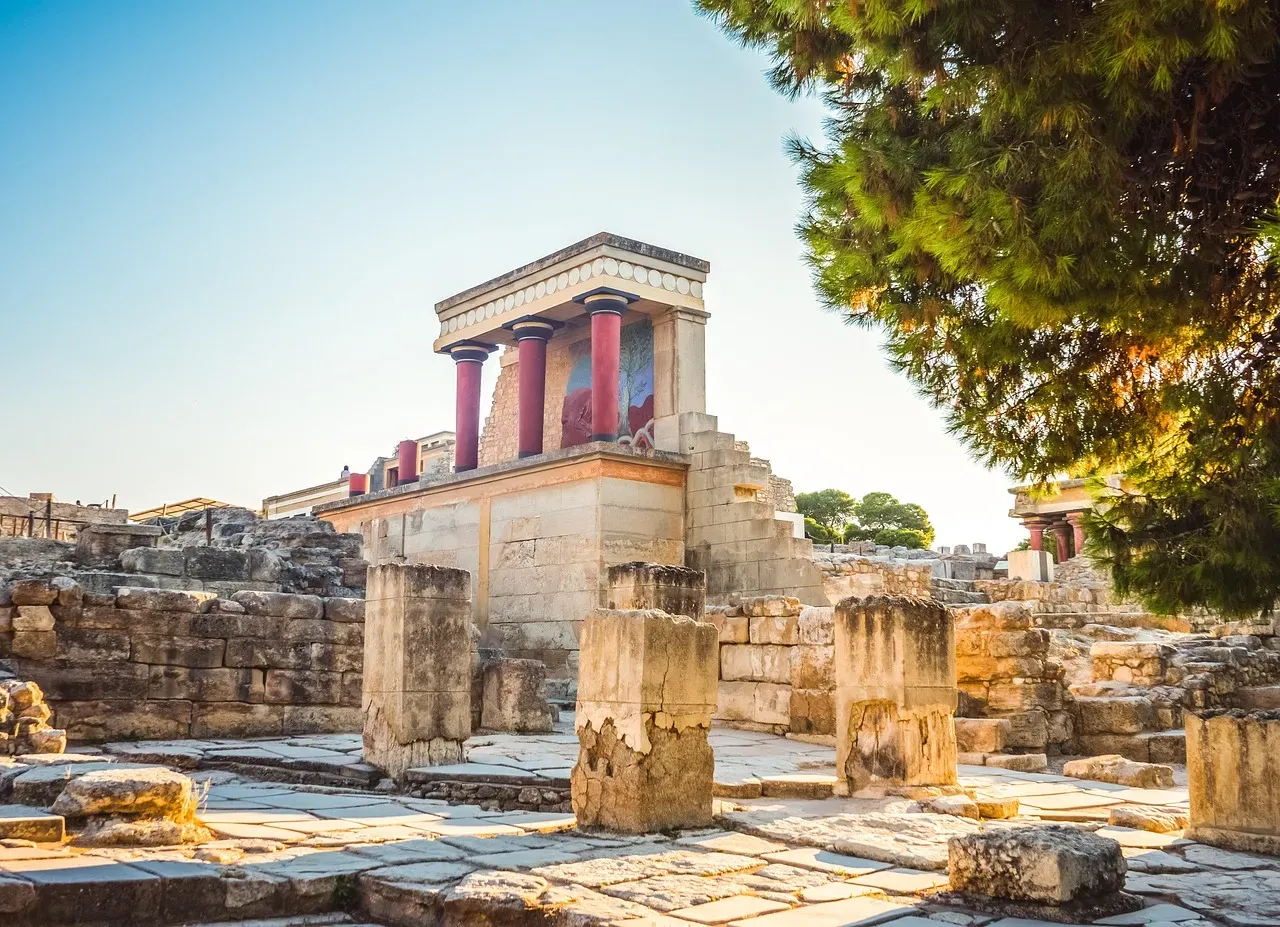
The Minoan civilization emerged on the island of Crete and flourished from around 3000 BCE to 1450 BCE, becoming one of the most advanced civilizations in the Mediterranean region. The Minoans were the first Europeans to use a written language known as Linear A and the first to construct paved roads. They built elaborate palaces, created stunning artwork, and commanded a maritime empire that rivaled ancient Egypt.
Despite their remarkable accomplishments, the Minoan civilization came to an abrupt end in 1450 BCE. A catastrophic volcanic eruption on the island of Thera around 1470 BCE generated tsunamis between 100 and 165 feet high that hit the Cretan coast with terrifying fury, destroying everything they could reach, accompanied by volcanic ash and poisonous fumes. The civilization collapsed around 1450 BCE, with tsunamis and ash falls from the Theran eruption likely contributing, though not fully accounting for the collapse. Some experts now believe a combination of natural disaster and later Mycenaean invasion sealed their fate.
The Classic Maya: A Jungle Reclamation
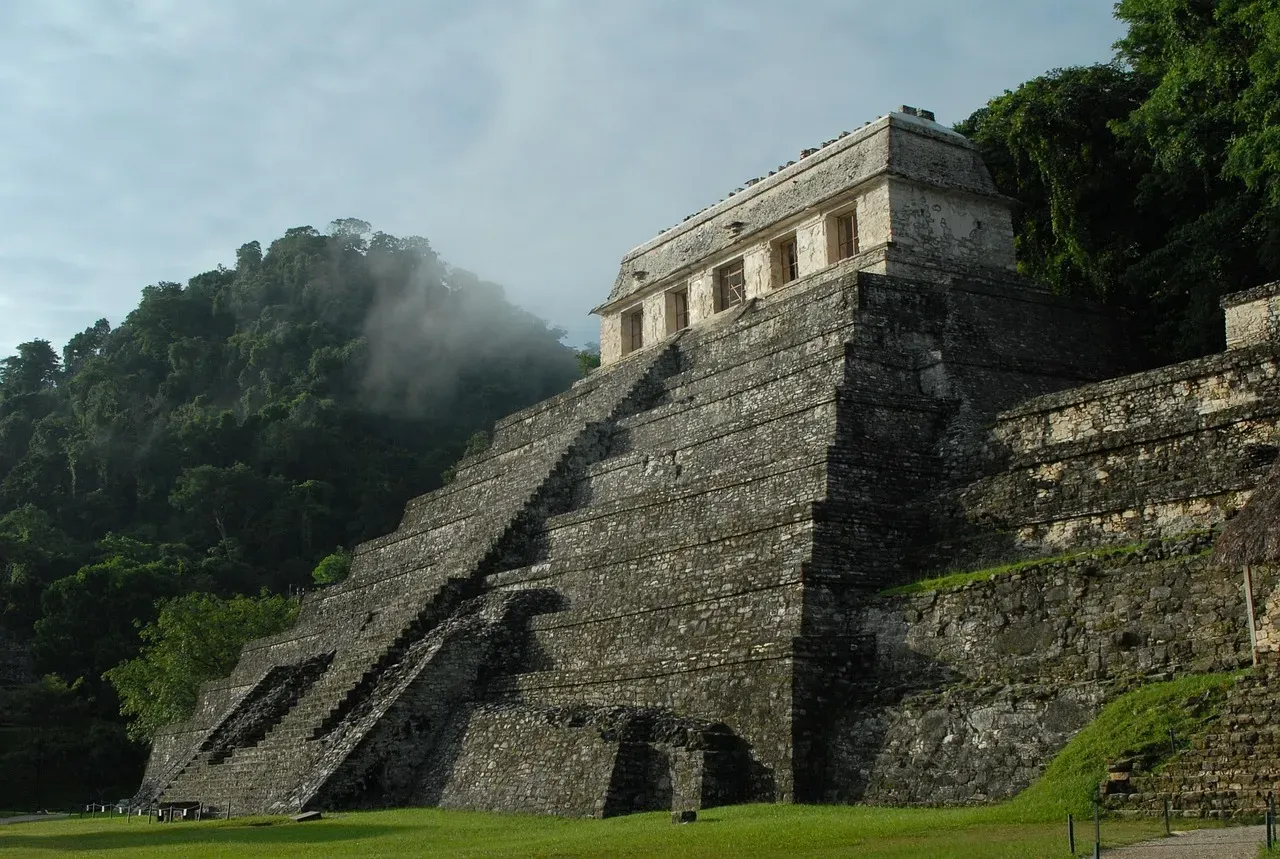
The Maya carved large stone cities into the jungles of southern Mexico and Central America, with elaborate plazas, palaces, pyramid-temples, and ball courts, reaching the peak of their influence during the Classic Period from around 250 to 900 CE. They developed hieroglyphic writing, mastered mathematics and astronomy, and built architectural wonders that still inspire awe.
At the end of the Classic Period, in one of history’s great enigmas, the populace suddenly deposed its kings, abandoned the cities, and ceased technological innovation. From climate change to deforestation to lack of action by Maya kings, there is no universally accepted collapse theory, although drought has gained momentum as the leading explanation. Rapid deforestation reduced precipitation by five to 15 percent and was responsible for 60 percent of the total drying that occurred over the course of a century as the civilization collapsed. The great cities were swallowed by vegetation, hidden for centuries until explorers rediscovered them.
The Ancestral Puebloans: Cliff Dwellers Who Walked Away
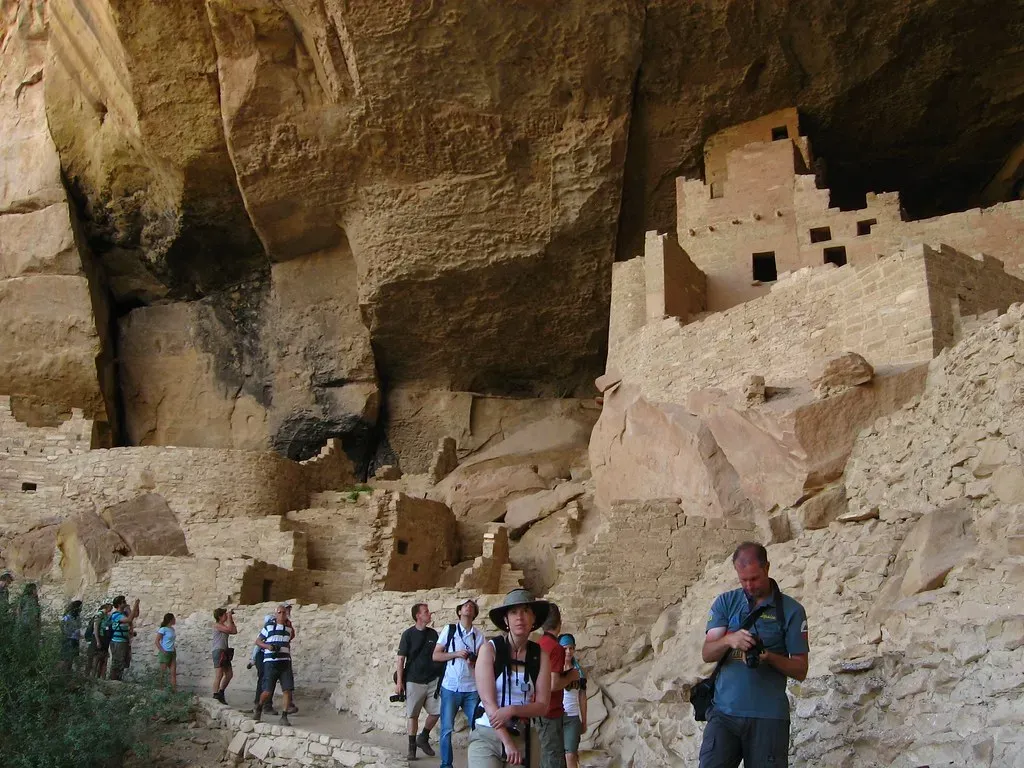
The Ancestral Puebloans, also known as the Anasazi, were a prehistoric Native American civilization that thrived in the American Southwest from approximately 100 to 1600 CE, renowned for their impressive cliff dwellings, intricate pottery, and advanced agricultural practices. They built astoundingly complex and impressive housing blocks into the sides of cliffs and mountains, with some structures housing hundreds, if not thousands, of people at one time.
By the end of the 13th century, their civilization had largely collapsed and they abandoned their major settlements. From 1276 to 1299, the infamous Great Drought devastated the region. A severe and prolonged drought lasting several decades devastated their agricultural base, with tree-ring data indicating significant aridity during the late 13th century that made farming unsustainable. Scientists believe a megadrought made it impossible to grow enough food to feed the tens of thousands of people living in the region.
Cahokia: America’s Forgotten Metropolis
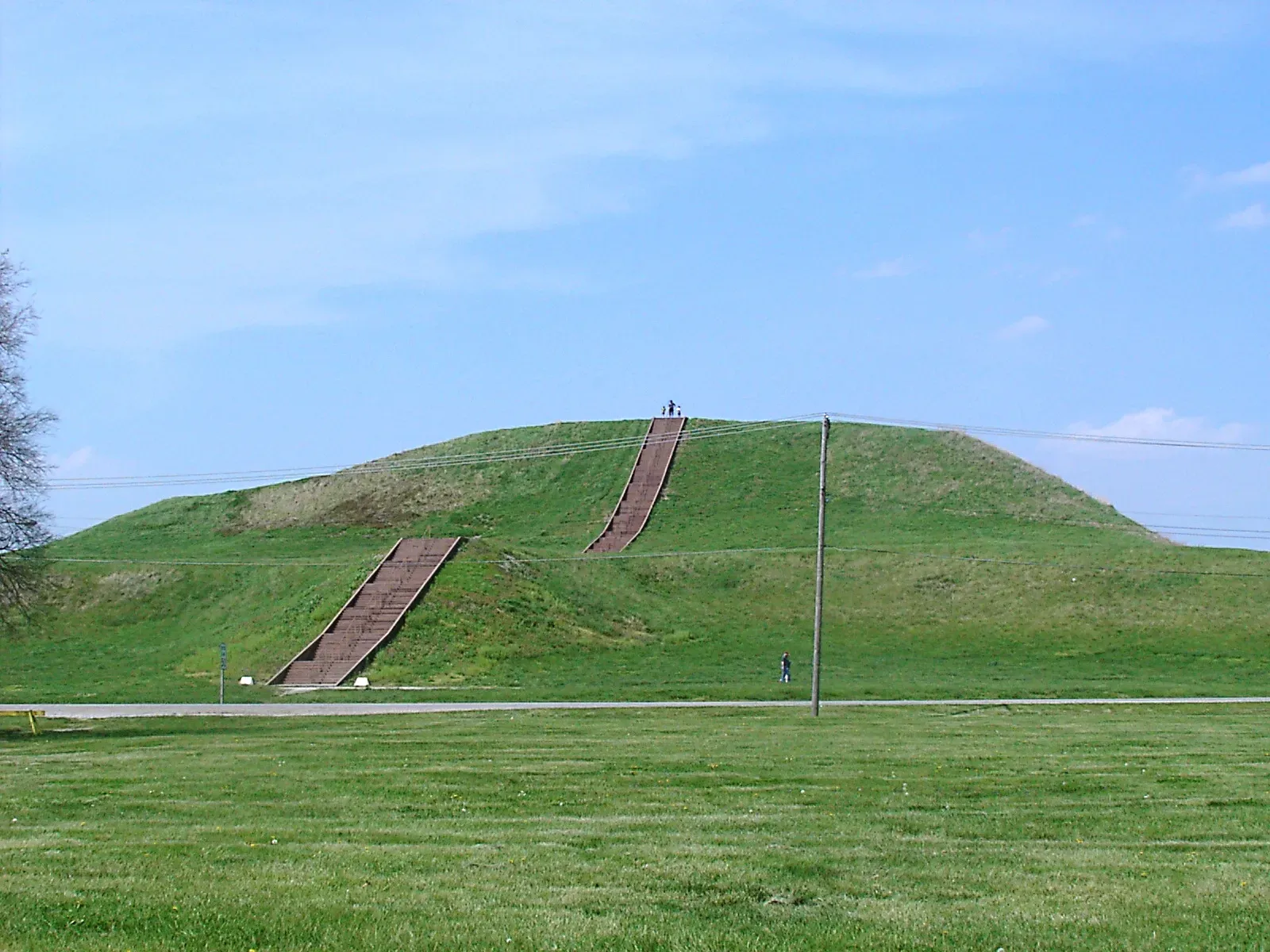
Indigenous villages began popping up around 1,200 years ago in the fertile river valleys of the American Southeast and Midwest, with Cahokia, located near present-day St. Louis, Missouri, becoming by far the largest, hosting a population of up to 20,000 at its peak. This inaugural American city was a marvel. Surrounded by a high wooden stockade, it featured many plazas and at least 120 earthen mounds, the largest known as Monks Mound standing 100 feet tall and built with some 14 million baskets of soil.
Cahokia’s decline began around 1250 or 1300 and culminated in the site’s mysterious abandonment by 1350. Experts don’t know with certainty what led to the gradual demise, but popular theories suggest environmental degradation or famine and disease resulting from poor sanitation. The population was washed out by a massive flood sometime around 1200 CE, though debate continues about whether flooding, drought, or resource depletion was the primary culprit.
Rapa Nui: The Island That Consumed Itself
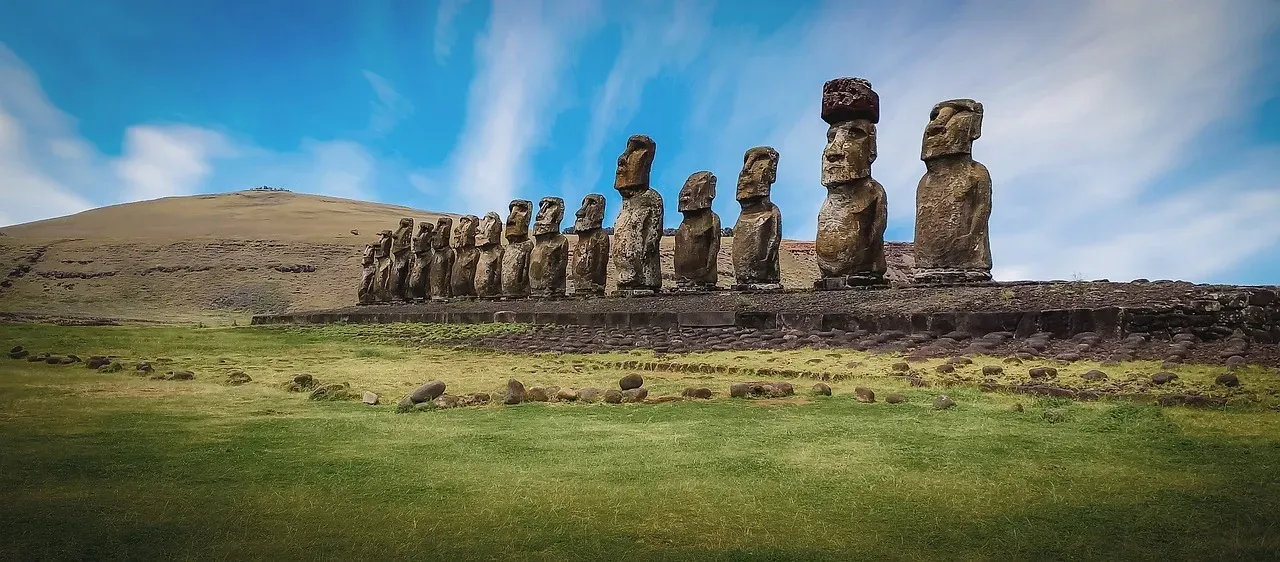
The remote island now known as Easter Island was once a thriving hub of commerce along a heavily trafficked trade route in the Southern Pacific Ocean, settled by Polynesian sailors sometime in the 9th century CE, with a population estimated at 15,000. The most famous remnants are the Easter Island Heads, massive stone statues weighing thousands of pounds that are actually connected to much larger bodies buried underground.
By the time Europeans arrived in the 18th century, the population had dwindled to a minuscule 2,000-3,000 people. Scientists discovered that Easter Islanders cut down almost every last tree, with rats eating the trees’ seeds before forests could regenerate, creating an ecological catastrophe that eliminated the ability to make rope or seagoing canoes and ushered in a period of mass starvation and civil war. What was once paradise became a cautionary tale of resource depletion.
The Khmer Empire: Swallowed by the Jungle
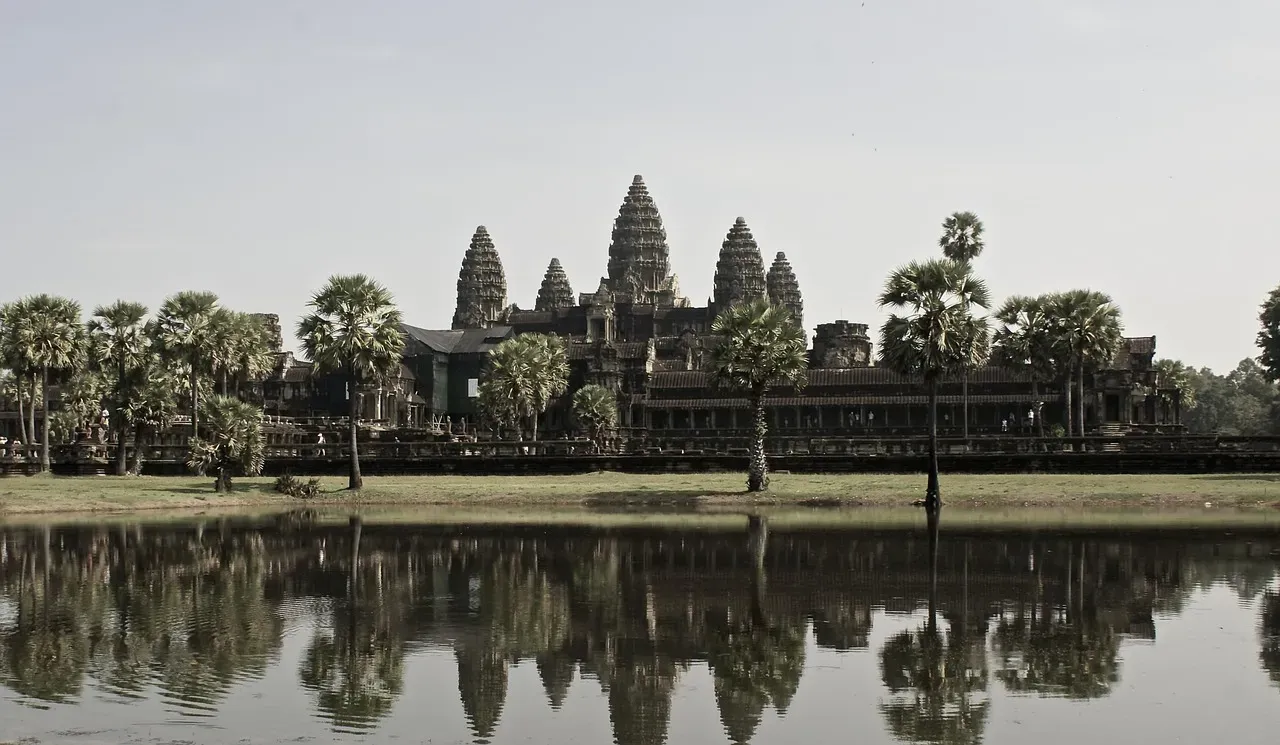
The Khmer empire spread across modern-day Cambodia, with Angkor as one of the civilization’s largest cities, featuring an extensive system of roads and canals and an estimated population of as many as one million people, reaching its height between 1000 and 1200 CE before experts became unsure what caused the civilization to disappear. The temples of Angkor Wat remain among the most spectacular architectural achievements in human history.
Experts are unsure what caused the civilization to disappear, leaving its cities at the mercy of the relentless jungle, with theories ranging from war to environmental catastrophe. The prosperity of the Minoan civilization faced disruption due to geopolitical shifts and natural disasters, with catastrophic events around 1600 BCE severely impacting maritime routes while the ascendancy of neighboring powers disrupted the balance. The jungle slowly reclaimed what humans had built, hiding these monuments from the world for centuries.
The Olmecs: Mesoamerica’s Mother Culture
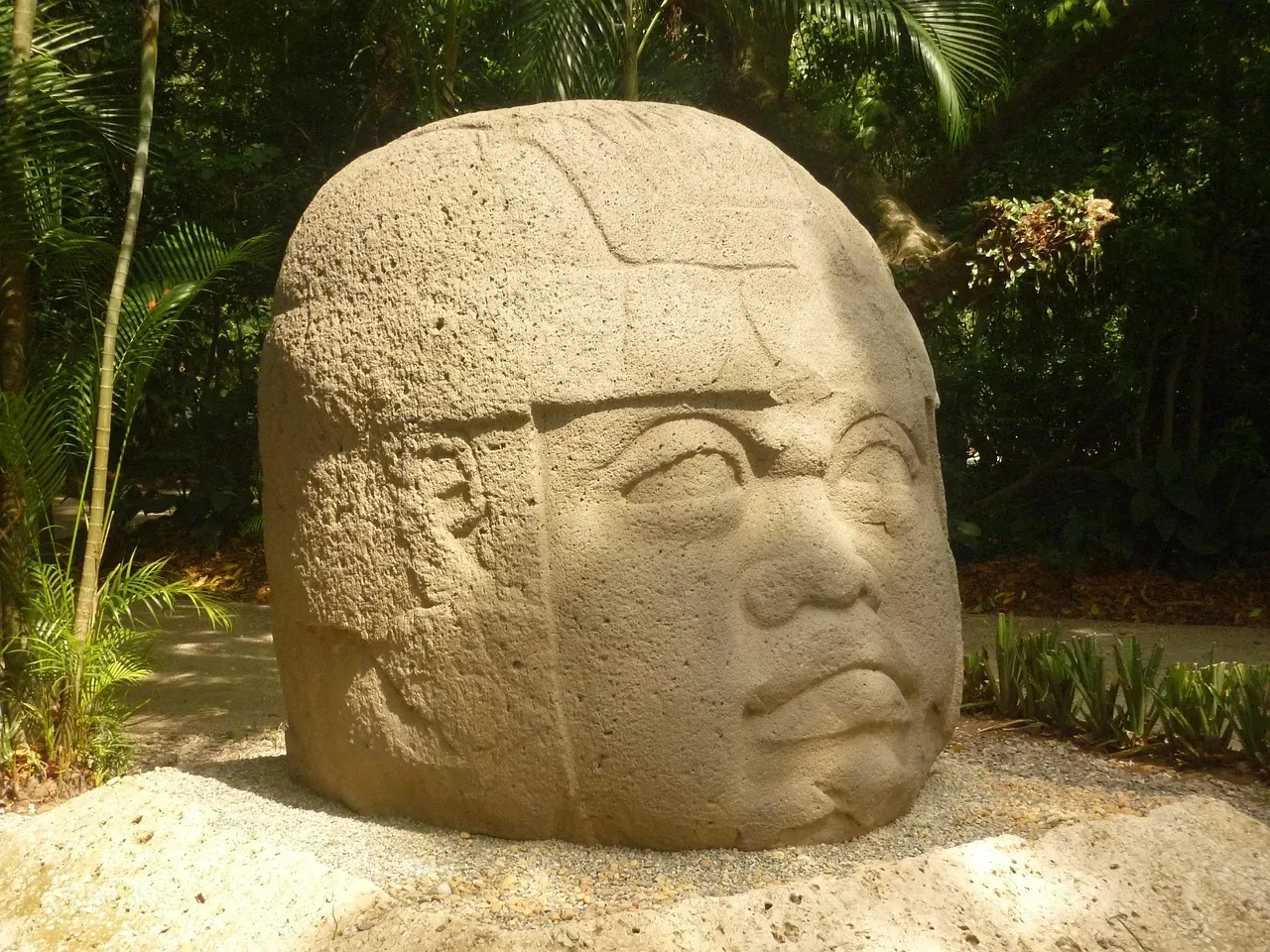
The Olmecs developed their civilization along the Gulf of Mexico around 1100 BCE. Although most evidence of their structures has disappeared, many carved heads remain to commemorate their existence. Known for colossal stone heads with distinctly African features, the Olmecs were master sculptors and engineers who influenced later Mesoamerican cultures.
All archaeological evidence of the society disappeared after 300 BCE, with their graves since vanished, making it impossible to determine why or if they were killed by disease or force, though civil war, famine, and natural disaster are leading theories. Without written records or skeletal remains, the Olmec disappearance remains one of ancient America’s most perplexing mysteries. Their legacy lived on through the Maya and Aztecs who followed, but the Olmecs themselves vanished without explanation.
Çatalhöyük: The World’s Oldest City Abandoned
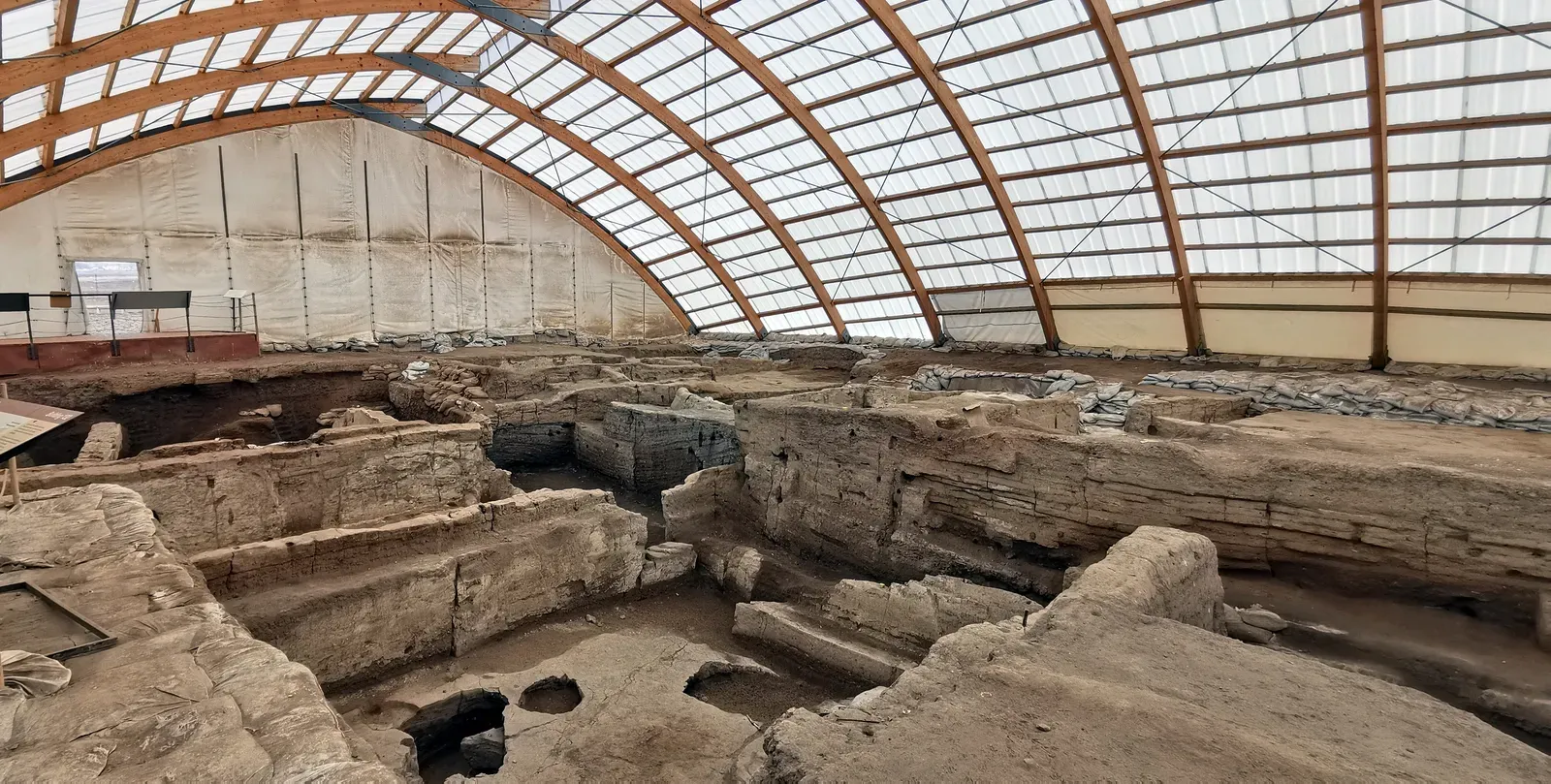
Modern-day south-central Turkey was once home to one of the world’s oldest cities, Çatalhöyük, which was part of an extensive civilization that flourished between 9,000 and 7,000 years ago and then suddenly disappeared. Often called the world’s oldest city, Çatalhöyük was built with no roads as we know them, instead constructed like a hive with houses built next to each other and entered through holes in the roofs, with people farming outside the city walls and reaching their homes via ladders and sidewalks that traversed the roofs.
The civilization was pre-Iron Age and pre-literate but left behind ample evidence of a sophisticated society full of art and public ritual, possibly 10,000 strong at many points in its 2,000-year existence. Why people eventually abandoned the city is unknown. Was it disease, warfare, environmental change? We may never know what caused this ancient urban experiment to fail.
The Nabateans: Masters of the Desert Who Faded Away
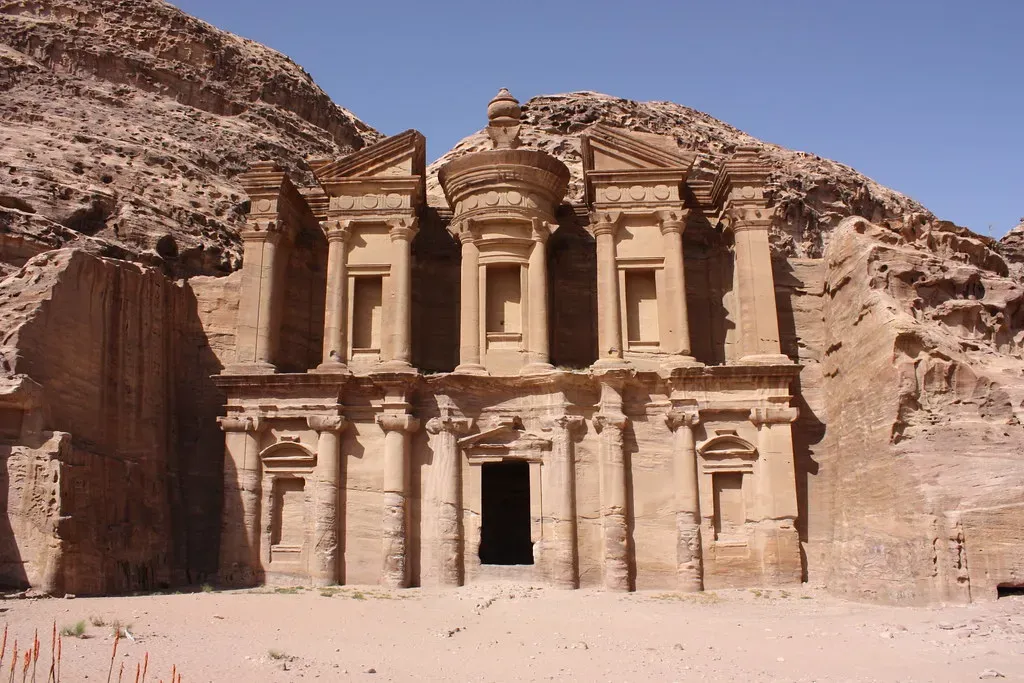
The Nabatean culture, part of a Semitic language group that includes Arabs, Akkadians, and Hebrews, existed since at least 312 BC when they are mentioned as having been attacked by the Macedonians, with this ancient kingdom spanning the territories of Syria, Arabia, and Palestine at one point. They were masters at water management, building elaborate systems to capture and store rainwater in one of the world’s harshest deserts.
They disappeared from the world stage sometime around 400 BC. The Nabateans left behind the magnificent rock-carved city of Petra, which became a UNESCO World Heritage Site. Yet the people themselves faded into history, possibly absorbed by other cultures or displaced by changing trade routes. Their advanced hydraulic engineering and architectural marvels stand as silent testimony to a people who thrived where survival seemed impossible, then vanished as mysteriously as they had appeared.
Conclusion
These ten civilizations remind us that even the mightiest societies can crumble. Whether through environmental catastrophe, resource depletion, warfare, or a perfect storm of multiple factors, these cultures reached their breaking point and simply… ended. Their abandoned cities and mysterious artifacts force us to confront uncomfortable truths about the fragility of civilization itself.
Perhaps the real mystery isn’t why they disappeared, but what lessons we’re meant to learn from their absence. In an era of climate change, resource scarcity, and political instability, their stories feel less like ancient history and more like warnings from the past. What do you think caused these civilizations to vanish? Could similar fates await our modern world?
