
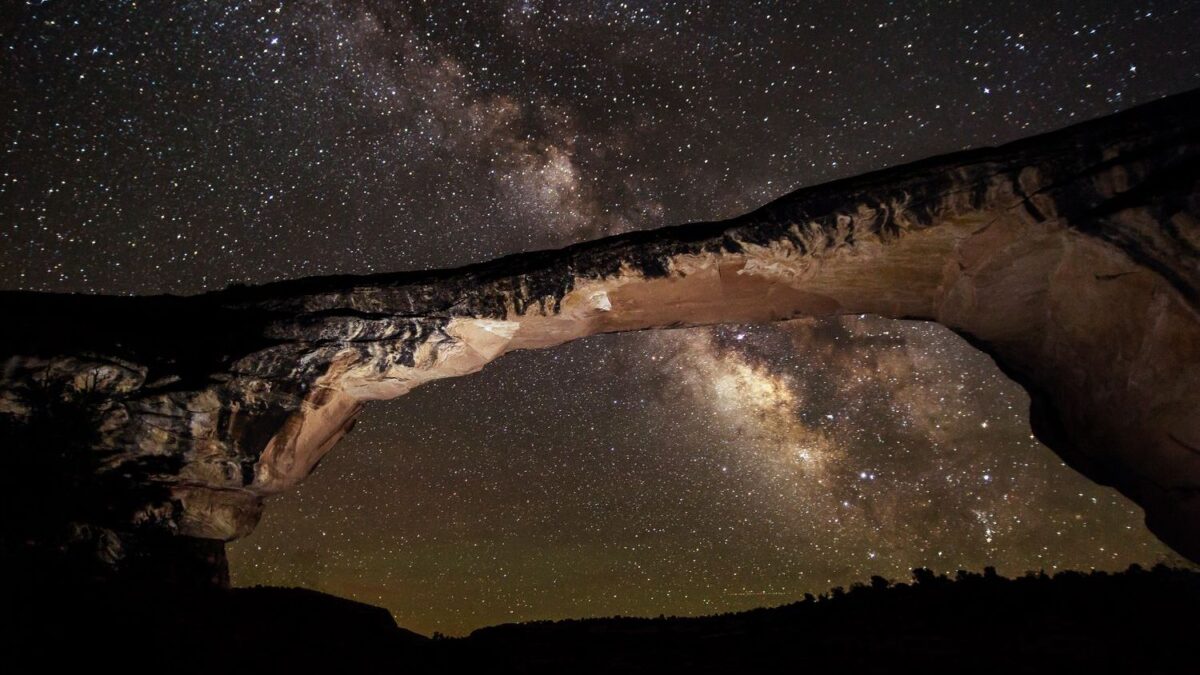
When was the last time you looked up and actually saw stars? Not just a few dim pinpricks struggling through city lights, but thousands upon thousands of them stretching across the sky like spilled diamonds. For most of us, it’s been too long.
Light pollution has stolen one of nature’s oldest shows from roughly four out of every five Americans. Yet scattered across this country are places where darkness still reigns, where the Milky Way arches overhead so brightly it can cast shadows. These aren’t just pretty views – they’re journeys back to the sky our ancestors knew, the one that inspired myths and guided travelers for millennia.
Great Basin National Park, Nevada
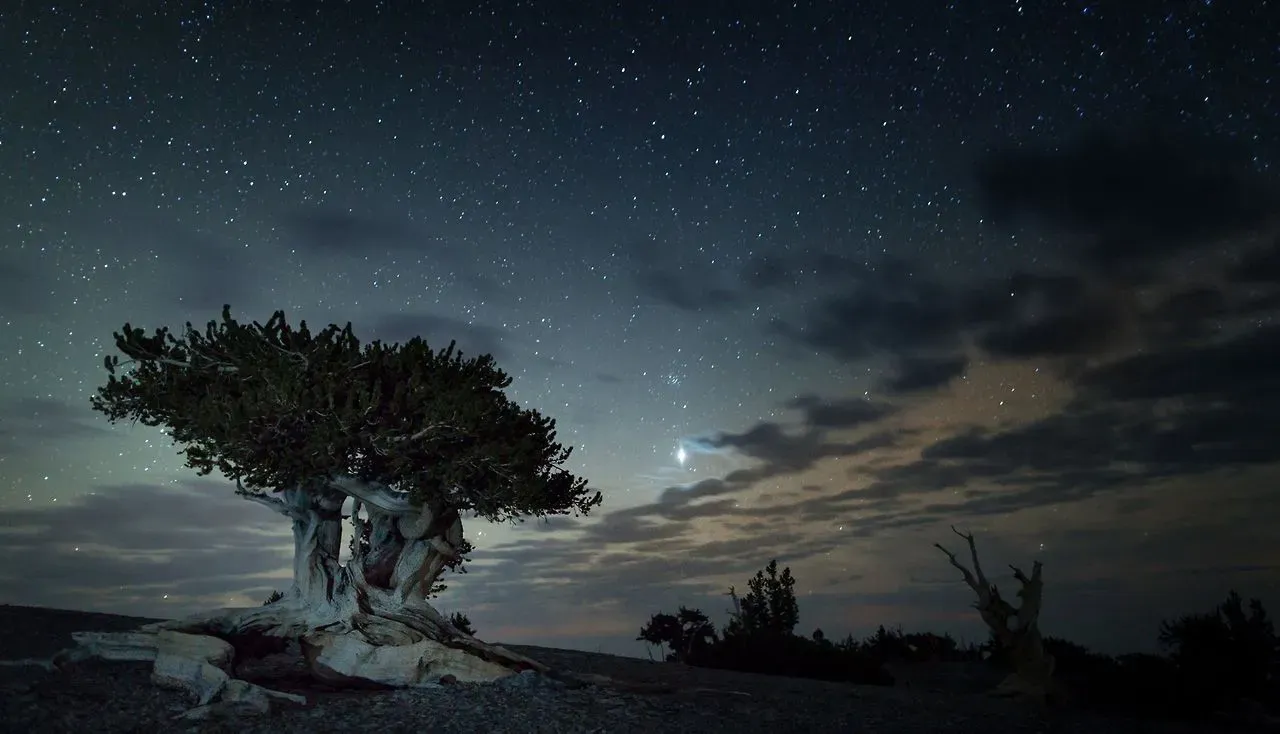
Great Basin National Park in Nevada is considered the best national park for stargazing, where the night sky looks like it did a thousand years ago. Tucked away in a remote corner of the state, this park feels like stepping off the grid entirely.
Stargazing programs run three nights weekly during summer, with the annual Astronomy Festival happening mid-September during a new moon, featuring lectures, night hikes, telescope viewings, and solar scopes. The isolation here is part of the magic – you’re genuinely far from anything resembling civilization, which means the stars shine with an intensity that’ll make you question everything you thought you knew about the night sky.
Death Valley National Park, California
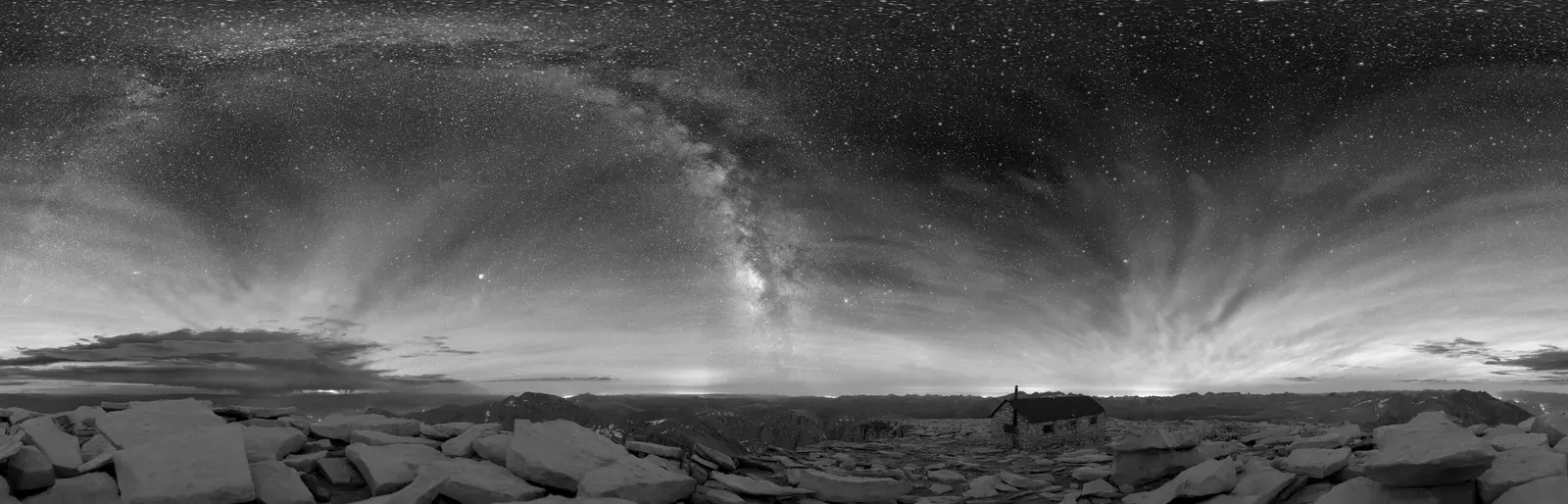
Death Valley’s unique combination of geographical and atmospheric conditions makes it an exceptional place for celestial observation, with its remoteness and bowl shape effectively eliminating light pollution. Think about it – you’re in one of the hottest, driest places on Earth, yet at night it transforms into something extraordinary.
The Milky Way becomes so vivid at Death Valley that it can cast shadows on the ground during moonless nights, a sight rarely seen elsewhere. Death Valley holds International Dark Sky Park classification with the IDA’s highest Gold Tier designation, and excellent stargazing vantages include Ubehebe Crater, Mesquite Flat Sand Dunes, and Badwater Basin. The contrast between the harsh daytime landscape and the stunning celestial display after dark creates an experience you won’t find replicated anywhere else.
Cherry Springs State Park, Pennsylvania
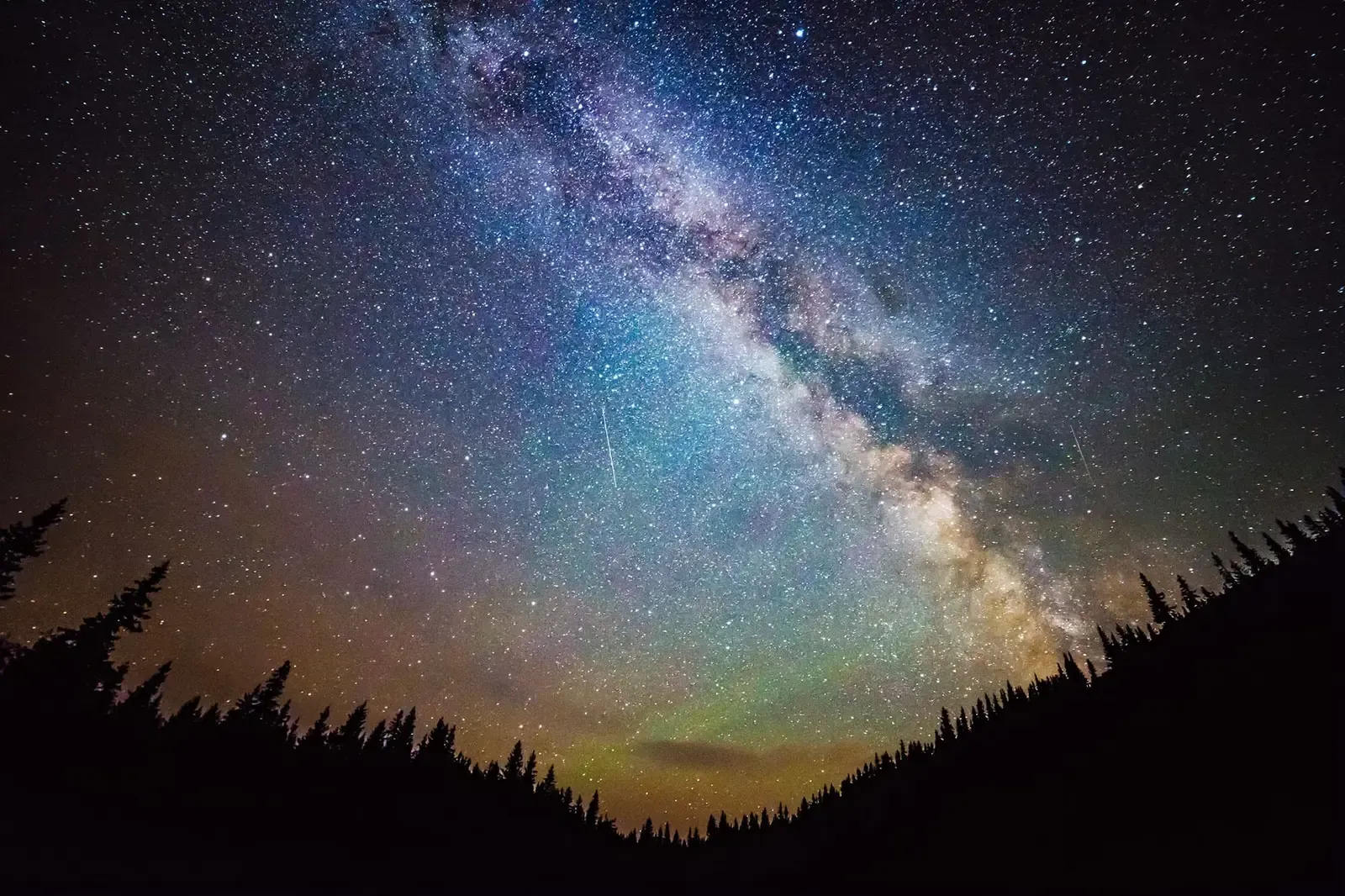
Here’s something surprising – one of America’s premier stargazing destinations sits right on the East Coast. Cherry Springs State Park has exceptionally dark skies and is recognized as one of the best places on the eastern seaboard for stargazing, declared Pennsylvania’s first Dark Sky Park in 2000. The park is popular with astronomers for having some of the darkest night skies on the east coast of the United States.
On June 11, 2007, the International Dark-Sky Association named Cherry Springs the second International Dark Sky Park, where under optimum conditions the Milky Way casts a discernible shadow. Cherry Springs has Gold Level Everywhere Dark Sky Park designation from the International Dark Sky Association, with about 60-85 nights a year lending themselves to ideal stargazing conditions. The park hosts two major star parties annually that draw hundreds of professional astronomers, creating a community atmosphere where beginners and experts mingle under the cosmic canopy.
Big Bend National Park, Texas
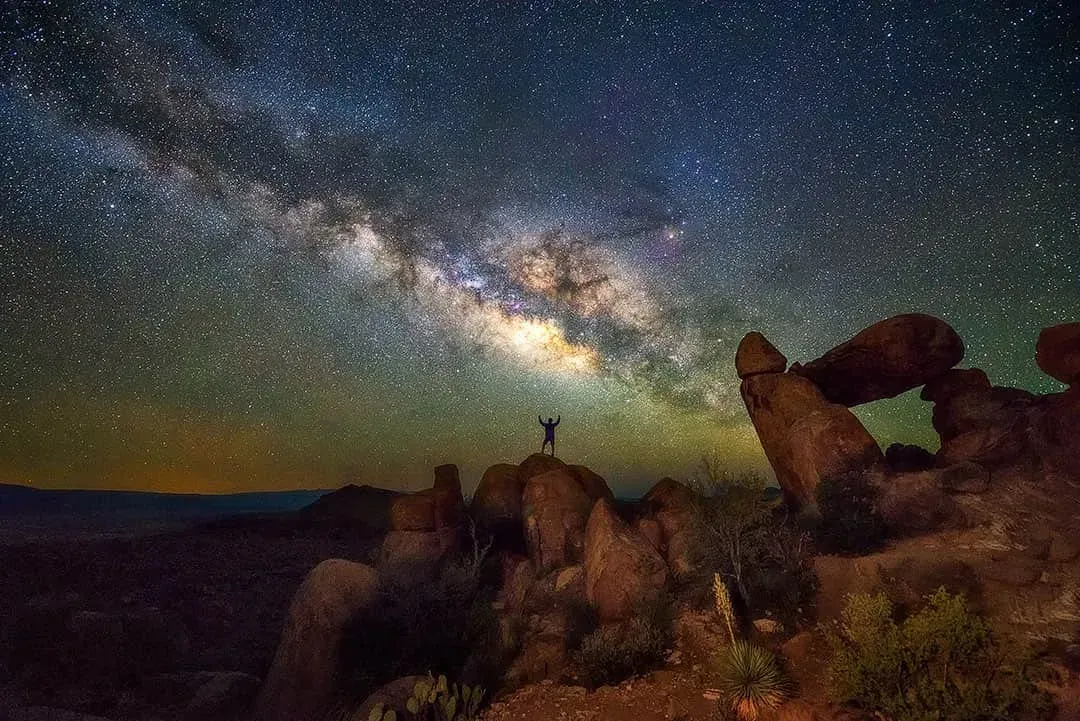
Big Bend’s massive surface area of over 800,000 acres and little-to-no light pollution make it one of the best spots to stargaze in America, recognized as an International Dark Sky Park. The sheer remoteness of this place is almost unfathomable – you’re hundreds of miles from any major city, surrounded by the vastness of the Chihuahuan Desert.
Far-west Texas geography creates some of North America’s darkest conditions at Big Bend, where hundreds of miles from major cities light pollution becomes a distant memory, and desert landscapes provide unobstructed views in every direction. Winter brings the most comfortable temperatures for extended stargazing sessions, which is when you’ll want to be here. The dry desert air combined with absolute isolation produces transparency in the night sky that makes even faint celestial objects visible without any equipment.
Natural Bridges National Monument, Utah
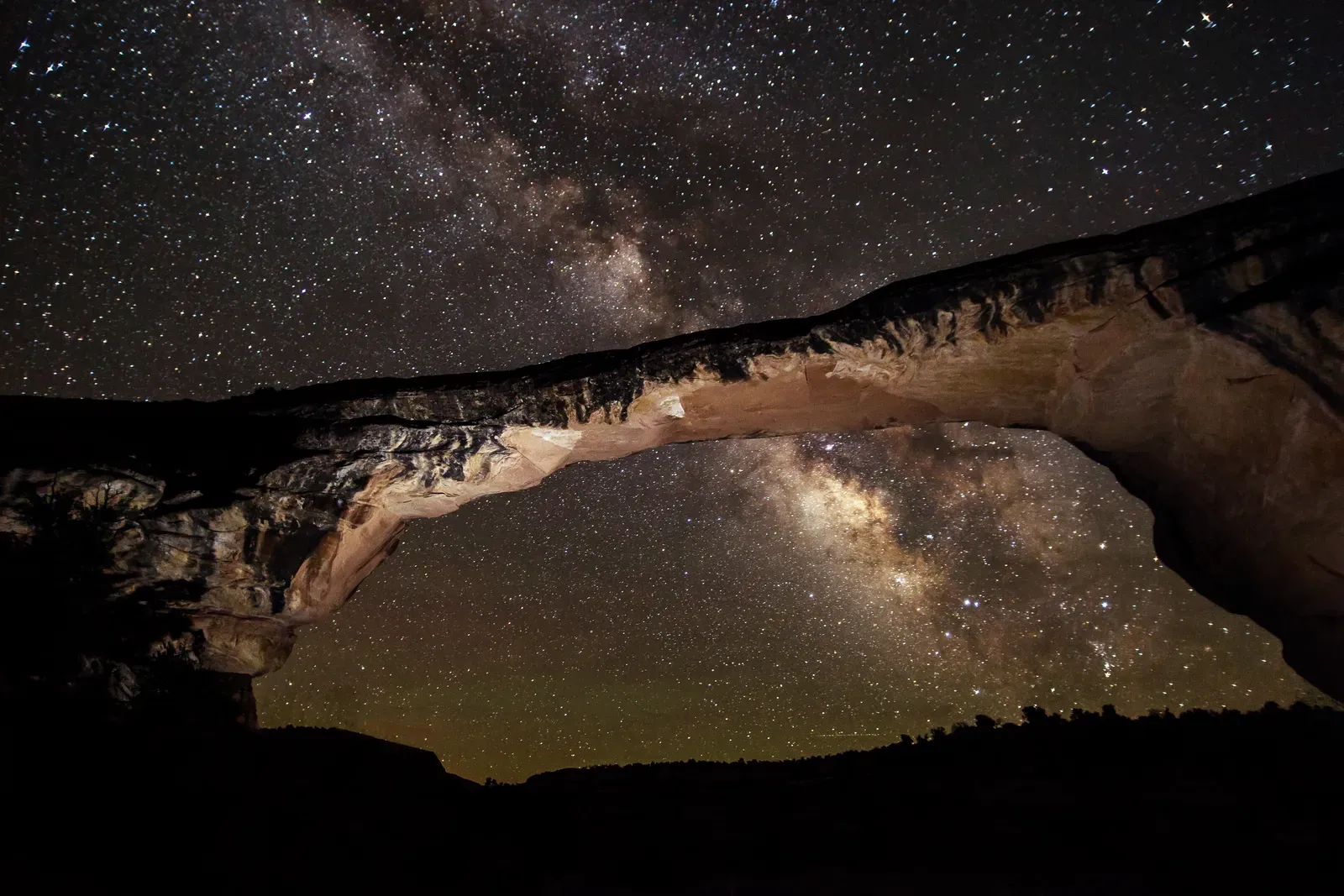
Natural Bridges National Monument became the first designated Dark Sky Park in 2007, and this small park in Utah is a paradise for astrophotographers with three cast sandstone arches including Owachomo, which has the Milky Way streaming behind it in summer. The significance of this place goes beyond just dark skies – it literally started the entire International Dark Sky Park movement.
Natural Bridges is considered a bucket-list destination for those who love stargazing, one of the top spots for astrophotography in the world, where the natural rock bridges form a compelling foreground against the easily visible Milky Way. Those iconic Western rock formations silhouetted against rivers of stars create images that look almost too perfect to be real. Let’s be real, camping here is first-come, first-served and limited, so you’ll need to arrive early if you want to spend the night under these remarkable skies.
Voyageurs National Park, Minnesota
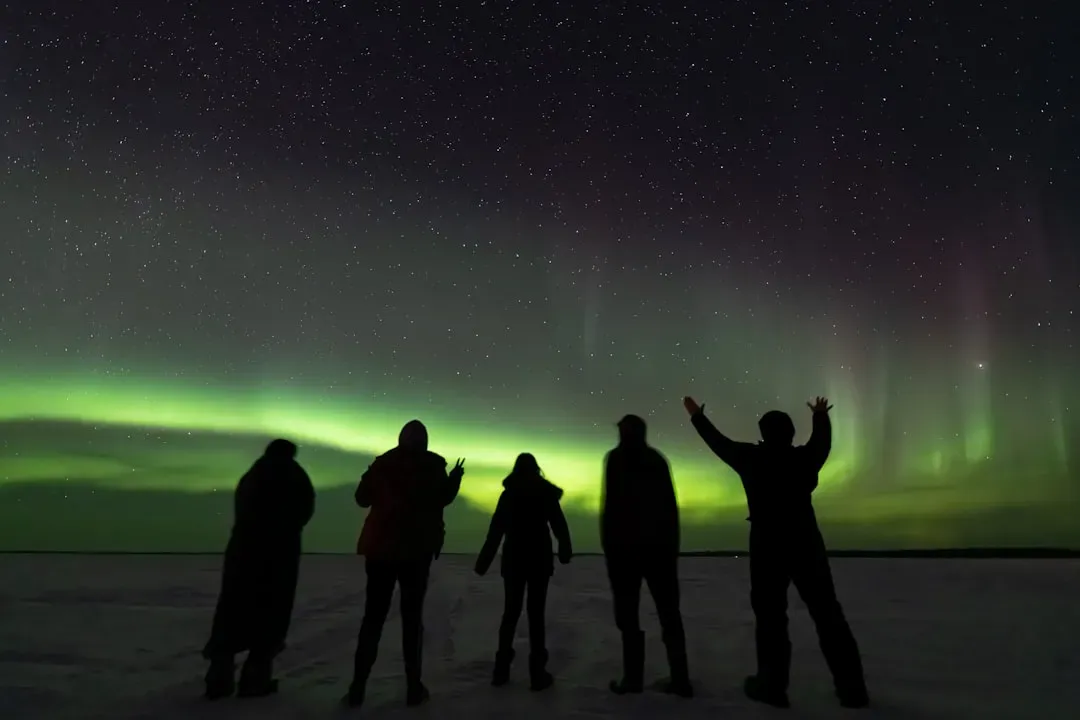
Most people don’t think of Minnesota when they think of stargazing, which is precisely what makes this spot so special. Voyageurs National Park is one of the best places to view the Northern Lights in the continental United States. Voyageurs’ skies average 21.45 on the Sky Quality Meter, signaling incredibly dark skies when the darkest possible sky measures 22.0.
With 218,000 acres of exceptional dark skies, Voyageurs offers many prime stargazing locations, enhanced by selecting spots with low light pollution and an open view such as a fishing dock or open field. Voyageurs Conservancy education specialists host constellation tours and telescope sessions in summer and special winter stargazing events. The water adds another dimension to the experience – imagine watching the aurora borealis reflect off the surface of a pristine northern lake.
Grand Canyon National Park, Arizona
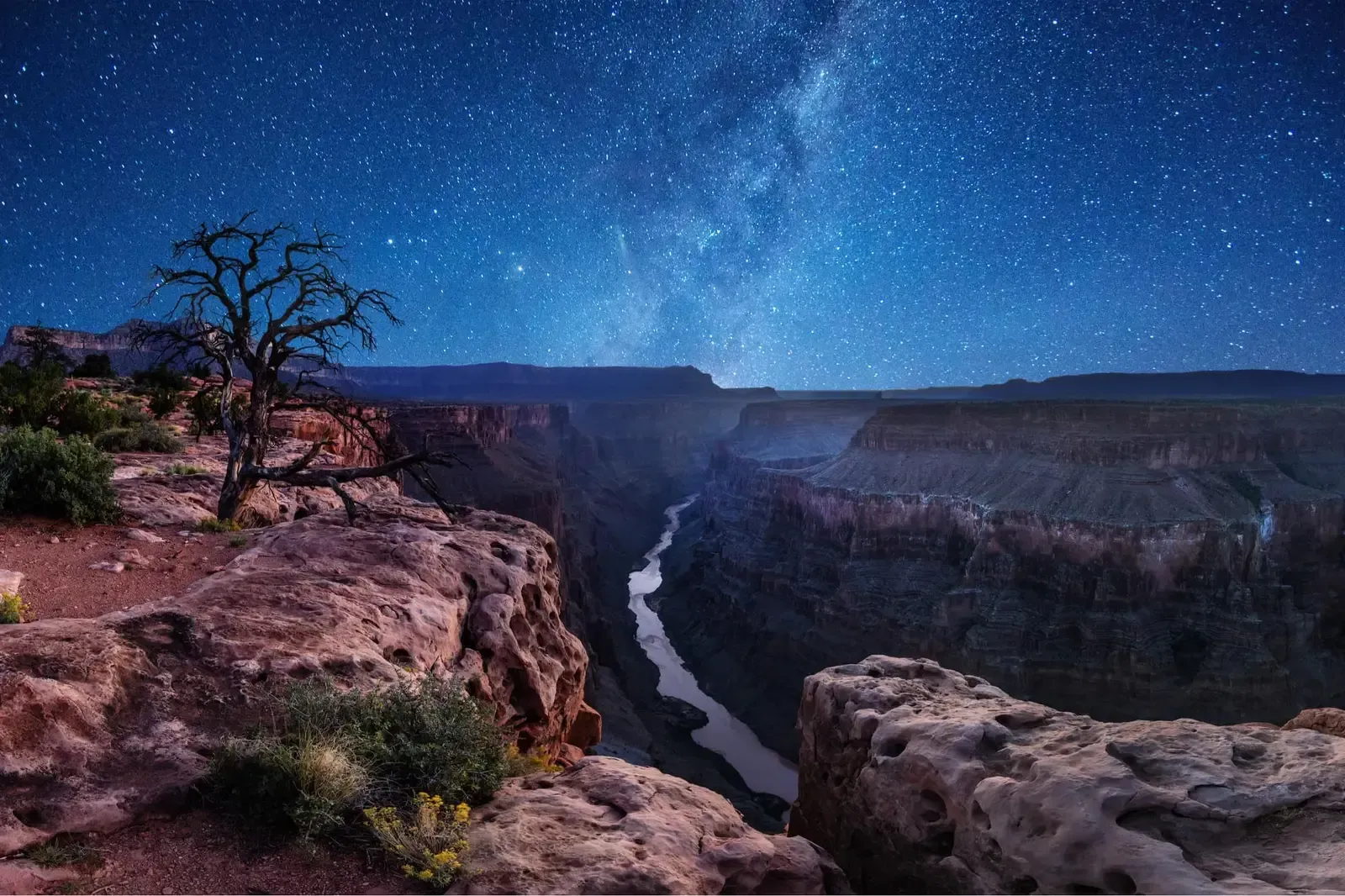
Since earning International Dark Sky Park certification in 2019, Grand Canyon transforms into a cosmic theater after sunset, with South Rim overlooks becoming perfect stargazing platforms and annual star parties drawing astronomy enthusiasts from around the world. I know it sounds crazy, but the canyon is somehow even more impressive at night.
Rangers lead educational programs explaining celestial navigation and constellation mythology, and the canyon’s massive scale creates a natural observatory where city lights can’t intrude. Standing on those rim trails under brilliant stars adds another layer to what’s already one of Earth’s most incredible natural wonders. The depth and vastness of the canyon becomes almost palpable in the darkness, making you feel simultaneously tiny and connected to something vast and ancient.
Conclusion
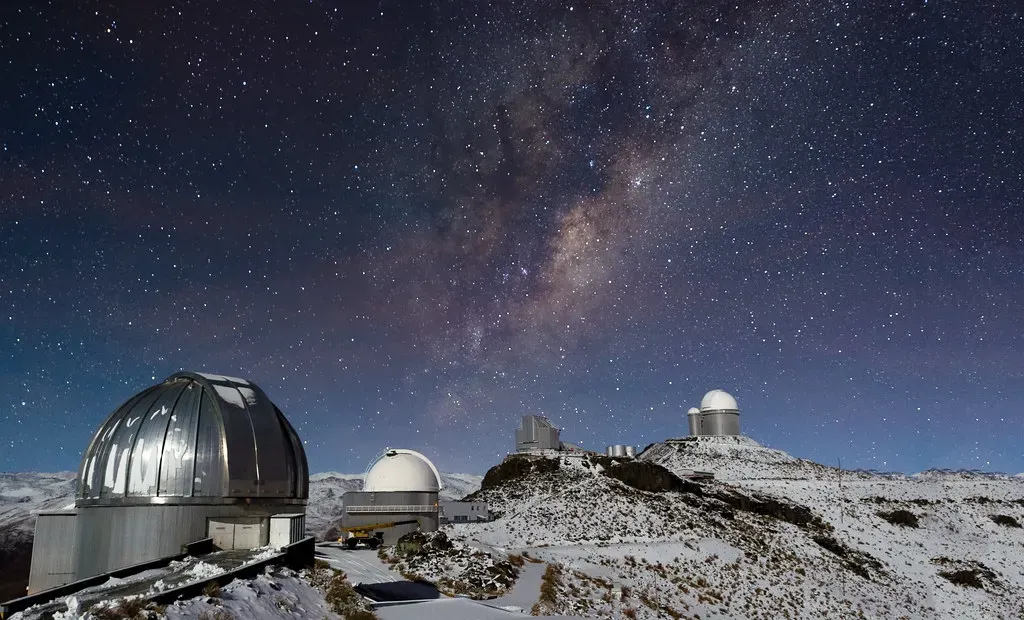
These seven destinations prove that darkness itself has become a rare and precious resource worth traveling for. Each location offers more than just stargazing – they provide a chance to reconnect with something fundamental that modern life has stripped away from most of us.
Whether you’re watching the Milky Way cast shadows in Death Valley, catching the Northern Lights over Voyageurs, or seeing thousands of stars from Cherry Springs’ Pennsylvania mountaintop, these places remind us what we’ve lost to progress. They’re not just parks or monuments – they’re time machines that transport us back to nights when humans looked up in wonder rather than scrolling down through feeds. Which of these dark sky destinations calls to you? Have you experienced the humbling beauty of a truly dark night sky?

- 10 Amazing Facts About The Wolverine You Did Not Know - June 24, 2026
- The Most Rodent Infested Cities in The US - June 24, 2026
- 10 Unique Birds That Build the Most Incredible Nests - June 24, 2026