
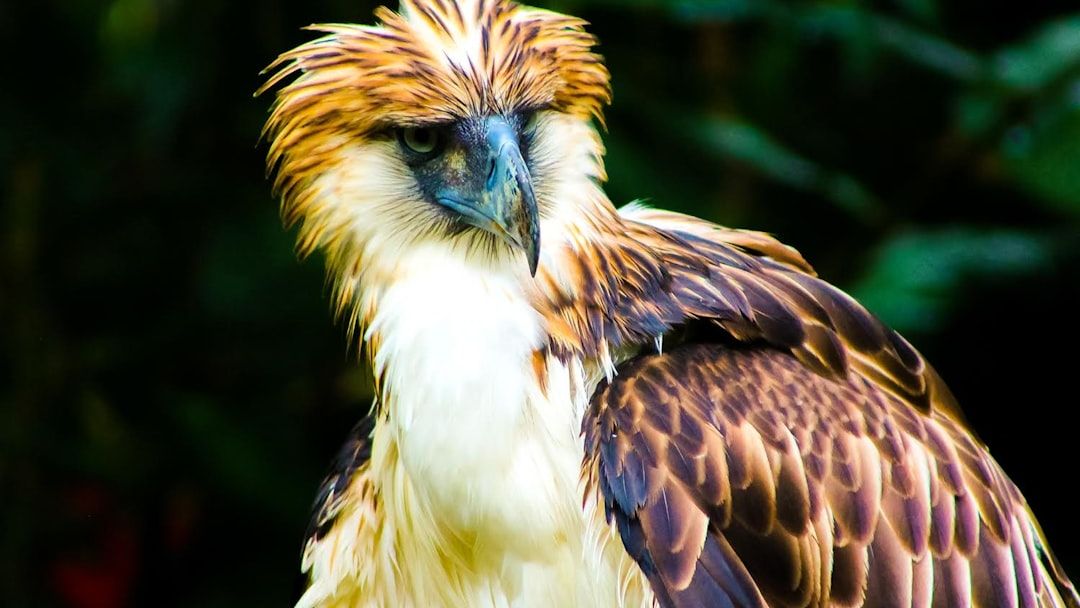
Think about a bird powerful enough to snatch a monkey right from the forest canopy, a raptor so majestic it bears the crown as a national symbol, yet so rare that only a few hundred remain in the wild. We’re talking about the Philippine eagle, one of the planet’s most formidable and striking birds of prey. Hidden in the dense rainforests of a Southeast Asian archipelago, this eagle lives a life both fascinating and precarious.
Its survival hangs by a thread as forests shrink and threats multiply. Yet within that fragile existence lies a story of adaptation, power, and hope that deserves to be told. So let’s dive in.
It’s Among the Largest Eagles in the World
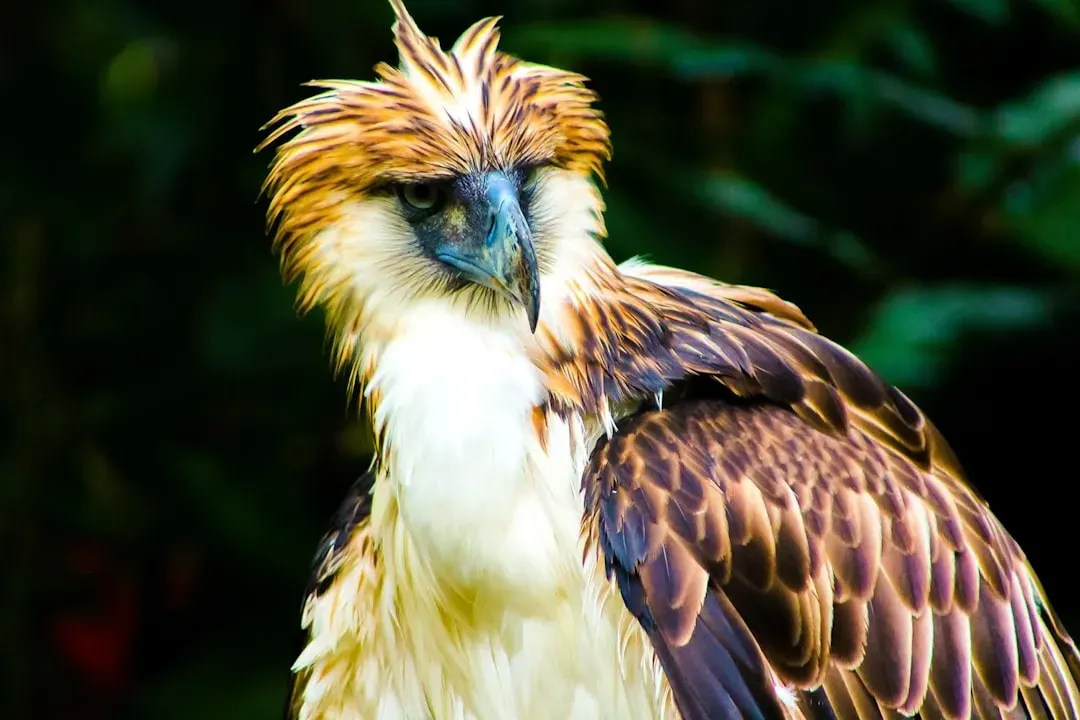
The Philippine eagle is considered the largest of the extant eagles in the world in terms of length and wing surface area, with only Steller’s sea eagle and the Harpy eagle being larger in terms of weight and bulk. The Philippine eagle boasts the title of the largest eagle in terms of length, reaching up to 3.3 feet in height, with its wingspan equally impressive, stretching to about 7 feet.
What makes this raptor truly stand out is its sheer physical presence. Some individuals have wingspans extending even further, creating an awe-inspiring silhouette as they glide through the forest canopy. Despite not being the heaviest eagle species, its length alone makes it a marvel among raptors worldwide.
This Bird Has Vision Like No Other
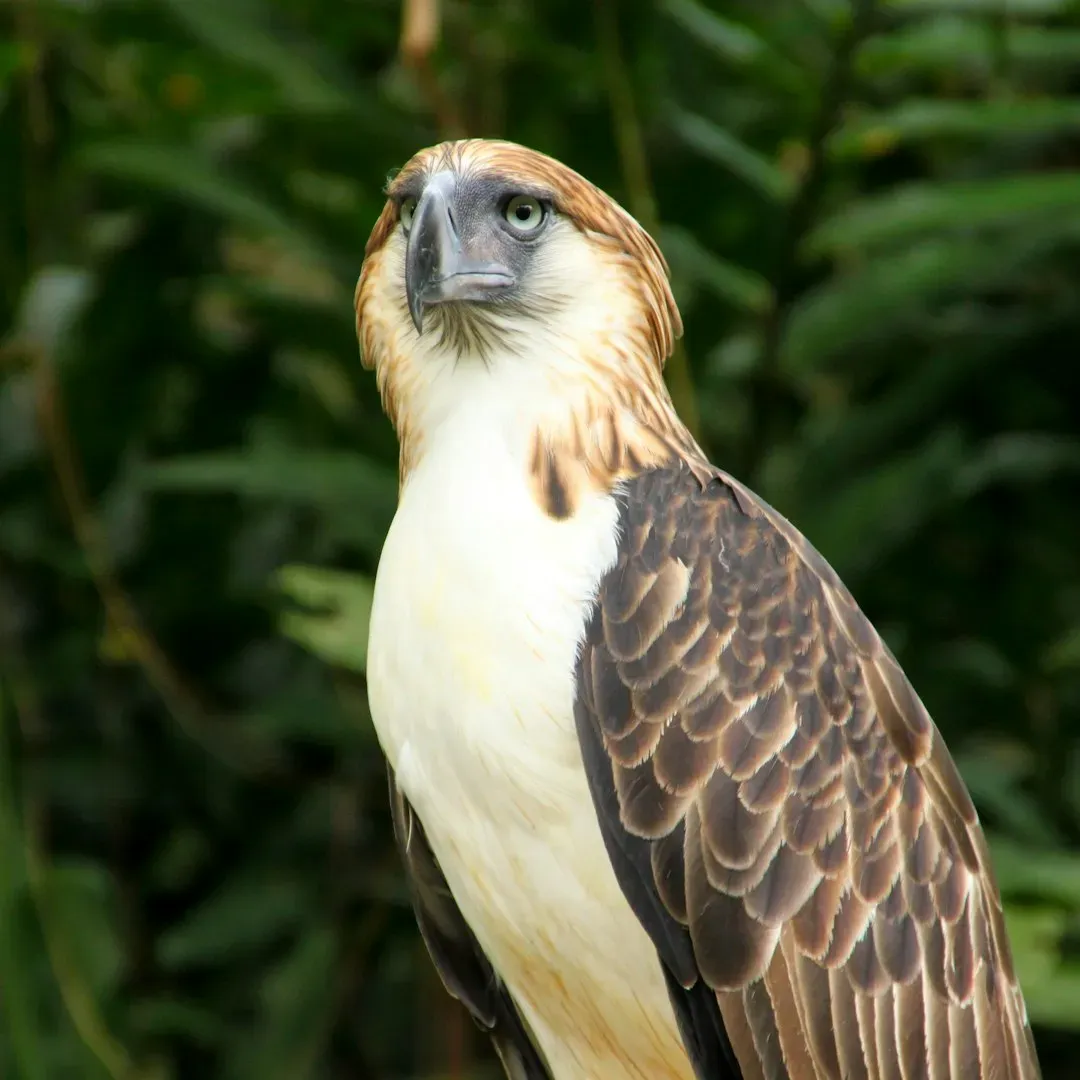
The Philippine eagle is the only blue-eyed bird of prey in the world, and these hunters have a very sharp vision that is eight times better than that of humans. Imagine being able to spot a small mammal hidden beneath dense foliage from hundreds of feet above.
That’s the kind of visual advantage this eagle possesses. Its blue-grey eyes aren’t just striking to look at – they’re precision instruments perfectly evolved for hunting in challenging forest environments. This superior vision helps them detect prey that would be invisible to most other creatures.
It Was Once Called the Monkey-Eating Eagle
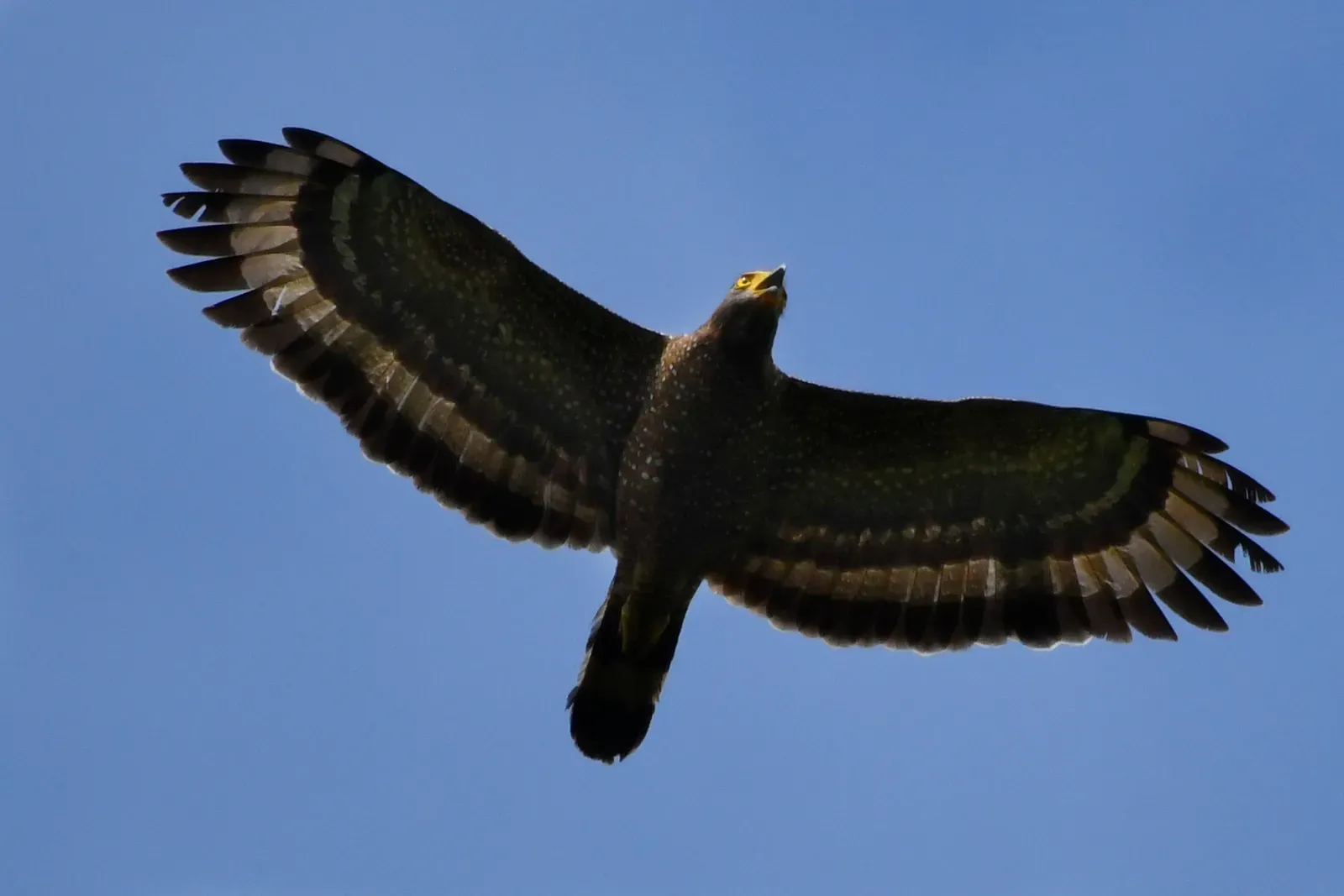
The Philippine eagle was known initially as the Philippine monkey-eating eagle because it was believed to feed on monkeys almost exclusively. Natives of Bonga, Samar, where the species was first discovered, reported sightings of the bird hunting macaques, which led to the dramatic nickname. Though previously known as the Monkey-eating Eagle, this is a misnomer – Philippine Eagles do eat monkeys, but they also prey on a whole host of animals, both large and small.
In reality, this raptor is an opportunistic predator with a diverse menu. The primary prey is usually the tree squirrel-sized Philippine flying lemurs, which can make up an estimated 90% of the raptor’s diet in some locations. Honestly, the “monkey-eating” label stuck around mainly because of sensational early reports rather than scientific accuracy.
They’re Critically Endangered With Alarmingly Low Numbers
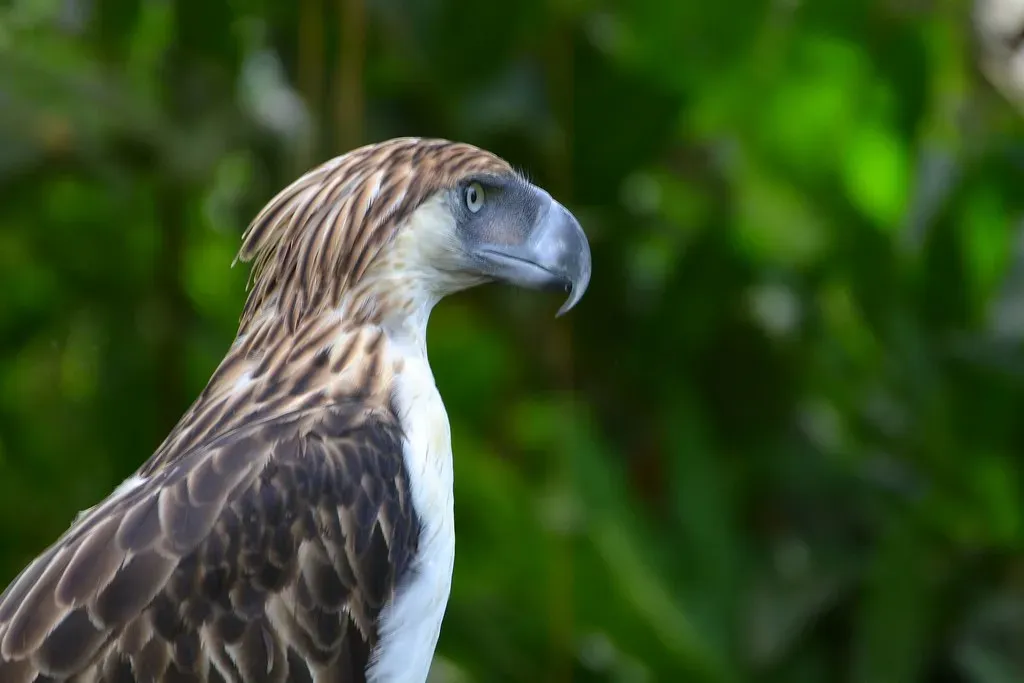
Here’s where things get truly sobering. They are also listed as critically endangered by the International Union for Conservation of Nature (IUCN) with an estimated number of only 400 pairs left in the wild. That’s a heartbreakingly small number for such a magnificent species.
At least one Philippine eagle is killed every year because of shooting. These birds face threats on multiple fronts, from habitat destruction to direct persecution. When you consider that each breeding pair requires vast territories to survive, the math becomes even more frightening – there simply isn’t enough protected forest left to support a robust population.
These Eagles Are Territorial and Monogamous
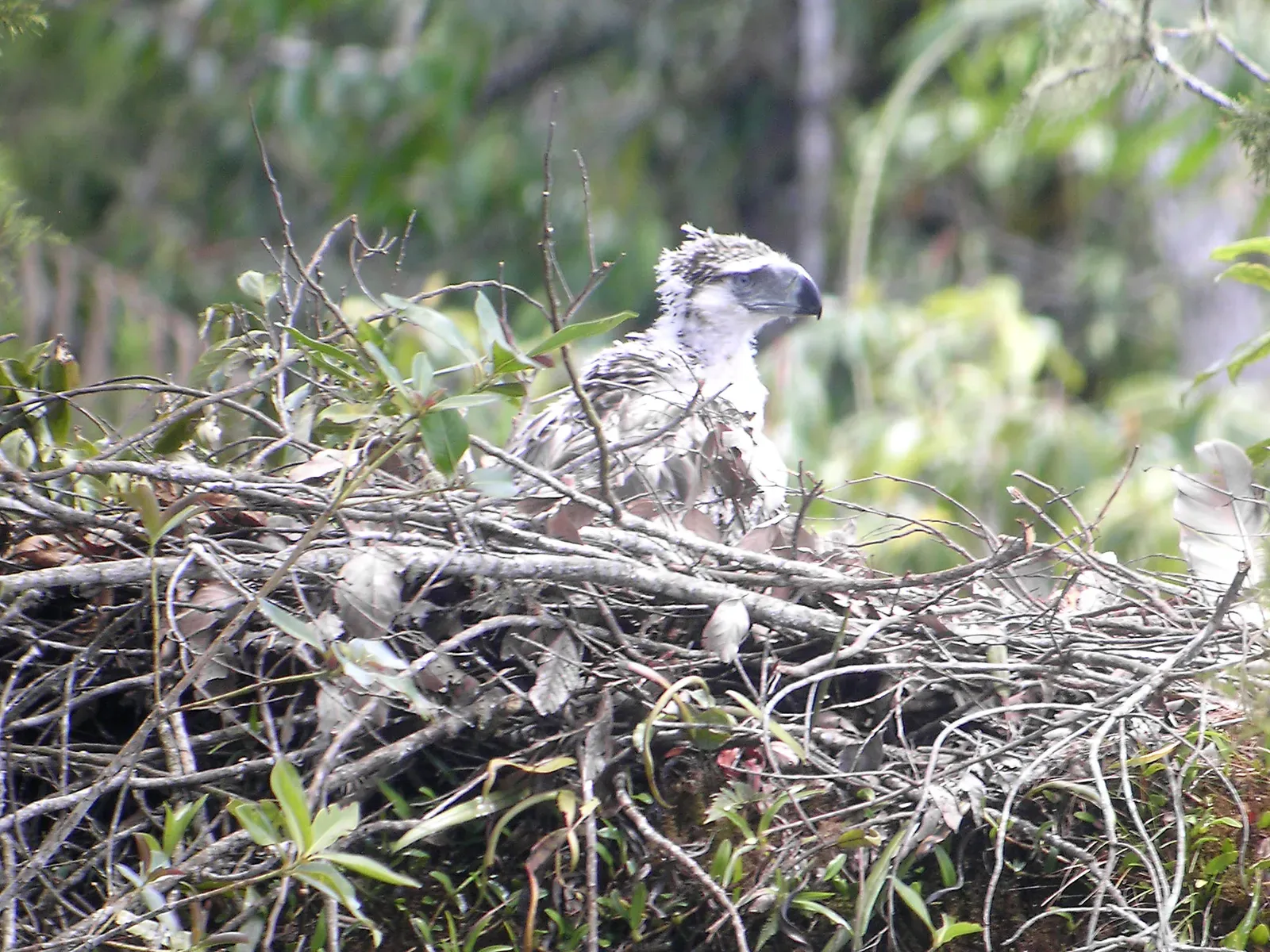
The Philippine eagle is monogamous, forming lifelong pair bonds – once paired, a male and female remain together, defending a shared territory and raising their young cooperatively. Let’s be real, this level of commitment is rare even among birds. If one partner dies, the surviving eagle may eventually seek a new mate, though this isn’t common.
A pair of Philippine Eagles requires up to 13,000 hectares of forest to sustain a breeding territory. That’s an enormous area – roughly the size of a small city. This territorial requirement is one major reason why habitat loss hits them so hard.
They Have One of the Longest Breeding Cycles on Earth
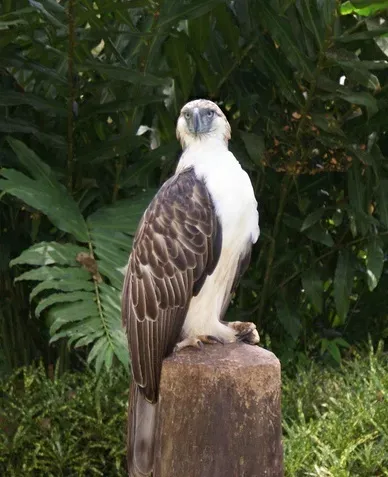
Patience isn’t just a virtue for these eagles – it’s a biological necessity. The complete breeding cycle of the Philippine eagle lasts two years. Both parents take care of the eaglet for a total of 20 months and, unless the previous nesting attempt had failed, the eagles can breed only in alternate years – the Philippine eagle rivals two other large tropical eagles, namely the crowned eagle and harpy eagle, for having the longest breeding cycle of any bird of prey.
Females lay one egg every two years, and the egg is incubated alternately by both eagle parents for about sixty days. This slow reproduction rate means population recovery is painfully gradual, making every surviving chick incredibly precious for the species’ future.
They’re Master Hunters With Clever Tactics

Despite their large size, these eagles tend to be fast and agile in the air, which helps make them very successful hunters. Their hunting strategies are remarkably sophisticated. Philippine eagles primarily use two hunting techniques – one is still-hunting, in which they watch for prey activity while sitting almost motionlessly on a branch near the canopy, and the other is perch-hunting, which entails periodically gliding from one perch to another.
What’s really fascinating is their cooperative hunting behavior. Eagle pairs sometimes hunt troops of monkeys cooperatively, with one bird perching nearby to distract the primates, allowing the other to swoop in from behind, hopefully unnoticed, for the kill. It’s hard to say for sure, but this level of coordination suggests significant intelligence and social bonding between mates.
The Species Is Endemic Only to the Philippines
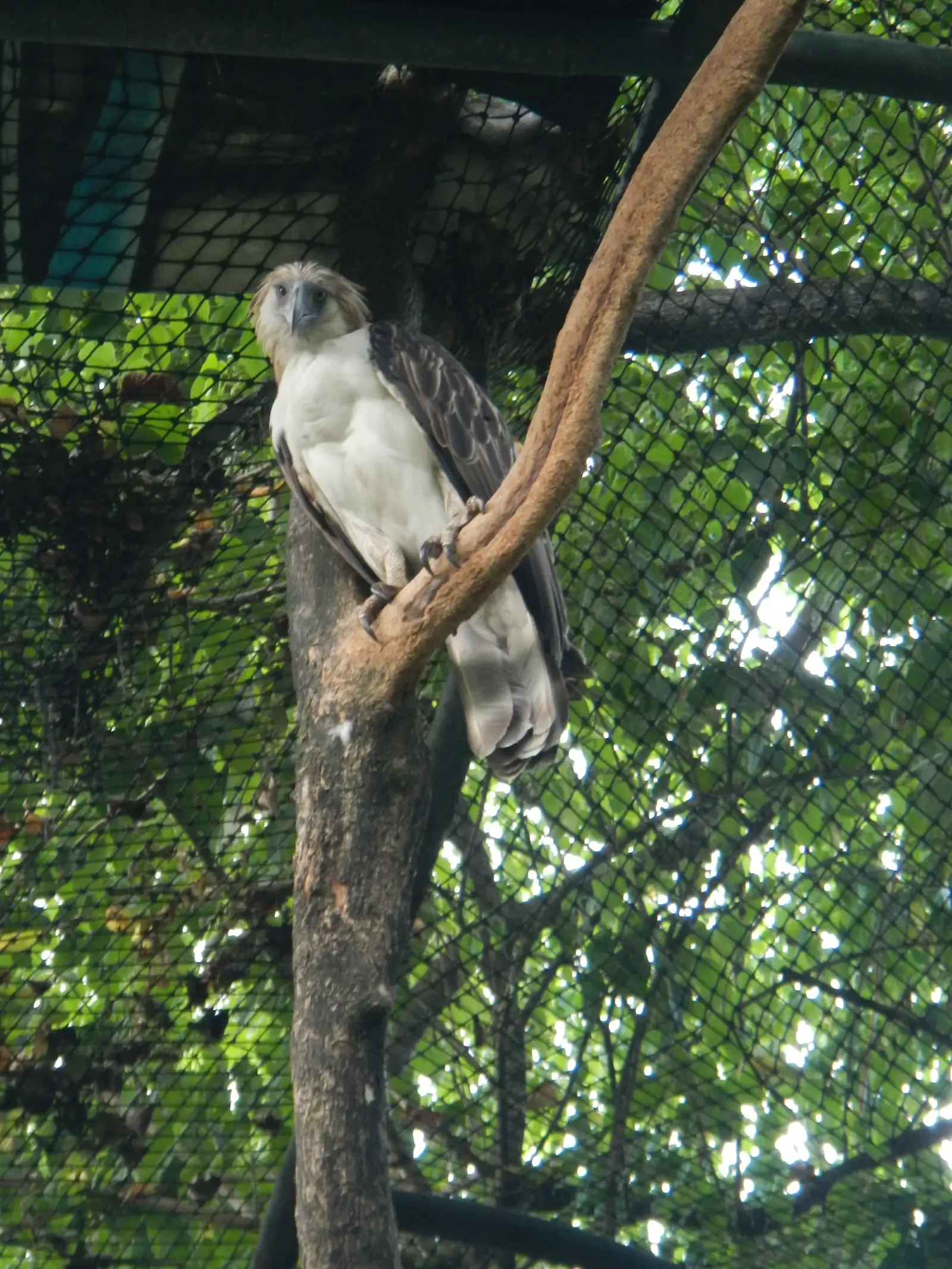
This rare and majestic bird species can be found nowhere else but in the Philippines. While the Philippines consists of more than 7,000 islands, the Philippine Eagle is found on only four of them, all within the northern and eastern regions of the country. These four islands are Luzon, Samar, Leyte, and Mindanao.
Philippine Eagles are endemic to the Philippines, inhabiting the islands of Luzon, Samar, Leyte, and Mindanao – they require large tracts of primary tropical rainforest, preferring undisturbed areas with tall trees for nesting and hunting. This limited range makes them especially vulnerable. If something catastrophic happens to these few remaining forest patches, the entire species could vanish.
It’s the National Bird and Cultural Icon
The Philippine Eagle was named the national bird of the Philippines in 1995. Beyond its official status, this eagle holds deep cultural significance. The Philippine eagle is embedded in the oral histories and other cultural artifacts of several indigenous groups in the country – this indicates that it performs a role in the human production of unique cultures.
The Philippine Eagle was the official mascot for the Southeast Asian Games competition in 2005. The bird even appears on Philippine currency, cementing its role as a symbol of national pride. Yet despite this elevated status, enforcement of protection laws remains challenging in remote areas where the eagles live.
Conservation Efforts Include Captive Breeding and Community Programs
Hope isn’t lost, though the path forward is challenging. As of 2025, The foundation has bred 31 eagles in captivity although, breeding has slowed in recent years in which the 28-30th chicks were bred in 2016, 2021 and 2024. The Philippine Eagle Foundation has pioneered conservation efforts combining scientific research with indigenous knowledge.
The Philippine Eagle faces critical endangerment due to habitat loss from deforestation and hunting – conservation efforts focus on habitat protection, captive breeding programs, and community education to reduce human-wildlife conflict, though strict laws now protect this species, enforcement remains challenging in remote areas. Protected areas have been established specifically for the species, though a large proportion of the population still lives on unprotected land. Releasing captive-bred eagles has met with mixed results – some have been shot or electrocuted shortly after release, highlighting the ongoing human threats these birds face.
Conclusion
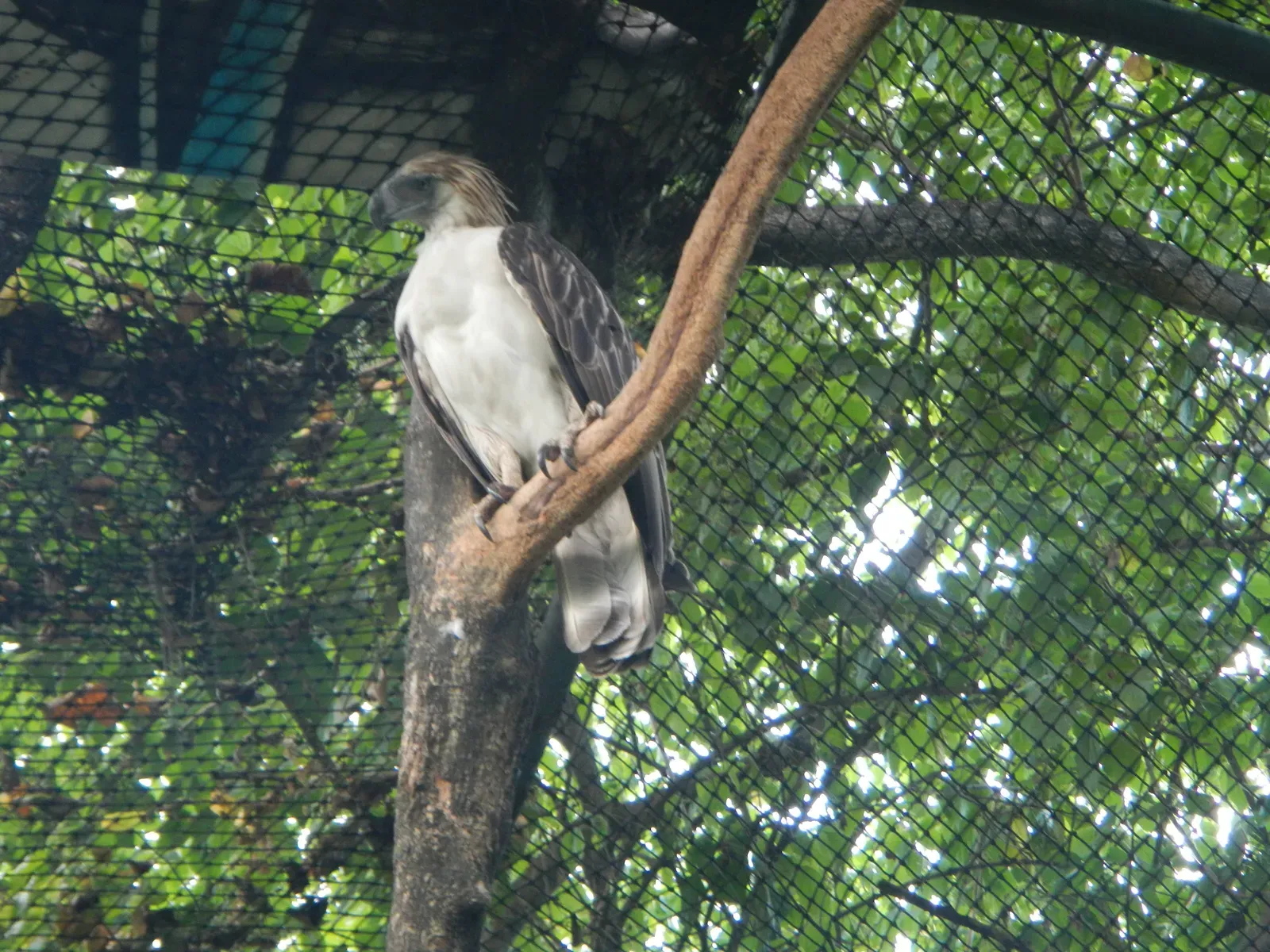
The Philippine eagle stands as both a testament to nature’s magnificence and a stark reminder of what we stand to lose. With fewer than roughly eight hundred individuals estimated in the wild, every single bird matters. Their slow reproduction, massive territorial needs, and dependence on vanishing forests make recovery an uphill battle.
Yet there’s something profoundly inspiring about the dedication of conservationists working to save this species. From captive breeding programs to community-based forest protection initiatives, people are fighting for the eagle’s survival. The question isn’t whether we can save the Philippine eagle – it’s whether we will make the commitment to do so before it’s too late. What do you think it would mean for the world if we let such a remarkable creature slip into extinction? Tell us in the comments.
