
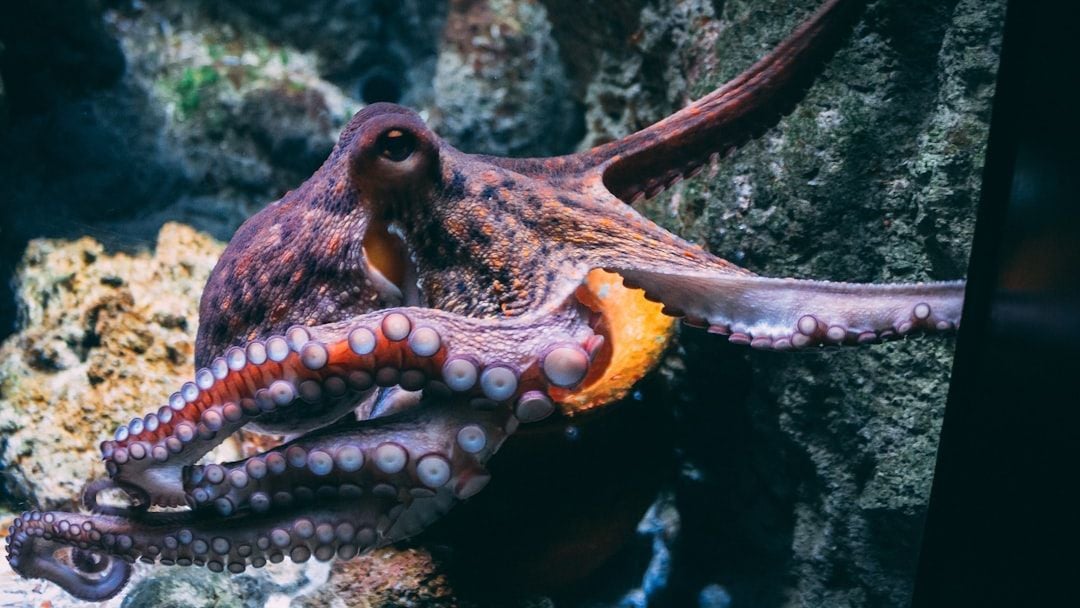
Picture a creature with three hearts and blue blood, arms that taste what they touch, and a mind distributed throughout its body. Sounds like something from science fiction, doesn’t it? Yet octopuses are very real inhabitants of our oceans, lurking in coral reefs and sandy bottoms across the world. These eight-armed invertebrates represent one of the most astonishing examples of intelligence in the animal kingdom, possessing cognitive abilities that rival those of certain mammals. Here’s the thing, though: we’re only beginning to scratch the surface of just how remarkable these creatures truly are.
What makes octopus intelligence so fascinating isn’t just what they can do. It’s that they evolved their mental prowess completely independently from vertebrates. Our last common ancestor existed over 600 million years ago, a simple wormlike creature with barely any nervous system to speak of. Since then, two wildly different evolutionary paths have led to similar results: complex problem solving, memory, and even personality. So let’s dive in and explore the hidden genius of these mysterious ocean dwellers.
A Brain Unlike Any Other on Earth
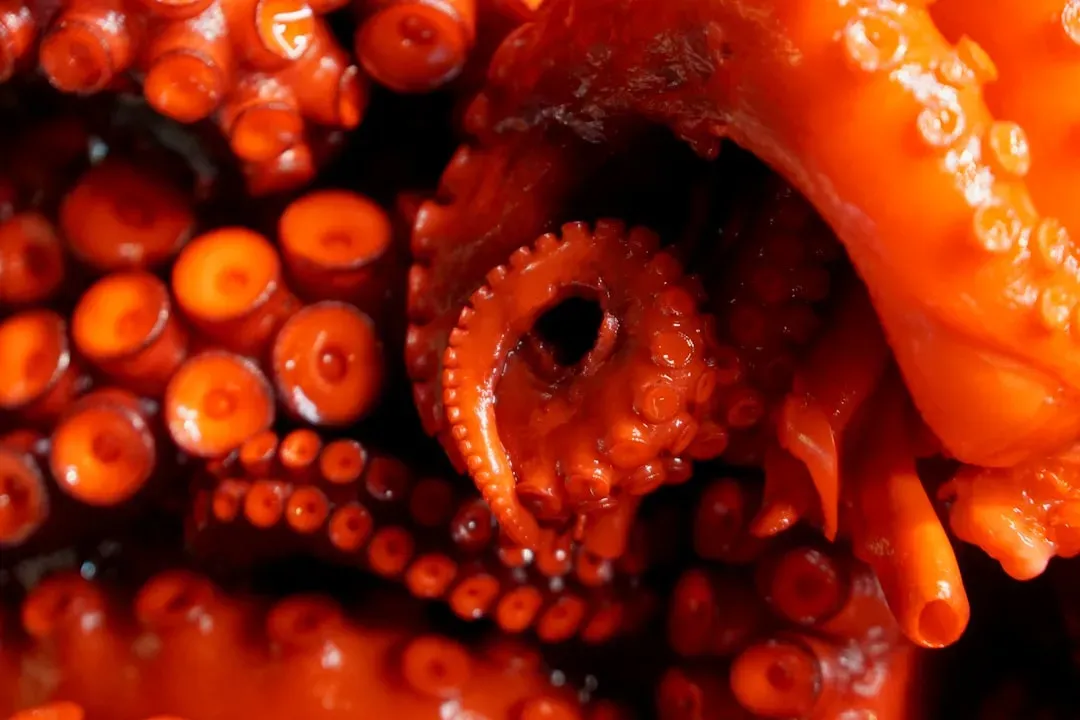
The common octopus has around 500 million neurons, putting it in the same ballpark as dogs when it comes to raw neural firepower. That’s vastly more than any other invertebrate. Yet here’s where things get truly bizarre: about two thirds of those neurons are in its arms, not in its head.
Each arm contains its own ‘mini brain’ that enables octopuses to complete tasks with their arms more quickly and effectively. Think about what this means for a moment. An octopus arm can taste, touch, and make basic decisions without waiting for instructions from headquarters. Each sucker may contain 10,000 neurons dedicated to sensory processing.
The central brain, nestled between the eyes, handles higher-level functions like learning, planning, and coordination. While each arm is capable of acting independently, the centralized brain is also able to exert top-down control. It’s a bit like having eight semi-autonomous agents that can act on their own initiative while still following orders from command central. An octopus’s brain-to-body ratio is the largest of any invertebrate, even exceeding many vertebrates.
This distributed intelligence presents a fundamentally different way of organizing cognition. Octopuses and their relatives represent an island of mental complexity in the sea of invertebrate animals, and they represent an entirely independent experiment in the evolution of large brains and complex behavior. Their neural architecture evolved to solve problems we can barely comprehend. Some researchers describe it as having nine brains working together, each contributing its own processing power to the collective intelligence of the whole animal.
The implications are staggering. Octopuses have a large centralized brain with more than 30 differentiated lobes and an intricate organization to support the transfer, integration, and computation of information. This complexity rivals that of many vertebrates, despite being built on a completely different blueprint. Evolution, it seems, has found multiple pathways to intelligence.
Problem Solving That Defies Expectations
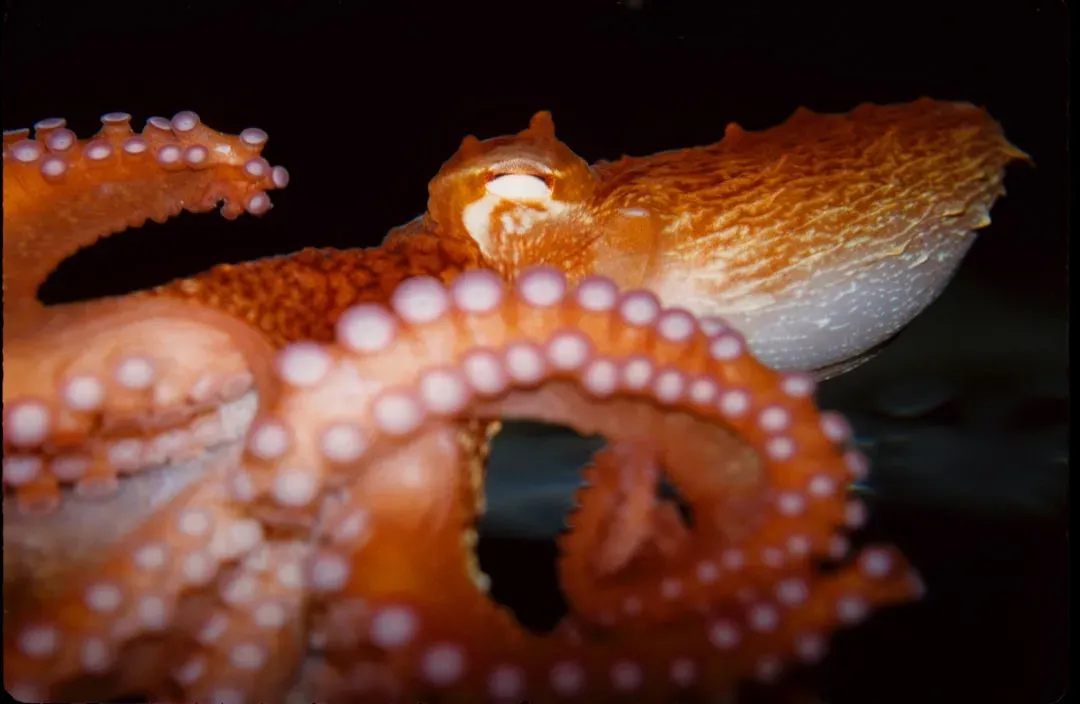
Intelligence isn’t just about having neurons. It’s about what you can do with them. In experiments octopuses have solved mazes and completed tricky tasks to get food rewards. They don’t just stumble through trial and error, either.
The octopus exhibits an almost calculated approach to problem solving, often pausing to observe its surroundings and consider various options before acting. This suggests genuine cognitive processing rather than instinct. I know it sounds crazy, but these invertebrates appear to think things through.
A 2023 study published in Current Biology found that octopuses can adjust their problem-solving strategies based on previous experiences, indicating flexible thinking. Researchers presented octopuses with puzzle boxes containing various locking mechanisms. Not only did the animals figure out how to open them, they also used different approaches when the puzzle was altered, suggesting an ability to adapt rather than relying on instinct alone.
Octopuses which demonstrated shorter latency periods for novel object tasks had better performance for individual learning tasks. Yet here’s something unexpected: octopuses with the strongest neophilic behaviors did not solve puzzles earlier than other participants, suggesting that neophilic behavior can cause suboptimal performance at some stages of the problem-solving process. Being too eager, it seems, can actually hinder success. There’s a sweet spot between curiosity and caution.
The ability to learn from observation adds another layer to their cognitive toolkit. They can learn a task simply by watching how another octopus solves an assignment, in what is called social learning. This capacity wouldn’t exist if octopuses were entirely solitary creatures with no need to process information about the behavior of others. Their minds are built for more than we initially assumed.
Masters of Camouflage and Mimicry
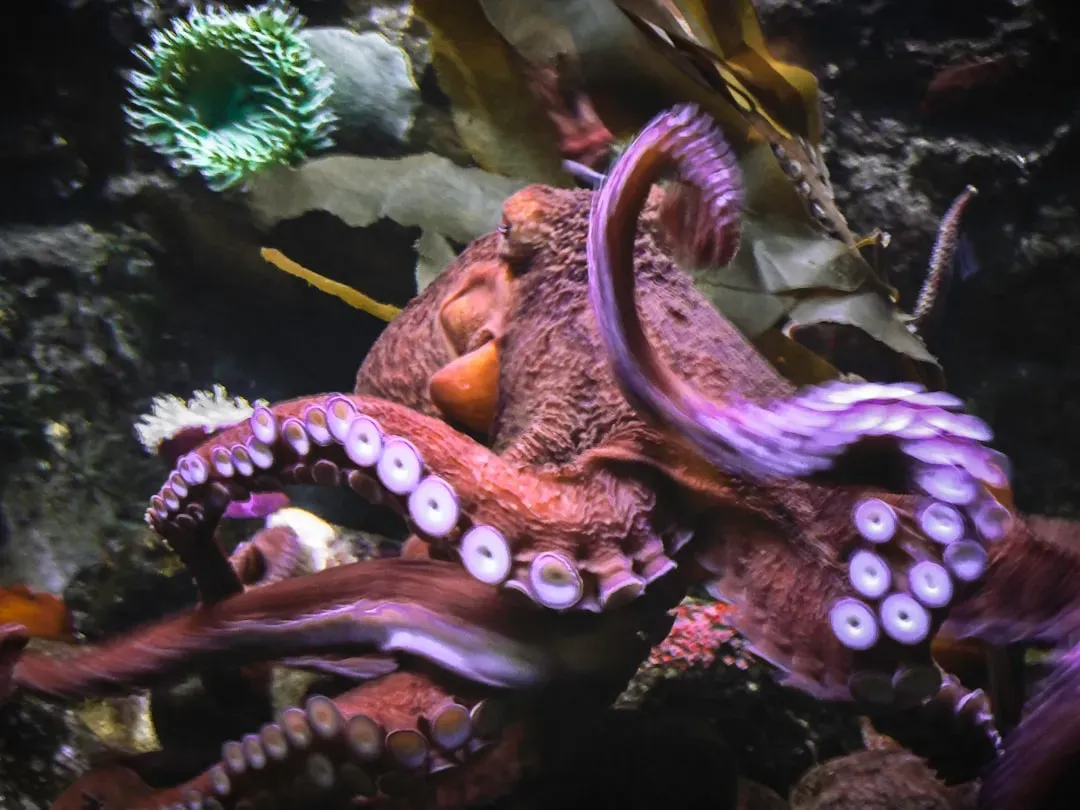
Squids, octopuses, and cuttlefishes are among the few animals in the world that can change the color of their skin in the blink of an eye, using their abilities to match their surroundings or alternatively give themselves a pattern that makes them stand out. This isn’t just a neat party trick. It requires extraordinary neural control.
Many thousands of color-changing cells called chromatophores just below the surface of the skin are responsible for these remarkable transformations. The octopus brain processes visual information about the environment and then sends signals to millions of these specialized cells. Each chromatophore can expand or contract individually, creating intricate patterns in milliseconds.
The mimic octopus takes this ability to an entirely different level. Mimic octopuses stand out because of their extraordinary ability to mimic and imitate a wide variety of species, whereas most species that can mimic can only mimic a single animal, the mimic octopus can switch between various disguises: up to 18 different marine animals. They do this not by just changing their color, but also their shape and behavior.
The mimic octopus may choose which animal to impersonate based on which predator is hovering nearby, for example when bullied by territorial damselfish, an octopus was seen transforming into a sea snake, a well-known predator of damselfish. This strategic mimicry demonstrates a level of situational awareness that’s frankly astonishing. The octopus recognizes the threat, recalls what that particular predator fears, and executes the appropriate impersonation. The implied intelligence behind this behavior requires the brainpower to recognize predatory species and know the appropriate form to take on.
Let’s be real: this isn’t passive camouflage like a chameleon blending into a branch. This is active, strategic deception. The mimic octopus’s mimicry goes beyond mere visual resemblance, as it can also mimic the movements of its chosen disguise, and when impersonating a flatfish, it swims in a jerky, erratic motion, replicating the way flatfish glide along the seabed, and this additional layer of detail further enhances the illusion. They’re method actors of the ocean, fully committing to each role.
Tool Use Among Invertebrates
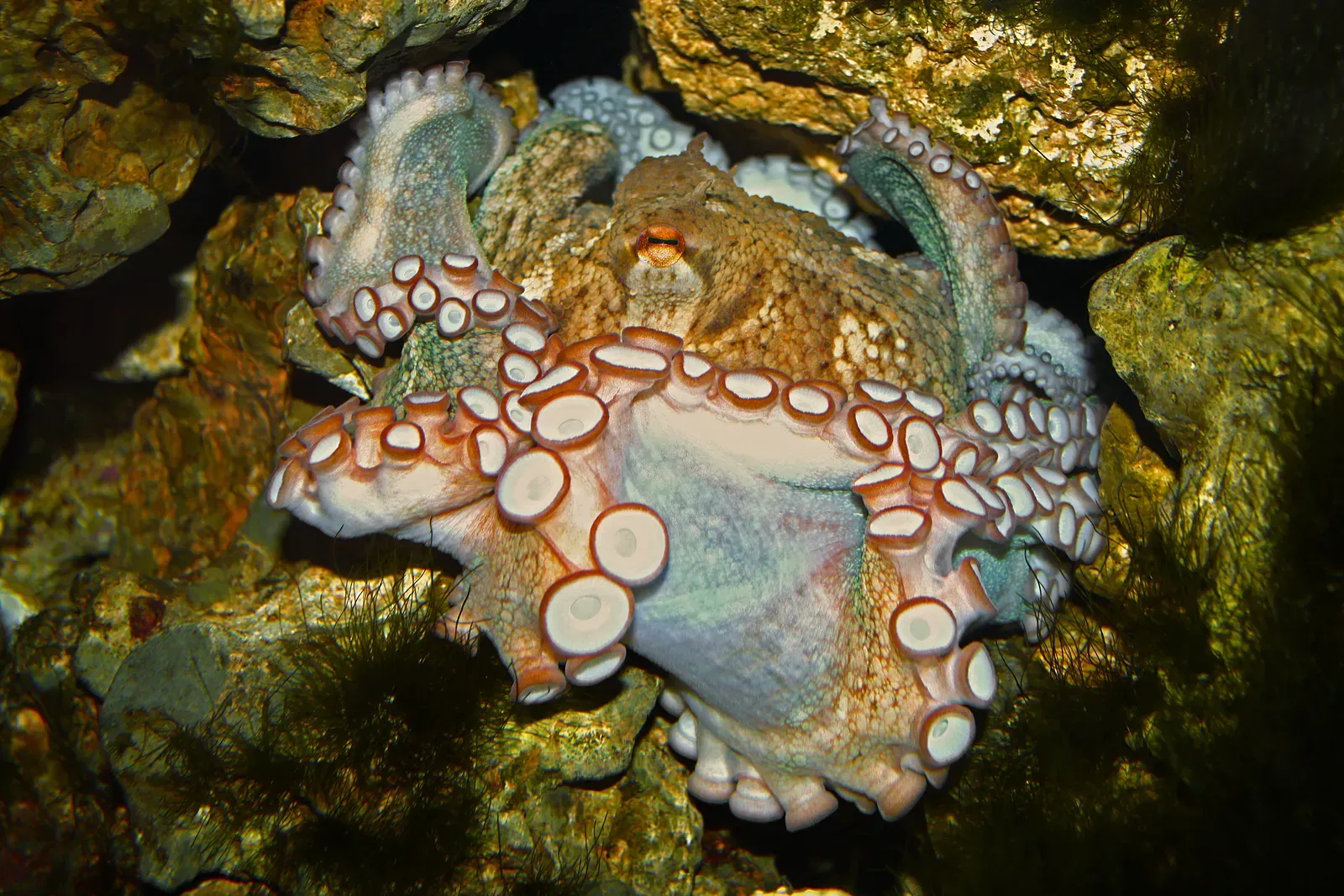
Tool use is relatively rare in the animal kingdom and something we tend to associate with apes, monkeys, dolphins and some birds, and it’s a good indicator of the ability to learn, with only octopuses and a few insects among invertebrates known to use tools. This places octopuses in extraordinarily elite company.
In 2009, veined octopuses were observed collecting discarded coconut shells in Indonesia, and they collect them from the seafloor. Here’s what makes this remarkable: they don’t just hide in the shells immediately. Individuals traveled over considerable distances, up to 20 meters, while carrying stacked coconut shell halves beneath their body.
While being carried, the shells offer no protection and place a requirement on the carrier to use a novel and cumbersome form of locomotion: stilt walking. The octopus spreads itself over the shells, makes its arms rigid, and awkwardly ambles across the seafloor. It looks absurd, honestly, and exposes the octopus to predators during transport. Yet they accept this risk because they’re planning ahead.
An octopus would dig up the two halves of a coconut shell, then use them as protective shielding when stopping in exposed areas or when resting in sediment, and after using the coconut shells, would arrange them neatly below the centers of their bodies and walk around with the shells. This behavior demonstrates forward planning, a cognitive skill once thought exclusive to primates. The fact that the shell is carried for future use rather than as part of a specific task differentiates this behavior from other examples of object manipulation by octopuses.
In the wild octopuses have been shown to build little dens, and to use stones to create sort of shields to protect the entrance, and they pile up anything they can find: rocks, broken shells, even broken glass and bottle caps. Some species demonstrate even more creative tool use. Small individuals of the common blanket octopus carry tentacles from the Portuguese man o’ war as a weapon, and these tentacles carry a potent and painful venom, yet the common blanket octopus is immune but can inflict their effects on unwitting predators and prey. Weaponizing another creature’s venom? That’s next-level strategy.
Memory and Learning Capabilities
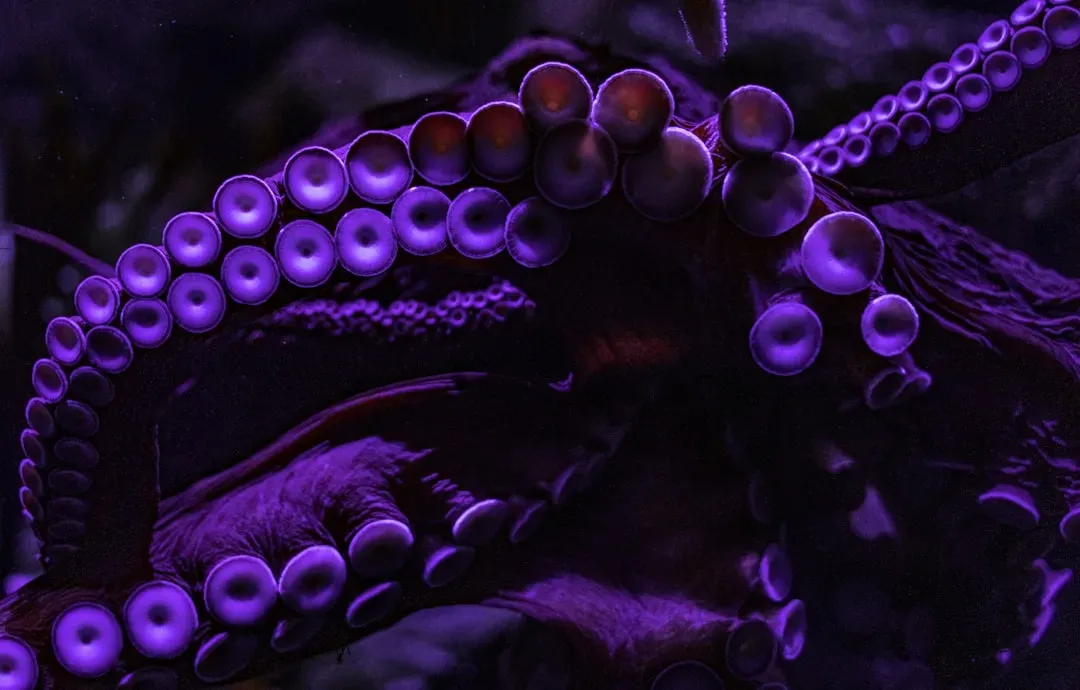
Octopuses have the ability to recall both short and long term memories, and experts have seen them successfully master mazes with different levels of difficulty in no time at all. Memory is fundamental to intelligence because it allows animals to learn from experience and apply that knowledge to new situations.
Studies have shown that octopuses possess both short and long term memory, and they can navigate mazes, recognize individual humans, and remember solutions to problems for weeks. This isn’t just rote memorization. They can also remember solutions to puzzles and learn to solve the same puzzle presented in different configurations, demonstrating genuine understanding rather than mechanical repetition.
Observational learning adds another dimension to their cognitive repertoire. In laboratory settings, they have demonstrated observational learning, where they watch another octopus solve a puzzle and then replicate the solution, a sign of higher cognitive function. Social learning of this kind requires not just memory but also attention, the ability to understand cause and effect, and the capacity to transfer observed behaviors to one’s own actions.
Octopuses appear to be able to recognise individuals outside of their own species, including human faces, and Scientific American reported a story from the University of Otago in New Zealand where a captive octopus apparently took a dislike to one of the staff. After two weeks, all the octopuses behaved differently toward two keepers, confirming that they can distinguish among individual people, even when they wear identical uniforms.
The integration of multiple forms of memory allows octopuses to navigate complex environments effectively. They can remember locations to find great food and where they should avoid. Their spatial memory enables them to maintain mental maps of their territories, tracking productive hunting grounds and dangerous areas. It’s hard to say for sure, but this suggests a level of mental representation that goes beyond simple stimulus-response mechanisms.
Distinct Personalities and Individual Differences
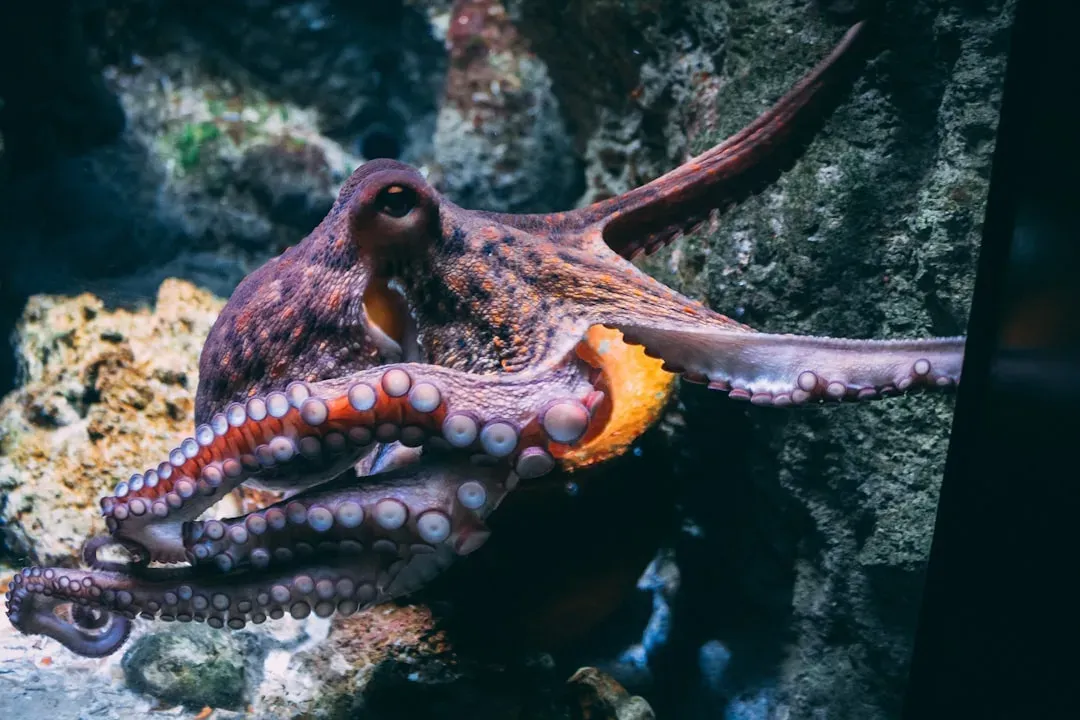
Not all octopuses behave the same way. Octopuses were the first invertebrates that researchers investigated for signs of what some are willing to call personality. Scientists at the Seattle Aquarium noticed that staff gave names to individual octopuses based on their distinctive behaviors.
Researchers gave personality tests to forty-four red octopuses, exposing each animal to three test conditions seven times each during a two-week period, measuring and recording their responses when they opened the tank lid, when they touched them with a brush, and when they fed them a crab, and the brush prompted the greatest variety of responses with some octopuses grabbing it, standing their ground, and inflating their mantle to look bigger.
A factor analysis isolated three orthogonal dimensions of variability: Activity, Reactivity, and Avoidance, which accounted for 45 percent of the variance, and the similarity of these factors to dimensions of personality in humans and individual differences in animals suggests there may be commonalities in such variation across phyla. These aren’t random fluctuations. They represent consistent individual differences.
Researchers documented differences among reactive and proactive octopuses, which may have implications for octopuses’ welfare and management in captivity, and they identified key characteristics that distinguish reactive from proactive individuals. Some octopuses are bold explorers, others are cautious and shy. Octopuses more inclined to approach new objects were quicker to approach the puzzle box and more likely to succeed in opening it, but they did not reach the solution before other individuals, suggesting that an excessive inclination towards novelty could hinder problem-solving efficiency.
Individual octopuses are very different from one another. These differences extend to prey preferences, exploration patterns, and social interactions. Octopuses are known to exhibit different moods and behaviors depending on their environment, with some being shy, hiding in crevices or under rocks, while others are curious and exploratory. This variability suggests genuine individuality, not just preprogrammed behavioral variations.
Consciousness and Emotional Intelligence
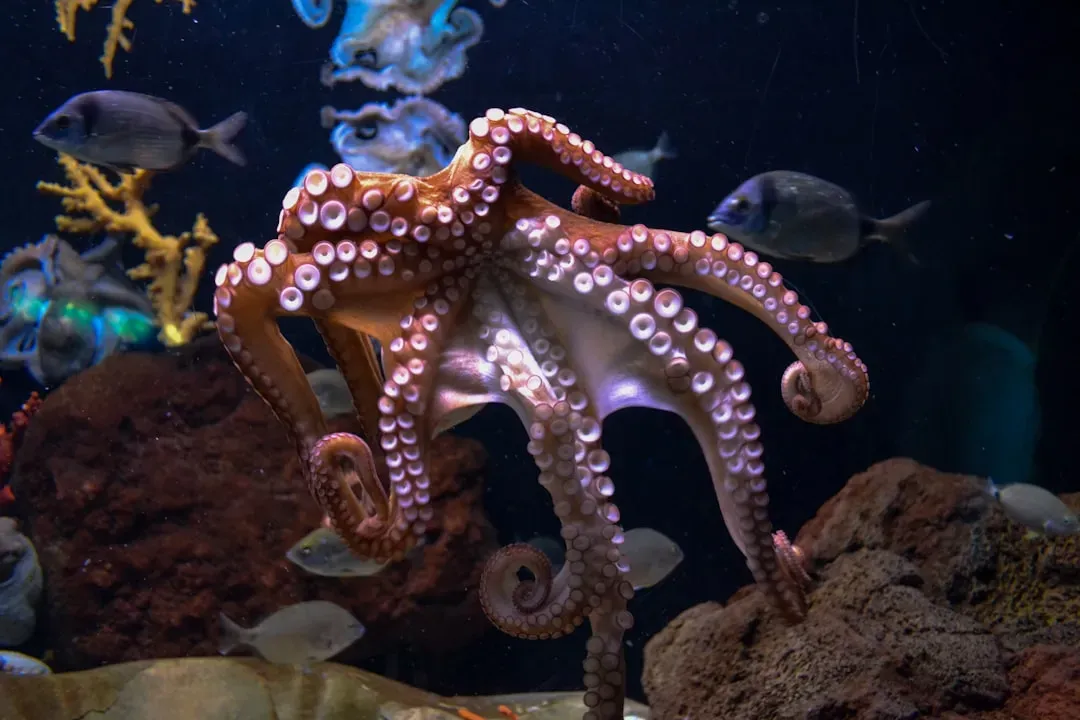
Do octopuses experience the world subjectively? It’s a controversial question, yet mounting evidence suggests they might. In 2012, prominent scientists signed the Cambridge Declaration on Consciousness, stating that humans are not unique in possessing the neurological substrates for consciousness, and non-human animals, including birds and octopuses, also possess these.
An octopus can get bored, show preferences, solve novel problems, and perhaps experience something of the world, all with a brain architecture utterly unlike our own. These behavioral indicators align with what we associate with conscious experience in other animals. Octopuses can exhibit play-like behavior, such as manipulating objects for the sheer enjoyment of it, and this opens up intriguing questions about the emotional and cognitive experiences of octopuses.
Play behavior, in particular, has long been considered a marker of higher cognition. Animals that play are processing information, engaging with their environment in non-essential ways, and seemingly deriving some form of satisfaction from the activity itself. Octopuses can quickly tell that some items are not food and are often still quite interested in exploring and manipulating them.
The question of emotion in octopuses remains open, yet their behavior suggests more than mechanical responses to stimuli. Octopuses have personalities, they learn, they solve problems, they play, and the question of whether this adds up to a simple form of consciousness is contentious. Researchers observe stress responses, preferences, and what appear to be mood states.
Anecdotally at least, it has long appeared that captive octopuses can recognize and behave differently toward individual human keepers, and in one lab an octopus took a dislike to one member of the staff, for no obvious reason, and whenever that person passed by on the walkway behind the tank, she received a half-gallon jet of water down the back of her neck. Targeted squirting based on individual recognition? That suggests not just awareness but also preference and perhaps even something like spite.
An Evolutionary Puzzle
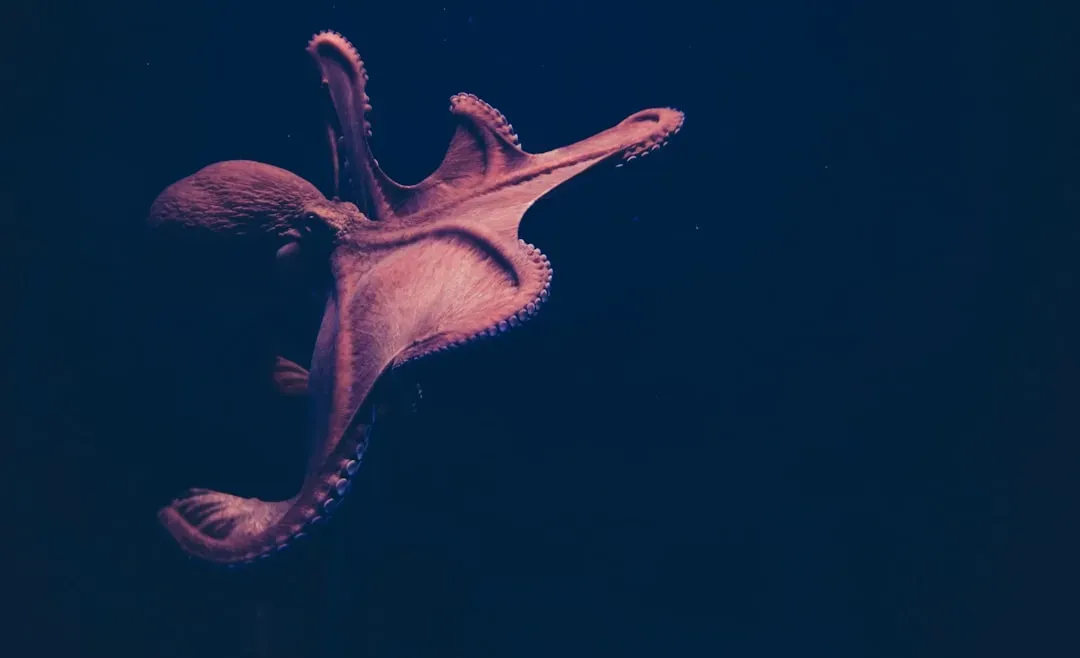
The last common ancestor of vertebrates and mollusks lived some 600 million years ago and was probably a flattened, wormlike creature with a simple nervous system. Since that ancient split, two completely different lineages have independently evolved complex cognition. This convergent evolution tells us something profound about intelligence itself.
The tropical coral reef is the most complex environment in the world, and if you are not armored, you’d better be smart. The octopus, a solitary organism, has evolved intelligence to solve ecological problems, unlike mammals where intelligence often evolved in social contexts. Their cognitive abilities arose from different pressures and took a fundamentally different form.
Researchers have found that octopus brains have become more complex by using a lot more regulatory RNAs to control gene activity, just as vertebrates did. Yet octopuses have taken another unique path. Octopuses and their relatives practice a type of genetic alteration called RNA editing that’s very rare in the rest of the animal kingdom, using it to fine tune the information encoded by their genes without altering the genes themselves, and they do so extensively, to a far greater degree than any other animal group.
RNA editing happens most in gene coding for neurons, and the smart cephalopods are the only animals to do this. This genetic peculiarity may explain their unusual neural flexibility. Evolution has essentially given them a way to edit their neural proteins on the fly, potentially enhancing their cognitive adaptability.
Octopods are masters of camouflage and solve complex tasks, and their cognitive ability is said to approach that of some small mammals. Different species show different brain structures adapted to their ecological niches. The difference between solitary and social life is mirrored within the brain including the formation of multiple compartments in the vertical lobe, which is likened to the vertebrate cortex. This demonstrates that octopus intelligence is flexible and responsive to environmental demands.
Complex Communication Methods
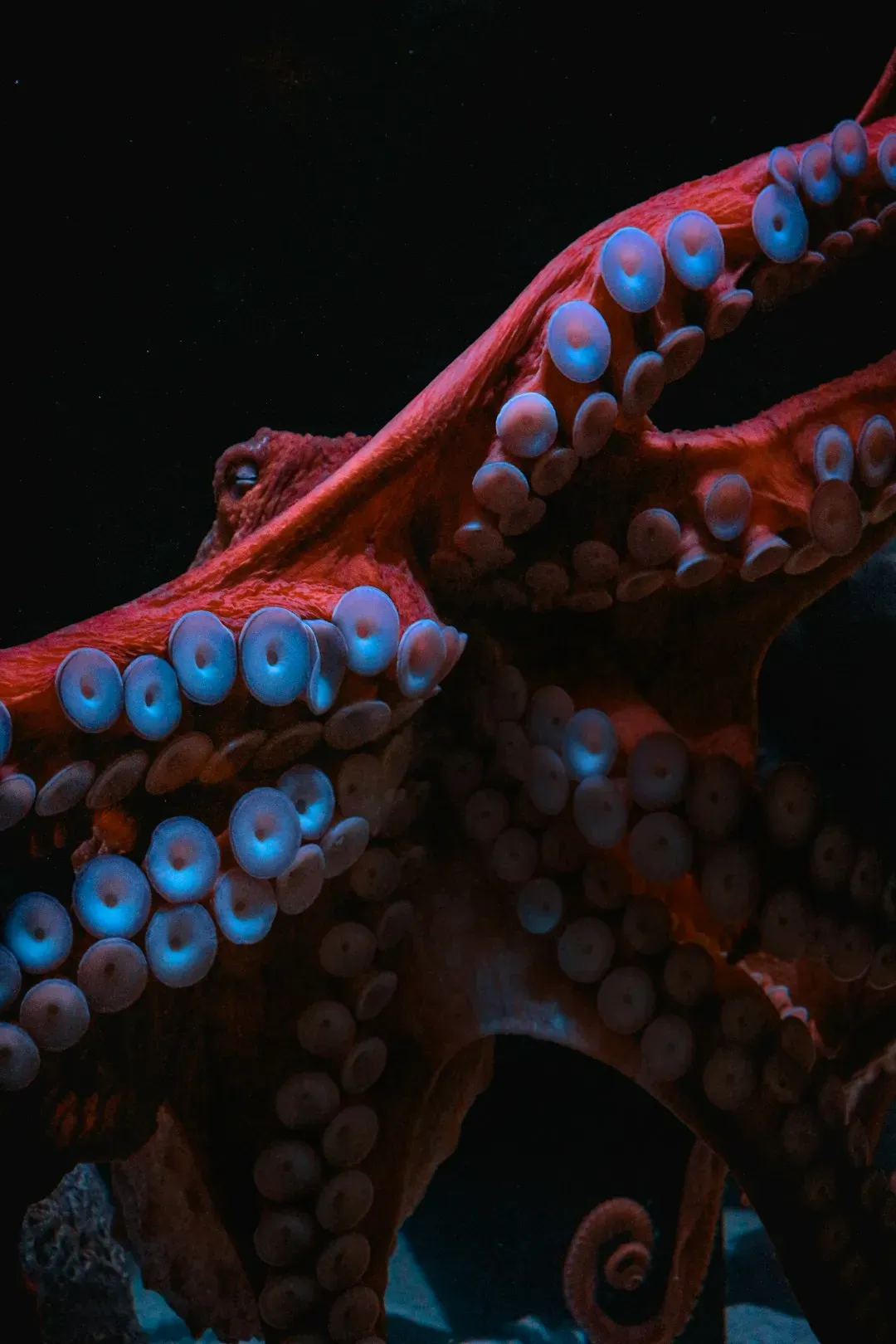
Some cephalopods are capable of rapid changes in skin color and pattern using chromatophores, iridophores, and leucophores, and this ability almost certainly evolved for camouflage. Yet camouflage isn’t the only use for this remarkable system. Some squid and cuttlefish use flashing colors and patterns to communicate with each other in various courtship rituals.
Caribbean reef squid can even discriminate between recipients, sending one message using color patterns to a squid on their right, while they send another message to a squid on their left. This targeted communication demonstrates not just the ability to produce signals but also the cognitive capacity to direct different messages to different individuals simultaneously. It’s like having two separate conversations at once.
Their communication extends beyond visual signals. Octopuses use posture, texture changes, and even chemical cues to convey information. The complexity of their communication toolkit suggests that their social interactions, while perhaps less frequent than those of mammals, may be more sophisticated than we initially believed.
The ability to control skin texture adds another layer. Octopuses have remarkable nervous control over their skin and are masters of camouflage, using skin color, texturing and patterning to communicate as well as to hide, and using chromatophores and other specialized cells just below the skin, they can shape shift in almost an instant. This real-time control over appearance requires extraordinary coordination between the eyes, brain, and millions of skin cells.
Challenges and Future Research
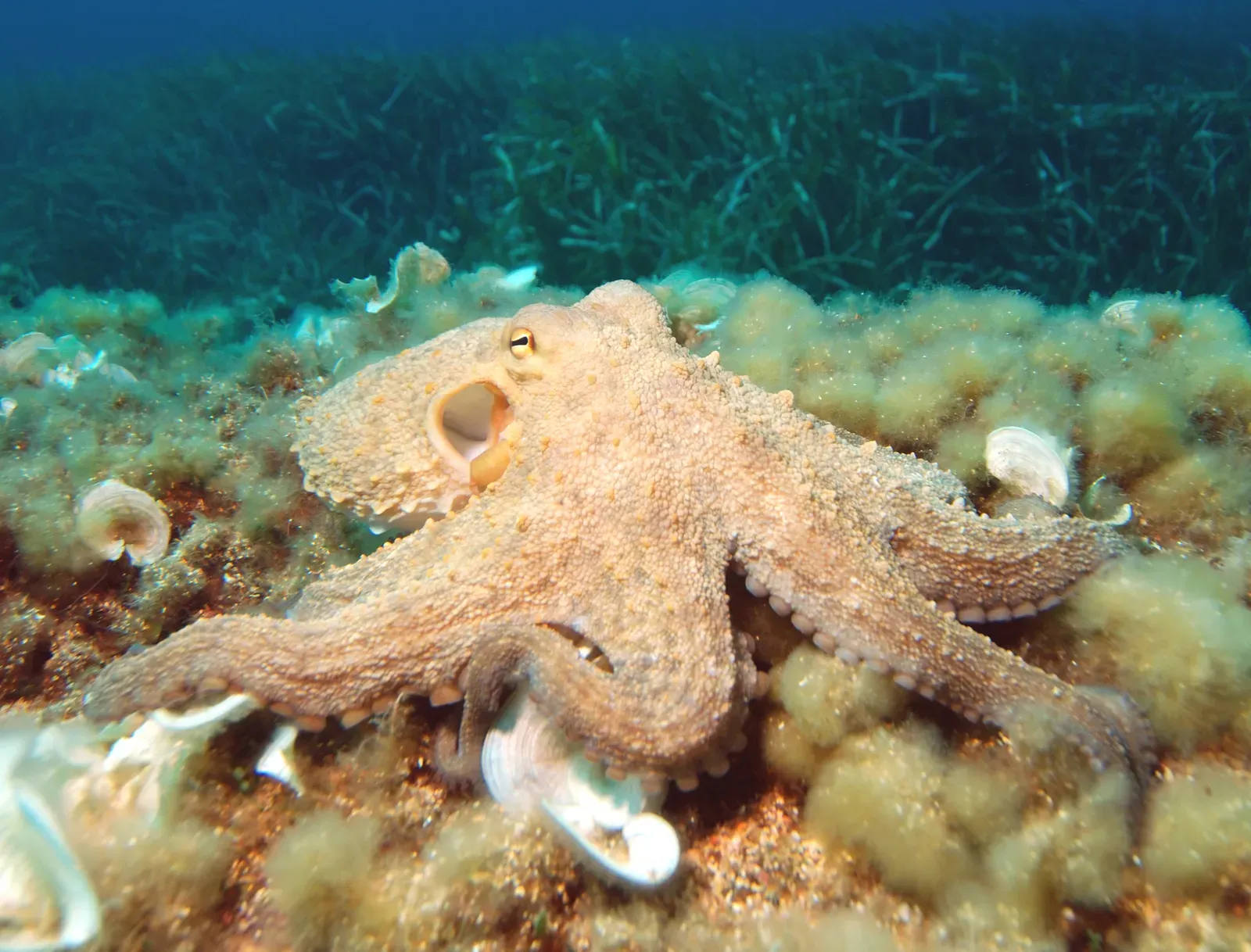
It’s not obvious how you would test the cognition of a creature as alien as an octopus, and it’s telling that many demonstrations of their intelligence are anecdotal, with researchers noting that we have a lot of evidence that their behavior is flexible, but we still need to test how smart they are. The challenge lies in designing experiments that don’t impose vertebrate-centric assumptions about what intelligence should look like.
To truly appreciate octopus cognition, we must broaden our definition of intelligence beyond tool use, verbal reasoning, or social learning. Traditional intelligence tests are designed for animals with similar cognitive architectures to our own. Octopuses process information differently, sense the world differently, and solve problems in ways that don’t fit neatly into our existing frameworks.
Studies revealed that the season and fishing site are important drivers of octopuses’ behavioural differentiation, and findings offer valuable insights into the individuality of octopuses. Environmental factors shape individual octopuses in ways we’re only beginning to understand. Geographic location, seasonal variation, and even the specific habitat all influence cognitive development.
Future research needs to address fundamental questions about octopus neurobiology. How do they integrate information from distributed neural networks? What mechanisms allow their arms to operate semi-independently while still coordinating as a unified system? Characteristic neuroanatomical changes are linked to their habits and habitats, and enlargement and division of the optic lobe as well as structural foldings and complexity in the underlying nervous system are linked to behavioral adaptation.
Understanding octopus intelligence has practical implications beyond pure science. Some animal welfare laws, for example in the EU and parts of the US, have begun to include octopuses, recognizing that an animal this smart and behaviorally complex deserves ethical consideration. As we learn more about their cognitive capabilities, we must reconsider how we treat these remarkable creatures.
Conclusion
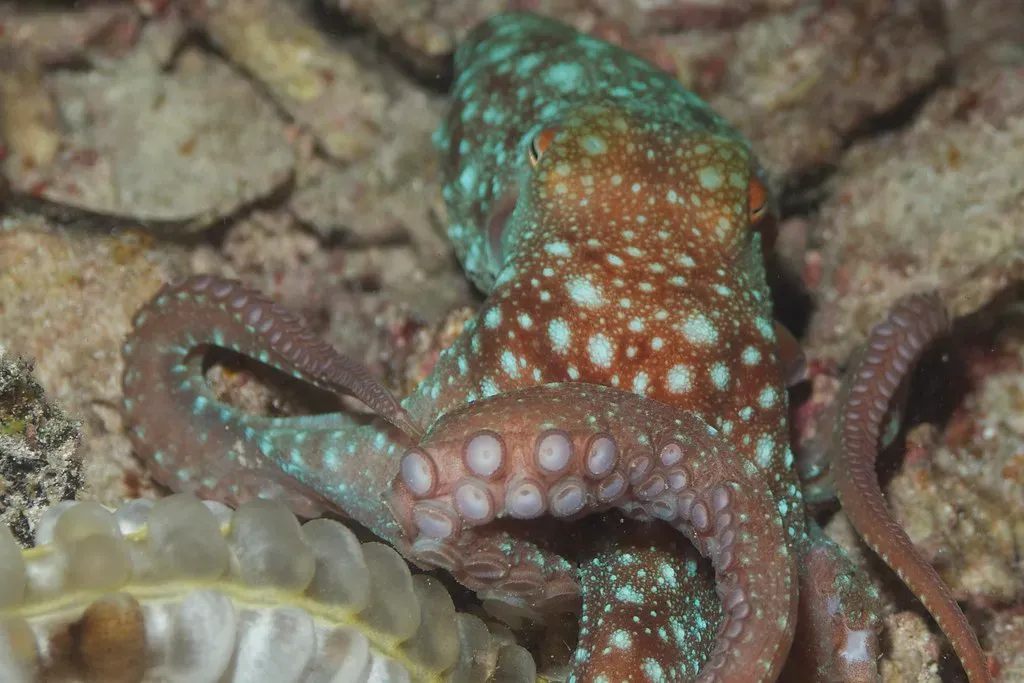
Octopuses challenge nearly everything we thought we knew about intelligence. They demonstrate that there isn’t just one path to complex cognition, and their distributed nervous system, convergent evolution of advanced behavior, and alien neural architecture all point to a sobering truth: intelligence can arise in forms we might not even recognize.
These eight-armed philosophers of the deep force us to expand our definitions and abandon our human-centric assumptions about what minds can be. They solve puzzles, remember faces, carry tools for future use, and possibly experience something like consciousness. All of this with a brain built on a fundamentally different blueprint than our own.
The hidden intelligence of octopuses isn’t just about what they can do. It’s about what their very existence tells us regarding the nature of intelligence itself. If evolution can produce such radically different yet similarly capable minds, what other forms of intelligence might exist that we haven’t yet imagined? What do you think about these alien minds living in our oceans?

- Could the Moon Still Be Geologically Alive? - July 24, 2026
- What Will Happen to Earth When Andromeda Collides With the Milky Way? - July 24, 2026
- 10 Plants That Repel Mosquitoes in Texas - July 24, 2026