

Ever watched your pup sniff around the garden and wondered what incredible secrets the natural world is hiding right under their nose? The wilderness is bursting with creatures so cleverly disguised that even your sharp-eyed furry friend might walk right past them. From color-changing wizards to animals that look like floating leaves, nature has crafted some truly astonishing survival strategies. Let’s explore twelve creatures that have turned hiding into an absolute art form.
The Chameleon: Nature’s Mood Ring
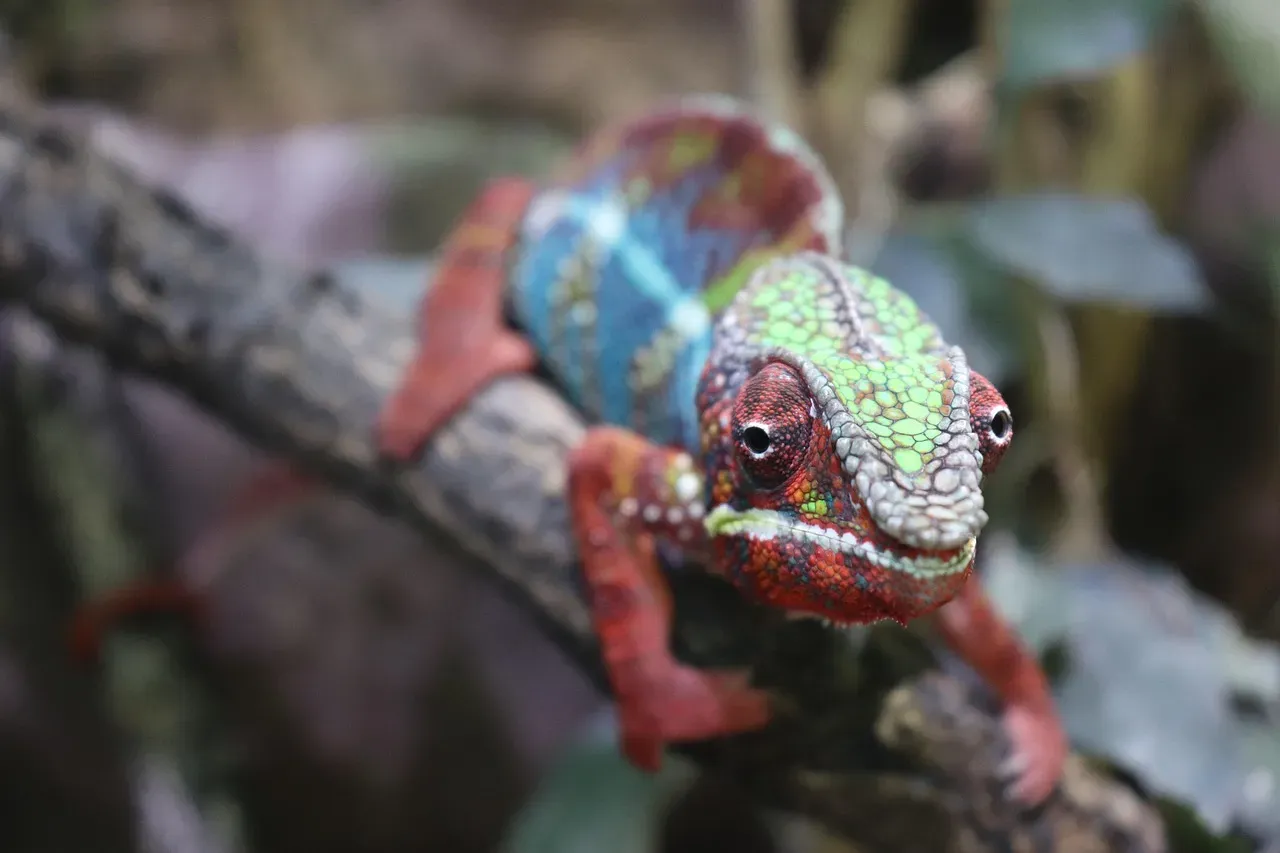
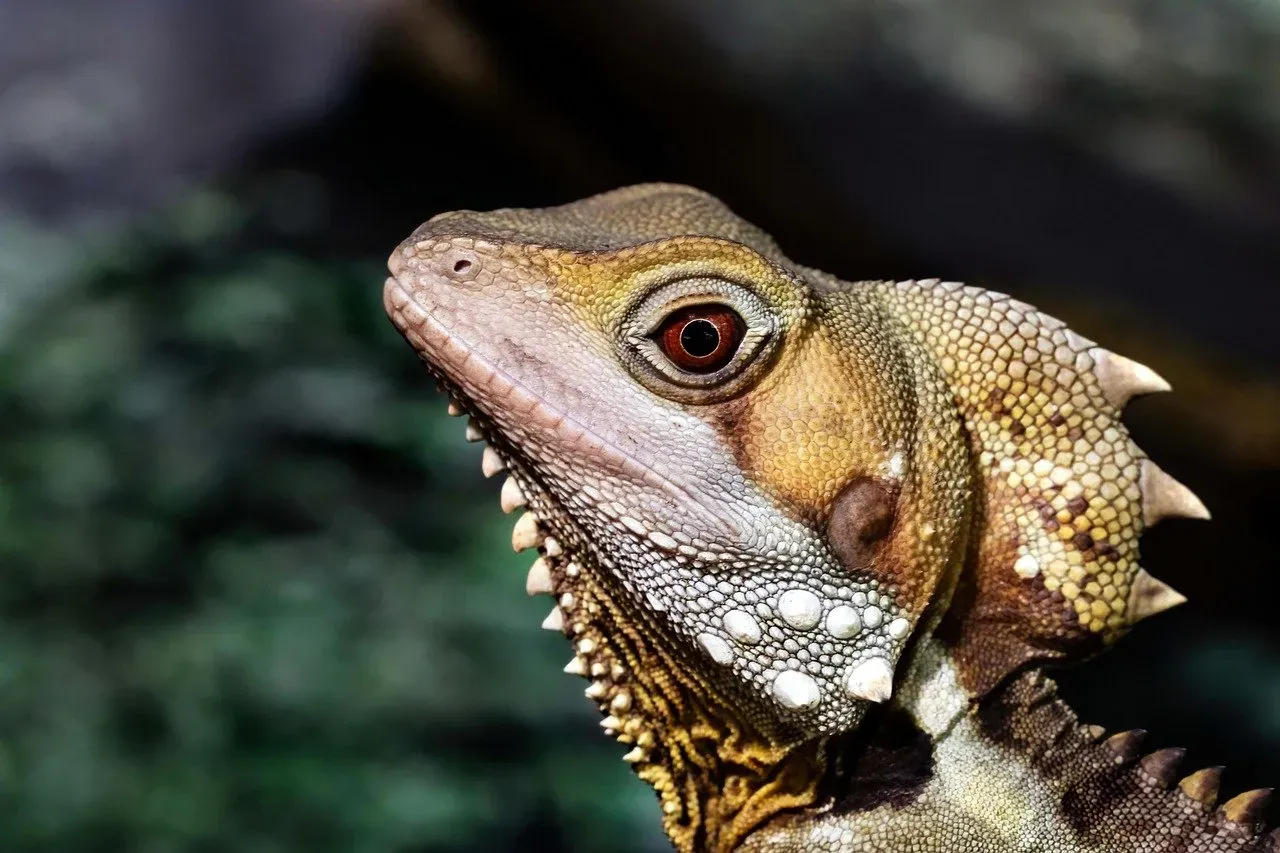
Chameleons are practically synonymous with camouflage, though honestly, their color changes serve more purposes than you might think. These remarkable reptiles don’t typically change color to camouflage themselves; instead, they change color to communicate aggression or desire to other chameleons, or to regulate their body temperature. Still, their base coloration helps them blend beautifully into leafy environments.
Chameleons possess special skin cells called chromatophores that contain pigments, which can expand or contract depending on the chameleon’s emotional state, temperature, or surrounding environment. Think of them as living mood rings, constantly adjusting to what they feel and where they are. When your dog gets excited and their tail wags uncontrollably, chameleons flash colors instead.
The Cuttlefish: Ocean’s Master Illusionist
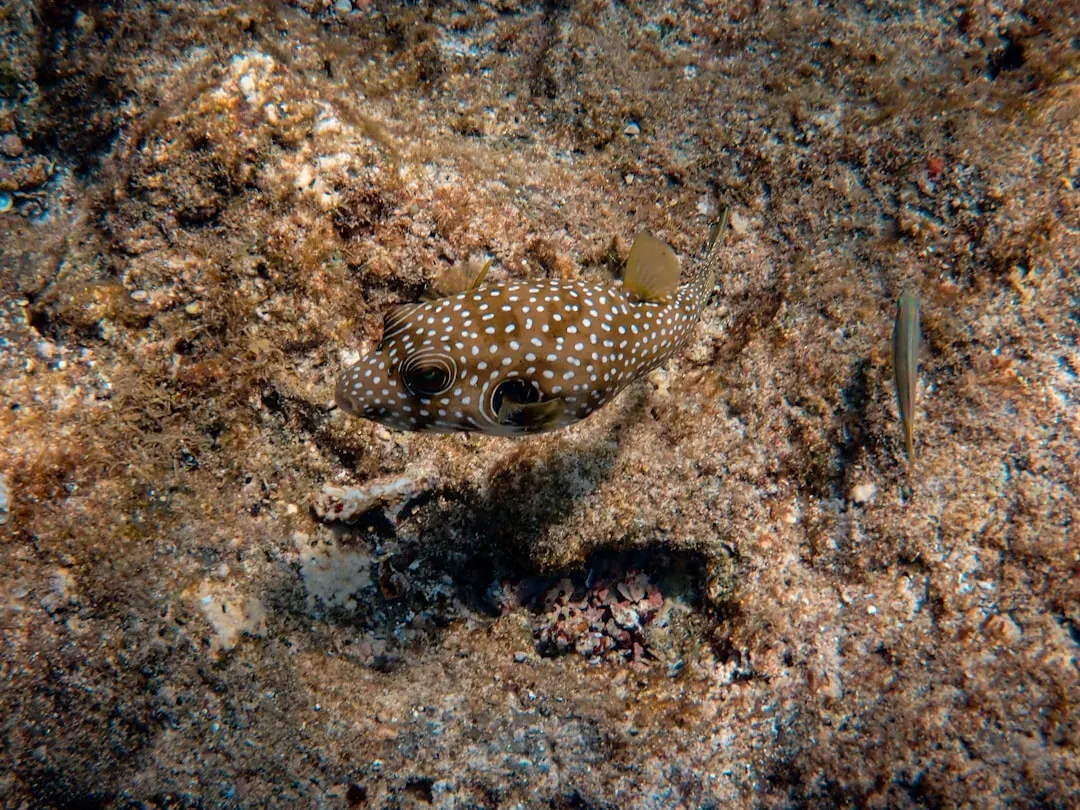
Known as the “chameleons of the sea,” cuttlefish are masters of underwater camouflage, capable of rapidly changing their skin color, texture, and pattern to match their surroundings. These cephalopods are basically underwater magicians. Within seconds, they can transform from looking like sandy seafloor to mimicking colorful coral.
What makes cuttlefish particularly fascinating is their speed. The cuttlefish’s ability to change color is made possible by the expansion or contraction of specialized cells called chromatophores, and by controlling the size of these cells, the cuttlefish can alter the color and reflectance of its skin. They’re like your dog learning a new trick, except their trick involves becoming nearly invisible in less time than it takes you to say “sit.”
The Mimic Octopus: The Ultimate Shape-Shifter
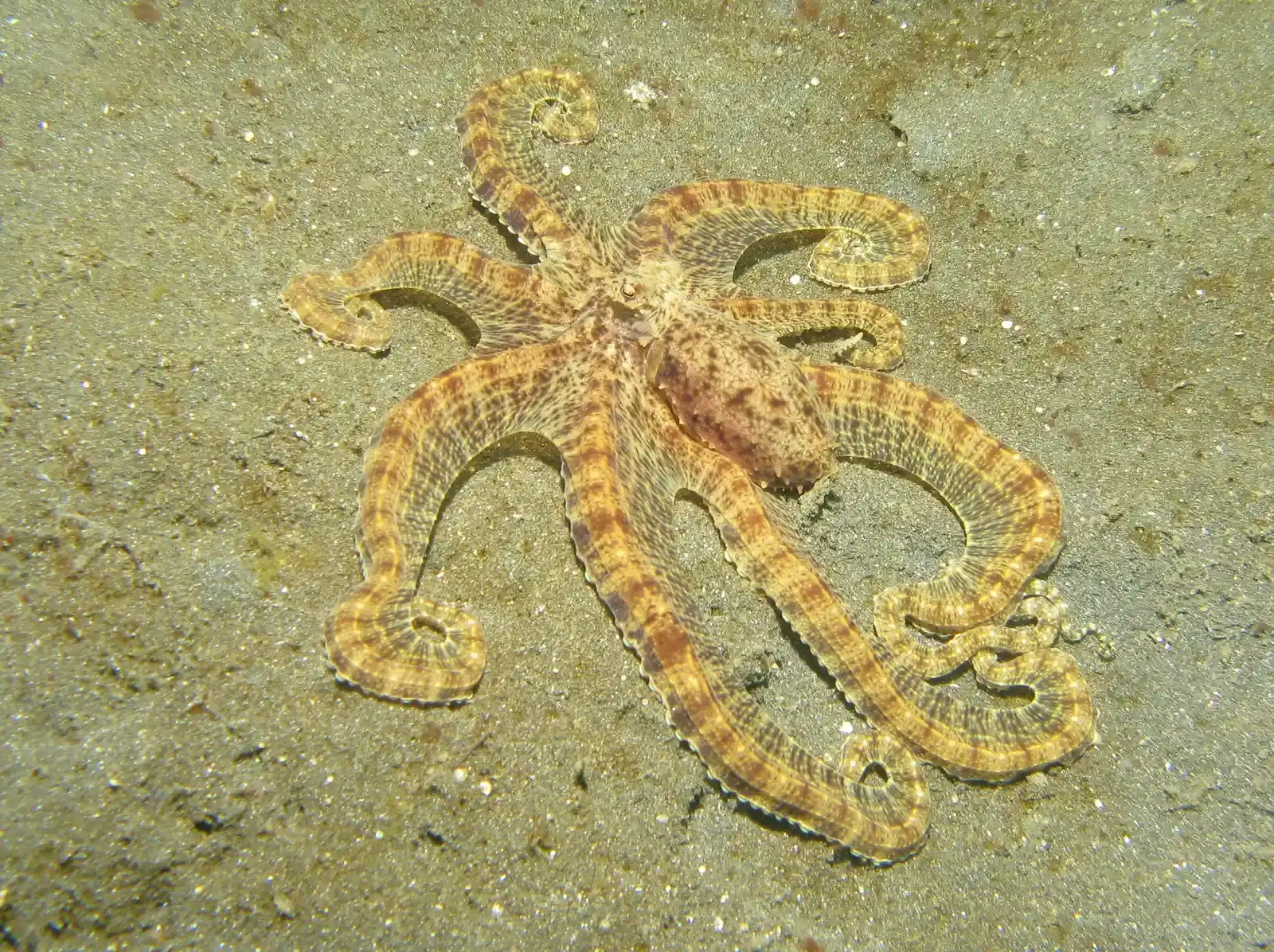
If camouflage had a gold medal category, the mimic octopus would be standing on the podium. This ocean master of deception can imitate more than 15 different sea creatures. Lionfish, sea snakes, flatfish – you name it, this clever cephalopod can copy it.
The Mimic octopus has the ability to imitate the appearance of other creatures, such as sea snakes, flatfish, and lionfish, and it can also change its color and texture to blend in with its environment. It’s not just mimicking for fun either; this octopus actively chooses which disguise to wear based on what predators are nearby. That’s strategic thinking most animals simply can’t match.
The Arctic Fox: Winter’s Ghost
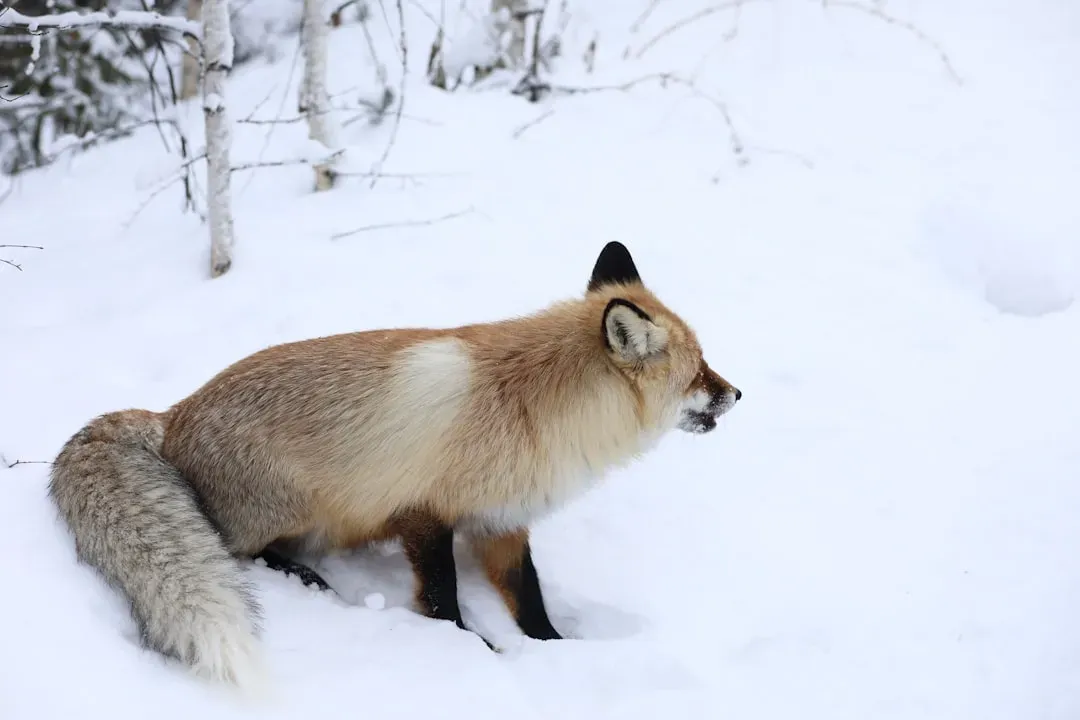
Arctic foxes live in the Arctic tundra, and their fur changes color with the seasons; in the summer, they are brownish-gray in color, allowing them to blend in with the plants and rocks of the tundra, but in the winter, they turn a stark white. It’s nature’s way of giving them a complete wardrobe change twice a year.
Your dog might get a seasonal trim, but imagine if their entire coat color transformed with the weather. The Arctic fox is well adapted to living in cold environments, and is best known for its thick, warm fur that is also used as camouflage. This dual-purpose fur keeps them cozy while keeping them hidden from both predators and prey throughout the year.
The Leaf-Tailed Gecko: Madagascar’s Dead Leaf Impersonator
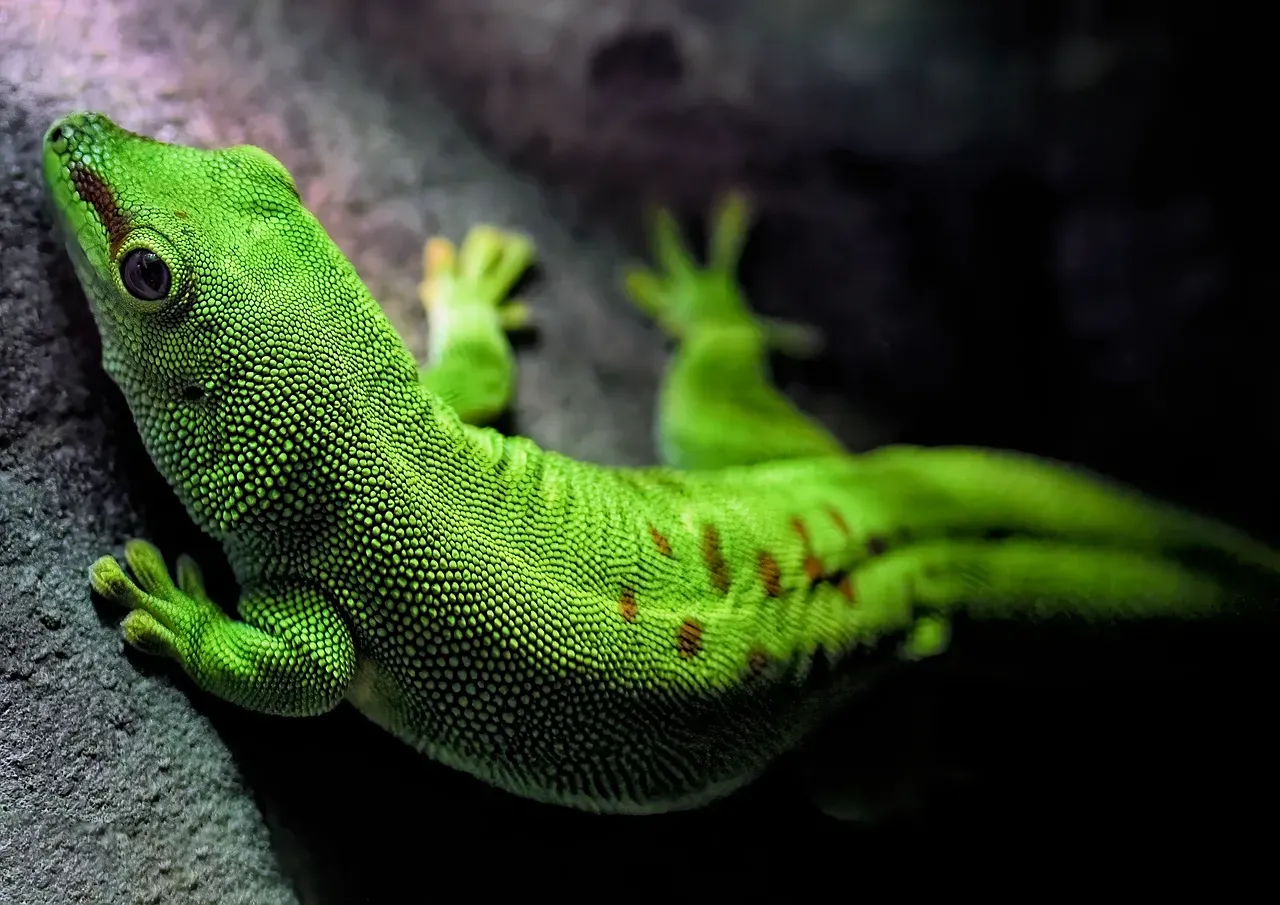
Native to Madagascar, this gecko’s body perfectly mimics a dead leaf, and as animals that camouflage, it can remain motionless for hours. Honestly, you could stare directly at one and still miss it. Their flat, leaf-shaped tail completes the illusion perfectly.
The patience of a leaf-tailed gecko rivals that of a dog waiting for dinner. The leaf-tailed gecko is a true magician of the animal world; native to Madagascar, this reptile looks so much like a dead leaf that you could walk right past it without noticing. It’s a reminder that sometimes the best defense is simply looking completely uninteresting.
The Stonefish: The Deadly Rock Imposter
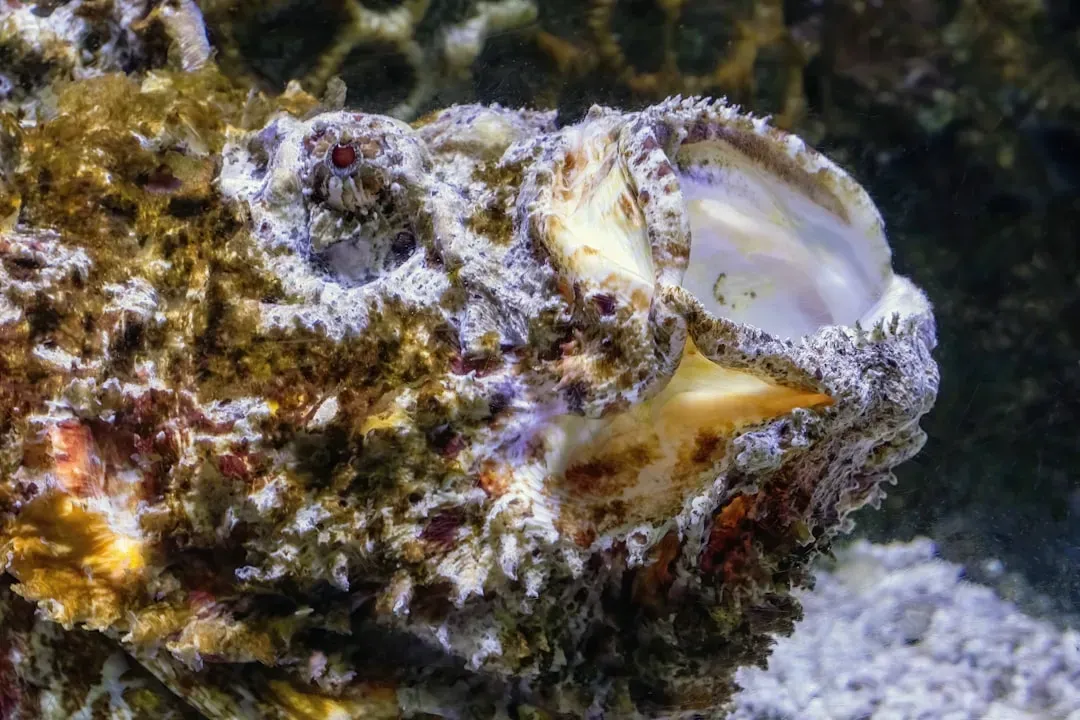
Beneath the coral reefs of the Indo-Pacific lies one of the ocean’s most dangerous creatures: the stonefish, which looks exactly like a piece of rock or coral; covered in mottled brown, gray, and orange skin, the stonefish’s rough texture and sedentary habits make it indistinguishable from the seafloor. This fish takes “playing dead” to a whole new level.
When prey swims by, the stonefish strikes with lightning speed. Its camouflage isn’t just for hiding from predators; it’s an ambush tactic. Your dog might pounce on a squeaky toy, but the stonefish waits with the patience of a seasoned hunter for the perfect moment to strike.
The Stick Insect: The Twig That Walks
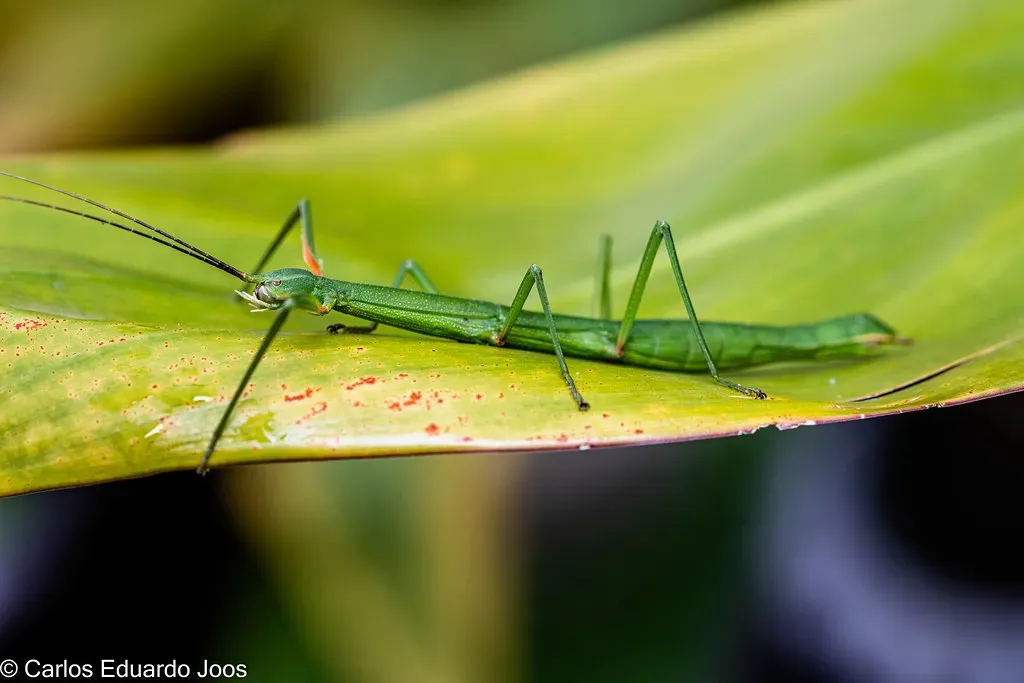
These insects look so much like twigs that predators often pass right by them; their stick-thin bodies sport tiny bumps that resemble bark texture, while their brown-green coloring matches living and dead plant material, and they even gently sway back and forth when the wind blows. It’s mimicry taken to perfection.
Stick insects are hard to spot thanks to their incredible camouflage abilities, and they’ve turned stillness into an art form. Like a dog “staying” on command, stick insects can hold their position for hours, blending seamlessly with branches and fooling even the sharpest-eyed birds.
The Jaguar: Jungle’s Spotted Shadow
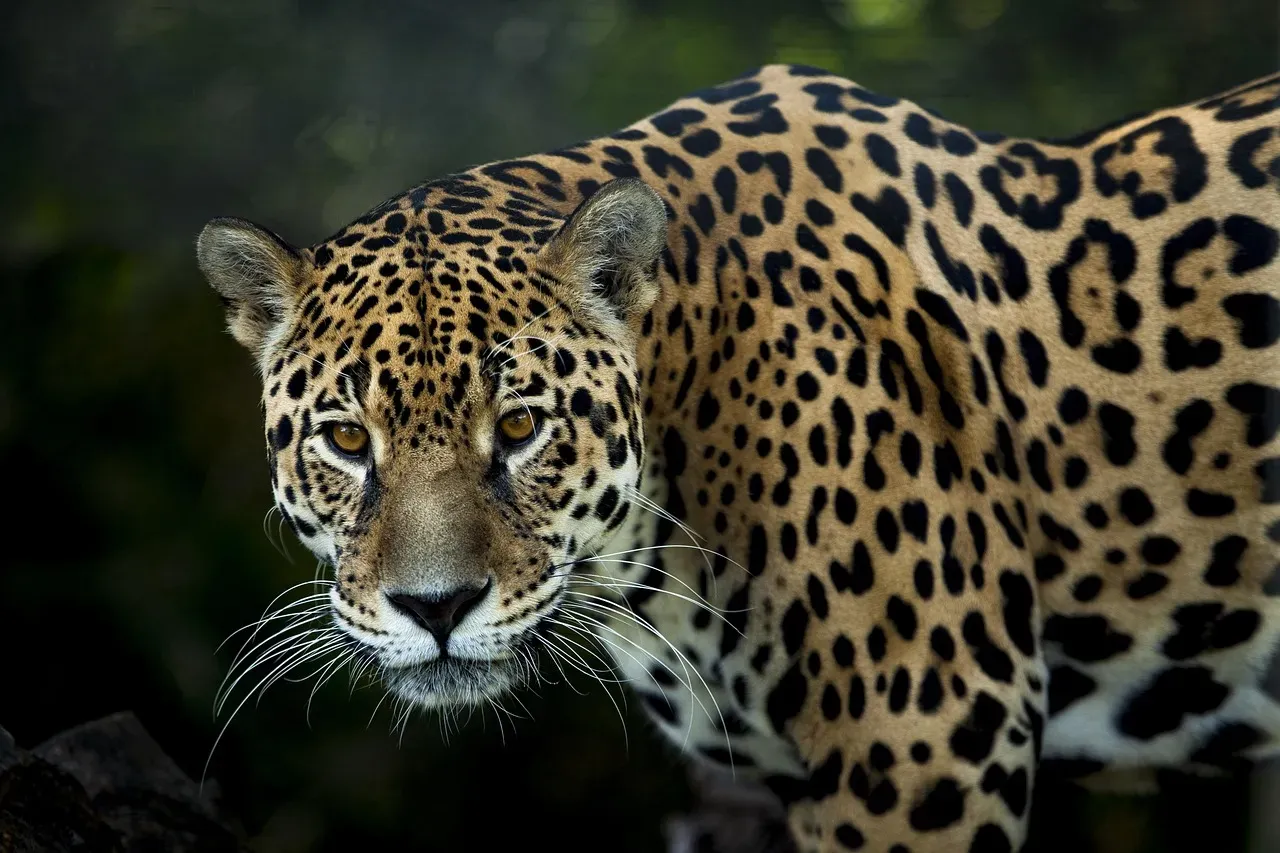
Big cats like jaguars have signature spotted coats which help jaguars blend in with grass, riverbank reeds, and dappled light; unlike leopards and their smaller spots, jaguars have blocky rosette markings with spots inside of them, and this pattern lets them blend in amongst the foliage with ease. These powerful hunters rely heavily on patience and stealth.
Jaguars are the ambush artists of the rainforest. While other big cats chase their prey in dramatic pursuits, jaguars prefer to sit and wait, hidden in plain sight. Their camouflage is so effective that prey animals often don’t realize danger is near until it’s too late.
The Leafy Sea Dragon: Ocean’s Floating Garden
The leafy seadragon has protrusions or appendages that look like leaves or seaweed, and their only purpose is to assist with camouflage; they swim slowly through the ocean to resemble drifting kelp or plants. Watching one drift by is like witnessing underwater poetry in motion.
These creatures don’t just look like seaweed – they move like it too. In the ocean, the leafy sea dragon sways mimetically, like the seaweeds amongst which it rests, as if rippled by wind or water currents. Your dog might tilt their head in confusion if they could see this living plant gliding through the water.
The Arctic Hare: Seasonal Snow Bunny
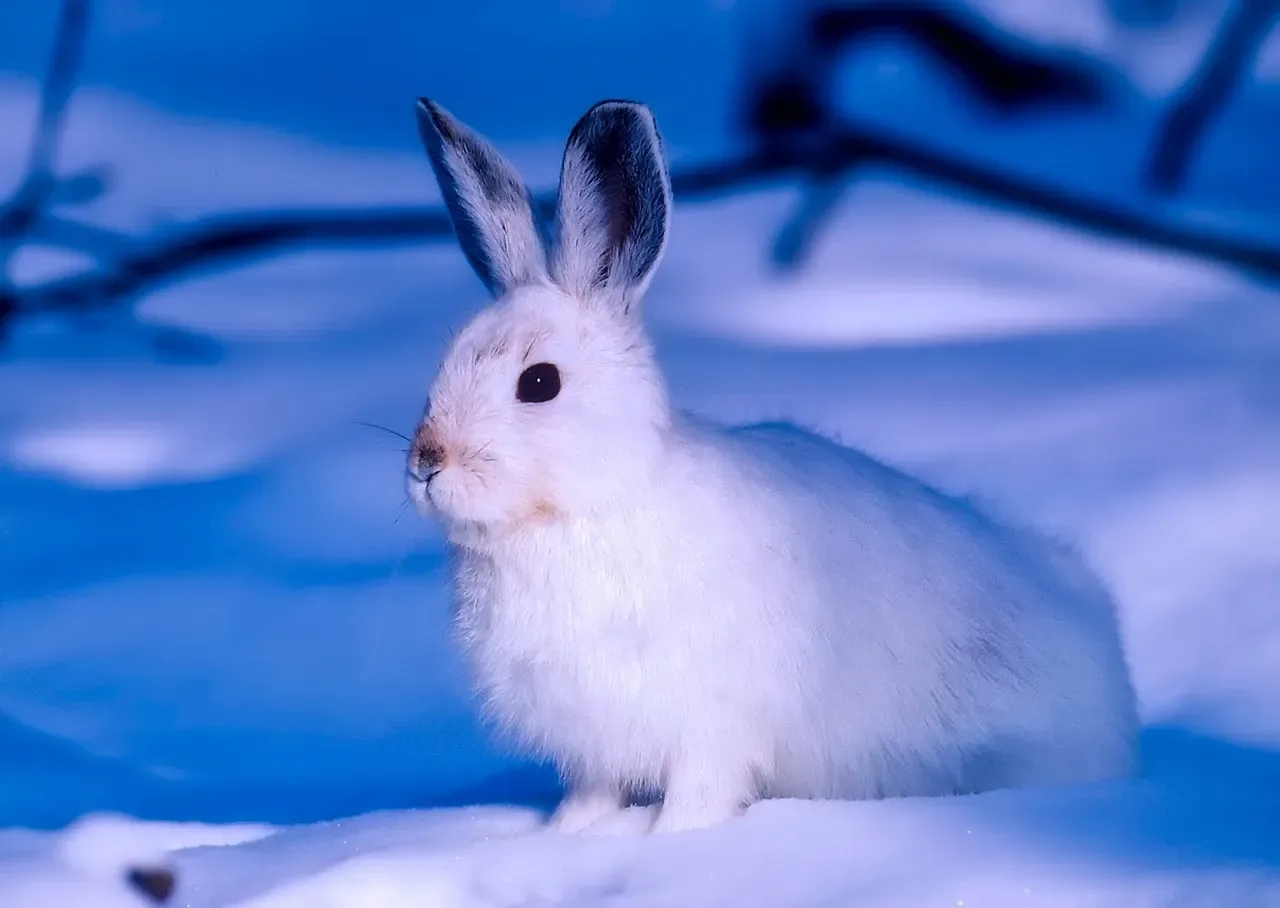
The Arctic hare has mastered the art of seasonal disguise; in summer, its coat turns grayish-brown, blending with tundra rocks and moss, but when winter’s snow blankets the land, the hare’s fur becomes pure white. This transformation isn’t merely about fashion – it’s pure survival.
Arctic hares rely on speed and stealth to evade predators like foxes and wolves, and their camouflage buys them crucial seconds in a chase. Those few seconds can mean the difference between life and becoming another animal’s dinner. Much like how your dog uses speed to catch that tennis ball, Arctic hares use their camouflage combined with quick bursts of speed to survive.
The Eastern Screech Owl: Bark’s Silent Guardian
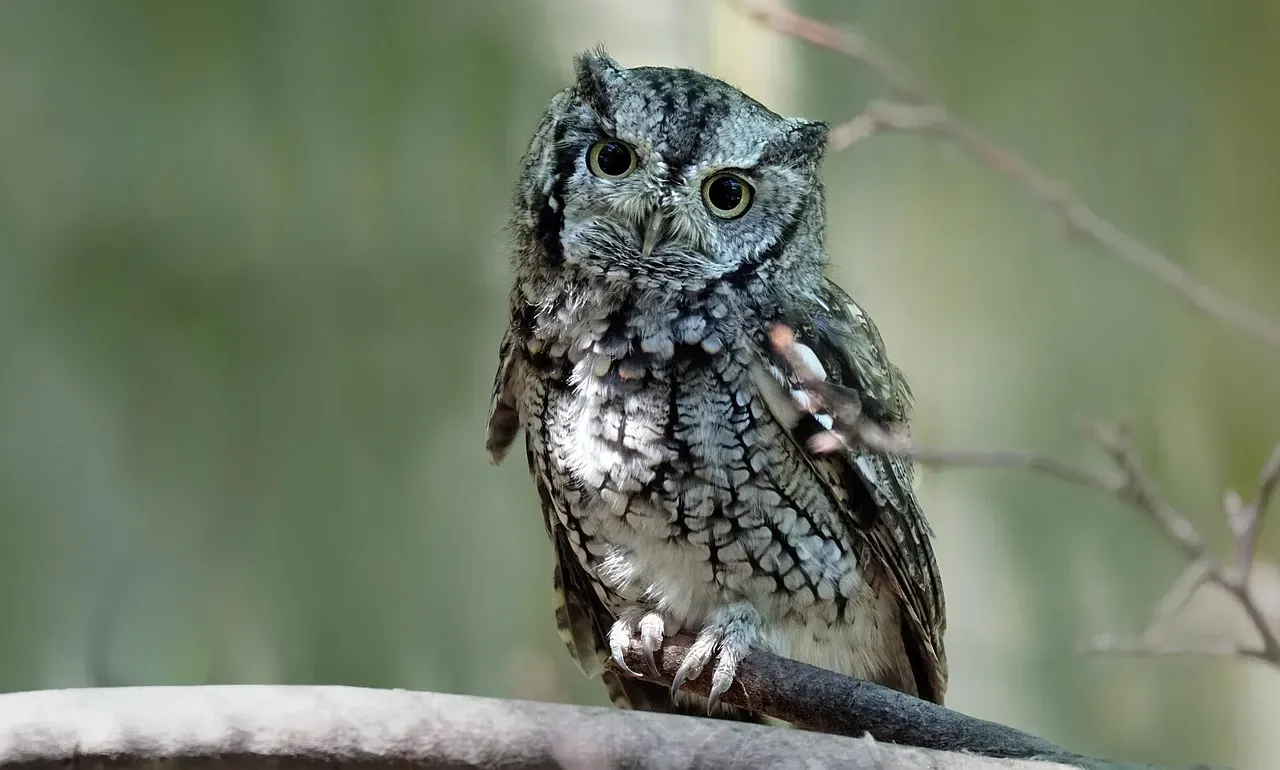
Some species, like the eastern screech owl, have feathers that look like tree bark, complete with streaks and mottled patches; during the day, these birds tuck themselves against trunks or inside hollows, becoming nearly invisible. Their camouflage is so convincing that hikers often walk right past them.
These small owls are nocturnal hunters, so daytime concealment is critical. Their mottled plumage doesn’t just match tree bark – it mimics the very texture and shadows of it. If your dog has ever looked up at a tree and barked at seemingly nothing, they might have actually sensed one of these perfectly camouflaged hunters.
The Katydid: The Leaf That Chirps
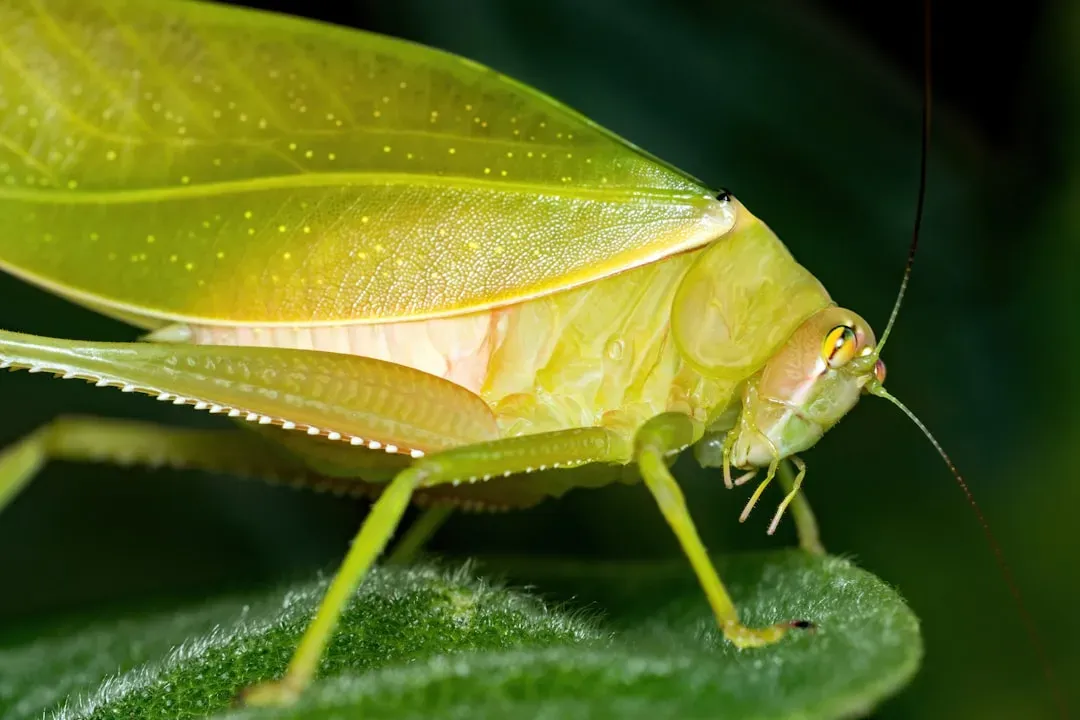
Their wings feature detailed vein patterns that mirror real leaves, complete with spots that look like fungal damage or insect bites; some species sport colors ranging from vibrant green to brown, matching leaves in different stages of life, and these insects even move with a swaying motion. They’re walking works of botanical art.
Katydids have perfected leaf mimicry down to the tiniest detail. Fake damage marks, color variations, even swaying movements – nothing is left to chance. It’s like nature gave them a masterclass in disguise, and they passed with flying colors. Your pup might try sniffing one out, but even their keen nose might be fooled by this incredible insect.
Conclusion
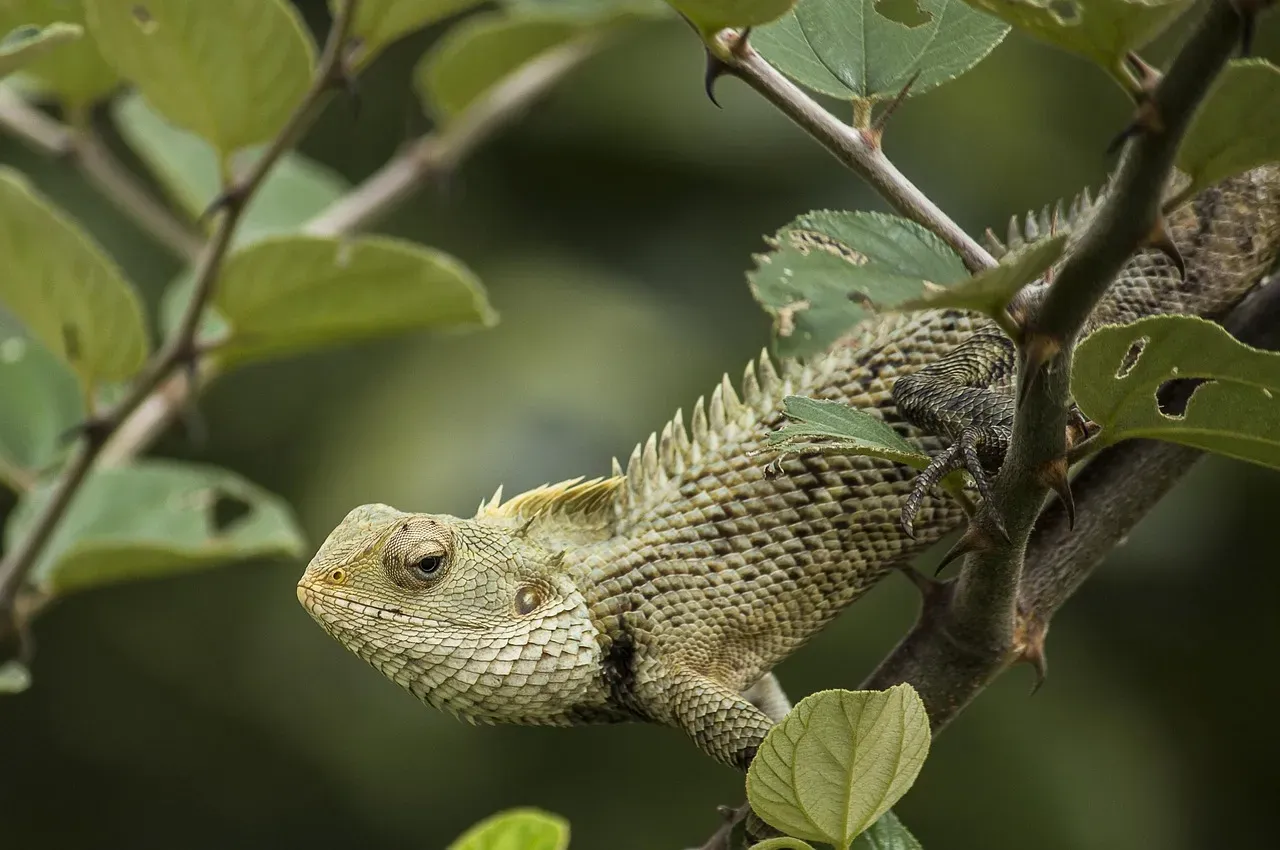
The animal kingdom’s masters of camouflage remind us just how creative and clever nature truly is. From octopuses that transform in seconds to Arctic foxes swapping their entire wardrobe seasonally, these survival strategies are nothing short of miraculous. Every time you take your furry companion for a walk, remember that countless creatures around you are hiding in plain sight, silently perfecting the ancient art of disappearing.
These animals teach us patience, adaptability, and the beauty of blending in when necessary. Next time your dog stops to sniff around a tree or investigates a leafy bush, who knows what camouflage master might be watching back? What’s the most incredible animal disguise you’ve ever witnessed? Share your thoughts below.

- 12 Architectural Wonders From The Ancient World That Inspire Us Today - July 18, 2026
- 6 Beautiful Ancient Cities That Time Forgot (But Shouldn’t) - July 18, 2026
- 6 Common Animal Behaviors That Are Often Misunderstood by Humans - July 18, 2026