

Ever wondered what happens when you combine the elegance of a Persian with the striking beauty of a Siamese? Picture a cat lounging in a sunbeam, looking like royalty wrapped in clouds. That’s the Himalayan cat for you – a creature so luxurious it could probably charge rent for its coat alone. These felines have captured hearts for decades with their piercing blue eyes, fluffy presence, and surprisingly gentle souls.
Let’s be real, not all cats are created equal. Some climb curtains at three in the morning, while others prefer a more sophisticated lifestyle. The Himalayan falls squarely into the latter category, making them perfect for anyone seeking a calm companion who won’t turn their house into a circus.
So let’s dive in and explore what makes these blue-eyed beauties truly special.
The Fascinating Origins and History of Himalayan Cats
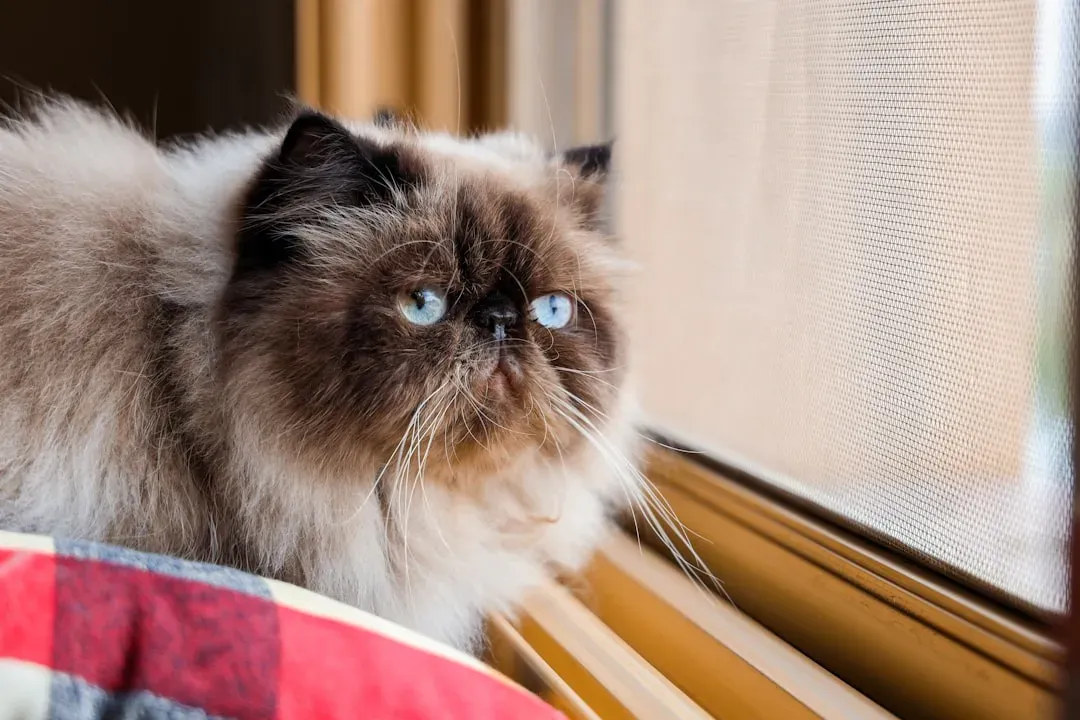
The idea of creating a Persian cat with the pointed pattern of the Siamese had long been desired by breeders, and Persian cats with colored points, called Himalayans, were produced in the United States in the early 1930s thanks to the efforts of Marguerita Gorforth, Virginia Cobb, and Dr. Clyde Keeler. Here’s the thing – this wasn’t just some random experiment. These pioneers actually studied genetics at major institutions to make this dream a reality.
The name Himalayan comes from their unique coloring that looks similar to the Himalayan rabbit’s. It’s hard to say for sure, but that connection gives the breed an exotic flair even though they’re thoroughly domestic.
A British breeder named Brian Sterling-Webb devoted 10 years to create a longhaired color point cat and earned breed recognition from the Governing Council of Cat Fancy in 1955, and two years later, Marguerita Goforth, a California breeder, successfully petitioned the Cat Fanciers Association to recognize the Himalayan as a new breed. Talk about dedication.
By the 1960s, every United States registry had accepted the Himalayan for recognition in the show ring.
In the 1980s, a concerted effort to re-establish the breed along more formally Persian lines ultimately caused the breed to be merged into Persian as a variant in some registries. This sparked some debate that continues today – is the Himalayan truly a separate breed or just a fancy Persian?
Striking Physical Appearance and Distinctive Features
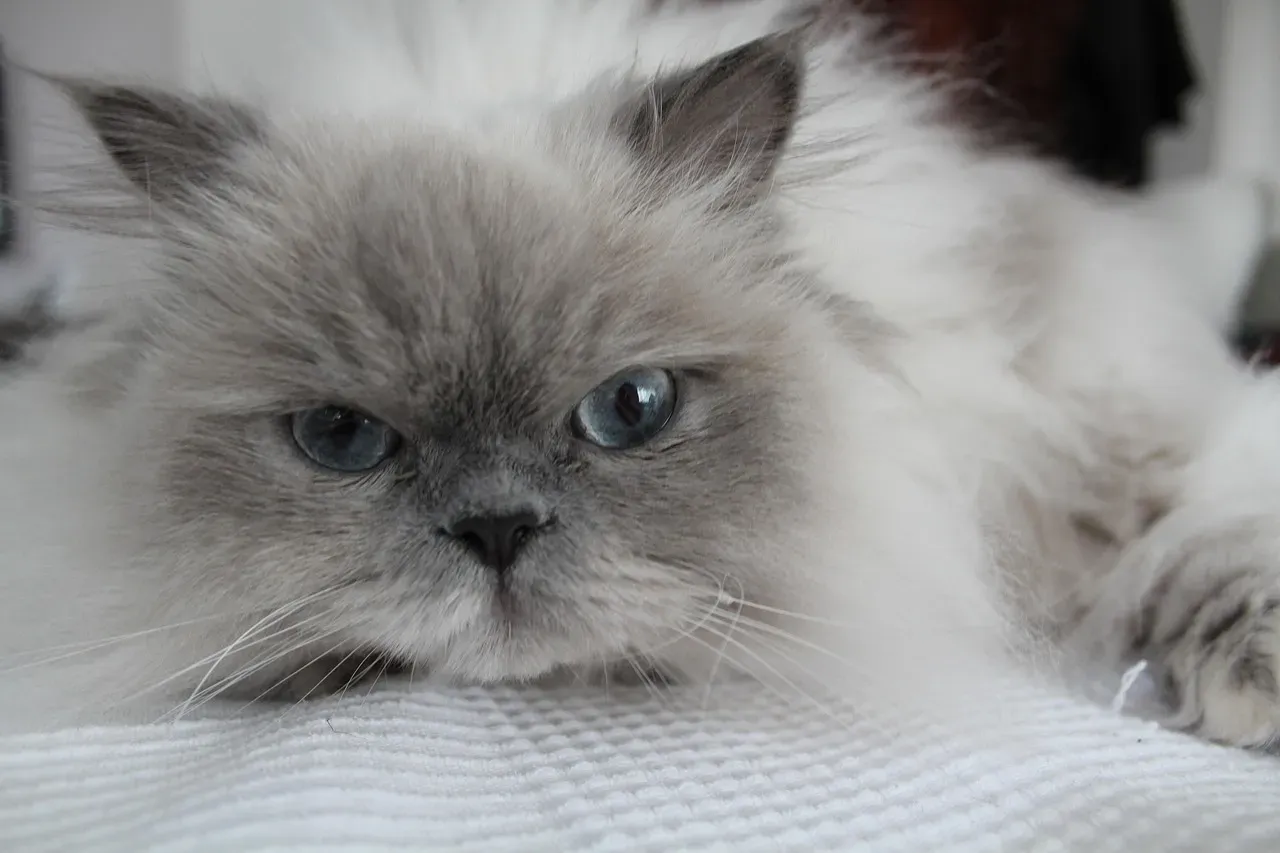
The Himalayan is an extreme looking breed with a body that is short but thick with thick legs and a short, thick neck, heavy boning but a short tail and small ears. Their stature might seem compact, yet they possess surprising weight and substance beneath all that fur.
The head of the Himalayan is round and has large, round eyes, and when viewed in profile, the face is flat with the nose changing direction. This brachycephalic facial structure gives them that adorable squished appearance people either love or worry about.
The coat on a Himalayan is thick, full and long, very fine, but should be lustrous and glossy.
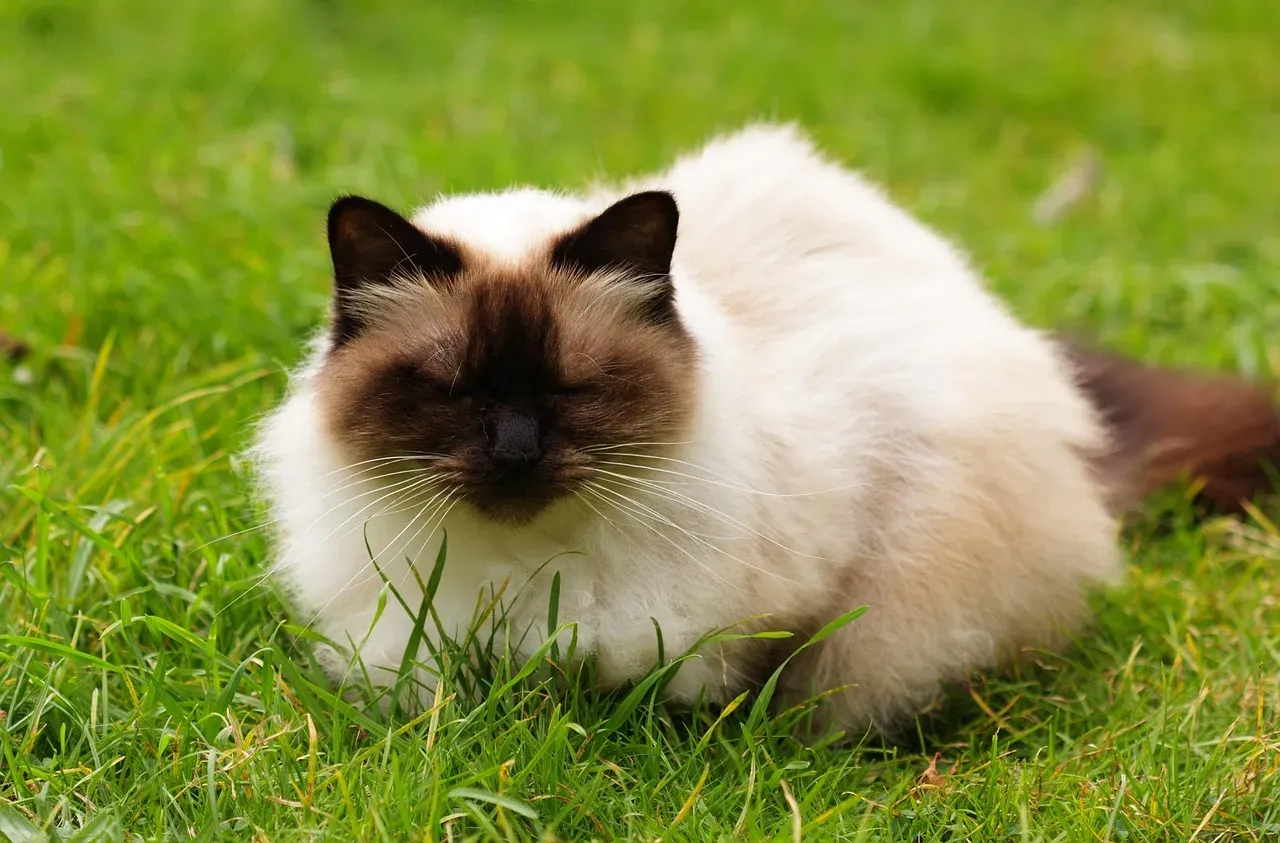
The color-pointing phenomenon is genuinely fascinating. Like a living heat map, the colors on a Himmie’s body are governed by their body temperature – their extremities are colder than the central parts of their bodies, and unlike us, this means that the extremities are darker in color than the main parts.
Males typically weigh more than 12 pounds while females are medium-sized at 8 to 12 pounds. They look even larger than they actually are thanks to that massive fluff factor.
Personality Traits and Temperament
Honestly, if you’re expecting a hyperactive hurricane in cat form, the Himalayan will surprise you. The Himalayan is a placid cat that exhibits bursts of kitten-like activity – she will be sleeping in the sun when she suddenly explodes, running around the room and rolling around. These random zoomies are hilarious to witness.
Himalayans are gentle, affectionate, and highly intelligent, known as lap cats, are easygoing and calm, and rarely vocalize. They won’t be screaming at you for breakfast at dawn like some breeds we know.
They tend to bond strongly with one person in their human family and love to be near them as much as possible.
She does not mind changes in routine and is generally friendly with anyone and everyone. This adaptability makes them surprisingly easy housemates compared to more demanding breeds.
Serene, quiet environments with few day-to-day changes are best for the Himmie. Think cozy evenings rather than chaotic households with constant activity.
Daily Grooming Requirements and Coat Care
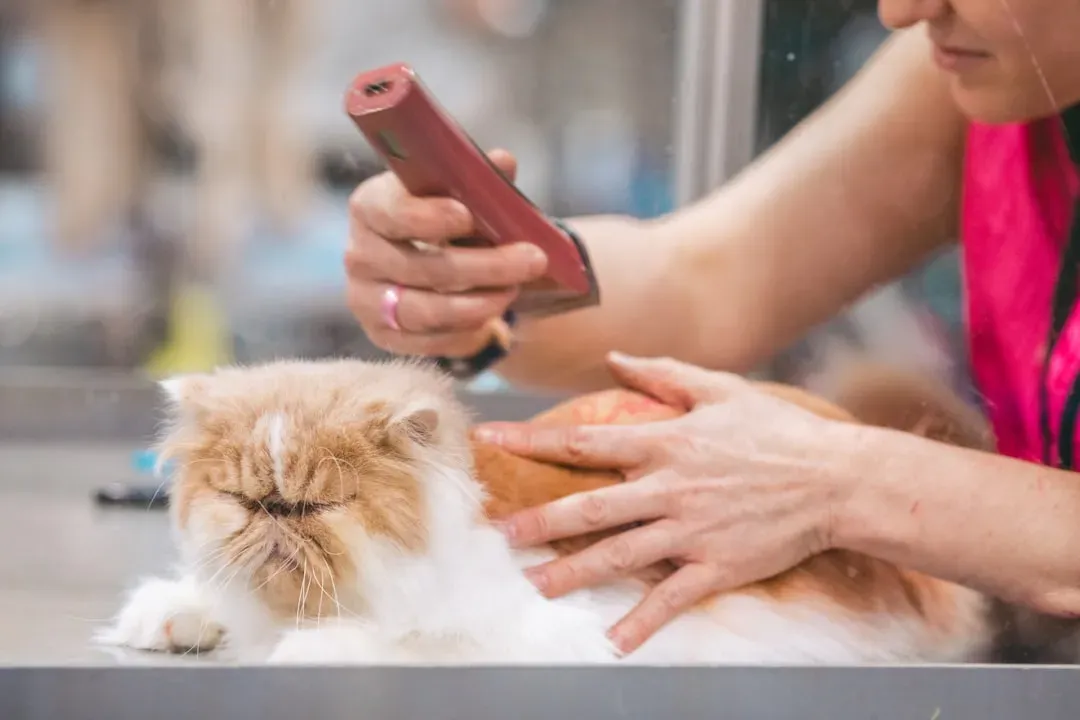
Let’s be honest – this is where Himalayan ownership becomes a labor of love. These cats need a lot of grooming because of their thick fur, and you should brush them every day to stop mats. Daily isn’t a suggestion; it’s basically a non-negotiable requirement.
To prevent matting, brush your cat every day using a comb that can reach their thick undercoat, because skipping daily grooming could result in large, painful mats that require professional grooming to untangle.
Since Himalayans have long hair, they may need bathing, as dust, dirt, and other debris can easily get trapped deep within their fur, and proper brushing can help maintain a clean coat for longer, but these cats usually need an occasional bath. Some owners bathe them every few weeks to keep oils under control.
Himalayans have big blue eyes that produce more tears than most other breeds do, thanks to their flat face, and this can cause unsightly tear stains and moist, infection-prone fur, so you can keep your Himalayan’s eyes healthy by wiping them with warm water and a small cotton facecloth. This tear staining is particularly noticeable on lighter-colored cats.
The grooming commitment is real, making these cats ideal for people who genuinely enjoy spending quality bonding time with their pets rather than those seeking a low-maintenance companion.
Common Health Issues and Lifespan
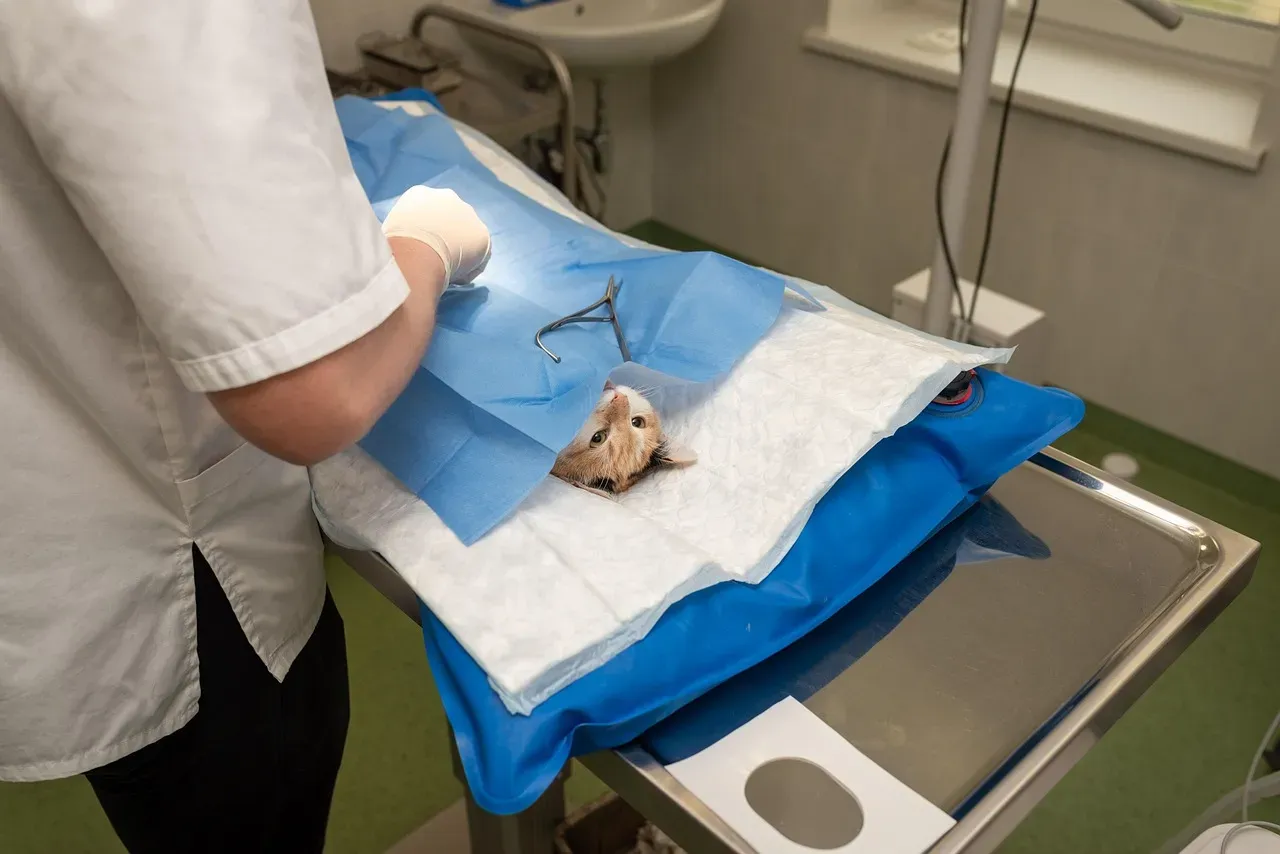
The Himalayan cat lifespan is an average of 9–15 years, so you’ll have lots of time to bond with your feline companion. That’s a respectable range, though proper care can push them toward the upper end.
Flat-faced cats and dogs often suffer from brachycephalic airway syndrome, which is a group of problems affecting the upper airway, as physical features such as narrow nostrils, a long soft palate, a collapsed larynx, and an undersized trachea can make breathing difficult for brachycephalic breeds such as Himalayans. This is probably the most significant health concern for the breed.
Polycystic kidney disease (PKD) is a genetic condition that causes cats to develop cysts in their kidneys, leading to irreversible kidney damage by destroying normal kidney tissue and function. Reputable breeders should test for this before breeding.
Hypertrophic cardiomyopathy (HCM) is a common heart condition in cats, and the disease may not show any signs in the beginning, but in advanced stages it can lead to problems like difficulty breathing and lethargy.
Additionally, Himalayan cats might be prone to excessive tearing and eye-watering, which is called epiphora, and the best way to combat this and prevent staining on your kitty’s face is to wipe it daily with a soft cloth. Regular veterinary checkups become crucial for catching any issues early.
Living with a Himalayan: Exercise and Enrichment Needs
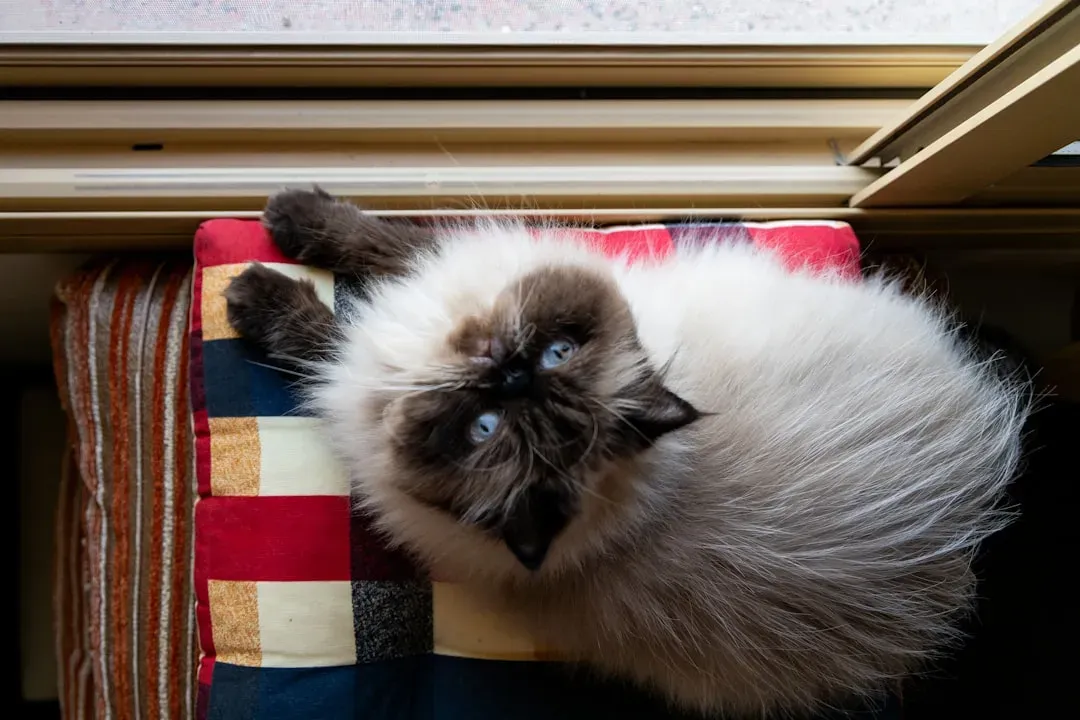
Don’t expect your Himalayan to train for a marathon anytime soon. The Himalayan needs to have her nutrition controlled if she is to stay in good condition, since the breed is not known for a high degree of exercise, so attention must be paid to both her nutrition and exercise. Weight management becomes surprisingly important with these sedentary beauties.
The Himalayan needs exercise to keep in top condition and likes to play with her parent and will play with interactive toys, chase balls, and attack catnip mice, but you might have to keep after her to exercise on a daily basis. They’re definitely not self-motivated athletes.
Himalayans prefer being “four on the floor” type cats rather than climbing up on high places or leaping. You won’t find them perched atop your tallest bookshelf.
She’s content staying home alone and won’t climb your curtains or jump on your counters, though that doesn’t mean she doesn’t enjoy playtime with toy mice or even a ball of crumpled paper.
Himalayans thrive on stability and a predictable routine; sudden changes or loud environments can stress them out, and they prefer gentle activities and quiet surroundings, making them well-suited to indoor life and apartment living. Perfect for city dwellers or anyone with a peaceful household.
Is a Himalayan Cat Right for Your Home?
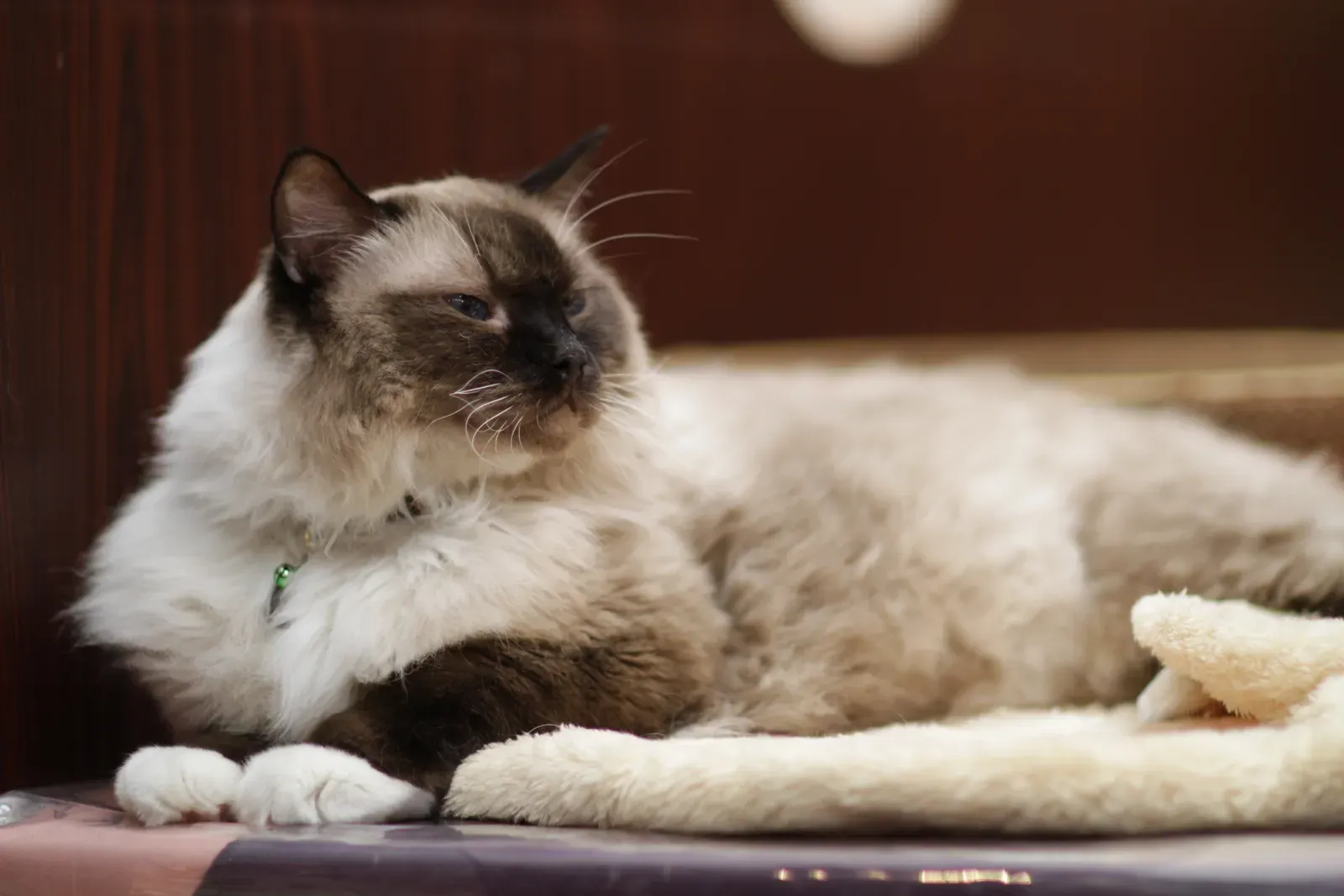
With their gentle, calm temperaments, Himalayans can make excellent family pets, however, they prefer a quieter home environment that suits their mellow demeanor, and large, active families may be better off choosing a more outgoing cat that is tolerant of intermittent chaos. Think carefully about your household dynamics before committing.
Himalayans can do well with children but don’t enjoy the noise and rough handling of younger kids, so families with older children are a better fit for Himalayans.
If introduced and socialized properly, Himalayans can live happily with other cats and calm dogs, though they probably won’t enjoy spending time with active puppies or energetic older dogs. Compatibility matters significantly.
Busy families should also remember that a Himalayan needs more daily attention, especially for grooming, than some other breeds. This isn’t a cat you can ignore for days at a time.
The ideal Himalayan owner has time for daily grooming sessions, appreciates a calm companion over an acrobatic entertainer, and values creating a peaceful environment where both human and feline can relax together. If that sounds like you, this breed might just be your perfect match.
Conclusion
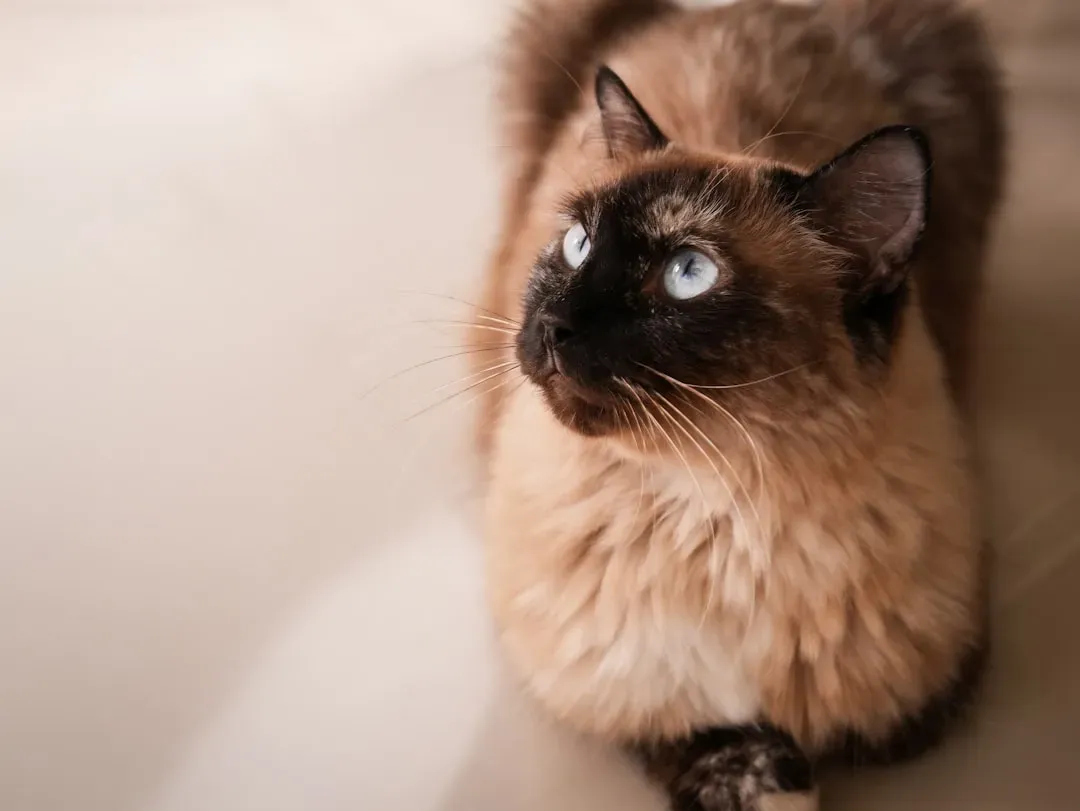
The Himalayan cat truly represents the best of both worlds – combining Persian elegance with Siamese coloring into one stunning package. These gentle, affectionate creatures offer devoted companionship to those willing to meet their grooming needs and provide the serene environment they crave. From their fascinating breeding history to their placid personalities, Himalayans have earned their place as one of the most beloved pedigreed cats.
Sure, they require daily brushing and regular facial cleaning, plus they’re not winning any athletic competitions. Yet for the right owner, these commitments transform into bonding opportunities rather than chores. Their calm demeanor, loyalty, and those mesmerizing blue eyes make every grooming session worthwhile.
Whether you’re captivated by their luxurious coats or drawn to their sweet temperament, understanding what Himalayan ownership truly entails helps ensure a happy relationship for years to come. So what do you think – are you ready to welcome one of these fluffy beauties into your life?
