


The Northern Bald Ibis is a remarkable bird with a lineage stretching back 1.8 million years. Weaving through time from the ancient lands of the Middle East, this bird’s story is one of endurance. However, its survival is threatened, pressuring conservationists worldwide. This article takes you on an insightful journey through the life, challenges, and conservation efforts surrounding this incredible avian creature.
Historical Significance of the Northern Bald Ibis
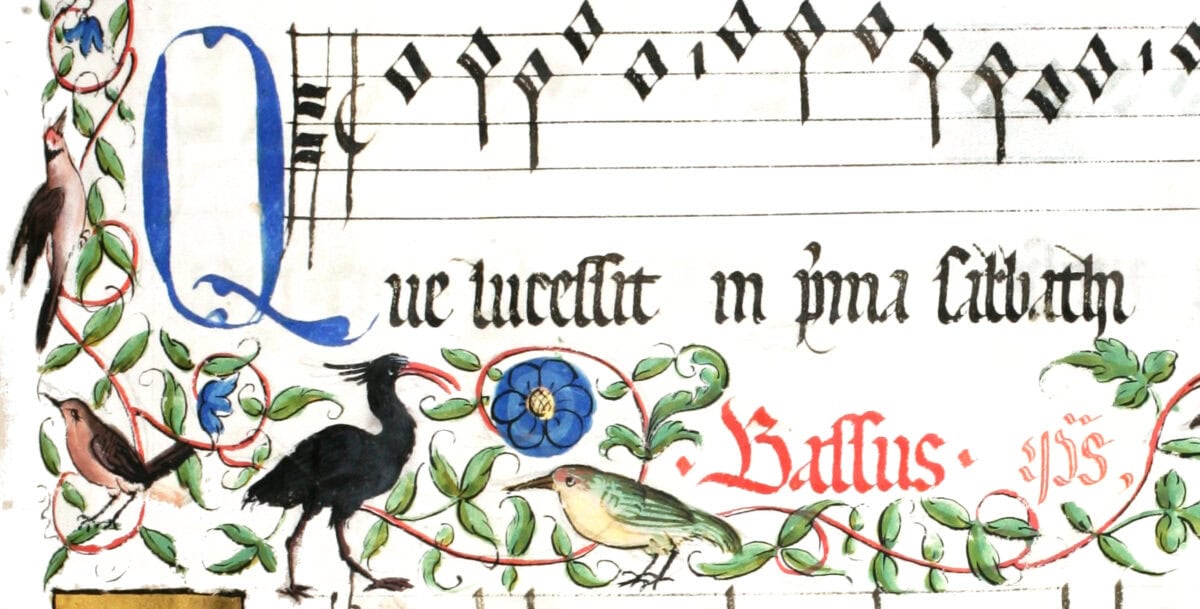
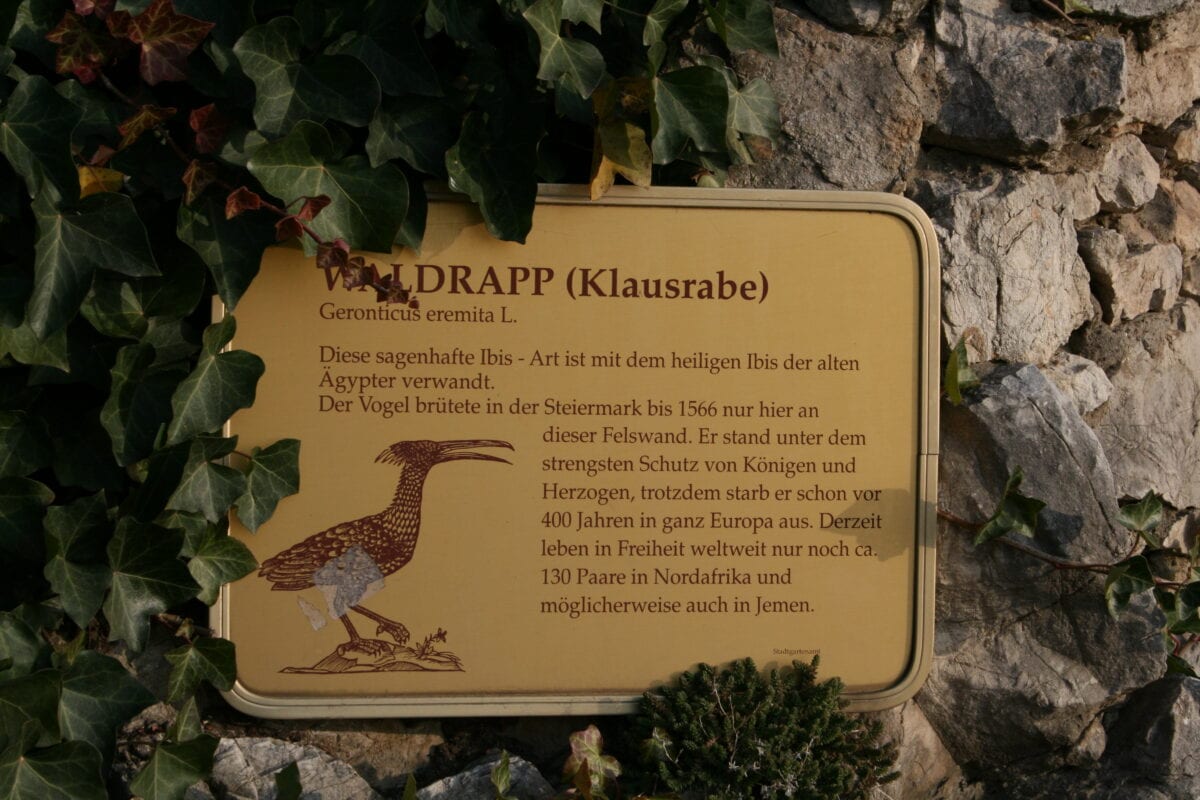
The Northern Bald Ibis, known scientifically as _Geronticus eremita_, is not just any bird; it is a living connection to prehistoric times. Often depicted in Egyptian hieroglyphs, this bird once flourished across North Africa, the Middle East, and Europe. Revered by ancient civilizations, its presence often symbolized prosperity and good luck.
Distinct Physical Characteristics

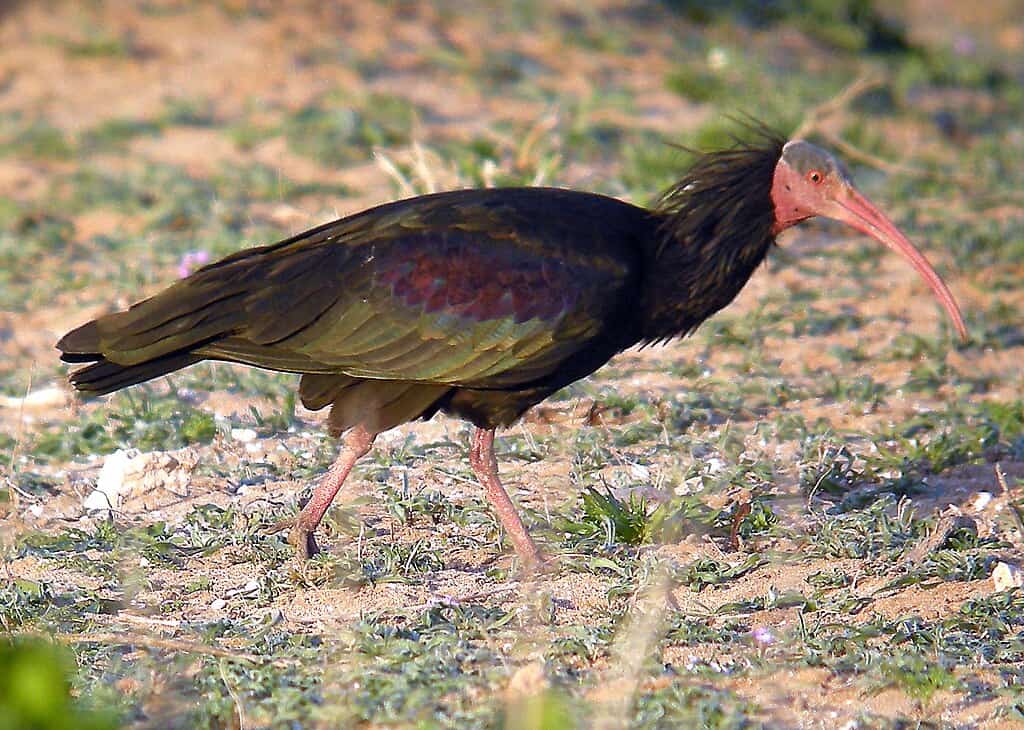
The Northern Bald Ibis is easily recognizable due to its unique appearance. It sports a gleaming plumage, predominantly a glossy black with an iridescent sheen. Its defining feature is the bare red face and head, contributing to its bald moniker. Adding to its distinctive look are its bright red, down-curved bill and long, reddish legs.
Habitat of the Northern Bald Ibis

This species is predominantly found in arid, semi-desert environments, where it prefers nesting on cliffs to avoid predators. Historically, colonies existed across a wide geographic range, but today, their presence is limited to a few fragmented populations in Morocco, Syria, and Turkey.
Feeding Habits and Diet
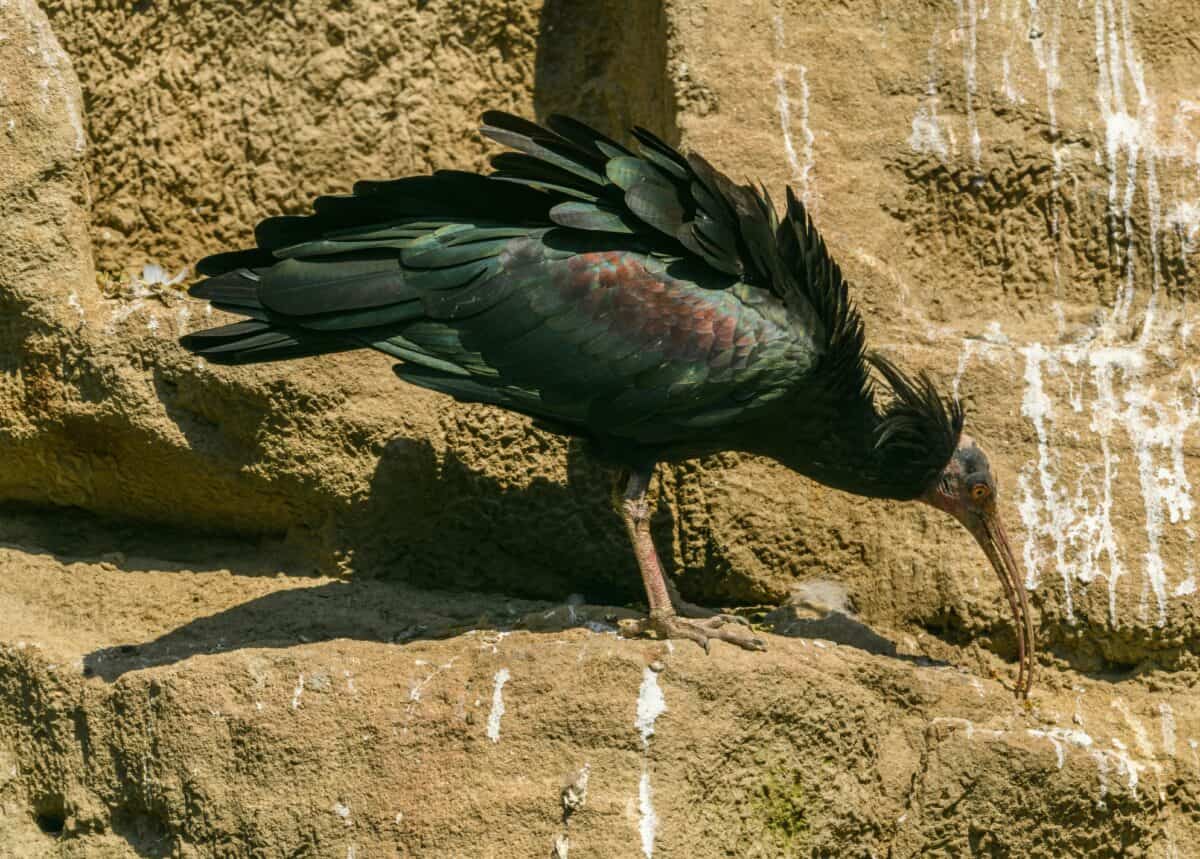
The diet of the Northern Bald Ibis is diverse, consisting mainly of insects, small reptiles, and plant material. Foraging in groups, they use their long bills to probe the soil and under rocks to find food. This social feeding behavior aids in protecting against predation and increases foraging efficiency.
Reproductive Behavior
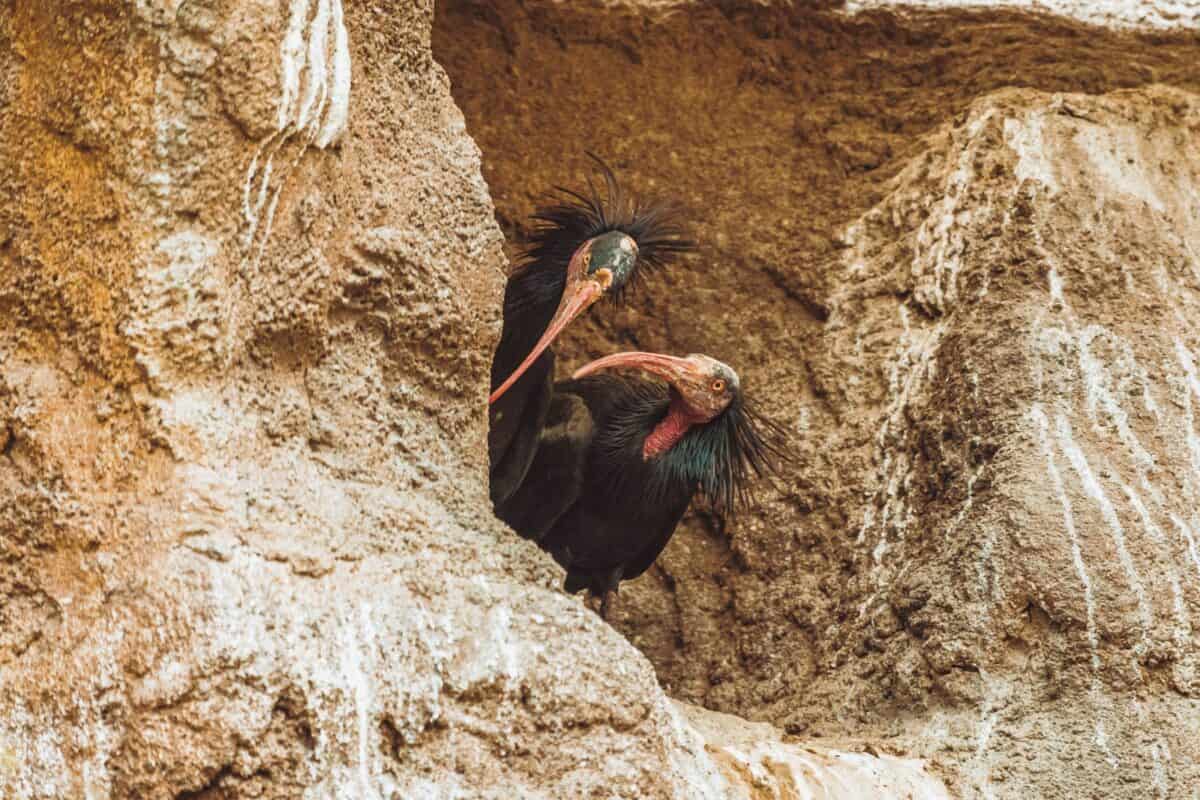
Breeding takes place in colonies perched on steep cliffs or rocky outcrops. Their nesting sites are usually in remote locations to minimize disturbance. The birds form monogamous pairs, sometimes for life. Each season, a pair produces a clutch of 2 to 4 eggs, which hatch after approximately 24 days of incubation.
Social Structure and Communication

The Northern Bald Ibis is a highly social bird, living and foraging in flocks. These groups have complex social structures, often displaying cooperative behaviour during feeding and breeding. Their communication includes a range of vocalizations crucial for social bonding and coordination within the flock.
Conservation Status and Threats

Sadly, the Northern Bald Ibis is categorized as an endangered species. Habitat destruction, hunting, and disturbances during breeding and foraging have all contributed to its dramatic population decline. Presently, fewer than 700 individuals survive in the wild, making conservation efforts more critical than ever.
Current Conservation Efforts
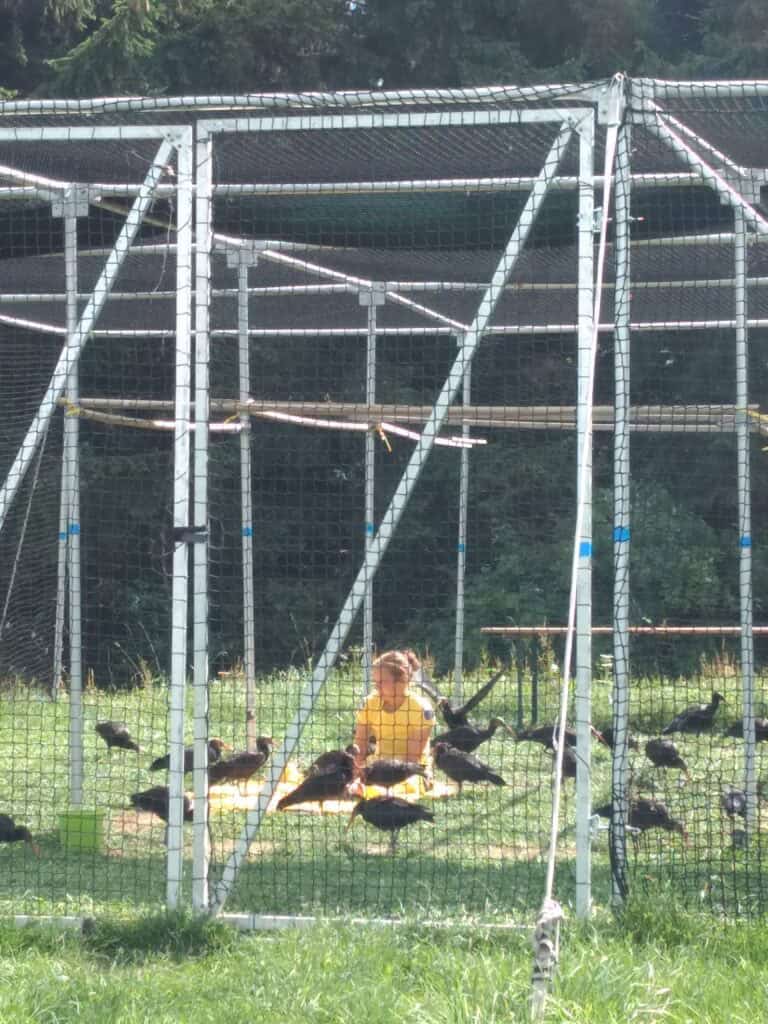
Various international initiatives are in progress to restore their populations. These efforts include habitat protection, breeding programs, and educational campaigns to raise public awareness about the bird’s plight. Some remarkable success has been noted in Morocco where protected areas have enabled population recovery.
Reintroduction Programs: A Ray of Hope
Reintroduction programs in Europe aim to reestablish stable populations. Managed by organizations like the Waldrappteam, these efforts involve breeding birds in captivity before releasing them into protected reserves. Monitoring and support post-release have shown promising results, giving hope for their long-term survival.
The Role of Local Communities in Conservation
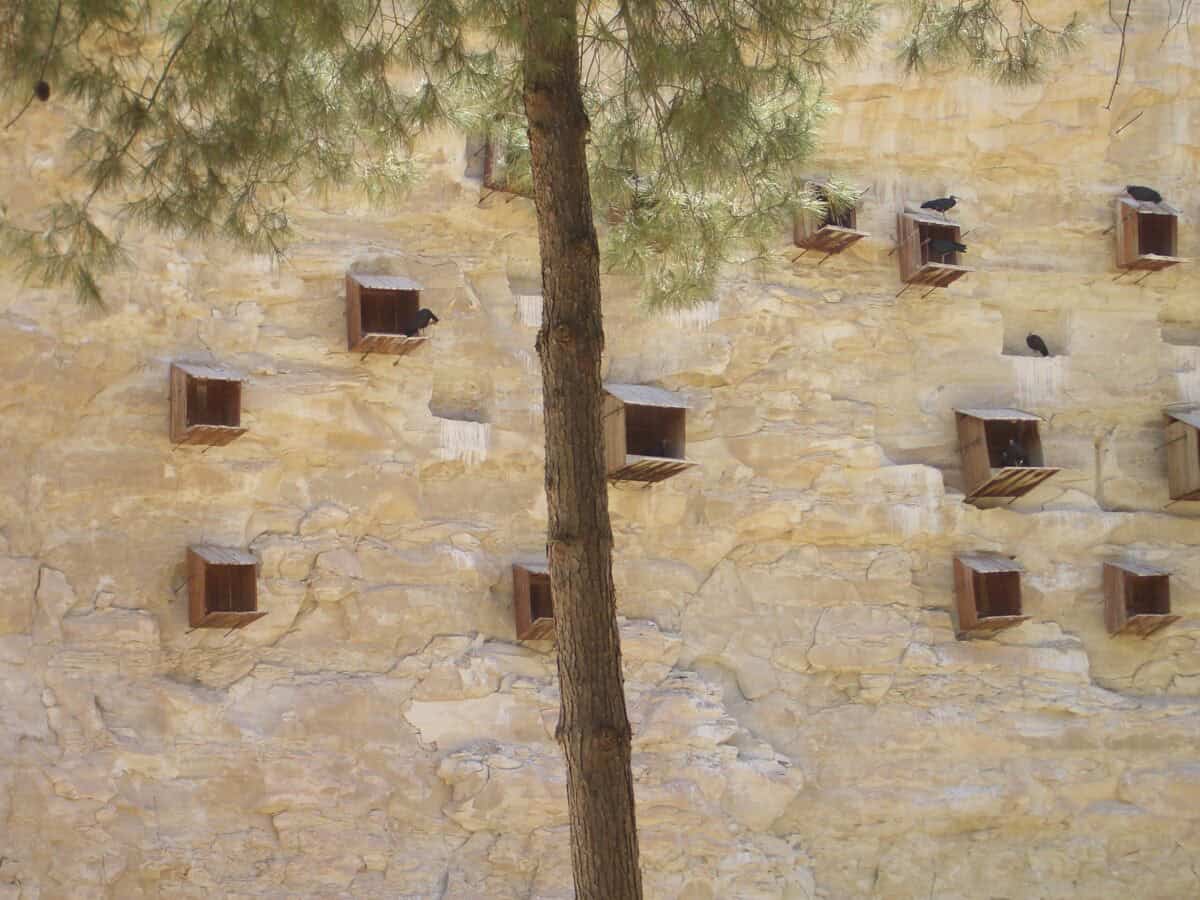
Support from local communities is essential for successful conservation efforts. By involving locals in protection programs and educating them about the ecological importance of the Northern Bald Ibis, many communities are becoming advocates for the birds, helping to safeguard them against threats like poaching and habitat encroachment.
Climate Change and Its Impact

Climate change poses a significant threat to the Northern Bald Ibis, affecting its food availability and habitat conditions. As temperature and precipitation patterns shift, conserving this species demands adaptive management strategies to ensure their habitats remain viable.
Future Outlook for Northern Bald Ibis
With continuous conservation efforts, the future for the Northern Bald Ibis shows glimmers of hope. Despite severe threats, innovative strategies and international cooperation are crucial in preventing extinction. Continued public interest and global commitment can ensure these ancient birds can thrive once again.
The Northern Bald Ibis’s ancient lineage makes its struggle for survival a poignant reminder of nature’s fragility. Efforts to save them symbolize not just the survival of a species but also the preservation of a natural link to our planet’s distant past. By embracing conservation measures today, we hold the potential to witness the successful resurgence of this iconic bird.

- How to Attract Pollinators Without Using Sugar Water - July 19, 2026
- Coastal Creatures That Appear at Low Tide in Oregon - July 19, 2026
- How Arctic Wolves Survive in the Harshest U.S. Winters - July 19, 2026