
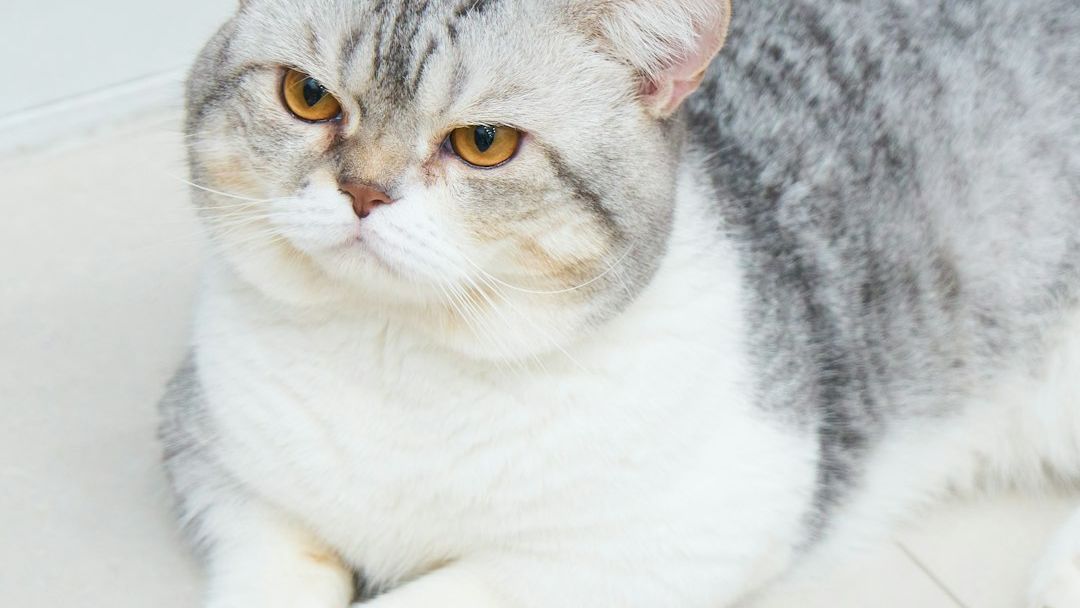
You might think your fluffy feline is all purrs and cuddles, maybe a few harmless swats at a dangling toy here and there. Then one day you bring home a second cat or a friendly dog, only to witness what can only be described as a tiny furry tornado tearing through your peaceful home. Some cat breeds just seem wired for confrontation. It’s not always aggression in the traditional sense – sometimes it’s intense territorial instincts, sometimes it’s sheer boredom channeled into chaos, and other times it’s just a fiery personality that refuses to share the spotlight.
The thing is, not all cats are created equal when it comes to temperament. While some breeds are famously mellow and sociable, others have reputations for being hot-headed, bossy, and downright confrontational. If you’re considering adding a new pet to your household or you’re simply curious why your cat seems to pick fights out of nowhere, understanding breed tendencies can be incredibly helpful. Let’s dive into the feline firebrands that are most likely to stir up trouble with their four-legged housemates.
1. Siamese – The Drama Queen With a Short Fuse
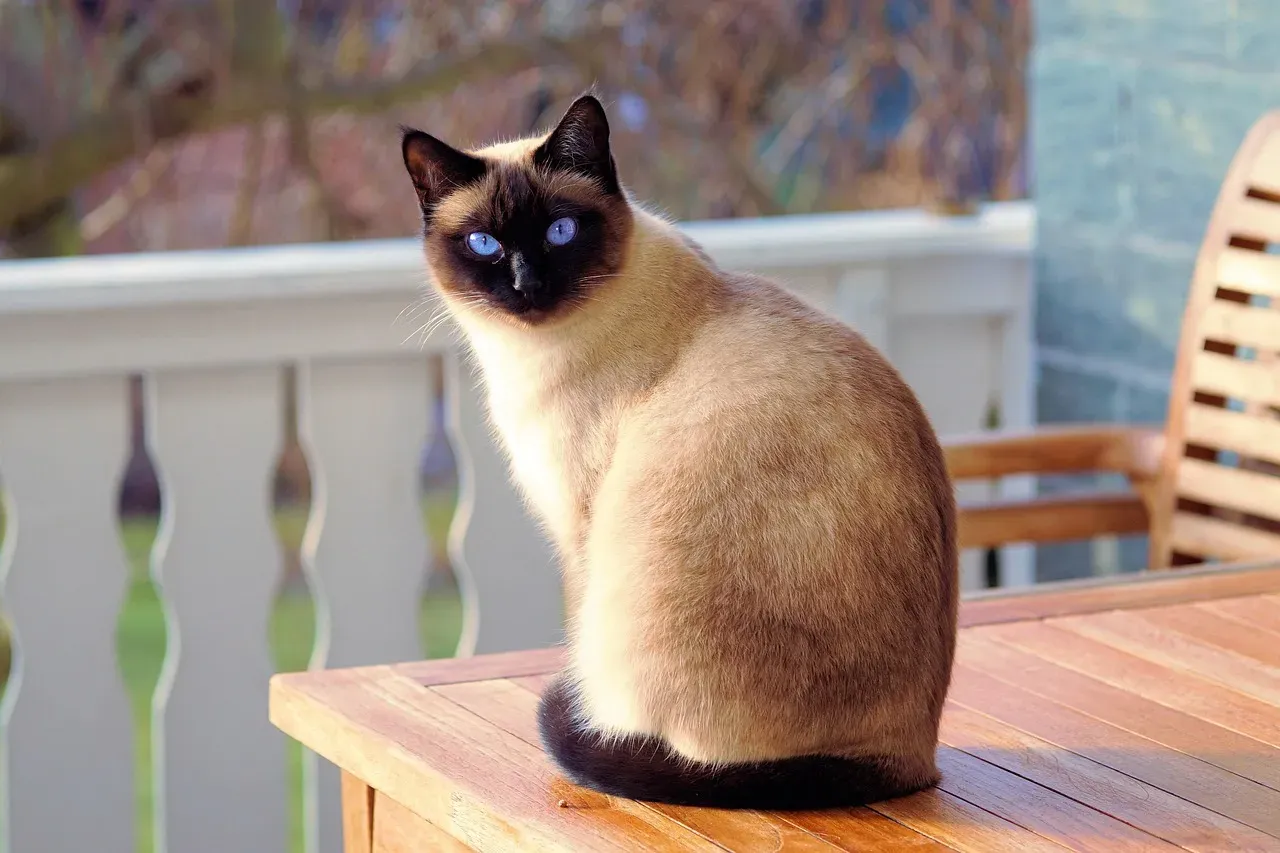
Siamese cats are a couple of breeds more predisposed to aggression. These sleek, blue-eyed beauties are famous for being loud, opinionated, and intensely loyal to their chosen human. The problem? That loyalty can sometimes turn into territorial aggression. Siamese cats don’t just want your attention – they demand it, and they’re not thrilled about sharing you with other pets.
If another cat or dog tries to invade their space or steal their favorite human’s affection, a Siamese won’t hesitate to make their displeasure known. They’re vocal, feisty, and quick to escalate from hissing to swatting. Some owners describe them as having a dog-like attachment, which sounds sweet until you realize it also means jealousy and possessiveness.
These cats are highly intelligent and need constant stimulation. When they’re bored or feel ignored, that energy can turn into aggression directed at whatever pet happens to be nearby. Siamese cats may be very demanding and will do whatever it takes to get the attention they want. They’re not trying to be cruel – they’re just incredibly intense.
Honestly, Siamese cats are like that friend who’s amazing one-on-one but gets weirdly competitive in group settings. If you have a Siamese, introducing other pets requires patience, careful management, and probably some earplugs for all that yowling. They’re beautiful and charismatic, but they’re also a handful.
Their tendency to bond deeply with one person can make them view other pets as rivals rather than companions. This breed thrives in homes where they’re the center of attention, and multi-pet households can become battlegrounds if proper introductions aren’t handled delicately.
Siamese cats are known for being one of the most aggressive and territorial out of them all. Still, with the right environment and enough interaction, they can coexist peacefully. It just takes work.
2. Bengal – The Wild Child That Never Quite Settled Down
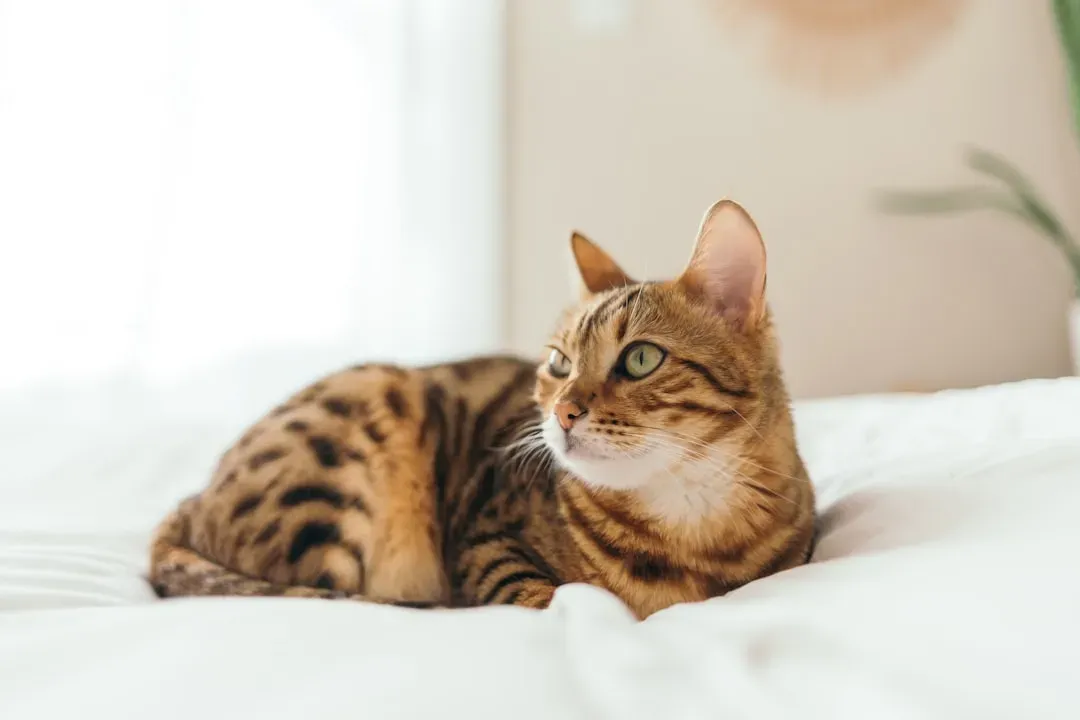
Bengal cats look like miniature leopards, and sometimes they act like it too. Bengal cats are very dominant and often become aggressive if their owners try to control them too much. These cats have wild ancestry in their blood, and that untamed streak manifests in high energy, intense prey drive, and a need to establish dominance.
Bengals are incredibly active and need tons of physical and mental stimulation. Bengal cats are high-maintenance, often leading to negative behavior if needs are unmet. Bengals are active cats and can wreak havoc on the furniture of nearby victims if they’re bored. When a Bengal gets bored, watch out – they’ll redirect that pent-up energy toward other pets, sometimes in the form of relentless stalking, pouncing, or outright attacks.
They’re also fiercely territorial. If a Bengal decides a particular room, perch, or even a specific human is theirs, they’ll defend it aggressively against other animals. This isn’t malicious; it’s instinct. But to the dog or cat on the receiving end, it sure feels personal.
They can develop behavioral issues like territorial spraying or extreme play aggression if their basic needs are not met. That means if you’re not providing enough playtime, climbing structures, and interactive toys, your Bengal might take out their frustration on your other pets. It’s hard to say for sure, but a lot of Bengal owners report that their cats seem to enjoy the thrill of the chase a little too much.
These cats are smart, athletic, and gorgeous. However, they’re not for the faint of heart or the casual pet owner. Bengals need experienced handlers who understand their needs and can channel that wild energy appropriately.
Let’s be real – if you want a calm lap cat, the Bengal is not your match. But if you appreciate a cat with personality, spirit, and a touch of wildness, just be ready for some pet drama along the way.
3. Sphynx – The Needy Troublemaker
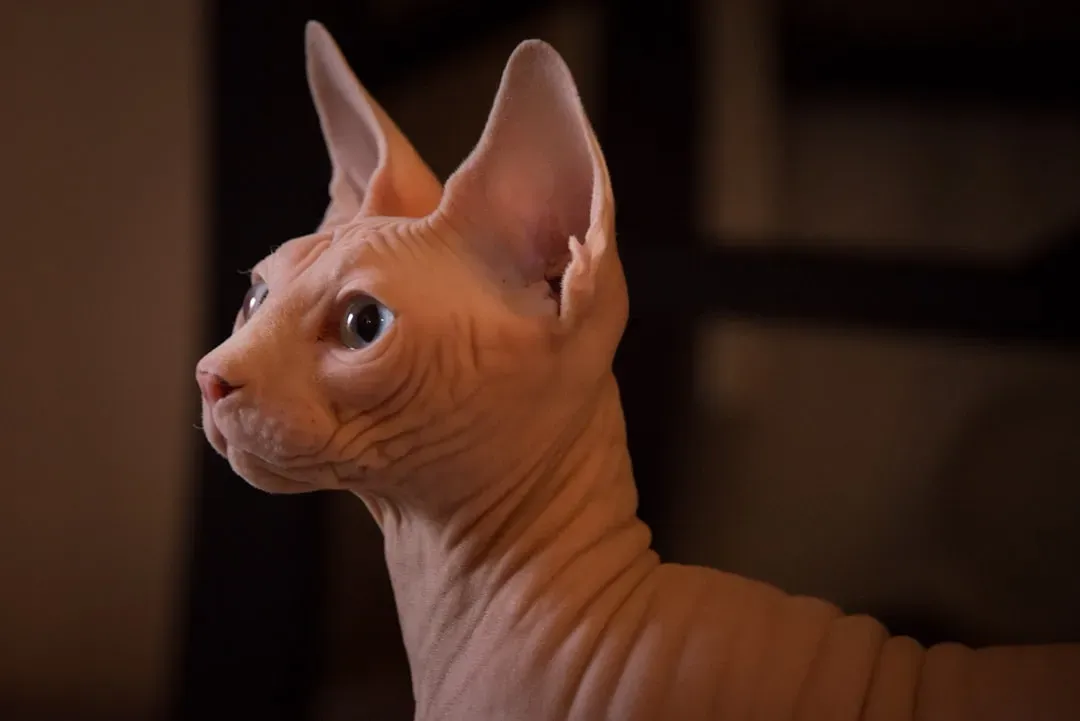
The hairless Sphynx might look like a wrinkly alien, but don’t let their quirky appearance fool you. Unlike other aggressive breeds that lash out due to territorial instincts, Sphynx cats can become nippy or hyperactive when they’re not getting enough attention. These cats are demanding, energetic, and sometimes downright aggressive when their needs aren’t met.
Sphynx cats hate being alone. They follow their humans everywhere, demanding constant interaction, warmth, and entertainment. A bored Sphynx is a destructive Sphynx, and its playful nature can sometimes come off as aggressive behavior – biting during play, launching surprise attacks on its owners, or wrestling anything that moves (including your toes at 3 AM).
When another pet enters the picture, the Sphynx might see them as competition for attention. This can lead to jealous behavior, including nipping, swatting, or relentless pestering of the other animal. They’re not necessarily trying to hurt anyone – they just want all eyes on them.
This breed also has a high energy level that causes this cat to get into fights with other pets around it. Their playful aggression can easily be misinterpreted by other animals as genuine hostility, leading to conflicts that escalate quickly. The Sphynx doesn’t always know when to stop.
If you can provide tons of interaction, toys, and even another pet companion to keep them busy, a Sphynx can be incredibly affectionate. They’re also one of the most affectionate cats around. If you don’t mind a pet that acts like a hyperactive toddler with claws, they’ll be your best friend (and occasional tiny menace).
4. Bombay – The Fearless Attention Hog
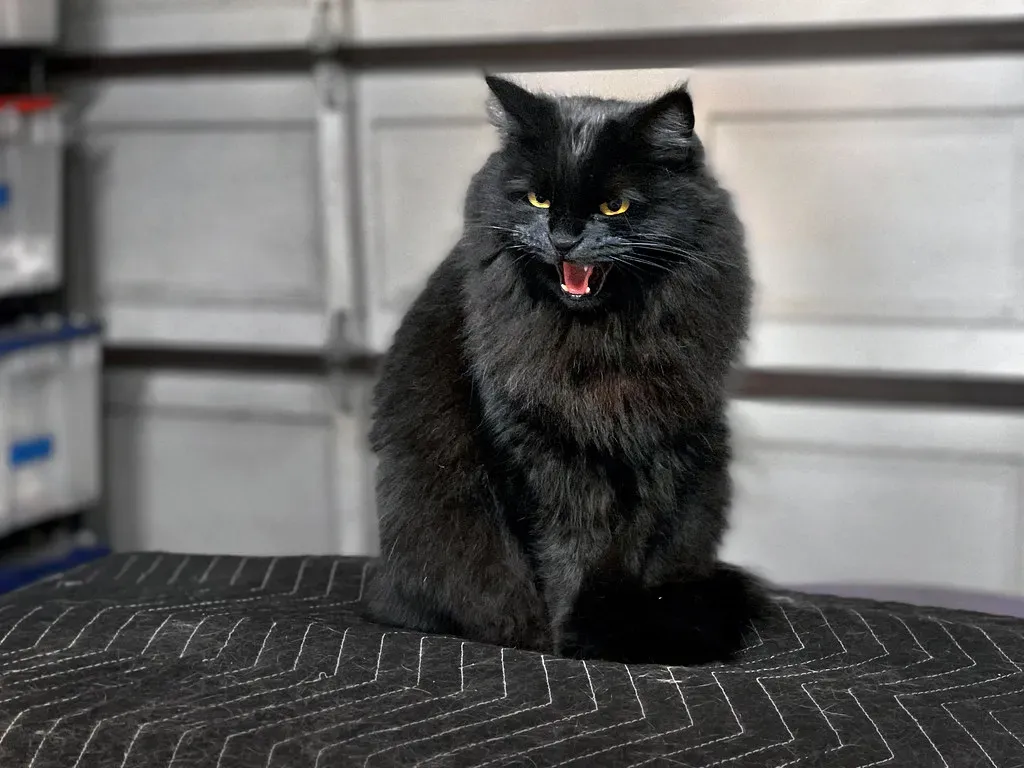
Bombay cats love attention from their owners and will always try to make sure that everyone knows it. However, if you don’t give these cats your full attention, this breed will cause problems. They are very territorial and do not like to share their owner with anyone else. That includes other pets.
Bombays are a hybrid breed with strong behavioral traits. They are known to be both fearless and aggressive and have a litter box aversion. They have sturdy and small-to-medium bodies, which means that they can be surprisingly forceful for their size during playfights. Despite their compact size, they pack a serious punch when things get physical.
These cats demand to be the center of attention, and when they feel neglected, they can become hostile toward other household pets. Much like the Siamese and Sphynx cat, the Bombay requires a significant amount of attention, which, when not met, can come out in aggressive tendencies.
A Bombay won’t just sulk quietly in the corner – they’ll make sure you know they’re unhappy, often by picking fights with whoever is nearby. They may swat, hiss, or even bite other animals when they feel their territory or their human is being encroached upon.
Their fearless nature means they won’t back down from confrontation, even with much larger pets. This can be dangerous, especially if the other animal doesn’t understand that the Bombay is serious. They’re bold, assertive, and sometimes a bit too confident for their own good.
If you’re prepared to give a Bombay all the love and attention they crave, they can be wonderful companions. Just don’t expect them to play nice with others unless you put in serious effort to manage their territorial tendencies.
5. Turkish Van – The Territorial Watcher
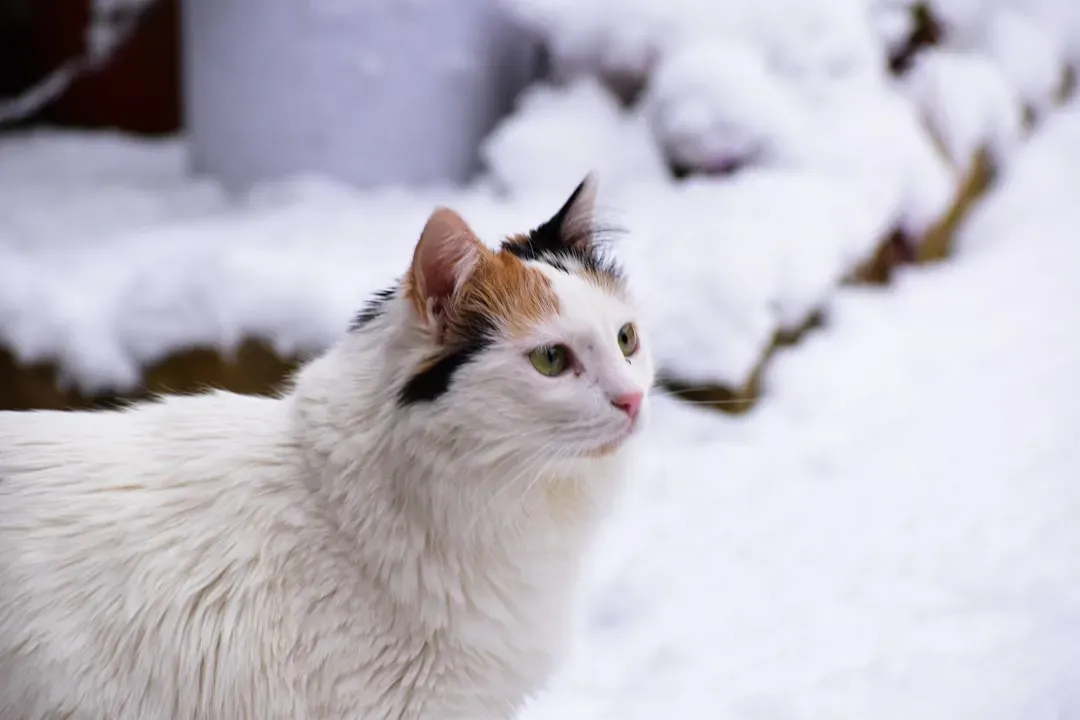
Turkish Vans are very territorial and people typically find them staring out the windows for long periods of time. These cats take their watchdog duties seriously, and they don’t appreciate intruders – whether those intruders are neighborhood cats outside or new pets inside the home.
This breed requires plenty of attention from their owners because they like being pampered, but if this cat becomes neglected then he might become aggressive towards other pets or even humans in your home. Turkish Vans are known for their love of water and their playful, energetic nature, but that playfulness can quickly turn rough if they feel their territory is being threatened.
They’re active cats who need lots of stimulation. If they’re not given enough stimulation, they’ll find ways to entertain themselves (which may include knocking things off tables just for fun). That entertainment might also include harassing other pets, starting fights, or asserting dominance in not-so-subtle ways.
Turkish Vans are fiercely independent and don’t always enjoy sharing their space. They may tolerate other pets if introduced properly, but they’ll always make it clear who’s in charge. If another animal challenges that authority, the Van won’t hesitate to put them in their place.
Their strong personalities and territorial instincts mean they’re best suited to homes where they can be the star of the show. Multi-pet households can work, but only with careful management and plenty of enrichment to keep the Van from getting bored and starting trouble.
These cats are beautiful, unique, and endlessly entertaining. However, they’re also demanding, territorial, and quick to start conflicts when they feel their domain is being invaded.
6. Somali – The Natural-Born Leader
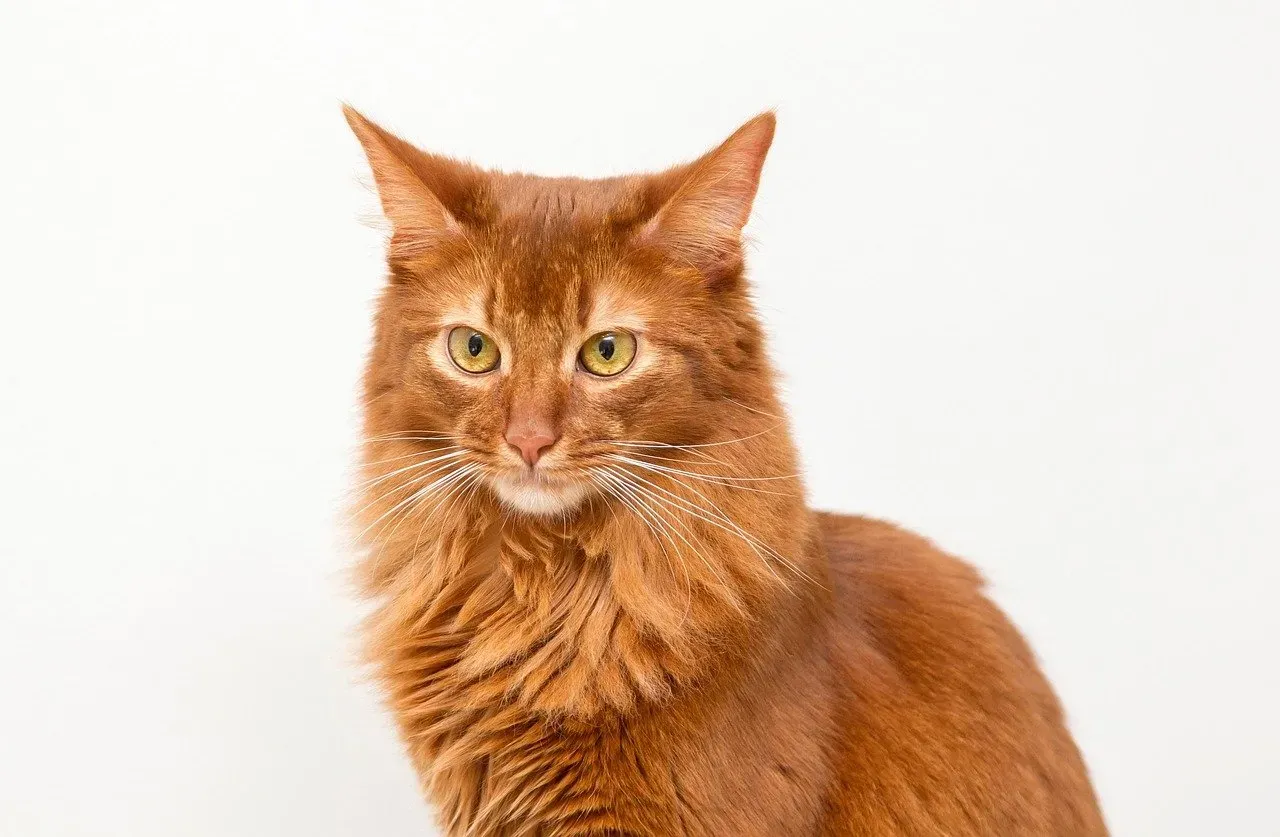
Somali cats are one of the most dominant breeds among domestic cats that are kept as pets. These cats love being put in charge because they are natural-born leaders. The problem? If they don’t see their owner as the alpha, they’ll assume the role themselves – and that includes bossing around other pets.
If an owner does not establish themselves as the alpha presence in a house full of animals, these cats will become aggressive towards other pets or even humans. Somalis are intelligent, active, and assertive. They want to be in control, and they won’t tolerate other animals challenging their authority.
If you leave these cats alone for too long then they tend to get into fights with other pets or even humans that come into the home. Somalis need structure, leadership, and lots of interaction. Without those things, they become frustrated and aggressive.
These cats are also incredibly energetic and need outlets for that energy. If they’re not getting enough playtime or mental stimulation, they’ll create their own entertainment – often at the expense of other pets. They might stalk, pounce, or provoke fights just to relieve boredom.
Somalis are stunning cats with fox-like tails and playful personalities. However, they’re not easy pets. They need firm, consistent boundaries and an owner who can keep up with their high energy and strong-willed nature.
If you can provide the right environment, a Somali can be a wonderful companion. However, in multi-pet homes, they’re often the source of tension and conflict unless carefully managed.
7. Egyptian Mau – The Speedy Sprinter With a Temper
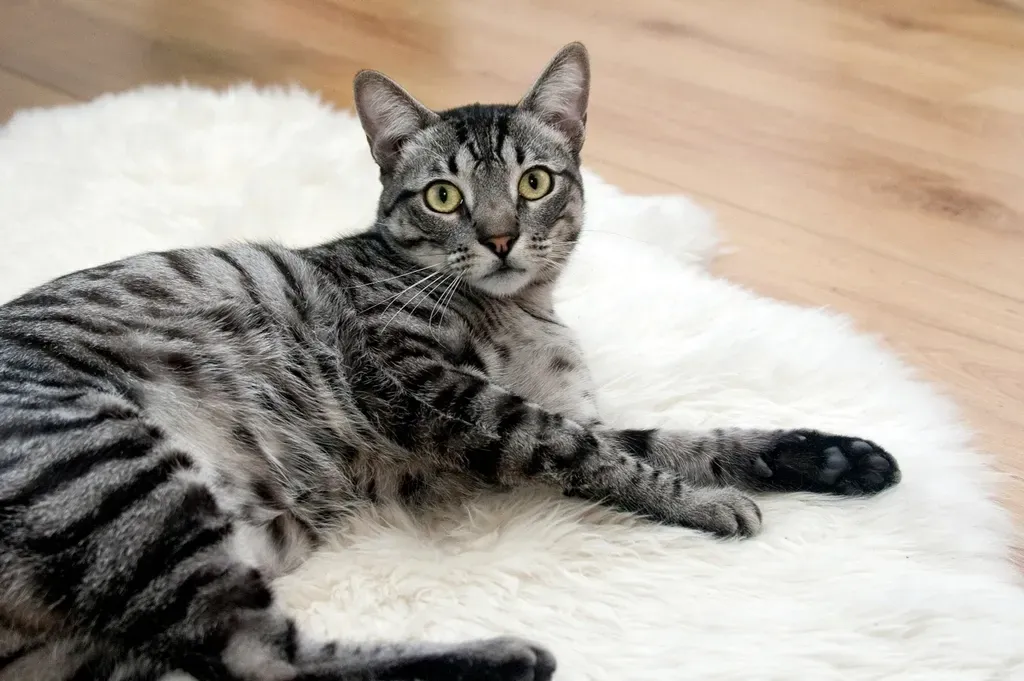
Maus have a feisty, playful, and sometimes bossy personality. They love to run, jump, and chase anything that moves, so expect them to treat your home like their personal race track. These cats are incredibly fast and athletic, and they have a strong prey drive that can lead to conflicts with other pets.
While affectionate with their humans, they can be cautious around strangers, and if they feel threatened, they won’t hesitate to give a warning swat or take off at lightning speed. That caution extends to other animals, especially if the Mau feels their space or resources are being challenged.
Having high intelligence means that they tend to lash out when they are bored. Egyptian Maus are smart cats who need constant stimulation. Without it, they become restless and may pick fights with other pets just to burn off energy.
These cats are also quite territorial and may not appreciate other animals encroaching on their favorite spots. They’re not necessarily looking for trouble, but they won’t back down if another pet challenges them. Their speed and agility give them an advantage in conflicts, and they know it.
Egyptian Maus are gorgeous, graceful, and full of personality. However, they’re also independent, sometimes bossy, and prone to lashing out when they’re bored or stressed. Multi-pet households can work, but only with plenty of space, resources, and enrichment.
If you want a cat that’s energetic and a little bit wild, the Egyptian Mau is perfect. Just be prepared to keep up with their high energy and manage their interactions with other pets carefully.
8. Singapura – The Tiny Troublemaker
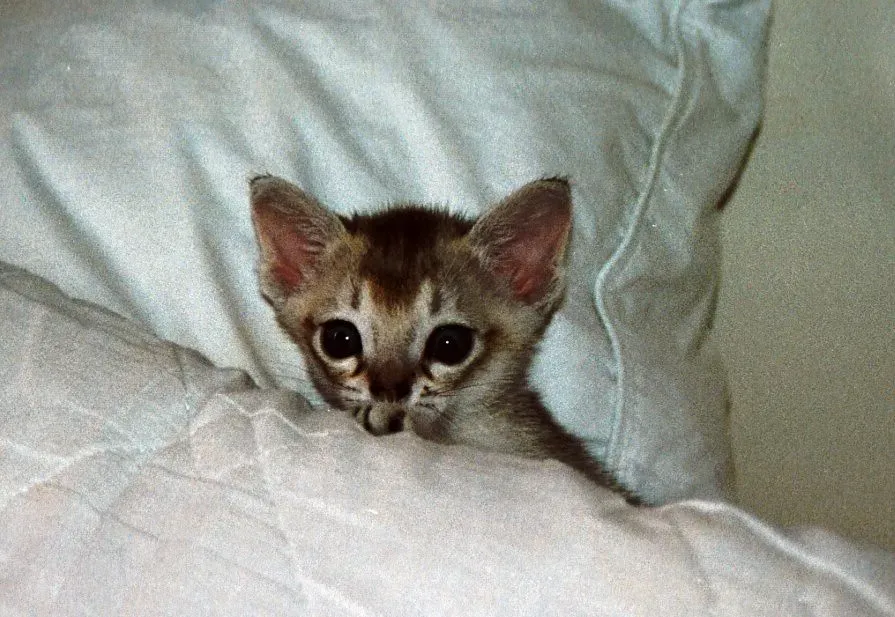
Weighing just 4-8 pounds, they are one of the smallest cat breeds in the world – but don’t let their tiny size fool you! These little dynamos have huge personalities, endless energy, and a knack for getting into mischief. Singapuras are small but mighty, and they’re not afraid to take on much larger pets.
Despite their size, Singapuras are bold and confident. They don’t back down from confrontation, and they have a tendency to start fights with other pets, especially if they feel their territory is being invaded. They’re feisty, playful, and sometimes a bit too rough for their own good.
Their high energy levels mean they’re constantly on the move, and that can lead to conflicts with other animals who prefer a calmer environment. Singapuras love to play, but their play can quickly escalate into aggression if they get too excited or overstimulated.
These cats are also quite curious and love to explore. That curiosity can get them into trouble, especially if they decide to investigate another pet’s space without permission. They’re not trying to be rude – they’re just incredibly nosy and confident.
Singapuras are affectionate with their humans and can be wonderful companions. However, their bold personalities and high energy levels make them challenging in multi-pet households. They need lots of stimulation and careful socialization to prevent conflicts.
Their tiny size makes them easy to underestimate, but Singapuras are fearless and won’t hesitate to stand their ground. If you’re looking for a small cat with a big personality, just be ready for some drama.
9. Scottish Fold – The Quietly Feisty Defender
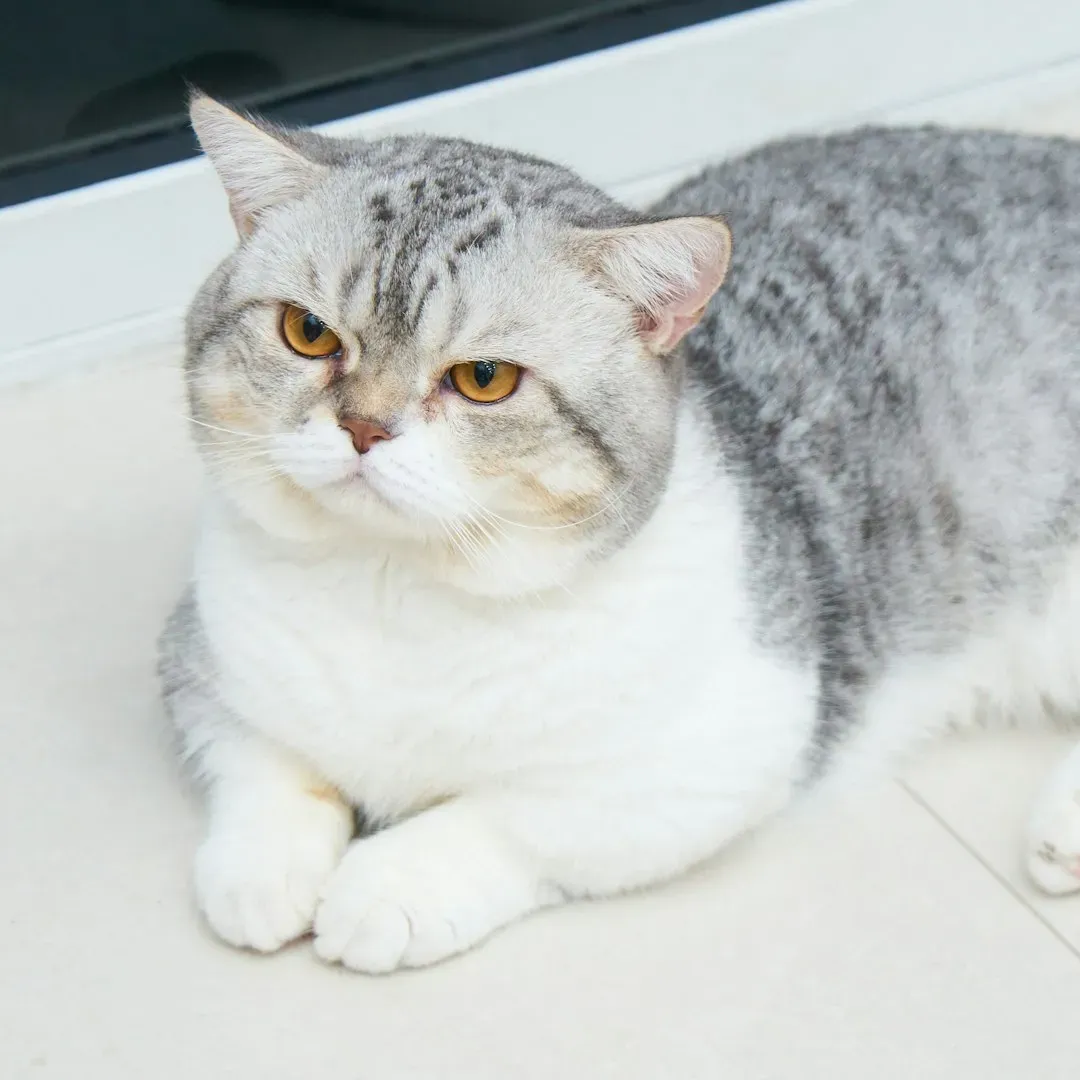
While they may seem shy and sweet, Scottish Folds can have a feisty side regarding their territory. These cats are famous for their adorable folded ears and gentle demeanor, but beneath that sweet exterior lies a surprisingly territorial nature.
Scottish Folds are generally friendly and calm, but they can become defensive when their space is invaded. Although they are not as outwardly aggressive, they do have a feisty side if left on their own too much. They may not start fights often, but when they do, it’s usually because they feel their territory is being threatened.
Introducing new pets to a Scottish Fold requires patience and care. Introducing a new cat to your Scottish Fold might stir things up a bit. Take your time and approach it gently to ensure harmony among your feline crew.
These cats are also quite sensitive and can become stressed easily. When stressed, they may lash out at other pets as a way of coping. They’re not naturally aggressive, but their territorial instincts can surprise owners who expect them to be universally gentle.
Scottish Folds are wonderful family pets when given the right environment. They’re affectionate, playful, and generally easygoing. However, their territorial side means they need careful introductions and plenty of resources to prevent conflicts with other pets.
If you’re prepared to manage their occasional feistiness, a Scottish Fold can be a delightful addition to your home. Just don’t assume their sweet appearance means they won’t defend what’s theirs.
10. Korat – The Jealous Attention Seeker
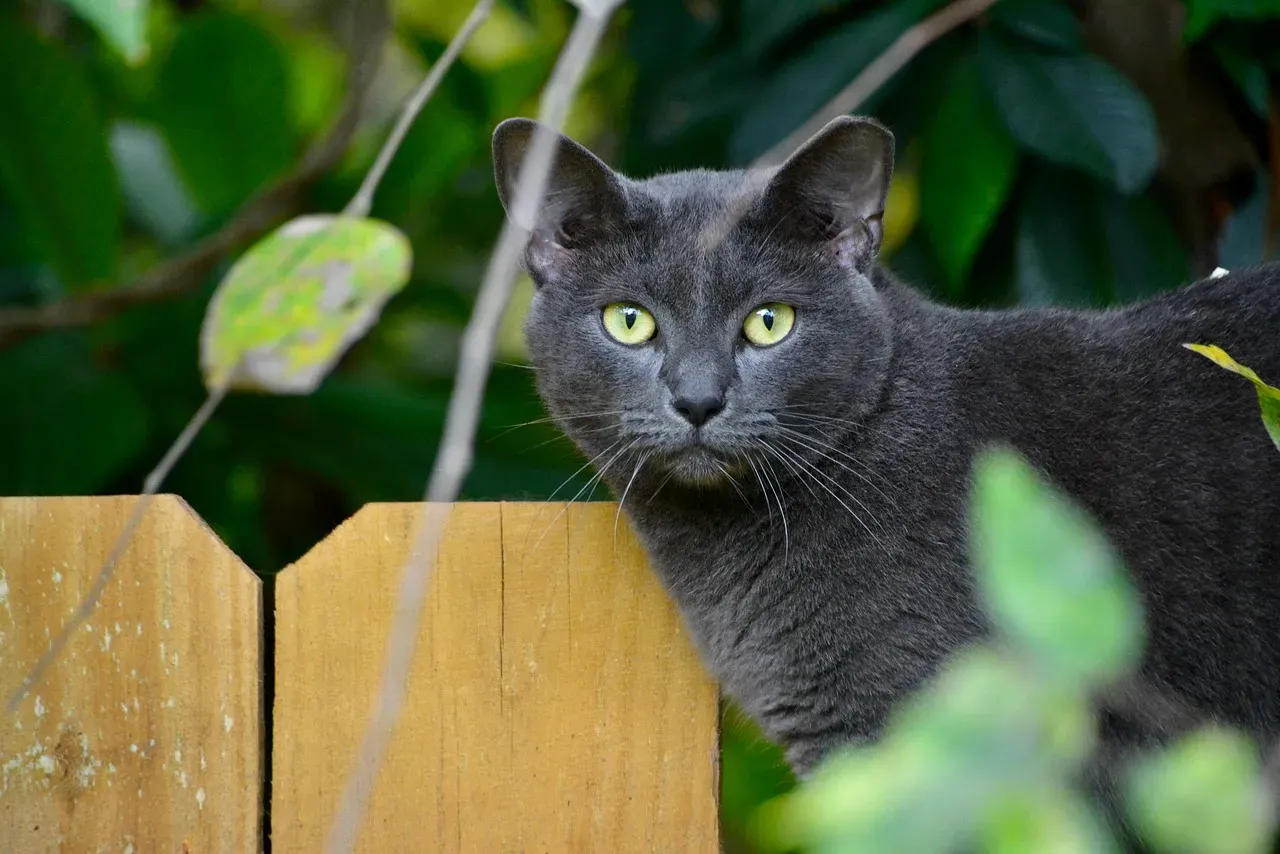
Korats tend to show indifference to unknown humans and have been known to become problematic when left to their own devices without any stimulation or interaction. If they feel they do not have your full attention, Korats are likely to paw an individual to evoke a reaction. These silver-blue beauties are stunning, but they’re also demanding and prone to jealousy.
Korats are known for their strong attachment to their humans. They want constant interaction and attention, and they don’t appreciate other pets stealing the spotlight. When they feel neglected, they can become aggressive toward other animals in the home.
These cats are also quite vocal and won’t hesitate to express their displeasure. They may hiss, swat, or even attack other pets if they feel their position in the household hierarchy is being threatened. They’re not trying to be cruel – they’re just incredibly possessive of their humans.
Korats are intelligent and playful, but they can also be stubborn and demanding. They need owners who can provide the attention and interaction they crave. Without that, they become frustrated and may take out their frustration on other pets.
In multi-pet households, Korats often struggle to share resources and attention. They want to be the favorite, and they’ll do whatever it takes to maintain that position. This can lead to ongoing conflicts with other animals, especially if those animals are also demanding or territorial.
Korats are beautiful, affectionate, and full of personality. However, they’re also high-maintenance and prone to jealousy. If you’re prepared to give them the attention they need and manage their interactions with other pets carefully, they can be wonderful companions.
Conclusion
Some cat breeds just seem wired for conflict. Whether it’s territorial instincts, high energy levels, or intense attachment to their humans, these feisty felines are more likely to start fights with other pets than their mellower counterparts. It’s not that they’re mean or aggressive by nature – it’s that their personalities, needs, and instincts make them challenging in multi-pet households.
Understanding breed tendencies can help you prepare for the unique challenges each breed presents. With proper socialization, enrichment, and management, even the feistiest cats can learn to coexist peacefully with other pets. It just takes patience, effort, and a willingness to meet their needs.
If you’re considering one of these breeds, be honest with yourself about your lifestyle and your ability to provide the stimulation, attention, and boundaries they require. These cats are incredible companions with the right owners and environments. However, they’re not for everyone, especially those looking for a low-maintenance pet.
So, which breed surprised you the most? Did your own feisty feline make the list? Share your experiences in the comments – we’d love to hear how you’ve managed the chaos!
