
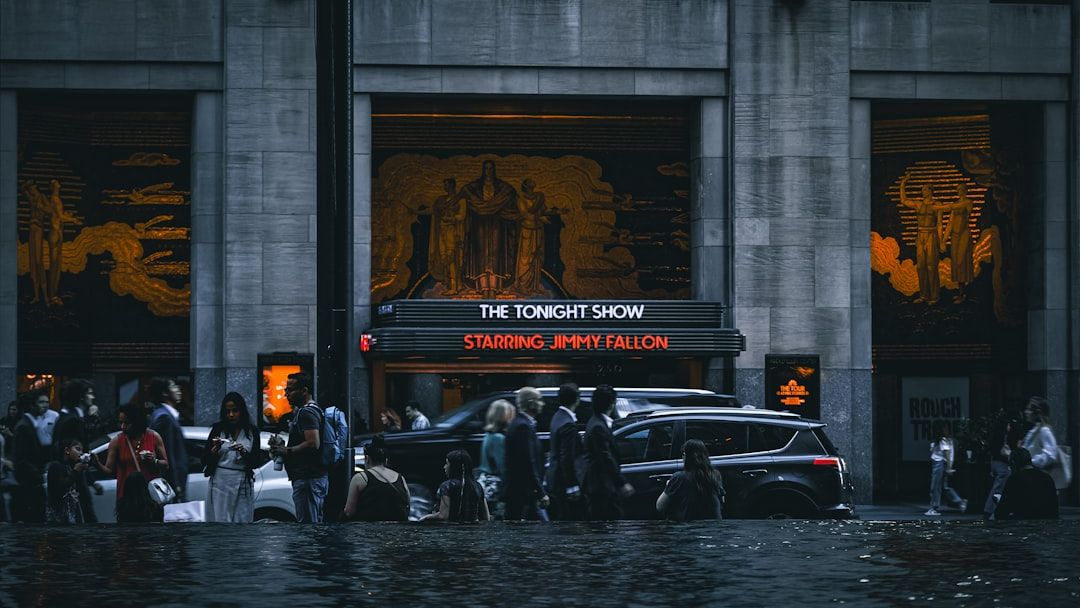
The rain won’t stop falling in America, and cities across the nation are drowning. What was once a distant threat has become an urgent crisis etched into neighborhoods, schools, businesses, and homes from coast to coast. Flooding isn’t just about water overflowing riverbanks anymore.
It’s about streets transforming into raging torrents in mere minutes, entire communities watching their infrastructure crumble, and families evacuated in the dead of night. The National Weather Service had already issued more than 3,600 flash flood warnings across the United States in 2025 by late July, close to its average for an entire year, highlighting just how relentless this hazard has become. Climate patterns are shifting beneath our feet, and nowhere is it more obvious than in the water-logged cities struggling to keep their heads above rising tides and torrential downpours. Let’s dive in and explore eight cities that are truly feeling the pressure.
Miami: Paradise Sinking Into the Sea
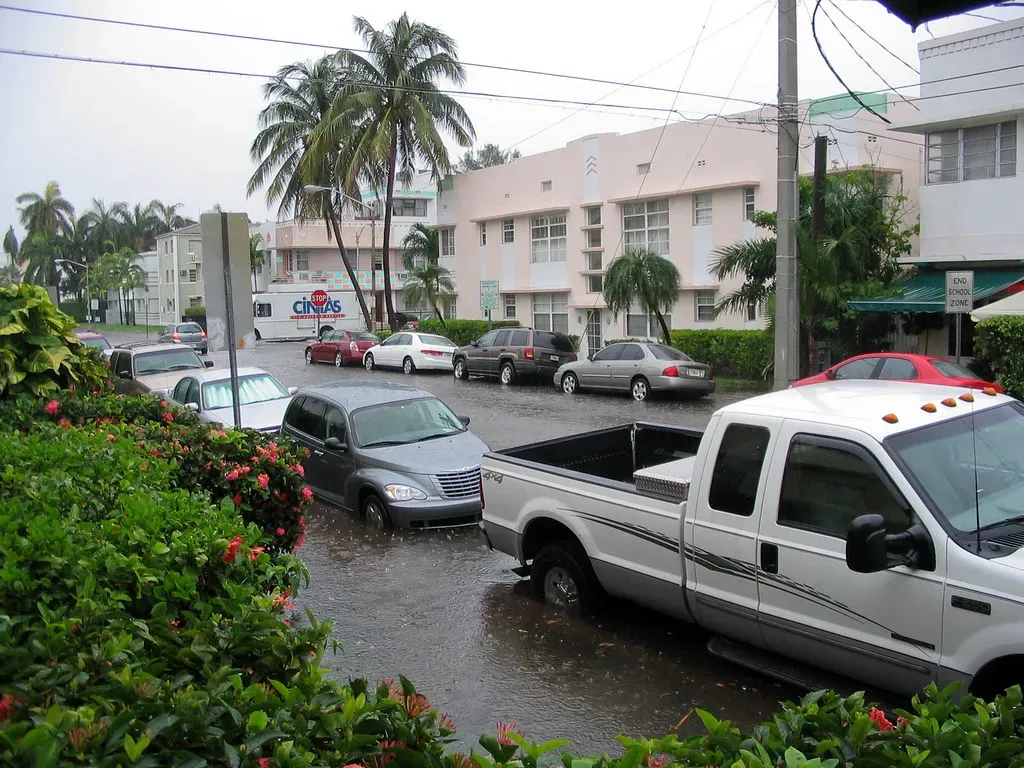
Miami might be famous for its pristine beaches and Art Deco glamour, but the reality behind the postcard views is sobering. Floods, storms, and extreme heat hitting Miami have caused severe threats to the people and infrastructure of the city, and Miami is rated by some as the most vulnerable coastal city in America for natural disasters. Honestly, walking through Miami Beach now, you’d see water bubbling up through storm drains even on sunny days. This phenomenon, known as sunny day flooding, happens when high tides literally push seawater onto streets without a cloud in the sky.
Already, low-lying cities like Miami are experiencing frequent “sunny day flooding,” when high tides spill onto streets or bubble up from storm drains. The issues go deeper than street flooding too. Miami’s famous beachfront has been subject to severe hurricane damage and recurring flooding at high tides due to rising sea levels, which has allowed saltwater to intrude into the drinking water and has compromised waste treatment plants. The city has pumped millions into raising roads and installing massive pump systems, yet some experts wonder if any measure will be enough for the long haul.
Buildings at risk in Miami average about a 73% chance of a flood about 1.7 feet deep over 30 years, and of 302 census tracts in Miami, there are 288 where more than half of buildings have significant risk from storm surge, high tide flooding, surface flooding, and riverine flooding. The scale of vulnerability is staggering. Let’s be real, when nearly the entire city faces severe flood risk, we’re not talking about isolated problems anymore but rather a fundamental question of livability in the years ahead.
New Orleans: A City Below the Water
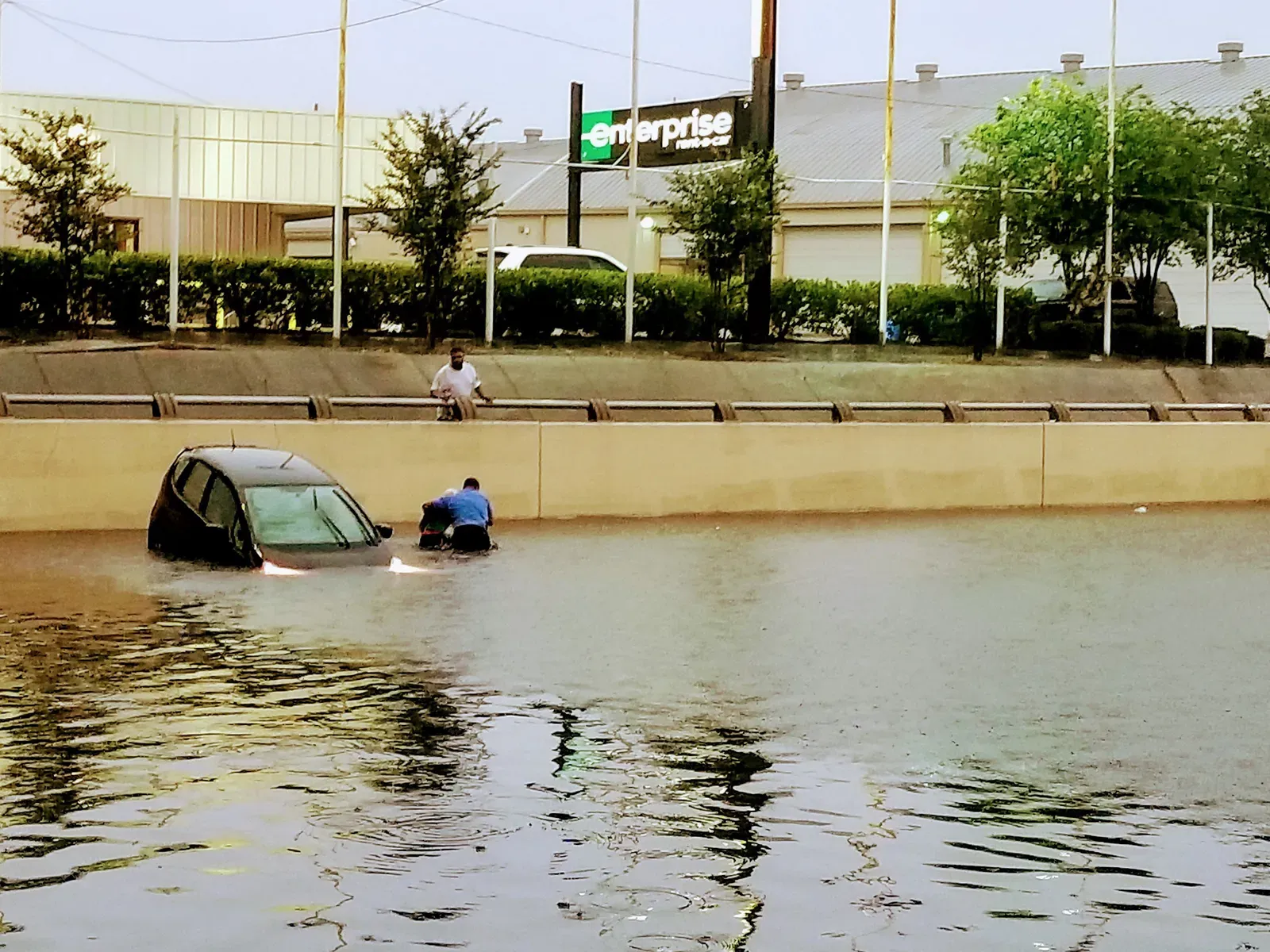
New Orleans is synonymous with flood risk, and much of the city lies below sea level, protected by levees and flood walls that have been tested repeatedly by hurricanes. Hurricane Katrina remains burned into the collective memory of this city and the nation. Hurricane Katrina in 2005 was a stark reminder of the catastrophic potential of storm surge, when levee breaches flooded 80% of the city. That wasn’t just rainfall overwhelming drainage systems; that was walls of water smashing through defenses meant to protect an entire urban region.
Since Katrina, New Orleans has rebuilt stronger levees and improved its flood defense systems, but the threat hasn’t diminished. Even with improved flood defenses, New Orleans remains one of the most vulnerable cities in the country, requiring constant vigilance and preparation. The geography doesn’t help either. Picture a bowl sitting at the junction of the Mississippi River and the Gulf of Mexico, and you’ll start to understand the precarious nature of this place.
The city faces an ongoing battle with both riverine flooding and storm surge. It was Hurricane Katrina’s 28-foot storm surge that overwhelmed the levees around New Orleans in 2005, and each hurricane season brings renewed anxiety. Here’s the thing: New Orleans isn’t just fighting water, it’s fighting time and geography itself, and that’s a battle no city can truly win without drastic intervention.
Houston: When the Bayou City Drowns
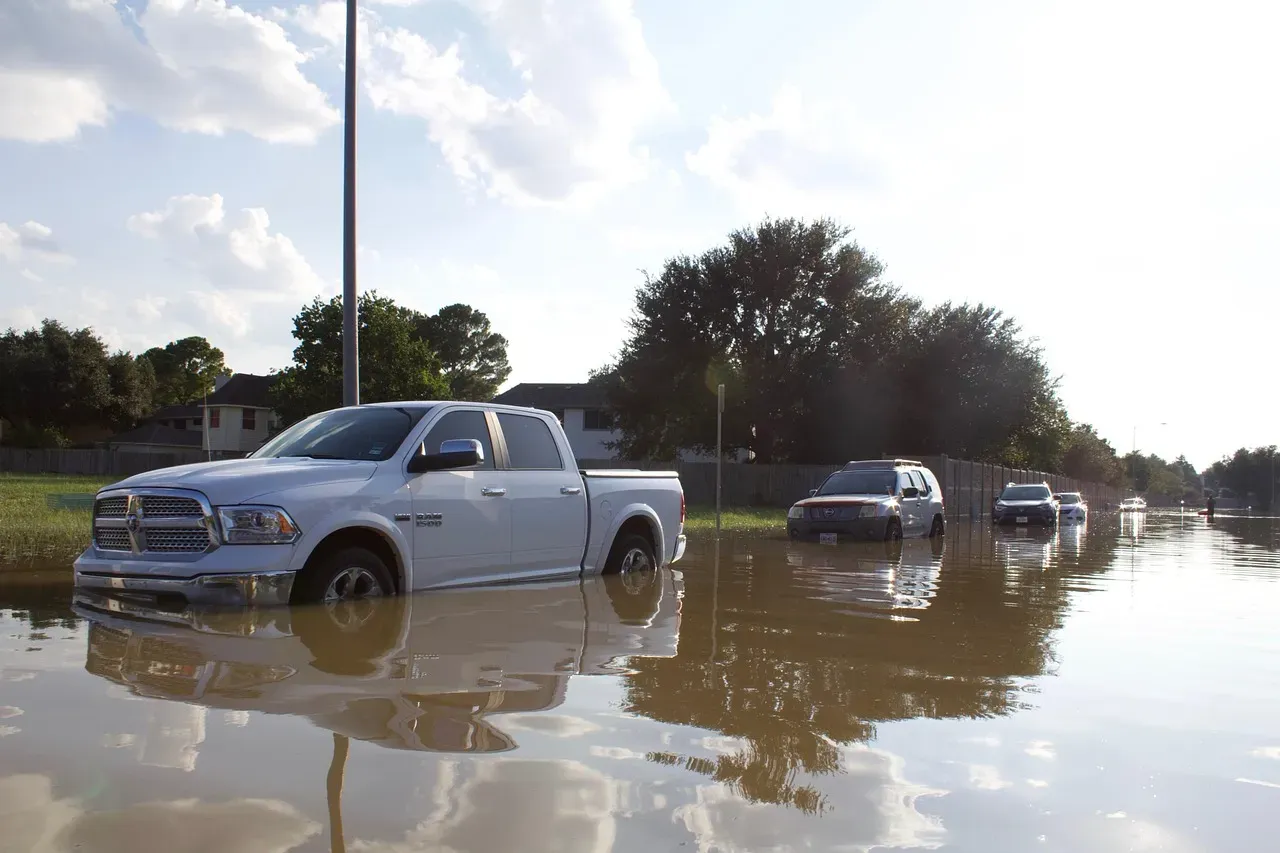
Houston knows flooding. It’s not a matter of if but when. Harris County, Texas, which includes Houston, has a River Flooding FEMA Risk Score of 100 and an Expected Annual Loss from River Flooding of $676.2 million. Those numbers alone should tell you something frightening about what residents face year after year. Hurricane Harvey in 2017 was a brutal wake-up call.
Hurricane Harvey, which made landfall as a Category 4 storm in 2017 and soaked Houston homes and businesses with catastrophic floods, was the nation’s wettest storm in nearly 70 years, and researchers estimate that Hurricane Harvey dumped as much as 38 percent more rain than it would have without climate change. The sheer volume of water was incomprehensible. Streets became rivers, homes became islands, and lives were irreversibly changed.
Houston’s flat topography means water has nowhere to go quickly. Houston’s Harris County is now estimated to experience what FEMA calls a 1-in-100-year flood event every 13 years. That statistic should terrify anyone living in the area. I know it sounds crazy, but what used to be considered a rare catastrophic event now happens with alarming regularity.
The city has invested in infrastructure improvements, but with rapid urbanization covering land with impervious concrete, rainwater can’t soak into the ground like it once did. This means even moderate rainstorms can turn deadly. The Bayou City’s battle with flooding is far from over, and honestly, it’s only getting worse.
Charleston: Historic Beauty Under Threat
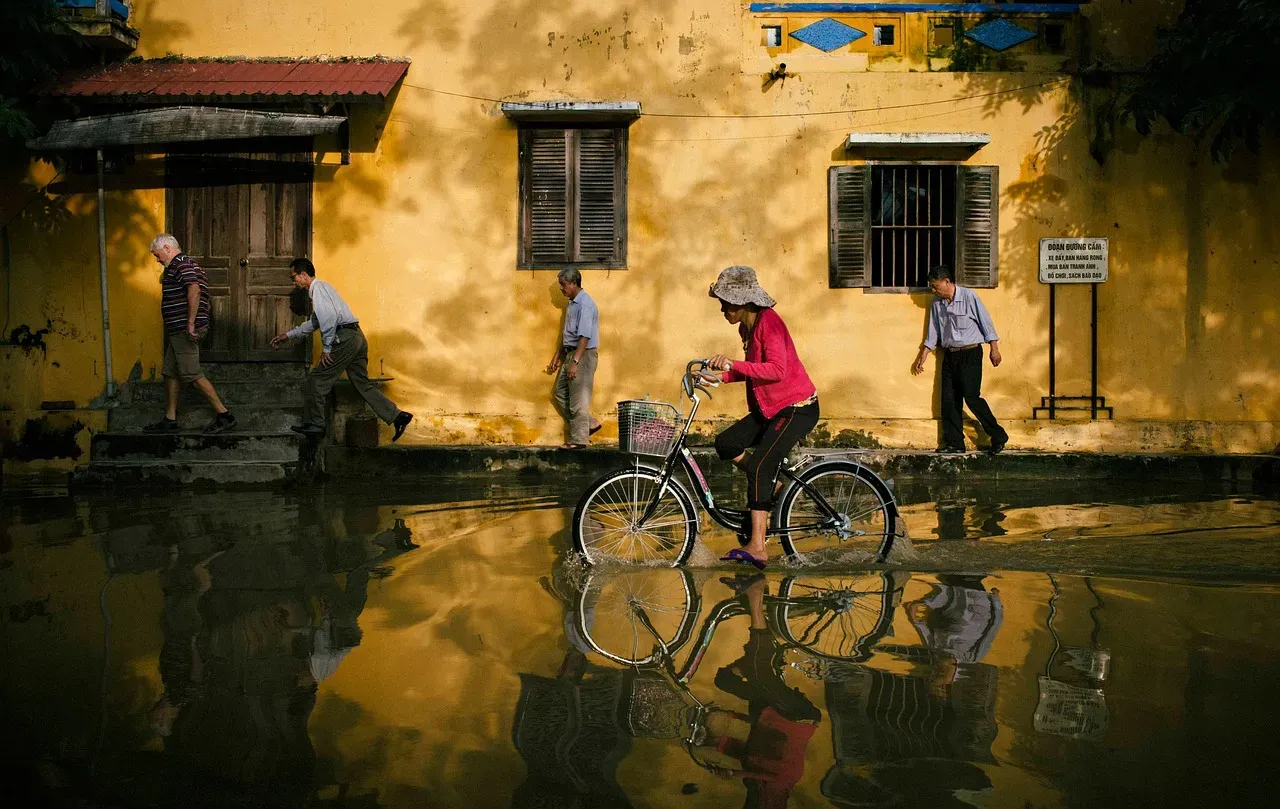
Charleston, South Carolina, charms visitors with its cobblestone streets and historic architecture, but those streets increasingly sit underwater. This historic coastal city is prone to tidal flooding, storm surges, and heavy rainfall, which are exacerbated by inadequate drainage systems. Walk through the historic downtown during high tide, and you’ll likely see water lapping at doorsteps and flooding parking lots.
The city’s drainage infrastructure was designed for a different era, one without the frequency of intense rainstorms and rising sea levels we see today. Charleston is investing in seawalls and drainage improvements to reduce flooding impacts, but the question remains whether these measures can keep pace with accelerating climate change. The city’s low elevation makes it particularly vulnerable to storm surge from hurricanes.
What makes Charleston’s situation especially tricky is balancing flood mitigation with preserving historic structures and neighborhoods. You can’t just bulldoze centuries-old buildings to install modern flood control systems. The city faces a delicate dance between honoring its past and securing its future, and the clock is ticking louder with every tide cycle.
New York City: When the Big Apple Goes Under
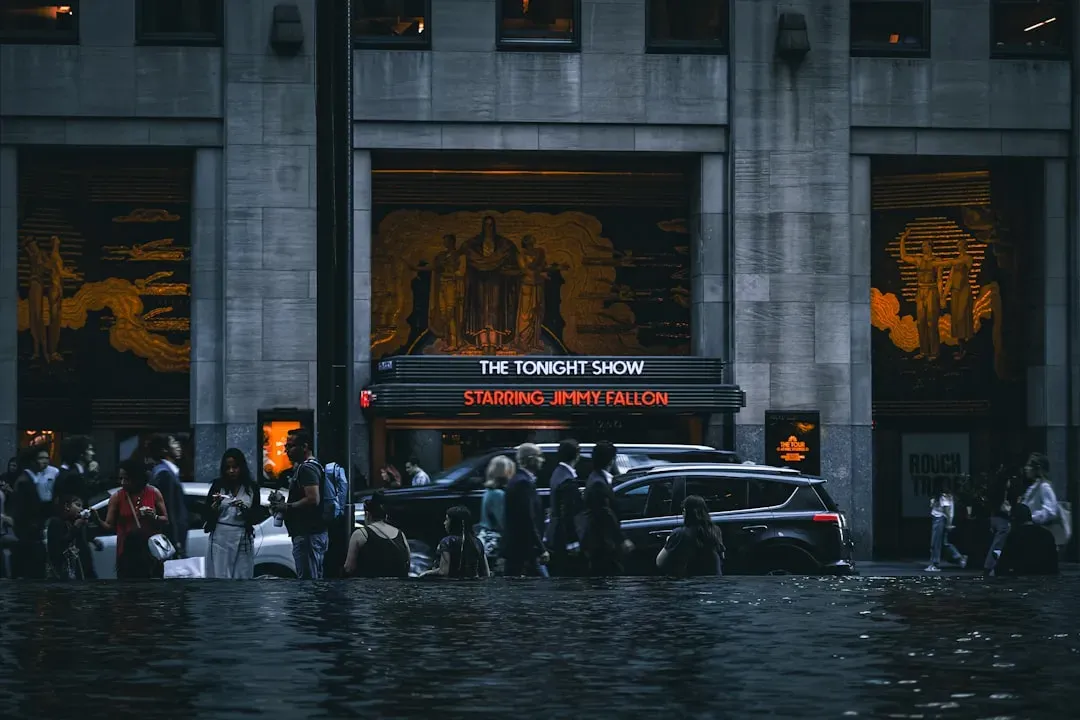
New York City learned a harsh lesson with Hurricane Sandy in 2012. Coastal storms like Hurricane Sandy in 2012 demonstrated New York’s vulnerability to flooding, particularly in lower Manhattan and coastal boroughs. The images of flooded subway tunnels, darkened skyscrapers, and waterlogged neighborhoods shook a city that rarely admits vulnerability. Human-caused sea level rise accounted for $8.1 billion, or 13% of Hurricane Sandy’s damages in New York, New Jersey, and Connecticut.
New York City faces a significant flood threat because it is located on the coast, has a densely populated urban area, and has an aging infrastructure, situated at the confluence of the Hudson River, the East River, and the Atlantic Ocean, with the city facing its greatest threat from storm surges, particularly during hurricanes and nor’easters. The sheer density of the population and infrastructure means when flooding strikes, the impacts ripple through millions of lives. Think about the subway system alone carrying millions of riders daily, now imagine that system underwater.
The city has since invested billions in resilience projects, building flood barriers, elevating utilities, and creating green infrastructure to absorb stormwater. Still, Northeastern cities face some of the highest sea level rise risks in the country, and those risks are projected to rise sharply in the coming decades. New York is racing against time and rising seas, and the finish line keeps moving further away.
Norfolk: The Naval City Battling the Waters
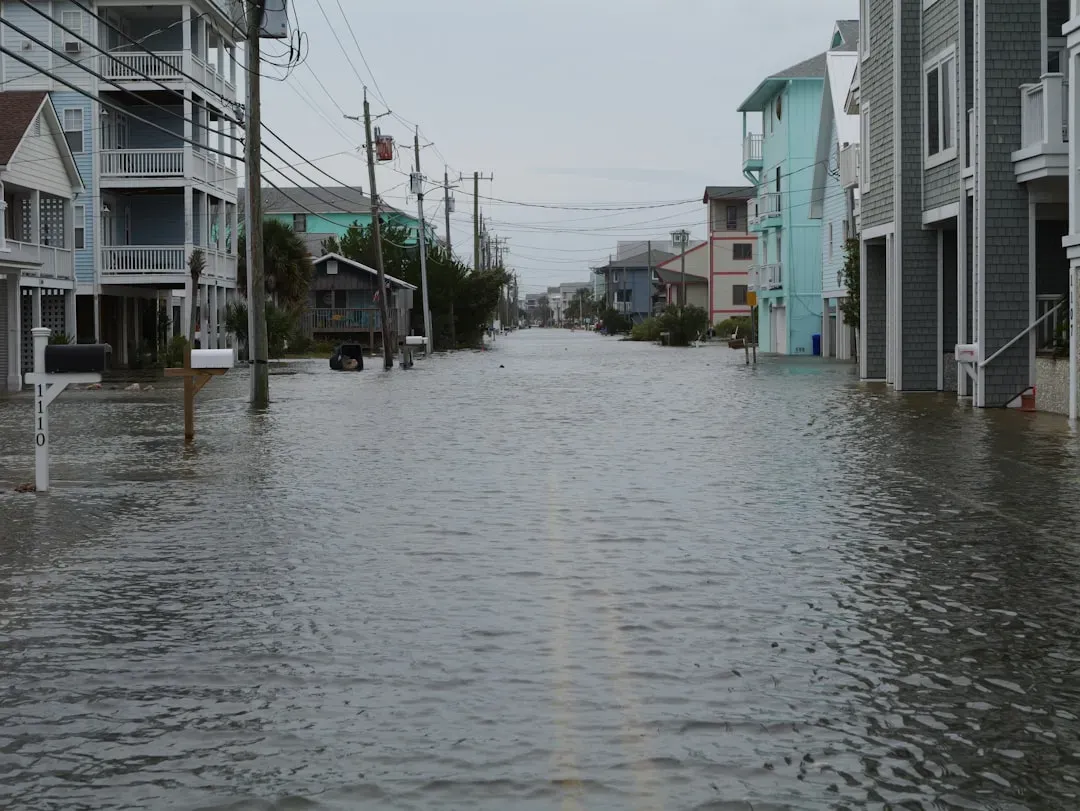
Norfolk, Virginia, holds strategic importance as home to the world’s largest naval base, but the military might can’t hold back the ocean. Norfolk’s unique geography, located at the meeting point of the Atlantic Ocean and the Chesapeake Bay, creates an especially high risk of storm surge flooding, and the area’s flat land and dense development amplify the impacts of storm surges. The city deals with flooding not just during major hurricanes but increasingly during routine high tides.
Norfolk has 35,000+ properties identified as flood-prone, a staggering number for a mid-sized city. The flat terrain offers little natural protection, and as sea levels continue rising, the frequency of flooding events accelerates. Military installations, residential neighborhoods, and critical infrastructure all face the same watery threat. It’s hard to say for sure, but many residents wonder how long the city can sustain its current form without radical transformation.
The economic implications are massive too. When a major naval base faces chronic flooding, it’s not just a local problem but a national security concern. Norfolk is fighting a battle on multiple fronts, trying to protect homes, businesses, and military assets while the ocean creeps higher year by year.
Atlantic City: Gambling with Nature
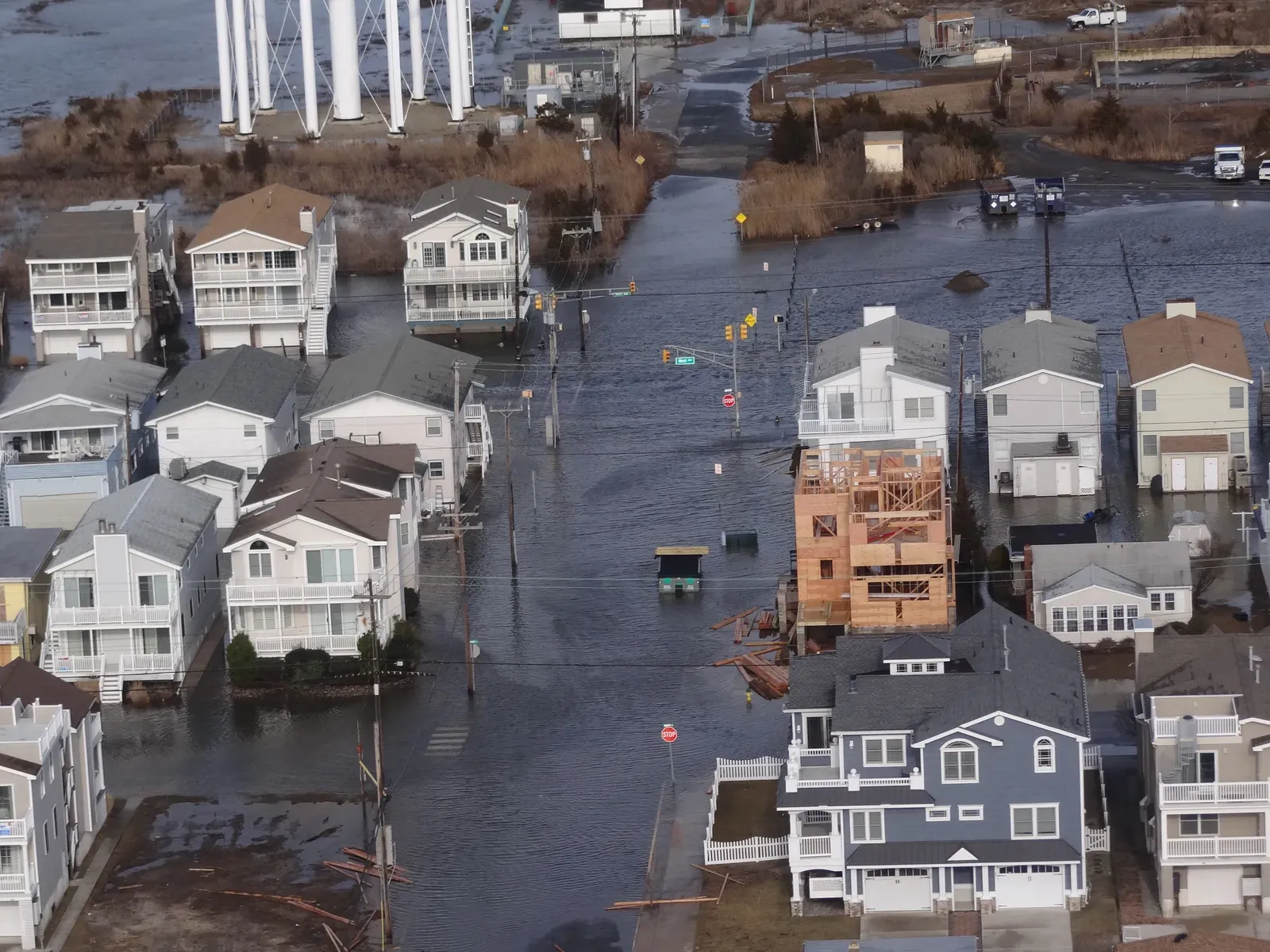
Atlantic City’s iconic boardwalk and casino industry make it a recognizable destination, but its location spells trouble. Atlantic City’s famous boardwalk and casinos make it one of the most recognized coastal cities in the Northeast, but its location on a barrier island exposes it to severe storm surge flooding, and Superstorm Sandy in 2012 delivered a devastating blow, flooding streets, damaging homes and businesses. Barrier islands by their nature are vulnerable, sitting as fragile strips of land between ocean and mainland.
The city’s economy depends heavily on tourism and gambling, industries that require visitors feeling safe and infrastructure functioning smoothly. Repeated flooding threatens that economic model fundamentally. When casinos flood and boardwalks wash away, the spectacle isn’t entertainment anymore but disaster. The city has worked on fortifying its defenses, but Mother Nature holds better cards in this high-stakes game.
Atlantic City faces a choice that many coastal communities wrestle with: invest enormous sums in protection infrastructure or gradually accept managed retreat. Neither option is politically popular or economically simple. The roulette wheel keeps spinning, and with each passing year, the odds look less favorable for this seaside gambling mecca.
St. Louis: Inland Flooding From Mighty Rivers
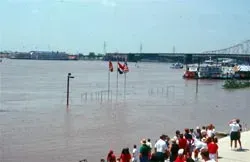
Not all flooding happens along ocean coasts. St. Louis sits at the confluence of the Mississippi and Missouri Rivers, two of North America’s mightiest waterways. St. Louis faces significant flooding from the Mississippi and Missouri Rivers, especially during heavy rain seasons. When heavy rains fall across the vast watersheds feeding these rivers, St. Louis finds itself in the crosshairs of rising waters.
Between 2015 and 2019, a St. Louis suburb had three flood events that were considered 100-year floods. Three so-called century floods in just five years tells you everything about how outdated our flood probability models have become. Outside of St. Louis, flooded rivers can flow at a rate of 1.27 million gallons per second, overtaking multiple highways, knocking out utilities, and causing significant damage.
The city has invested in improving levees and floodplain management, but the challenge is immense. Improvements to levees and floodplains are in progress to minimize damages. River flooding presents unique challenges because water flows from hundreds or thousands of miles away, meaning local weather doesn’t always predict local flooding. St. Louis demonstrates that you don’t need to be near an ocean to drown in flood problems. Sometimes the greatest threats flow right through your backyard.
Conclusion: Rising Waters, Rising Stakes
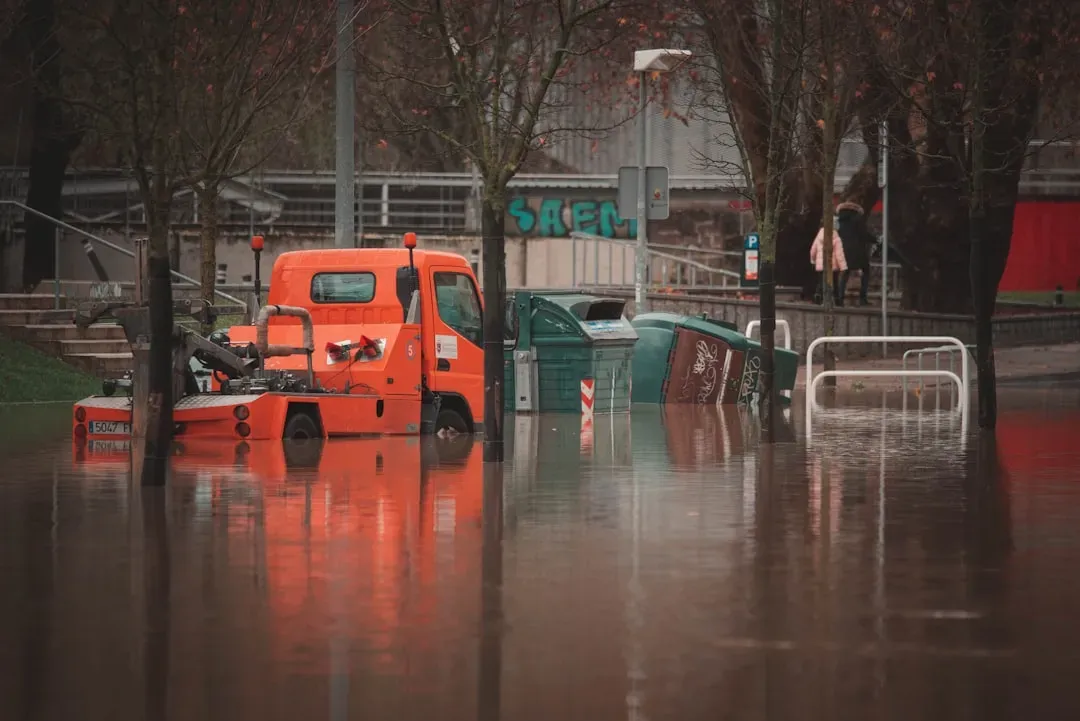
These eight cities represent just a fraction of American communities grappling with escalating flood risks. From Miami’s sunny day floods to St. Louis’s river surges, the patterns are clear and troubling. Climate change is amplifying precipitation extremes, sea levels continue rising, and aging infrastructure struggles to cope with these new realities.
Many of the nation’s roads, sewers and drainage systems were not designed to handle the kind of rainfall events that are now becoming more common. That’s the core problem. We built our cities for yesterday’s climate, and we’re living in tomorrow’s more dangerous world. The costs are staggering, measured not just in dollars but in displacement, anxiety, and lives forever altered by water where it shouldn’t be.
Cities are responding with billion-dollar infrastructure projects, green solutions, and resilience planning. Some will adapt successfully. Others face harder choices about managed retreat and transformation. What’s certain is that flooding in America isn’t a problem that’s going away. It’s intensifying, spreading, and demanding our urgent attention. Did you expect the situation to be this serious across so many different regions? The water is rising, and time is running out to build the defenses and make the hard decisions necessary for survival.
