
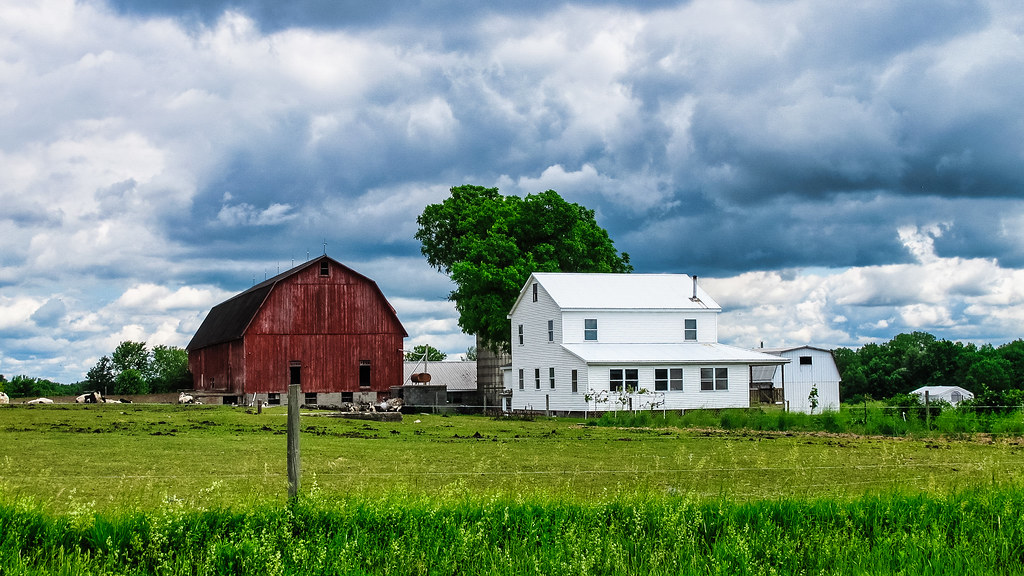
You’ve probably thought about it. Trading the city lights for wide open fields. Feeling the soil between your fingers instead of staring at another spreadsheet. Starting a farm isn’t just some pastoral dream anymore. It’s become a genuine alternative for those who want a different kind of life, maybe even a profitable one if you play your cards right.
Here’s the thing though: not all farmland is created equal. Where you plant your roots can make the difference between a thriving operation and years of frustration. Soil quality matters. Water access matters. The cost of land matters even more when you’re trying to keep the bank happy. Let’s be real, choosing the right state is probably the most important decision you’ll make before you ever touch a seed.
Montana: Where Land Costs Won’t Break Your Budget
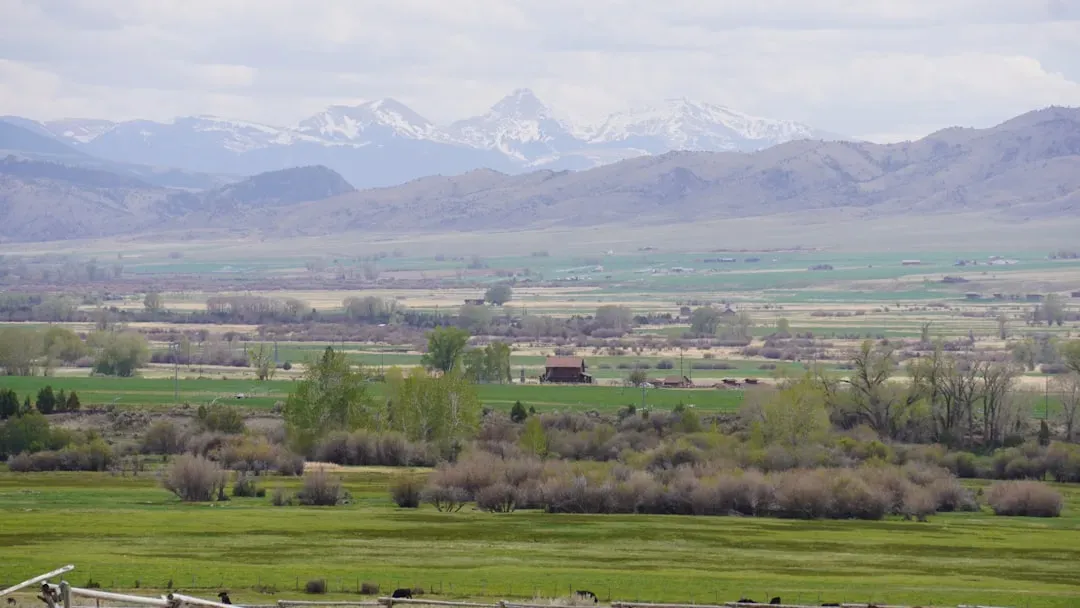
Montana stands out as an agricultural haven, with farmland averaging a remarkably low cost per acre at around $610, making it the most affordable state for purchasing farmland in the entire country. It’s hard to argue with numbers like that when most other states are charging you double or triple that amount just to get started.
The state is a top producer of organic certified wheat, dry peas, lentils, flax, and honey, with farming contributing significantly to Montana’s economy alongside its strong ranching culture. The beauty of Montana lies in its versatility. You can pursue large scale grain operations or dive into the booming organic market. Average farm sizes are massive here, coming in at about 2,156 acres, trailing only Wyoming in terms of sheer scale. If you’re someone who dreams big and wants room to grow without immediately mortgaging your future, Montana deserves serious consideration.
Iowa: Rich Soil That Speaks For Itself
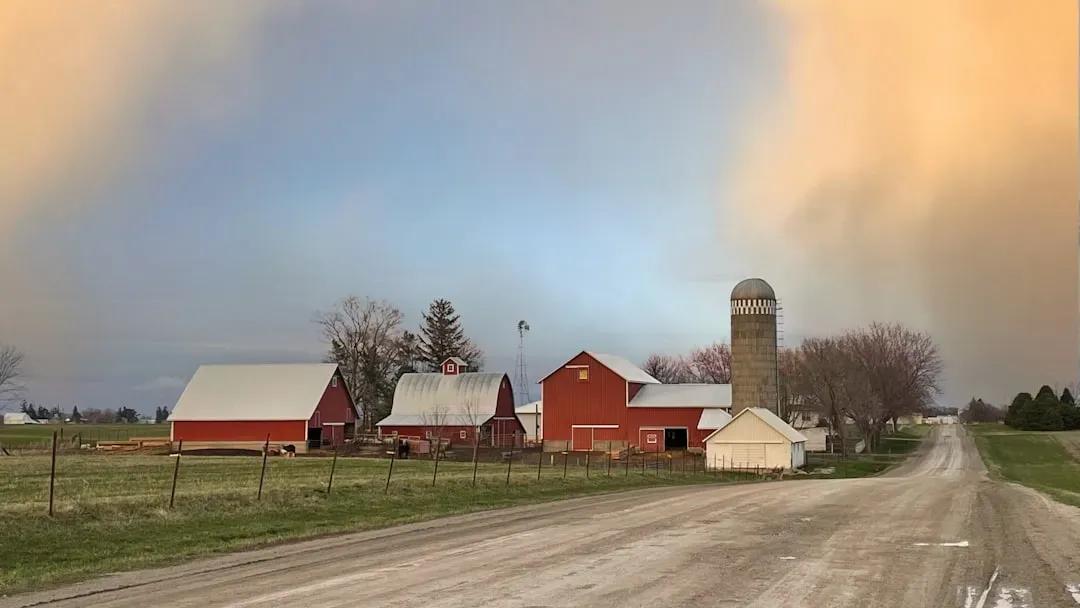
Iowa is often called the farming capital of the United States and stands as one of the top agricultural producing states, thanks largely to its fertile soil which produces consistently high yields and makes it an excellent choice to start a farm. When experts talk about ideal farming conditions, Iowa is usually at the top of that conversation. The soil here isn’t just good, it’s exceptional.
Iowa has been recognized as having the most fertile soil in the United States, with deep, fertile soils combined with a mild climate making the state ideal for agriculture, especially for growing corn and soybeans. Sure, the property taxes are higher than some other farming states, which can eat into your bottom line a bit. Yet when your crops are consistently producing more per acre than almost anywhere else in the nation, those extra tax dollars start looking like a worthwhile investment. The strong agricultural community provides new farmers with an advantage through experienced mentors and extensive cooperative networks, while agriculture remains the largest industry in Iowa with significant state program support.
Missouri: The Underrated Farming Powerhouse
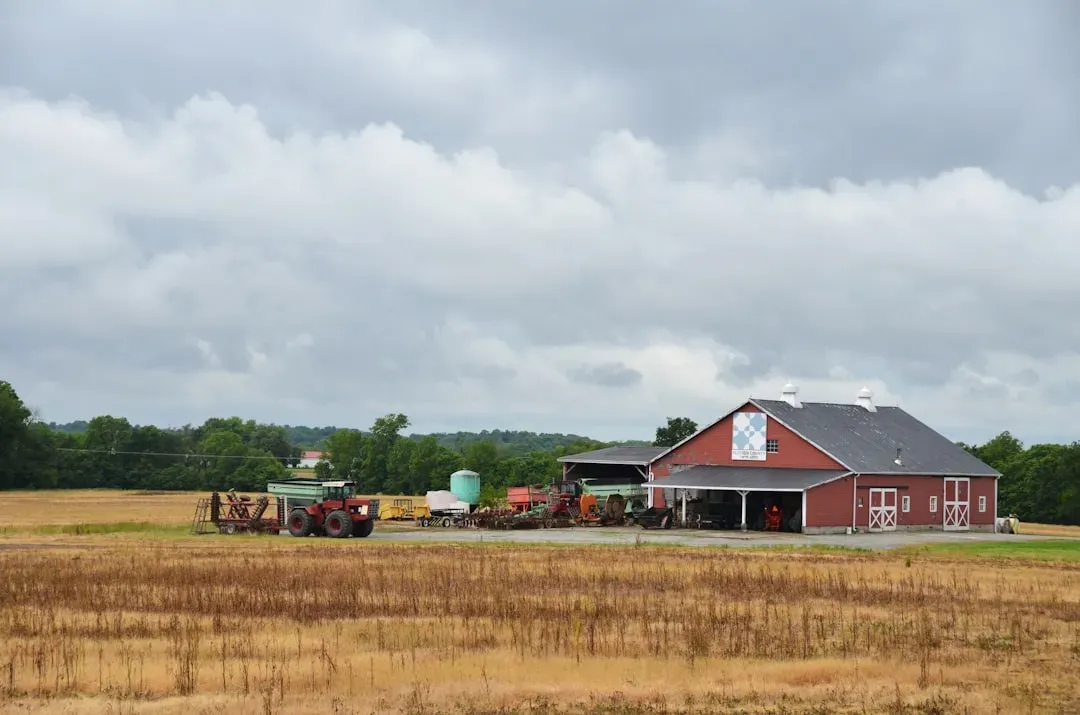
Missouri is an underrated area for starting a farm, with low per acre costs and a diverse agricultural scene ranging from corn to dairy. Honestly, Missouri doesn’t get nearly enough credit in discussions about prime farming locations. People overlook it because it doesn’t have Iowa’s reputation or Montana’s vast spaces.
Federal programs are available to assist new farmers in Missouri, and the state has developed a robust hub for rural health information that makes life on the farm considerably better than it once was. That last point matters more than you might think. Rural healthcare access has been a persistent problem in farming communities, so having infrastructure that supports farmers’ wellbeing is genuinely valuable. The weather and climate throughout Missouri allow for lots of great crop opportunities, though water quality in some regions can still present challenges. The variety of what you can grow here is impressive, giving you flexibility to pivot if market conditions change.
North Dakota: Fertile Ground With Low Entry Costs
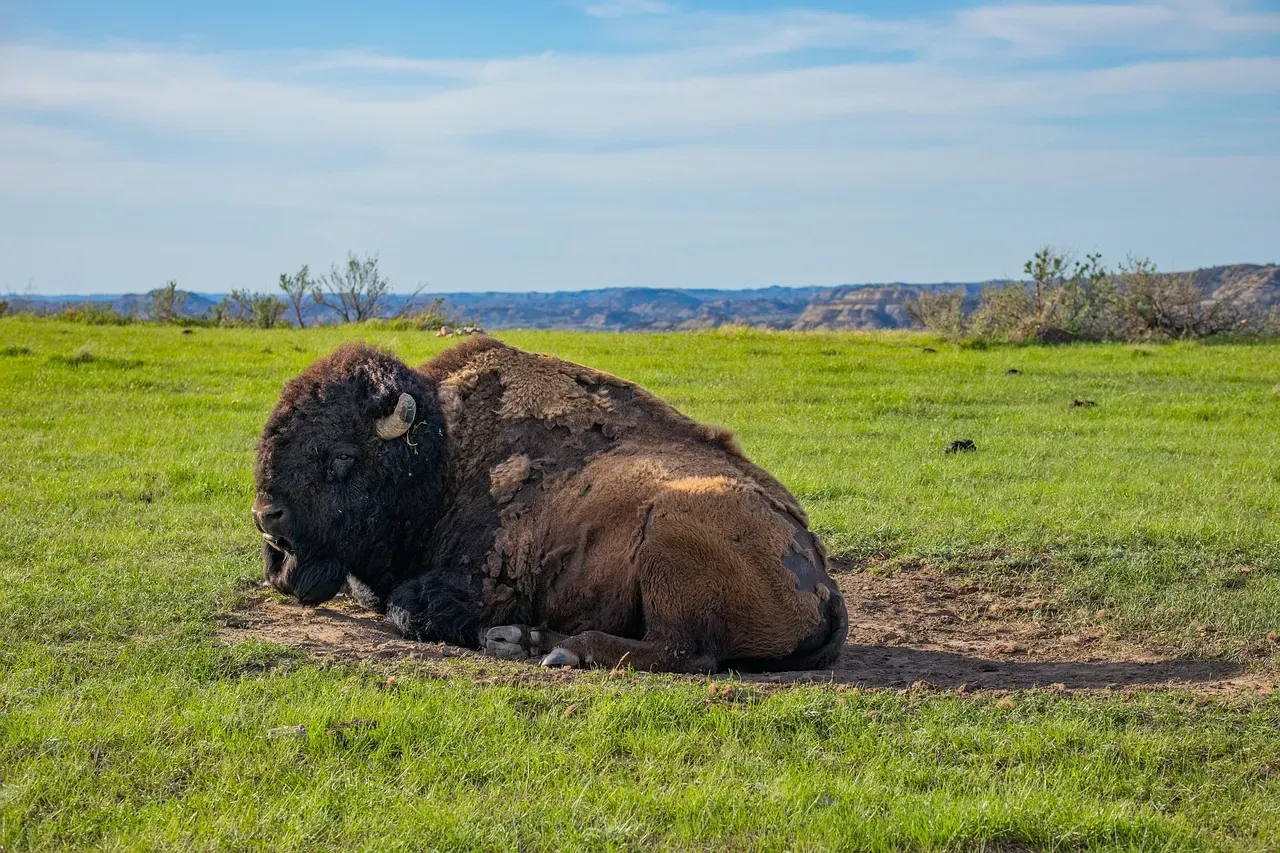
North Dakota comes in at roughly $2,260 per acre, with one of the major advantages being access to extremely fertile soil, and the state’s climate is ideal for raising healthy livestock and producing high crop yields. If you’re looking for that sweet spot between affordability and productivity, North Dakota checks both boxes beautifully. The state doesn’t get as much attention as some of its neighbors, which actually works in your favor.
North Dakota leads the nation in spring wheat, sunflower production, and honey, with abundant crops and cattle, while expanding capabilities in industrial hemp and hops. There’s room here for innovation too. As a top producer of dry beans and honey, North Dakota offers farmland that’s even cheaper than South Dakota, making it one of the best states regarding return on investment with well developed agricultural infrastructure, and the Red River Valley region is particularly known for its fertile soil. That infrastructure piece cannot be overstated. Having established supply chains, equipment dealers, and agricultural services nearby makes running a farm dramatically easier.
Kentucky: More Than Just Horse Country
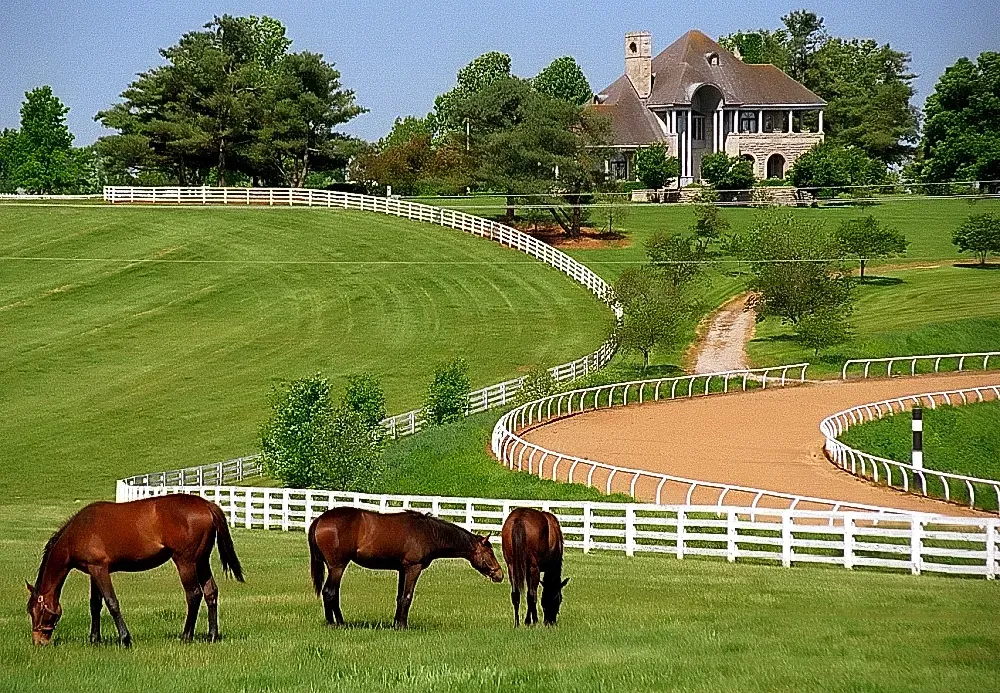
Although Kentucky is well known as the heart of horse country, it is also well recognized as a great place for farming. Kentucky ranked as the top state for hobby farms in 2025 with favorable water quality metrics and a solid number of growing days at 170 annually. The state offers something a bit different from the grain belt states further west.
The climate here allows for diverse agricultural pursuits beyond traditional row crops. You can raise livestock, grow specialty crops, or focus on value added products. Kentucky also benefits from its proximity to major population centers in the eastern United States, which means shorter distances to markets and potentially lower transportation costs. The growing season is respectable, water access is generally good, and you won’t be starting from scratch since there’s already an established agricultural community. Sometimes it pays to be in a place where farming has deep cultural roots.
Kansas: Wheat Fields and Wide Horizons
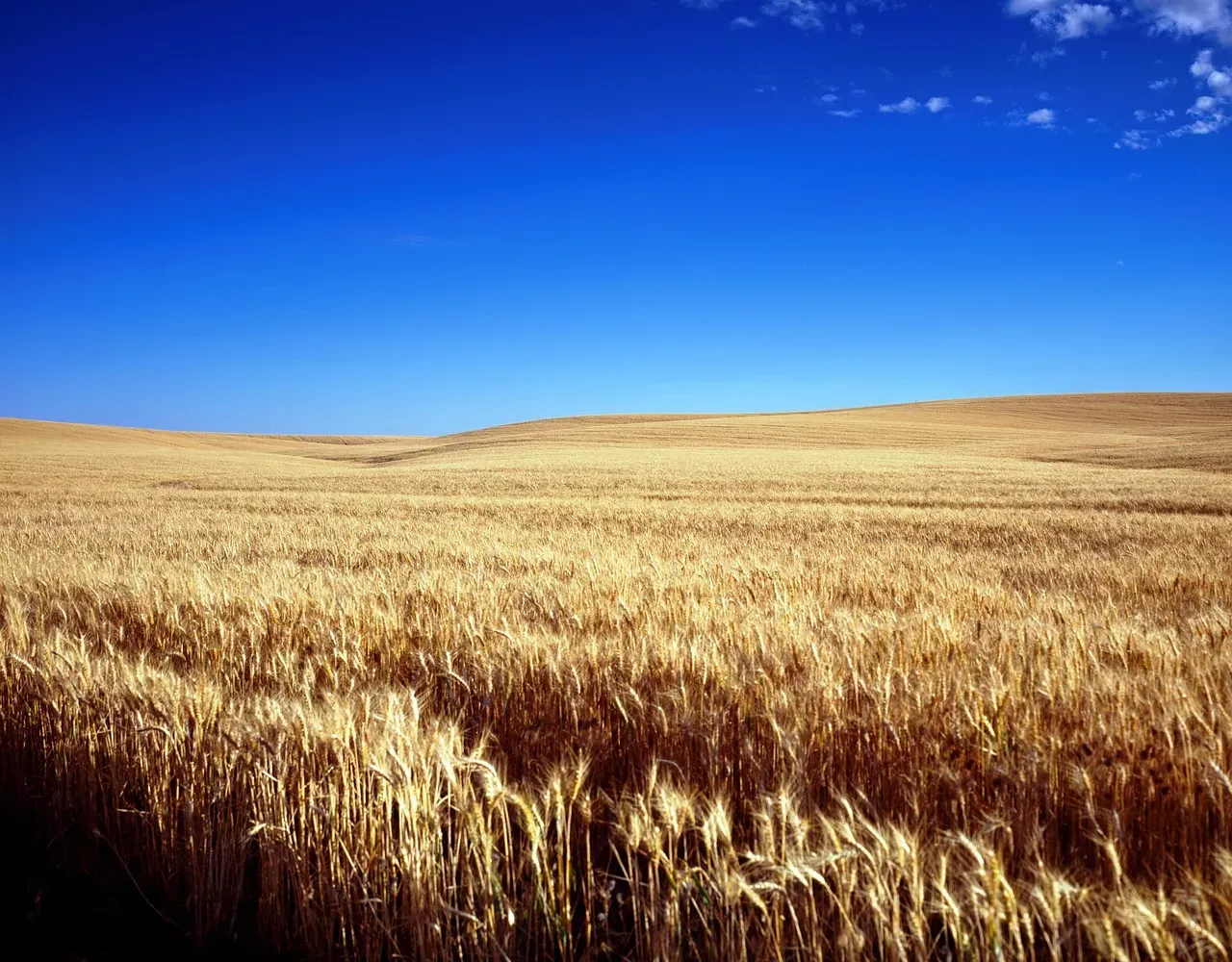
Kansas offers farmland at approximately $2,970 per acre and is an ideal location for agricultural production due to its fertile soil and easy water access, with diverse agricultural potential ranging from wheat fields to cattle ranches, ranking number one in the nation for wheat and sorghum production. When you picture American agriculture, there’s a decent chance you’re imagining Kansas whether you realize it or not.
This is classic Great Plains farming territory. The infrastructure here is built around agriculture in ways that make operations smoother. You’ve got access to established markets, grain elevators, equipment dealers, and a workforce that understands farming. Kansas ranks second among the best farming states, boasting cheap land, large established farming communities for support, and highly developed infrastructure. Water access gives Kansas an edge over some drier western states where irrigation costs can become prohibitive. The diversity of what thrives here, from wheat to cattle, means you have options for how you want to structure your operation.
Conclusion
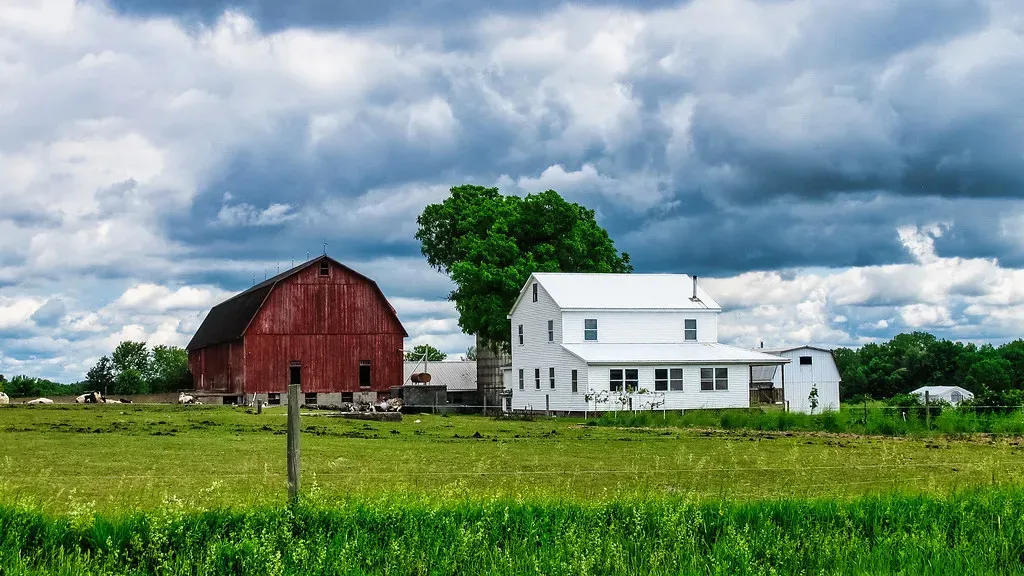
Choosing where to start your farm isn’t something you should rush. Each of these six states brings something valuable to the table, whether that’s Montana’s unbeatable land prices, Iowa’s legendary soil, or Kansas’s established agricultural infrastructure. Your decision should reflect what you plan to grow, how much capital you have available, and honestly, where you can picture yourself living for the long haul.
The good news? You’ve got options, and every one of these states has proven itself as a place where farmers can build something real. The land is there. The opportunity is there. What are you waiting for?
