
The forests of Oregon are stunning, that’s something we can all agree on. Towering Douglas firs, misty trails, and waterfalls that seem to drop from the clouds themselves make this state a hiker’s paradise. Yet there’s something else roaming those same trails besides outdoor enthusiasts seeking solitude. Oregon is home to between 25,000 and 30,000 black bears, thriving in the mountains and dense forests that define much of the landscape.
What happens when your peaceful hike suddenly becomes a wildlife encounter? Knowing what to do can mean the difference between an incredible memory and a truly dangerous situation. Whether you’re a seasoned backpacker or someone just starting to explore Oregon’s wilderness, understanding black bear behavior and safety strategies is essential.
Stay Calm and Assess the Situation
The first few seconds of a bear encounter are critical. Your natural instinct might be to panic, run, or scream. Resist that urge.
When you encounter a bear, stay calm. Black bears are seldom aggressive and rarely injure people, which means the odds are already in your favor. Take a breath and evaluate what’s happening.
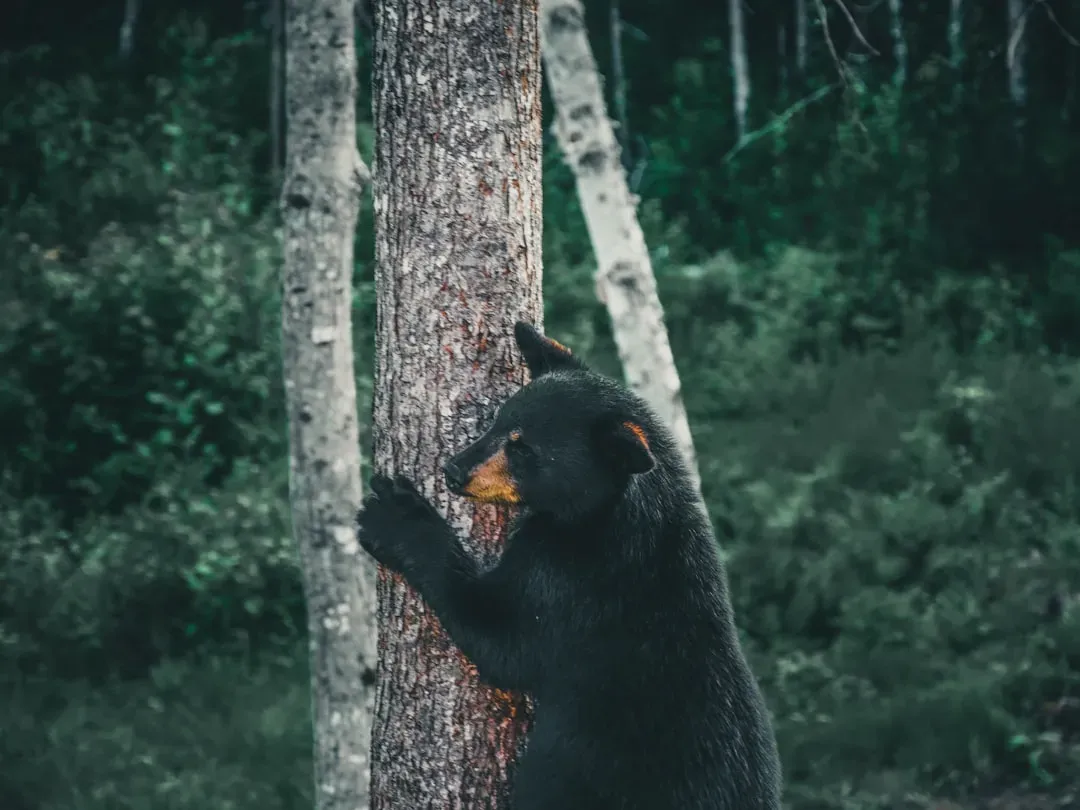
Is the bear aware of you? What’s its body language telling you? Sometimes a bear will stand on its hind legs, which might look threatening but is usually just the animal trying to get a better view or catch your scent. It’s not always aggression. Most of the time, the bear is as startled as you are.
Make Your Presence Known Without Aggression
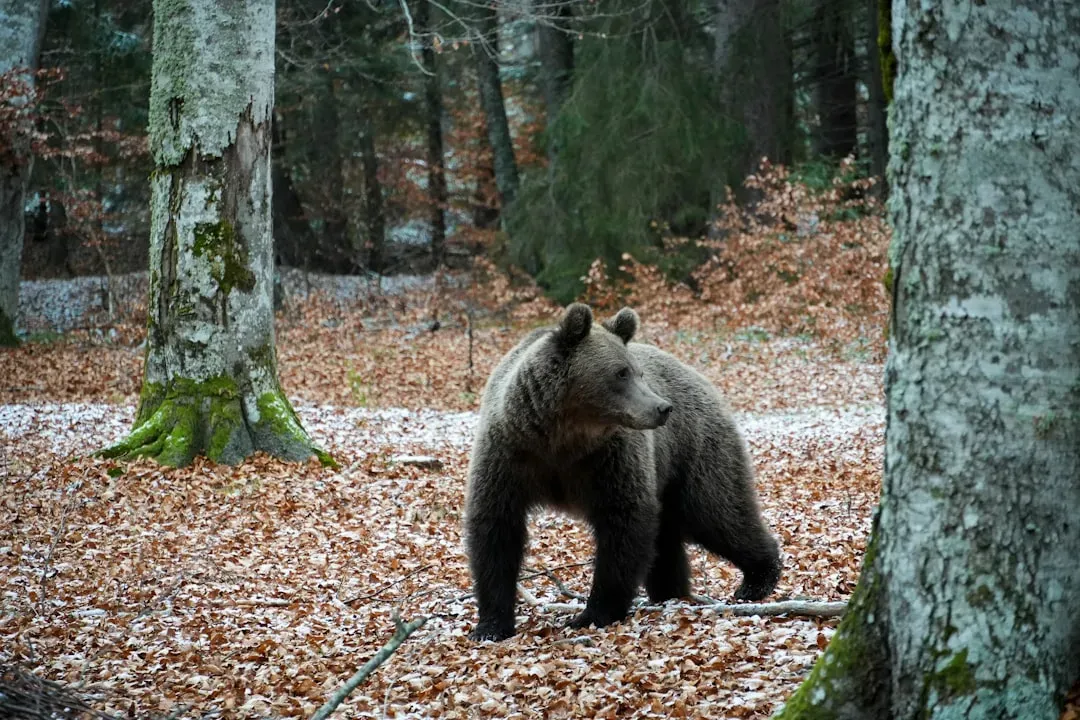
If spotted by a bear, try to get its attention while it is a good distance away by talking to it in a normal voice or waving your arms. This helps the bear recognize you as a human rather than prey or another animal.
Speak in a calm, steady voice. Avoid high-pitched tones or sudden shouting, which can sound like distress signals and might confuse or alarm the bear further. If you see a bear before it notices you, don’t approach – stand still, enjoy the moment, then quietly move away.
Whatever you do, never run. Running may elicit a chase from an otherwise non-aggressive bear, and since they can run faster than 30 mph, you have no chance of outrunning them. Walking backward slowly while keeping your eyes on the bear is a much smarter move.
Give the Bear Space and an Escape Route
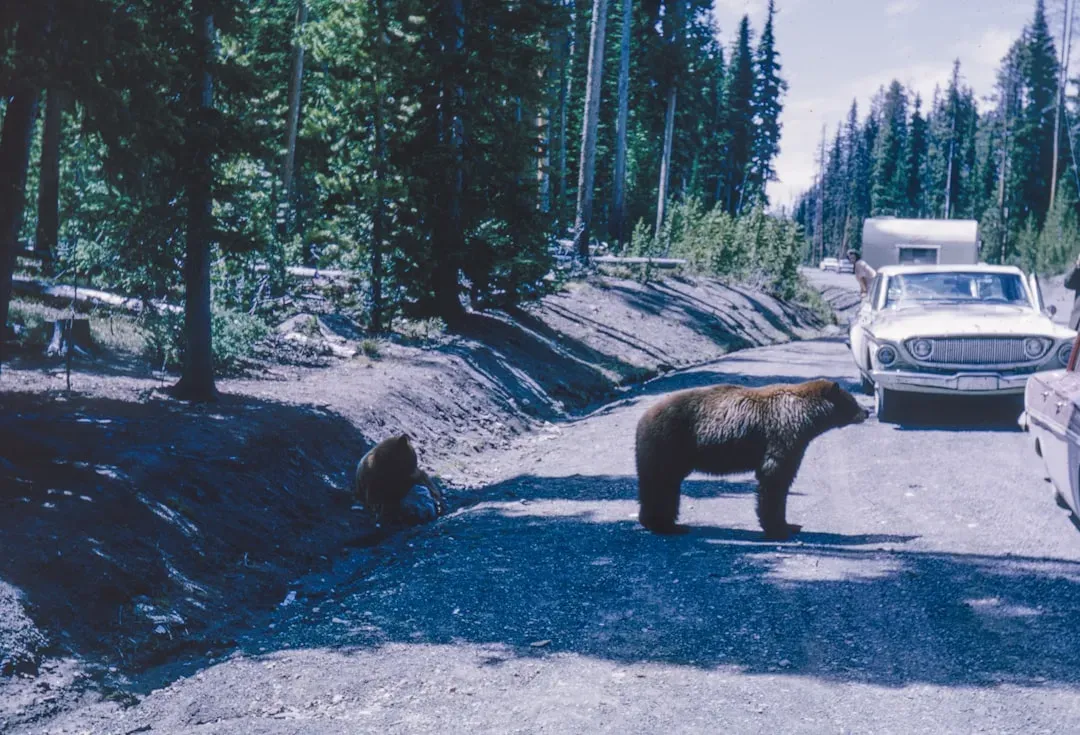
Give the bear plenty of room, allowing it to continue its activities undisturbed. Bears, like most wild animals, don’t want confrontation. They prefer to go about their day without human interference.
Step off the trail and slowly walk away if it’s safe to do so. The goal is to create distance without making yourself look like a threat. Every bear has a zone of danger or personal space – if it changes its natural behavior because of your presence, you are too close.
If you’re with children, pick them up to prevent them from panicking or running. Keep your group together and move as one unit. Strength in numbers can discourage a curious bear from coming closer.
Watch Out for Cubs and Defensive Behavior
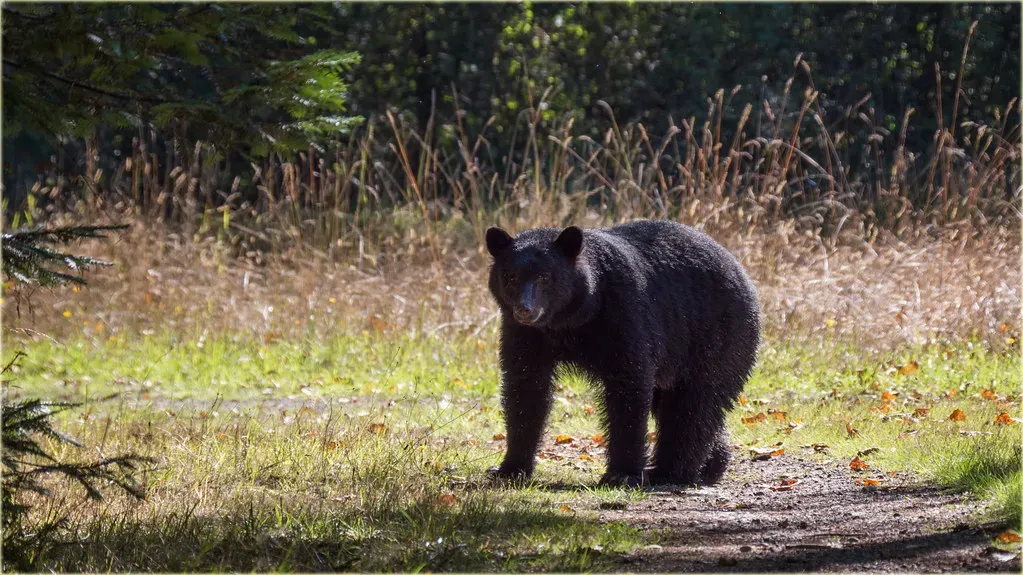
If you see bear cubs, steer clear and leave the area – the mother is always nearby. While it’s a myth that all mother bears will attack on sight, you definitely don’t want to get between a sow and her young.
A defensive bear may display warning signs. If the bear lunges, snaps his jaws, slaps ground or brush with paw, he feels threatened – back up slowly without turning your back on the bear. These are clear signals that you’ve invaded the bear’s personal space and it wants you gone.
Occasionally, you might witness a bluff charge, where the bear runs toward you but stops short and veers away. Stand your ground in this rare situation. Don’t retreat suddenly, as that could trigger an actual attack.
Use Bear Spray Only If Necessary

Carry bear spray and know how to use it – it’s proven to be the easiest and most effective way to deter a bear that threatens you. Keep it accessible, not buried at the bottom of your pack. There’s no time to dig around when a bear is approaching.
Bear spray should be your last resort. Don’t deploy it unless the bear is actively charging or showing clear signs of aggression. The spray creates a cloud of irritant that deters the animal without causing permanent harm.
Learn how to operate your bear spray before you hit the trail. Practice removing the safety tab and aiming. Wind, rain, and cold temperatures can all affect its performance, so familiarize yourself with the manufacturer’s instructions ahead of time.
Fight Back If Attacked
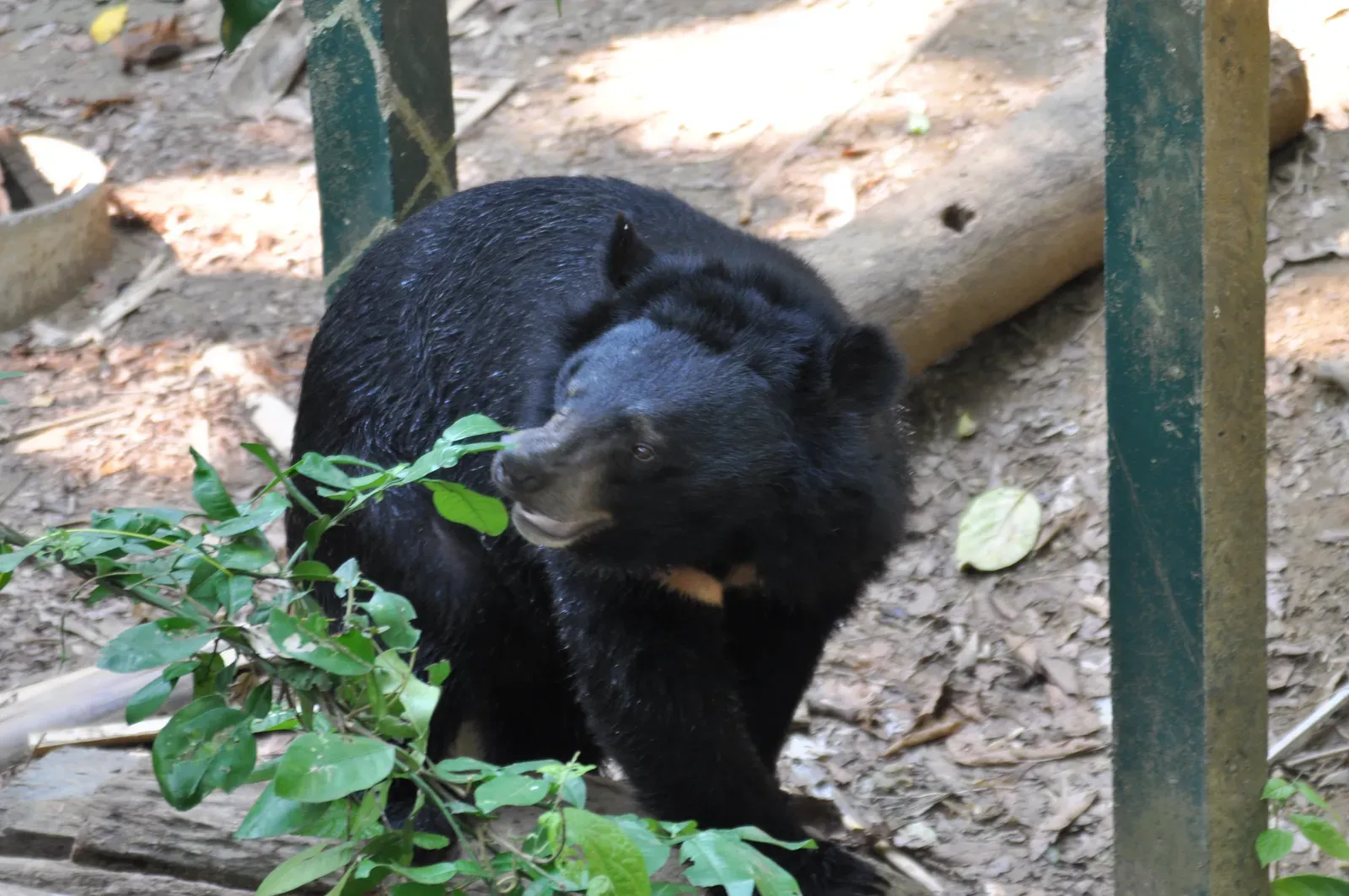
If a black bear does attack, fight back – do not play dead. This is the opposite advice given for grizzly encounters, but black bears respond differently to resistance.
If a black bear attacks, it is suggested to fight back using everything in your power – fists, sticks, and rocks. Aim for the bear’s face, eyes, and nose. Be as aggressive and loud as possible. Black bear attacks are extremely rare, but when they do happen, the bear needs to understand that you’re not an easy target.
Honestly, it sounds terrifying, but your odds of being attacked are incredibly low. Most encounters end with the bear running away long before things escalate. Still, it’s good to know what to do in the worst-case scenario, even if you never need to use that knowledge. What would you do if faced with a bear on the trail? Tell us in the comments.

- 12 Common Mistakes Pet Owners Make That Can Harm Their Beloved Animals - July 19, 2026
- Why Mangroves Are Vital to Florida’s Coast - July 19, 2026
- How Did Reindeer Become a Symbol of Christmas? - July 19, 2026