
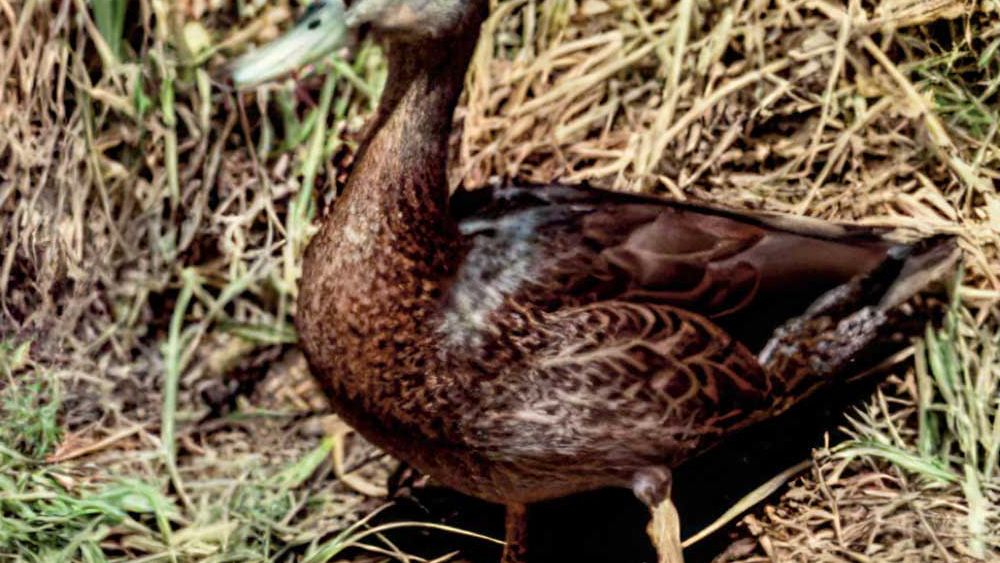
When we think about extinction, images of dinosaurs or distant creatures often come to mind. Yet in the not-so-distant past, specifically in 1981, a duck species that called U.S. territories home quietly slipped into oblivion. The Mariana Mallard, sometimes called Oustalet’s duck, represents one of the most tragic yet fascinating stories of modern extinction. This bird, once found only on a handful of Pacific islands, has become a cautionary tale about human impact, habitat destruction, and what happens when we fail to protect vulnerable species.
What makes this story particularly compelling is that the Mariana Mallard may have been one of the shortest-lived species in scientific history. It’s hard to imagine something so fleeting. Let’s be real, this bird likely existed for only around ten thousand years, maybe less, before vanishing forever.
The Mariana Mallard Was Endemic to Just Three Tiny Pacific Islands
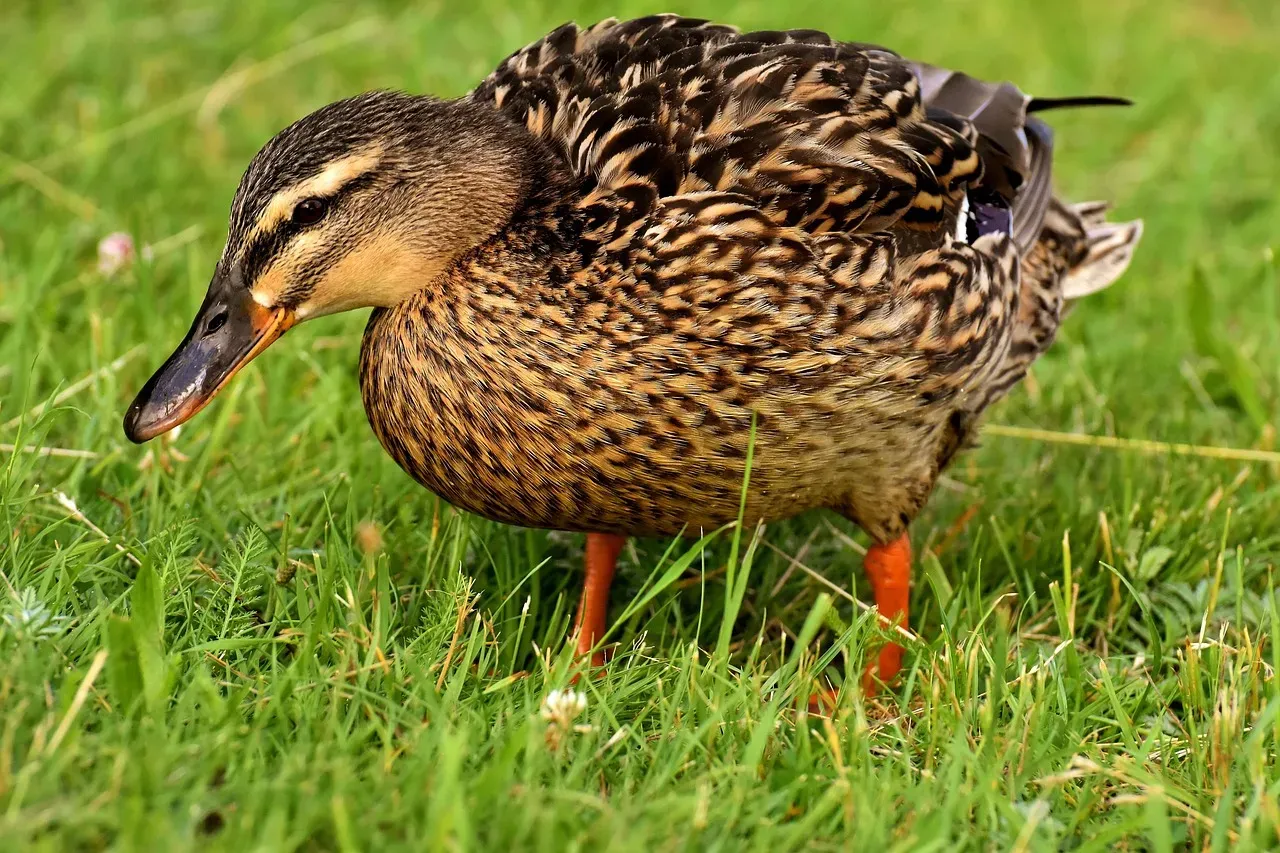
The Mariana mallard was an extinct species of duck of the genus Anas that was endemic to the Mariana Islands. This fascinating bird wasn’t widespread across continents or even multiple island chains. It was documented to have occurred on the islands of Guam, Tinian, and Saipan.
These islands are part of the Mariana Archipelago in the western Pacific Ocean, territories under U.S. governance. The ducks were non-migratory, meaning they stayed put year-round in these limited locations. The Mariana mallard inhabited wetlands, mostly inland but occasionally also in coastal areas, and on Guam, it was most abundant in the Talofofo River valley. Think about it: their entire world consisted of just a few marshes and lakes. When those wetlands vanished, so did any chance of survival.
It May Have Been a Hybrid Species – Making Its Origin Scientifically Controversial
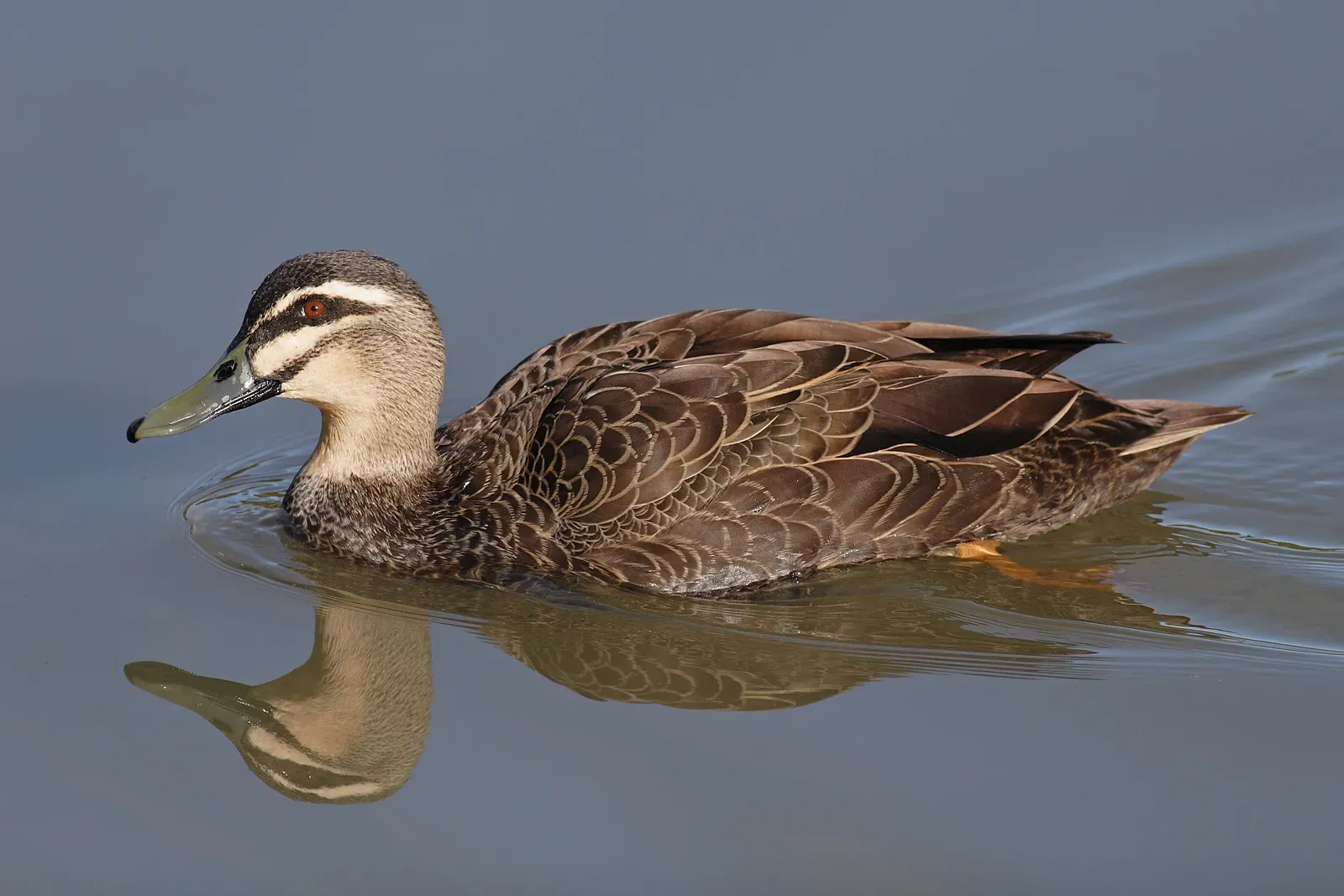
The taxonomic status of the Mariana mallard is disputed, since it resembles an intermediate of the mallard and the Pacific black duck, two closely related allopatric species which frequently hybridise. Honestly, ornithologists still debate whether this bird was even a true species at all. Some scientists considered it merely a hybrid population rather than something worthy of species status.
This species is an interesting example of speciation by hybridization, which is very rare in birds and mammals, as it is apparently derived from migrating individuals of the Mallard and the Australasian Black Duck which settled down and became resident on the Marianas. If considered specifically distinct, it was one of the most short-lived vertebrate species known to science, existing for a few 10,000 years at most from the first hybridization event to its extinction. That’s barely a blip in evolutionary time.
Males Displayed Two Distinct Color Morphs in Their Plumage
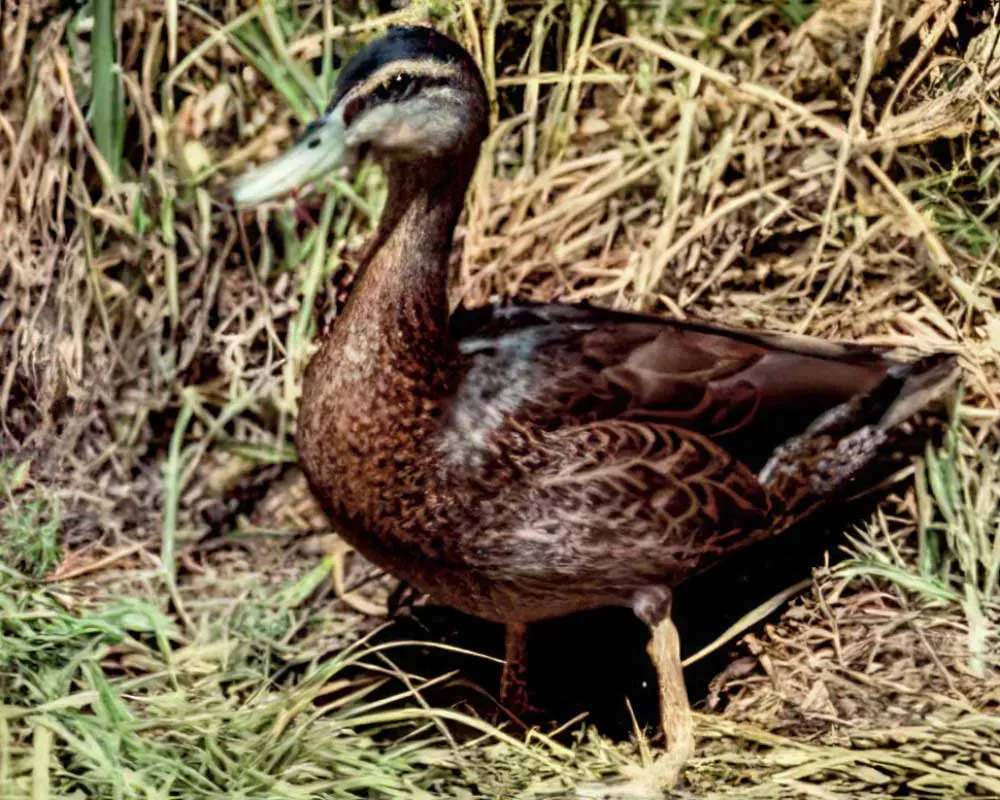
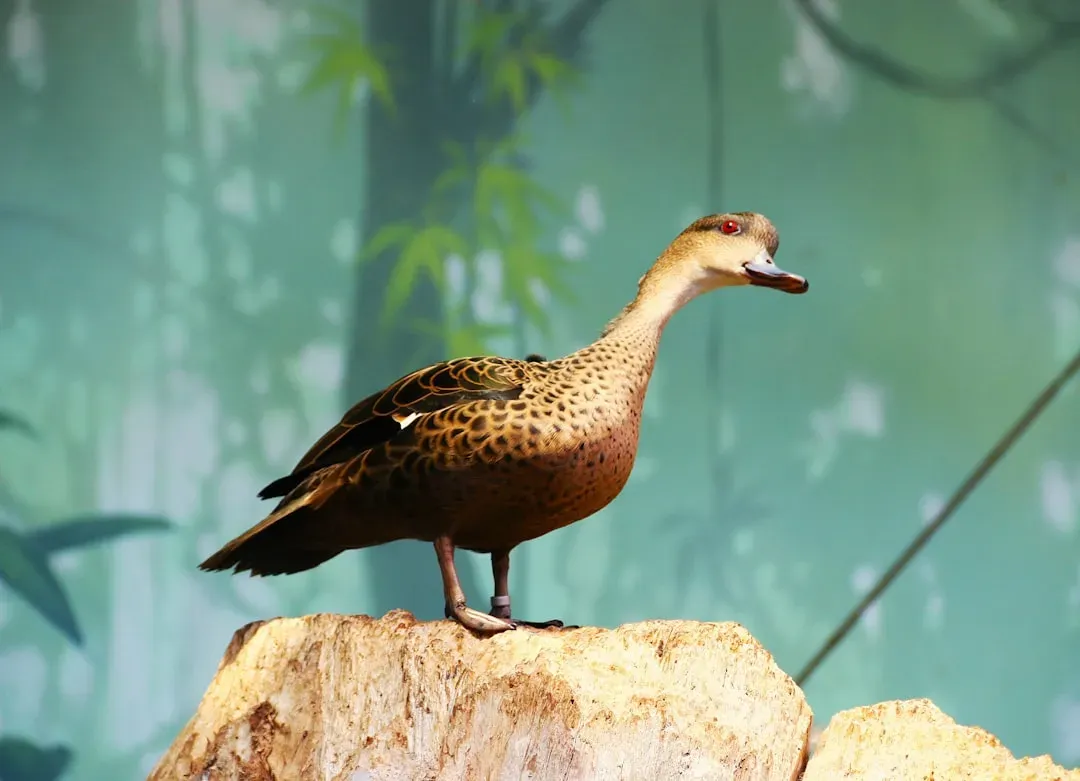
Its males had two intergrading color morphs, called the “platyrhynchos” and the “superciliosa” types after the species they resembled more. The first type looked more like a typical mallard drake with that recognizable green head, though less glossy. The second type more closely resembled the Pacific black duck with speckled brown feathers throughout.
Mariana mallards were 51–56 cm long and weighed approximately 1 kilogram, making them marginally smaller than mallards. Females generally looked like darker female mallards with more orange coloring near their bill tips and feet. The birds were rather reclusive, preferring sheltered habitat with plenty of wetland and water plants where they also nested. They weren’t flashy or bold creatures, preferring to hide among the reeds and ferns.
The Bird Was Shockingly Unafraid of Humans – A Fatal Trait
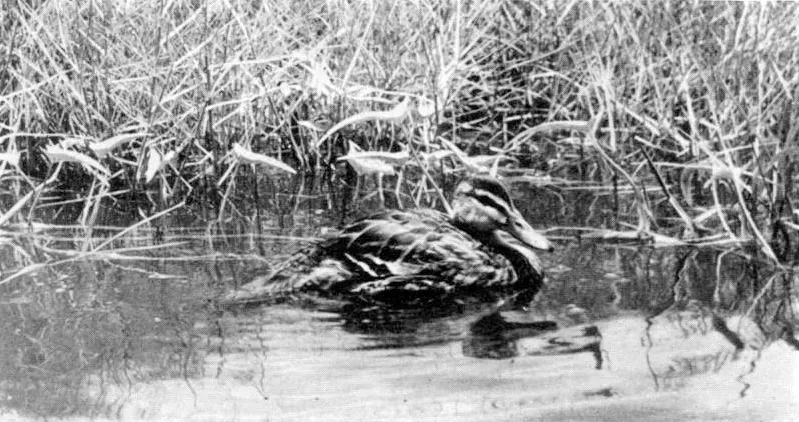
Evolving without predators, the mallard was not wary of humans, and so was easily caught. This might be the saddest detail of all. Island species that evolve in isolation often lack the instinct to flee from danger because they never needed it. The Mariana Mallard had no natural predators for most of its existence.
When humans arrived, the ducks simply didn’t know to be afraid. The mallard was not wary of humans and as a result was easily caught, and they were hunted and trapped for food by local residents and visitors. Historical accounts even noted how simple it was to trap these birds. It’s a cruel irony that their evolutionary innocence became their downfall.
World War II and Agricultural Expansion Destroyed Critical Wetland Habitats
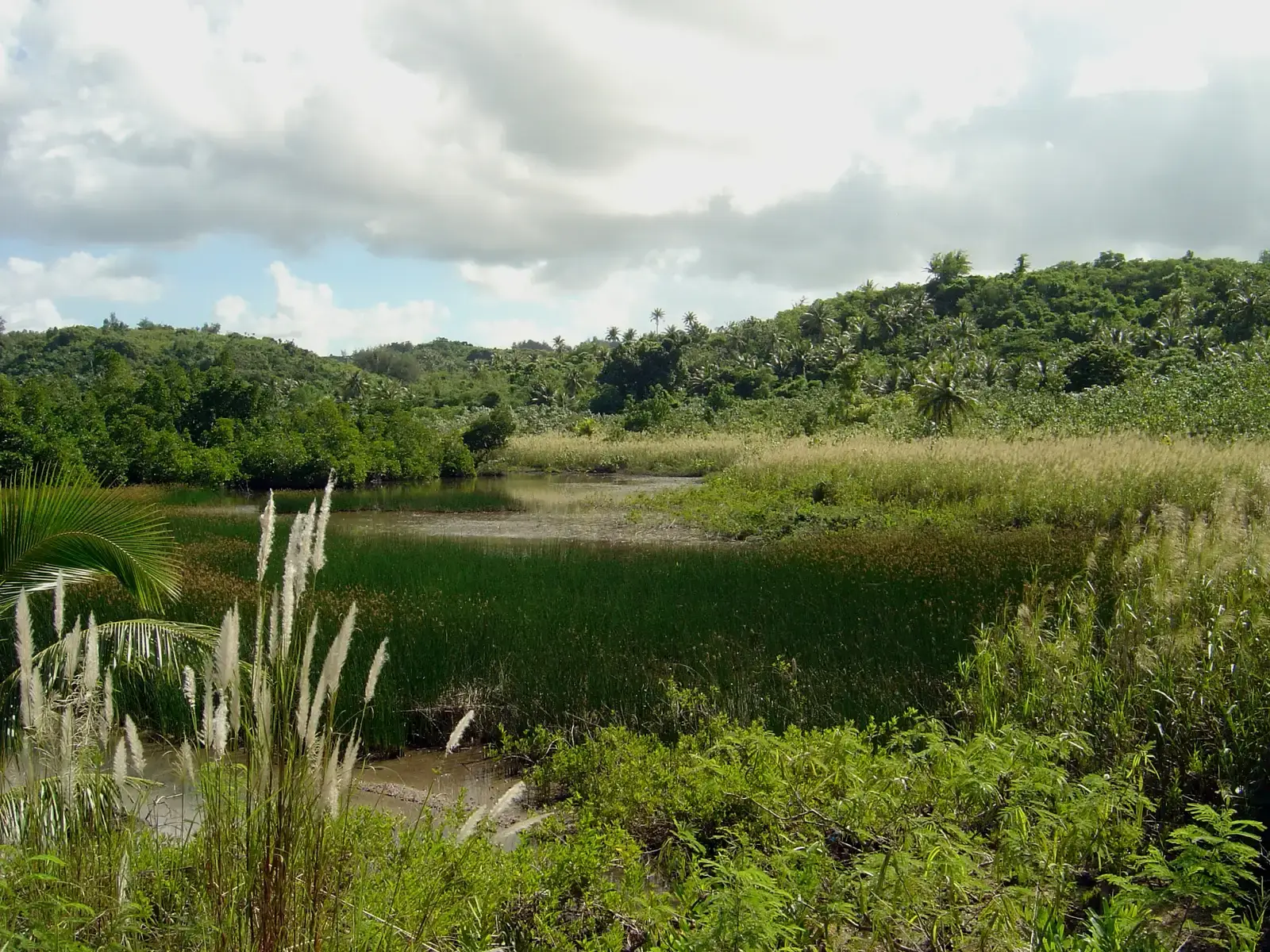
The Mariana mallard’s range reduction and eventual extinction have been attributed to habitat loss and hunting, especially during and immediately after World War II. The war brought massive environmental disruption to these small Pacific islands. Military operations, bombing, and subsequent infrastructure development obliterated wetlands that the ducks depended upon.
Between 1914 and 1945, during the Japanese occupation of Saipan and Tinian, most wetlands were converted to rice paddies, and in more recent times, wetlands have been drained to provide potable water for new villages and converted into farmland. By the time people realized what was happening, it was already too late. By the 1940s, flocks of more than a dozen birds were seldom seen.
The Last Wild Individual Was Seen in 1979 on Saipan
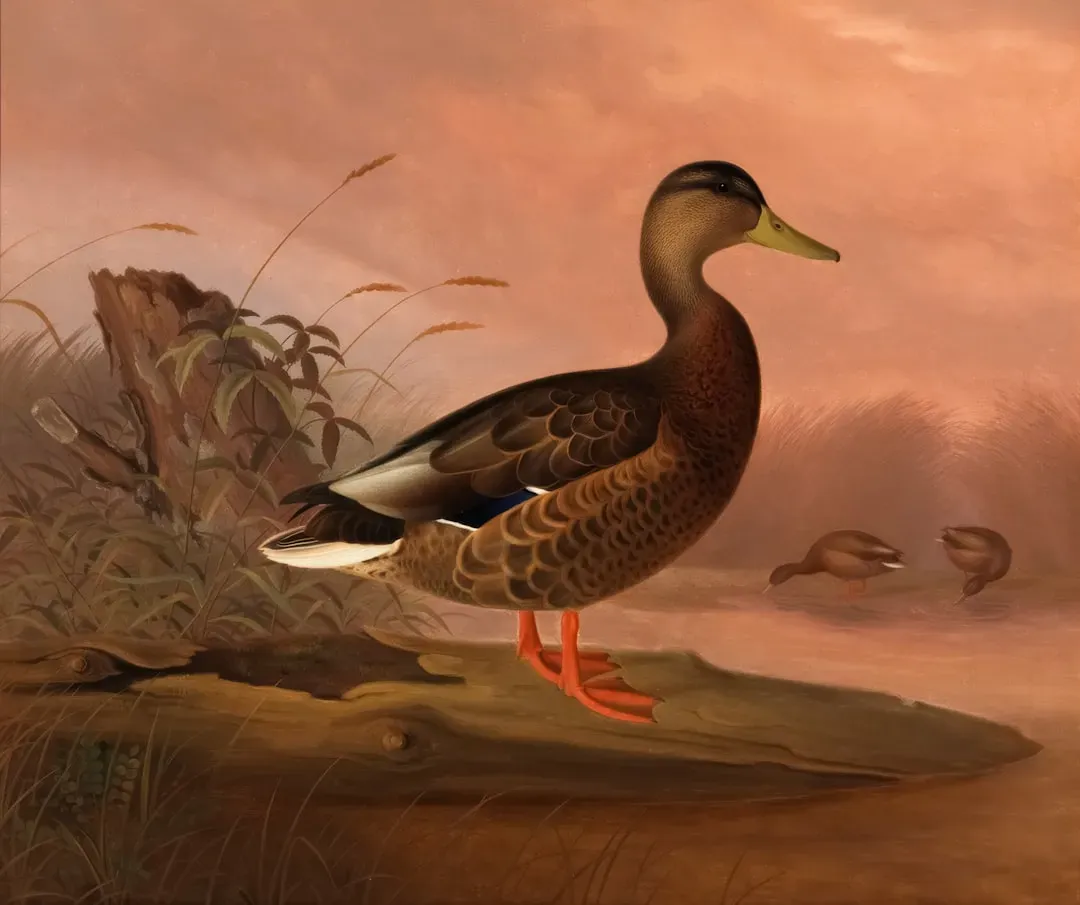
In 1979, two males and a female were found on Saipan and caught; one male was later released, the last wild bird ever to be encountered. Can you imagine being that final free-flying Mariana Mallard, released back into emptied wetlands with no mates left to find? It’s haunting.
On Guam, the last sightings were in 1949 and 1967, and on Tinian in 1974, while the Saipan population lingered on for a few more years as Lake Susupe offered the most plentiful habitat. Even that last refuge suffered from pollution. The species was clinging to survival in a world that no longer had room for it.
Captive Breeding Attempts Failed, Sealing the Species’ Fate
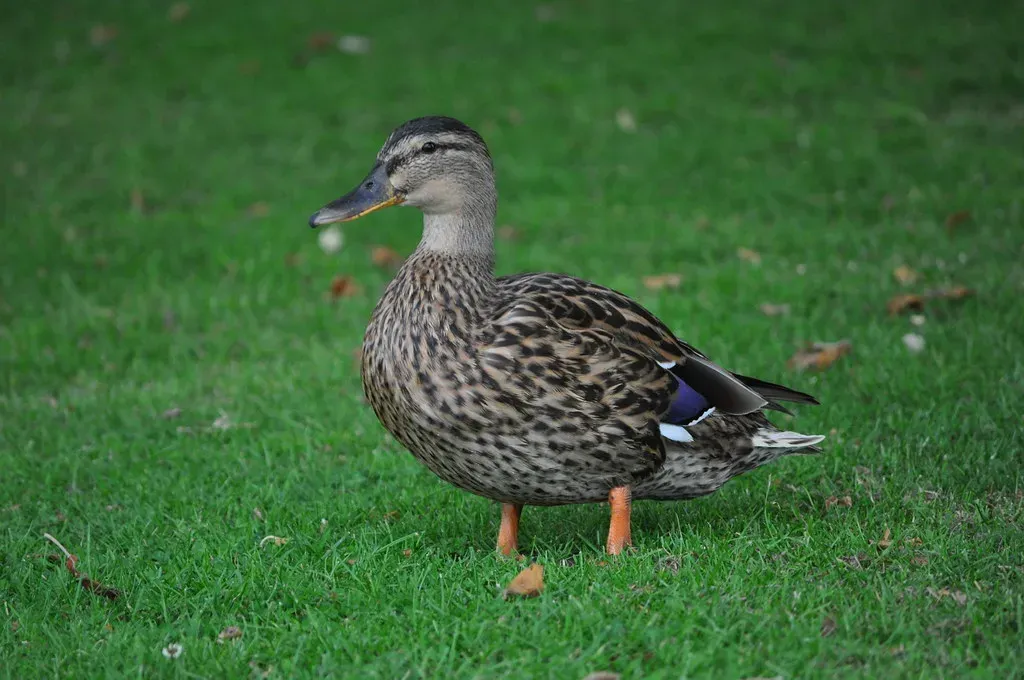
The pair was brought to Pohakuloa, Hawai’i, and later to SeaWorld, San Diego, where it was attempted to have them reproduce in captivity, but this was unsuccessful and the species became extinct with the death of the last individual in 1981. Conservation efforts came too late and weren’t enough.
Imagine the pressure on those last two birds. They represented the final hope for an entire evolutionary lineage, yet they couldn’t produce viable offspring. Sometimes biology simply doesn’t cooperate, even with the best human intentions. The Mariana mallard was listed as endangered on June 2, 1977, because its population was critically low due to excessive hunting and loss of wetland habitat. Protection came just two years before the last wild sighting.
It Was Officially Removed From the Endangered Species List in 2004 Due to Extinction
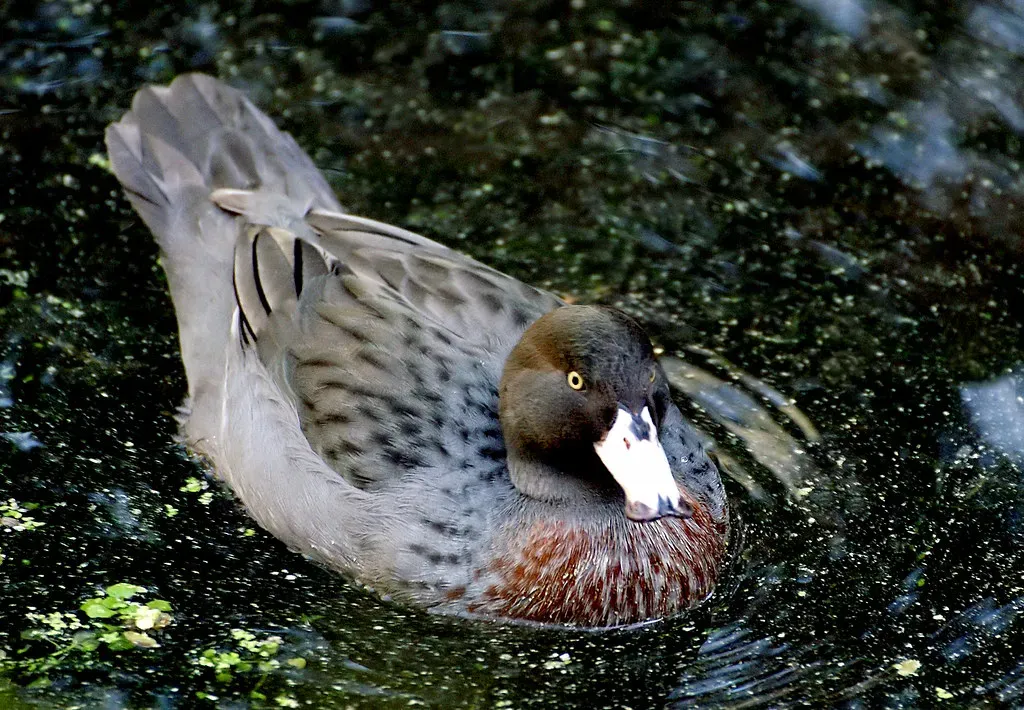
After a thorough review and consideration of all information available, authorities determined that the Mariana mallard and Guam broadbill are extinct and should be removed from the List of Endangered and Threatened Wildlife. All three peer reviewers concurred with the conclusion that the Mariana mallard and the Guam broadbill are extinct.
Here’s the thing: being removed from an endangered species list isn’t always good news. Sometimes it means we’ve given up hope entirely. The government acknowledged that roughly two decades had passed with absolutely no confirmed sightings despite extensive surveys. The species was gone, and there was no bringing it back. What remains are museum specimens, photographs, and the weight of knowing we could have done more.
Conclusion
The story of the Mariana Mallard reminds us that extinction isn’t always ancient history. Sometimes it happens in our lifetimes, on lands we govern, to creatures we could have saved. This duck vanished not because of some unavoidable natural disaster, but through a combination of hunting, habitat destruction, and our failure to act quickly enough.
What’s particularly striking is how recent this loss was. People alive today were around when the last Mariana Mallard died. Museum specimens sit preserved in collections, forever frozen as reminders of what we’ve lost. The Mariana Islands still have wetlands, still have ducks passing through during migration, yet they’ll never again host their own unique endemic species.
Did you expect that a duck species could disappear so completely in just a few decades? What other species might we be losing right now without even realizing it?

- What It Means When a Hummingbird Hovers Directly in Front of Your Face and Does Not Move – According to Indigenous Tradition From the American Southwest - July 16, 2026
- 6 Polar Bear Facts That Explain Their Extreme Survival Skills - July 16, 2026
- 9 Indigenous Plants That Grow 4 Times Faster Than Store-Bought Annuals - July 16, 2026