
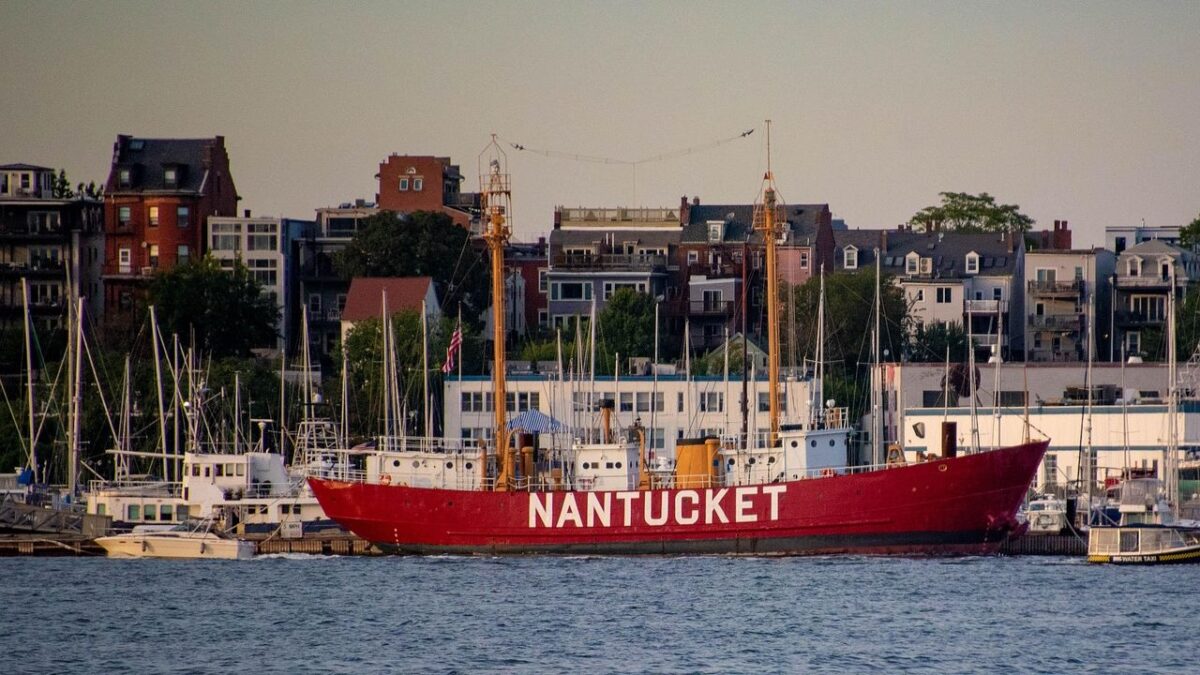
Picture this. You’re driving down a winding road, and suddenly the traffic lights disappear. The noise fades away. In their place, Victorian homes with painted shutters line cobblestone streets, and horse-drawn carriages clip-clop past old storefronts that still sell penny candy and handcrafted goods. These places exist right here in America, tucked into the mountains, perched on coastal cliffs, or hidden along meandering rivers.
They are tiny time capsules, untouched by the sprawl of modern development. Walking through them feels surreal, like you’ve crossed into a living history book. It’s not just nostalgia, it’s the architecture, the preserved facades, and the quiet rhythm of life that makes everything feel slower, softer, and far more intentional. The connection to the past is palpable, and honestly, it’s addictive once you experience it.
Let’s dive into ten US villages that truly make you feel like you’ve stepped back in time.
Colonial Williamsburg, Virginia
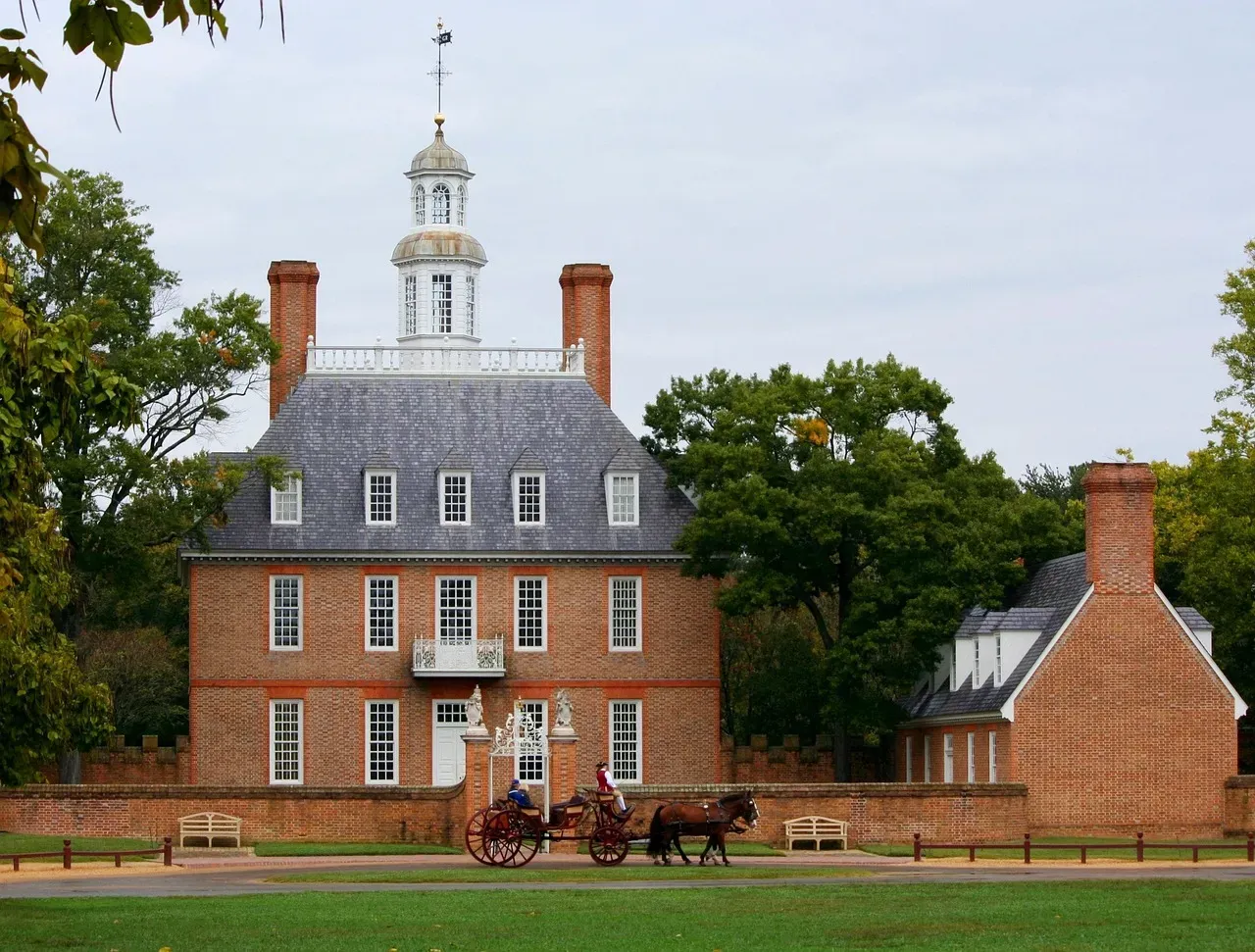
Colonial Williamsburg offers visitors a chance to walk through cobblestone streets, visit blacksmith shops and even engage with costumed interpreters portraying colonial-era citizens. This is not your average museum tour. People dress in full period attire, stay in character, and actually reenact day-to-day colonial life. You can watch wool being spun or debate politics like you’re gearing up for the Revolution.
The world’s largest U.S. history museum has intentionally remained in the scope of Colonial America to demonstrate how life was. That dedication is what makes every corner feel authentic. Even the modern conveniences are hidden, so nothing disrupts the illusion.
This place is for anyone who ever wondered what it really felt like to live in 18th-century America. There are no shortcuts here. It’s the full experience, hands on and immersive. Some visitors spend entire weekends here, and it’s easy to see why.
The trick Williamsburg pulls off is this. It doesn’t just show you history. It pulls you into it. You leave with dirt on your boots and a story to tell.
St. Augustine, Florida
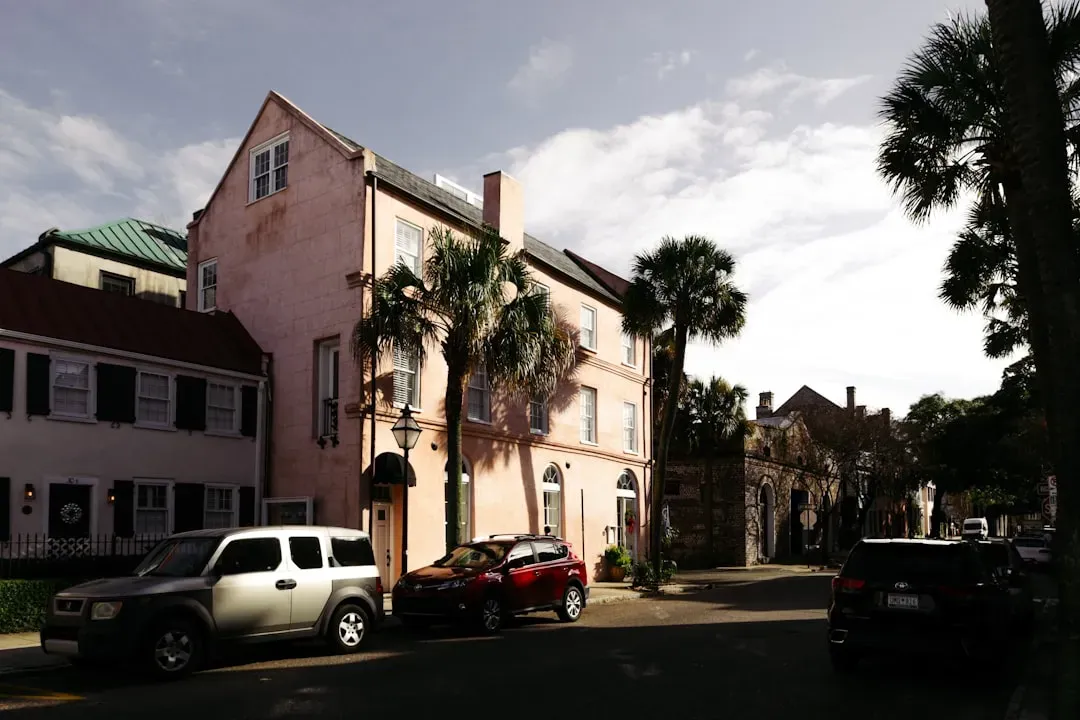
Founded in 1565, St. Augustine is the oldest continuously inhabited European-established settlement in the U.S. That alone makes it special. Streets here have Spanish names. Buildings show layers of architecture spanning centuries. You can visit a 17th-century fortress and then grab a meal in a restaurant that’s been serving locals for generations.
St. Augustine stands out from the competition with its historical buildings along Aviles Street, Gilded-Age architecture of Flagler College, and tidal marsh and sand dunes of Anastasia State Park. The mix of natural beauty and historic preservation gives it an edge over many other old towns. It’s coastal without being touristy in the wrong way.
Honestly, walking through the old quarter feels like traveling to Europe. The narrow lanes, the stone walls, the centuries-old churches, they all carry weight. You sense the history in the walls, literally.
What’s impressive is how well the city has protected its character. Modern life exists here, but it doesn’t dominate. The past and present share the same space comfortably.
Mackinac Island, Michigan
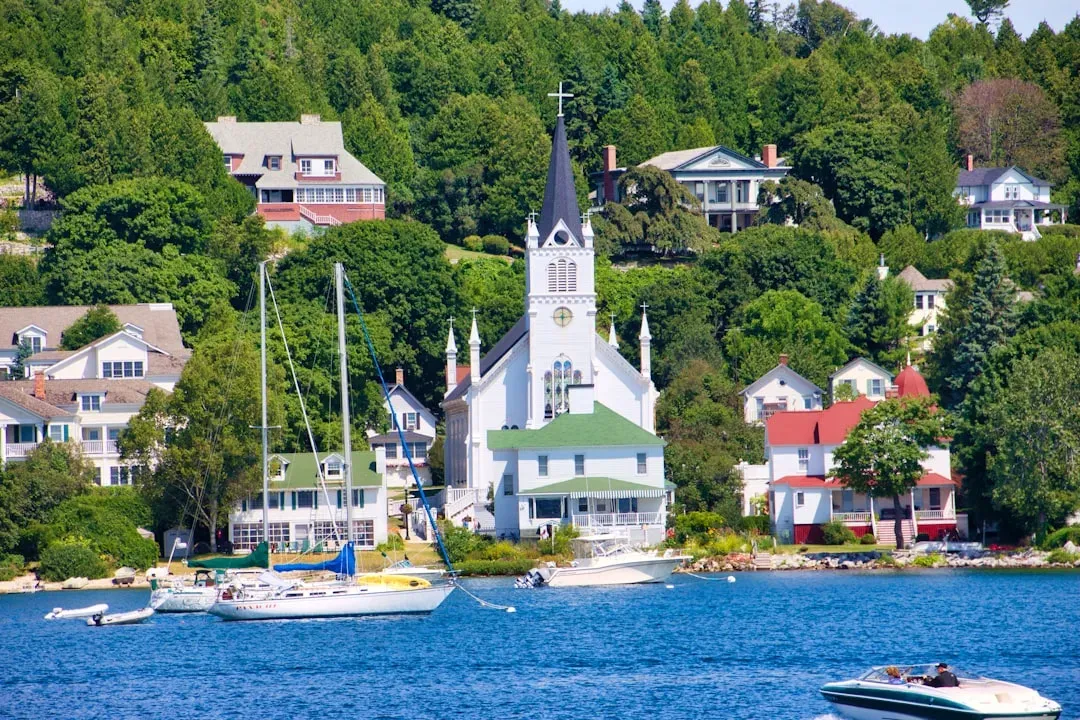
Mackinac Island is a living history museum where time seems to stand still, with no motor vehicles allowed, so visitors get around by horse-drawn carriage, bike, or on foot. That’s right, no cars. Anywhere. The result? Quiet streets, clean air, and a rhythm of life that feels completely out of step with the rest of America.
The island’s Victorian architecture, along with its historic fort, old-fashioned fudge shops, and natural beauty, make it feel like stepping back into the 19th century. The whole island is a monument to simpler times. Wrap-around porches, turrets, and lace curtains dominate the landscape.
You arrive by ferry, which already sets the tone. Once you step off the boat, the clip-clop of horses replaces the hum of engines. It’s jarring at first. Then, deeply peaceful.
If you’re looking for a place where you can unplug without trying, this is it. You won’t miss your phone when you’re riding a bike around the island with the wind in your face and Lake Huron stretching endlessly beside you.
Carmel-by-the-Sea, California
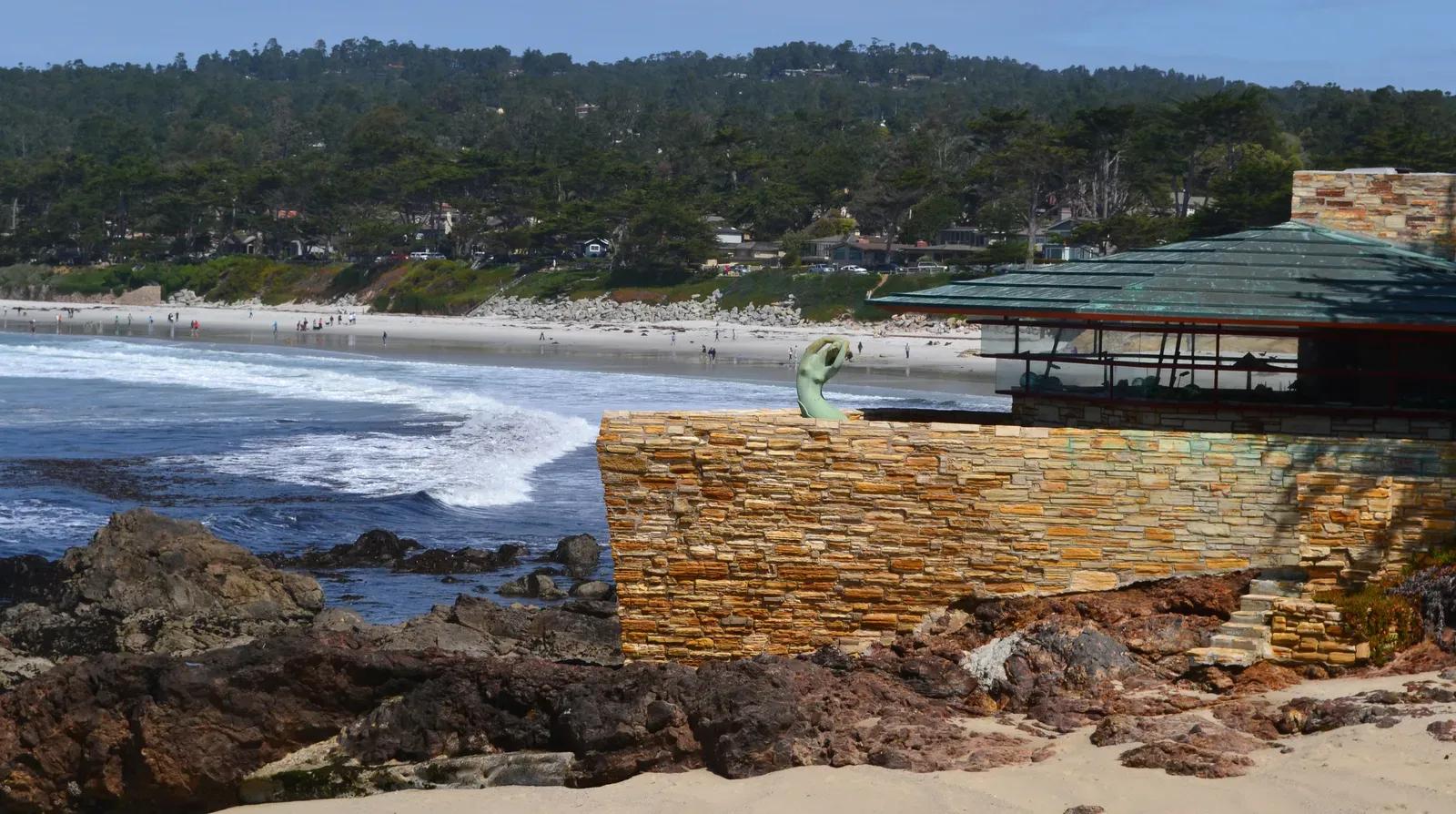
Carmel-by-the-Sea is a coastal gem known for its whimsical architecture, pristine beaches, and vibrant art scene, bringing European flair to California’s rugged coast. It’s tiny, just over one square mile. Yet every inch feels meticulously designed. Cottages look like illustrations from a fairytale. Streets have names like “Ocean Avenue” and “Scenic Road,” and they live up to those titles.
It’s a place where the passage of time is irrelevant, with no streetlights or parking meters, and a determination to preserve its quaint character. That lack of modern infrastructure isn’t an oversight. It’s intentional, and it works. The village maintains an artsy, almost bohemian vibe without becoming overrun by development.
Walking around Carmel feels meditative. You can spend hours browsing galleries, peeking into courtyards, and listening to the waves crash nearby. The village attracts creatives, which adds an intellectual hum to the quiet charm.
Let’s be real. Carmel is pricey. It’s a destination for those who appreciate beauty and are willing to pay for it.
What do you give up when you visit? Convenience, maybe. What do you gain? A sense of escape that money can’t usually buy.
Mystic, Connecticut
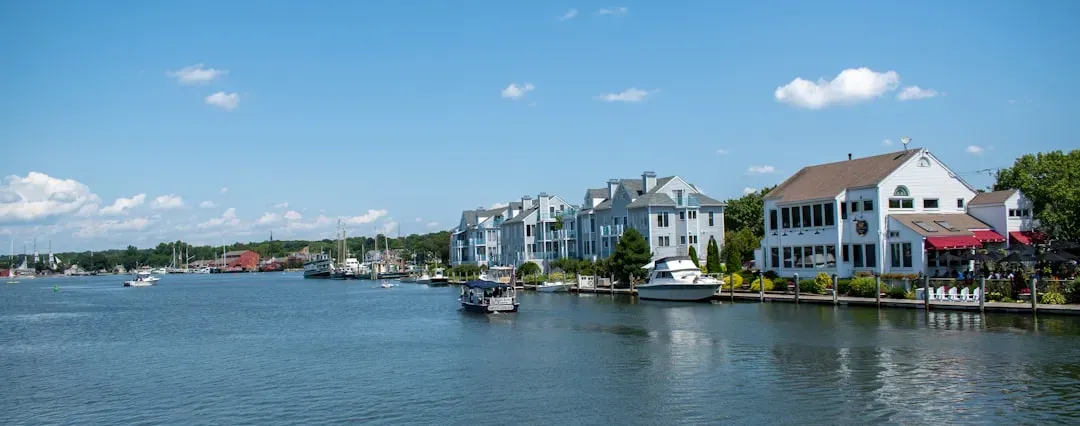
This seaport village blends maritime history with small-town charm, with its historic ships, waterfront views, and family-friendly attractions. Mystic isn’t just a name from a famous pizza movie. It’s a genuine slice of New England maritime culture. The seaport museum alone is worth the trip, filled with tall ships and hands-on exhibits.
A 19th-century shipyard, historic vessels, and even a recreation of a coastal village remind you of America’s seafaring days, making it a real treasure. You see sailors at work, ropes being tied, and boats being restored. It’s a working museum in the truest sense.
Downtown Mystic has that classic New England look. White clapboard buildings, brick sidewalks, and a drawbridge that still opens for passing boats. You can grab chowder at a waterfront restaurant and watch the world go by at a snail’s pace.
The town strikes a balance between preservation and livability. Locals don’t treat it like a museum. They live here, work here, raise families here. That authenticity is what makes the experience feel genuine rather than staged.
Galena, Illinois
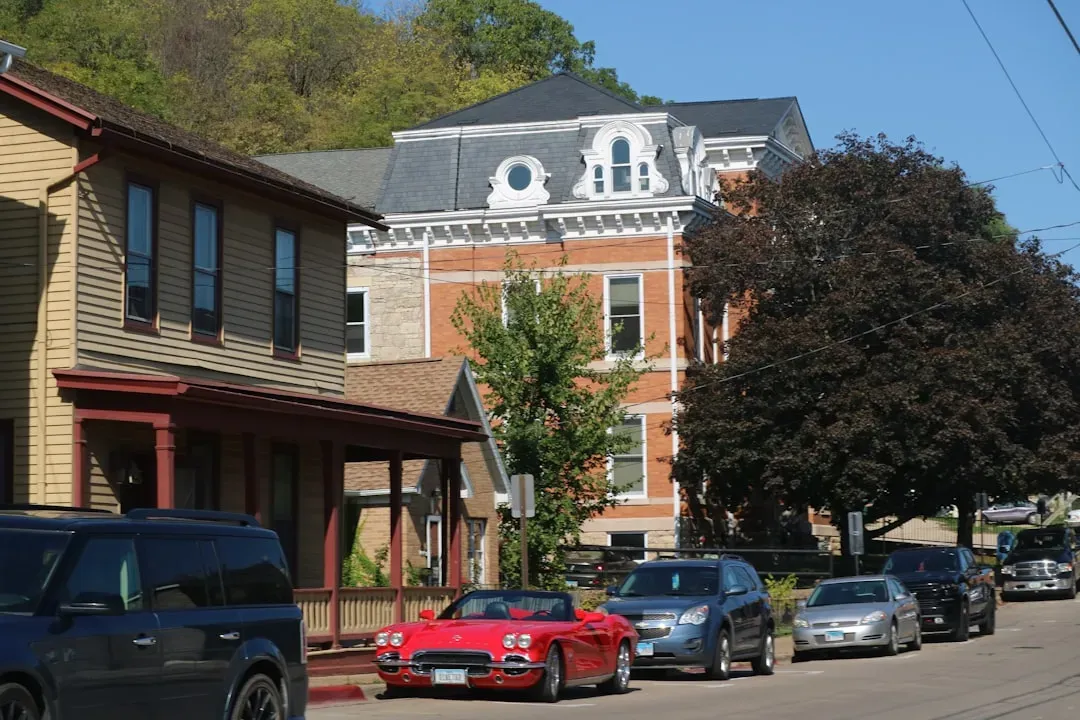
With its well-preserved 19th-century architecture, Galena feels like a step back in time, famous for its historic homes, boutique shops, and art galleries. This former mining town has kept its old-world charm remarkably intact. Main Street looks almost exactly as it did over a century ago, and that’s by design.
Galena’s 19th-century buildings, including Ulysses S. Grant’s home, make it a hot destination for history lovers. Grant lived here before he became president, and his residence is now a museum. The whole town feels tied to that era, with homes, churches, and shops that have been lovingly maintained.
What makes Galena special is its hills. Unlike many Midwest towns that sprawl flat, Galena rises and falls, giving it a European feel. Winding streets lead to unexpected views. It’s surprisingly walkable, especially in autumn when the leaves turn brilliant shades of gold and crimson.
Antique hunting here is legendary. Shops overflow with vintage treasures, from furniture to jewelry. Even if you don’t buy anything, it’s fun to browse and imagine the stories behind each piece.
Nantucket, Massachusetts
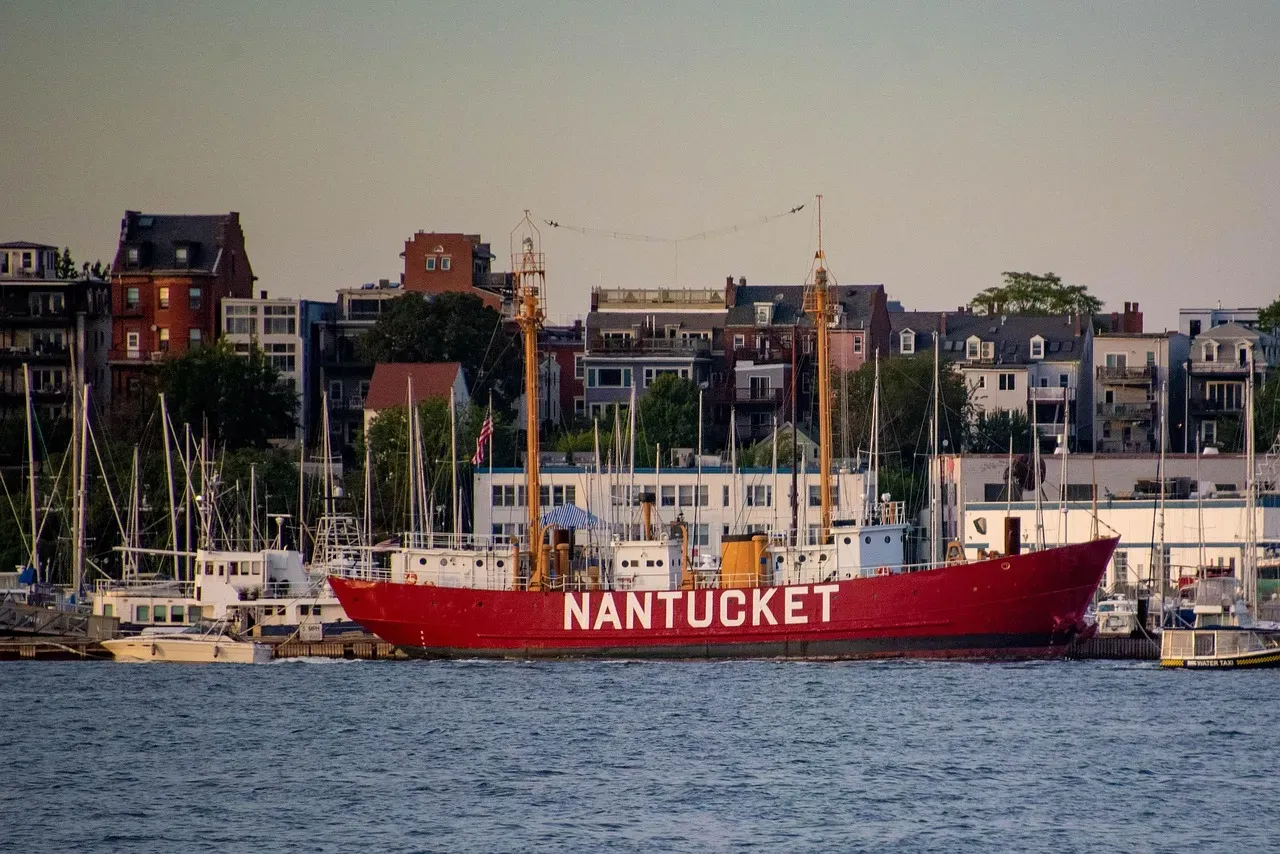
An island steeped in maritime history, Nantucket is a haven of natural beauty, founded in 1641, with charm that lies in its cobblestone streets and classic New England architecture. Getting there requires a ferry ride, which instantly separates you from the mainland hustle. The crossing itself becomes part of the journey.
This picturesque island, once a whaling hub, is famous for its pristine 19th-century buildings and cobblestone streets, with maritime history ever-present. You see it in the old mansions built by sea captains, the museums dedicated to whaling, and the harbor filled with sailboats. Nantucket earned its wealth from the sea, and that legacy remains visible.
The island has strict building codes. Everything must look period-appropriate. Shingles weather to that signature gray. Fences are white picket. Gardens overflow with hydrangeas. It’s picture-perfect, almost to the point of feeling unreal.
Still, people live here year-round. It’s not just a summer playground for the wealthy. There’s a real community, with schools, churches, and local traditions that go back generations.
If you want to experience old New England without the traffic of Cape Cod, Nantucket delivers.
Taos, New Mexico

Historic Taos is the jewel in New Mexico’s crown, as celebrated for its World Heritage Site pueblo as it is for its supernatural skies and natural wonders. The pueblo here has been continuously inhabited for over a thousand years. That’s not a reconstruction or a replica. People live there, practicing traditions that stretch back before Europeans arrived.
Santa Fe is a town where art, history, and tradition come together, with adobe-style buildings, narrow winding streets, and historic landmarks creating a timeless atmosphere. Though this references Santa Fe, Taos shares that same Southwestern aesthetic. Adobe structures glow warm in the desert light. The art scene thrives, with galleries and studios tucked into every corner.
Taos feels mystical. Maybe it’s the light, maybe it’s the altitude, or maybe it’s the centuries of spiritual practice that have soaked into the land. Whatever the reason, visitors often describe it as a place that changes them.
You can hike, ski, explore ancient sites, or simply sit in a plaza and soak up the sun. The pace is slow, the air is thin, and time feels flexible here.
It’s one of those places that either speaks to you or doesn’t. For those it calls, Taos becomes unforgettable.
Beaufort, South Carolina

Graceful mansions, centuries-old oak trees draped in Spanish moss, and a serene harbor define Beaufort, ideal for those seeking antebellum architecture and slow coastal living. This is the South at its most picturesque. The town oozes charm without even trying. Porches sag just enough to look authentic. Gardens bloom year-round.
Known for its antebellum architecture and moss-draped live oaks, Beaufort is steeped in Southern charm and history, with beautifully preserved homes to explore. Walking tours are popular here, and for good reason. Guides share stories of plantation life, Civil War battles, and Gullah culture with passion and detail.
Beaufort moves at its own speed. No one rushes. Conversations linger on front porches. Meals take hours. It’s the kind of place where strangers say hello and mean it.
The waterfront is stunning. Marshes stretch for miles, changing color with the light. Dolphins play in the shallows. Shrimp boats come and go with the tides.
If you want to understand Southern culture, not the stereotype but the real thing, Beaufort is a great place to start.
Jim Thorpe, Pennsylvania
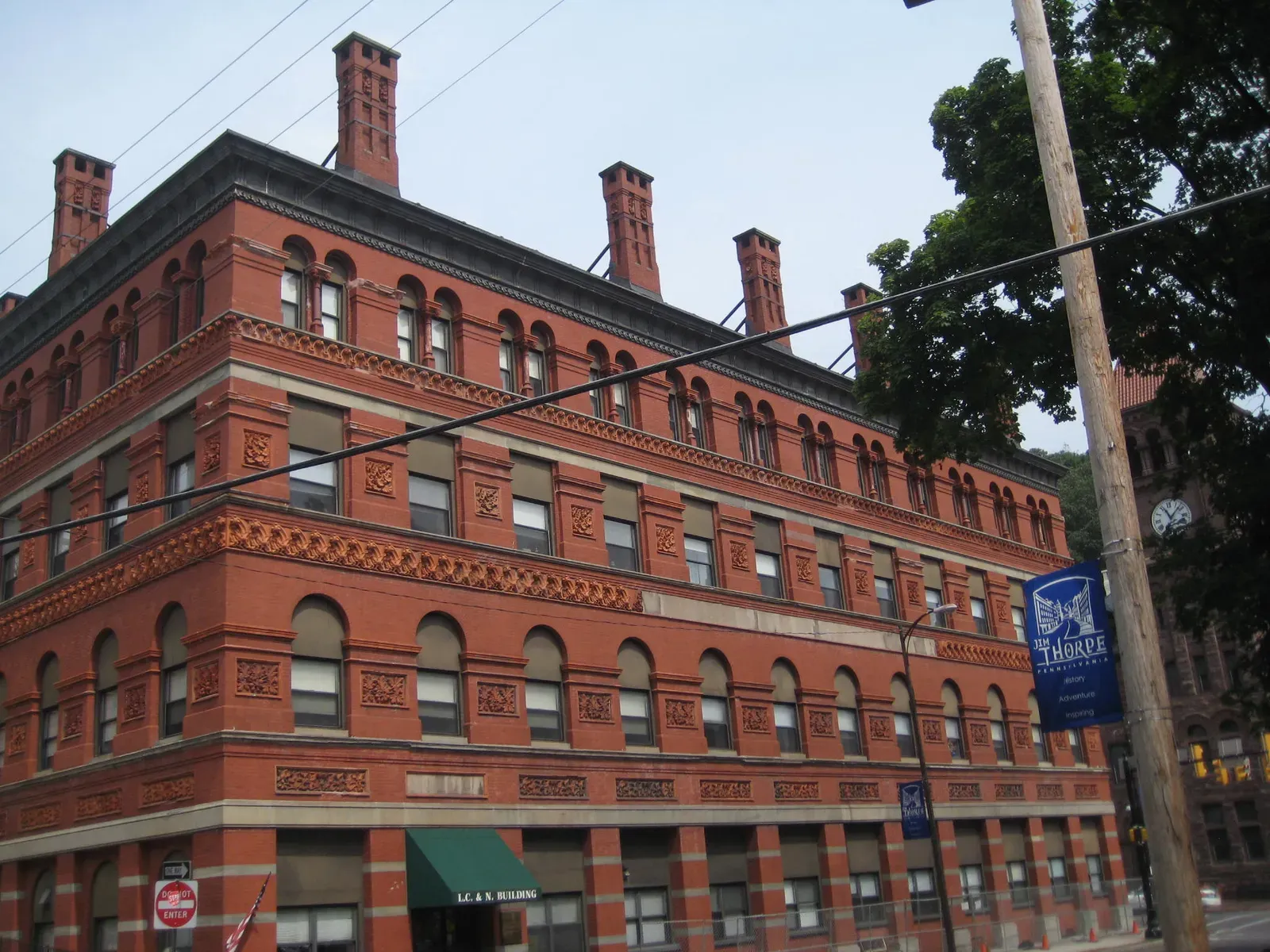
Set in the picturesque Pocono Mountains, Jim Thorpe is bathed in a quintessential European charm due to its elegant Victorian mansions and an array of cultural drawcards. The town was once called Mauch Chunk, a thriving coal and railroad hub. When that industry faded, the town reinvented itself by honoring legendary athlete Jim Thorpe.
Affectionately known as “The Switzerland of America”, Jim Thorpe attracts visitors every year with its Pocono Beverage Trail, distinctive museums, and Lehigh Gorge State Park. The mountains surrounding the town add drama to every view. Scenic trains run through the gorge, offering a nostalgic way to see fall foliage or summer greenery.
Downtown feels frozen in the late 1800s. Brick buildings, iron balconies, and narrow streets create a storybook setting. You can tour old mansions, ride vintage trains, or explore quirky museums.
Jim Thorpe has embraced its past without turning into a theme park. Local businesses thrive. Artists and musicians call it home. There’s a sense of pride in the preservation, and visitors feel it.
It’s hard to say for sure, but something about this town just works. Maybe it’s the setting, maybe it’s the people, or maybe it’s the way history feels alive here.
Conclusion
These ten villages prove that stepping back in time doesn’t require a time machine. It just requires slowing down, paying attention, and letting yourself feel the weight of history in the air. Whether it’s the cobblestone streets of Nantucket, the horse-drawn carriages of Mackinac Island, or the adobe glow of Taos, each place offers something unique.
They remind us that not everything needs to change. Some things, like beautiful architecture, quiet streets, and close-knit communities, are worth preserving. Visiting these villages isn’t just about seeing old buildings. It’s about experiencing a different pace of life, one that feels increasingly rare in our fast-paced world.
So, which one calls to you? Tell us in the comments which village you’d visit first and why!

- 6 Exotic Bird Species You Can Spot in U.S. National Parks - July 19, 2026
- 11 Iconic American Birds Facing New Challenges and How You Can Help - July 19, 2026
- 10 Friendliest Animals in the World - July 19, 2026