
You’ve probably grown up thinking Christmas is the ultimate holiday, the one day a year when magic happens and gifts appear under the tree. For millions of people around the world, though, that’s not quite how it goes. In many cultures, the real celebration doesn’t arrive until nearly two weeks later, on January 6th.
Three Kings Day, also known as Epiphany or Día de los Reyes Magos, holds a special place in hearts across Latin America, Spain, and beyond. The anticipation builds differently, the traditions feel richer, and honestly, the whole experience carries a depth that December 25th sometimes lacks. Let’s dive into why this ancient feast day outshines Christmas in so many communities.
The Biblical Connection Runs Deeper
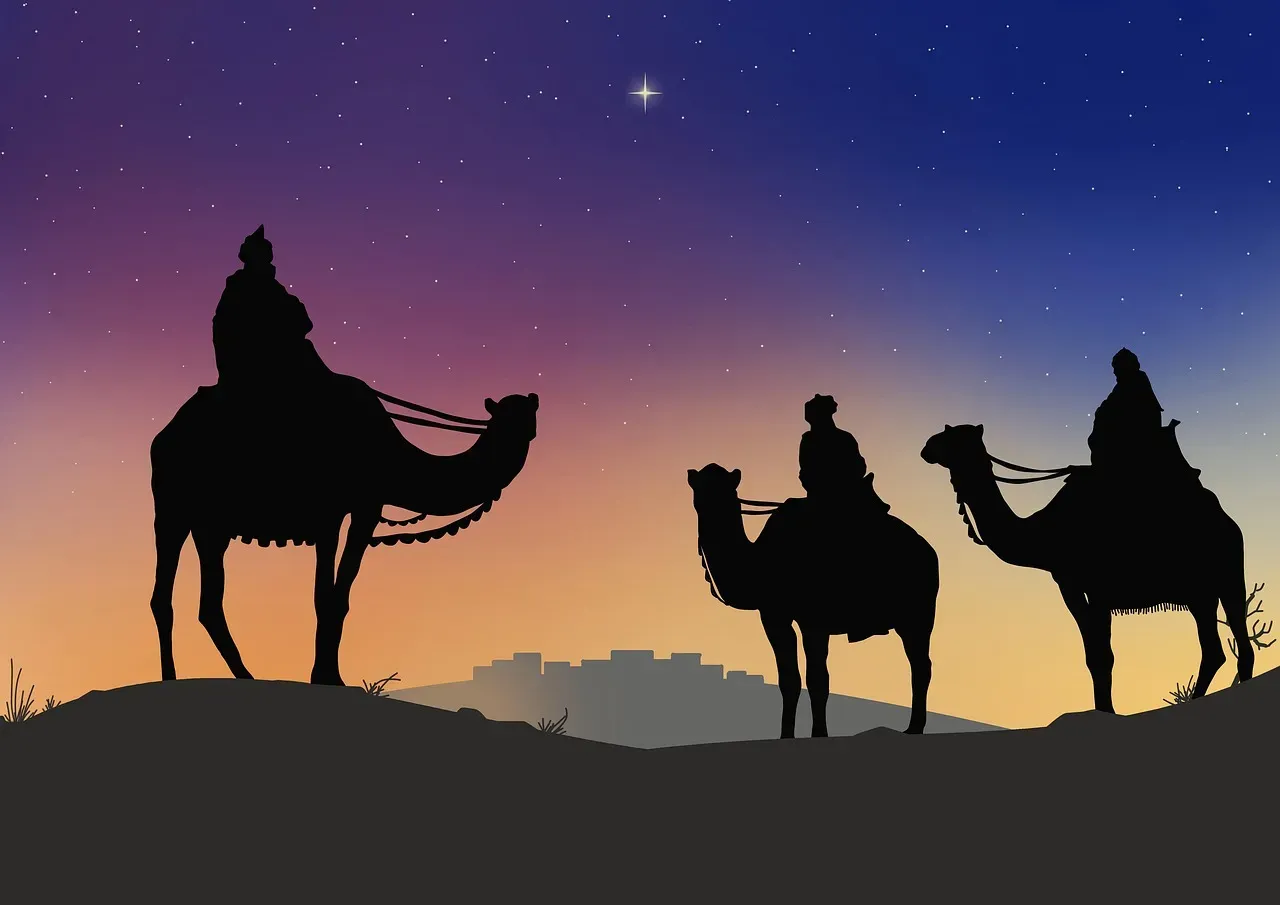
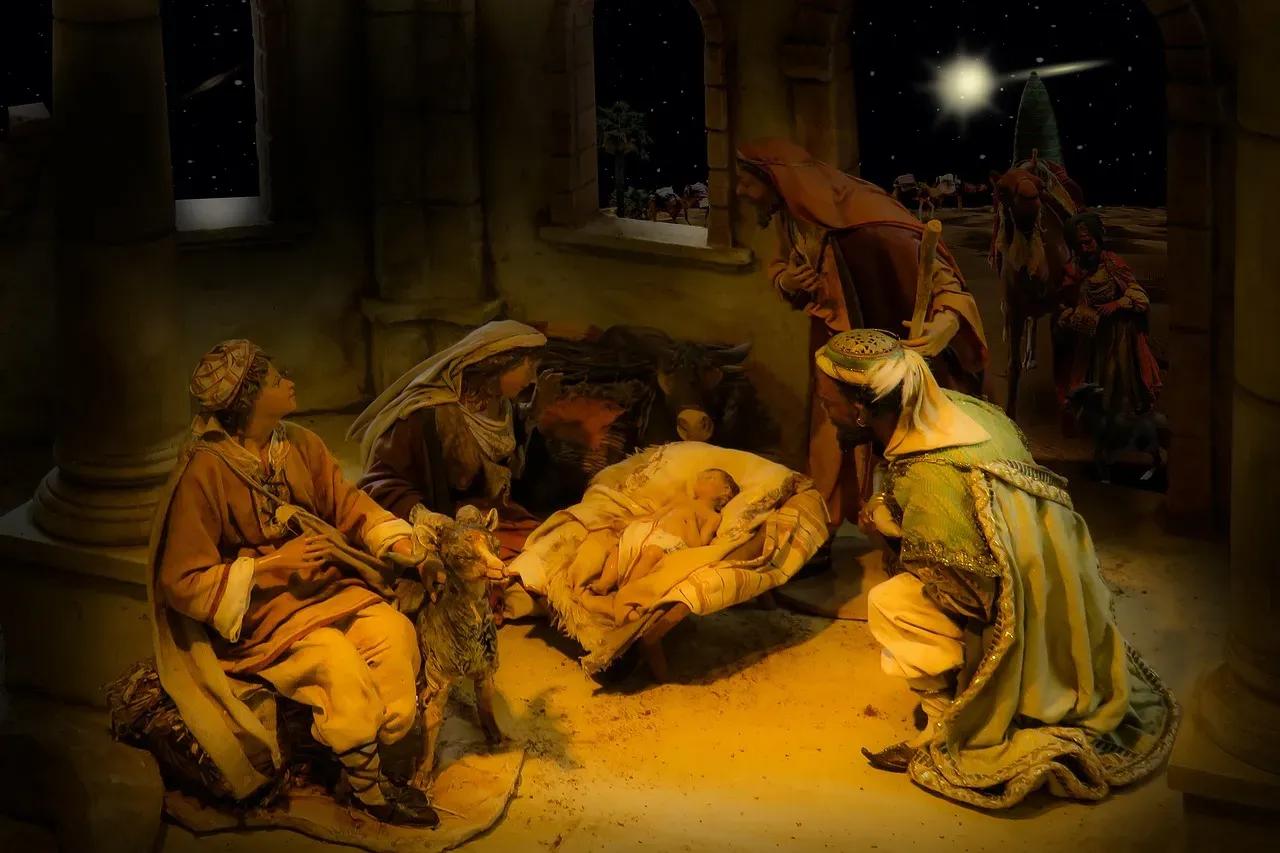
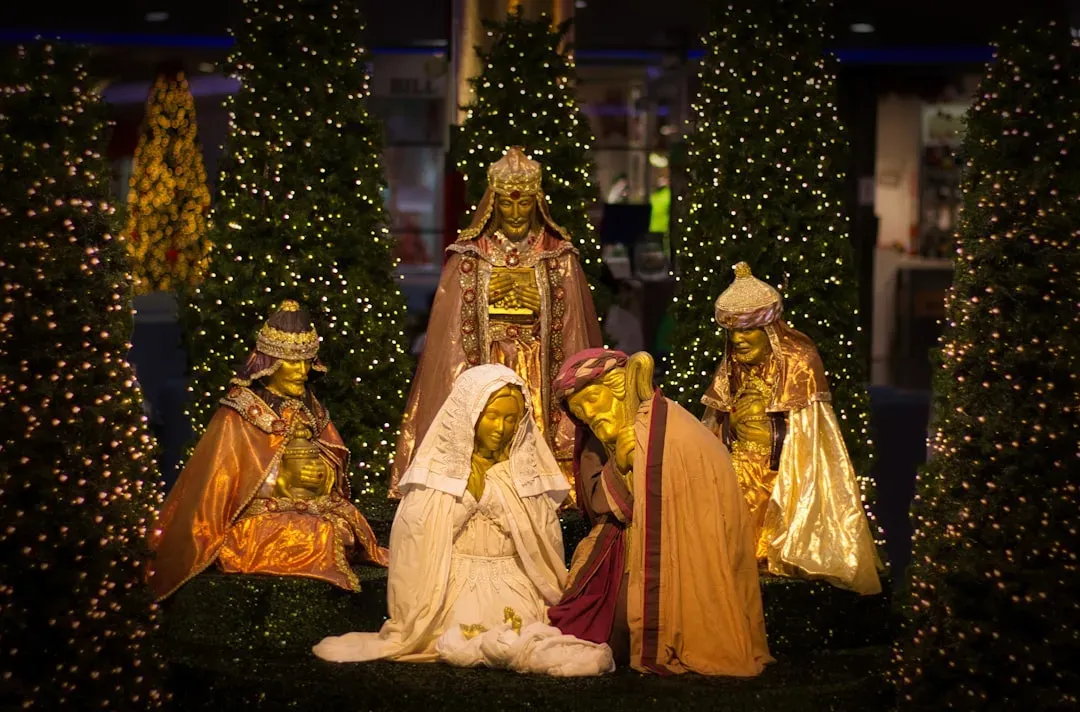
Here’s the thing: Christmas celebrates the birth of Jesus, but Three Kings Day marks the moment when the wider world recognized him. The arrival of the Three Wise Men, or Magi, represents the revelation of Christ to the Gentiles, making it a pivotal moment in Christian theology. This isn’t just about a birthday party, it’s about the recognition of divinity by scholars who traveled from distant lands.
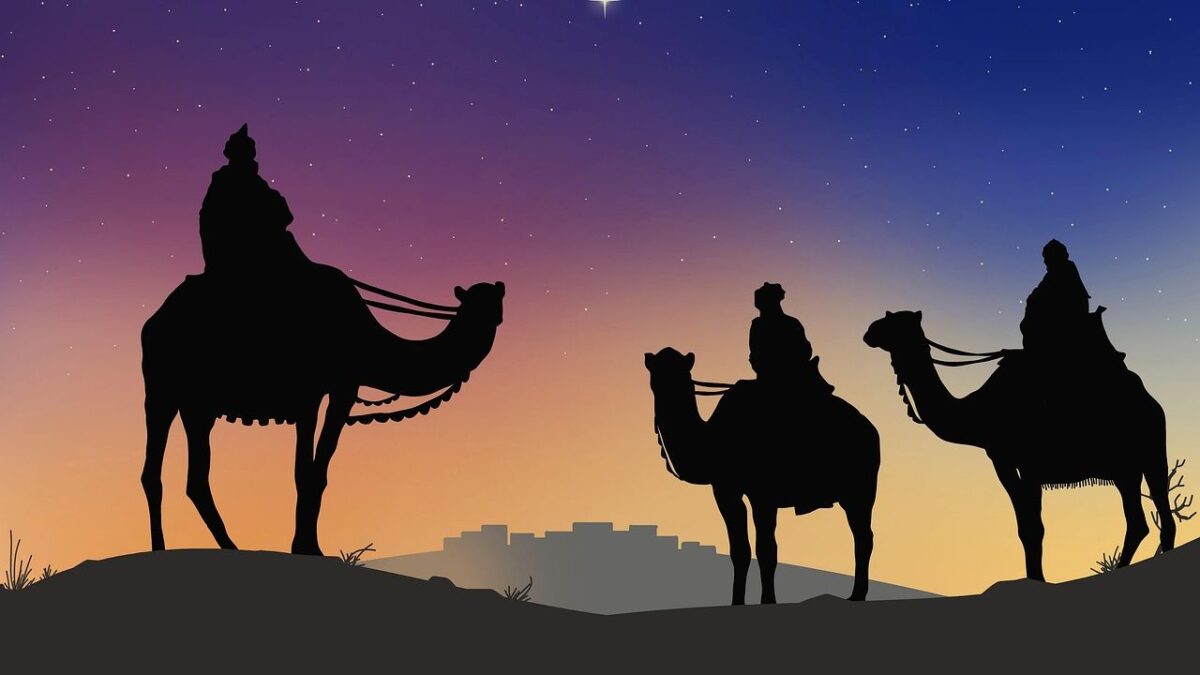
The journey of Melchior, Caspar, and Balthazar carrying gold, frankincense, and myrrh creates a narrative arc that feels complete. Christmas gives you the beginning, but Three Kings Day delivers the validation. For many believers, this moment of recognition and offering holds more theological weight than the nativity itself, which is why churches in certain regions treat Epiphany with extraordinary reverence.
Gift-Giving Feels More Meaningful
Let’s be real, Christmas morning can feel like a commercialized frenzy where kids tear through wrapping paper in minutes. Three Kings Day operates differently. Children place their shoes out the night before, often filling them with grass or hay for the camels, creating an interactive element that builds anticipation. The gifts arrive as a reward for good behavior throughout the year, mirroring how the Magi brought offerings to honor Jesus.
This tradition teaches patience in a way December 25th doesn’t. Kids wait an extra twelve days, learning that the best things come to those who hold out. The gifts themselves tend to be more thoughtful, less excessive, and tied directly to the spiritual story rather than a jolly figure in a red suit. It transforms receiving into something sacred rather than expected.
The Celebrations Last Longer
Christmas Day comes and goes in a flash, leaving you with pine needles to vacuum and leftovers to finish. Three Kings Day anchors the end of a longer season, giving families nearly two full weeks of festivities. From Christmas Eve through Epiphany, the celebration stretches out, allowing people to savor each moment instead of cramming everything into one exhausting day.
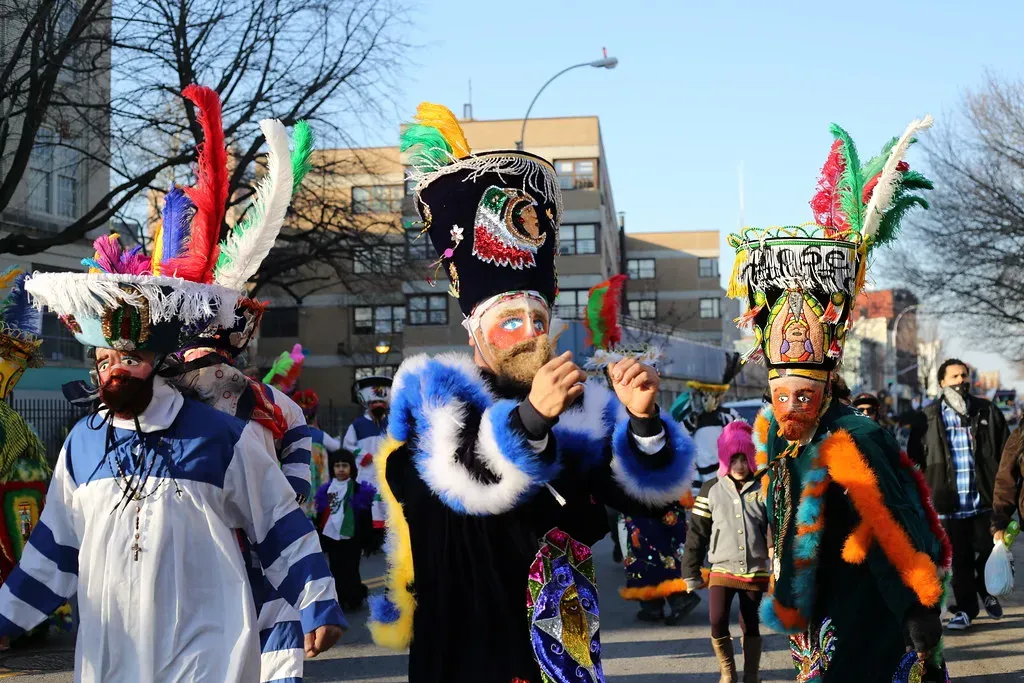
In Spain and Latin American countries, the build-up to January 6th includes parades, special meals, and community gatherings that intensify as the date approaches. The famous Three Kings Parade, where the Magi ride through city streets on elaborate floats tossing candy to children, creates a spectacle that rivals any Christmas event. This extended timeline means less stress, more joy, and traditions that don’t feel rushed.
Cultural Identity Shines Through
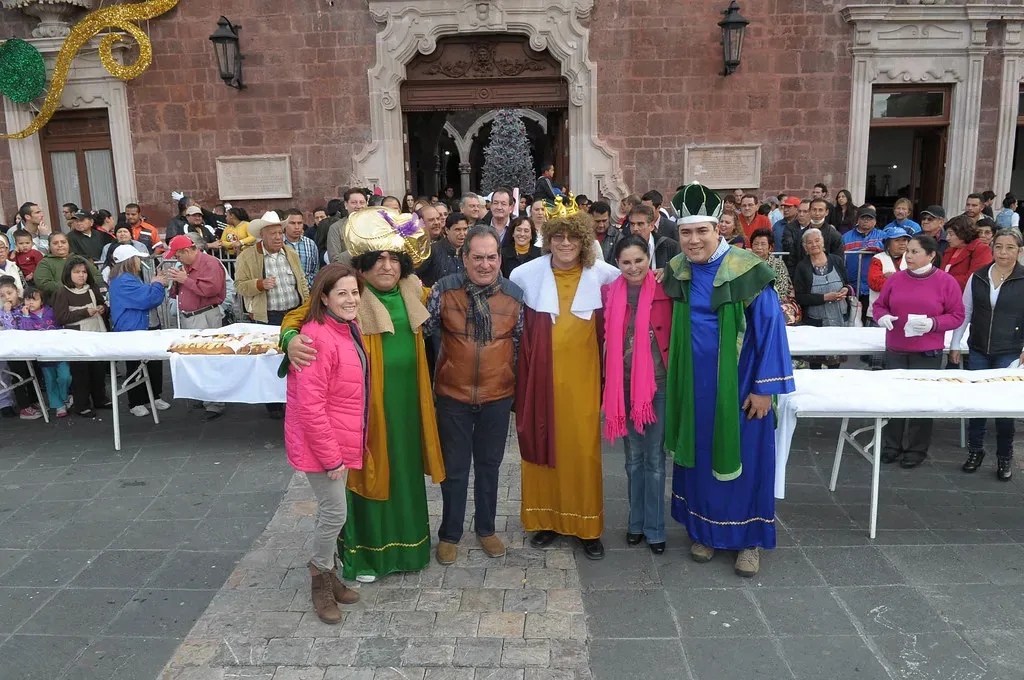
For many Hispanic and Latino communities, Three Kings Day connects them to their roots in ways Christmas can’t match. It’s a tradition passed down through generations, largely untouched by American commercialization or Northern European influences. Celebrating Epiphany becomes an act of cultural preservation, a way to honor ancestors and maintain distinct identity in an increasingly homogenized world.
The foods associated with this day carry regional variations that tell stories. Rosca de Reyes, the oval-shaped sweet bread baked with hidden figurines, differs from Mexico to Puerto Rico to Spain. Finding the baby Jesus figurine in your slice means you host the next party or bring tamales on February 2nd. These localized customs create belonging and continuity that mass-marketed Christmas traditions simply don’t provide.
Children Experience Real Wonder
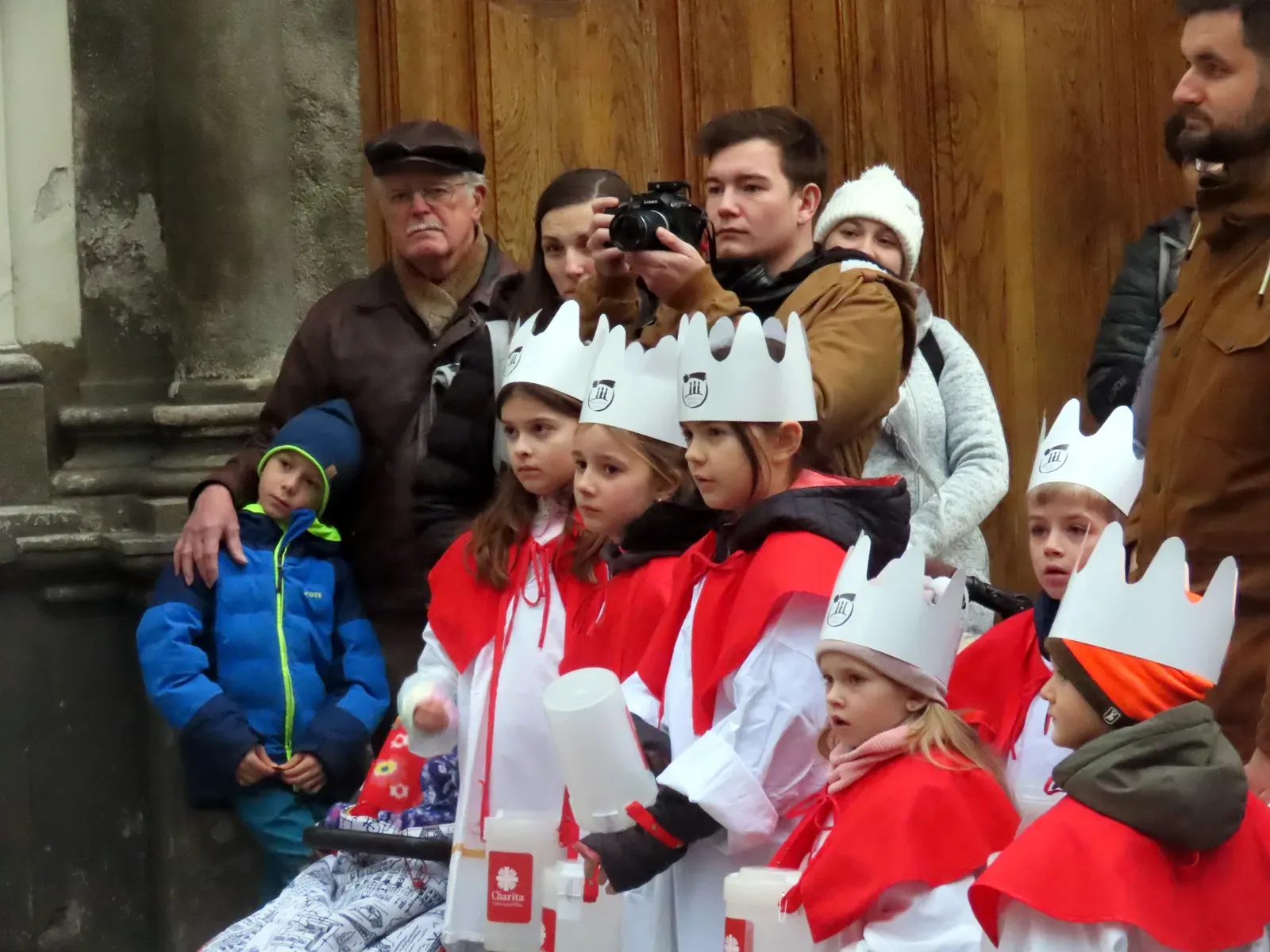
Santa Claus has become a somewhat predictable figure, tracked by NORAD and analyzed by skeptical kids who’ve figured out the handwriting on gift tags. The Three Kings maintain their mystery better. They’re historical figures rooted in scripture, traveling on camels from the Orient, guided by a star. There’s something inherently more exotic and wondrous about wise men from faraway lands than a workshop at the North Pole.
Kids leave out not just shoes but also water for the camels and food for the kings themselves, creating a reciprocal relationship. The magic feels earned rather than automatic. I think there’s something beautiful about children participating actively in the tradition, caring for the visitors rather than just making demands. This transforms the experience from passive receiving to engaged celebration.
Community Takes Center Stage
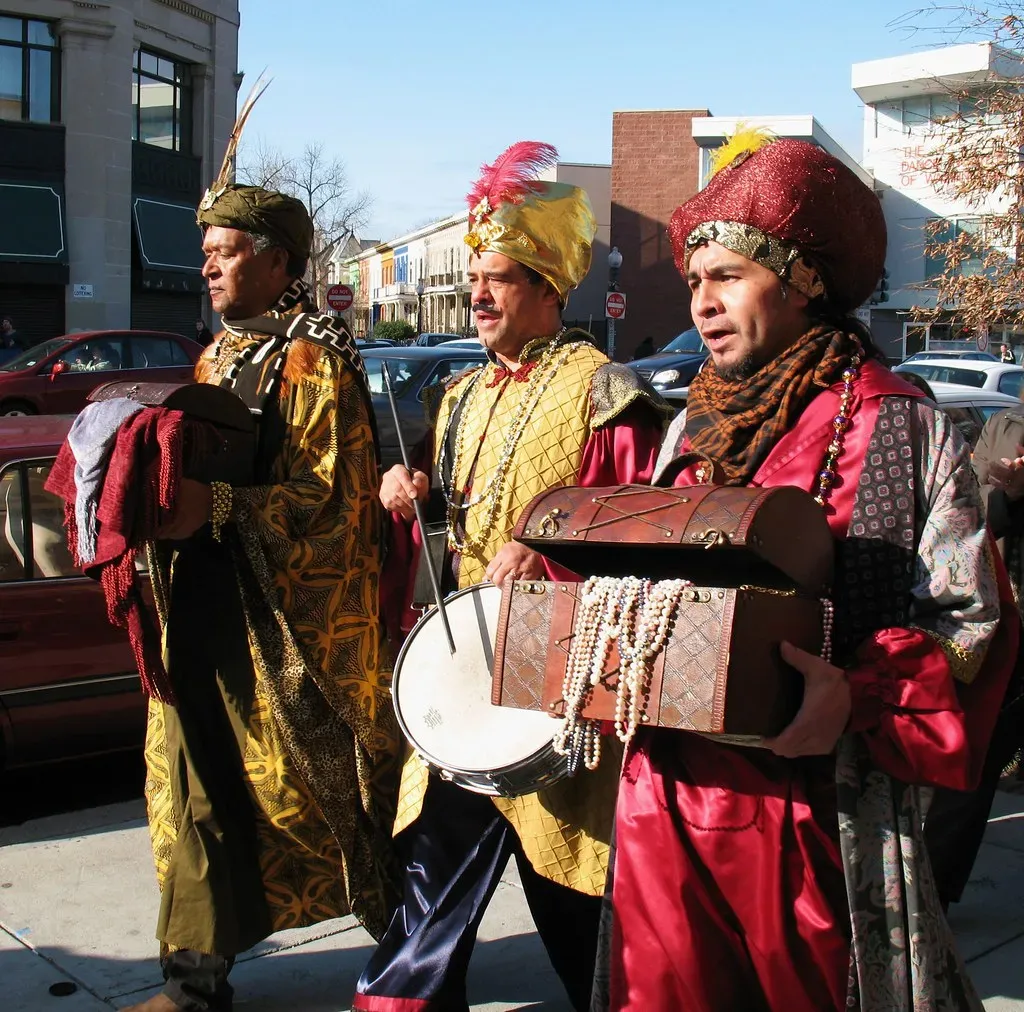
Christmas in many places has become intensely private, focused on nuclear families opening presents in their own living rooms. Three Kings Day brings people into the streets. The parades attract entire towns, neighbors gather to share Rosca de Reyes, and churches hold special masses that feel genuinely communal. The holiday pushes outward rather than pulling inward.
In Puerto Rico, the celebrations include parrandas that continue late into the night, with groups moving from house to house sharing music and food. The emphasis shifts from individual family units to broader community bonds. Honestly, that outward focus creates memories that stick with people far longer than another sweater under the tree ever could.
The Spiritual Message Resonates Stronger
Christmas has become so tangled up with consumerism that extracting the religious meaning requires effort. Three Kings Day remains relatively protected from that commercialization. The story at its core, about seeking truth, honoring divinity, and offering your best gifts, comes through clearly without competing messages about sales and shopping seasons.
The symbolism of the three gifts carries profound meaning: gold for kingship, frankincense for divinity, myrrh for mortality and sacrifice. Families discuss these meanings while cutting the Rosca, creating teachable moments that feel natural rather than forced. The holiday invites reflection on what we offer to the world and what journeys we’re willing to undertake for something greater than ourselves. That’s the kind of depth that makes a celebration truly memorable.
Conclusion
Three Kings Day offers something that December 25th increasingly struggles to provide: a celebration rooted in story, community, and spiritual significance that hasn’t been completely overtaken by commercial interests. The traditions create anticipation, the gifts carry meaning, and the experience connects people to both their faith and their cultural heritage. For those who celebrate it, the day represents not just an alternative to Christmas but an elevation of what a holiday can be.
It’s about the journey as much as the destination, the waiting as much as the receiving, the community as much as the individual. What would it take for you to embrace a celebration that asks for patience and promises deeper reward? Have you ever considered that the most meaningful traditions might be the ones that haven’t made it onto every store shelf?

- The Secret Language of Dolphins Decoded by Researchers - July 20, 2026
- 7 Animals That Can Survive Extreme Environments You Couldn’t - July 20, 2026
- The Longest Snake Ever Found in the U.S. - July 20, 2026