

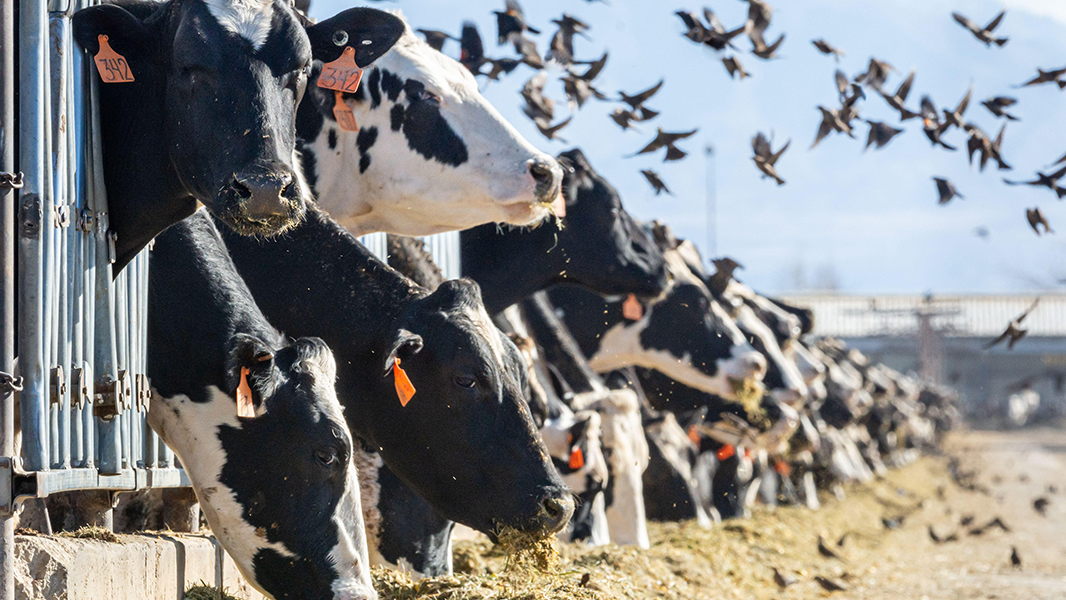

The Rising Threat of Zoonotic Diseases (Image Credits: Images.nature.com)
As avian influenza continues to spread across continents, experts increasingly emphasize the need for vigilant tracking of animal health to safeguard human populations from emerging threats.
The Rising Threat of Zoonotic Diseases
Avian flu has infected a wide array of species, from wild birds to dairy cattle and even marine mammals, highlighting the interconnectedness of animal and human health. This ongoing panzootic, which began gaining momentum in recent years, has led to massive die-offs in wildlife and economic losses in agriculture. Scientists warn that without proactive measures, such outbreaks could evolve into the next major human pandemic. The virus’s ability to jump species barriers underscores the urgency of comprehensive surveillance systems. Recent cases in farm workers exposed to infected animals have already raised alarms about potential human transmission.
Historical precedents, like the emergence of SARS-CoV-2 from animal reservoirs, demonstrate how zoonotic diseases account for over 60 percent of human pathogens. Organizations such as the World Health Organization advocate for integrated approaches that monitor health across ecosystems. In regions like Cambodia, where spillovers have occurred multiple times, early detection in wildlife has proven vital. Yet, gaps in global monitoring persist, particularly in remote habitats where diseases first emerge. Strengthening these efforts could provide critical lead time to contain threats before they reach human communities.
Embracing the One Health Approach
One Health represents a collaborative framework that unites human, animal, and environmental health sectors to address disease risks holistically. This strategy recognizes that the health of one domain directly influences the others, promoting surveillance that spans wildlife, livestock, and domestic pets. Advocates argue that broad monitoring could have identified early signs of the current avian influenza wave, allowing for faster interventions. For instance, tracking migratory birds has revealed spread patterns that inform vaccination strategies in poultry farms. Such integration not only prevents pandemics but also protects biodiversity and food security.
International bodies, including the CDC and WHO, have championed One Health initiatives since the early 2000s, yet implementation varies widely. In practice, this means veterinarians, ecologists, and public health officials working together on data-sharing platforms. Recent guidelines from wildlife organizations outline steps for effective surveillance programs, emphasizing real-time reporting from field teams. Challenges include funding shortages and political barriers, but success stories from Asia show the approach’s potential. By fostering cross-sector partnerships, nations can build resilience against unpredictable outbreaks.
Technologies Driving Animal Health Tracking
Advances in biologging and genomic tools are revolutionizing how scientists monitor animal health in real time. Devices attached to wildlife, such as GPS collars and sensors, detect changes in behavior or vital signs that signal infection. These technologies have been instrumental in studying the avian flu’s impact on bird migrations and mammal populations. Portable sequencing kits allow field researchers to identify pathogens on-site, speeding up response times. Combined with satellite data, this creates a dynamic map of disease hotspots across vast areas.
Efforts to formalize these tools into standard surveillance protocols are underway, involving collaboration between health and conservation experts. For example, tracking sentinel species like birds provides early warnings of spillover risks to livestock. In the United States, where the virus has hit dairy herds, such monitoring could prevent further economic fallout. However, ethical considerations around animal welfare and data privacy must guide deployment. Ultimately, these innovations promise to bridge gaps in traditional monitoring, offering a proactive defense against pandemics.
Challenges and Pathways Forward
Despite promising developments, implementing widespread animal health surveillance faces significant hurdles, including resource limitations in developing countries. Informal livestock movements across borders complicate containment efforts, as seen in various African and Asian regions. Political will and international cooperation remain essential to overcome these barriers. Funding from global health funds could accelerate progress, but prioritization often lags behind immediate crises. Experts stress that investing now in surveillance infrastructure yields long-term savings by averting costly outbreaks.
To move forward, nations must adopt standardized guidelines for cross-border data exchange and train local teams in emerging technologies. Partnerships between governments, NGOs, and private sectors have shown success in pilot programs. For instance, Europe’s vigilance against U.S.-origin strains demonstrates the value of proactive measures. Addressing these challenges requires a commitment to equity, ensuring that surveillance benefits all regions equally. With sustained effort, tracking animal health could transform from a reactive tool to a cornerstone of global security.
Key Takeaways
- One Health integrates human, animal, and environmental monitoring to detect threats early.
- Technologies like biologging provide real-time insights into disease spread.
- Global collaboration is crucial to overcome funding and logistical barriers.
In an era of accelerating environmental change, vigilant animal health tracking stands as a vital shield against pandemics, urging a unified global response to protect our shared future. What steps do you believe should be taken to enhance these efforts? Share your thoughts in the comments.

From exploring the marine wonders in the Azores and witnessing the vast savannas of Kenya, to delving deep into the rich biodiversity of South Africa and traversing iconic landscapes in Australia and the US like Yellowstone, Chris's experiences are vast.
With a penchant for diving alongside sharks, the ocean holds a special place in his heart.
Through his academic insights, he champions wildlife conservation, striving with 'Animals Around The Globe' to cultivate a profound connection between humans and animals, enhancing our mutual appreciation.
Connect with him at Feedback@animalsaroundtheglobe.com.
- This Monkey Has a Mustache - July 21, 2026
- How Steve Irwin Changed the World’s View of Wildlife - July 21, 2026
- The Catfish That Caused Earthquakes in Japanese Folklore - July 21, 2026