
When you hear the word rainforest, you probably picture the Amazon. Dense, steamy jungles bursting with exotic wildlife and tropical heat. Yet here’s something most people never realize: some of the most breathtaking rainforests on Earth are right here in the United States. That’s right, you don’t need to book an international flight or deal with passport control to experience these lush, moss-covered wonderlands.
From the Pacific Northwest to Puerto Rico, the US is home to hidden pockets of rainforest where ancient trees tower overhead and rainfall measures in the double digits. These aren’t your typical national parks either. We’re talking about places where silence reigns, where entire ecosystems have remained largely untouched for thousands of years, and where you might just encounter wildlife you never expected to see on American soil. Ready to discover these secret green sanctuaries that most travelers overlook?
The Hoh Rainforest in Washington: America’s Amazon
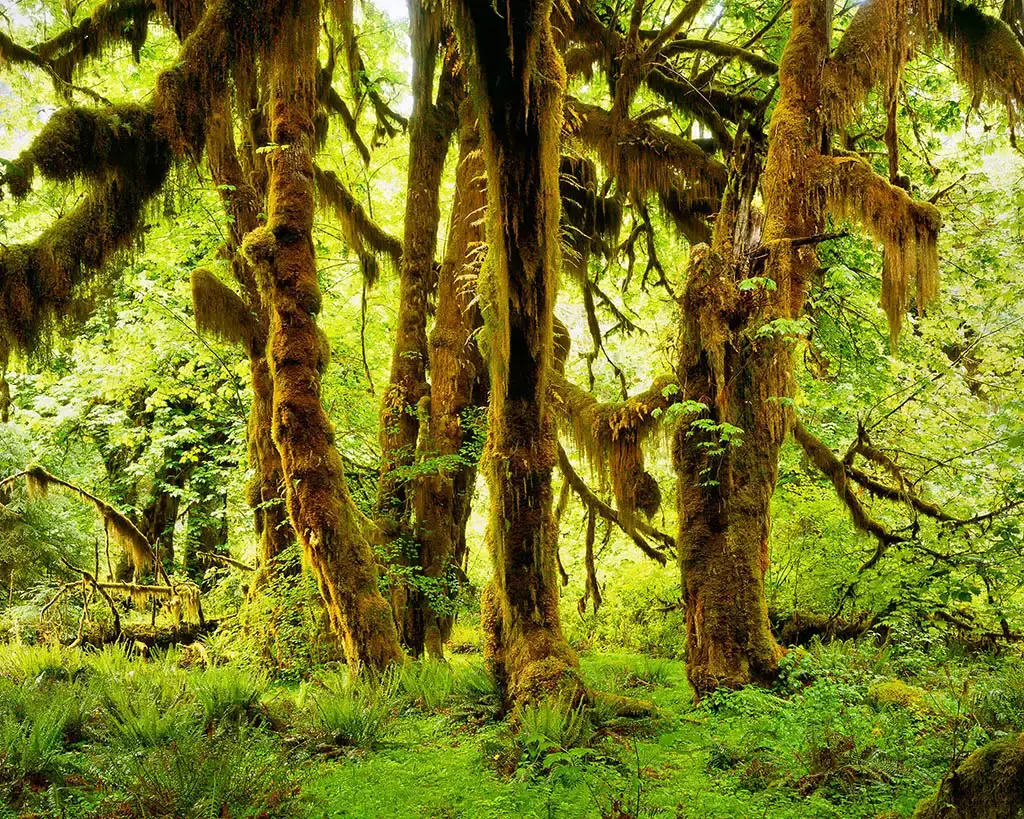
Hoh Rainforest is one of the largest temperate rainforests in the U.S., located on the Olympic Peninsula in western Washington state. Walking into this place feels like stepping into another world entirely. The rainforest receives an average of 140 inches of annual precipitation – among the rainiest places in the United States. That translates to nearly twelve feet of rain every single year.
The result is an emerald cathedral where Sitka spruce and western hemlock grow to tremendous size, reaching over 300 feet in height and 23 ft in diameter. Hoh Rainforest has recently gained attention as perhaps “the quietest place in the U.S.” Honestly, experiencing that level of natural silence in our modern world feels almost surreal. The mosses draping from branches create an ethereal atmosphere that photographers dream about.
Tongass National Forest: The Giant of Alaska
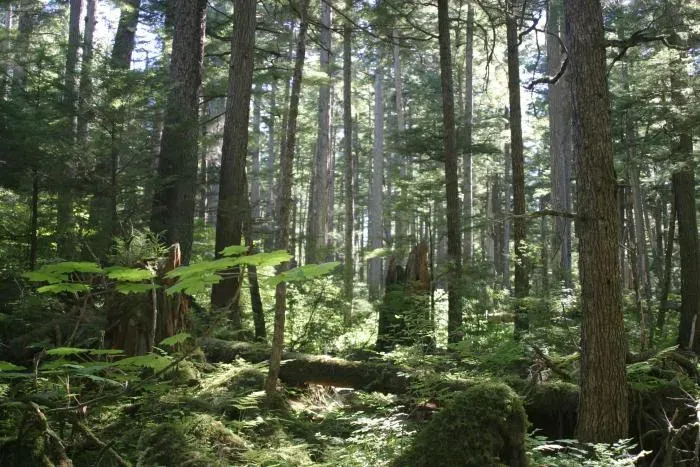
The Tongass National Forest in Southeast Alaska is the largest U.S. National Forest at 16.7 million acres, making it bigger than ten US states combined. Let’s be real, that size is almost impossible to comprehend. The Tongass is Earth’s largest remaining temperate rainforest.
The forest is primarily made up of western red cedar, sitka spruce, and western hemlock. What makes this place truly special is its isolation and pristine condition. The sheer size of the Tongass is coupled with the fact that 89% of its historic old-growth remains. Wildlife here includes everything from bald eagles to grizzly bears, and the salmon runs are legendary. Tourism supports over 10,000 jobs in the Tongass National Forest.
El Yunque: Puerto Rico’s Tropical Treasure
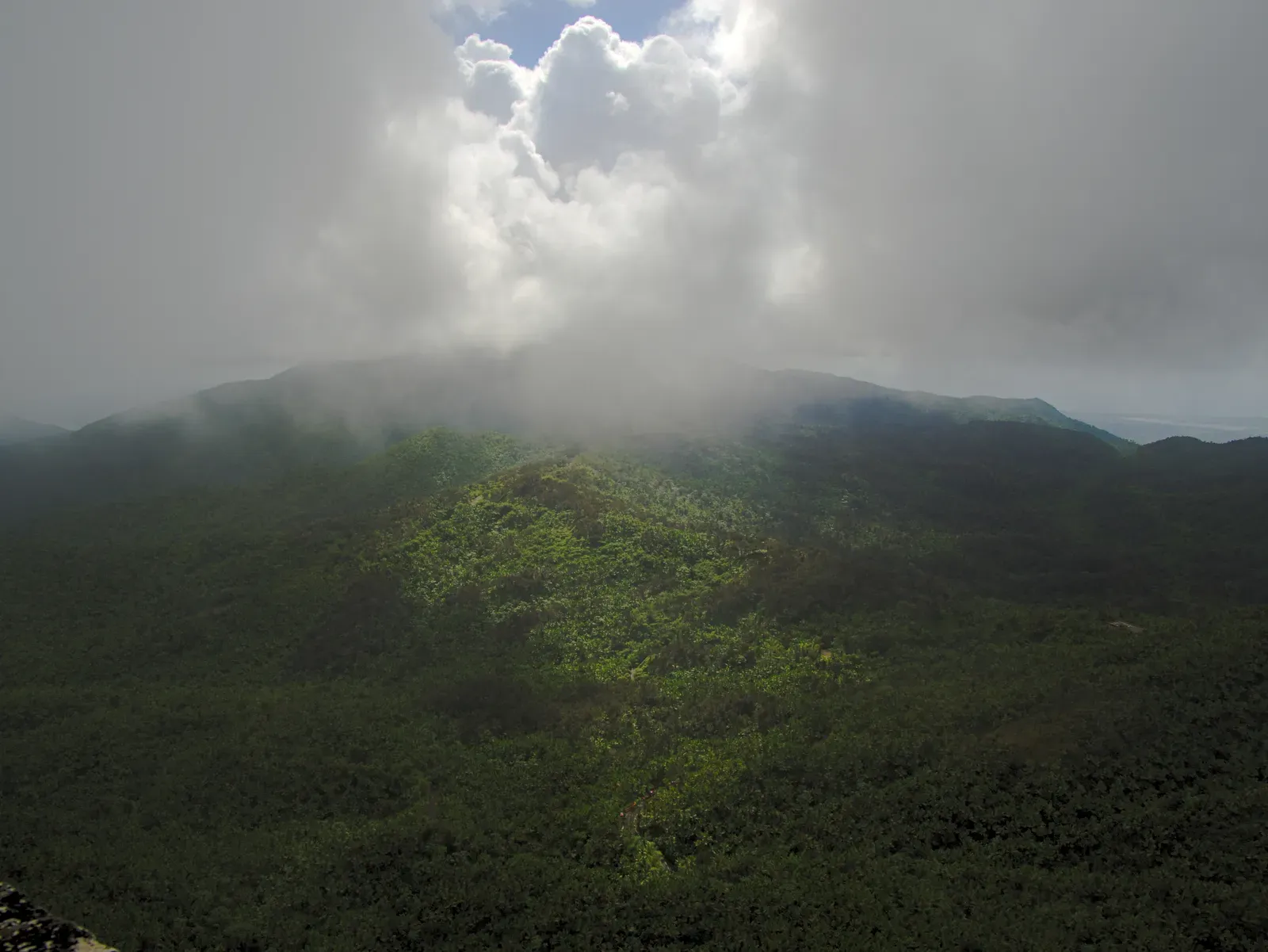
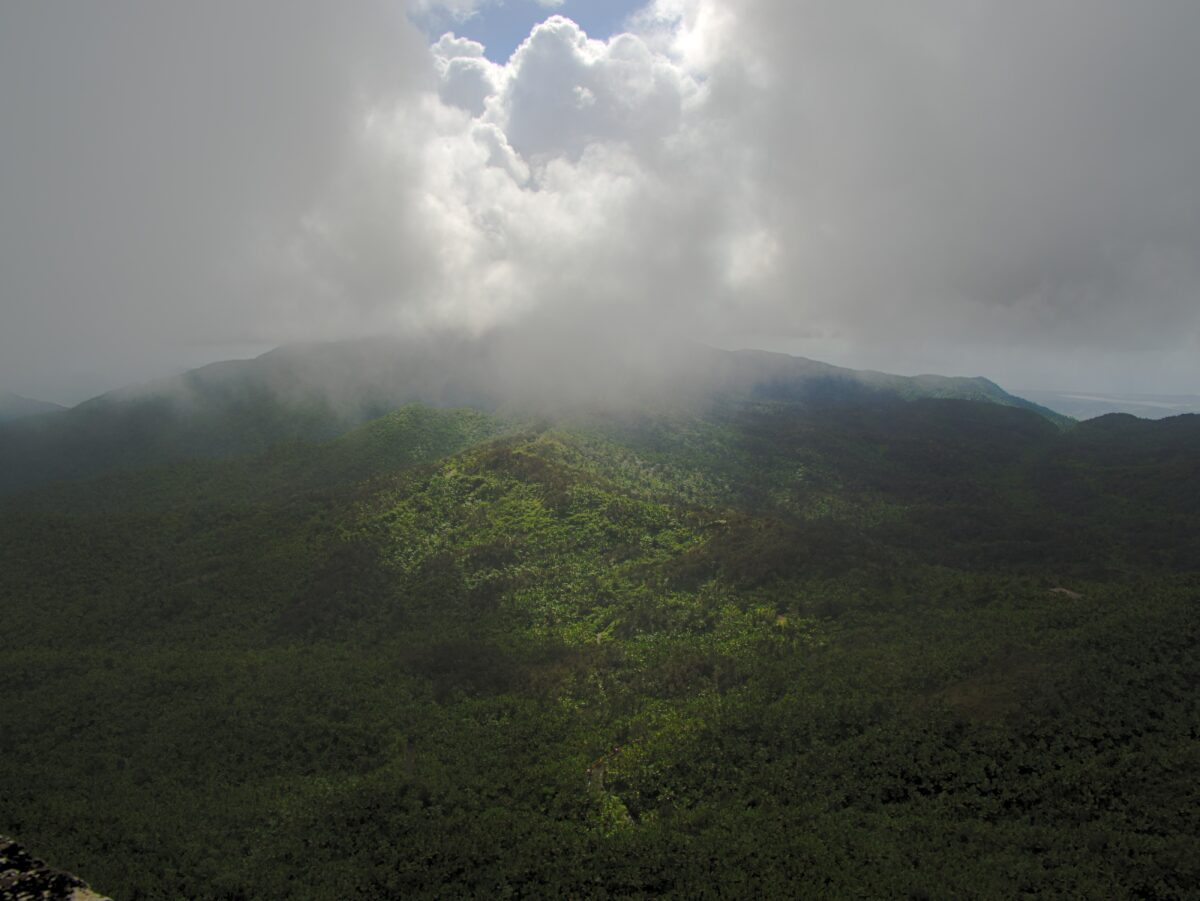
Now we’re switching gears completely. El Yunque is the only tropical rainforest in the United States National Forest System, which sets it apart from all the temperate rainforests on this list. The incoming trade winds from the Atlantic Ocean bash into the mountains, leading to an excess of rainfall registered at about 240 inches per year.
El Yunque is home to 225 native tree species – 23 of which are found nowhere else in the world – and 164 documented vertebrate species. The biodiversity here is staggering. You can hike through trails where the air buzzes with the sound of coquí frogs, those tiny amphibians that have become a symbol of Puerto Rico itself. El Yunque National Forest is one of the most popular tourist attractions in Puerto Rico, yet it manages to maintain areas of profound natural beauty.
Quinault Rainforest: The Valley of Giants
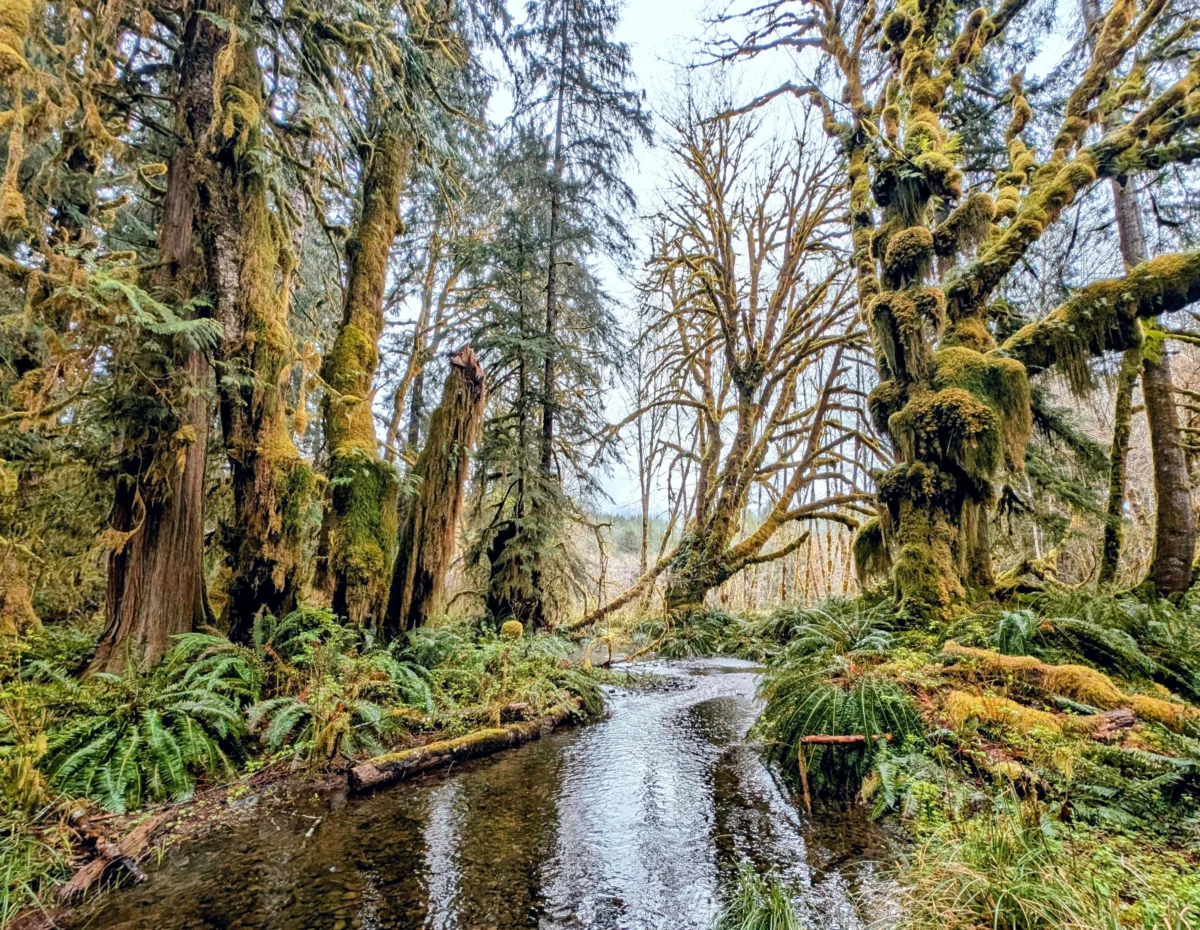
The Quinault Rain Forest is a temperate rain forest, which is part of the Olympic National Park and the Olympic National Forest in the U.S. state of Washington, located in the valley formed by the Quinault River and Lake Quinault. Quinault Rain Forest is home to the world’s largest Sitka spruce tree that is more than 1,000 years old.
The Quinault rainforest can average 140 inches of rain each year, creating ideal conditions for those massive trees. What I find fascinating is how this place offers a similar experience to the more famous Hoh but with far fewer crowds. The valley itself creates a natural amphitheater where waterfalls tumble down steep slopes and moss carpets every available surface. It’s the kind of place where you understand why people become obsessed with forest ecology.
Chugach National Forest: Alaska’s Sub-Polar Wonder
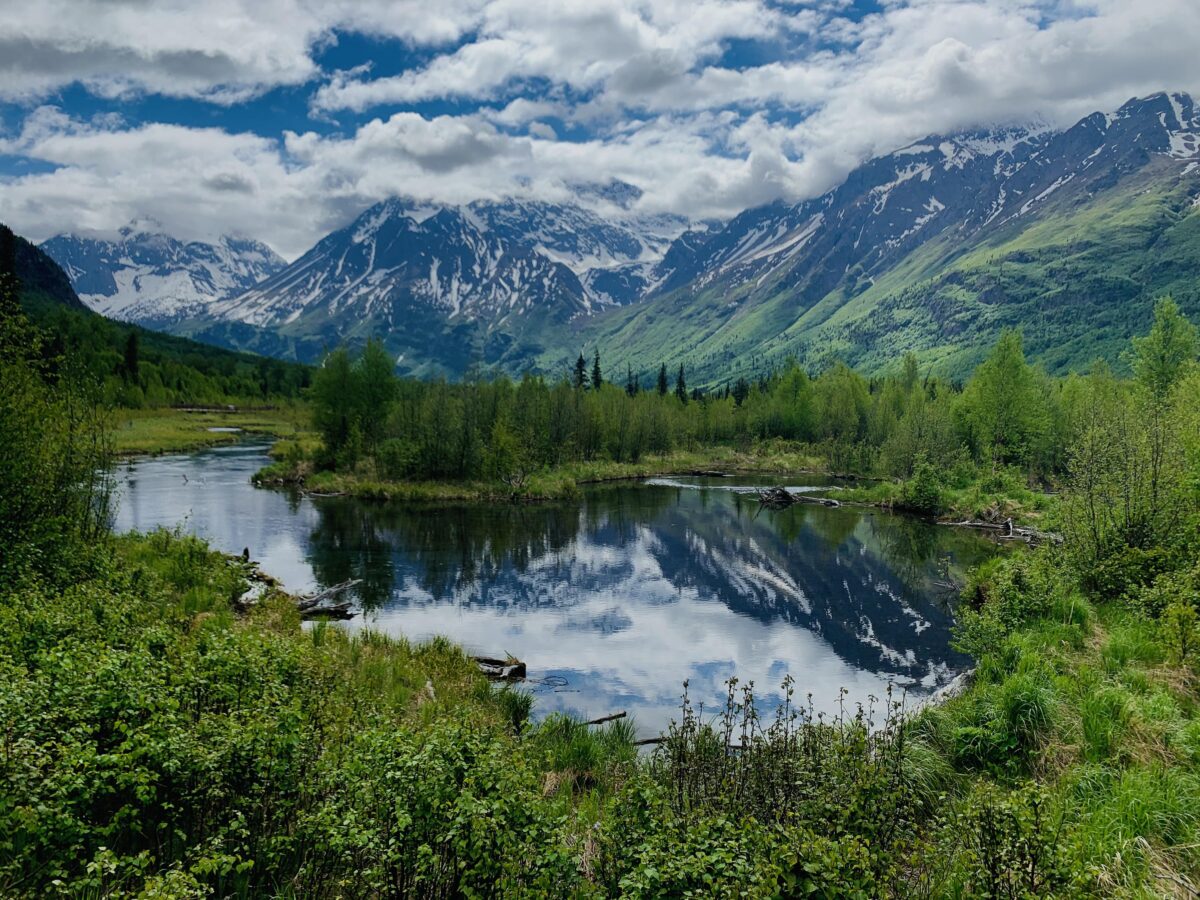
More bald eagles live within Chugach National Forest than in the contiguous United States combined. That’s the kind of fact that makes you stop and think. Despite lying only about 500 miles south of the Arctic Circle, Chugach National Forest encompasses a variety of vibrant, living landscapes including brilliant blue glaciers, wetlands and forests.
This sub-polar rainforest defies expectations about what a rainforest should be. The Chugach rainforest houses Sitka spruce and mountain and western hemlock trees, as well as moose, bears and bald eagles. The juxtaposition of rainforest vegetation against a backdrop of glaciers creates scenery unlike anywhere else on the planet. Rivers in Chugach National Forest are major salmon producers as well.
Redwood National Park: California’s Fog-Drenched Forest
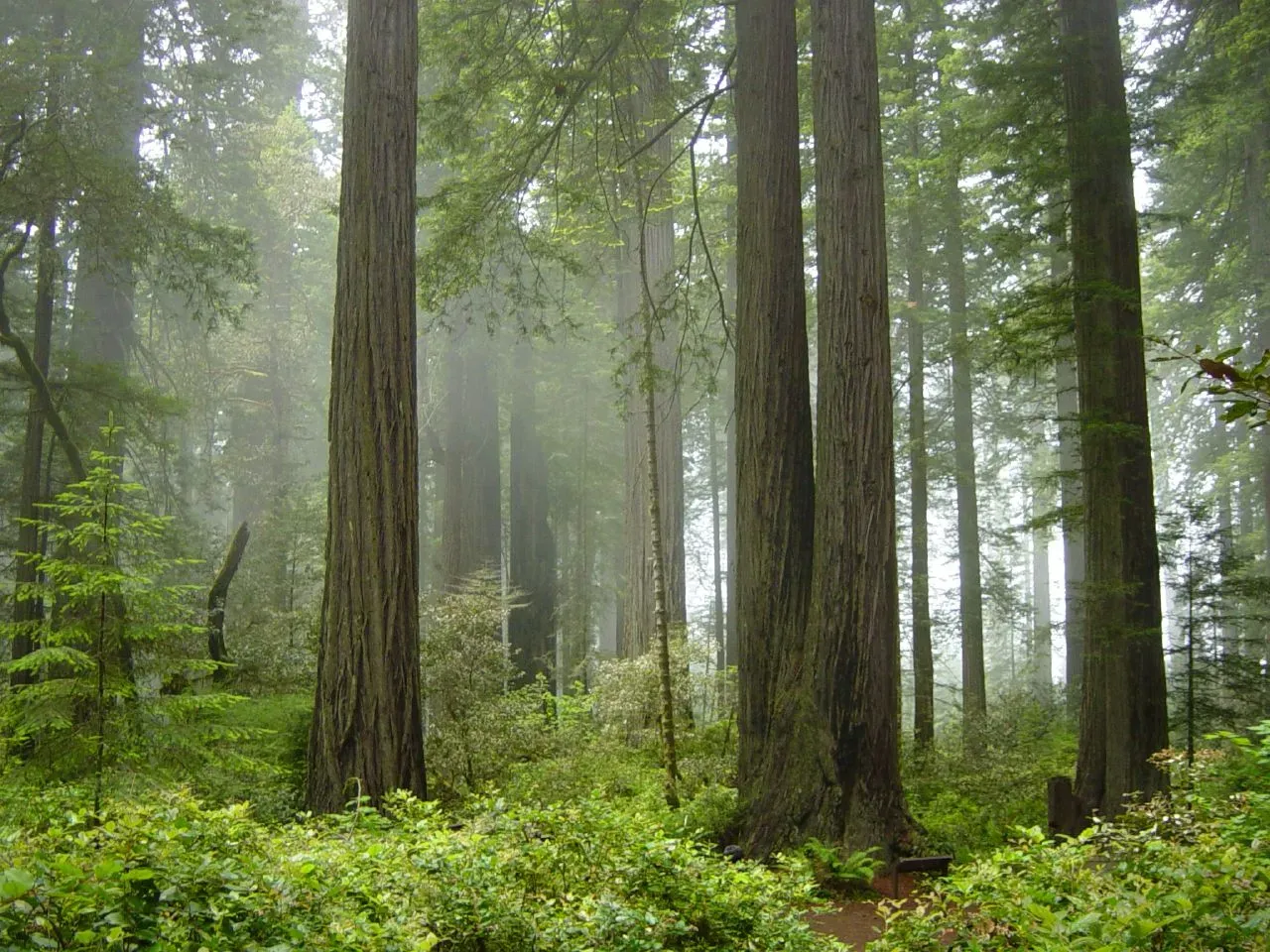
Redwood National Park in northern California is an old-growth temperate rainforest with some of the most jaw-dropping trees you’ll ever see, dominated by the tallest trees in the world. These coastal redwoods create their own microclimate where fog rolls in from the Pacific and nourishes the forest canopy.
Nearly half the world’s remaining old-growth redwood trees lie in Redwood National and State Parks. Walking among these giants is a humbling experience that puts human existence into perspective. Some of these trees were already ancient when Columbus sailed to America. The constant moisture from fog drip creates ideal rainforest conditions even though rainfall totals might not seem extreme by rainforest standards.
The Appalachian Temperate Rainforest: The Eastern Secret
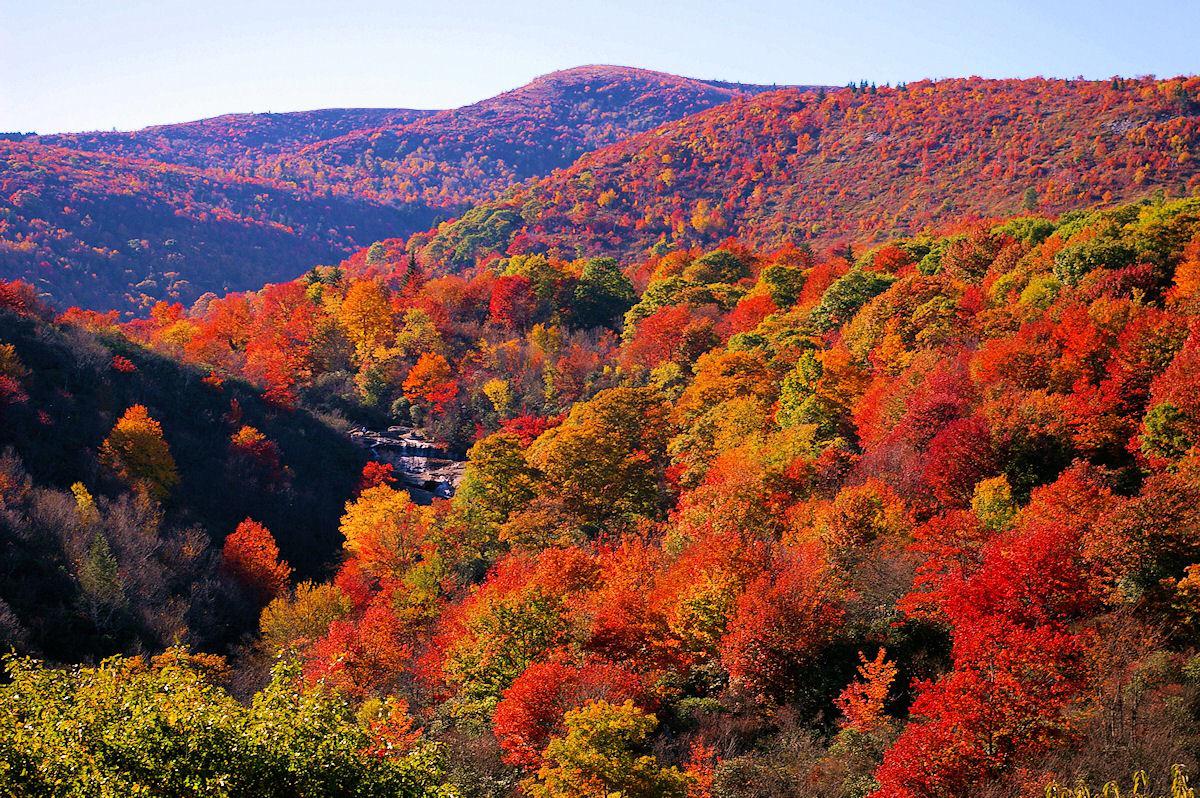
Here’s something that surprises almost everyone: The Appalachian temperate rainforest in the southern Appalachian Mountains of the eastern United States is among the most biodiverse temperate regions in the world. The southeastern United States is home to one of these unique ecosystems, covering about 135,000 square miles of Virginia, western North Carolina, parts of South Carolina, northern Georgia, and Eastern Tennessee.
In addition to over 100 species of native trees, 1,400 other flowering plants and 500 moss and fern species live in the rainforest habitat. Nantahala National Forest has some areas that average more than 100 inches of precipitation annually making one of the wettest locations in the continental US after the Pacific Northwest region. Most Americans have no clue that a rainforest exists right in the heart of Appalachia.
Mount Hood’s Temperate Rainforest: Oregon’s Mossy Slopes
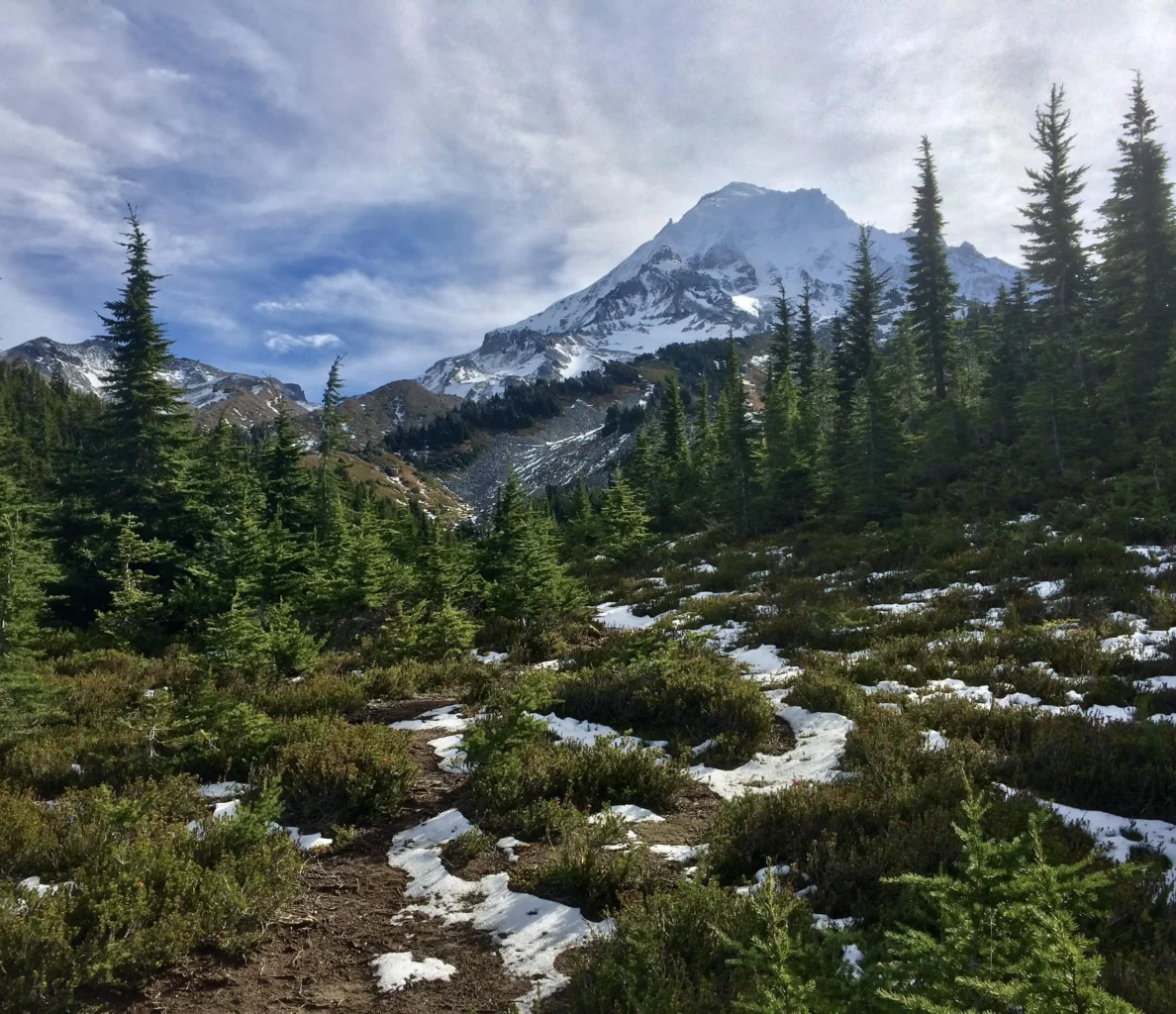
While most of Mount Hood in Oregon is full of pine trees and snow, a temperate Douglas-fir rainforest slopes along the west side of Mount Hood. This lesser-known gem showcases how diverse Oregon’s ecosystems really are. You can literally transition from snowy alpine terrain to lush rainforest within a relatively short hike.
At springtime, absolutely everything is covered in a breathtaking thick coat of moss after the rains. The visual transformation is stunning. Douglas fir trees tower overhead while their trunks become living gardens of moss and ferns. It’s a reminder that rainforests aren’t just found in the tropics or remote Alaskan wilderness – they exist in accessible places that most visitors to Oregon completely overlook.
Queets Rainforest: Olympic’s Hidden Valley
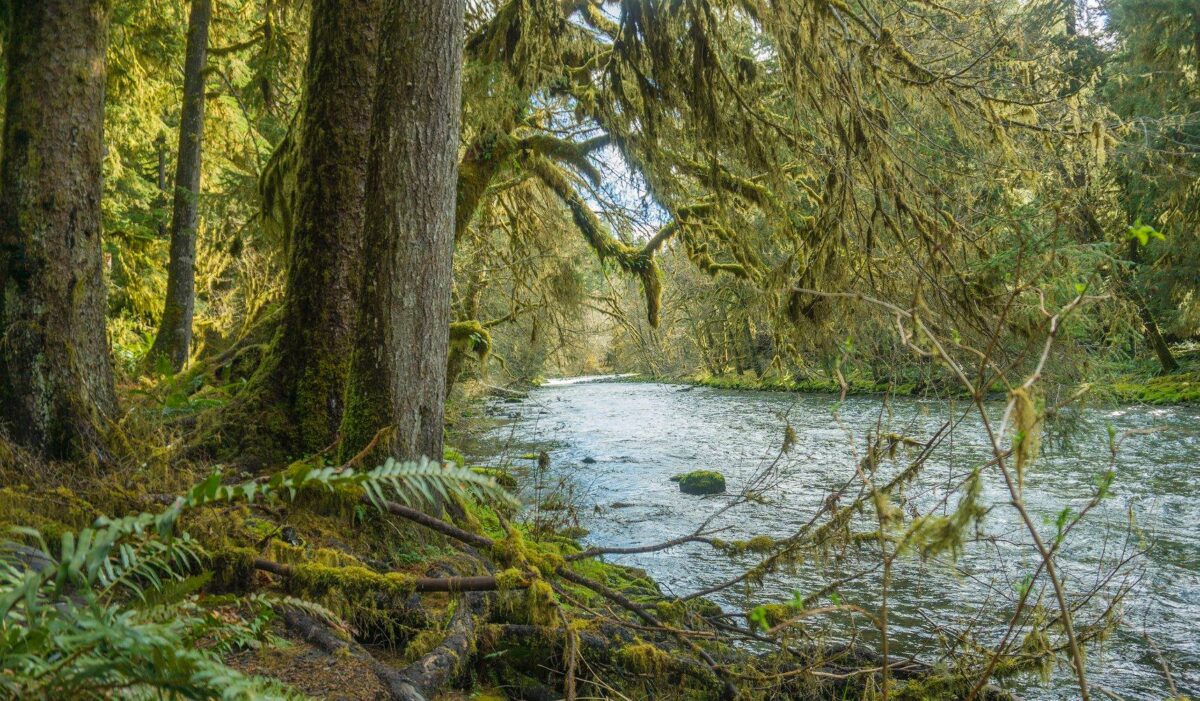
Olympic National Park has four rain forest valleys on the park’s west side: Hoh Rain Forest, Quinault Rain Forest, Queets Rain Forest and Bogachiel Rain Forest. While the Hoh gets most of the attention, Queets remains refreshingly under the radar. This creates opportunities for genuine solitude that are increasingly rare in national parks.
The Queets River valley contains some of the most pristine old-growth forest remaining in the lower states. Access requires more effort than the other Olympic rainforests, which keeps visitor numbers manageable. You’ll find similar ecological features to the more famous valleys but with a wild, untouched quality that appeals to adventurous hikers. River crossings can be challenging, so timing your visit matters considerably.
Bogachiel Rainforest: The Forgotten Olympic Valley
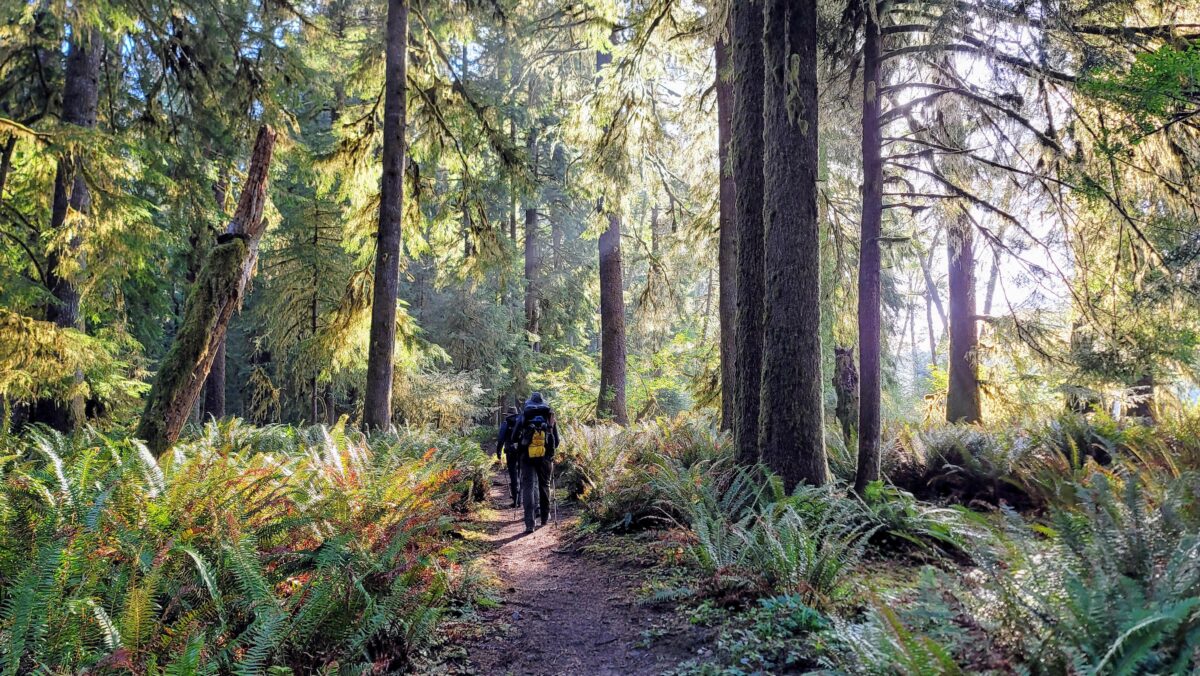
Hanging mosses, old-growth cedar and spruce trees, along with ferns and wetlands help make the Bogachiel Rain Forest a lush, green wonderland. This is perhaps the most overlooked rainforest in Washington, overshadowed by its more famous neighbors. Yet that obscurity is precisely what makes it special for those willing to venture off the beaten path.
Explore a lush temperate rain forest on easy to moderate hikes through old growth, hanging mosses, fern, maple, and wetlands, as the Bogachiel is one of four Olympic ‘rain forest’ valleys. The wetland areas here support unique plant communities and create habitat for species that thrive in the soggiest conditions. It’s a place where you can genuinely experience what untouched Pacific Northwest rainforest looks like.
Conclusion: America’s Green Secrets
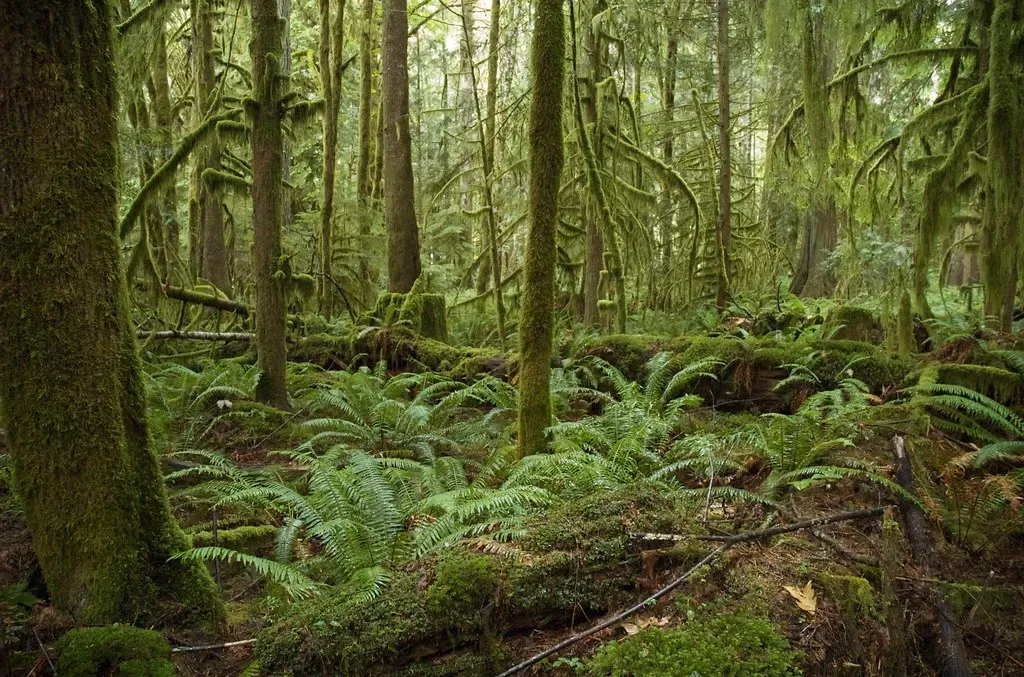
These ten rainforests prove that you don’t need to travel halfway around the world to experience some of nature’s most extraordinary ecosystems. From Alaska to Puerto Rico, from California to North Carolina, the United States harbors rainforests that rival anything found in more famous locations abroad. Each offers its own character, from the eerie silence of the Hoh to the tropical vibrancy of El Yunque.
What makes these places even more remarkable is how many Americans remain completely unaware of their existence. While tourists flock to distant continents seeking jungle adventures, these moss-draped cathedrals of green wait patiently much closer to home. They represent not just natural wonders but also conservation success stories and reminders of what wild America once looked like across vast regions.
Have you visited any of these incredible rainforests? Which one surprised you the most to learn exists in the United States?

- 12 Architectural Wonders From The Ancient World That Inspire Us Today - July 18, 2026
- 6 Beautiful Ancient Cities That Time Forgot (But Shouldn’t) - July 18, 2026
- 6 Common Animal Behaviors That Are Often Misunderstood by Humans - July 18, 2026