

You’ve probably noticed them on a warm summer day, buzzing around your garden with their fuzzy bodies and delicate wings. They’re easy to take for granted. Those little bees seem so ordinary, so familiar, that we rarely stop to consider just how extraordinary they really are.
Here’s the thing: without bees, you might be looking at a completely different world. The fresh strawberries at your local market? Gone. That morning coffee you cherish? Probably not happening. Even the cotton shirt on your back might become a luxury. It sounds dramatic, I know, yet this is the reality we’re facing if bee populations continue their troubling decline.
Honestly, there’s something almost magical about the relationship between bees and our planet. These tiny creatures, weighing less than a paperclip, are performing an invisible service that keeps entire ecosystems thriving. Let’s be real: we need them far more than they need us. So let’s dive in and explore how these miniature heroes are quietly saving the world.
The Pollination Powerhouse You Never Knew About
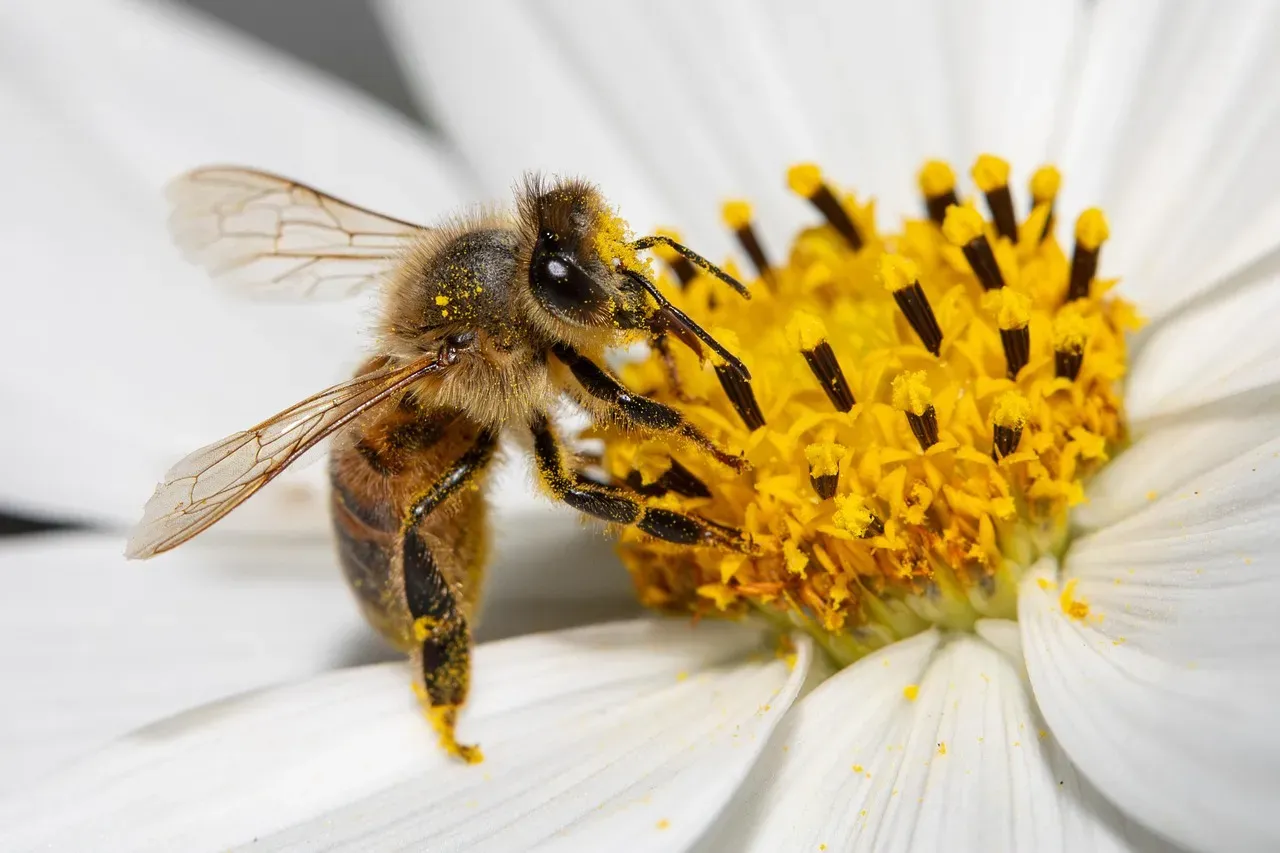
Nearly ninety percent of the world’s wild flowering plant species depend, entirely or at least in part, on animal pollination, and bees are the superstars of this process. Think about that for a moment. The vast majority of flowering plants couldn’t reproduce without help from pollinators.
Some scientists estimate that one out of every three bites of food you eat exists because of animal pollinators like bees. That’s not just fruits and vegetables, either. More than half of the world’s diet of fats and oils come from animal-pollinated plants like canola and sunflowers, and the meat industry relies upon pollination to ensure adequate food supplies for the animals.
When a bee lands on a flower searching for nectar, something remarkable happens. The hairs all over the bee’s body attract pollen grains through electrostatic forces. As the bee moves from blossom to blossom, it inadvertently transfers this pollen, fertilizing plants and allowing them to produce seeds and fruit. Individual bees tend to focus on one kind of flower at a time, which means it is more likely that pollen from one flower will be transferred to another flower of the same species.
This isn’t random. It’s an evolutionary partnership millions of years in the making, and it works beautifully when we let it.
Bees Feed The World (Seriously)
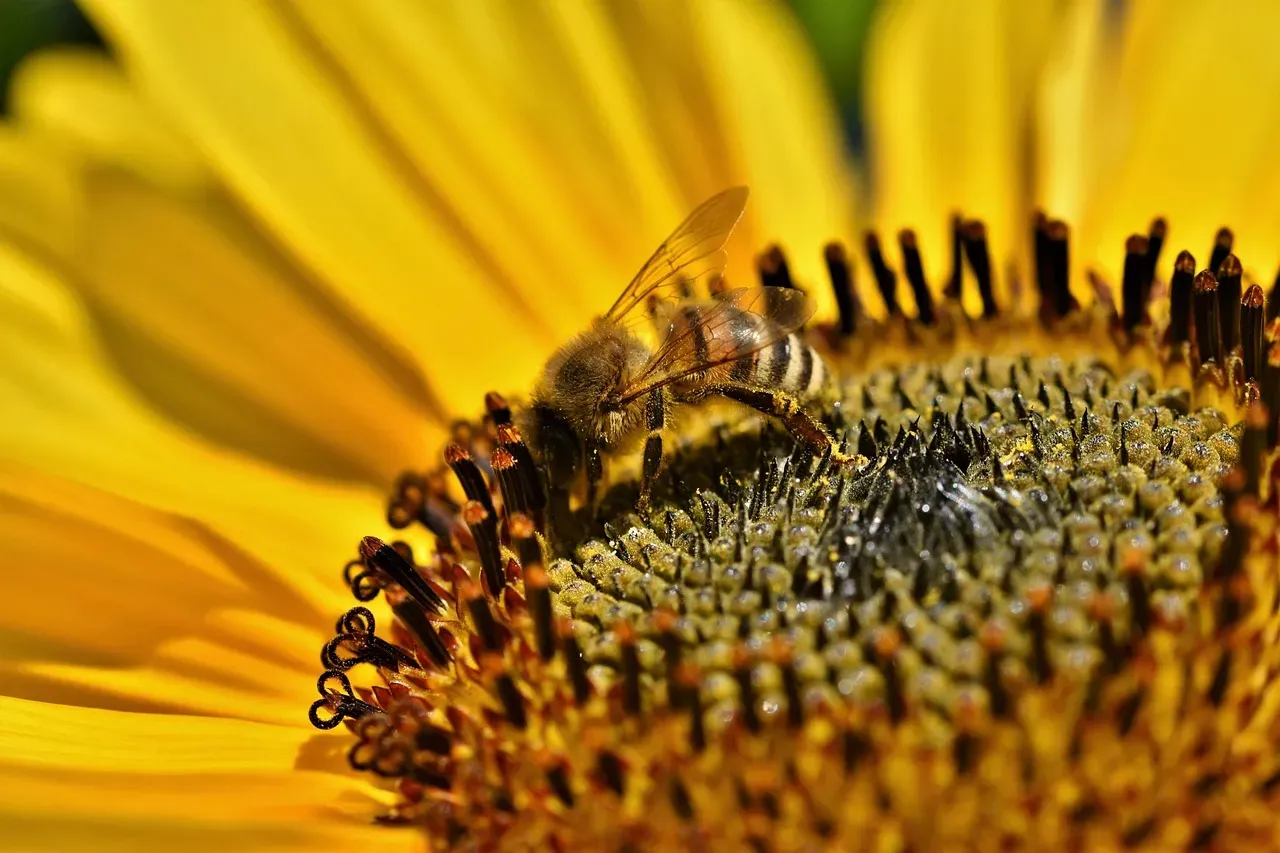
Let’s talk dollars and cents for a second. Honey bees pollinate fifteen billion dollars worth of crops in the United States each year, including more than one hundred thirty types of fruits, nuts, and vegetables. Globally, the numbers are even more staggering. The economic value of pollination services provided by insects has been estimated to range from USD two hundred thirty-five billion to USD five hundred seventy-seven billion annually.
Pollination is essential for agrifood systems, supporting the production of more than seventy-five percent of the world’s crops, including fruits, vegetables, nuts and seeds. Imagine walking into a grocery store where three-quarters of the produce section simply didn’t exist. That’s the future we’d face without these industrious pollinators.
Some crops are particularly dependent on bee pollination. Almonds are entirely dependent on honey bees for pollination. Some crops, including blueberries and cherries, are ninety percent dependent on honey bee pollination. Without bees, your almond milk latte and your cherry pie would become distant memories.
The ripple effects extend beyond just crop production. Bee pollination improves the quality and quantity of fruits, nuts, and oils. Well-pollinated plants produce larger, tastier, more uniform fruits. Essentially, bees aren’t just helping plants survive – they’re making our food better.
More Than Just Honey Bees
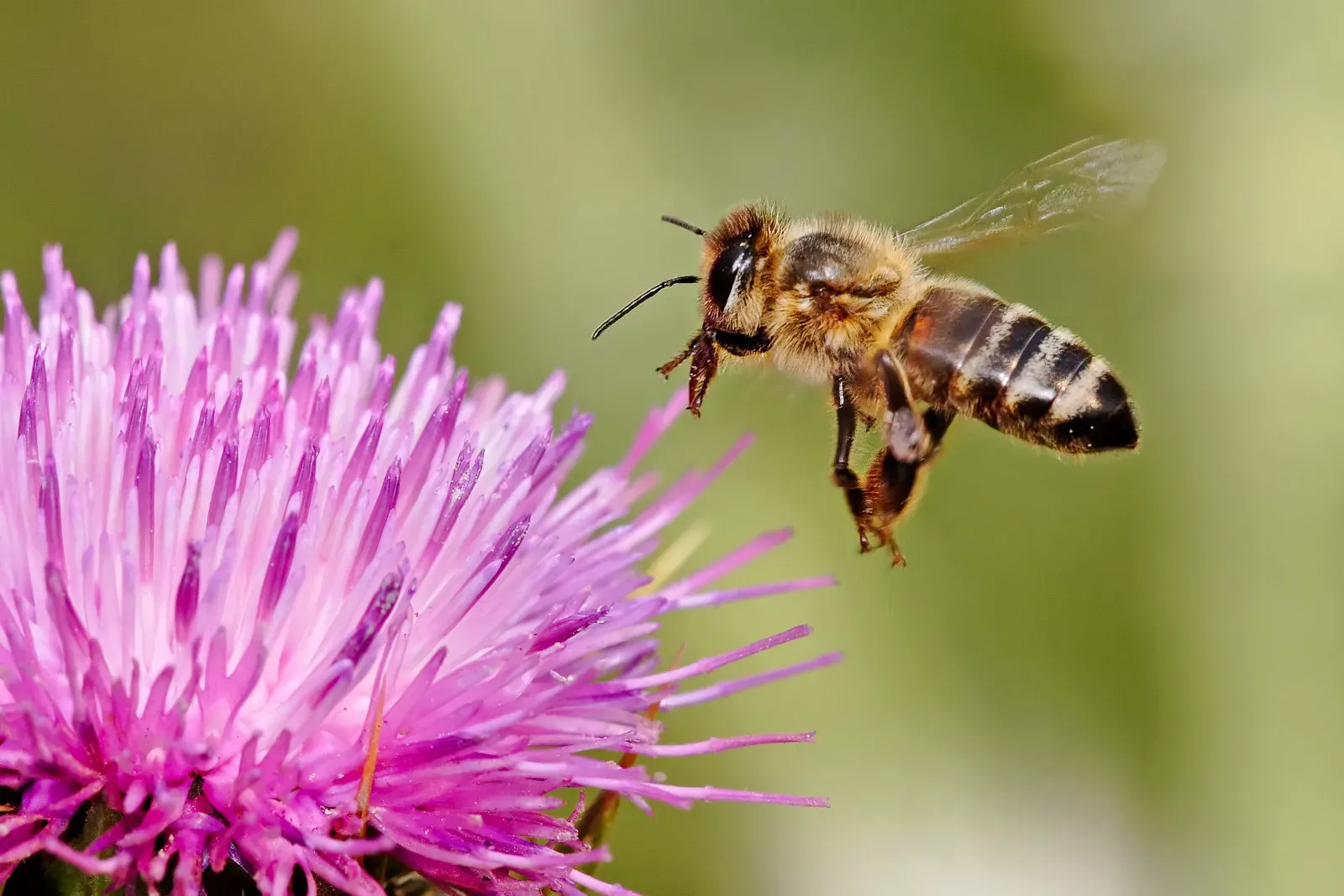
When most people think about bees, they picture the familiar European honey bee. Yet here’s something that might surprise you: Of approximately four thousand native bee species in the United States, ten percent have not been named or described. We’re still discovering new species.
Wild bees account for about a quarter of insect agricultural pollination in the United States. These native species include bumblebees, mason bees, sweat bees, and countless others. Many native bees are smaller in size than a grain of rice.
What makes wild bees particularly fascinating is their specialization. About twenty to forty-five percent of native bees are pollen specialists, meaning that they use only pollen from one species or genus of plants. If that plant is removed, the bee goes away. If bees are removed, the plant doesn’t reproduce. This creates an intricate web of dependence where plants and pollinators literally cannot survive without each other.
In some cases, wild bees are even better pollinators than honey bees. Wild bees contribute significantly to crop pollination and can work even more efficiently than honey bees. Compared to honey bees, some wild bees forage more at lower temperatures and in worse weather. They’re the unsung heroes working when other pollinators have called it a day.
The Invisible Crisis Threatening Our Food Supply
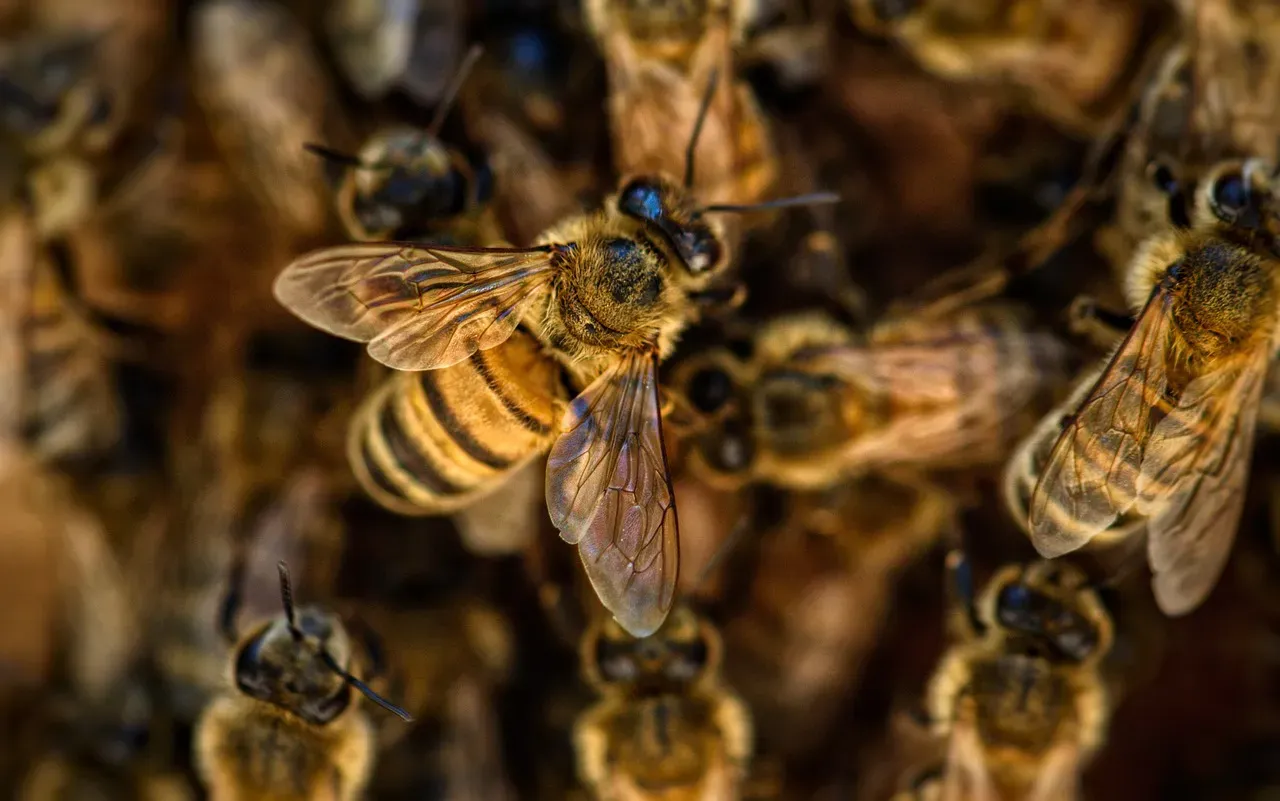
Here’s where things get concerning. Bee populations have been declining globally over recent decades due to habitat loss, intensive farming practices, changes in weather patterns and the excessive use of agrochemicals such as pesticides. It’s hard to say for sure how bad things might get, yet the trends are deeply worrying.
Close to thirty-five percent of invertebrate pollinators, particularly bees and butterflies, and about seventeen percent of vertebrate pollinators, such as bats, face extinction globally. Think about that. Over one-third of our most important pollinators are at risk of disappearing entirely.
The threats are numerous and often work in combination. The increase in neonicotinoid and pyrethroid use is a major driver of changes in occupancy across hundreds of wild bee species. The western bumble bee was once common in western North America, but increasing temperatures, drought, and pesticide use have contributed to a fifty-seven percent decline in the occurrence of this species in its historical range.
The combined threats of pesticides and food scarcity reduced blue orchard bee reproduction by fifty-seven percent and resulted in fewer female offspring. Female bees are critical because they’re the ones who establish new colonies. Fewer females means the next generation of bees is in serious jeopardy.
Pesticides: A Double-Edged Sword
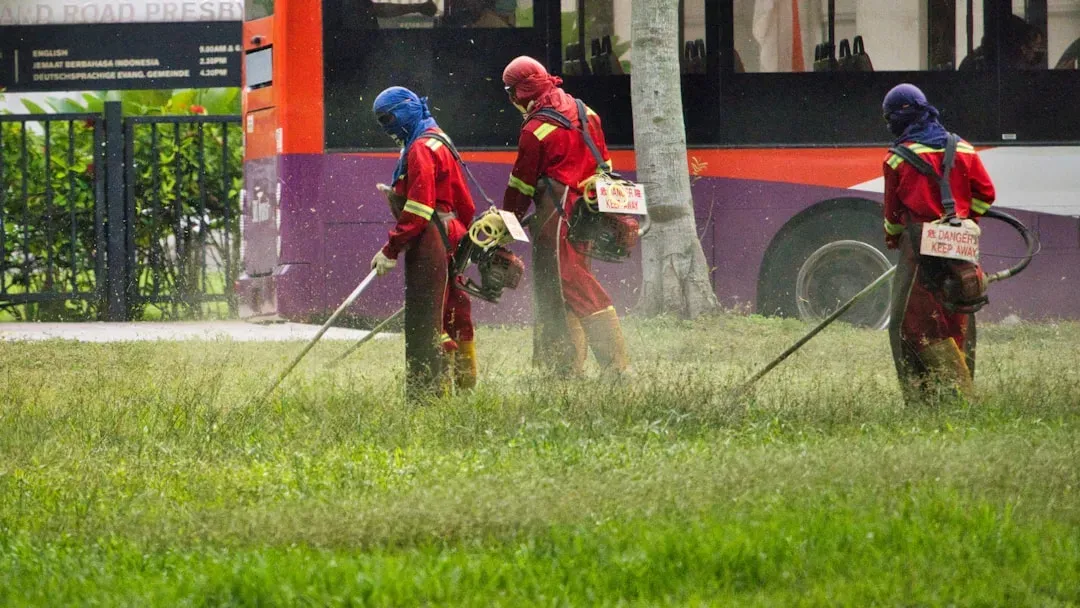
We spray pesticides to protect crops from insects. Yet those same chemicals are devastating the very insects we need to pollinate those crops. The irony is almost painful.
Exposure to pesticides can impair honeybees’ ability to navigate, bumblebees’ ability to reproduce and solitary bees’ ability to reproduce any young at all. Air pollutants interact with scent molecules released by plants which bees need to locate food. The mixed signals interfere with the bees’ ability to forage efficiently, making them slower and less effective at pollination.
Neonicotinoids have become particularly notorious. Neonicotinoids are a group of nicotine-based systemic insecticides that are the most widely used insecticides in the world. In areas where neonicotinoids were applied, the western bumble bee was less likely to occur and as the rate of neonicotinoid application increased, the bumble bee’s presence declined further.
The effects don’t stop when the exposure ends, either. Carryover effects reduced bee reproduction by twenty percent beyond current impacts on foraging bees, exacerbating the negative impact on population growth rates. This indicates that bees may require multiple generations to recover from a single pesticide exposure. One bad season can haunt bee populations for years.
Honestly, we’re poisoning the very creatures keeping our food system alive. It’s like cutting off the branch you’re sitting on.
Climate Change Adds Another Layer of Danger
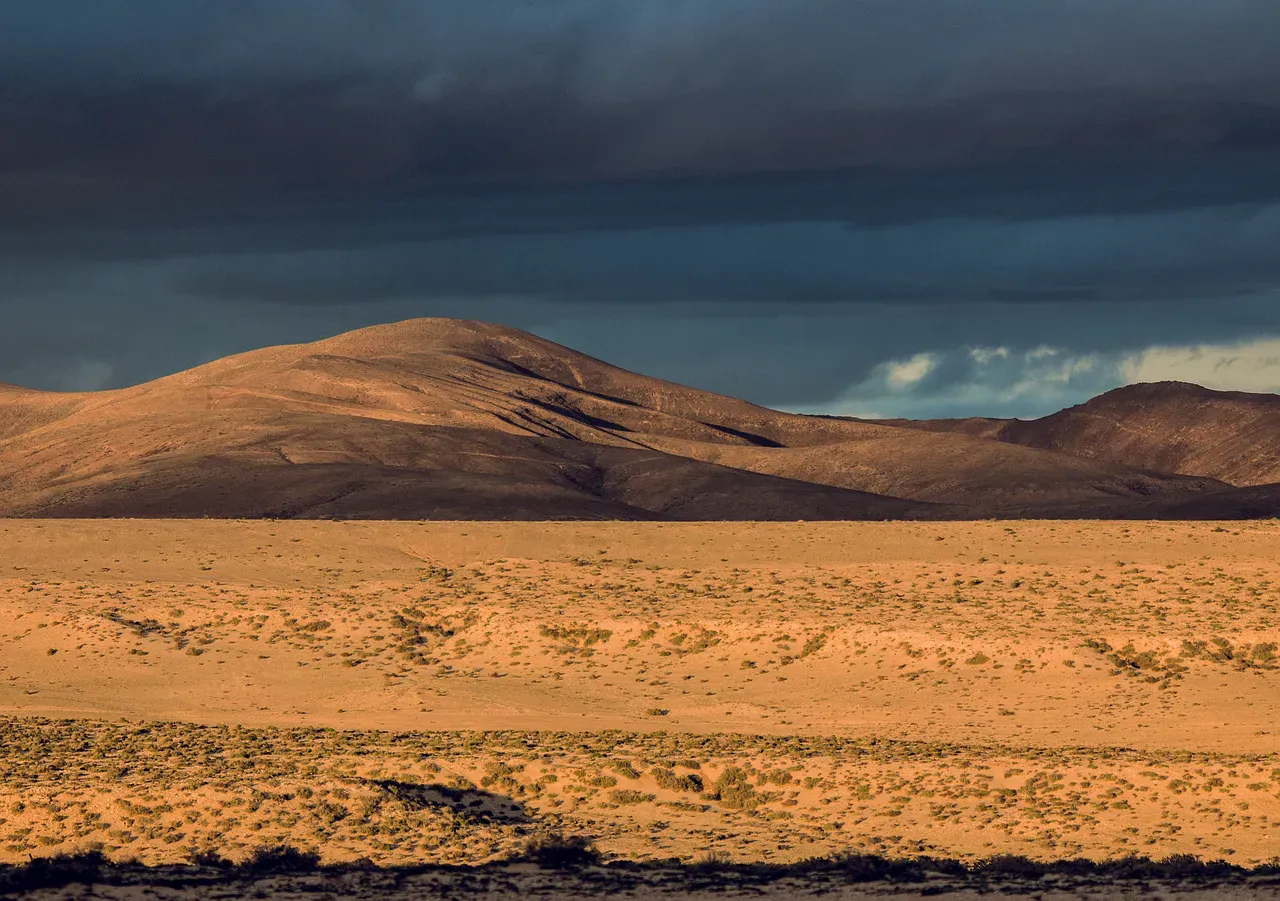
As if pesticides weren’t enough, bees are also dealing with a rapidly changing climate. Increasing summer temperatures and drought partly drove declines of the native western bumble bee in recent decades, with rising temperatures being particularly important.
Climate change may already be disrupting the relationships of plants and pollinators. This has the potential to shorten the reproductive season for bumble bees, particularly if late-season resources bloom earlier and reduce resources when the critical reproductive members of the colony are active. When flowers bloom before bees emerge, or when bees emerge before flowers bloom, the delicate timing that has evolved over millennia falls apart.
Temperature extremes affect bees directly, too. They struggle in excessive heat and cold. Droughts mean fewer flowers, which means less food for bees. Unpredictable weather patterns disrupt their foraging schedules. The world is changing faster than bees can adapt.
Habitat Loss Leaves Bees Homeless
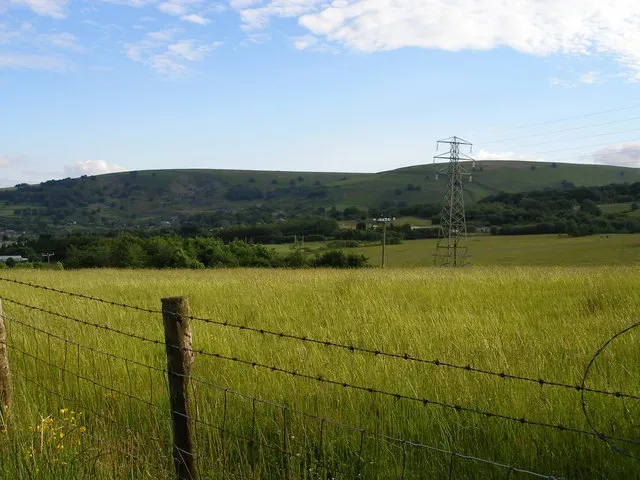
Bees need places to live, yet we’re steadily destroying their homes. The loss of habitat to development, agriculture, and a changing climate is likely having a profound effect on all wild bees. Native prairies and grasslands are ideal for bumble bees, yet nearly all North American prairies and grasslands have been lost to land conversion, and what remains is heavily fragmented.
Modern agriculture often involves huge monoculture fields – endless acres of a single crop. When that crop isn’t blooming, there’s nothing for bees to eat. Changes in land use have resulted in a patchy distribution of food and nesting resources. Bees that once had access to diverse flowering plants throughout the growing season now face food deserts.
Urban development paves over wildflower meadows. Subdivisions replace forests. Parks are manicured into sterile grass lawns. Each change shrinks the space where bees can thrive. Without diverse habitats rich in native plants, bee populations simply cannot sustain themselves. It’s hard to overstate how dramatically we’ve altered the landscape in just a few generations.
Conservation Efforts Give Us Hope
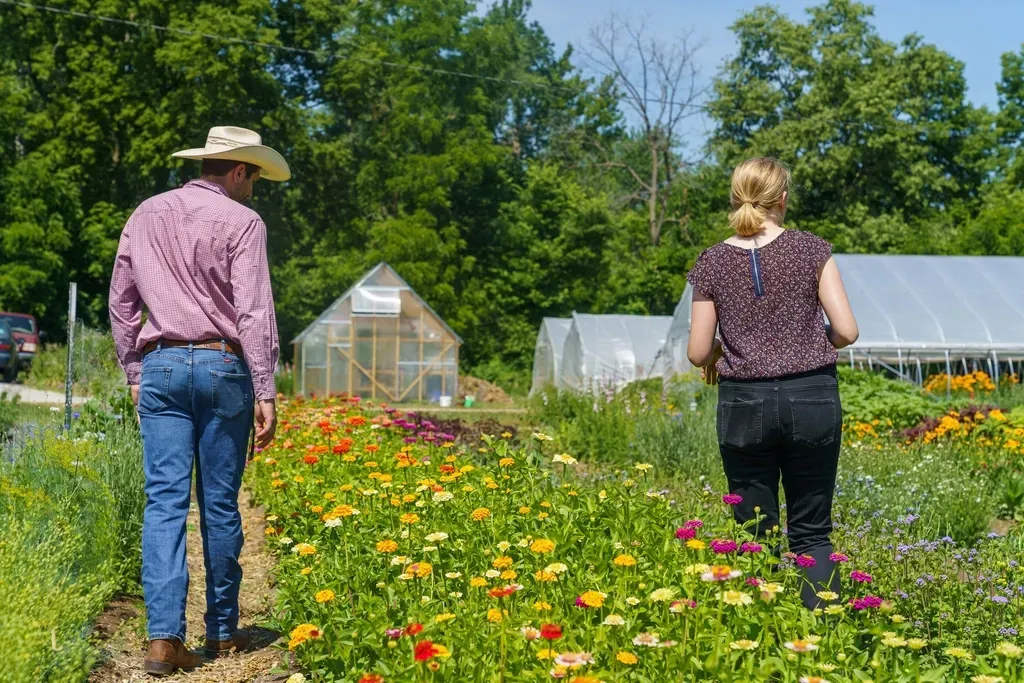
Let’s shift gears to something more uplifting. Around the world, people are recognizing the crisis and taking action. Governments, organizations, and everyday citizens are working to protect and restore pollinator populations.
In May twenty eighteen, the European Union upheld a partial ban on three insecticides known as neonicotinoids to mitigate the lethal threat they pose to bees. Regulatory actions like these demonstrate that when we understand the science, we can make policy changes that help.
Conservation efforts work to help pollinators by ensuring they have high quality habitat. For example, new habitat is created and existing lands are restored to include native milkweed plants for monarchs, soil cover for ground nesting bees and cover for overwintering. Habitat creation and restoration are critical in meeting pollinators’ needs, so that they can live out their entire life cycle.
The best solution to bee declines is to address the underlying causes, particularly habitat loss and pesticide use. Flower-rich gardens have the ability to support all bees. You don’t need to be a scientist or policy maker to make a difference. Plant native flowers in your yard and you’re contributing to the solution.
What You Can Do Right Now
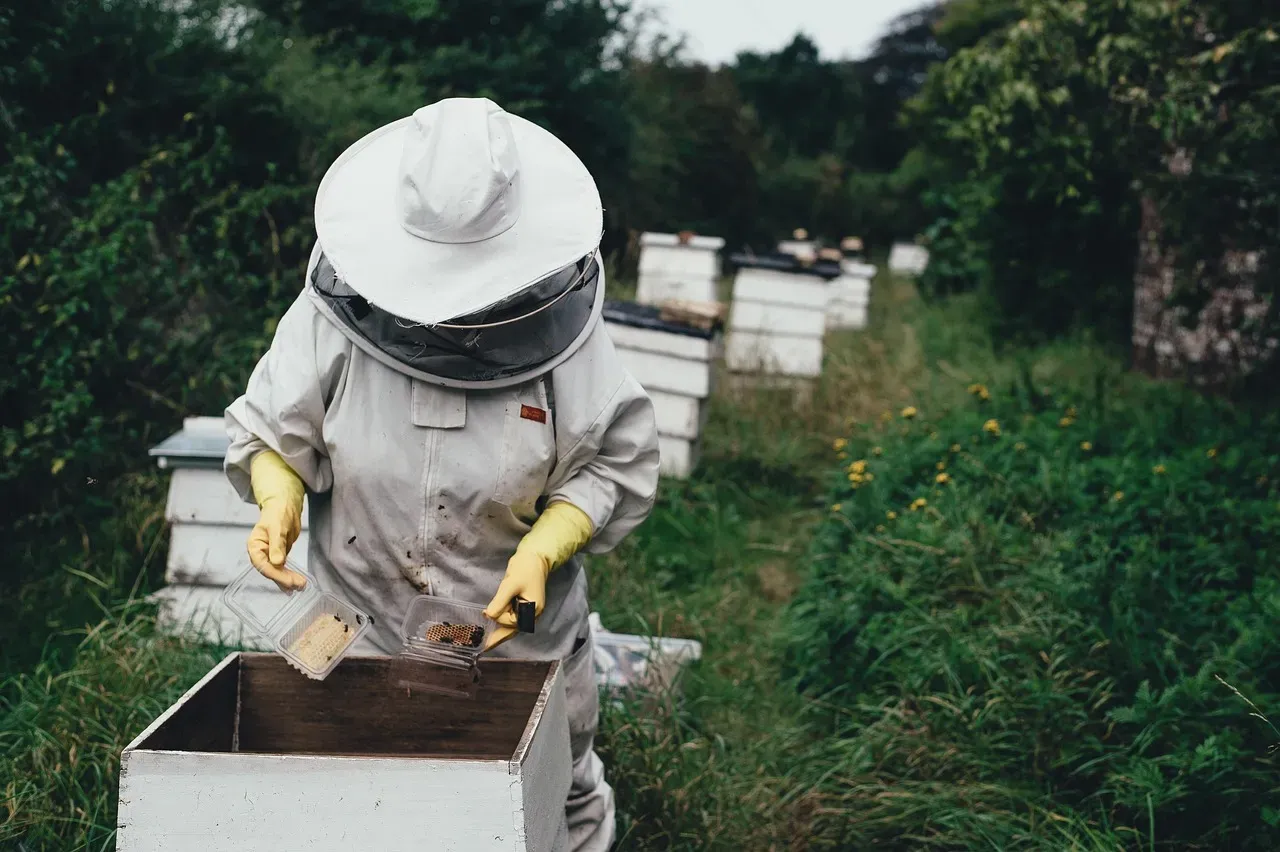
Feeling inspired to help? You should be. Every single person can take steps to support bees and other pollinators, regardless of where you live.
Start by planting native flowering plants. Plant nectar-bearing flowers such as marigolds or sunflowers for decorative purposes on balconies, terraces, and gardens. Choose a variety of species that bloom at different times throughout the growing season, ensuring bees have continuous food sources.
Reduce or eliminate pesticide use in your yard. If you must use pesticides, apply them carefully and avoid spraying when flowers are blooming or when bees are actively foraging. Better yet, embrace integrated pest management techniques that rely less on chemicals.
Buy honey and other hive products from your nearest local beekeeper. Supporting local beekeepers helps maintain healthy, managed bee populations while also giving you access to delicious, high-quality honey.
Leave some areas of your yard a little wild. Dandelions are the first food for bees emerging in the spring. Leave them in your yard and feed the bees! Resist the urge to create a perfectly manicured lawn. Many native bees nest in the ground and need bare patches of soil.
The Bigger Picture: Biodiversity Matters
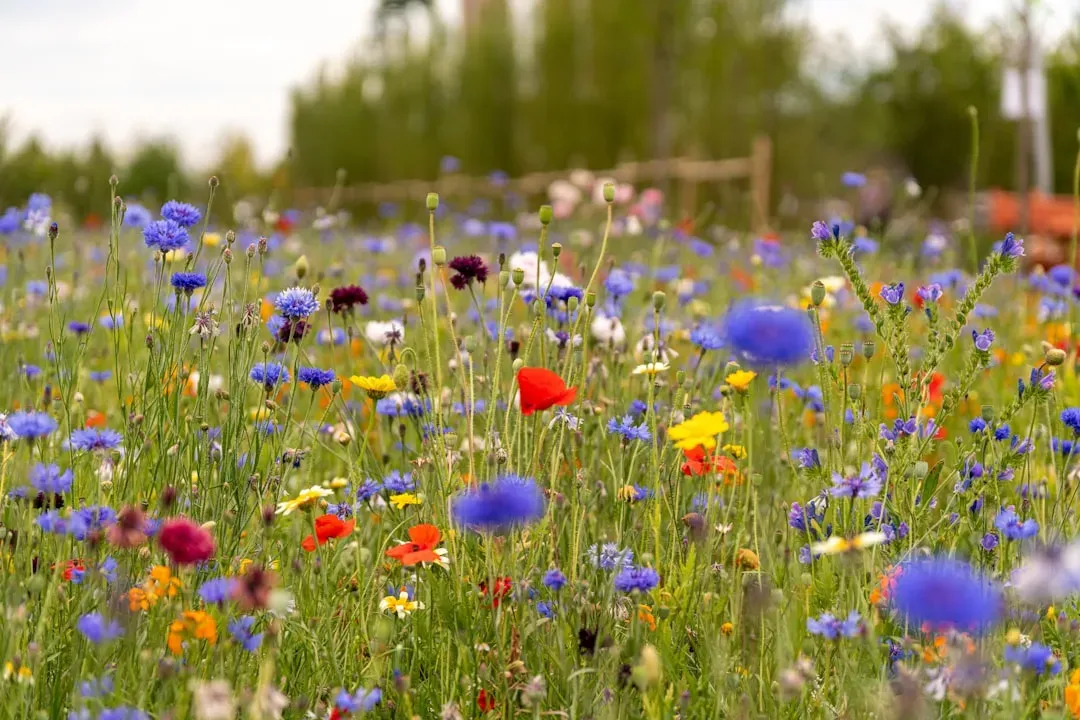
Protecting bees isn’t just about saving a single group of insects. Pollinators contribute directly to food security, but they are key to conserving biodiversity. Beyond agriculture, pollinators are keystone species in most terrestrial ecosystems. Fruits and seeds derived from insect pollination are a major part of the diet of approximately twenty-five percent of all birds, and of mammals ranging from red-backed voles to grizzly bears.
When bee populations decline, the effects cascade through entire ecosystems. Plants produce fewer seeds. Birds and mammals that depend on those seeds struggle to find food. Predators that feed on those animals face their own challenges. The intricate web of life begins to unravel, one strand at a time.
If the trend continues, vitamin-rich crops such as fruits, nuts and many vegetables will be replaced by staples such as rice and potatoes. Our diets would become less diverse and less nutritious. The impact on human health, particularly in developing countries, could be devastating.
A Future Worth Fighting For
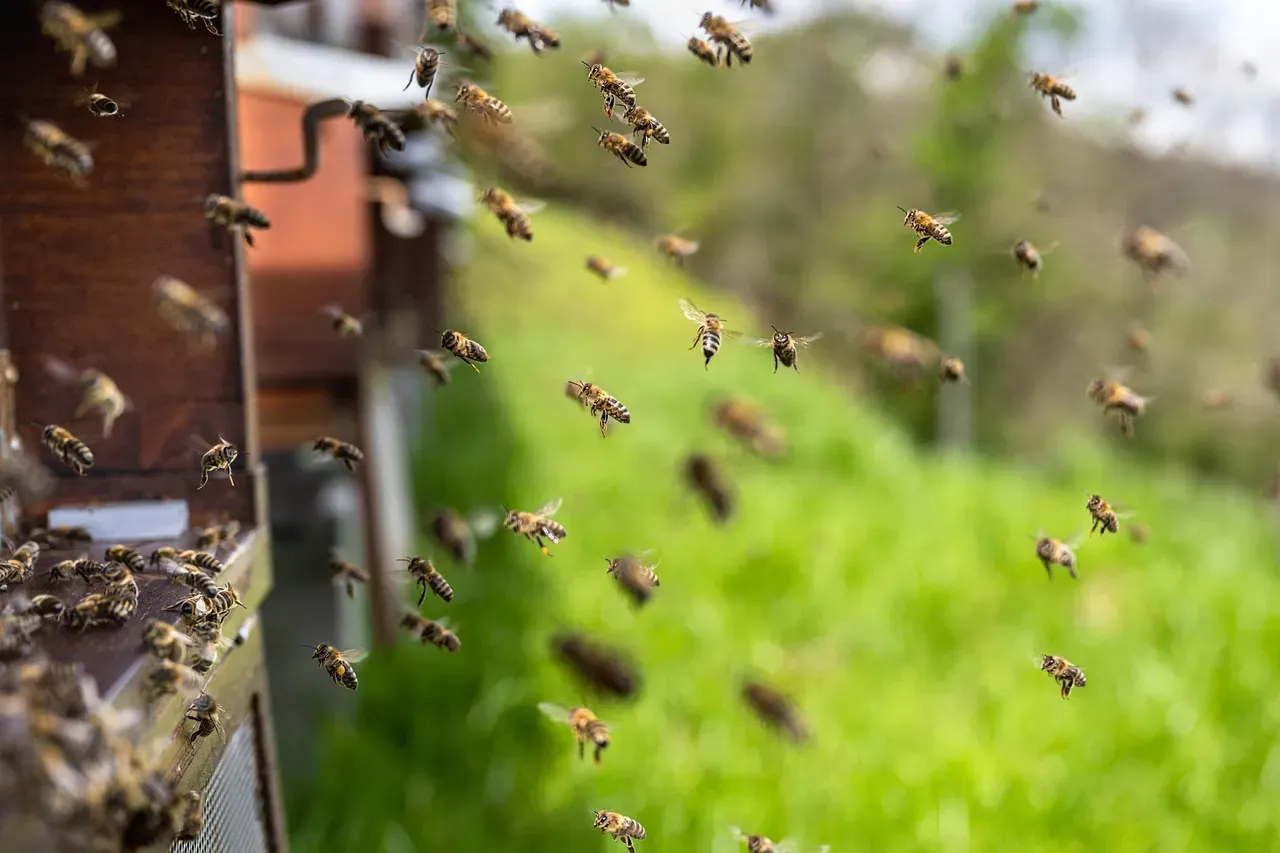
Here’s what gives me hope: we know what the problems are, and we know how to fix them. Increasing crop and regional farm diversity as well as targeted habitat conservation, management or restoration, is one way of combating climate change and promoting biodiversity. The solutions are within reach if we have the collective will to implement them.
Without pollinators like bees, foods like fruits and vegetables as well as some of humanity’s most important cash crops – like coffee, almonds, and cacao – would likely go extinct. That’s the stark reality. Yet it doesn’t have to be our future.
Every flower you plant matters. Every pesticide you don’t spray matters. Every time you choose local honey matters. These small actions, multiplied across millions of people, can create meaningful change. Bees have been saving the planet for millions of years. Now it’s our turn to save them.
So what do you think? Will you look at bees a little differently next time one buzzes past you? Maybe you’ll even thank them for their service. After all, they’re working hard to keep your dinner table full and your world blooming with life.

- 12 Architectural Wonders From The Ancient World That Inspire Us Today - July 18, 2026
- 6 Beautiful Ancient Cities That Time Forgot (But Shouldn’t) - July 18, 2026
- 6 Common Animal Behaviors That Are Often Misunderstood by Humans - July 18, 2026