

Have you ever wondered what makes stand out when it comes to service animals and the incredible bonds they create with people? You might think you know the basics, yet this state holds some surprising distinctions that set it apart from the rest. From unusual legal protections to heartwarming training stories, ‘s approach to supporting individuals with disabilities through service animals is nothing short of remarkable.
Let’s be real, service animals change lives in ways that go far beyond what most people realize. So, let’s dive in and discover what makes such a unique place for these extraordinary partnerships.
Arizona Recognizes Miniature Horses as Service Animals
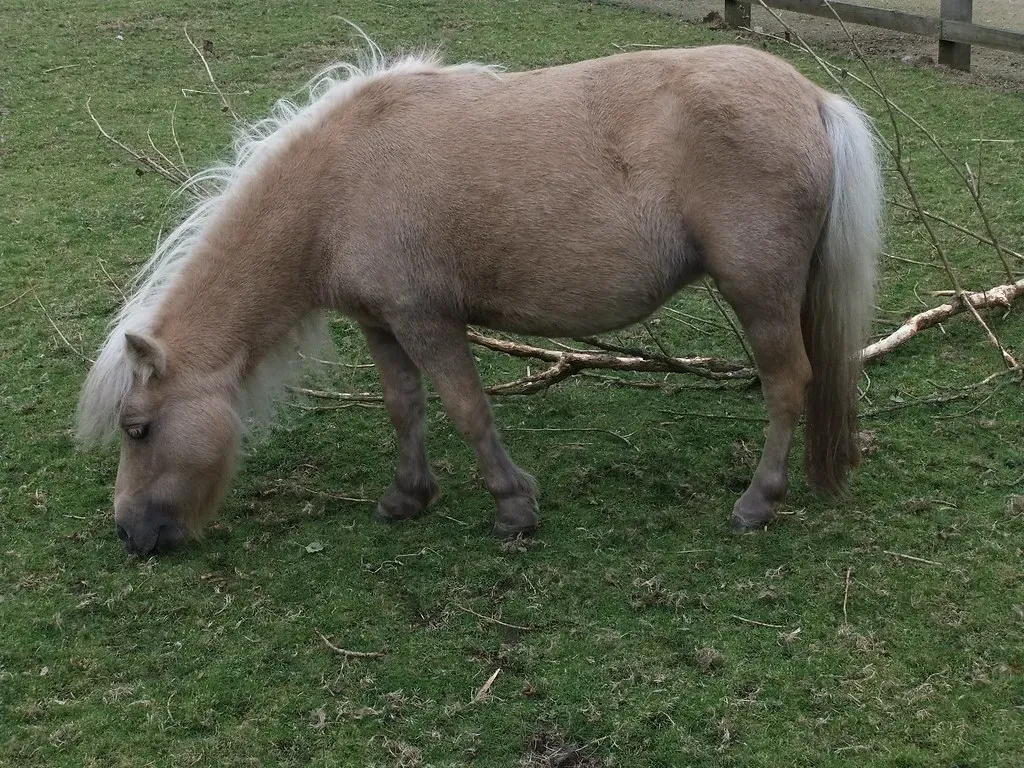
In Arizona, you’ll find that not only dogs but also miniature horses can qualify as service animals. This isn’t something you see everywhere. These specially trained miniature horses can assist with tasks like pulling wheelchairs, providing stability for individuals with mobility challenges, and even helping during seizures.
Think about it. While most people picture a loyal German Shepherd or Golden Retriever when they imagine a service animal, Arizona law embraces a broader vision. Both dogs and miniature horses must be individually trained to perform work or tasks directly related to the handler’s disability, and they’re not considered pets. This flexibility means you have more options if you’re seeking the right companion to enhance your independence.
Service Animals in Training Have Full Public Access Rights
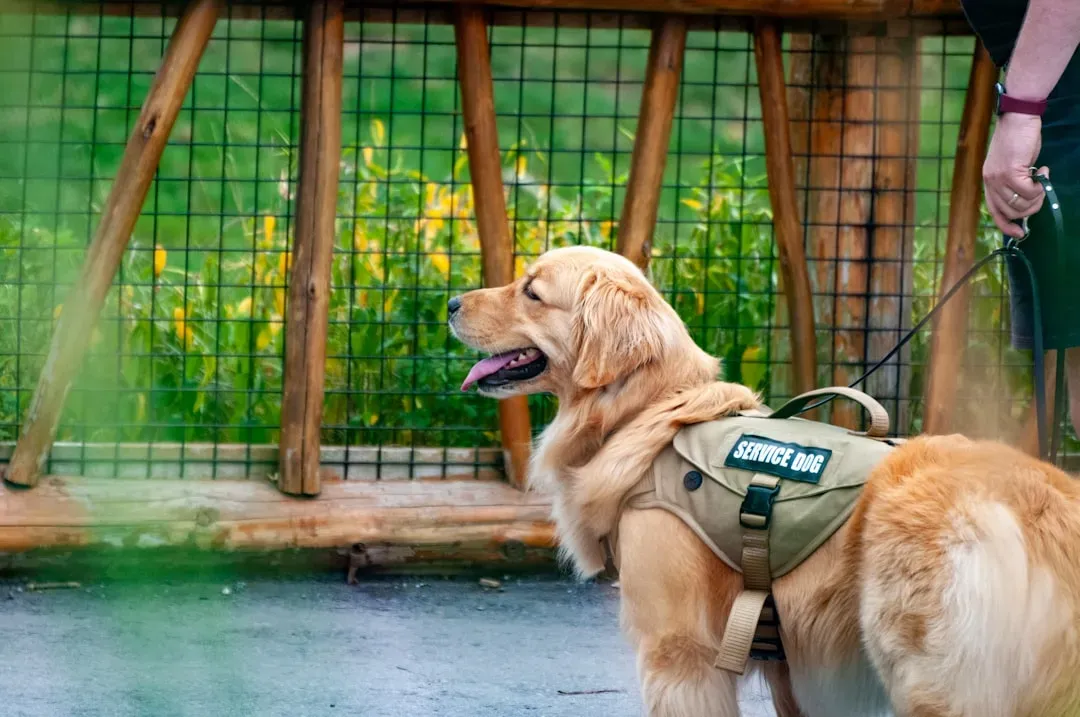
Here’s something truly special . Service animals in training are not considered fake service animals because Arizona law defines service animals to include service dogs and miniature horses in training. Any trainer or individual with a disability may take an animal being trained as a service animal to a public place for purposes of training it to the same extent as provided to handlers of fully trained animals.
This is huge for anyone embarking on the journey of training their own service animal. You won’t face the frustration of being excluded from restaurants, stores, or public spaces while your animal is still learning. Handlers are responsible for any damage done by a service animal in training. Still, the opportunity to socialize and train your animal in real-world environments makes all the difference in creating a confident, capable companion.
No Vests, IDs, or Certification Required by Law
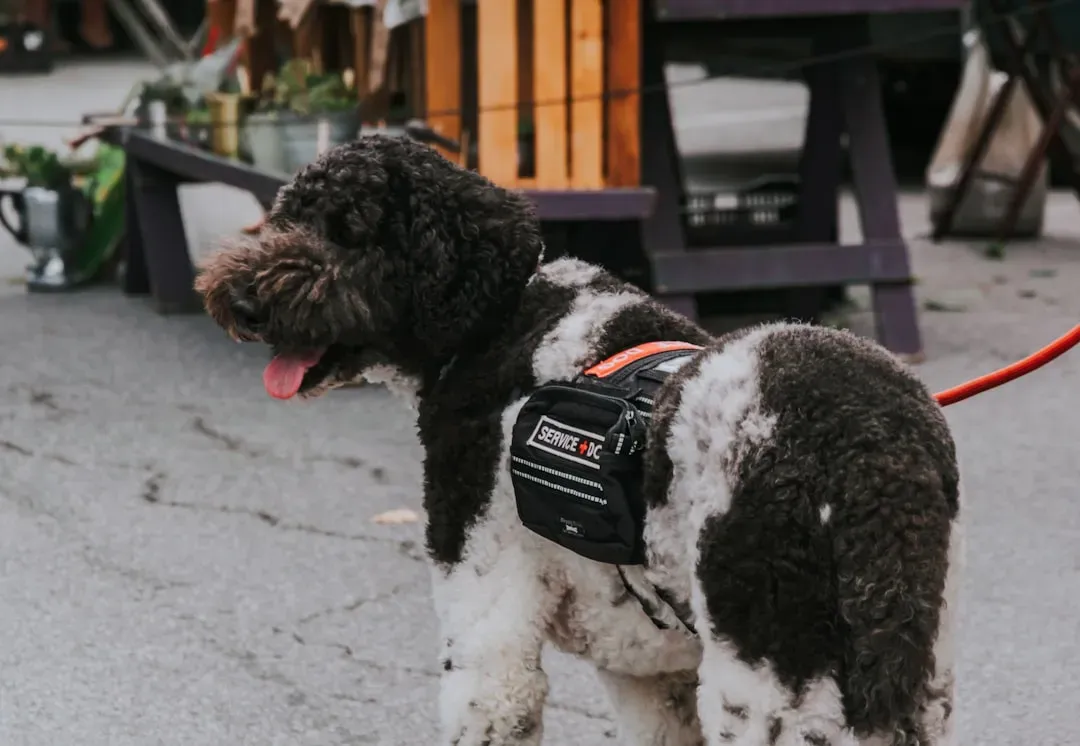
Under the ADA, service animals are not required to wear a vest, ID tag or harness. Arizona follows this federal guideline strictly. Existing state law holds no requirements for certification of animals, although some organizations offering training and certification have been known to advise owners that they must certify their animal to qualify as a service animal.
You don’t need to jump through hoops to prove your service animal’s legitimacy. Honestly, this protects you from discrimination and unnecessary barriers. A public accommodation can’t ask you questions about your disability or demand to see certification, identification, or other proof of your animal’s training or status. If it’s not obvious what your service animal does, establishments can only ask two questions: whether the animal is required because of a disability and what tasks it performs.
Special Provisions for Zoos and Wildlife Parks

Under Arizona’s service animal law, special rules apply to zoos or wild animal parks, allowing these establishments to bar service animals from areas where they might come into direct contact with the animals in the zoo or park, like a petting zoo. This makes sense when you consider the safety of both the service animal and the wildlife.
If you can’t take your service animal into any area of the zoo or park, the establishment must provide, free of charge, a place for your service animal to wait while you visit the restricted area. Service animals shall not be excluded from public walkways or sidewalks or from any area that allows for physical barriers between the service animals and the animals in the zoo or wild animal park. These thoughtful accommodations ensure you can still enjoy Arizona’s amazing wildlife attractions without leaving your companion behind entirely.
Protection Against Fraudulent Misrepresentation with Civil Penalties
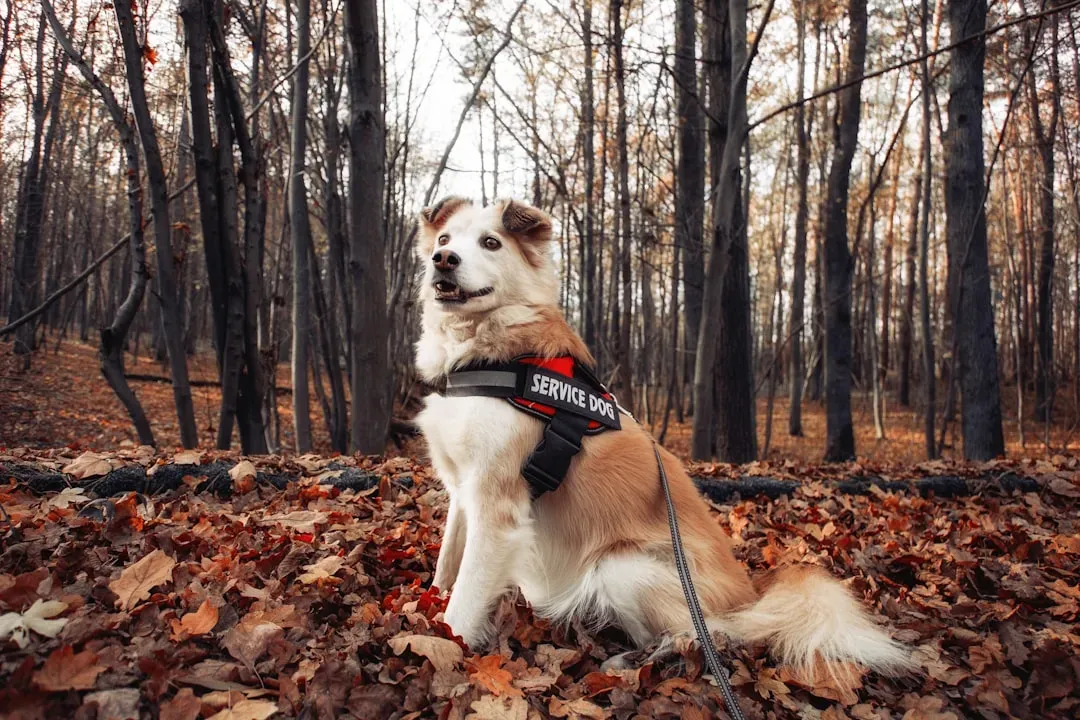
Arizona’s service animal law makes it illegal to fraudulently misrepresent any animal as a service animal to a public place or business, and the law carries a civil penalty of up to $250 for each violation. This isn’t about punishing honest mistakes. It’s about preserving the integrity of service animal rights for those who genuinely need them.
If an animal does not qualify as a service animal, it is now illegal for a handler to claim that it does, but it also remains a violation of the Americans with Disabilities Act and Arizonans with Disabilities Act to exclude service animals from a public place or business. The balance here is delicate yet essential. You’re protected if you have a legitimate service animal, while those who abuse the system face real consequences. It’s hard to say for sure, but this law seems to be working to maintain respect for service animals across the state.
Handlers Can Train Their Own Service Animals Without Professional Certification
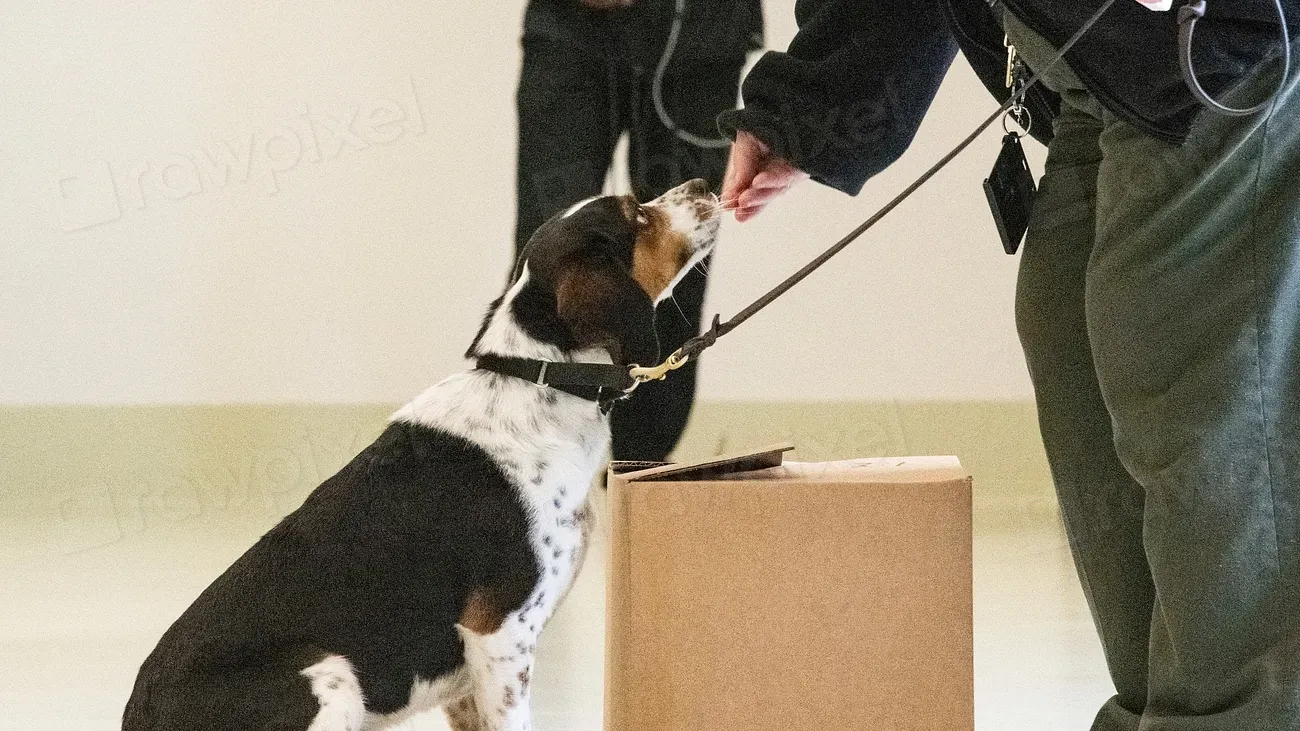
People with disabilities have the right to train the dog themselves and are not required to use a professional service dog training program. This is empowering in ways that go beyond just cost savings. You get to build that bond from day one, understanding your animal’s every quirk and strength.
Only dogs that are trained to perform disability-related tasks for their owners are legally considered service dogs, which means that you must teach your dog service skills to get the benefits a service animal is granted, but you can train your own service dog or purchase a fully-trained service dog with no specific regulations when it comes to the training program you choose.
Arizona offers various training resources if you want support, from nonprofit organizations serving veterans to accredited facilities using positive reinforcement. Veterans and civilians work side by side with their dogs for roughly twelve to eighteen months to train key tasks, build a deeper bond and achieve greater independence. The flexibility to choose your path makes service animal ownership accessible to more people.
Psychiatric Service Animals Have Equal Rights and Protections
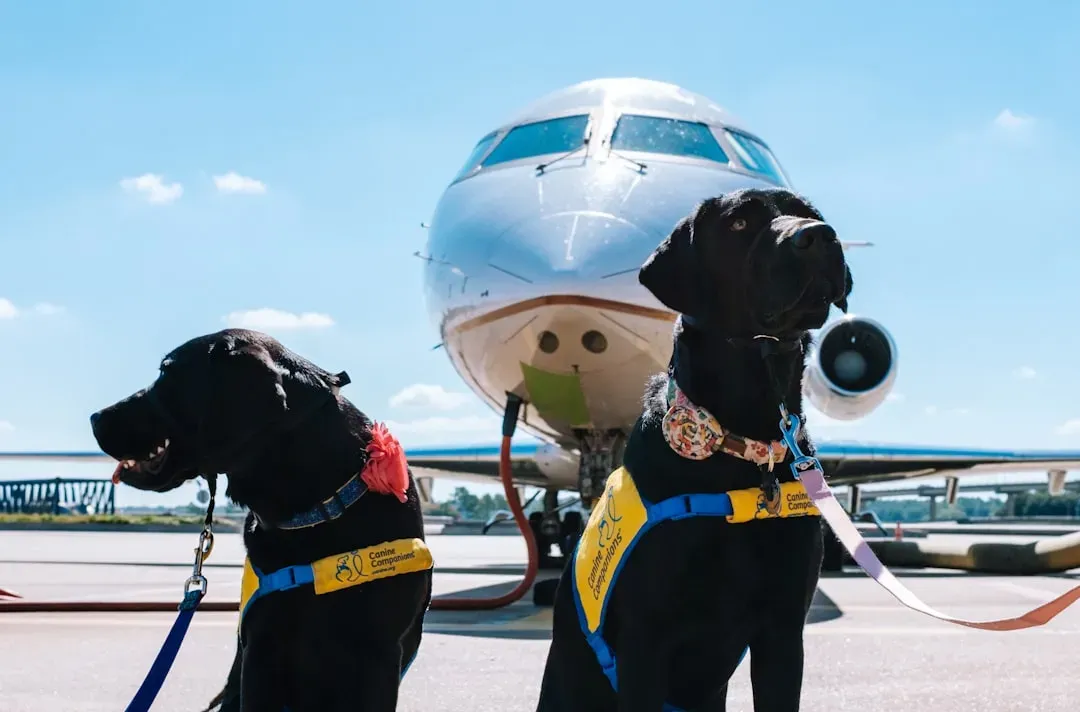
Psychiatric service animals, which help their handlers manage mental and emotional disabilities by, for example, interrupting self-harming behaviors, reminding handlers to take medication, checking spaces for intruders, or providing calming pressure during anxiety or panic attacks, must be allowed into public accommodations. Mental health conditions are just as valid as physical disabilities in Arizona.
Service animals can also alert and protect a person with seizures, warn a person who is deaf about sounds in the environment, remind a person with mental illness to take prescribed medications, forewarn a person with diabetes to check their insulin, and intervene to calm a person with PTSD during anxiety episodes.
One commissioner uses a service animal due to Multiple Chemical Sensitivity, and the dog has been trained to detect odors that are noxious to her and alert before respiratory distress begins. These real-world examples show how diverse and life-changing service animals can be. The recognition of psychiatric service animals in Arizona ensures that invisible disabilities receive the same respect and accommodation as visible ones.
Conclusion
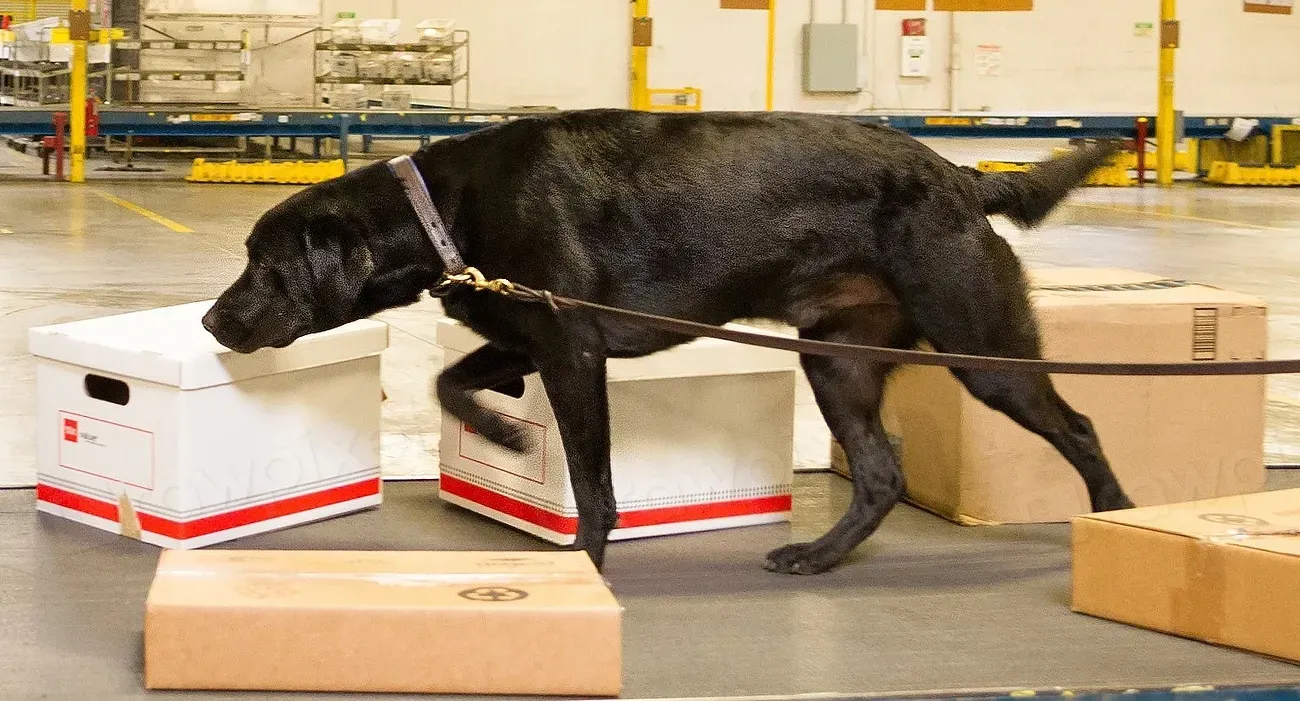
Arizona’s approach to service animals reflects a deep understanding of the profound ways these animals transform lives. From recognizing miniature horses to protecting handlers who train their own animals, the state has created a framework that balances accessibility with accountability.
The emotional connection between a person and their service animal goes beyond mere companionship. It’s about independence, dignity, and the chance to navigate the world with confidence. Arizona’s unique provisions ensure that individuals with all types of disabilities can benefit from these incredible partnerships.
What surprised you most ‘s service animal laws? The protections and opportunities available here might just change how you think about the human-animal bond.

- 12 Architectural Wonders From The Ancient World That Inspire Us Today - July 18, 2026
- 6 Beautiful Ancient Cities That Time Forgot (But Shouldn’t) - July 18, 2026
- 6 Common Animal Behaviors That Are Often Misunderstood by Humans - July 18, 2026