
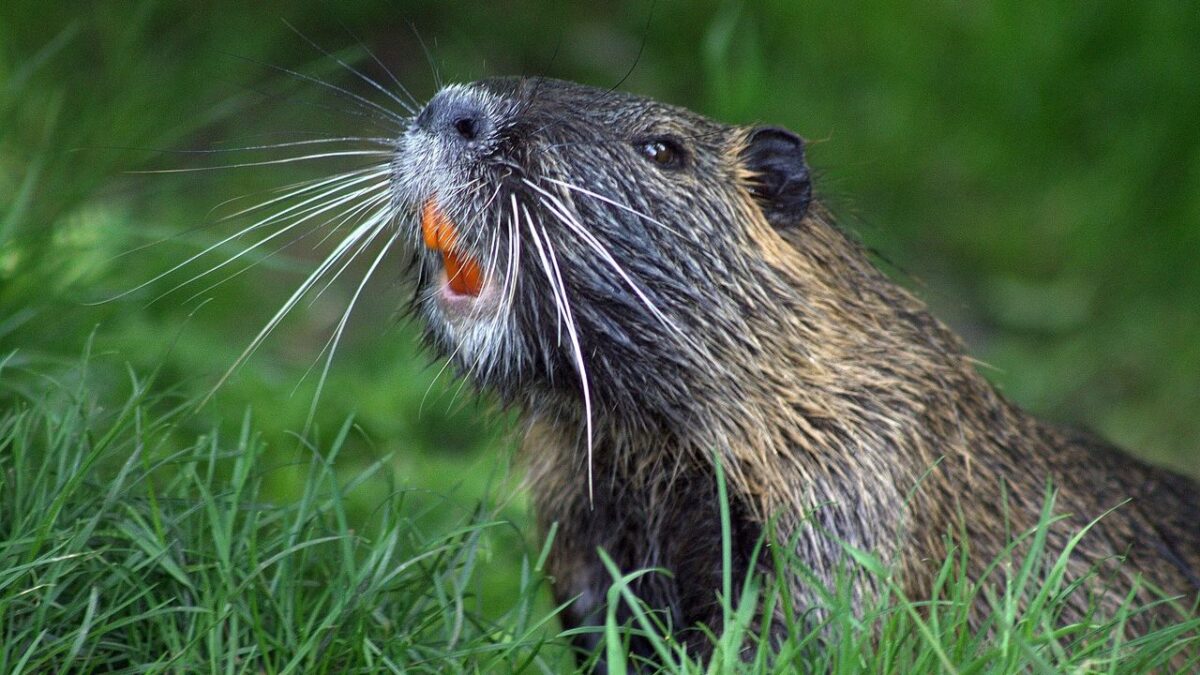
Montana: Where Rivers Run Wild With Beavers
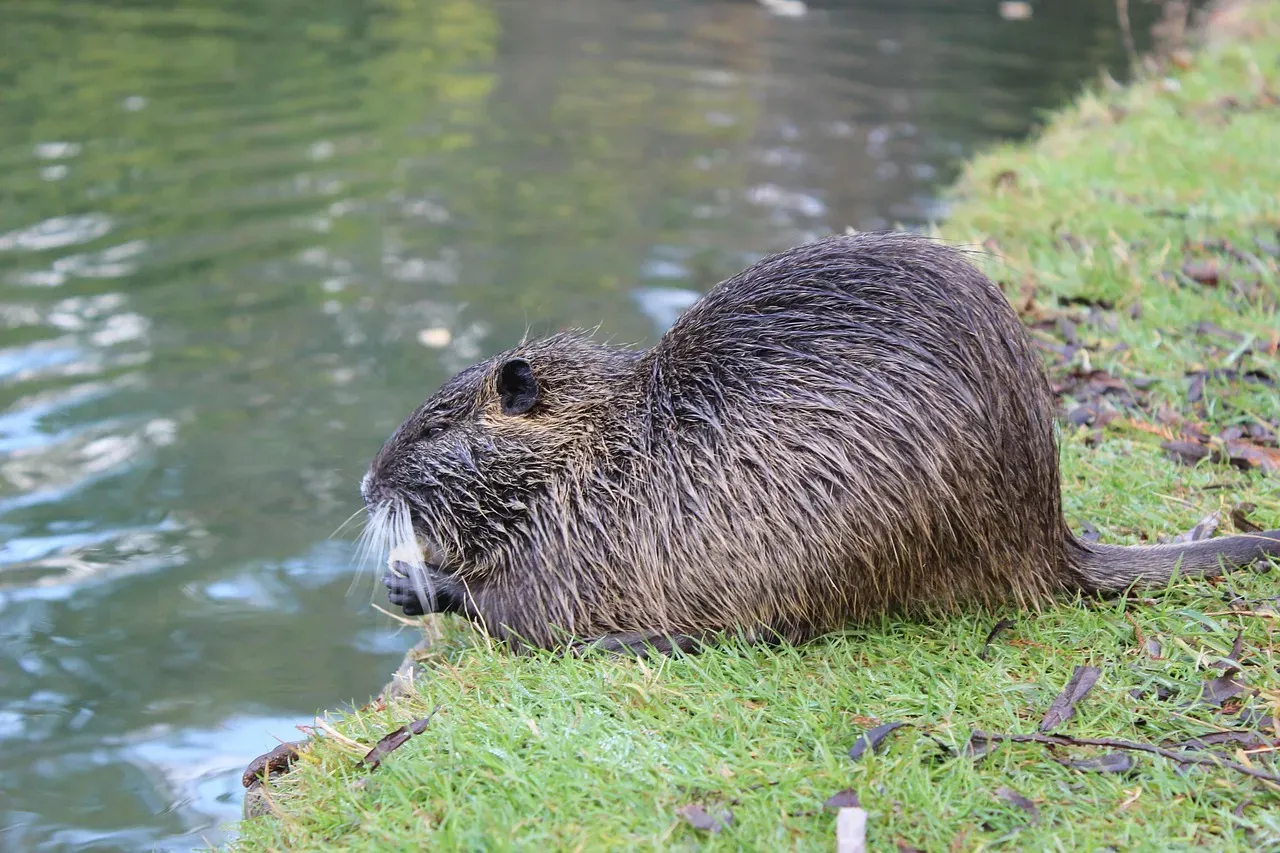
Montana is known for numerous beaver-influenced watersheds, and honestly, that’s putting it mildly. Drive through western Montana and you’ll spot their handiwork everywhere. The state’s vast network of streams and rivers provides ideal habitat for these ecosystem engineers, and they’ve taken full advantage.
What makes Montana particularly attractive to beavers is the abundance of willow, aspen, and cottonwood trees along waterways. These are like candy to a beaver. The state’s cold, clear mountain streams create perfect conditions for dam building, and the beavers here have been busy reshaping entire valleys.
Montana’s beaver population has rebounded so successfully that they’re now considered a keystone species in the state’s ecology. Their dams create wetlands that benefit everything from moose to migratory birds. It’s hard to say for sure exactly how many beavers call Montana home, but the sheer number of beaver ponds dotting the landscape tells the story.
Idaho: The Parachuting Beaver Capital
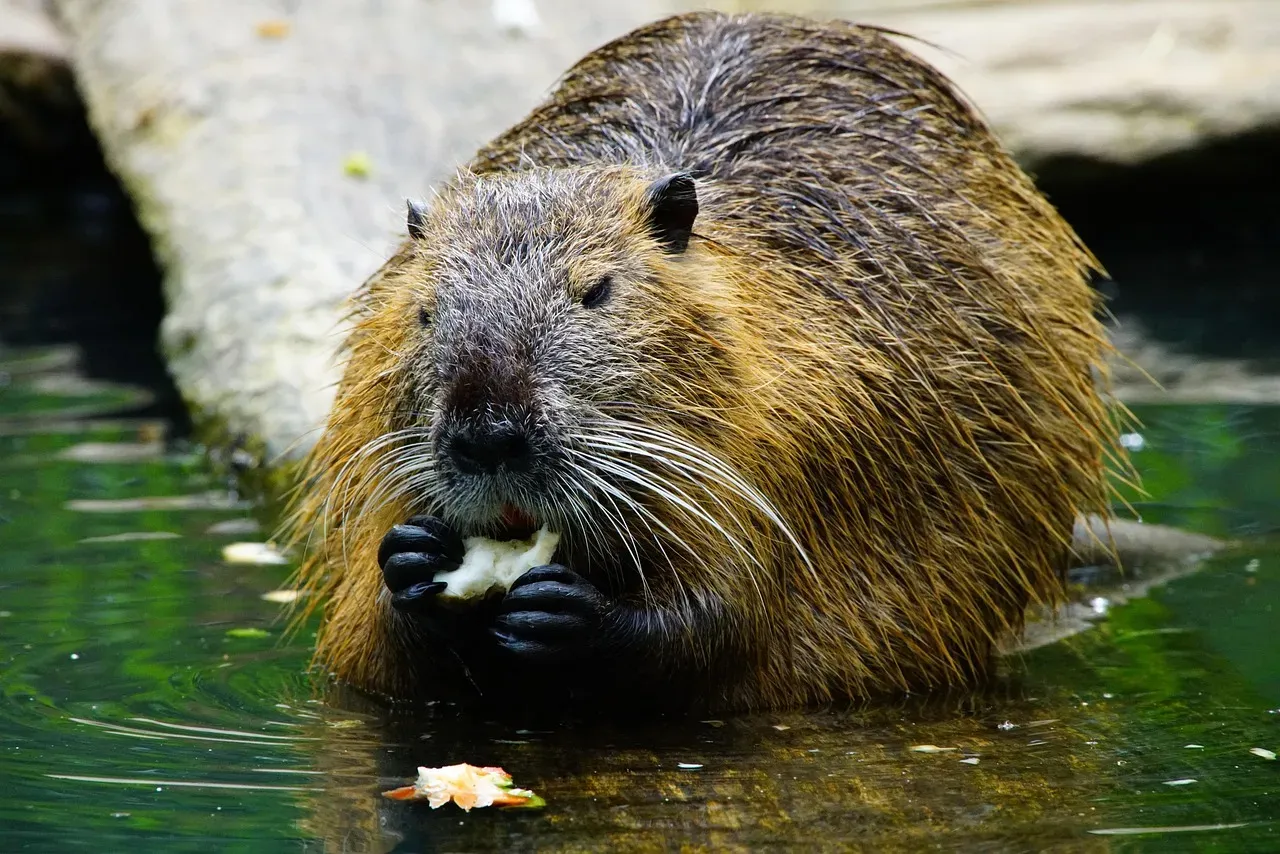
Idaho is home to substantial beaver populations across its rivers and streams. This state takes beaver restoration seriously, and they have one of the wildest wildlife stories you’ll ever hear. In 1948, Idaho parachuted 76 beavers into remote mountain areas, and 75 survived. Yes, you read that right. They literally dropped beavers from airplanes.
Several hundred beaver reintroductions have occurred in Idaho over the last decade. The state has embraced these animals as natural restoration tools, particularly in areas affected by wildfires and drought. Idaho ranchers have gone from seeing beavers as pests to recruiting them onto their land because the wetlands they create provide water for cattle.
NASA has even gotten involved, using satellite imagery to track how Idaho’s reintroduced beavers are greening the landscape. One ranch near Preston, Idaho now has more than 200 beaver dams along Birch Creek, resulting in the stream flowing 40 days longer into the year. That’s the kind of impact these animals have when given the chance.
Oregon: The Official Beaver State
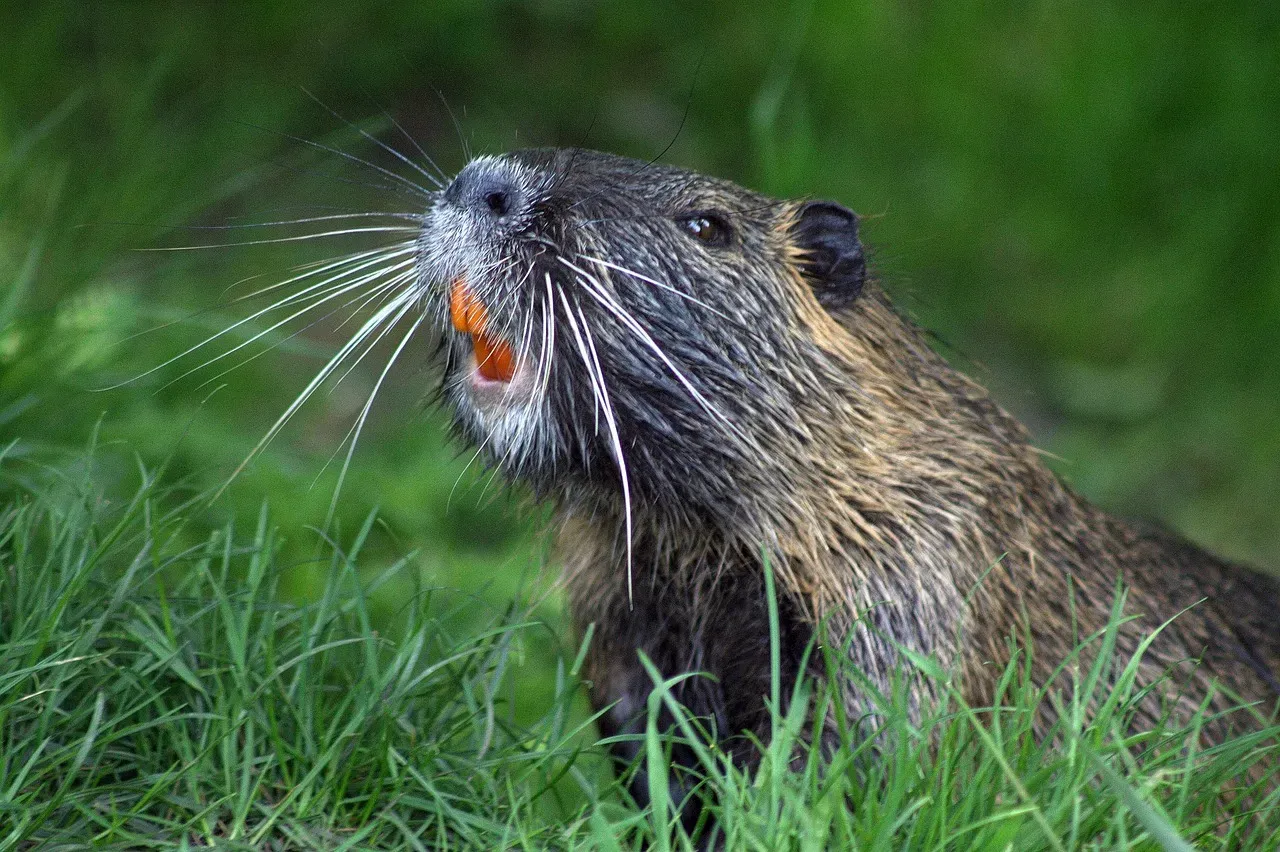
Oregon’s beavers are abundant and considered a key part of the ecosystem. There’s a reason Oregon chose the beaver as its official state mammal. The state’s identity is literally tied to these animals, dating back to when beaver pelts were the primary currency in the region.
Oregon’s landscape is tailor-made for beavers. From the coastal rainforests to the high desert streams of eastern Oregon, you’ll find beaver populations thriving. The state has countless perennial streams and rivers that provide year-round habitat, and the mild western Oregon climate means beavers can remain active throughout winter.
What’s interesting about Oregon is how attitudes have shifted. People used to see beavers as nuisances that flooded roads and cropland. Now there’s growing recognition that beaver ponds act as natural firebreaks during wildfire season and store water during droughts. Oregon’s beaver population continues to expand, recolonizing areas where they were absent for over a century.
Washington: Pacific Northwest Beaver Paradise
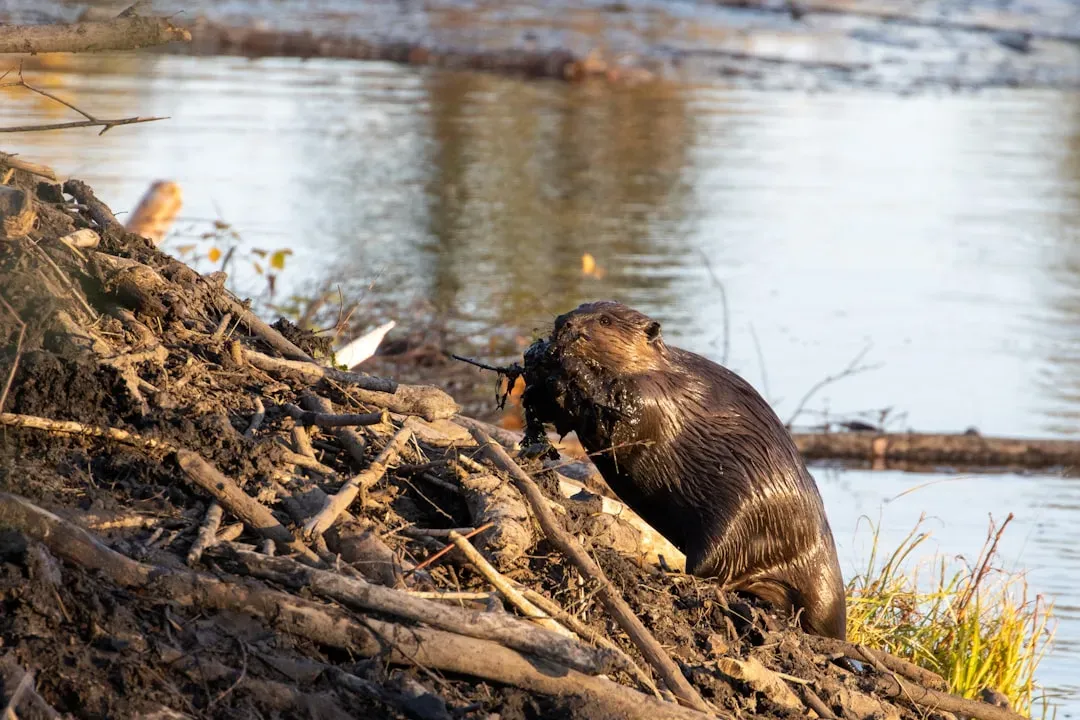
Washington’s beavers are common throughout the state’s varied habitats, from the temperate rainforests of the Olympic Peninsula to the drier eastern side of the Cascades. The state’s extensive river systems and wetlands create ideal conditions for massive beaver populations.
Washington has taken a progressive approach to beaver management. Instead of removing them when conflicts arise, many communities are installing pond levelers and other flow devices that allow beavers to build dams without flooding human infrastructure. It’s a win for everyone involved.
The coastal areas of Washington, with their lush vegetation and abundant rainfall, support particularly dense beaver populations. Populations are most abundant in the coastal Olympic Mountains and in the coast range of Washington and Oregon. These beavers have access to ideal food sources like alder and willow, which grow prolifically in the moist climate.
Seattle has even embraced urban beavers, installing management systems that allow them to thrive in city parks. It’s remarkable to think that less than a century ago, beavers were nearly extinct in the state.
Minnesota: Land of 10,000 Lakes and Countless Beavers
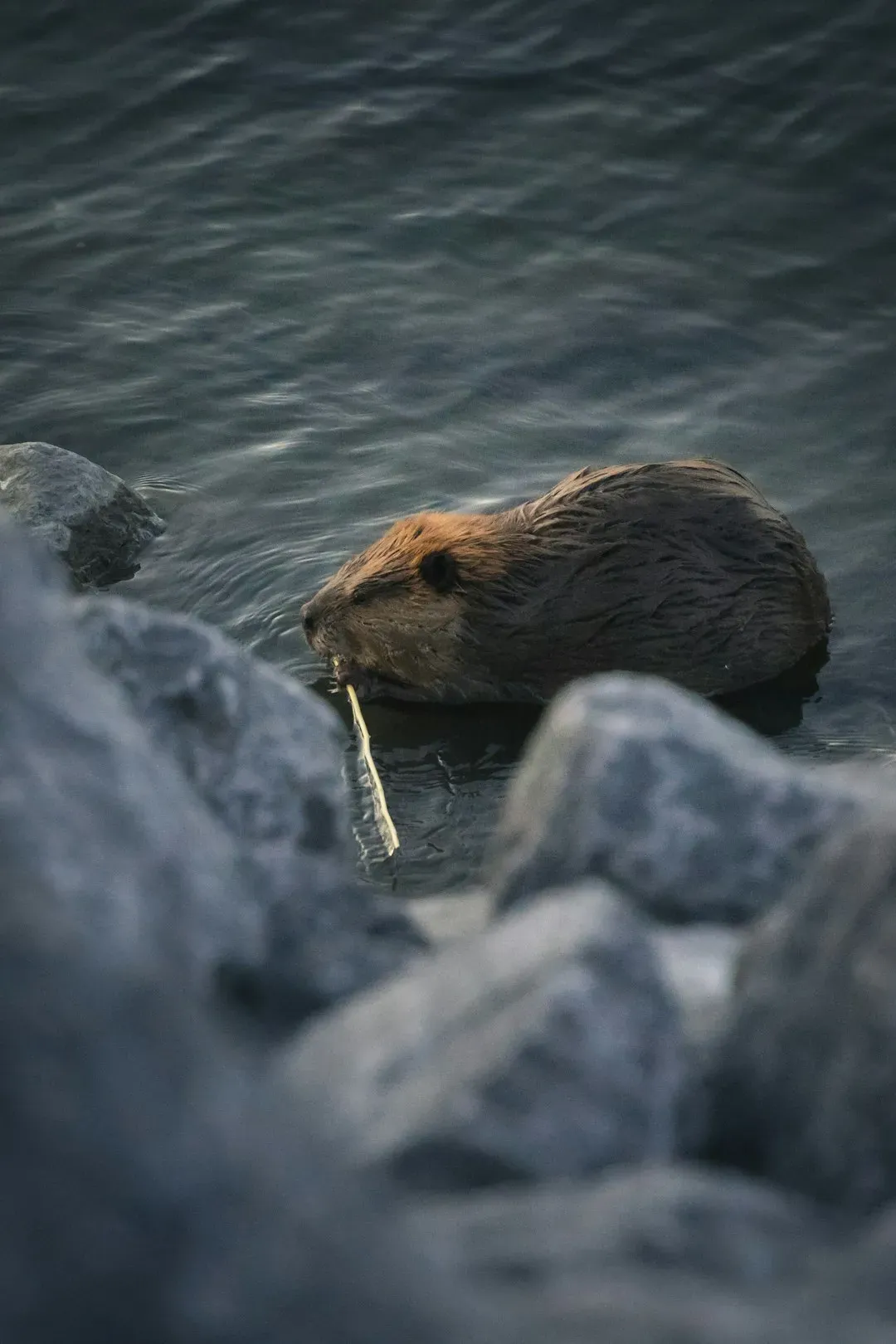
Minnesota is abundant with wetlands and suitable beaver habitats. Beavers are presently abundant in Minnesota, and that might be the understatement of the century. Beavers now occur in every Minnesota county, making them one of the state’s most widespread mammals.
Prior to settlement, the Western Great Lakes landscape had one of the highest beaver population densities in North America, averaging 20 to 30 beavers per square mile. While current densities don’t quite match those historic levels, Minnesota’s beaver population has made an impressive comeback. Roughly 20 to 30 thousand beavers are harvested each season in Minnesota under state trapping and game laws, which gives you some idea of just how many are out there.
Minnesota’s countless lakes, rivers, and wetlands provide endless opportunities for beaver colonies. The state’s northern regions, with their extensive forests and slow-moving streams, are particularly beaver-friendly. These animals have become so common that managing conflicts with human development has become a significant challenge for wildlife officials.
Michigan: Upper Peninsula Beaver Country
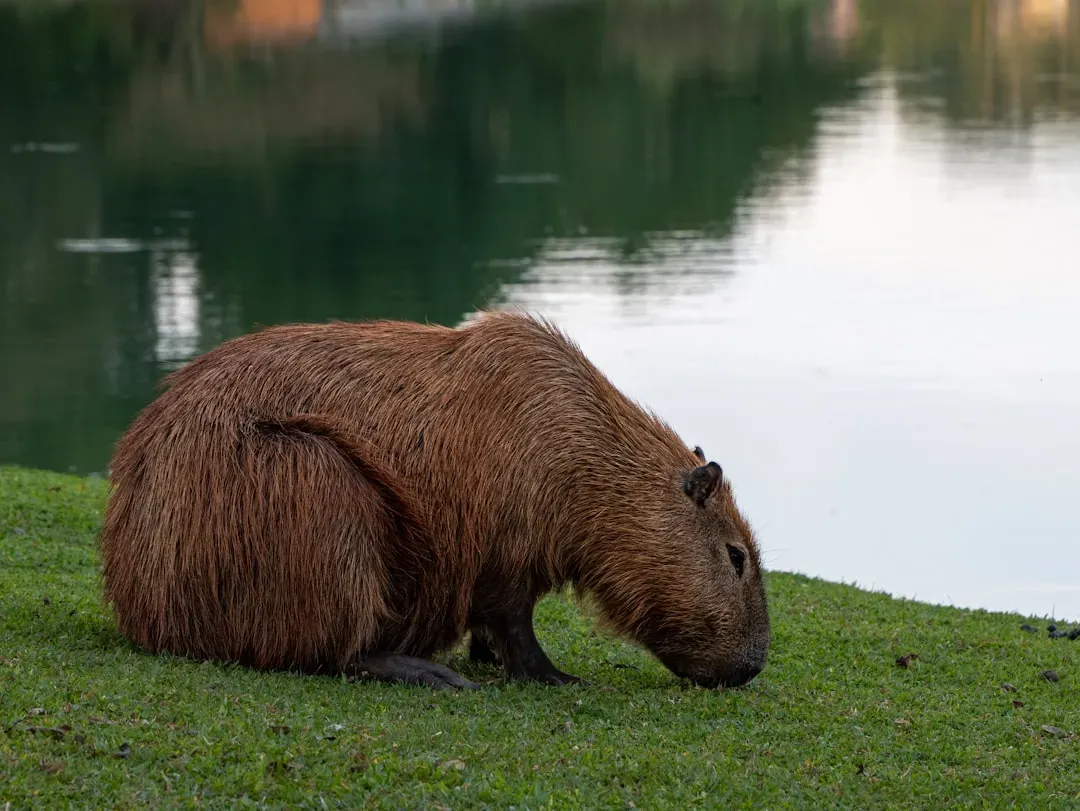
Michigan, the Great Lakes State, provides ample areas for beavers, and they’ve colonized virtually every suitable waterway. Michigan’s extensive freshwater resources make it a beaver paradise, particularly in the Upper Peninsula where human development is less intense.
Michigan has documented beavers recolonizing Detroit, proving these animals can adapt to almost any environment with water and trees. From urban ponds to remote wilderness streams, Michigan’s beavers are everywhere. The state’s numerous rivers, including the Au Sable and Manistee, support thriving beaver populations.
What’s particularly notable about Michigan is how beaver populations have recovered in areas where they were completely absent for decades. Conservation efforts and regulated trapping have allowed populations to stabilize at healthy levels. The state’s cold winters don’t deter these hardy rodents, whose thick fur and underwater food caches allow them to thrive year-round.
Michigan biologists have documented how beaver wetlands support incredible biodiversity, from rare dragonflies to migratory waterfowl. The Upper Peninsula’s extensive forests and wetlands create optimal beaver habitat, and populations there remain strong and stable.
Conclusion
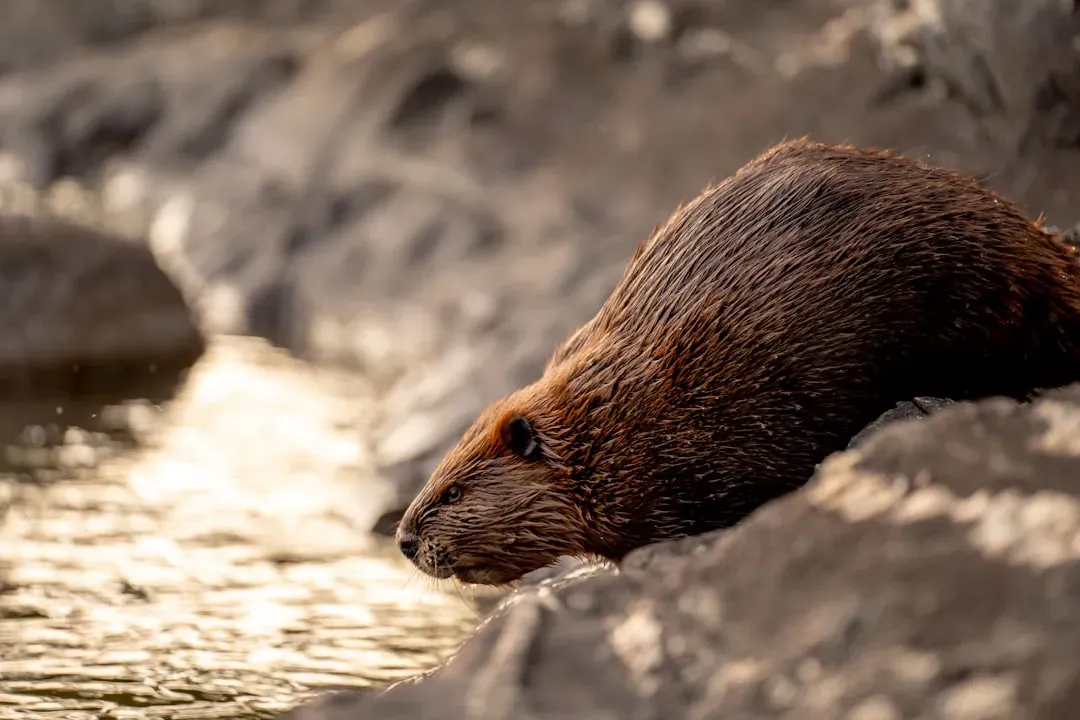
The beaver’s recovery across these six states represents one of North America’s greatest conservation success stories. From near extinction to thriving populations, these animals have reclaimed their role as ecosystem engineers. Montana’s mountain streams, Idaho’s innovative restoration projects, Oregon’s coastal rainforests, Washington’s progressive management, Minnesota’s wetland abundance, and Michigan’s Great Lakes region all demonstrate how giving wildlife a chance can lead to remarkable results.
These states have learned what Indigenous peoples knew for millennia: beavers are vital to landscape health. Their dams store water during droughts, reduce flooding during storms, filter pollutants, and create habitat for countless other species. As climate change intensifies, the value of beaver wetlands becomes increasingly clear.
What surprises you most about where beavers are thriving? Have you spotted evidence of their work in your own area?
