


Winter can feel like a dangerous time for goldfish keepers. You’re probably staring out at your backyard pond as temperatures drop, wondering whether your finned friends will make it through the cold months ahead. Maybe you’ve even noticed your goldfish becoming sluggish or refusing to eat.
Let’s be real, the survival of outdoor goldfish during winter hinges on a few critical factors. Whether your fish thrive or struggle depends largely on how you prepare them and their environment before the frost sets in. Inside tanks have their own challenges, too. Honestly, it’s worth paying attention to these details now rather than discovering problems in the spring.
Understanding How Goldfish Adapt to Cold Temperatures
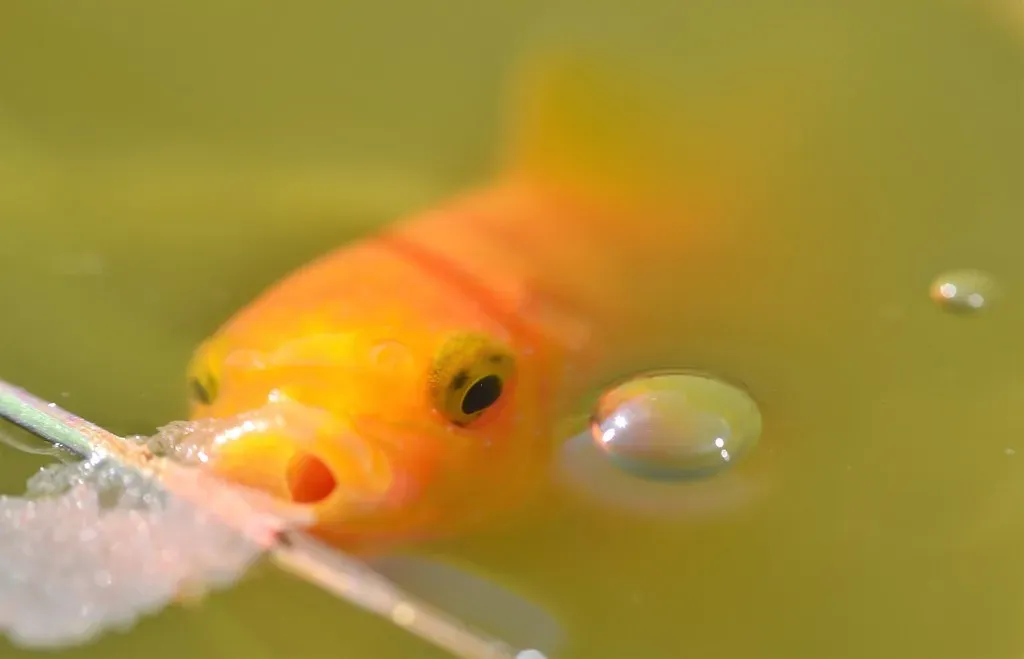
Goldfish enter a semi-dormant state called torpor in the winter. Think of it like hibernation, except they don’t sleep through the entire season. They are adapted to surviving harsh winters by slowing down their body processes.
Their metabolism drops significantly once the water chills. Goldfish are cold-water fish that are accustomed to temperatures between 60 and 70 degrees Fahrenheit, and when water drops substantially below this level, they stop eating and go into a state of dormancy. During torpor, fish conserve energy and settle near the bottom where water stays slightly warmer. It’s pretty fascinating how nature designed them to survive frozen ponds in the wild.
Preparing Your Pond Goldfish Before Winter Arrives
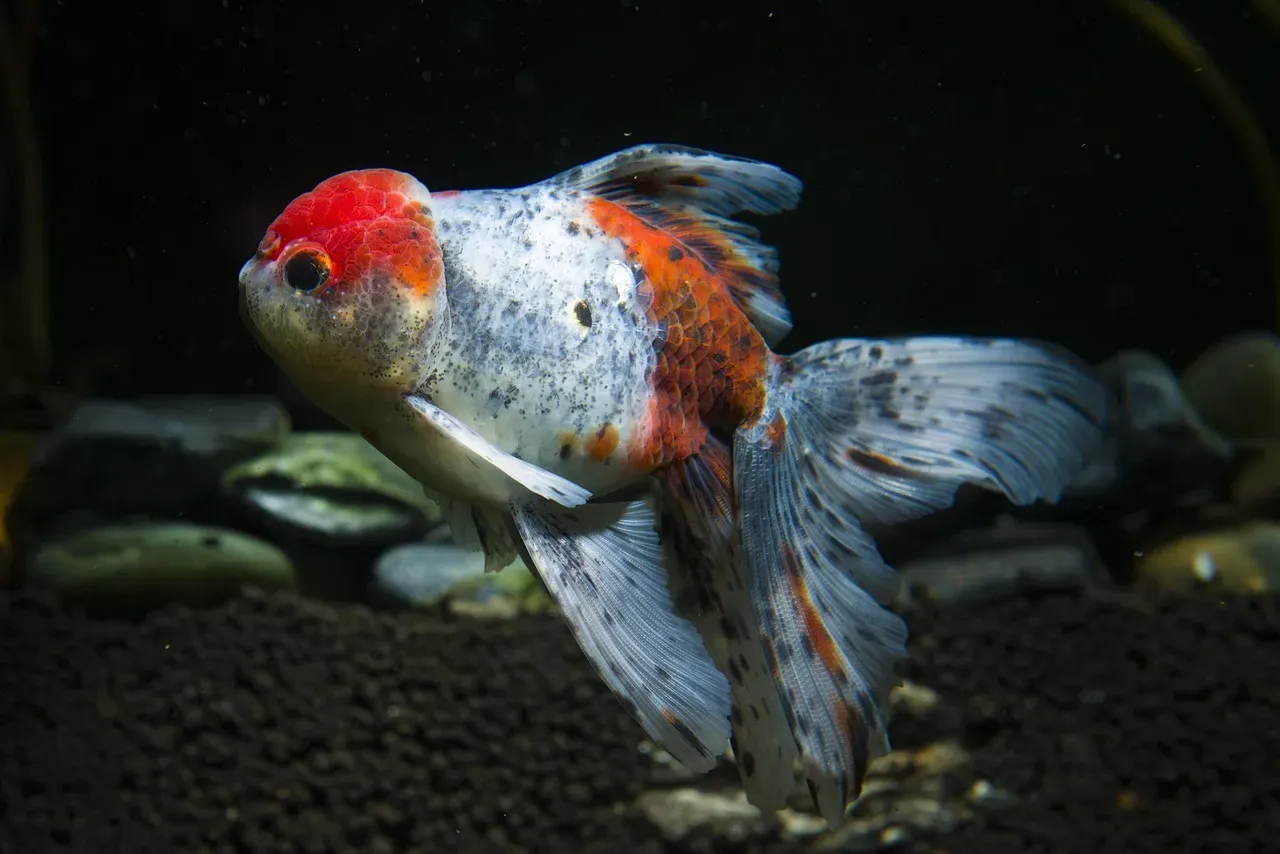
Here’s the thing, winter preparation actually begins during summer. Keeping your goldfish alive through the winter starts in the summer by giving a high-protein food to help them build up fat stores that will sustain them during hibernation. Those fat reserves become critical when fish stop eating entirely.
When the weather cools below 60 degrees Fahrenheit in the daytime, change the food to an easy-to-digest wheat germ variety. Then as temperatures continue dropping, watch their behavior carefully. As water temperatures drop below 50 degrees you should stop feeding altogether until spring when the temperature remains above 50. If you notice uneaten food floating, that’s your signal to stop feeding immediately.
Ensuring Proper Pond Depth and Preventing Complete Freezing
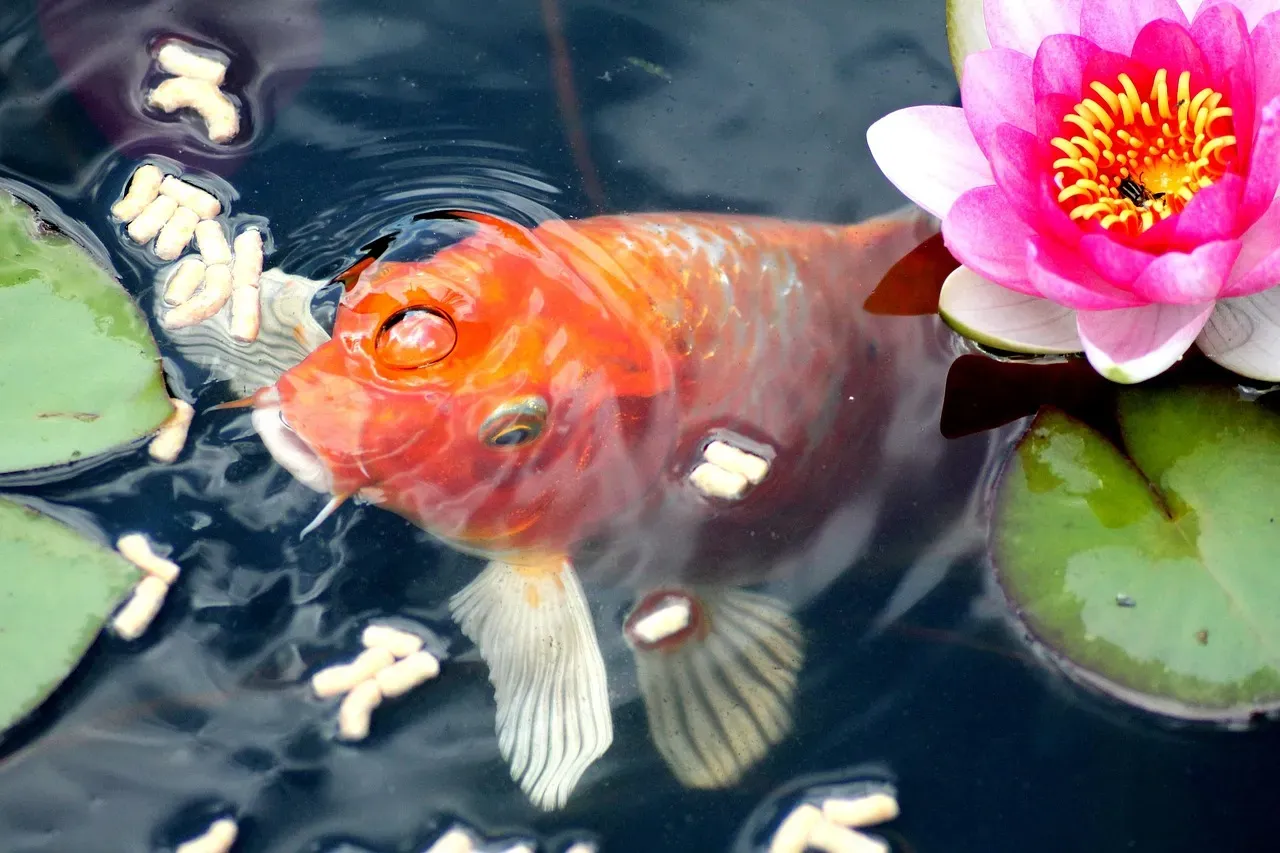
Depth matters more than most people realize. For goldfish to stay in the pond during winter it needs to be at least 2 feet deep, which keeps the water from freezing all the way. Shallow ponds pose serious risks because they can freeze solid, which would be fatal for your fish.
As long as the water body is deeper than 3ft, goldfish can escape freezing to death by submerging themselves deeper to the bed of the pond. The deeper sections remain warmer even when the surface ices over. I think this is why serious goldfish keepers always emphasize pond depth during construction. Those extra feet of depth literally create a refuge zone where fish can wait out the winter.
Maintaining Oxygen Levels and Gas Exchange Through Ice
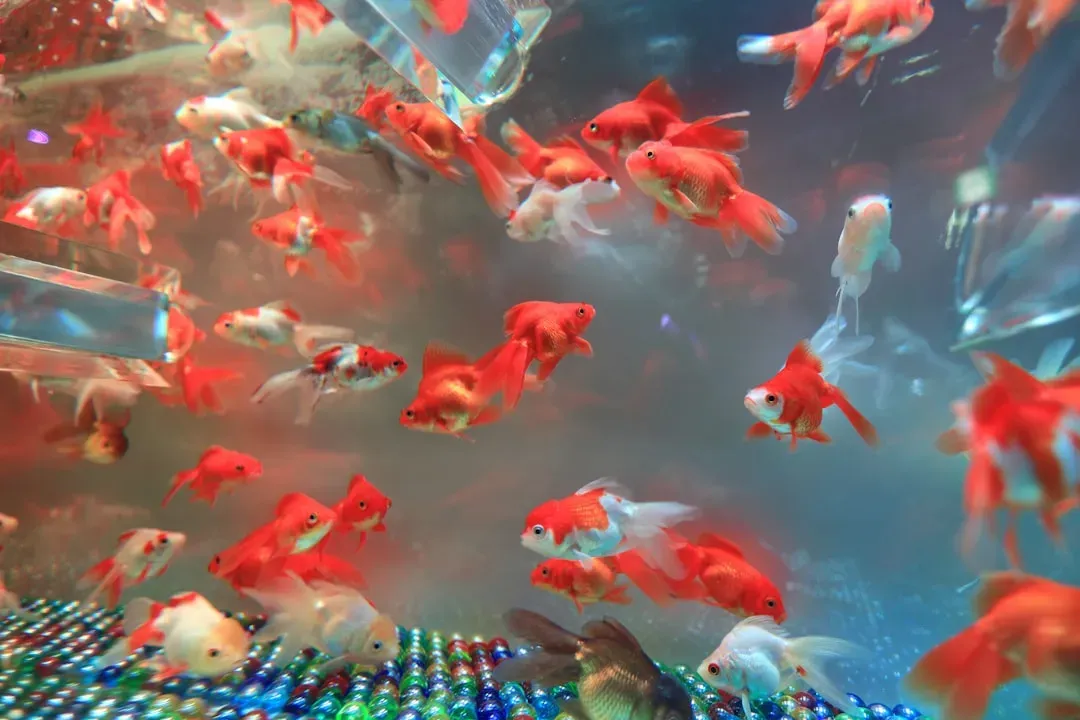
In colder temperatures, particularly if there is ice in the water, water oxygen levels drop, and goldfish may suffocate if oxygen levels are too low. This might be the single most critical winter challenge. When ice forms a complete seal over the pond surface, toxic gases from decomposing matter get trapped underneath while fresh oxygen can’t enter.
An aerator running in your pond at all times keeps the water stirred and promotes the exchange of gases, and is a lot more economical than a pond heater while oxygenating the water. The hole doesn’t need to be large, about 12 inches in diameter is usually sufficient, but it needs to remain open all winter. You can create an opening by pouring warm water on the ice or using a floating de-icer, which contains a heating element that keeps a small area ice-free.
Managing Pond Equipment and Winter Maintenance
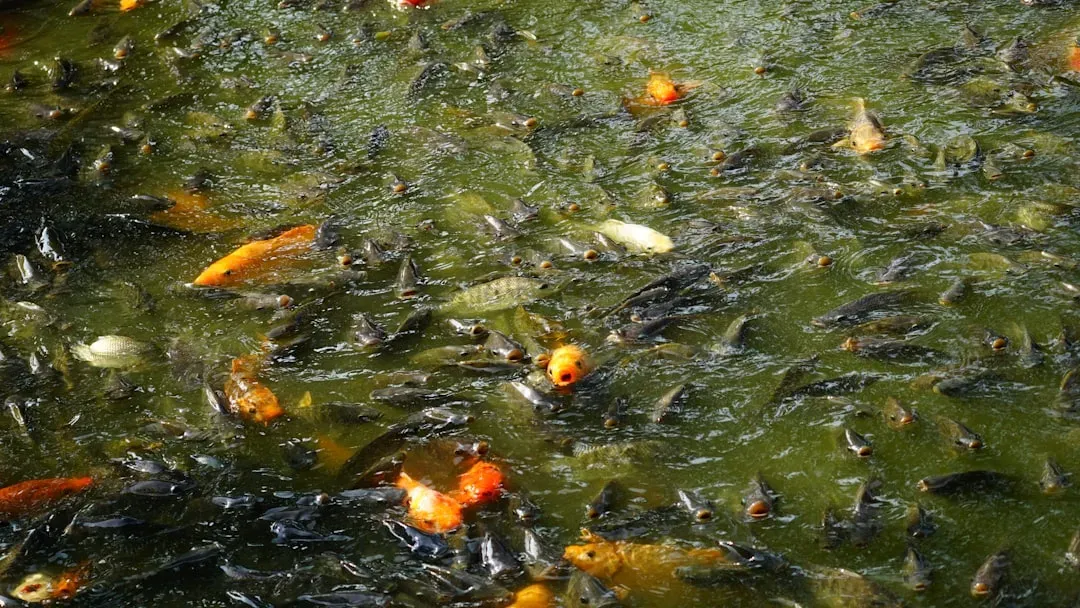
Many pond pumps and filter systems aren’t designed to work in cold temperatures, so check your system’s specifications to find its lowest operating temperature, and turn it off when it gets too cold. Running equipment in freezing conditions can damage or completely ruin pumps and filters.
Clean your pond thoroughly in late autumn. Clean out the pond to remove as many leaves, twigs or other debris as possible, as these decompose in the water and remove oxygen that the fish need. Less organic matter means fewer toxic gases building up under ice. Some people install pond covers or shelters to reduce debris accumulation and provide additional insulation, though proper ventilation gaps are essential.
Caring for Indoor Goldfish Tanks During Winter
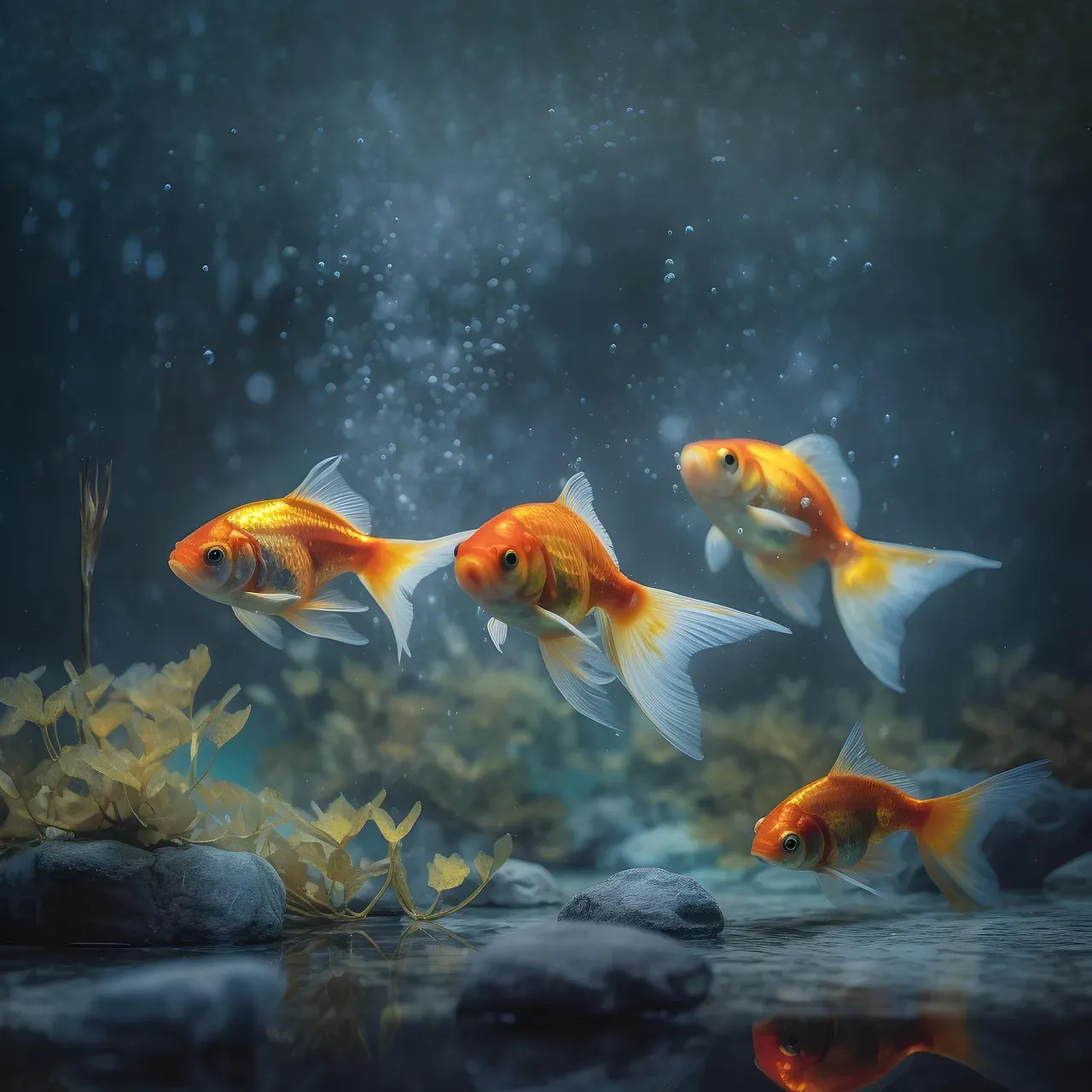
Indoor goldfish face different challenges than outdoor pond fish. Room temperatures can fluctuate more than you’d expect, especially near windows or exterior walls. While the water temperature is unlikely to fall out of a safe range for your fish indoors, it will still fluctuate depending on the ambient temperature of the room, and fluctuations aren’t good for goldfish, so it’s best to keep their tank’s temperature stable by using a heater.
If you need to bring outdoor fish inside temporarily, use pond water to fill their indoor tank whenever possible. Using pond water means the fish are used to the same temperature, and the hours of acclimation will not be needed, therefore minimising stress. Strong filtration becomes even more important in smaller indoor spaces since waste accumulates faster in confined quarters.

As a little kid, I fell in love with nature, wildlife, and animals. Living in the USA, South Africa, Italy, China and Germany gave me the opportunity to discover the world's Wildlife. My favorite animals are Mountain Gorillas, Siberian Tigers, and Great White Sharks.
I'm a certified PADI Open Water Diver, went to Everest Base Camp and Trekked Gorillas in Uganda. I hold a Master of Science in Economics and Finance.
Please send any feedback to feedback@animalsaroundtheglobe.com
- 14 Stunning Animals You Can See in India - July 18, 2026
- The Most Enormous Lobster Ever Pulled From Maine Waters - July 18, 2026
- The Most Dangerous Waters for Sharks in North America - July 18, 2026