


Have you ever looked at a mountain and wondered what makes it truly dangerous? Most people assume height equals risk, but honestly, that’s not always the case. ‘s deadliest peaks are killers for far more complex reasons, from unpredictable avalanches to technical climbing sections that would make even experienced mountaineers sweat. It’s hard to say for sure which one terrifies climbers the most, but the statistics paint a chilling picture.
These aren’t just challenges written in stone and ice. They’re reminders that nature doesn’t care about your experience or equipment. So let’s explore the mountains where reaching the summit might be the last thing you ever do.
Annapurna I: The Ultimate Killer
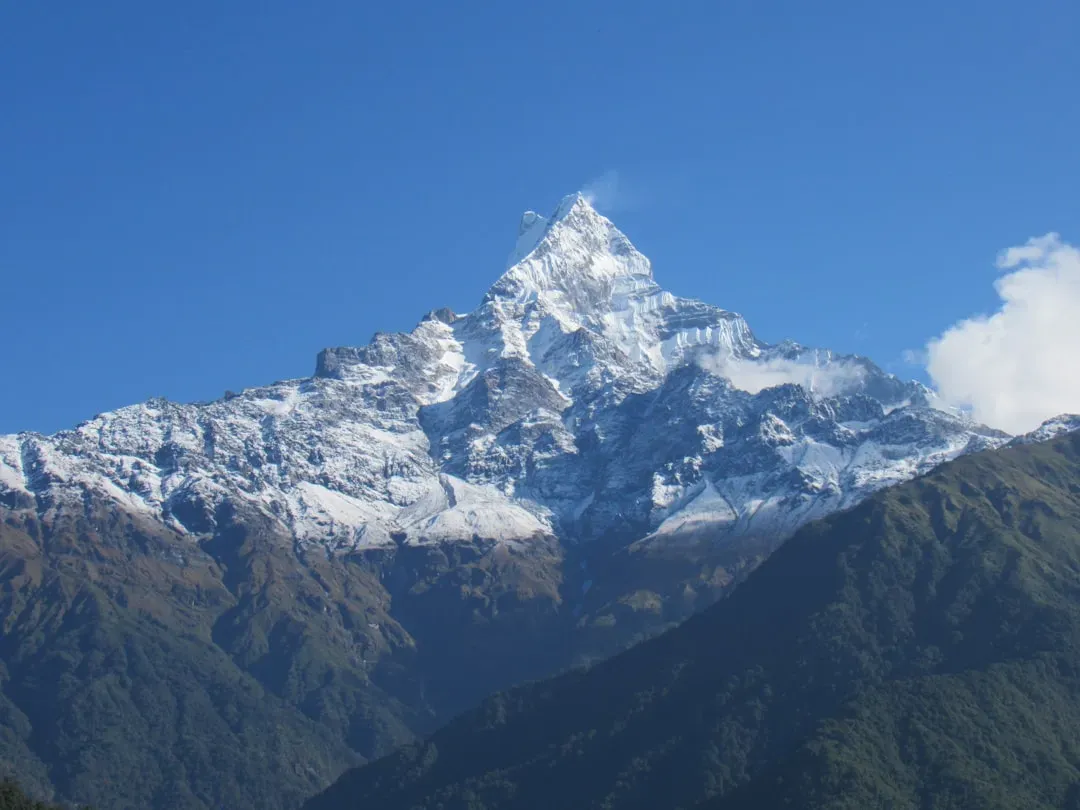
Annapurna I is considered the most dangerous mountain to climb , and with a notorious climber death rate, this peak has the darkest history of ascents and highest mortality statistics. Standing at just over eight thousand meters, it’s the tenth highest mountain globally. Yet here’s the thing: roughly one in three climbers who attempt this beast never make it back down alive.
As of April 2025, 75 deaths have occurred on its slopes. The high-risk challenges include avalanches and notorious ice and rock sections, on top of the usual demands that come with climbing such a huge peak. The mountain’s unpredictable weather can shift from manageable to deadly in minutes, trapping climbers in whiteout conditions or burying them under tonnes of snow. Think about it: no amount of preparation truly shields you from the raw chaos that defines Annapurna’s reputation.
K2: The Savage Mountain
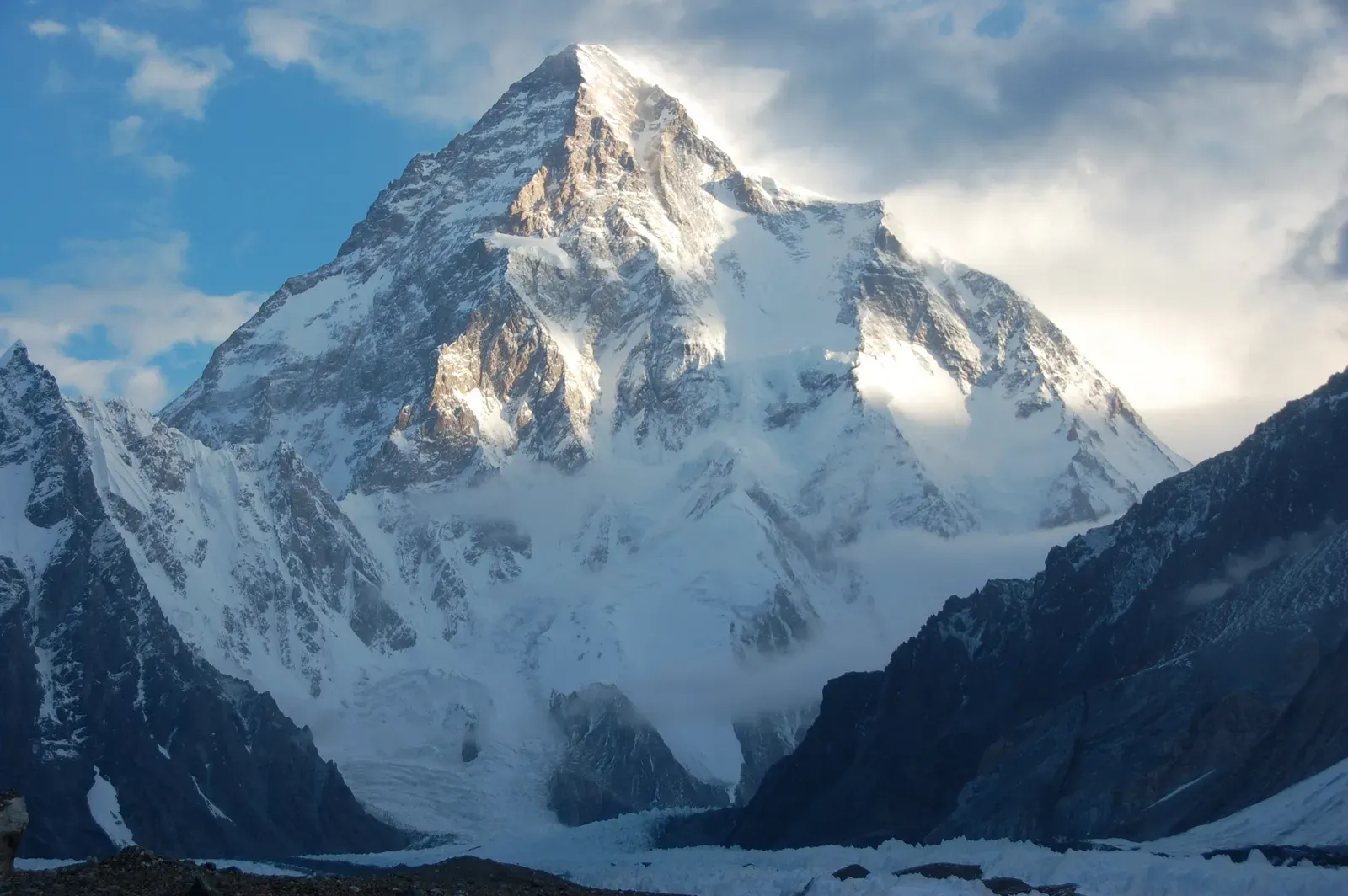
K2 ranks second in mortality with a rate somewhere between 23 and 25 percent, and doesn’t have reliable ascent statistics, but ranks second in mortality after Annapurna which makes it the second deadliest mountain . I think there’s something almost poetic about how this peak, the second tallest on Earth, is far more feared than its taller sibling, Everest. Climbers call it the Savage Mountain for good reason.
One of the most dangerous sections is the “Bottleneck,” where climbers must navigate an overhanging ice feature with unreliable ice blocks often collapsing along with climbers. As of August 2023, an estimated 800 people had completed a summit, and 96 had died on the mountain. The technical difficulty is relentless. Even on the easiest route, you’re traversing glaciers and climbing steep rocks under brutal temperatures, crushing winds, and suffocating oxygen deficiency.
Nanga Parbat: The Killer Mountain
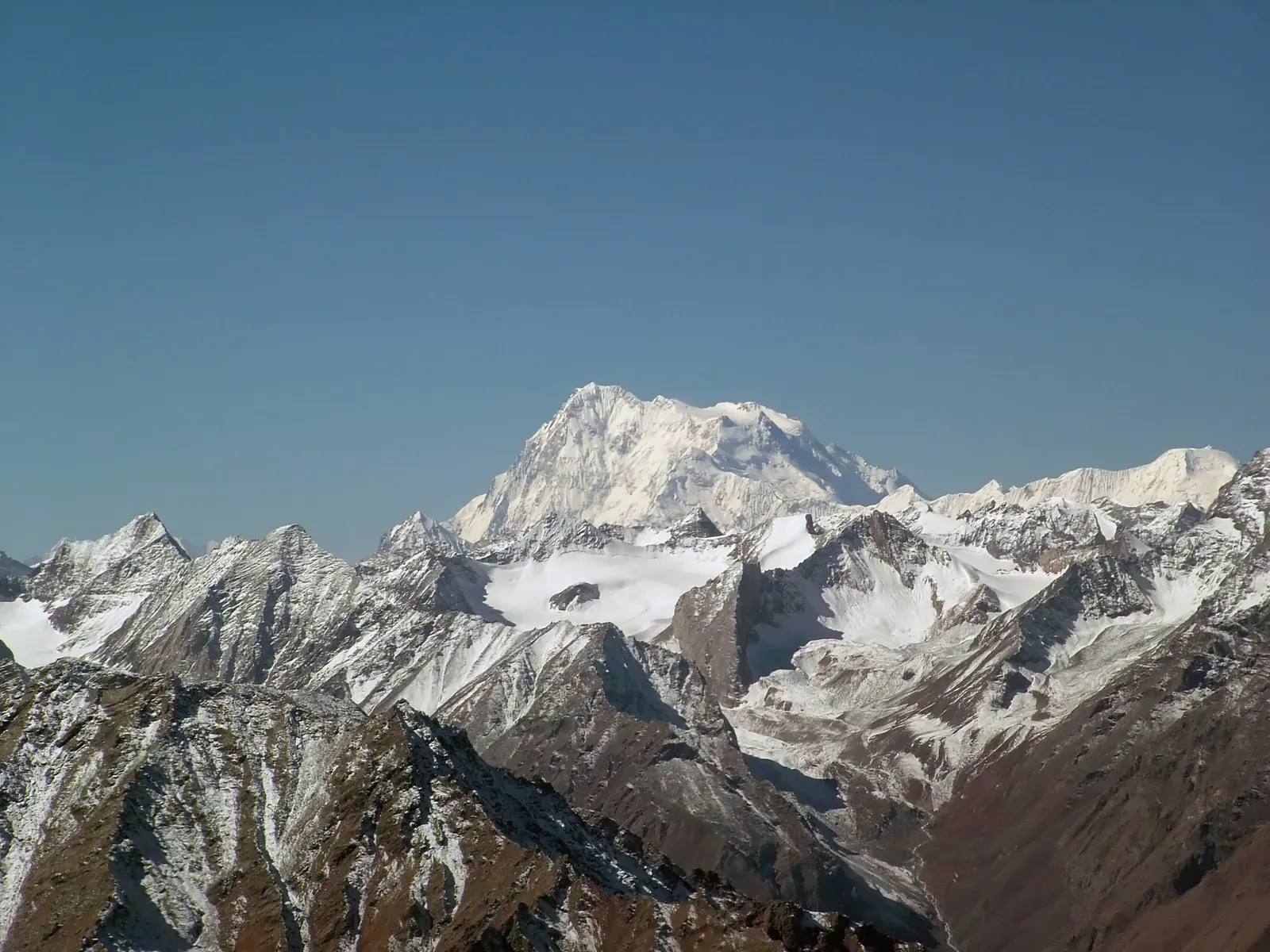
Let’s be real, Nanga Parbat earned its nickname “Killer Mountain” through decades of tragedy. The fatality rate is approximately 21 deaths per 100 successful summits. Located in Pakistan, this monster stands as the ninth highest peak , but don’t let that ranking fool you.
The route to the summit runs along a narrow ridge, and on the southern side is the Rupal face, the largest rock and ice wall on Earth at nearly 5,000 meters, and before the first successful ascent, Nanga Parbat had claimed at least 31 climbers’ lives. Frequent avalanches strike without warning. In addition to the large number of climbing deaths, 11 mountaineers were killed in 2013 by Taliban. That’s right, sometimes the danger isn’t just the mountain itself.
Kangchenjunga: The Isolated Giant
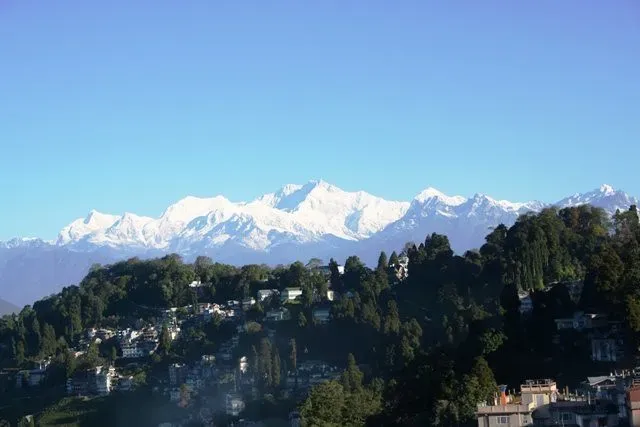
Kangchenjunga’s fatality rate hovers at approximately 15 deaths per 100 successful summits, and the mountain’s isolation, extreme weather, and avalanche-prone slopes pose significant challenges to climbers. As the third highest mountain , it towers over the border between Nepal and India with an almost mystical reputation. Some climbers whisper about its particularly harsh treatment of women, though that’s likely more superstition than fact.
Despite modern improvements to climbing gear, the fatality rate of summit attempts on Kangchenjunga is high, and while there had been 532 successful summits as of May 2022, 52 climbers had lost their lives on the mountain. The remote location means rescue operations are nightmarishly difficult. If something goes wrong up there, help might arrive too late or not at all.
Dhaulagiri I: The White Mountain
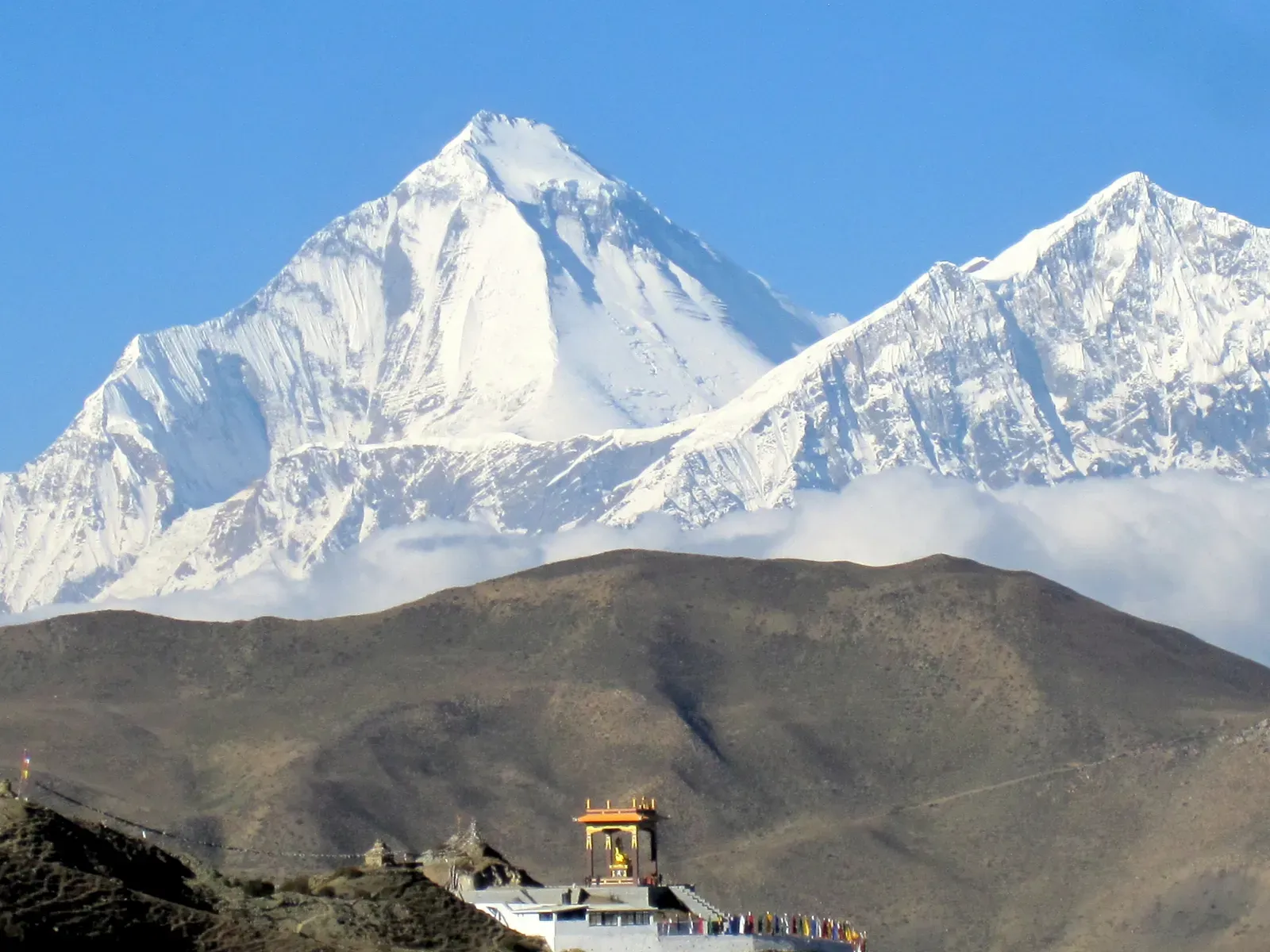
Dhaulagiri’s fatality rate stands at around 16 deaths per 100 successful summits, and the mountain is known for its unpredictable weather, steep icefalls, and challenging technical sections, demanding a high level of climbing proficiency and endurance. This is the seventh highest peak , sitting in Nepal’s stunning but unforgiving landscape.
There had been 691 successful ascents since the first one by a team led by Kurt Diemberger in 1960, and 87 people are known to have lost their lives on the slopes of Dhaulagiri I. The weather here is particularly brutal. Strong winds can blow climbers off narrow ridges, and avalanches cascade down steep slopes with terrifying regularity. It’s a mountain that tests every ounce of your endurance.
Makalu: The Pyramid Peak
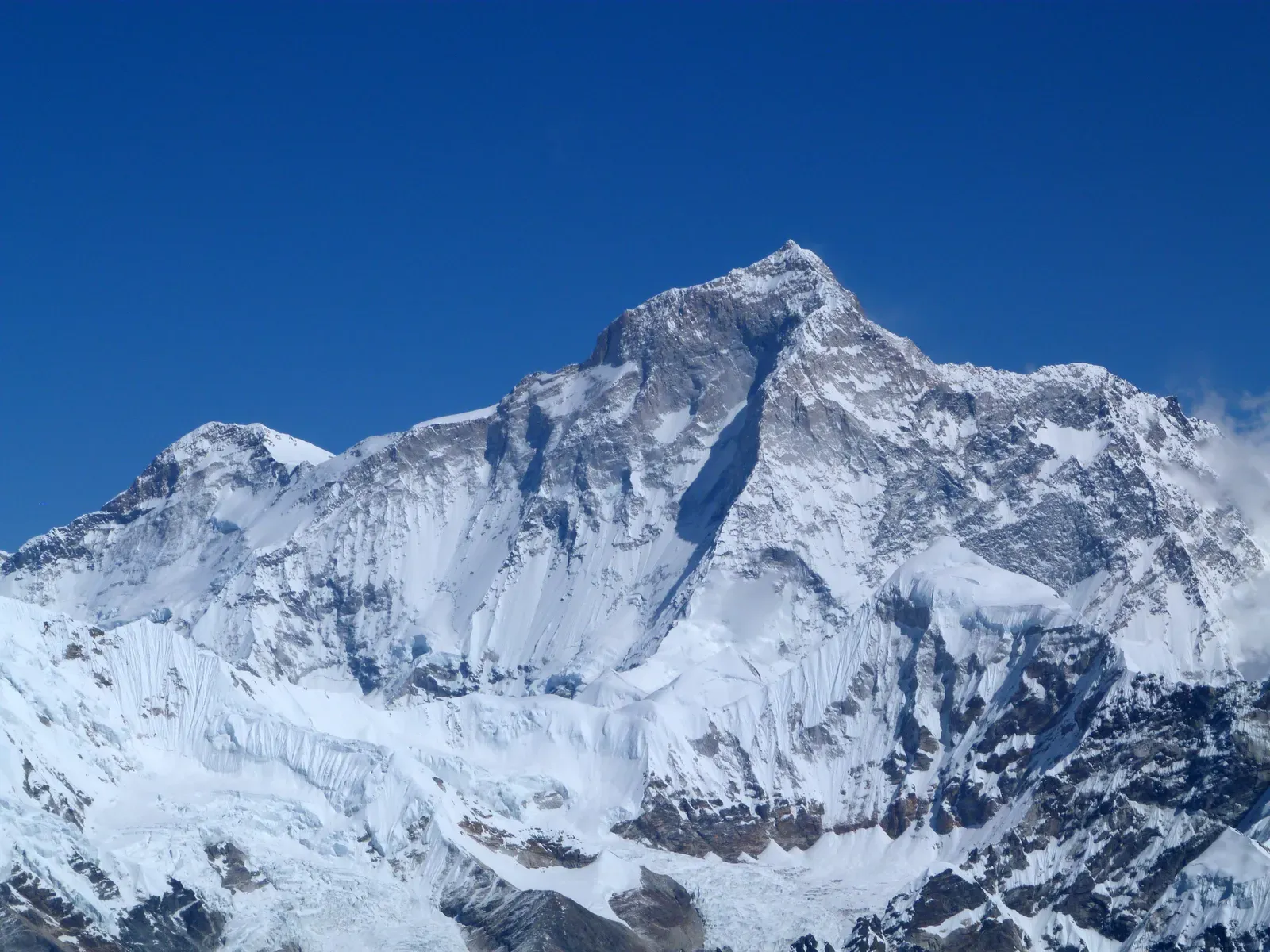
Makalu is the fifth highest mountain , and the four-sided pyramid-shaped peak has a fatality rate of about 14 deaths per 100 successful summits. Located in the Himalayas on the Nepal-China border, this mountain might not get as much attention as Everest, but it’s arguably more dangerous.
As of December 2024, there had been 800 successful summits of Makalu and 50 deaths on the mountain. The technical challenges are immense. Harsh weather conditions, extreme cold, high winds, avalanche risks, and steep exposed terrain create a gauntlet that even seasoned mountaineers struggle to navigate. Many who die here succumb during the descent when exhaustion clouds judgment.
Manaslu: The Mountain of the Spirit
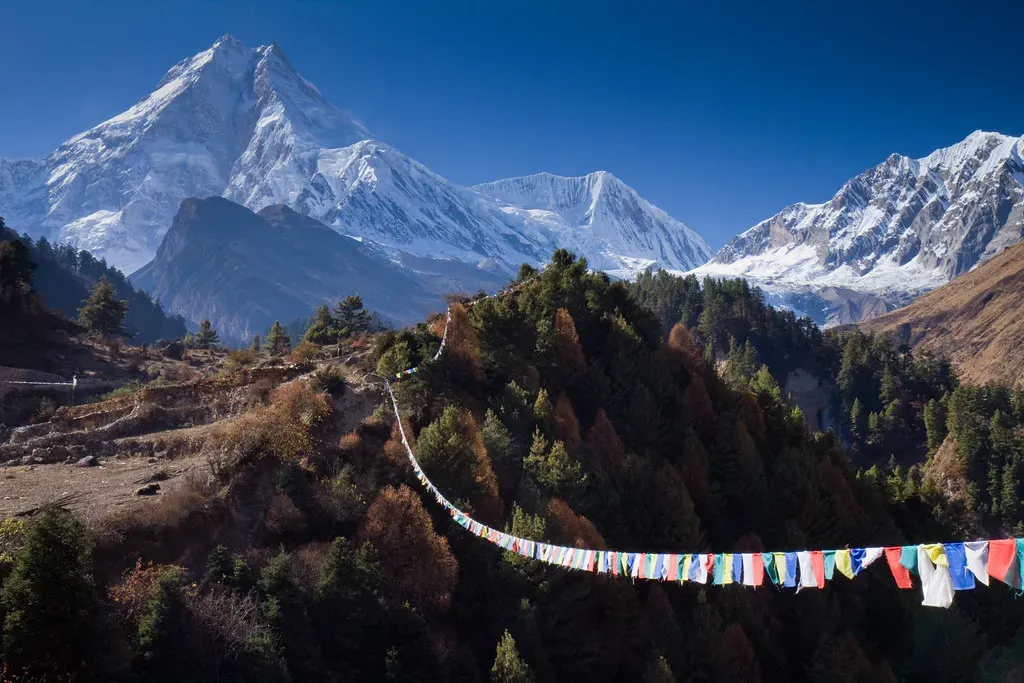
Manaslu, the 8th highest mountain globally, has a fatality rate of approximately 9 deaths per 100 successful summits, and the mountain is known for its steep and avalanche-prone slopes, particularly the “Manaslu Serac,” which is notorious for its risk. This peak has become a popular alternative to Everest in recent years, drawing hundreds of climbers each season.
As of December 2024, there is a total of 3,317 successful summits, with 90 people dying on the mountain. The lower death rate compared to Annapurna or K2 doesn’t mean it’s safe. Avalanches remain the primary killer, accounting for the vast majority of fatalities. The narrow paths and snow-covered ridges demand technical expertise and stamina that many underestimate.
Broad Peak: K3’s Shadow
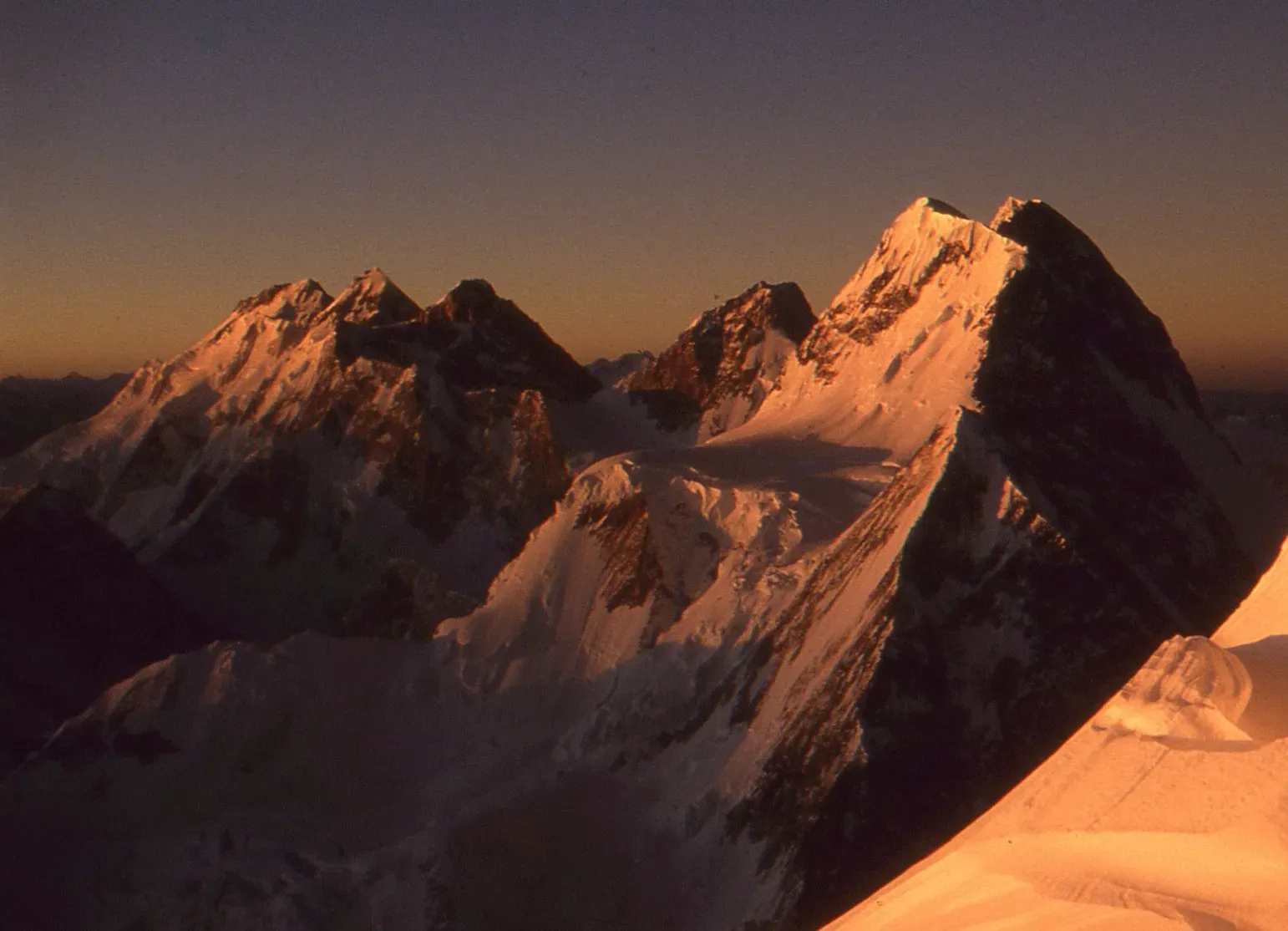
Broad Peak has a fatality rate of about 8 deaths per 100 successful summits, and is the 12th highest mountain presenting challenging technical climbing sections, particularly along its West Ridge, with the mountain’s unstable weather and high-altitude environment contributing to its reputation. Also known as K3, this peak sits in Pakistan’s Karakoram range, often overshadowed by its infamous neighbor K2.
The technical sections along the West Ridge are brutal. Unstable weather can trap climbers for days, forcing them to burn through precious supplies while huddled in tents. The high altitude environment wreaks havoc on the human body, and many climbers simply run out of strength before reaching safety.
Mount Everest: The Crowded Giant
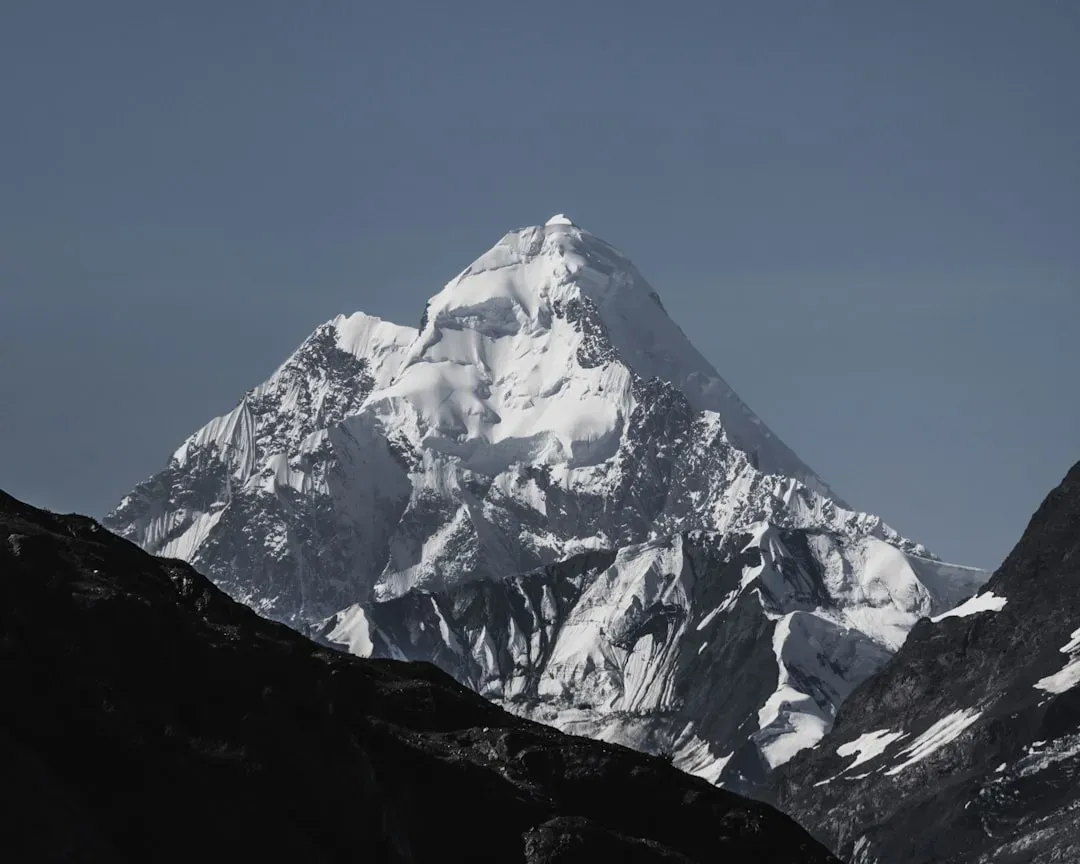
While Mount Everest captures global attention for being the tallest peak on Earth, it ranks relatively lower in terms of fatality rate at approximately 6.5 deaths per 100 successful summits. It’s surprising to many that the world’s highest mountain isn’t the deadliest. As of December 2024, there had been 12,884 successful summits, and 340 people had died either before or after reaching the peak.
However, don’t mistake these statistics for safety. Everest remains incredibly dangerous, with overcrowding creating new risks. The infamous “Death Zone” above eight thousand meters sees climbers queuing for hours in freezing conditions, depleting oxygen supplies while waiting their turn. The sheer number of attempts means Everest has claimed more lives in absolute numbers than any other mountain.
Lhotse: Everest’s Deadly Neighbor
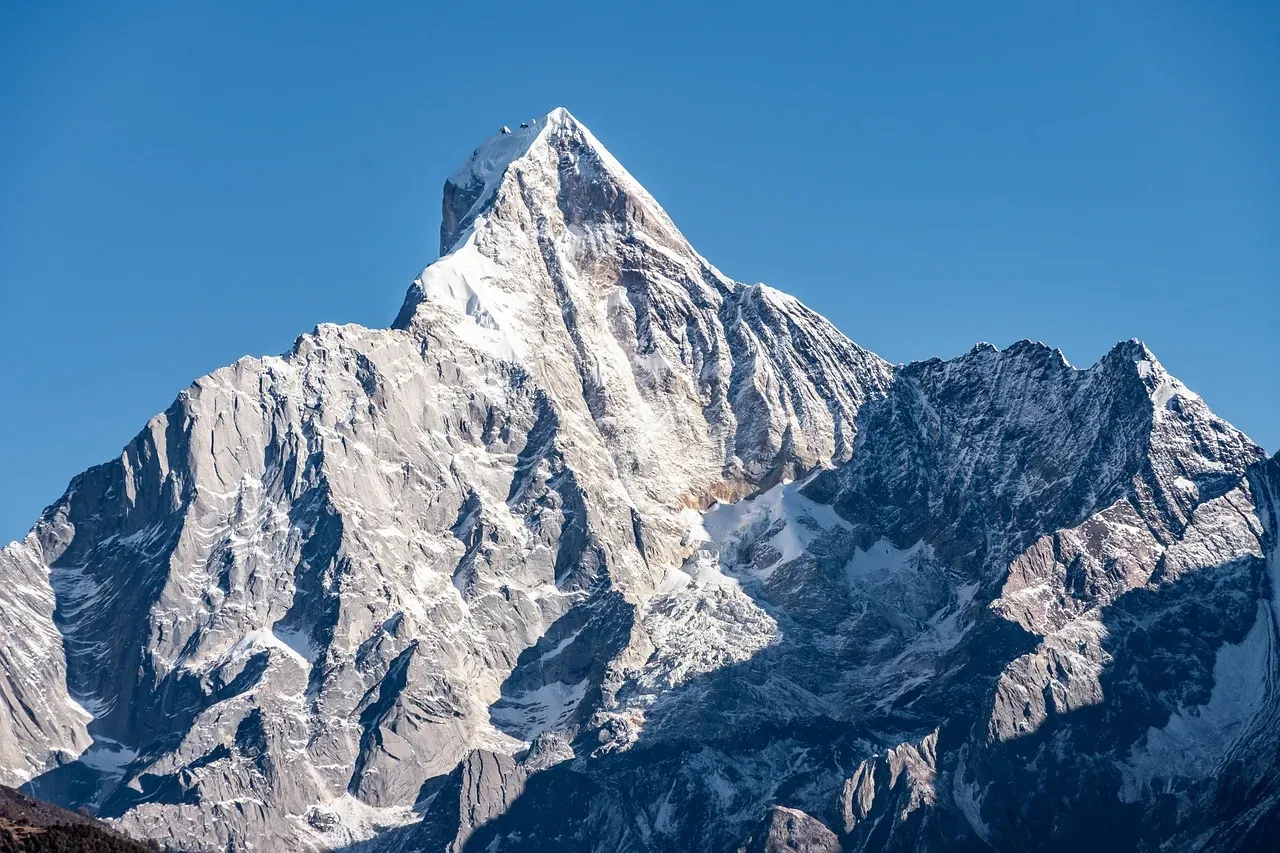
Standing at 8,516 meters above sea level, Lhotse is the fourth highest mountain and is part of the Everest massif, with its standard climbing route following the same path as Everest’s South Col route, and as of May 2022, there had been 1,089 successful summits and 22 deaths on Lhotse. Many climbers view it as a stepping stone to Everest, sharing much of the same route.
The routes diverge after the Yellow Band, with Lhotse climbers heading up the treacherous Lhotse face. This section is steep, exposed, and utterly exhausting. The technical difficulty combined with extreme altitude makes it a formidable challenge that kills even experienced mountaineers who’ve already conquered other eight-thousanders.
Cho Oyu: The Deceptive Giant
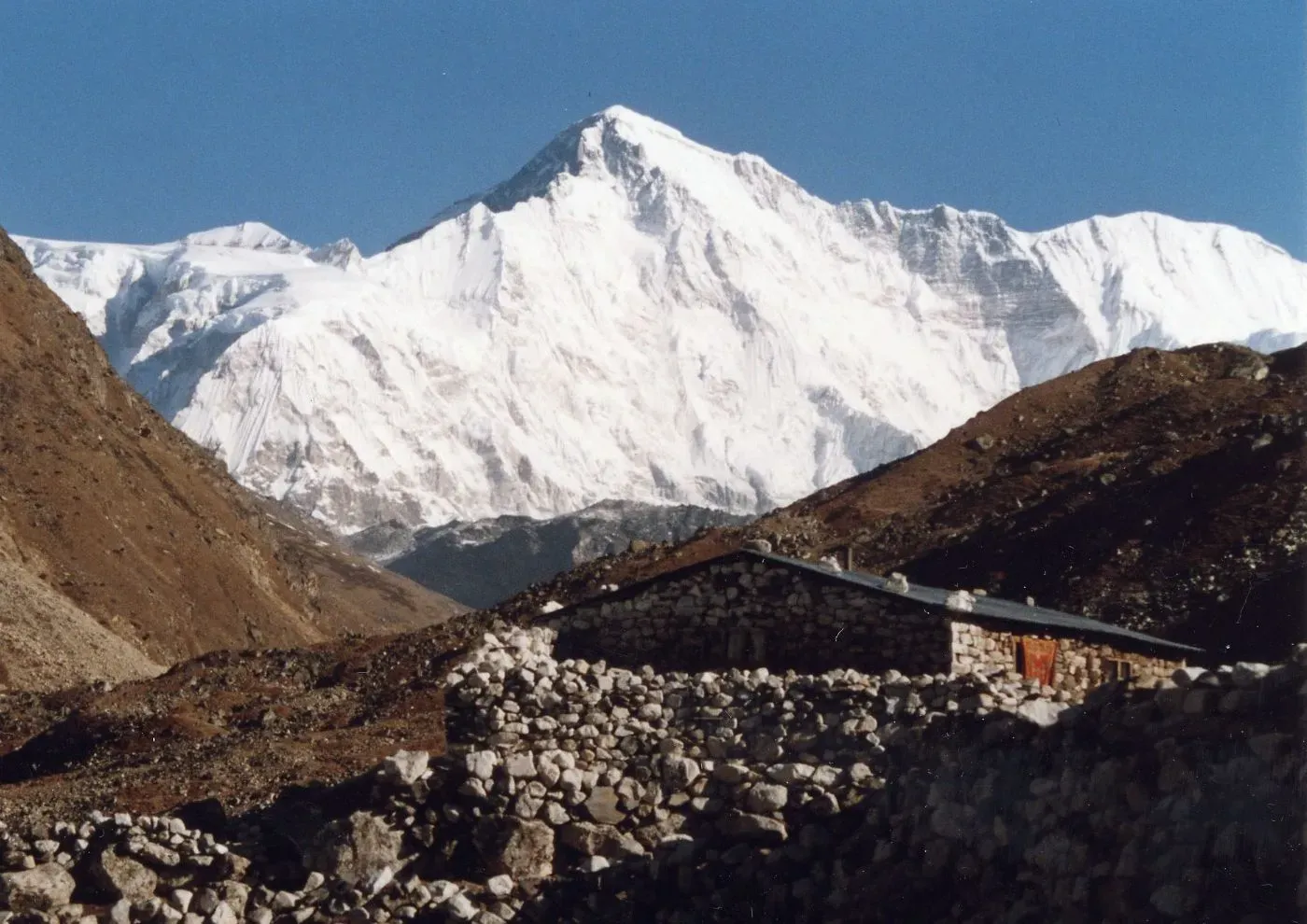
Cho Oyu is considered the easiest 8,000-meter peak to climb, and as of December 2024, there had been 4,027 successful summits and 52 deaths on the mountain. As the sixth highest mountain , it straddles the border between China and Nepal. The relatively moderate slopes and accessible location make it a popular choice for mountaineers attempting their first eight-thousander.
But here’s the catch: “easiest” is entirely relative when you’re talking about peaks over eight thousand meters. The altitude alone can kill you, and the mountain’s reputation for being manageable sometimes breeds overconfidence. Climbers who might turn back on more intimidating peaks push too hard here, with fatal results.
Shishapangma: The Last Eight-Thousander
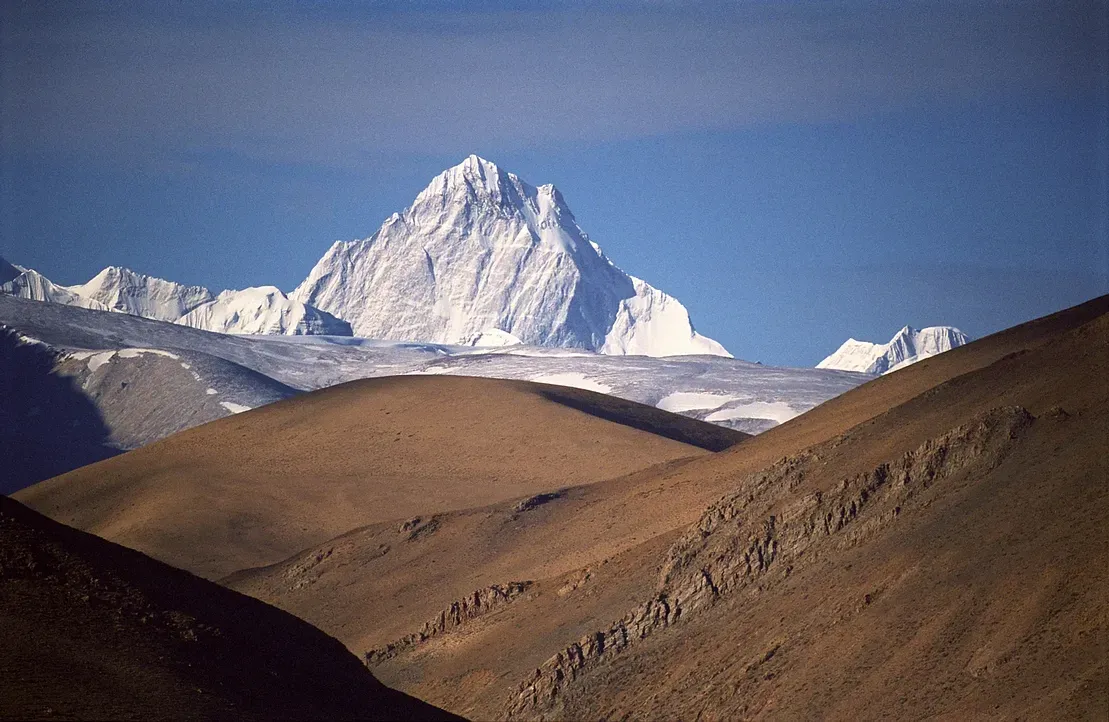
Shishapangma, also known as Xixabangma, is the 14th highest mountain , and located in the Tibetan region of China, Shishapangma was the last of the eight-thousanders to be summited. As of November 2025, Shishapangma has 36 deaths. Its location entirely within Chinese territory made it inaccessible to foreign climbers for decades.
The mountain presents unique challenges, including unpredictable weather patterns and technical climbing sections that demand expertise. Despite being the lowest of the fourteen eight-thousanders, it commands respect. Recent avalanches have claimed lives, reminding climbers that no mountain above eight thousand meters can be taken lightly, regardless of its ranking.
Conclusion
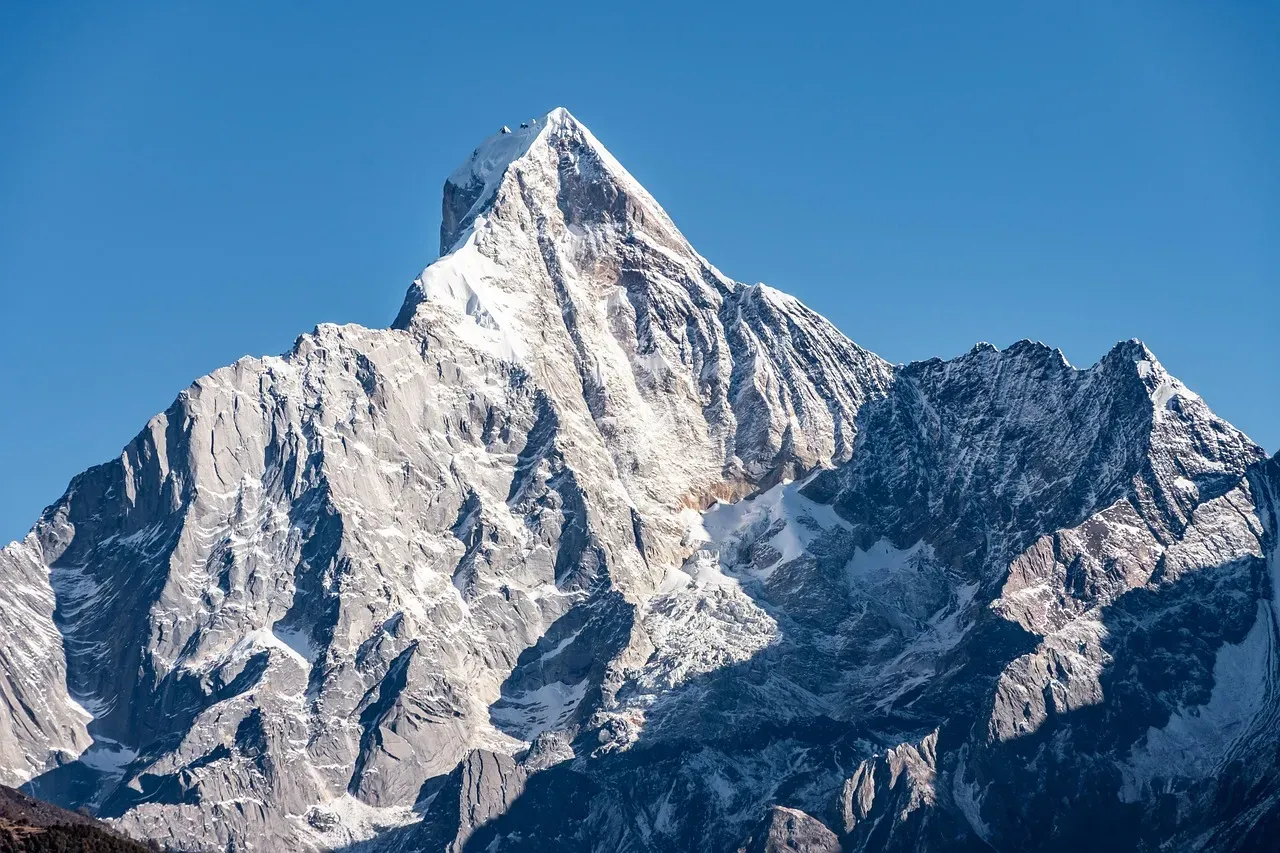
These mountains represent the ultimate test of human endurance, skill, and determination. Each peak has its own personality, its own way of challenging those brave or foolish enough to attempt the summit. The statistics are sobering: thousands have succeeded, but hundreds have paid the ultimate price.
What’s clear is that height alone doesn’t determine danger. Technical difficulty, weather unpredictability, avalanche frequency, and remoteness all play crucial roles. Whether it’s Annapurna’s devastating fatality rate or K2’s savage reputation, these mountains demand absolute respect and meticulous preparation.
Did you expect the deadliest mountain to be Annapurna rather than Everest? What do you think drives people to risk everything for a few moments at the top of the world?

- 10 Signs That Reveal Your Spirit Animal Is a Snake - July 18, 2026
- 10 Common Dog Training Mistakes That Actually Harm Your Bond - July 18, 2026
- The #1 Reason Vets Say Hummingbirds Are Avoiding Your Garden - July 17, 2026