
Castles. Just hearing the word conjures images of towering stone walls, royalty in grand halls, and centuries of stories whispered through ancient corridors. They stand as monuments to human ambition, power, and architectural genius. Yet, walking through these fortresses today feels almost surreal.
I think it’s fascinating how each castle tells a completely different story, from strategic military strongholds to fairytale retreats dreamed up by eccentric kings. Some survived brutal sieges and wars, while others were built purely to satisfy someone’s romantic fantasy. There’s something deeply captivating about places that have witnessed so much history, and honestly, you never quite grasp their scale until you’re standing beneath their walls. So let’s dive in and discover what makes these six castles truly unforgettable.
Edinburgh Castle: Scotland’s Ancient Stronghold
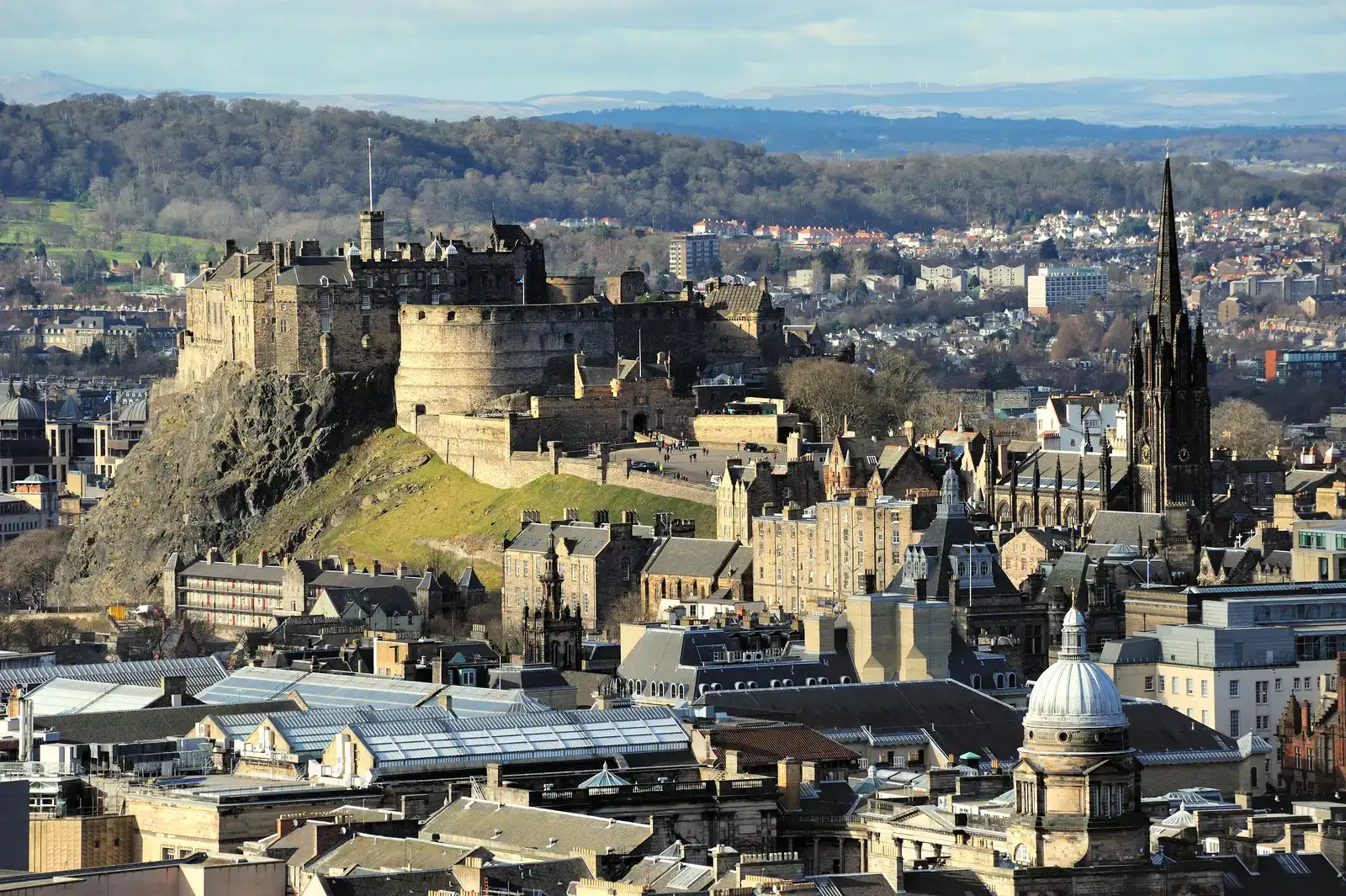
Edinburgh Castle is one of the oldest fortified places in Europe, with a long rich history as a royal residence, military garrison, prison and fortress. Perched on the extinct volcanic rock known as Castle Rock, the castle’s origins stretch back into prehistory. There has been a royal castle on the rock since at least the Iron Age, with human occupation dating back to at least the Iron Age.
Research undertaken in 2014 identified 26 sieges in its 1,100-year history, giving it a claim to having been “the most besieged place in Great Britain and one of the most attacked in the world”. The chapel, dedicated to Queen Margaret, still stands as the oldest building in Edinburgh. The castle served not just as a fortress but as the nerve center of Scottish power for centuries. Throughout the Wars of Scottish Independence, control of Edinburgh Castle was fiercely contested between the Scots and the English.
Visitors today can explore numerous attractions within the castle walls. The Honours of Scotland are the oldest Crown jewels in Britain. Walking through the Great Hall, completed in 1511, you get a sense of medieval grandeur. There’s something almost overwhelming about standing in a place that has seen so much conflict and ceremony. The view from the castle ramparts across Edinburgh is spectacular, stretching all the way to the Firth of Forth.
Neuschwanstein Castle: A Fairytale Born From Obsession
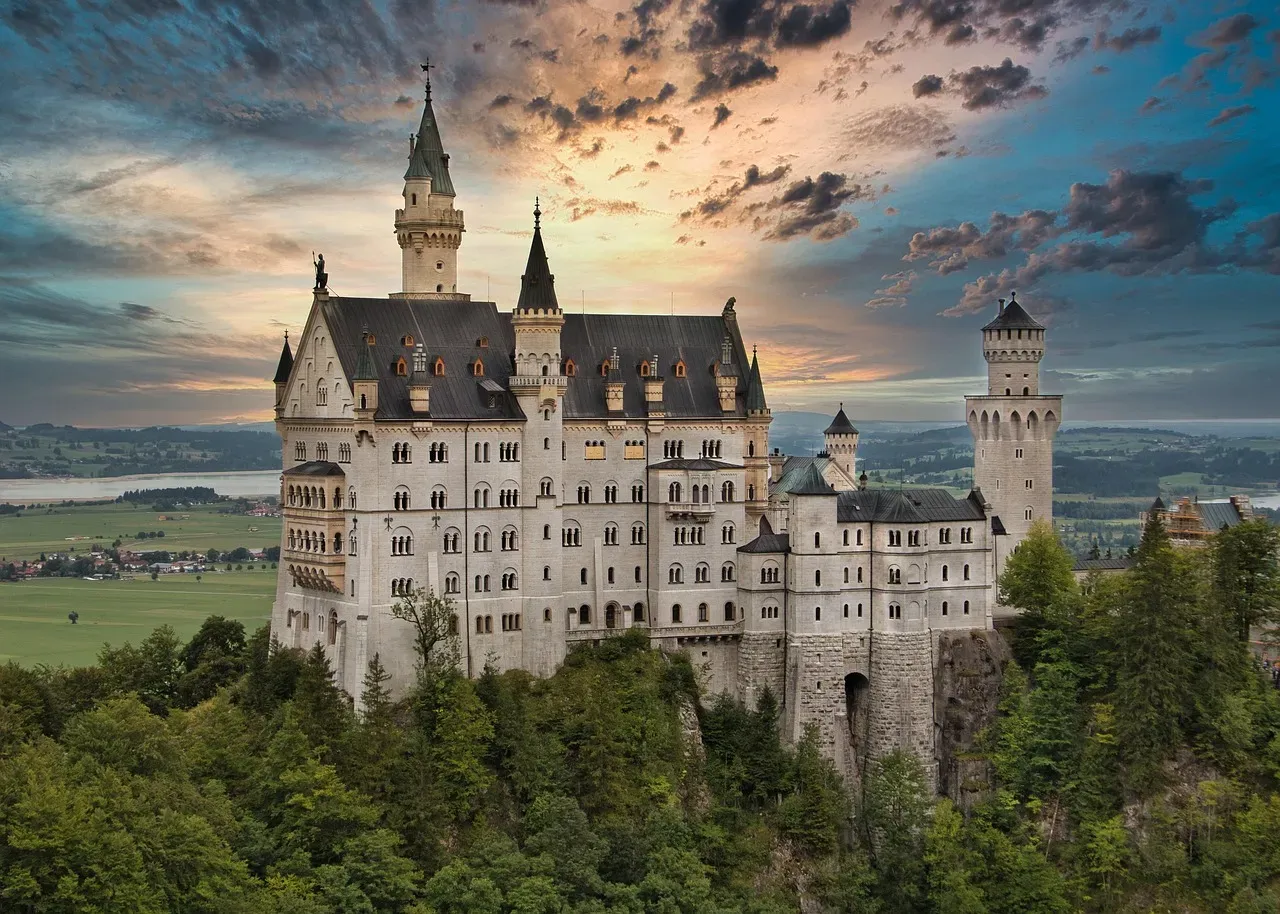
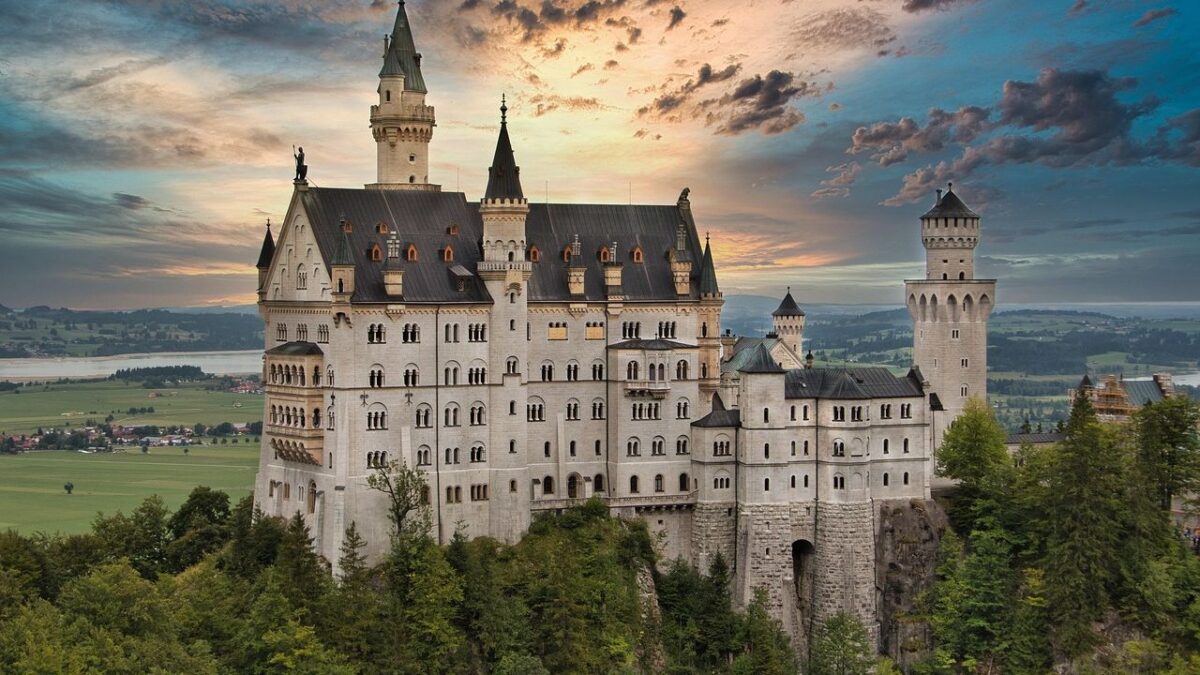
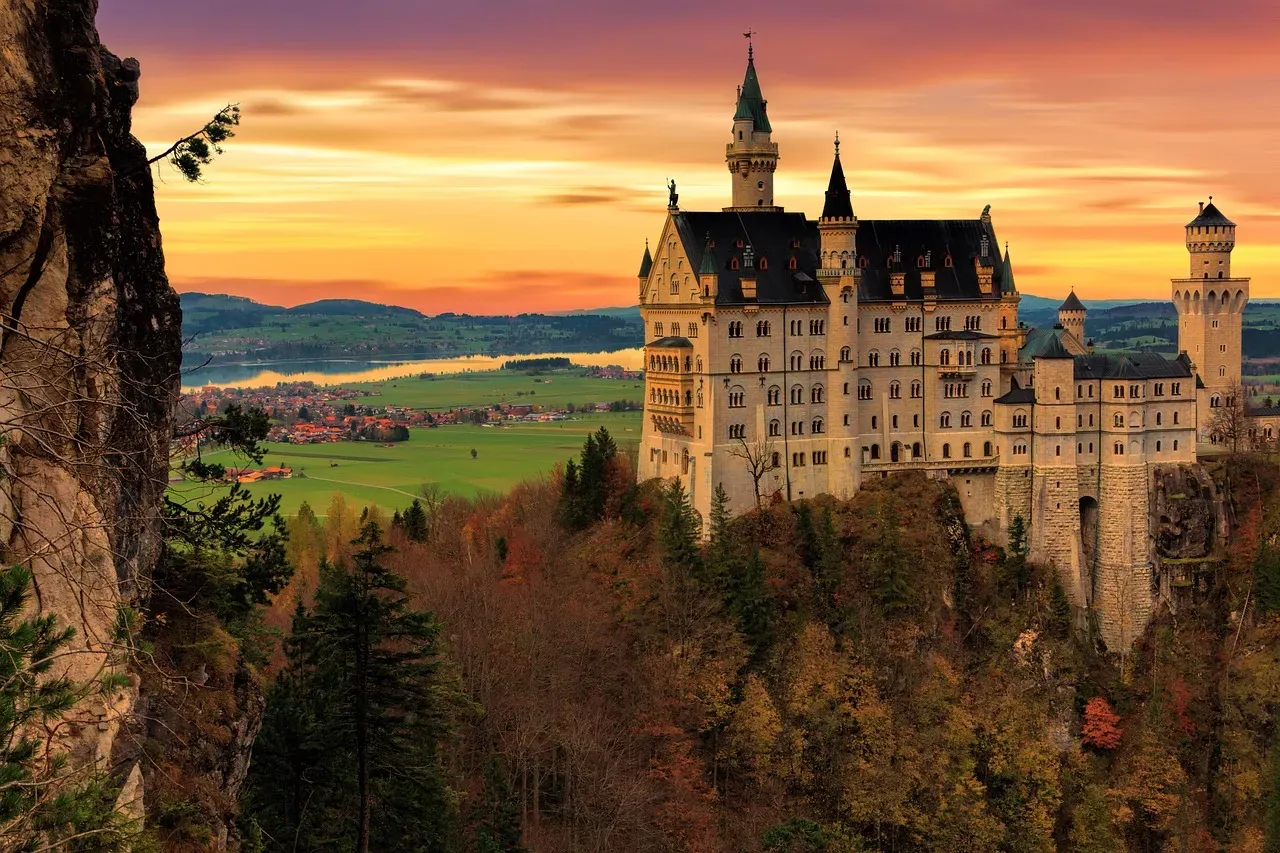
Neuschwanstein Castle is an elaborate castle near Füssen, Germany, built atop a rock ledge over the Pöllat Gorge in the Bavarian Alps by order of Bavaria’s King Louis II. Construction began in 1868 and was never completed. This is the castle that inspired Disney’s Sleeping Beauty Castle, and honestly, it looks exactly like something from a storybook.
King Ludwig II, known as the “fairy-tale king,” built the castle as a fantasy kingdom dedicated to his love for opera and medieval legends. Ludwig’s eccentric behavior and obsession with building extravagant palaces led to his removal from the throne and mysterious death at a young age. The king never intended for anyone else to see his creation. He saw it as a monument to medieval culture and kingship, which he revered and wanted to imitate.
The interiors are as fantastical as the exterior. Murals throughout the castle depict scenes from Wagner’s operas, which Ludwig adored. The two-story throne room is modeled after a Byzantine basilica with stars decorating its blue vaulted ceiling, while wall paintings throughout depict legends that inspired composer Richard Wagner. Here’s the thing: despite remaining unfinished at Ludwig’s death, Neuschwanstein has become one of Europe’s most visited castles. More than 61 million people have visited since it opened, with more than 1.3 million people visiting annually.
Let’s be real, the tragic circumstances surrounding the castle only add to its mystique. Days after Ludwig was deemed insane by a state-appointed psychiatrist and locked up, he was found dead in waist-deep water, with his psychiatrist floating dead next to him. Nobody knows exactly what happened that day. The castle serves as both a monument to artistic vision and a cautionary tale about losing touch with reality.
Himeji Castle: Japan’s White Heron in Flight
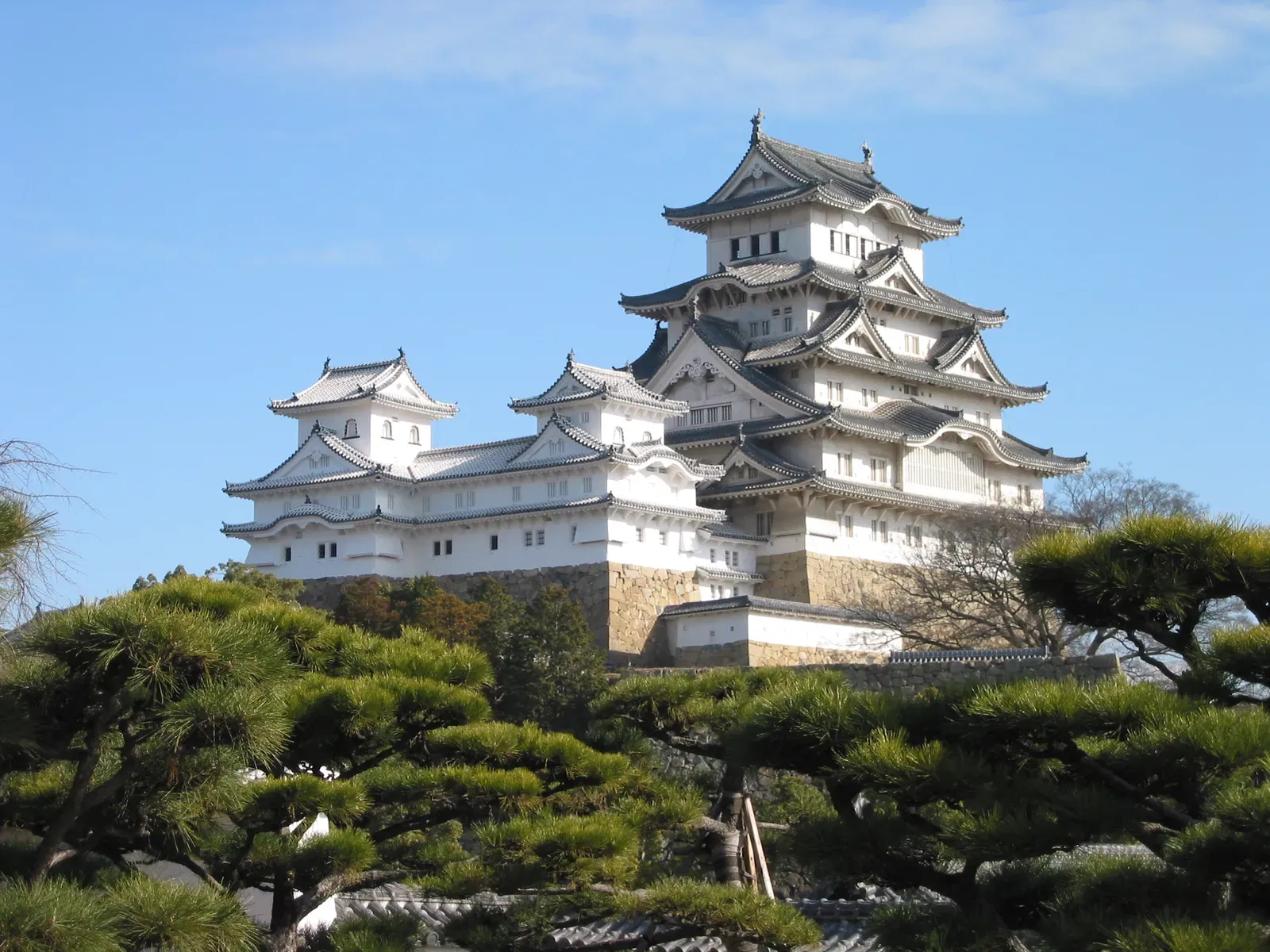
Himeji Castle is the largest and most visited castle in Japan, registered in 1993 as one of the first UNESCO World Heritage Sites in the country. The castle is frequently known as White Heron Castle because of its brilliant white exterior and supposed resemblance to a bird taking flight. There’s something elegant and almost delicate about its appearance, yet the castle was built as a formidable fortress.
Himeyama hill was first fortified in 1333 by Akamatsu Norimura during the Genkō War. In 1346, his son Sadanori demolished this fort and built Himeyama Castle in its place. The castle comprises 83 buildings with highly developed systems of defence and ingenious protection devices dating from the beginning of the Shogun period. The defensive maze of gates, walls, and winding passages was specifically designed to confuse and slow down any attacking forces.
What makes Himeji truly remarkable is its survival. The castle received over 2,860,000 visitors in 2015. Unlike many other Japanese castles, it was never destroyed by war, earthquake or fire and survives to this day as one of the country’s twelve original castles. The thick white plaster coating the walls wasn’t just for beauty. It provided crucial fire resistance, which helped preserve this architectural masterpiece through the centuries.
Prague Castle: The World’s Largest Ancient Fortress
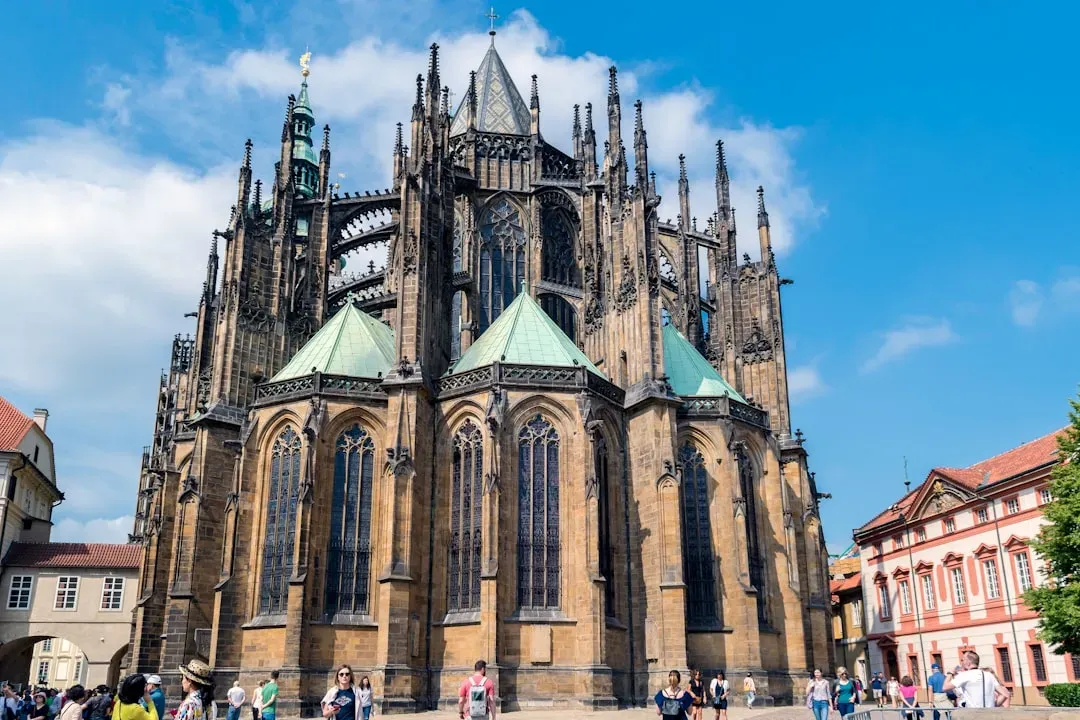
According to the Guinness Book of Records, Prague Castle is the largest ancient castle in the world, occupying an area of almost 70,000 square metres, at about 570 metres in length. It’s massive. Standing before it, you realize this isn’t just a castle but an entire complex city within walls.
Prague Castle was founded around the year 880 by Prince Bořivoj of the house of Premyslides. It became the seat of Bohemian kings and then Czech presidents and has been a symbol of the Czech state for more than a thousand years. The castle has witnessed the entire sweep of Czech history, from its medieval origins through centuries of Habsburg rule to becoming the seat of modern Czech presidents.
The architectural diversity is astounding. Prague Castle includes Gothic St. Vitus Cathedral, Romanesque Basilica of St. George, a monastery and several palaces, gardens and defense towers. Walking through the courtyards feels like traveling through time, with each era leaving its mark. The Gothic cathedral took nearly 600 years to complete. During the rule of King and later Emperor Charles IV in the middle of the 14th century, Prague Castle first became an imperial residence, the seat of the ruler of the Holy Roman Empire.
Today, Prague Castle remains a functioning seat of government while welcoming millions of tourists. The Golden Lane, with its tiny colorful houses, is particularly charming. You can almost imagine the alchemists and craftsmen who once worked there. The castle holds the Czech Crown Jewels, though they’re rarely displayed. It’s hard to say for sure, but the sheer scale and historical weight of this place make it one of Europe’s most impressive landmarks.
Windsor Castle: The Royal Residence That Never Stopped
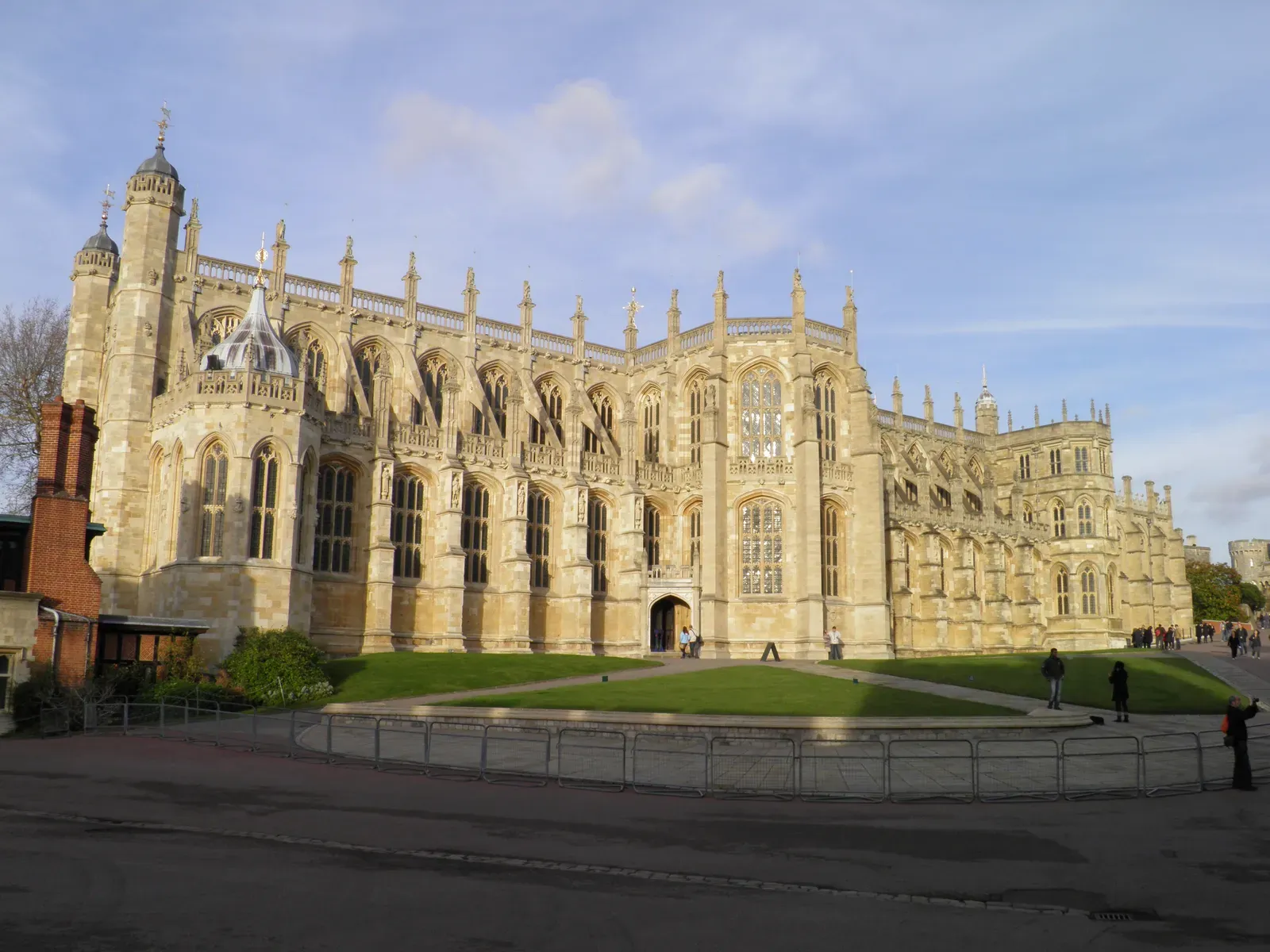
Windsor Castle is the largest and oldest inhabited castle in the world and the longest-occupied palace in Europe. Most of the world’s oldest castles are primarily tourist locations, but Windsor Castle is still a royal residence. It wasn’t just Queen Elizabeth II’s weekend retreat; it’s been continuously occupied by British monarchs for nearly a thousand years.
The castle has acted as an official royal residence for more than 900 years. William the Conqueror began building Windsor around 1070 as both a residence and a fortress to guard the western approach to London. The strategic location was no accident. Throughout English history, whoever controlled Windsor held significant power over the realm.
The castle has undergone countless renovations. The castle has seen many renovations from the countless monarchs who lived on the property, including Queen Victoria, who added a private chapel. In 1992, a fire ravaged the chapel, along with more than 100 rooms. Windsor was fully restored to its original state five years later. The restoration after the fire was meticulous, ensuring historical accuracy while incorporating modern safety features.
Walking through Windsor feels different from visiting other castles. People still live and work here. Royal weddings take place in St. George’s Chapel. The State Apartments are breathtaking, filled with priceless art and furniture. Yet there’s a strange juxtaposition between the castle as a living residence and a tourist attraction. Roughly about 1.5 million people visit each year, yet it remains fundamentally a working royal palace.
Hohensalzburg Castle: Austria’s Unconquered Fortress
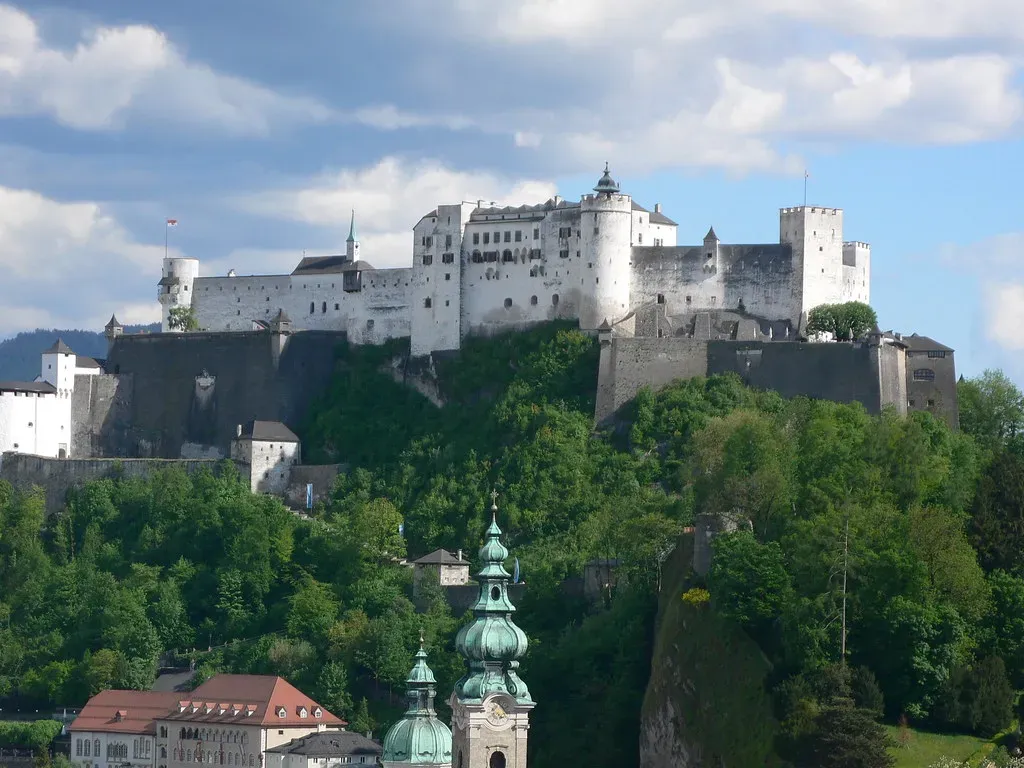
The initial fortress of Hohensalzbug Castle was built in 1077 by Gebhard I of Helffenstein, who was the archbishop at the time. Sitting on top of a hill in Salzburg, Austria, Hohensalzburg Castle was initially constructed in the 11th century and was then expanded multiple times, with particularly important additions in the 15th and 17th centuries.
Here’s what’s truly remarkable about Hohensalzburg: The fortress was only ever besieged once, in 1525, during the German Peasants’ War, when an alliance of farmers, miners, and townsfolk tried but failed to remove the Prince-Archbishop. Throughout the castle’s history, no attacker has ever been able to seize the fortress. Think about that for a moment. Nearly a thousand years, and it was never conquered. The defensive design clearly worked.
Hohensalzburg Fortress in Salzburg, Austria, is an incredibly well preserved citadel and one of the largest remaining medieval fortresses in central Europe. It was built in 1077 and was later expanded over the centuries, including by Archbishop Leonhard von Keutschach in the 16th century. The views from the fortress are absolutely spectacular, overlooking the city of Salzburg and the surrounding Alps. Visitors can explore state rooms, museums displaying ancient weaponry and Roman coins, and even torture chambers that remind you of the castle’s darker purposes.
In the 19th century, Hohensalzburg Castle became a popular tourist attraction but was still used as a prison during World War I. Today, it’s one of Austria’s most visited landmarks, accessible by funicular railway. The fortress represents medieval military architecture at its finest, a monument to both strategic thinking and architectural ambition.
Conclusion
Each of these six castles offers something utterly unique. Edinburgh stands defiant on its volcanic rock, bearing the scars of countless battles. Neuschwanstein represents the dangerous intersection of artistic vision and madness. Himeji showcases the elegance and sophistication of Japanese castle design. Prague sprawls across its hilltop as a city unto itself, alive with over a millennium of Czech history. Windsor continues its royal duties, as relevant today as it was when William the Conqueror laid its foundations. And Hohensalzburg remains unconquered, a testament to medieval defensive genius.
These castles aren’t just tourist attractions or historical curiosities. They’re living connections to our past, reminders of human ambition, creativity, conflict, and resilience. Standing within their walls, you can almost feel the weight of centuries pressing down. What do you think about these magnificent fortresses? Have you visited any, or is there one you’re dreaming of exploring? Share your castle stories in the comments below.

- 8 Ancient Architectural Wonders Built with Animal Inspiration - June 27, 2026
- Beavers Are Nature’s Engineers, Shaping Ecosystems With Their Dams - June 27, 2026
- Scientists Warn Some US Habitats May Disappear - June 27, 2026