
Ever wonder if your furry friend is truly content, or just putting on a show for those extra treats? Dogs are masters at communicating without words, yet many pet owners struggle to decode the subtle signals their pups send every day. The truth is, understanding your dog’s emotional state goes far beyond a wagging tail or a playful bark. Some signs of happiness are obvious, while others might surprise you. Even more important, recognizing when your dog is unhappy can help you address their needs before stress turns into something more serious.
Let’s be honest, our dogs can’t exactly sit us down and tell us how they’re feeling. They rely on body language, behaviors, and those little quirks that make each pup unique. Learning to read these signals strengthens the bond between you and your four-legged companion, and honestly, it makes you a better dog parent overall.
That Loose, Wiggly Body Language
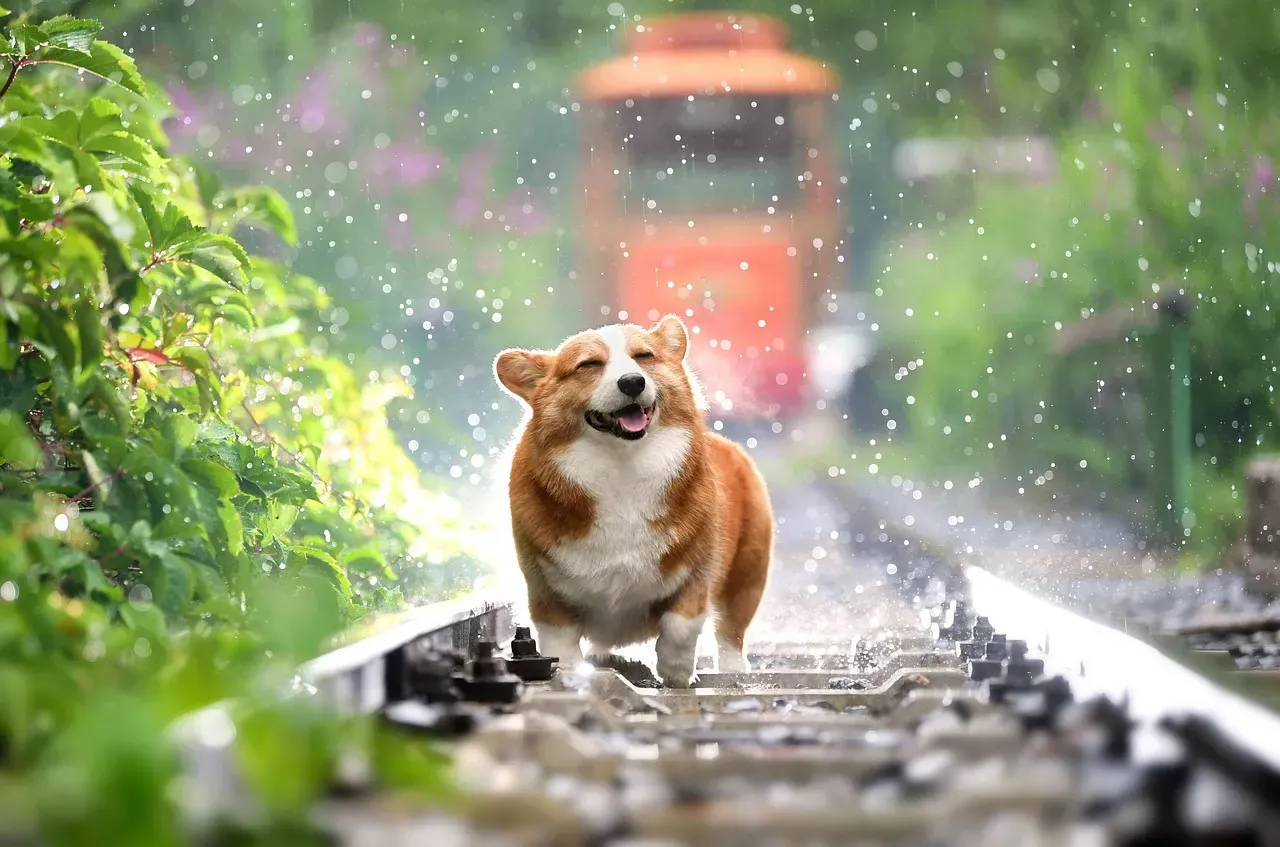
When a dog is happy, their whole body and tail will look relaxed, and they quite often wiggle. This isn’t just about the tail doing its thing. The entire dog seems to flow with movement, almost like they’re doing a little dance just for you.
Soft eyes, maybe even a little doggie smile, ears relaxed and a gentle tail wag indicate complete relaxation. Think about it like this: a happy dog doesn’t hold tension anywhere. Their shoulders are loose, their stance is balanced, and there’s a certain fluidity to how they move around you.
Some dogs take this whole-body wiggle to the next level. The full-body wiggle is pure joy, often seen during greetings or when play is about to begin. You know the type – the kind where their rear end seems to have a mind of its own, swinging back and forth so hard they almost knock themselves over.
Loose shoulders, soft eyes without a fixed gaze, and a dose of wiggliness are all clues that your dog’s feeling super chill. Conversely, if your dog looks stiff or tense, something’s off. Pay attention to the difference between a relaxed pup and one that’s holding back.
This relaxed posture is one of the clearest indicators of canine contentment. If your dog greets you with this loose, flowing movement, you’re doing something right. They feel safe, loved, and genuinely excited to be around you.
The Tail Tells a Story (But Not Always What You Think)
Here’s where things get interesting. Most people assume a wagging tail automatically means a happy dog, yet that’s not always the case. The position, speed, and direction of the wag tell a more accurate story.
A loose, mid-level wag often indicates a friendly, relaxed state, while a fast wag with wide sweeps usually signals excitement or happiness. I’ve seen dogs whose tails wag so hard they basically helicopter spin. Some dogs have tails that make big, sweeping circles that touch their sides or helicopter spins, and honestly, it’s one of the most joyful sights you’ll ever witness.
However, context matters enormously. A tail held high with a stiff wag often indicates alertness or even agitation. On the flip side, a stressed or unhappy dog may tuck its tail between its legs, signaling fear or submission.
At its most basic, a wagging tail signals an intent to interact, which could mean a happy encounter or preparation for a stressful one. So never judge your dog’s mood by tail movement alone. Look at the whole picture – ears, eyes, body posture, and the situation they’re in.
The tail is a communication tool, not a foolproof happiness meter. Learning the nuances makes all the difference in truly understanding what your dog is trying to tell you.
Soft Eyes and Relaxed Facial Expressions
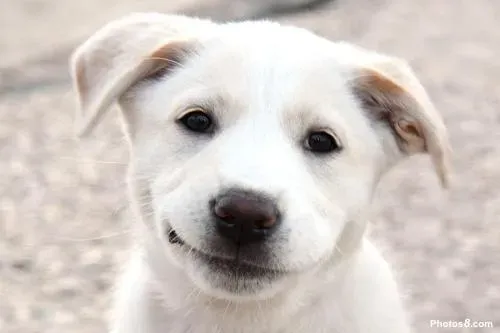
Slow blinking or gentle squinting signals calm contentment. When your dog looks at you with those soft, squinty eyes, they’re essentially giving you a big, warm hug without moving a muscle. It’s one of the most underrated signs of canine happiness.
Happy dogs often appear to smile, with a soft and open mouth and corners turned up. Some dogs have such expressive faces that you can practically see the joy radiating from them. Their mouths hang open slightly, tongues lolling out, and there’s an unmistakable gentleness to their expression.
Hard, intense stares are a different story altogether. Hard eyes with a wide open, intense stare can be a warning sign, especially when combined with stiff body language. That fixed gaze isn’t curiosity or affection – it’s tension, possibly even a precursor to aggression.
Soft eyes, relaxed ears, and an open, gentle mouth are hallmarks of a truly happy dog. When all these elements come together, you’re looking at a pup who feels completely at ease in their environment. They trust you, they’re comfortable, and life is good in their world.
Pay close attention to your dog’s face during different situations. You’ll start to notice patterns, and over time, reading their emotions becomes almost second nature.
Playful Behavior and Enthusiasm for Activities
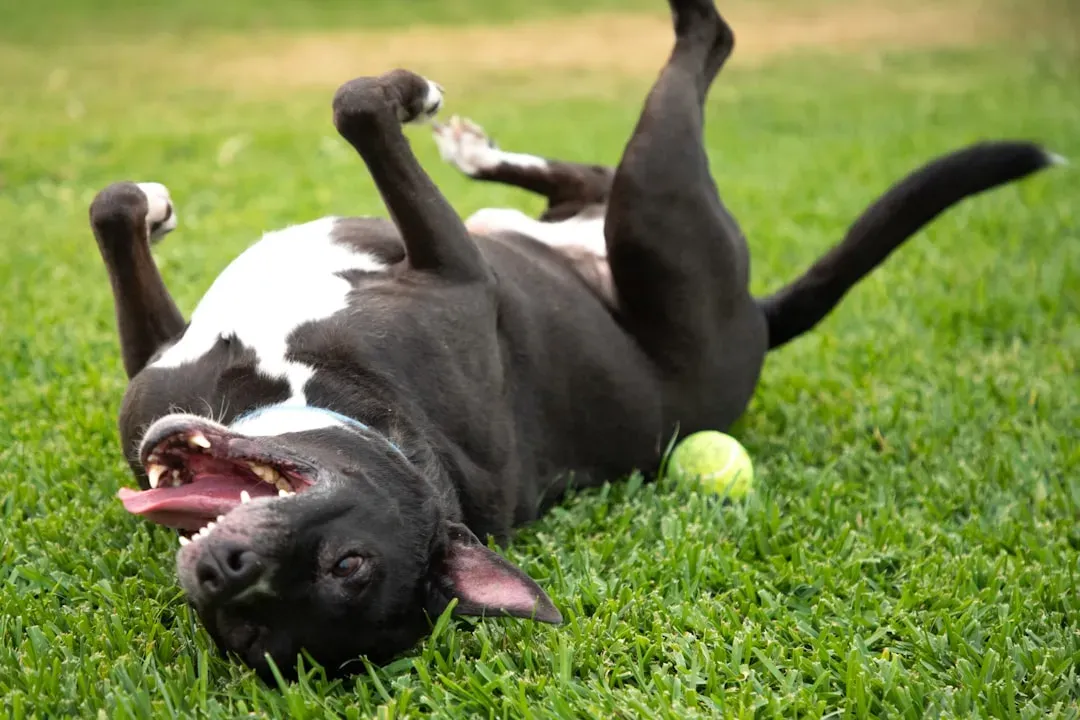
Happy dogs enjoy playtime and walks, and most even love rides in cars. When your dog hears the word “walk” and immediately starts bouncing around like they’ve won the lottery, that’s genuine enthusiasm. They’re excited about life, about spending time with you, and about exploring the world.
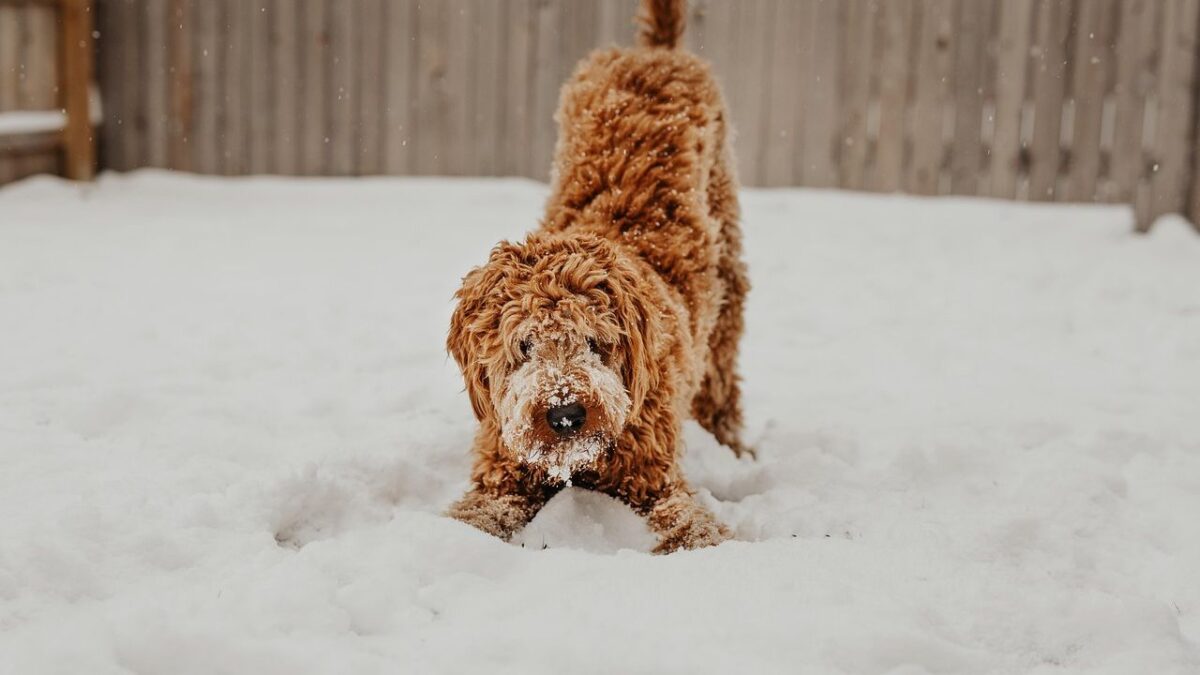
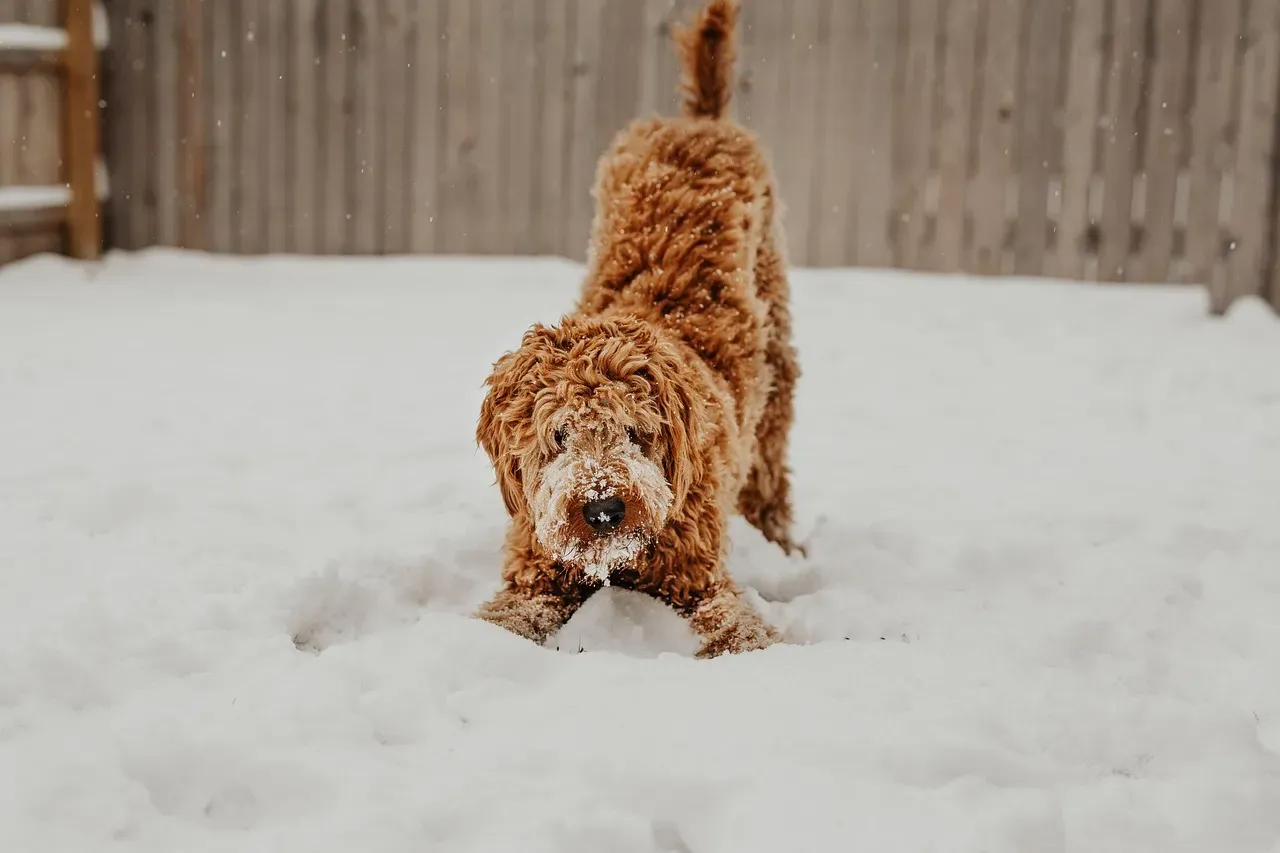
When a dog dips their front legs and chest down with their rear end up in a bow movement, it acts as an invitation to play. This play bow is universal dog language for “Let’s have some fun!” It’s accompanied by a relaxed posture, soft face, and often a wagging tail.
Some dogs get so thrilled they break into what trainers call the “zoomies.” Sudden bursts of running in circles or back and forth are typically a release of pent-up energy, and dogs are usually quite excited and happy during this frenetic activity. It looks chaotic, maybe even a bit ridiculous, yet it’s pure, unfiltered joy.
If your dog seems abnormally quiet, uninterested in favorite activities, or less social, this may be a sign they’re not feeling well. A sudden drop in enthusiasm is a red flag that shouldn’t be ignored. Dogs thrive on routine activities they love, so when they start turning down opportunities for fun, something’s wrong.
Honestly, a dog who’s eager to engage with their favorite activities is telling you loud and clear that they’re happy. Keep those play sessions regular, and watch how your pup lights up every single time.
When Things Aren’t So Happy: Warning Signs to Watch
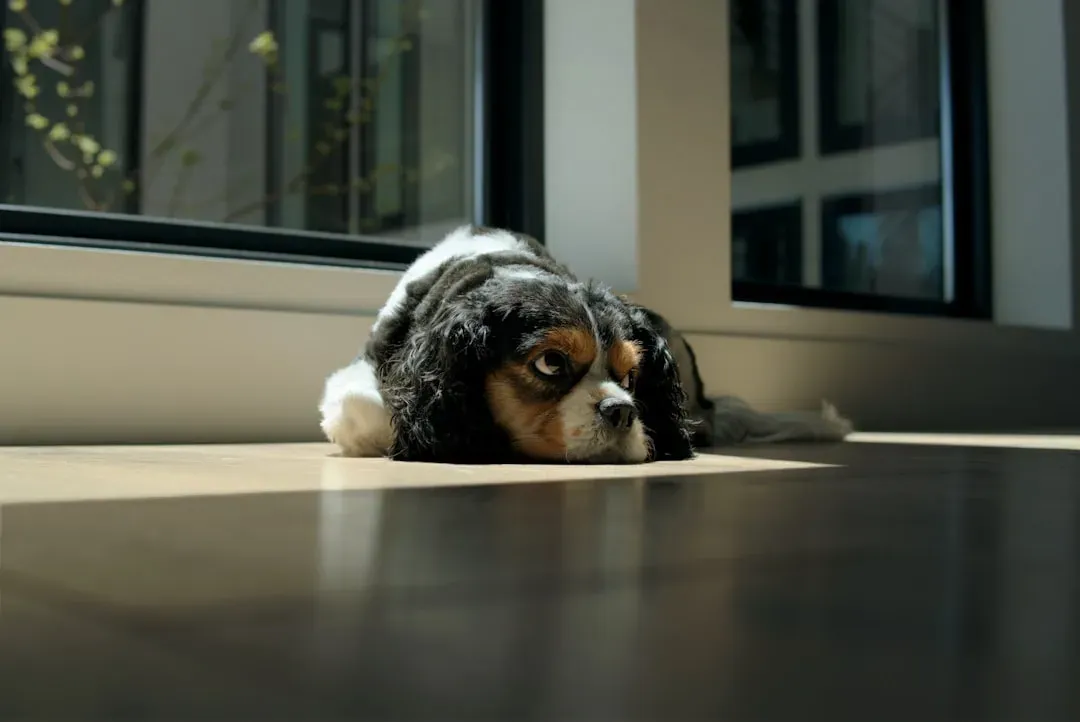
Recognizing unhappiness is just as crucial as spotting joy. A stressed or unhappy dog may tuck its tail between its legs rather than wagging it high. Tucked tails, pinned-back ears, and avoidance behaviors are all signals that your dog is uncomfortable or anxious.
Stress signs include whale eye (when dogs reveal the whites of their eyes), tucked ears or tail, raised hackles, lip-licking, yawning, and panting. These are often subtle and easy to miss if you’re not paying close attention. Lip-licking when there’s no food around? That’s stress. Yawning when they’re wide awake? Anxiety.
Stressed dogs may have dilated pupils and blink rapidly, and they may open their eyes wide showing more sclera than usual. This “whale eye” appearance is a clear indicator that your dog is feeling threatened or overwhelmed. They’re trying to tell you they need space or reassurance.
If your dog goes very still, like a statue, that usually means they’re getting really uncomfortable. Freezing is often a last-ditch effort to avoid confrontation. It’s not submission – it’s a warning that they’re shutting down because the situation has become too much to handle.
Feelings of stress and anxiety can cause a dog to lose interest in food. If your once food-obsessed pup suddenly turns their nose up at dinner, don’t brush it off. It could be stress, or it could be a medical issue. Either way, it deserves your attention and possibly a vet visit.
Conclusion: Reading Your Dog’s True Feelings
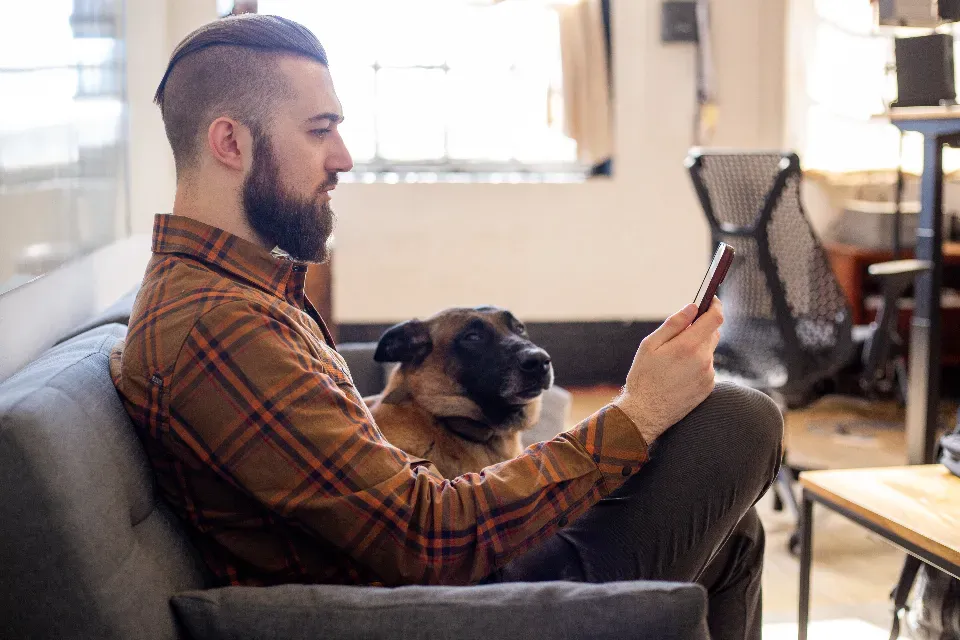
Learning to read your dog’s emotional state transforms your relationship with them. You become more than just a provider of food and shelter – you become an advocate, a companion who truly understands what they’re trying to communicate. Learning to read your dog’s body language is one of the most powerful tools you can have as a dog guardian, helping you understand their needs, prevent problems, and build a trusting relationship.
Remember, no single sign tells the whole story. A wagging tail doesn’t guarantee happiness any more than a tucked tail always means fear. Context is everything, and looking at the complete picture – body posture, facial expression, ears, tail, and the situation – gives you the most accurate read on how your dog is feeling.
If you notice signs of prolonged stress or unhappiness in your pup, don’t hesitate to consult your veterinarian or a certified animal behaviorist. Sometimes underlying medical issues or anxiety disorders need professional intervention. Your dog can’t advocate for themselves, so it’s up to you to be their voice.
What signs have you noticed in your own dog that tell you they’re truly happy? Every pup is unique, and part of the joy of dog ownership is learning their individual quirks and communication style. Share your observations and keep building that incredible bond with your furry best friend.
