
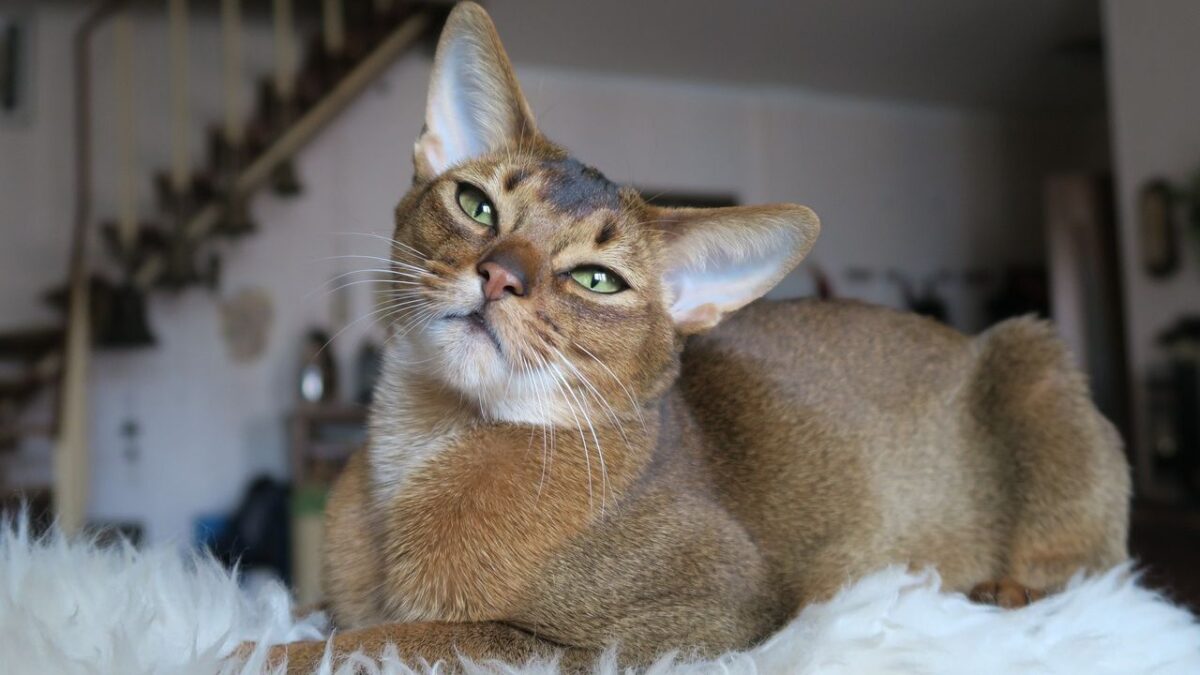
You might think all cats are the same. Low effort, right? Just toss out some kibble, scoop the litter, and enjoy the purring. That’s how many people picture owning a feline companion. Reality, though, has other plans when it comes to certain breeds that demand far more than the typical tabby or domestic shorthair.
Some cat breeds need your time, attention, and daily commitment just as much as any dog would. They come with luxurious coats that mat overnight, voices that never stop talking, or energy levels that could rival a toddler on a sugar rush. For busy professionals, frequent travelers, or anyone hoping for a laid-back companion, these breeds can quickly turn into beautiful stressors rather than soothing housemates.
Let’s be real, choosing a cat based solely on looks is a mistake people make far too often. What follows are fifteen breeds that clash spectacularly with hectic schedules and minimal free time. Did you expect that?
1. Persian Cat
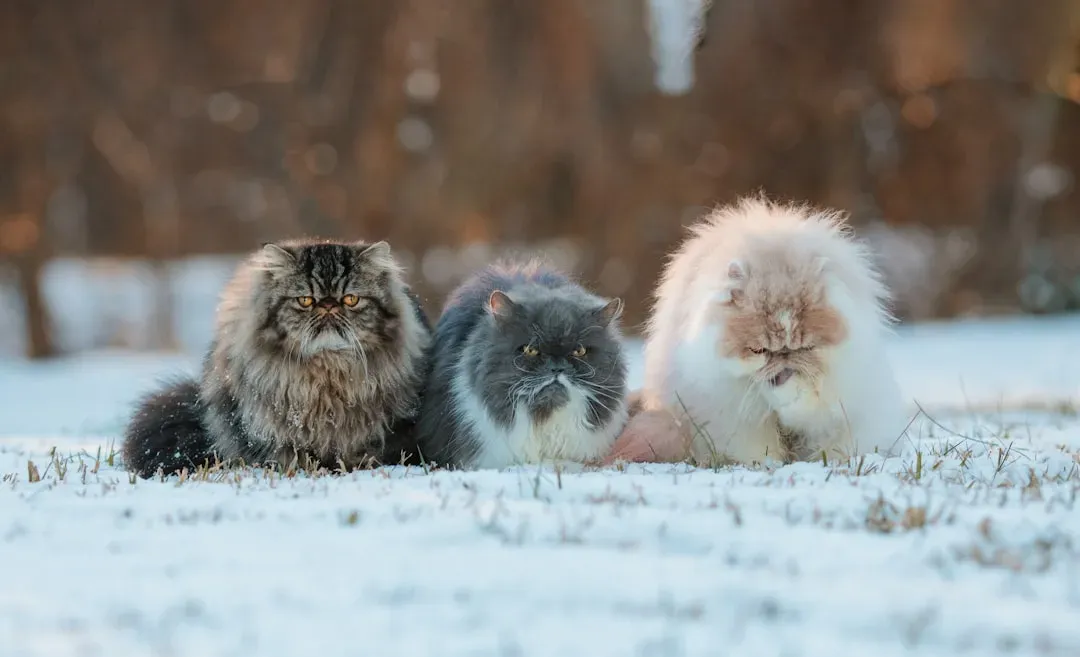
Their long, lavish coat requires daily grooming to prevent matting. This isn’t something you can skip occasionally when work gets busy. Grooming sessions can range from 10-30 minutes depending on the cat’s coat condition and tolerance level.
Miss a few days and you’ll be dealing with painful mats that pull at your cat’s skin. Skipping at-home grooming sessions could result in large, painful mats that require professional grooming, which means shaving your Persian completely. These flat-faced cats produce more tears than most other breeds and need daily eye cleaning to prevent infection-prone moist fur.
Their facial structure causes constant tear staining. With their short snouts, Persians struggle with keeping clean, so pay close attention to their eyes, noses, ears, and all the hard-to-reach areas. Their grooming needs are intensive – daily brushing and regular eye and ear cleaning are essential, and they are prone to genetic conditions like Polycystic Kidney Disease and respiratory issues.
Honestly, if you’re already pressed for time, a Persian will feel like a part-time job. Persian cats are excellent pets for calm households that have the time and enthusiasm to groom them regularly. Without that commitment, both you and your cat will be miserable.
2. Siamese Cat
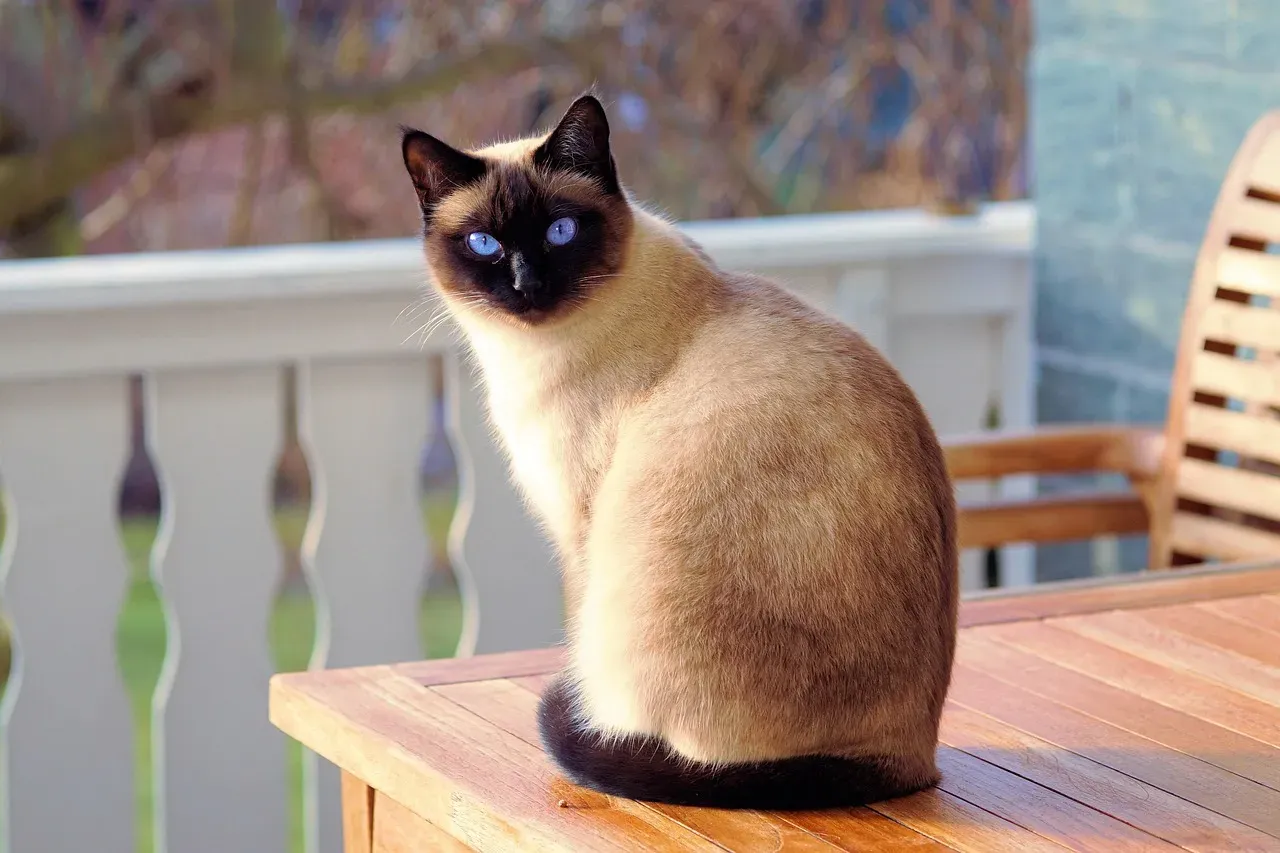
Siamese cats are highly vocal and crave constant interaction, following their owners around and often “chatting” loudly. Let’s be honest, they’re not cats for people who enjoy peace and quiet. They’re widely regarded as the most vocal of all cat breeds, known for their loud, expressive, and persistent meows.
These cats are not happy when left alone for extended periods and can become anxious or demanding. Picture this: you leave for a long workday, return home exhausted, and your Siamese immediately begins a loud conversation about how unacceptable your absence was. Their need for attention often triggers needy or downright clingy behavior, so if you want a cat that’s happy on its own and enjoys solitude, a Siamese probably isn’t the breed for you.
Siamese cats are highly social animals, renowned for their strong attachment to their human owners, and they thrive on companionship and can become unhappy or stressed when left alone for extended periods. They don’t just want your attention, they demand it constantly. If you work full time and your home is quiet all day, a solo Siamese may struggle.
The constant vocalization wears people down. The constant vocalization grates, the neediness feels suffocating, and the demands become tiresome for some people. If that sounds exhausting rather than charming, skip this breed entirely.
3. Maine Coon
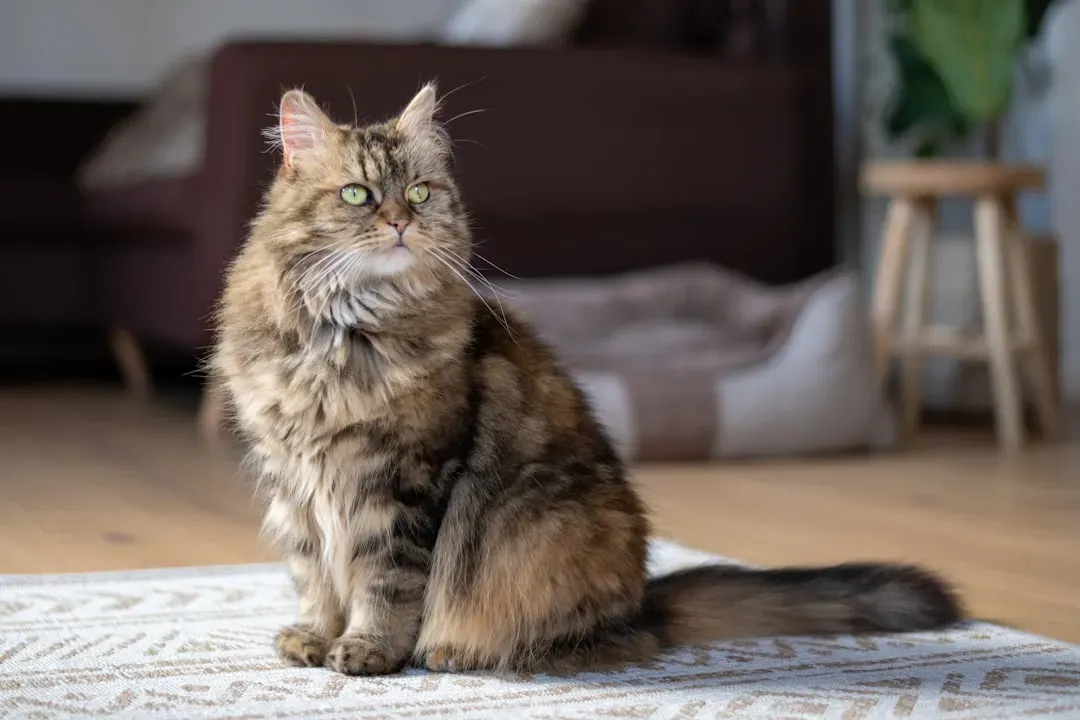
These gentle giants look majestic, but their thick fur demands serious maintenance. Their long hair can easily become matted, so daily or at least weekly grooming sessions are imperative. Think about whether you really want to spend that much time brushing a cat.
Maine Coons are one of the largest domesticated cat breeds with thick fur coats that require regular grooming, and they engage in moderate to high levels of activity making interactive play a crucial part of their care. They’re not the type to lounge around all day. During damp winter days, their fur needs special attention as they shed less and their coats become extra dense, making the undercoat prone to knotting and tangling.
Maine Coons also come with potential health issues. Maine coons have a high prevalence of hypertrophic cardiomyopathy as well as hip dysplasia, and several other conditions have been identified in the breed. As they are a long-haired breed, Maine coons shed quite a bit and require frequent grooming, with some having high maintenance coats that need daily combing.
Owners often underestimate how much time goes into keeping these cats comfortable. One owner reported grooming sessions taking nearly two hours every couple of days just to prevent matting. It’s hard to say for sure, but this breed suits people with flexible schedules far better than those constantly rushing between commitments.
4. Bengal Cat
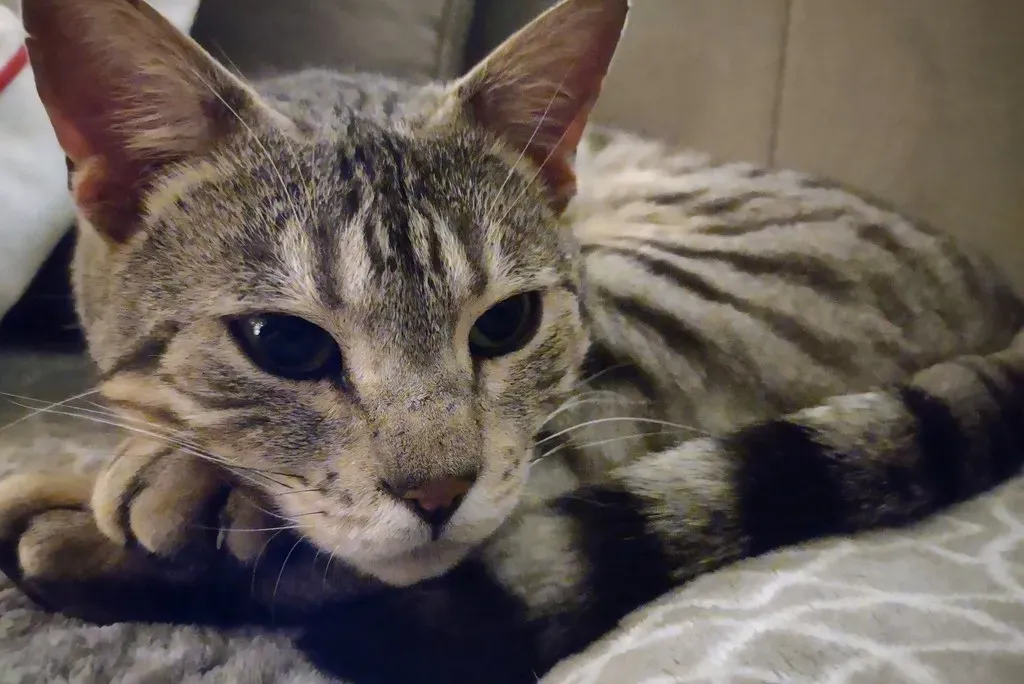
Here’s the thing: Bengals aren’t like other cats. Some of the main differences between a Bengal and a domestic cat is their energy level, curiosity and need for stimulation, as Bengals love to run and play and especially to climb up high. They need roughly about an hour of dedicated exercise daily.
Aim for three to four 15-30 minute play sessions each day, and kittens under one year old require even more activity – about three times as much. That’s a massive time commitment. Bengal cats are highly active and intelligent creatures with a strong prey drive, requiring daily exercise and mental stimulation, with at least one hour of dedicated playtime each day.
While Bengal cats are low-maintenance in terms of grooming, they are considered high-maintenance in terms of their energy level, need for stimulation, and social needs, as Bengal cats are curious and persistent. They get into everything. If your Bengal cat is unnecessarily vocal, playing too rough, pottying outside the litter box, or getting into destructive mischief, the solution may be establishing a routine.
Without proper stimulation, Bengals become destructive. Destructive behaviour like chewing on furniture or excessive climbing, along with pacing and vocalization, can indicate a Bengal is bored and needs more exercise. Unless you can commit to multiple active play sessions every single day, this breed will drive you crazy.
5. Sphynx Cat
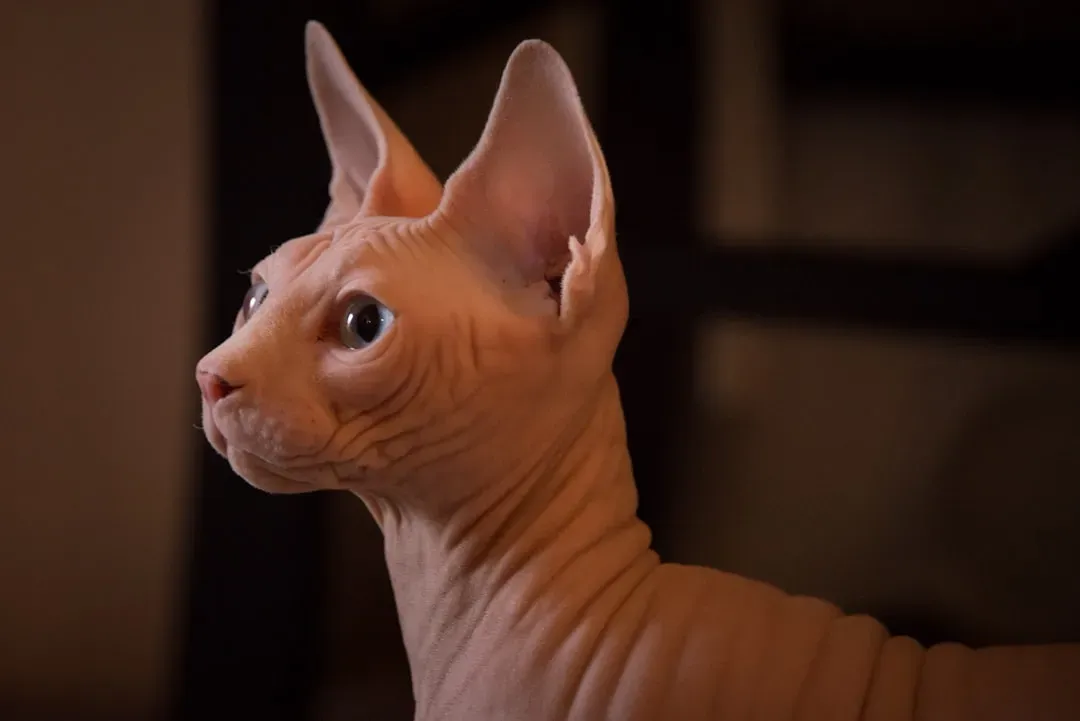
Don’t let the lack of fur fool you into thinking this breed is low maintenance. The Sphynx cat’s near-hairless body requires unique care, with regular baths – usually weekly – to prevent skin oil buildup and infections. Weekly bathing is something most cat owners never have to think about.
Without fur, Sphynx cats need regular bathing to remove the buildup of oils on their skin, they are more sensitive to temperature extremes, and owners must ensure they are kept warm in cold weather and protected from sunburn in the summer. They also have higher metabolisms and need more food than typical cats.
Sphynx cats are very social and demand a lot of attention and interaction from their pet parents. They’re clingy, needy, and require constant companionship. Between the bathing schedule, temperature regulation, special dietary needs, and social demands, the Sphynx is anything but effortless.
People often adopt them thinking grooming will be easier without all that fur. Instead, they discover an entirely different set of high-maintenance needs that consume time and energy. It’s one of those ironies that catches new owners completely off guard.
6. Ragdoll Cat
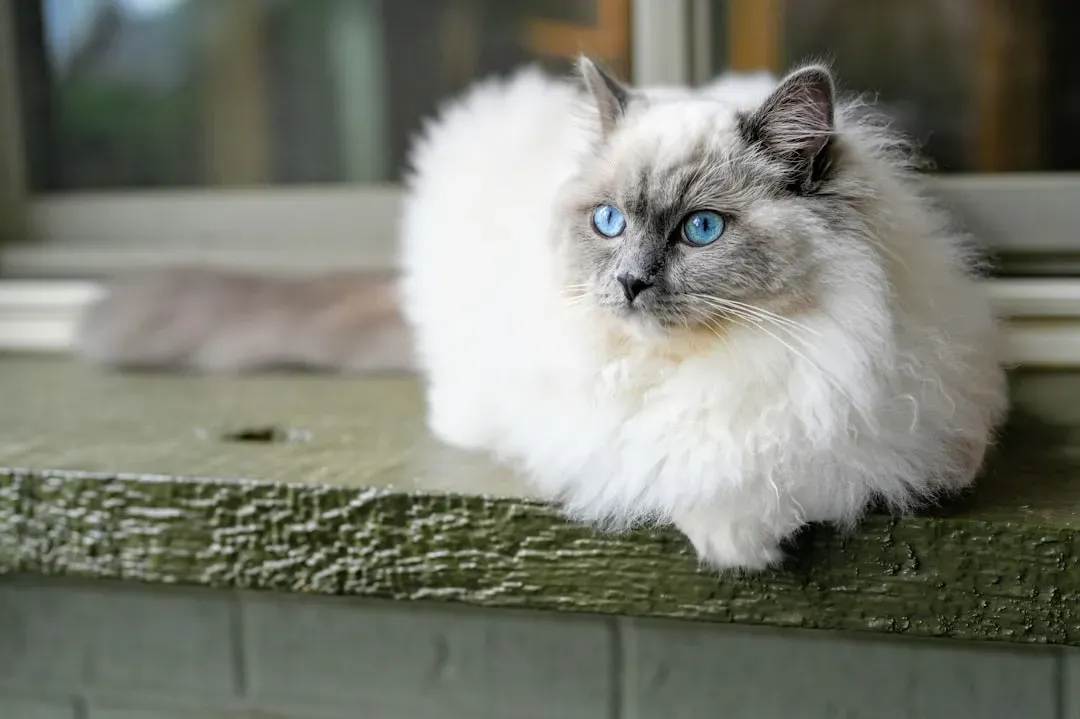
Ragdoll breeds need more time, effort, and attentiveness than typical domestic cats. Their silky, semi-long coats require consistent grooming to prevent tangles and matting. Birmans and similar breeds require thorough grooming several times per week to prevent matting and keep the coat soft, and Ragdolls follow the same pattern.
This laid-back, friendly, and affectionate feline thrives on attention and play, so needs an owner who will dedicate themself to this. They’re not independent cats content to entertain themselves while you work long hours. They form deep bonds with their owners and struggle when left alone frequently.
Ragdolls also tend to be trusting to a fault, making them unsuitable for outdoor living. They need indoor environments where their safety can be guaranteed. Their gentle nature means they won’t defend themselves well against threats, adding another layer of responsibility for owners.
The combination of grooming needs and emotional dependency makes Ragdolls challenging for anyone with unpredictable schedules. They’re wonderful companions for the right person, but that person needs significant availability and patience.
7. Birman Cat
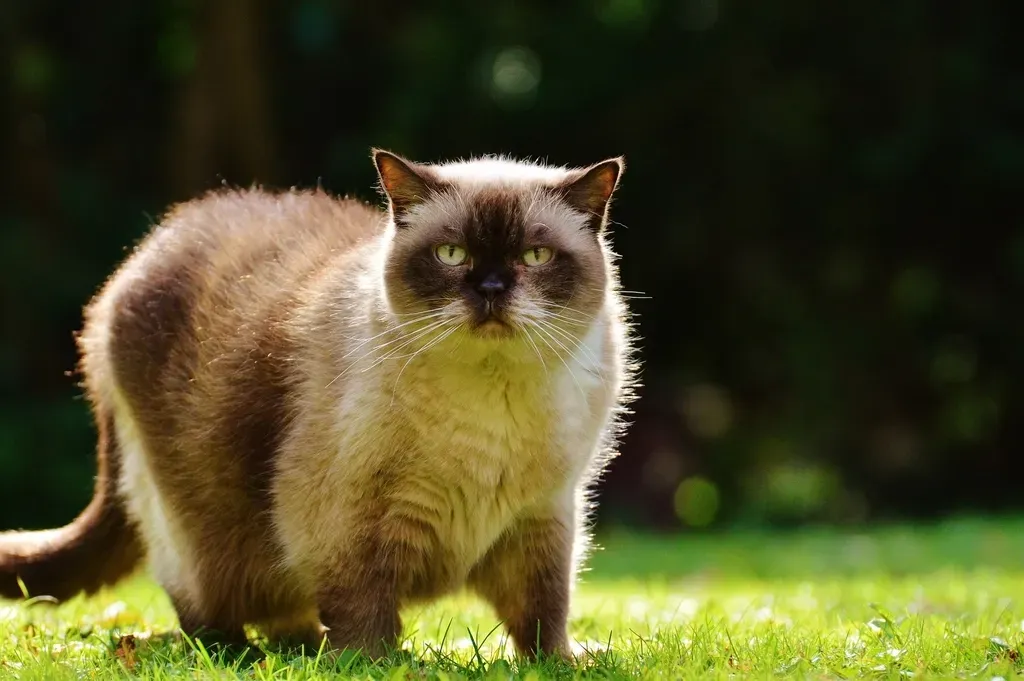
Birmans require thorough grooming several times per week to prevent matting and keep the coat soft. While not as intensely fluffy as Persians, they still demand regular attention to their beautiful coats. This laid-back, friendly, and affectionate feline thrives on attention and play.
Their stunning appearance comes at a cost. Those gorgeous blue eyes and plush coats need upkeep that busy owners often can’t provide consistently. The breed is prone to matting in areas like the armpits and behind the ears if grooming sessions are skipped.
Birmans form strong attachments to their families and don’t handle being alone well. They need interaction, playtime, and regular grooming sessions that fit into already packed schedules. For someone working long hours or traveling frequently, a Birman will likely develop behavioral issues from lack of attention.
I know it sounds crazy, but these cats need nearly as much attention as some dog breeds. They’re affectionate, social, and need owners who can be present both physically and emotionally.
8. Turkish Angora Cat
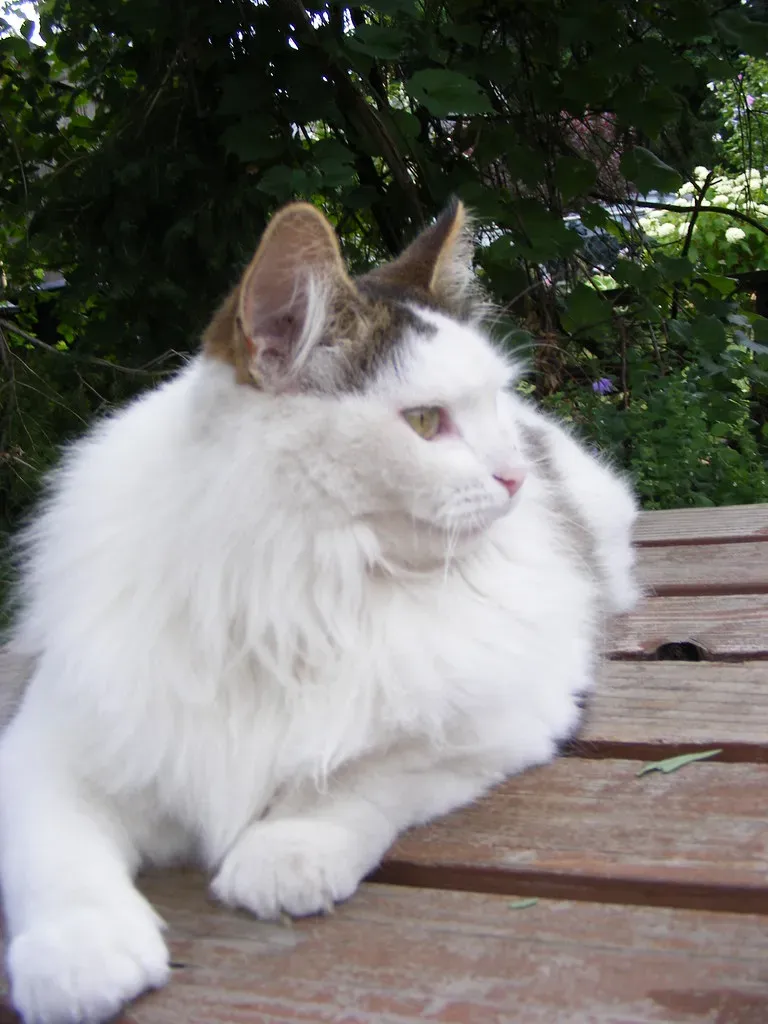
The Turkish Angora is a very active breed that requires high-quality calories to maintain their energy levels and overall health, with premium foods recommended. They’re energetic, athletic, and constantly on the move.
The W gene responsible for their white coat and blue eyes can cause problems with deafness in Turkish angora cats, and hereditary ataxia and hypertrophic cardiomyopathy have also been found. Beyond health concerns, their activity level demands engagement from owners.
Turkish Angoras need mental stimulation and physical exercise daily. They’re intelligent cats who get bored easily and turn destructive when their needs aren’t met. Their long, silky coats also require regular grooming, though not quite as intensive as Persian grooming.
These cats are climbers, jumpers, and explorers who need vertical space and interactive toys. They’re not content sitting quietly while you work from home or binge-watch television. Unless you can provide constant enrichment, this breed will become a handful.
9. Balinese Cat
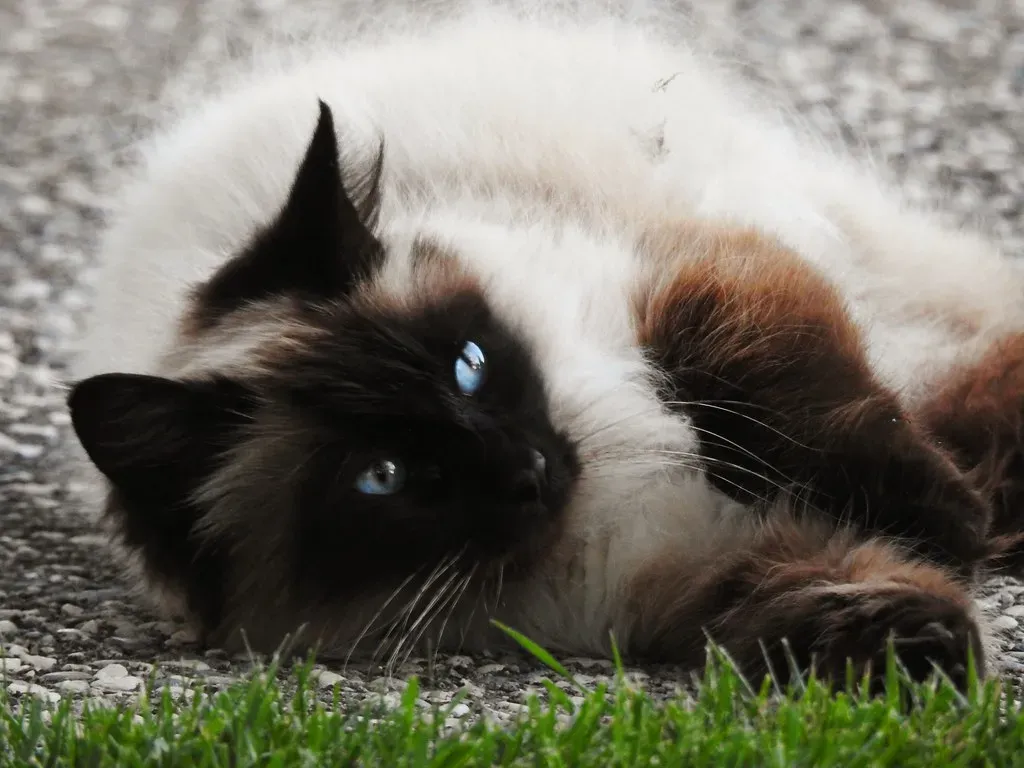
The Balinese is a vocal cat that enjoys talking with his family and demands a lot of attention, getting into mischief and should not be left alone for long periods of time. Sound familiar? They’re essentially long-haired Siamese cats with all the same personality traits.
Balinese are also prone to progressive retinal atrophy, asthma, mediastinal lymphoma as well as systemic amyloidosis. Health issues aside, their constant vocalization and need for interaction make them unsuitable for busy households.
They follow you everywhere, comment on everything you do, and sulk dramatically when ignored. Their grooming needs, while not extreme, still require regular brushing to keep their semi-long coats tangle-free.
Balinese cats bond intensely with their owners and suffer from separation anxiety when left alone too long. They’re intelligent, trainable, and absolutely exhausting for anyone hoping for a low-key pet. The breed is beautiful and charming but definitely not for people with demanding careers or frequent absences from home.
10. Cornish Rex Cat
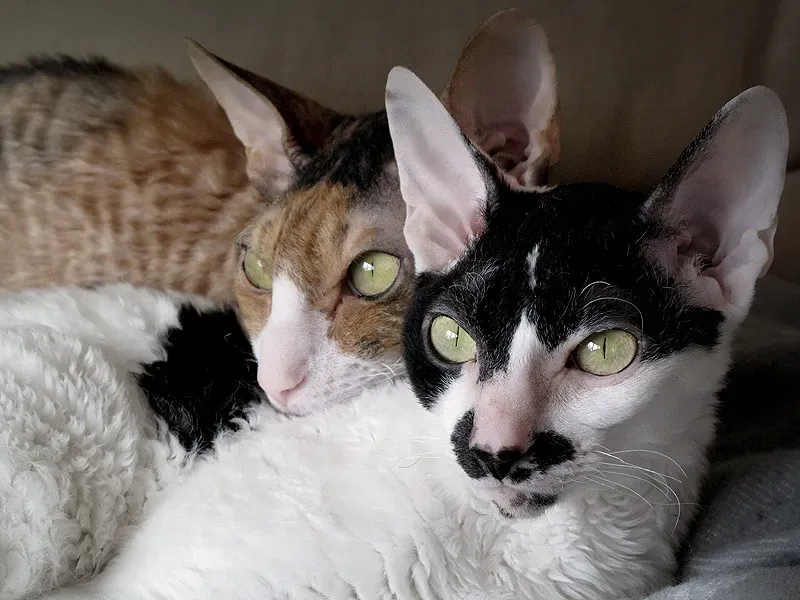
Cornish rex cats come with skin health risks and are highly social, lively breeds that love attention and can be demanding at times. Their unique curly coats require specific care that differs from typical grooming routines.
This small breed is a powerhouse that is always looking for places to explore and things to do, as they are not couch potatoes and thrive from high interaction. They need constant entertainment and don’t do well when left to their own devices.
Cornish Rex cats are perpetual kittens in behavior, maintaining high energy levels throughout their lives. They’re mischievous, curious, and get into everything. Their social nature means they crave human interaction constantly.
The combination of special grooming needs, high energy, and social demands makes the Cornish Rex a poor choice for busy owners. They’re adorable, affectionate, and absolutely relentless in their need for engagement.
11. Scottish Fold Cat
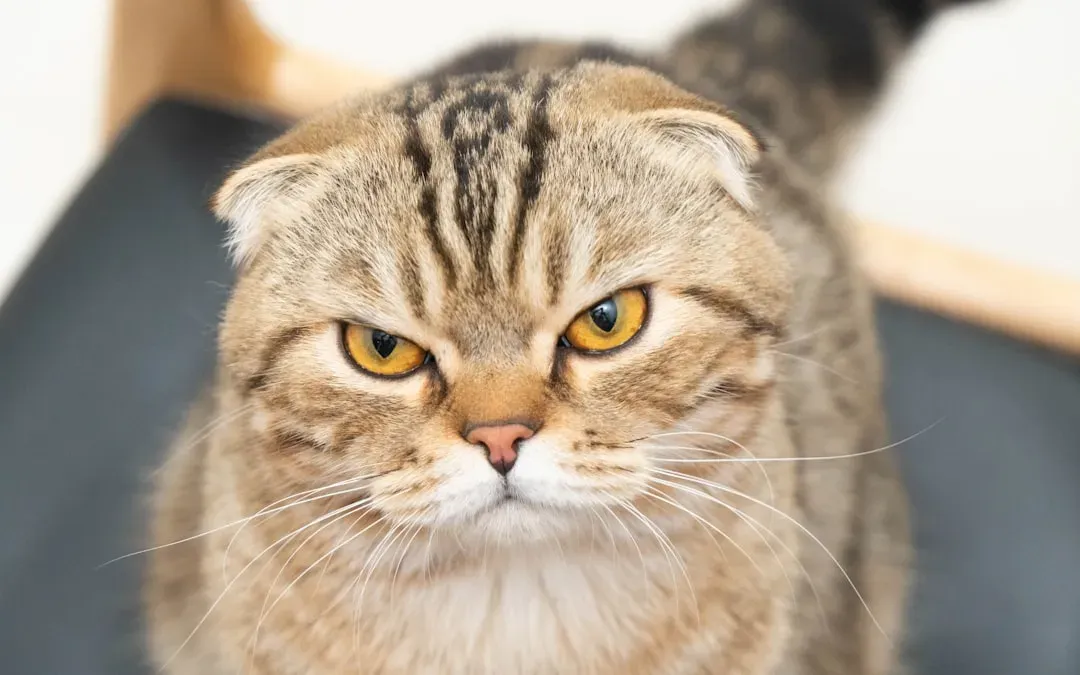
While Scottish Folds have moderate grooming needs, their health concerns create significant time demands. The U.K. breed is prone to several birth defects including urinary tract and digestive problems that often develop before a kitten reaches four months of age, and they are susceptible to corneal dystrophy which can develop from when they are four-months-old.
Their folded ears, while adorable, can lead to ear infections requiring regular cleaning and monitoring. Many Scottish Folds develop joint problems due to the genetic mutation causing their signature ear fold, necessitating frequent veterinary visits and special care.
These cats need attentive owners who can monitor their health closely and respond quickly to any signs of discomfort. They’re sweet-tempered and affectionate, but their potential health complications mean they’re not suitable for people who can’t commit to regular vet visits and careful observation.
The breed requires owners who can afford both time and money for ongoing medical care. It’s not just about feeding and playing; it’s about managing a potentially complicated health situation throughout the cat’s life.
12. Egyptian Mau Cat
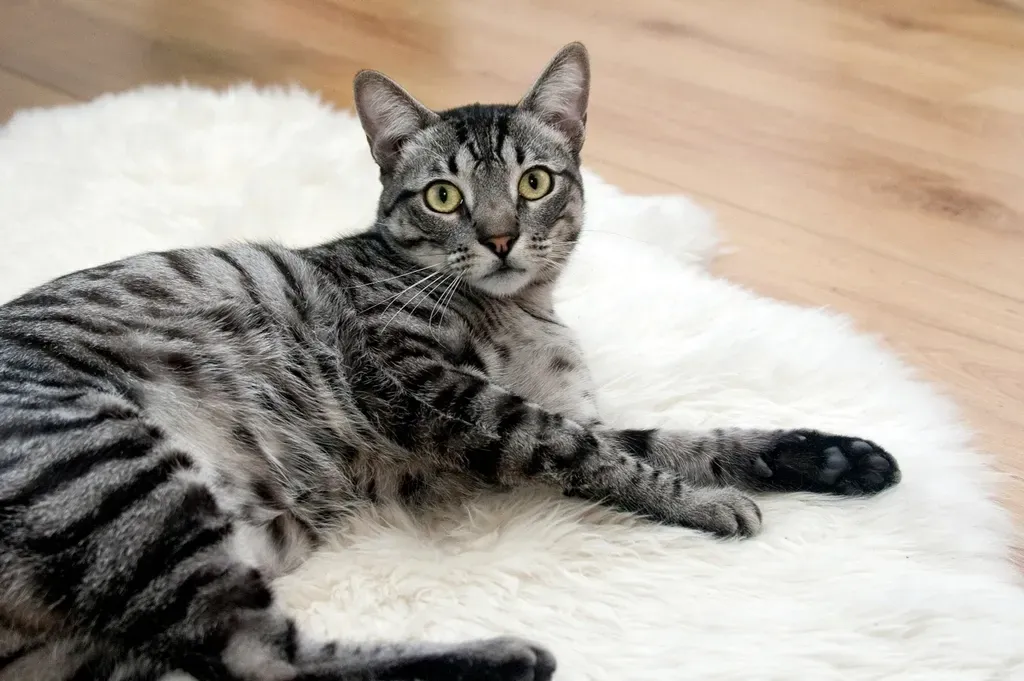
This intense breed wants to be “the center of your world,” commanding your attention and craving the touch of special people that are his and his alone. They’re not cats who tolerate being one of many priorities in your life.
Most Egyptian Maus have very distinct ideas about who can handle them and when, as they are sensitive, people-oriented cats who like things on their terms and dote on their people. This pickiness extends to how and when they receive attention.
Egyptian Maus are active, athletic cats who need space to run and climb. They form intense bonds with their chosen person and become possessive of that relationship. Their energy levels remain high throughout their lives, requiring daily interactive play.
The breed’s sensitivity means they don’t adapt well to changes in routine or environment. For anyone with an unpredictable schedule or frequent lifestyle changes, an Egyptian Mau will struggle. They need stability, routine, and dedicated attention from their preferred person.
13. Abyssinian Cat
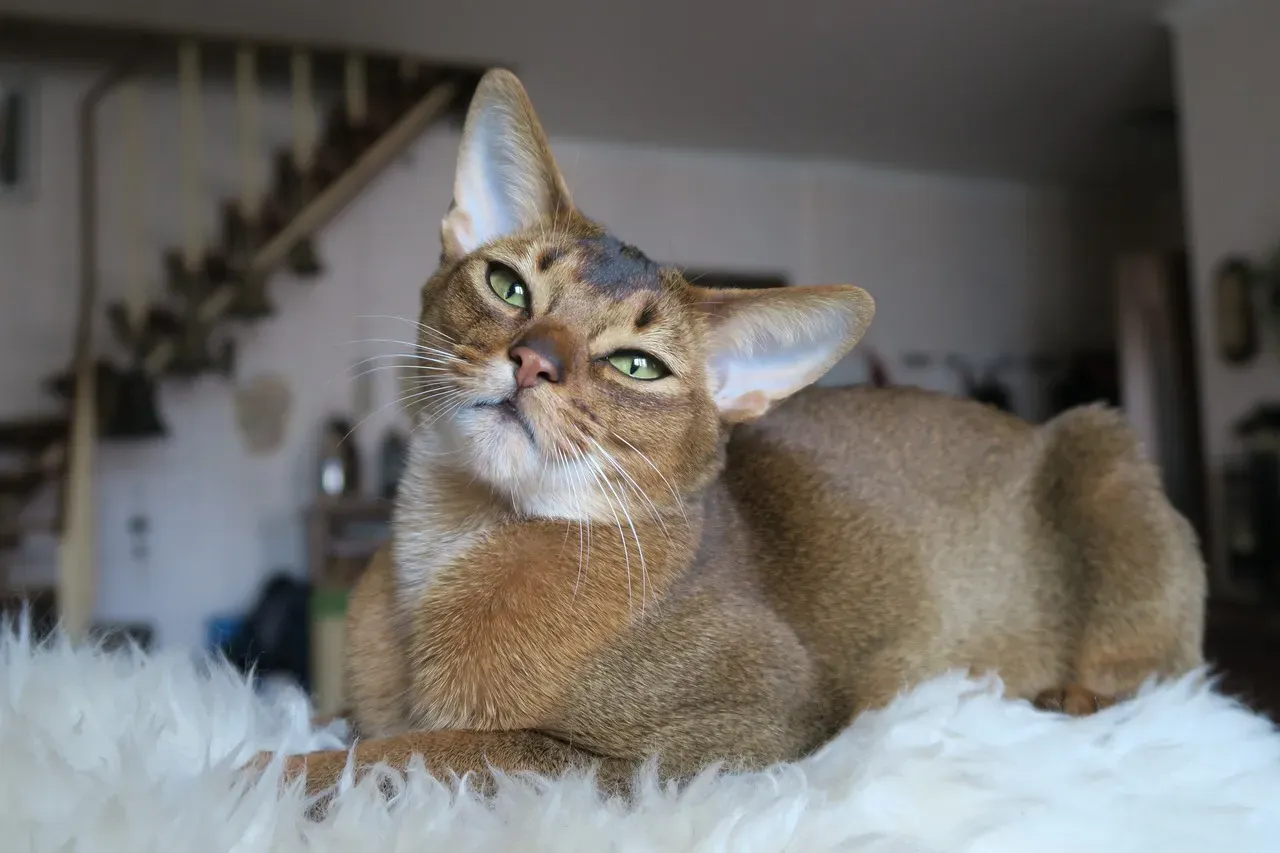
Abyssinians are perpetual motion machines who never seem to slow down. They’re curious, intelligent, and need constant mental stimulation to stay happy. Their short coats require minimal grooming, but their behavioral needs are extensive.
These cats climb everything, investigate every corner, and demand participation in all household activities. They’re not content watching from the sidelines; they need to be involved. Abyssinians also tend to be vocal and will let you know exactly what they think about everything.
They bond closely with their families but can become destructive when bored or lonely. Without adequate playtime and enrichment, they’ll create their own entertainment, often at the expense of your belongings. They need puzzle toys, climbing structures, and interactive play sessions multiple times daily.
Abyssinians are wonderful for active households with plenty of time for engagement. For busy professionals or anyone wanting a calm, independent cat, they’re a recipe for frustration. Their needs don’t diminish with age either; senior Abyssinians often maintain kitten-like energy levels.
14. Oriental Shorthair Cat
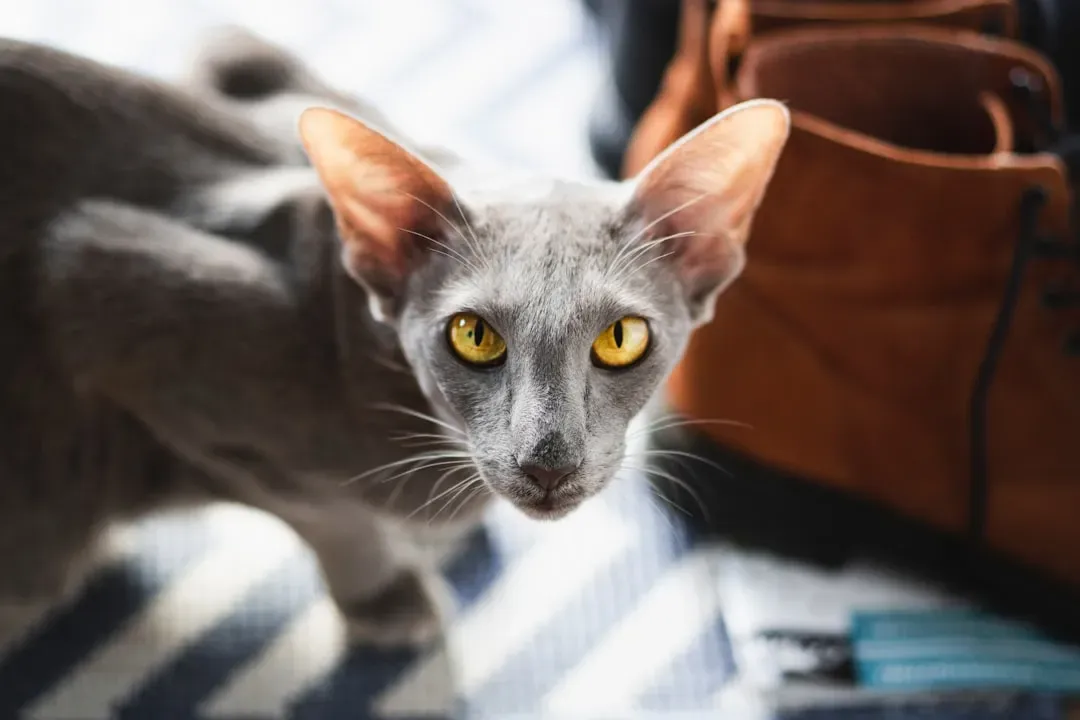
Oriental Shorthairs share many characteristics with Siamese cats, including extreme vocalization and intense social needs. They’re chatty, opinionated, and emotionally demanding cats who don’t tolerate being ignored.
These cats form obsessive attachments to their owners and suffer genuine distress when separated. They’ll follow you from room to room, sleep in your bed, and insert themselves into every activity. Their need for constant companionship makes them unsuitable for people who work long hours outside the home.
Oriental Shorthairs are intelligent and trainable but use that intelligence to get what they want. They learn to open doors, cabinets, and manipulate their environment to suit their preferences. They need mental challenges to prevent boredom-induced mischief.
The breed’s sleek appearance suggests low maintenance, but their emotional and social requirements are anything but simple. They’re loving, loyal companions who give their whole hearts to their families, but that devotion comes with significant obligations.
15. Burmese Cat
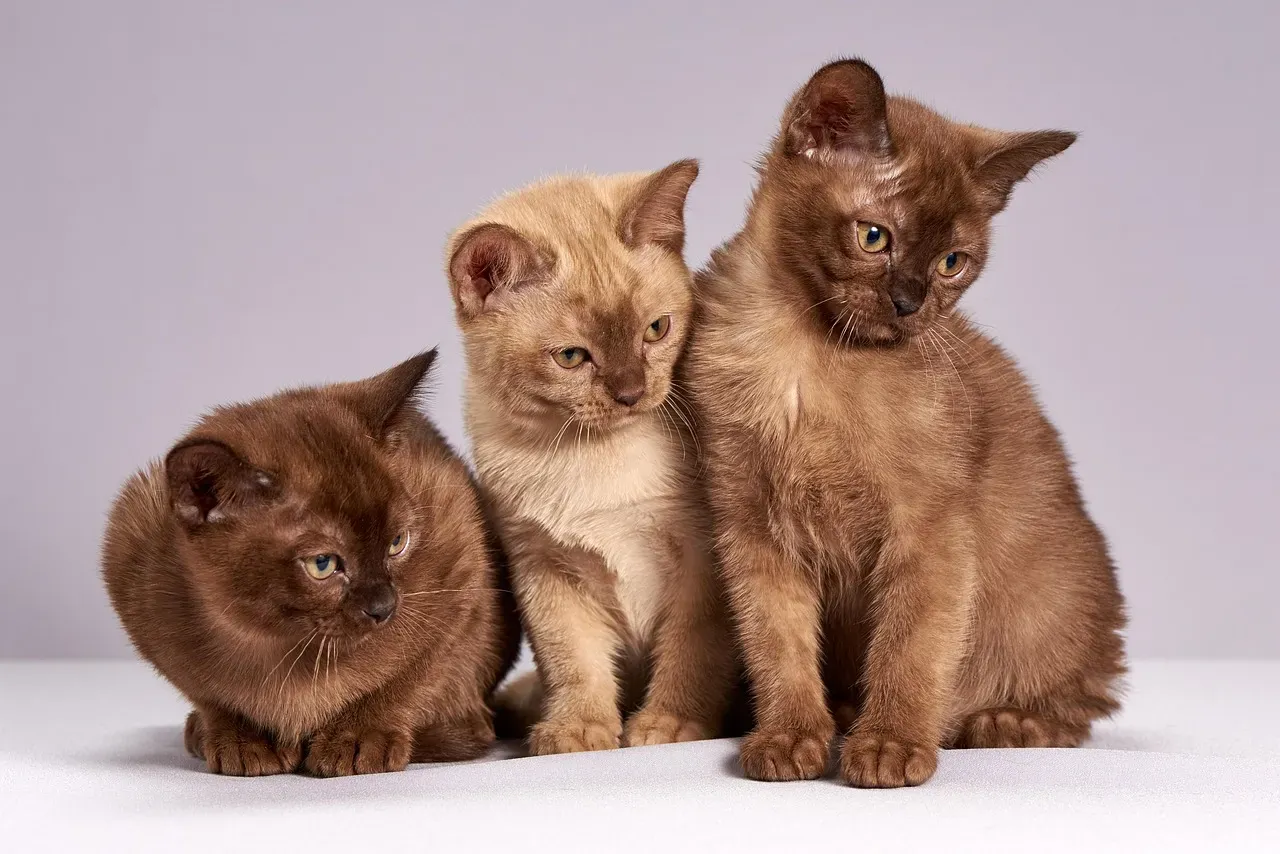
Burmese are the most common cat breed to develop diabetes, which can cause weakness, blindness, excessive appetite and thirst and may require daily insulin injections, and they’re also prone to hypokalaemic polymyopathy. Health management becomes a significant time commitment.
Beyond health concerns, Burmese cats are incredibly social and people-oriented. They don’t do well when left alone and need regular interaction throughout the day. They’re playful, energetic, and maintain kitten-like behavior well into adulthood.
Burmese cats are curious, clever, friendly, playful, and very social with a strong desire for attention, and they may even act dog-like in their play, but they don’t enjoy being left alone for long stretches. Their social needs exceed what many busy owners can provide.
The combination of potential health issues requiring ongoing veterinary care and intensive social needs makes Burmese cats challenging for anyone with limited time. They’re wonderful companions for retired individuals or those working from home, but they clash dramatically with busy lifestyles involving frequent absences and packed schedules.
Conclusion
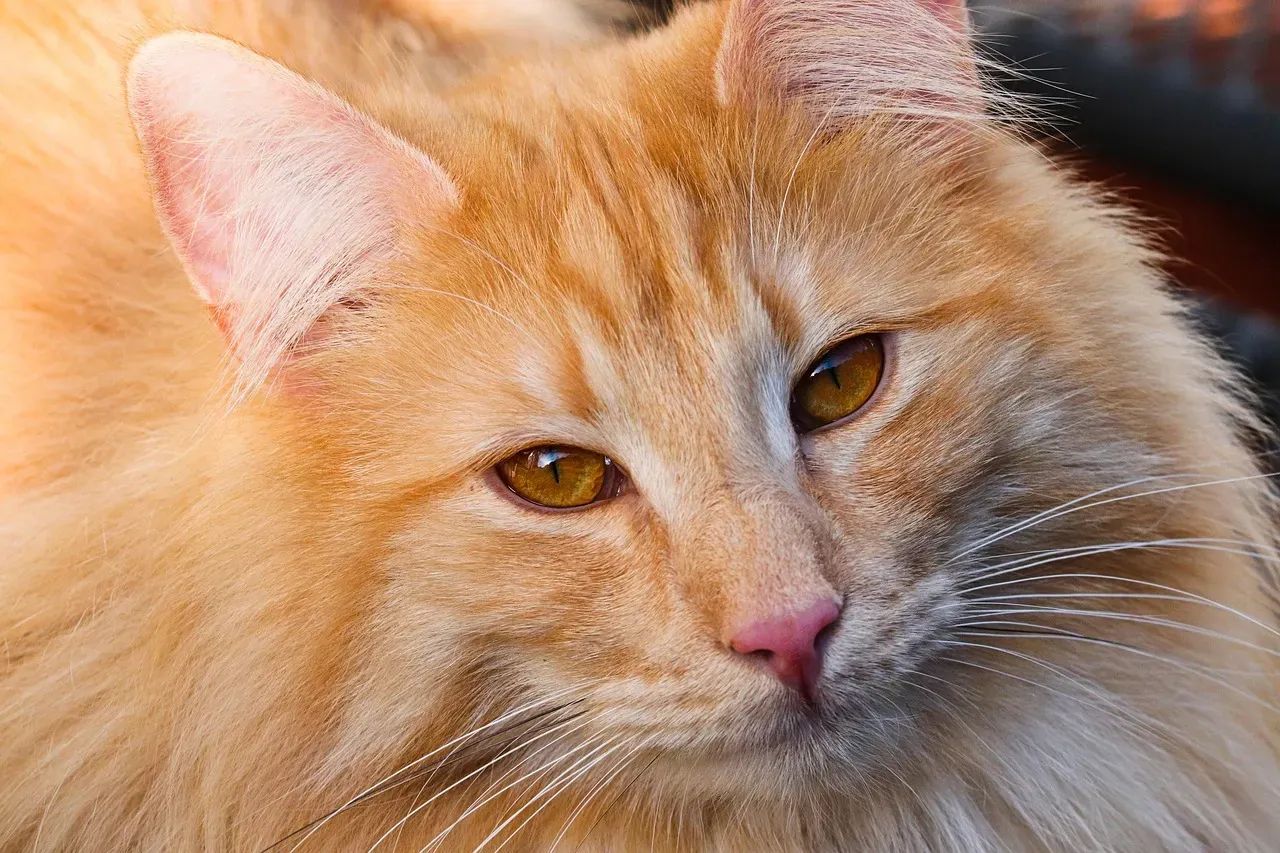
Choosing a cat breed based on appearance alone sets both owner and animal up for disappointment. These fifteen breeds, while beautiful and charming, demand far more time, attention, and commitment than many people anticipate. From daily grooming marathons to constant vocalization, from extreme energy levels to intense social needs, these cats clash spectacularly with busy modern lifestyles.
The right cat breed makes all the difference between a harmonious relationship and daily frustration. Before falling in love with stunning looks or unique characteristics, honestly assess your available time, energy, and lifestyle flexibility. Some cats truly are low-maintenance companions who adapt well to minimal interaction. These fifteen breeds are emphatically not among them.
If you’re already stretched thin with work, travel, or other commitments, consider breeds known for independence and minimal care requirements. British Shorthairs, American Shorthairs, and Russian Blues offer affection without overwhelming demands. Save the high-maintenance beauties for a time when you can truly meet their needs without resentment or guilt.
Did any of these breeds surprise you? What’s your experience with high-maintenance cats? Share your thoughts in the comments.

- The Striped Bark Scorpion Won’t Be Seen In These US States - July 24, 2026
- 12 Surprising Facts About the Comanche – The “Lords of the Southern Plains” - July 24, 2026
- Life on Earth May Have Actually Started In Space - July 24, 2026