
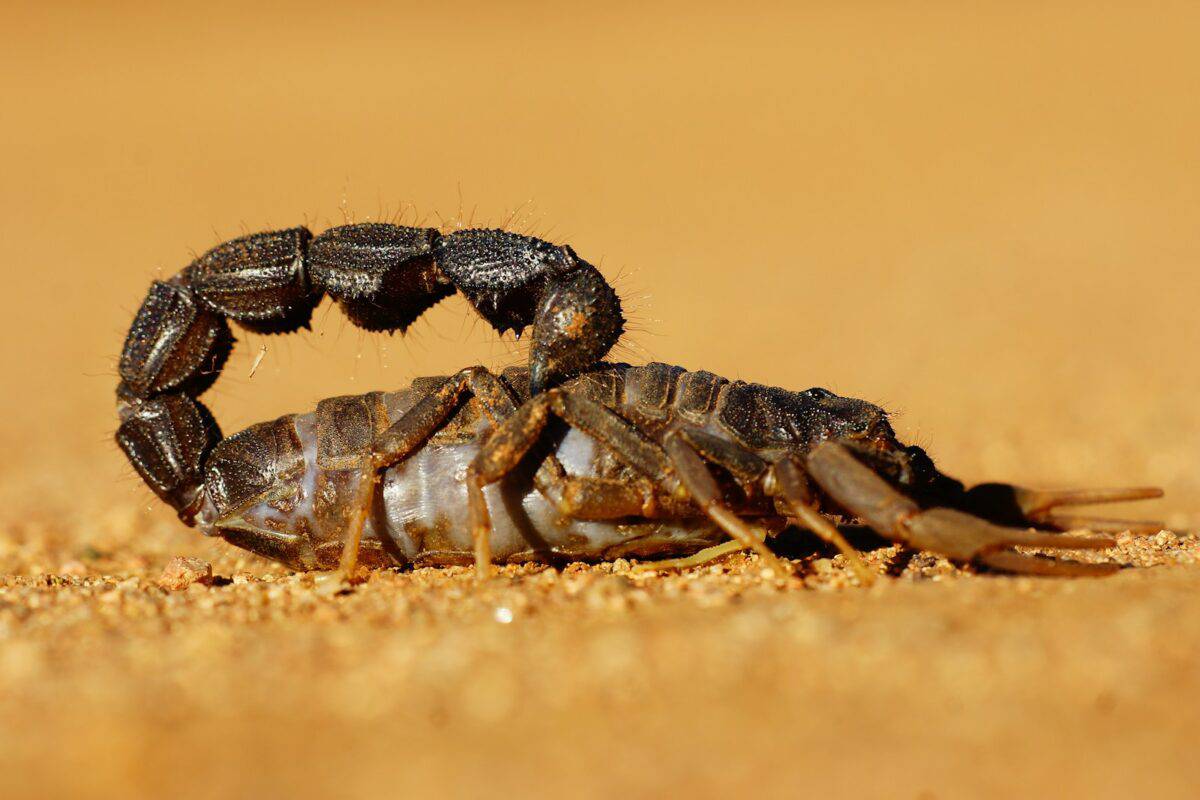
The striped bark scorpion, scientifically known as Centruroides vittatus, is one of the most widespread and commonly encountered scorpions in the United States. Recognizable by the characteristic dark stripes running down its back, this species is notorious for delivering painful stings. However, despite their resilience and adaptability, these scorpions are absent from certain U.S. states. Understanding their distribution can offer insights into their ecological preferences and the environmental factors that influence their habitats.
Habitat and Behavior of the Striped Bark Scorpion
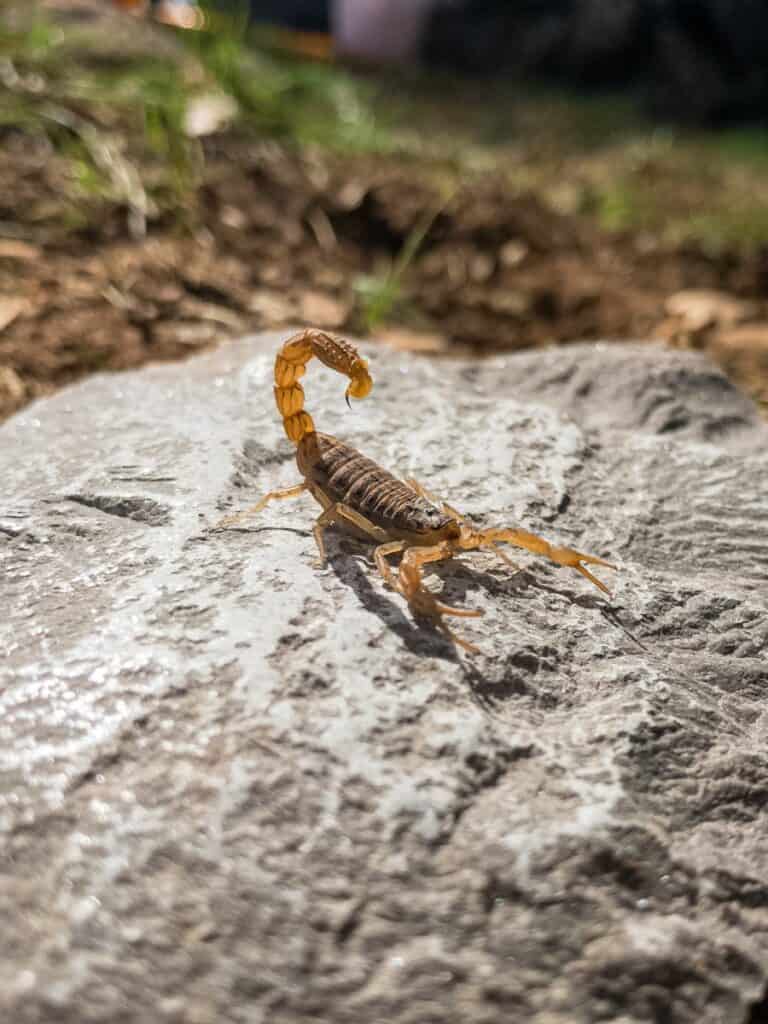
Striped bark scorpions are typically found in warm, arid, and semi-arid regions. They thrive in habitats ranging from deserts and grasslands to woodlands and even urban environments where they take refuge under rocks, logs, or within human dwellings. These scorpions are nocturnal predators, hunting a variety of insects and small arthropods. Despite their hardy nature, they are sensitive to environmental conditions such as temperature, humidity, and precipitation, which plays a critical role in defining their geographic range.
Current Distribution in the United States
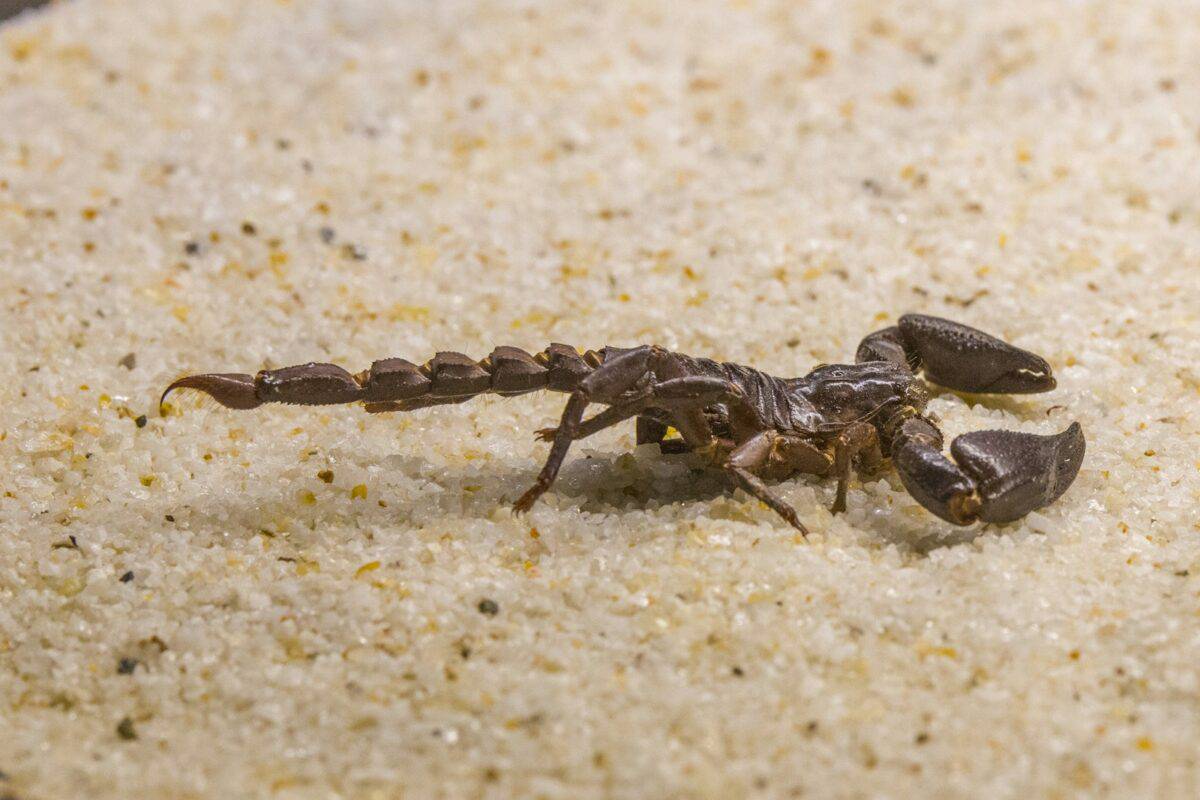
The striped bark scorpion is predominantly found in the southern and central regions of the United States. States where they are prevalent include Texas, Oklahoma, New Mexico, Arizona, Kansas, and parts of Missouri, Arkansas, and Louisiana. The presence of these scorpions in these areas is largely attributed to the suitable warm climate, diverse microhabitats, and ample food supply.
States Where Striped Bark Scorpions Are Rarely Seen
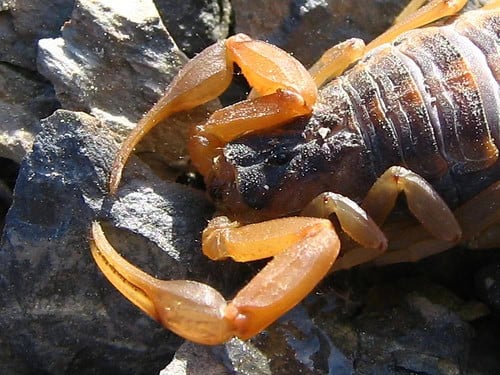
Interestingly, there are several U.S. states where the striped bark scorpion is either absent or rarely seen. These states include those with harsher climates or environments that do not support the ecological prerequisites of this scorpion species. Here’s a closer look at some factors contributing to their absence:
Climate Conditions

The colder, wetter climates found in northern states do not favor the survival of striped bark scorpions. States like Minnesota, Wisconsin, and Maine experience harsh winters and cooler summers that are incompatible with the scorpions’ need for warmth and dryness.
Forest-Dominated Landscapes
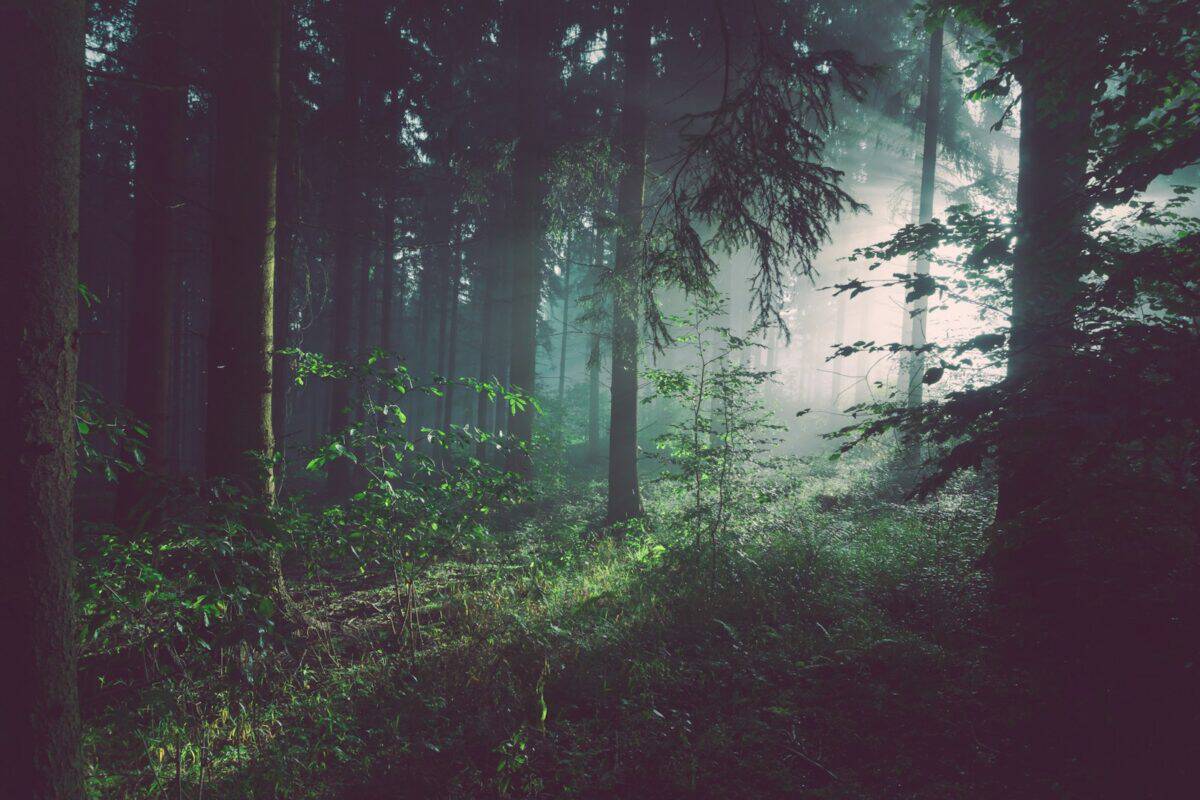
States with dense forestation such as Vermont, New Hampshire, and Washington provide a different kind of ecosystem that may not naturally accommodate the prey and hiding spots striped bark scorpions rely on. Additionally, the cooler microclimates of these forests are less conducive to scorpion habitation.
Altitude and Geography

Higher altitude regions in states like Colorado and Montana can also deter these scorpions due to the cooler temperatures and the distinct ecological zones found in mountainous areas. The varied geography and climatic conditions present barriers to the spread and establishment of these scorpions.
Ecological Implications and Human Interactions
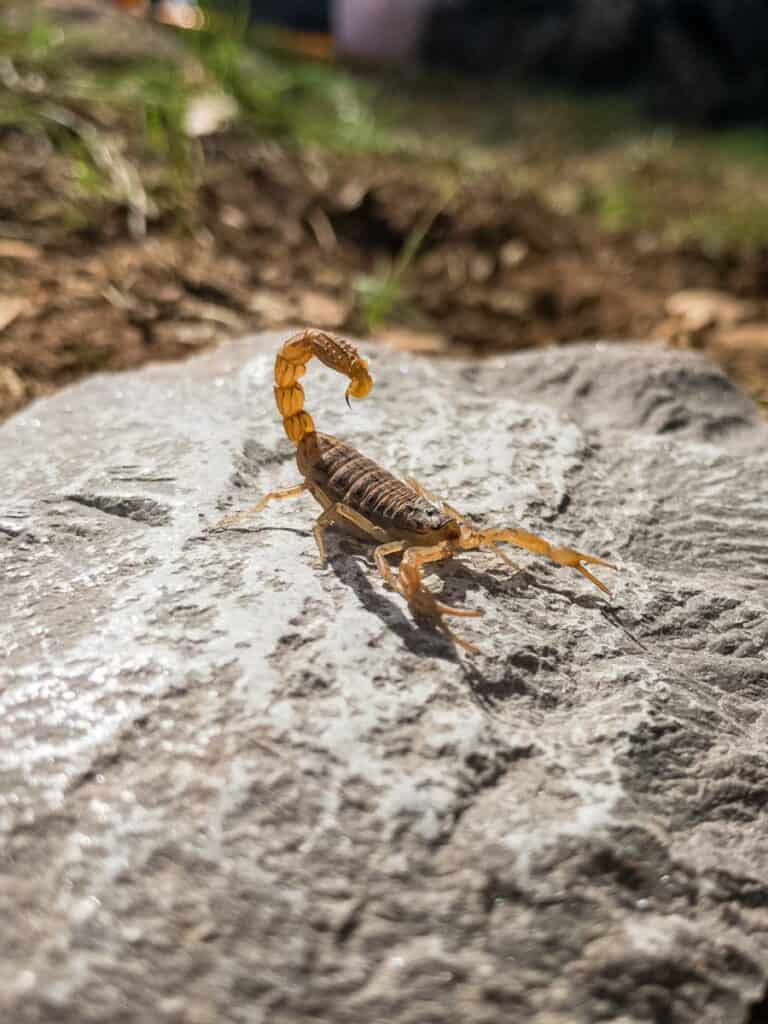
Understanding the distribution of the striped bark scorpion is not only crucial for ecological studies but also for public awareness and safety. Given their painful sting, knowing where these scorpions are likely to be found can help residents in affected areas take precautionary measures to avoid unplanned encounters. Their absence in certain states provides interesting case studies to further explore how climate change or human activities might affect future distributions.
Conclusion
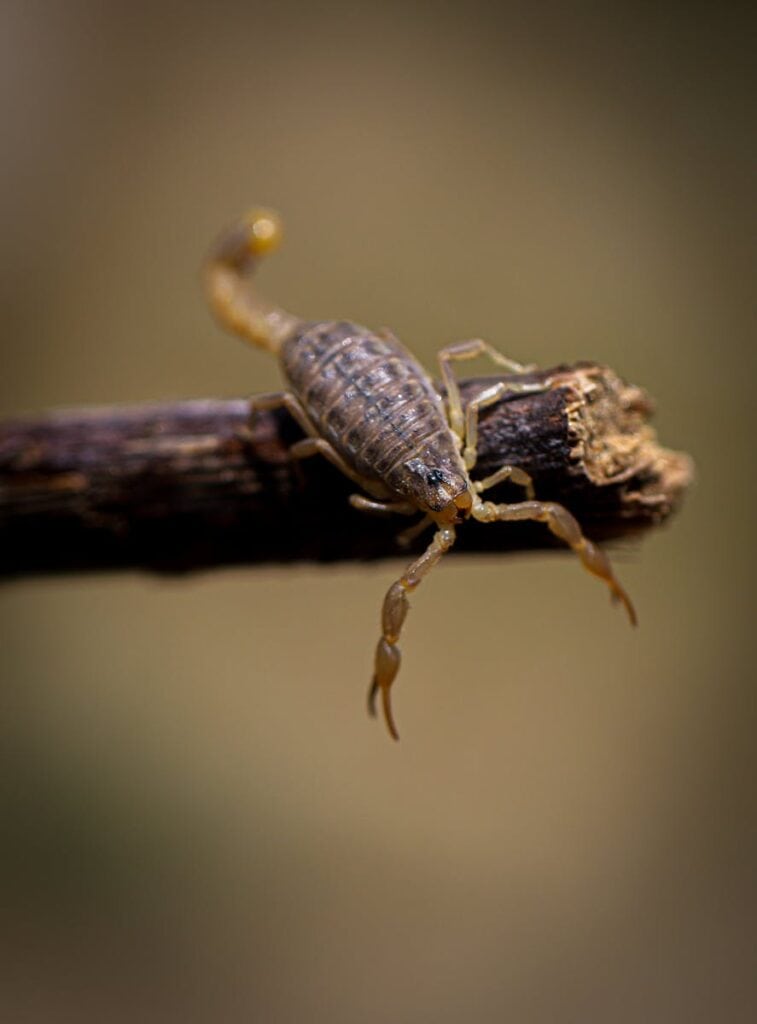
The striped bark scorpion serves as a fascinating example of how environmental factors dictate the distribution of a species. While they comfortably inhabit various parts of the U.S., states with climates or geographies less favorable to their lifecycle are spared their presence. This variation in distribution highlights the importance of ecological balance and the intricate factors that support biodiversity. For those living in areas where these scorpions are found, awareness and caution are key in coexisting safely with this small yet formidable arachnid.

- 7 Signs Your Dog Truly Sees You as Their Best Friend - July 24, 2026
- If Your Native American Zodiac Sign is a Beaver, Here’s What It Means - July 24, 2026
- The Striped Bark Scorpion Won’t Be Seen In These US States - July 24, 2026
Leave a comment
You must be logged in to post a comment.