
Ever heard a chainsaw echoing through the rainforest, only to discover it was actually a bird singing? It sounds impossible, yet some of our feathered friends possess such astonishing vocal abilities that they can replicate nearly anything they encounter. These natural masters of sound don’t just chirp their own tunes. They borrow, steal, and transform every noise in their environment into something entirely their own.
From parrots that carry on conversations to songbirds that impersonate car alarms, the world of avian mimicry is far stranger and more fascinating than most people realize. So let’s dive in and meet these incredible performers.
1. Superb Lyrebird: The Undisputed Champion
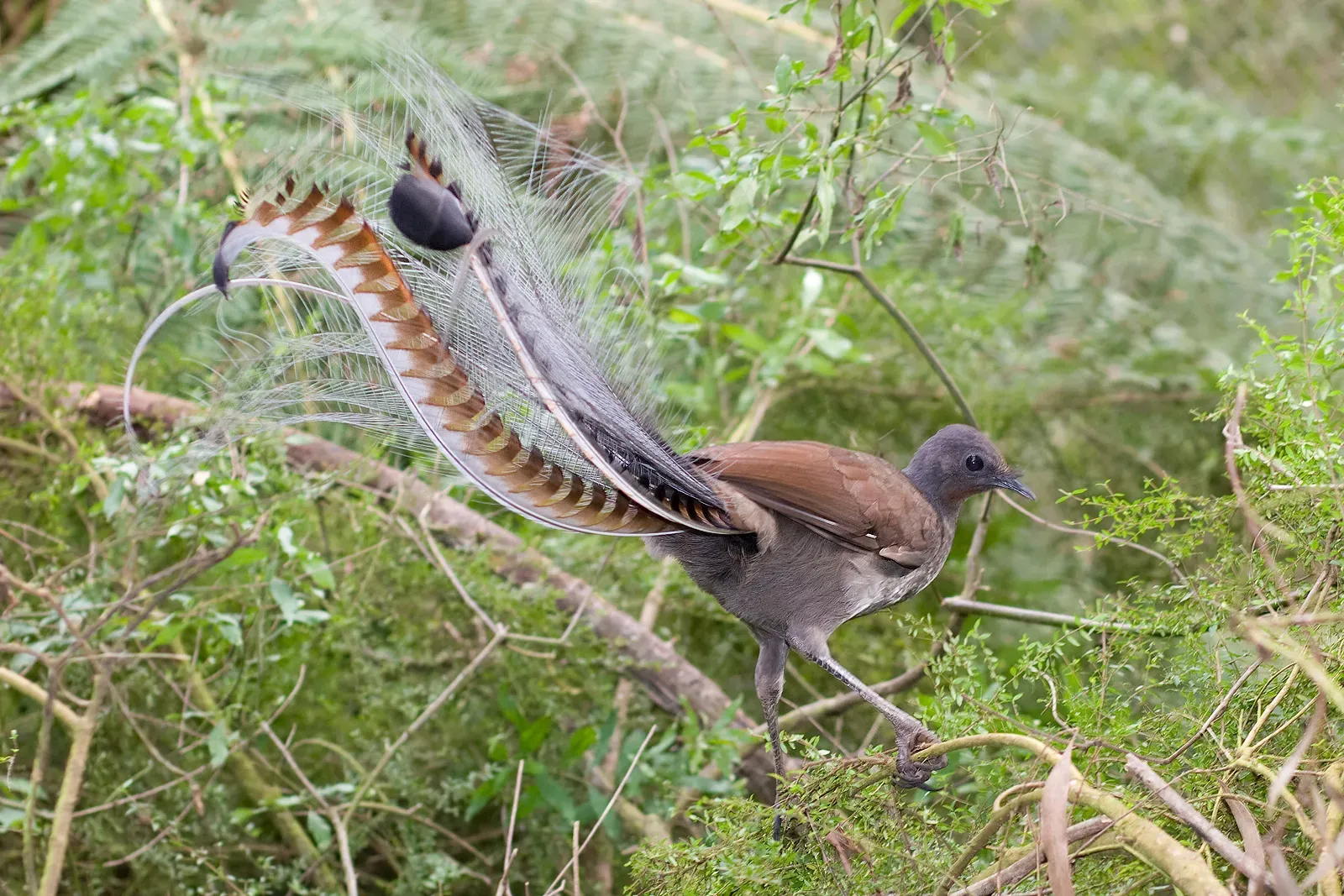
The male lyrebird is the undisputed king of mimicry. Found in the forests of Australia, this bird has earned worldwide fame for its ability to copy virtually any sound with uncanny precision. Lyrebirds can imitate a wide range of sounds they hear in their environment, including the calls of other birds, animal sounds, and even human-made noises, sometimes fooling even the original sound source.
What makes the lyrebird particularly remarkable is the sheer diversity of its repertoire. A male superb lyrebird can mimic at least 20 different species of native birds, as well as koalas, dingos, possums and even chainsaws. This large ground-dwelling bird has worked its way through a repertoire that included impersonations of songbirds, a kookaburra, a camera shutter and camera motor, a car alarm, and a perfect imitation of a chainsaw starting up and loggers sawing down trees. Honestly, if you close your eyes and listen, you’d swear construction crews were nearby.
2. Northern Mockingbird: America’s Vocal Virtuoso
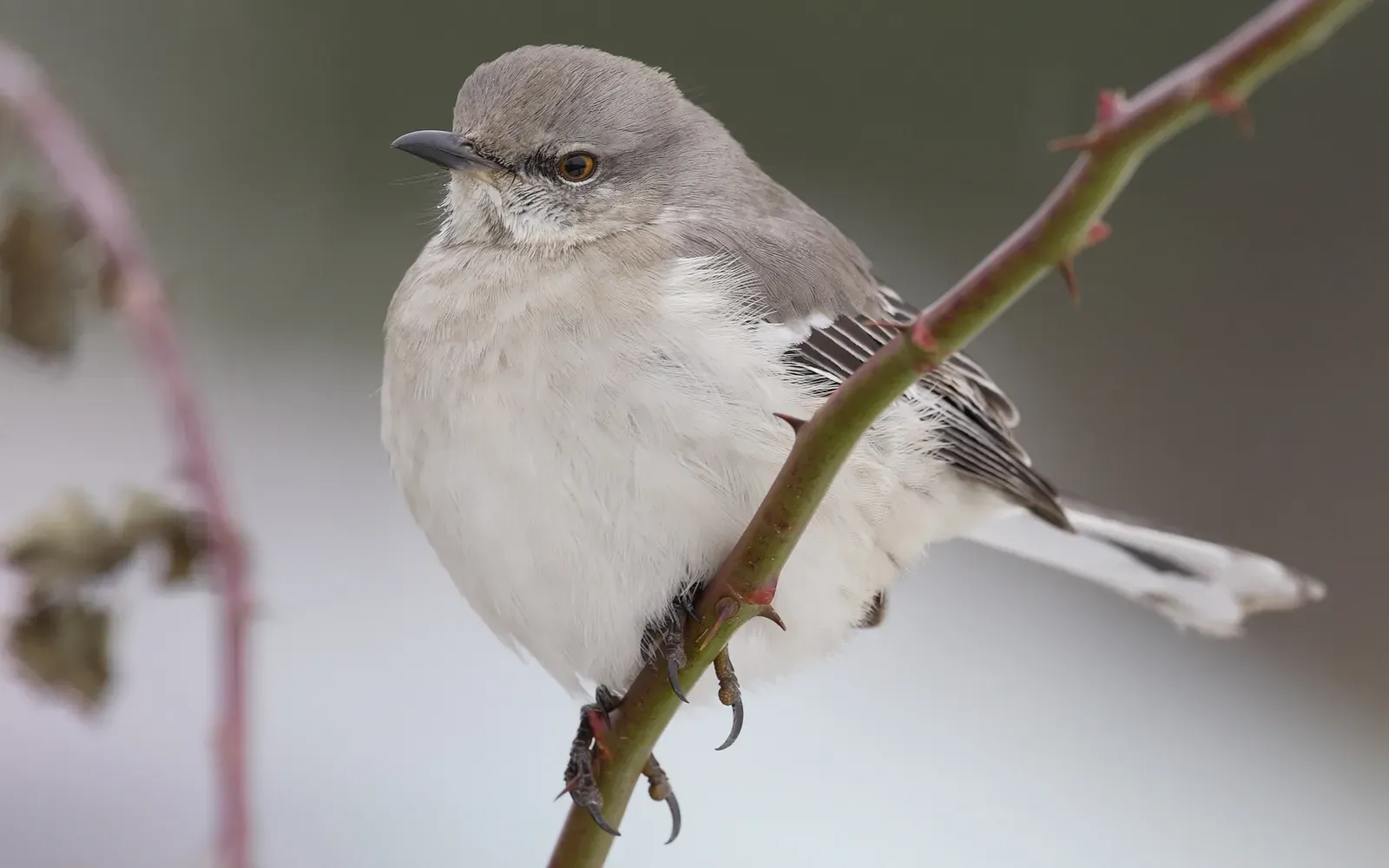
Northern Mockingbirds “mock” the calls of other birds, as well as other animals and even inanimate objects, sounding like a cardinal, jay, titmice, or wren. This familiar North American songbird takes its mimicry seriously. An adult male mockingbird can mimic up to 200 different sounds in their lifetime.
The mockingbird doesn’t just stop at bird calls. They can also recreate the startling sound of a car alarm, the croak of a frog, and even the distinct bark of your family dog. Over their lifetime they can learn as many as 200 individual species’ songs, with a few slamming doors, creaking gates, dogs barking, doorbells, phones, carnival music, construction noises, cats, frogs, crickets and the occasional police siren thrown in. It’s fascinating how this bird never stops learning, continuing to add to its collection throughout its entire life.
3. African Grey Parrot: The Thinking Mimic
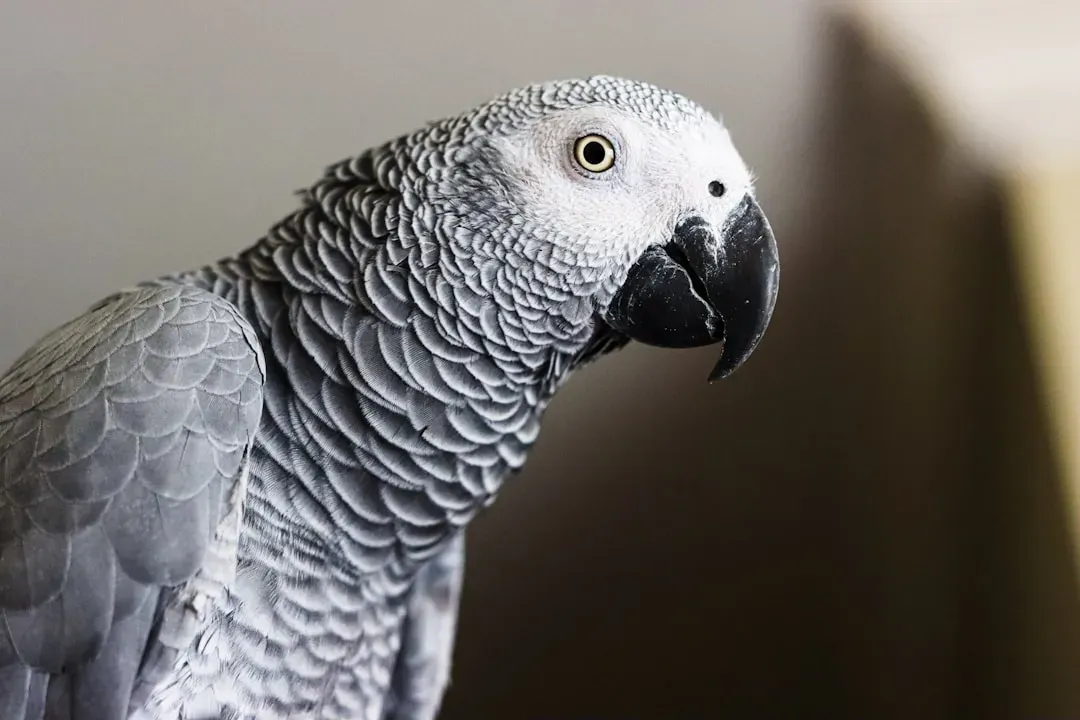
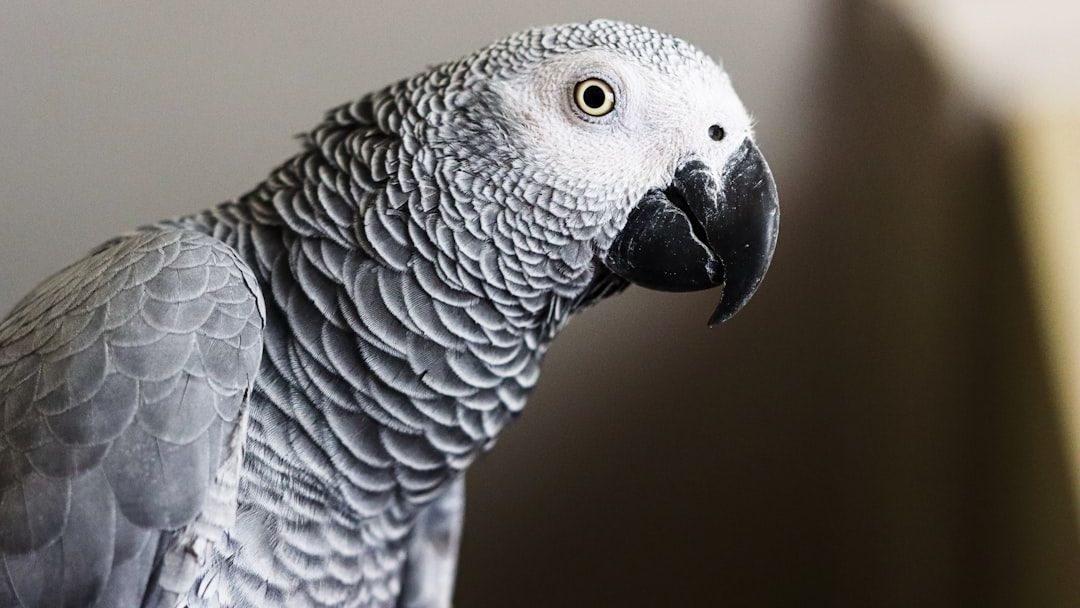
The African Grey Parrot is a highly intelligent and social bird, renowned for its exceptional ability to mimic human speech and other sounds. Unlike many mimics that simply copy sounds, African Greys demonstrate something far more intriguing. Beyond mere mimicry, African Greys have demonstrated impressive cognitive abilities, including understanding the meaning of words and using them in context.
Species differed significantly in mimicry ability, with grey parrots (Psittacus erithacus) having the largest mimicry repertoires. These birds can learn hundreds, even thousands of different sounds when kept in captivity. They can also imitate a wide range of other sounds, including household noises, animal calls, and even electronic sounds. Let’s be real, having a conversation with one of these birds feels eerily close to chatting with another human.
4. Hill Myna: The Clearest Voice in the Room
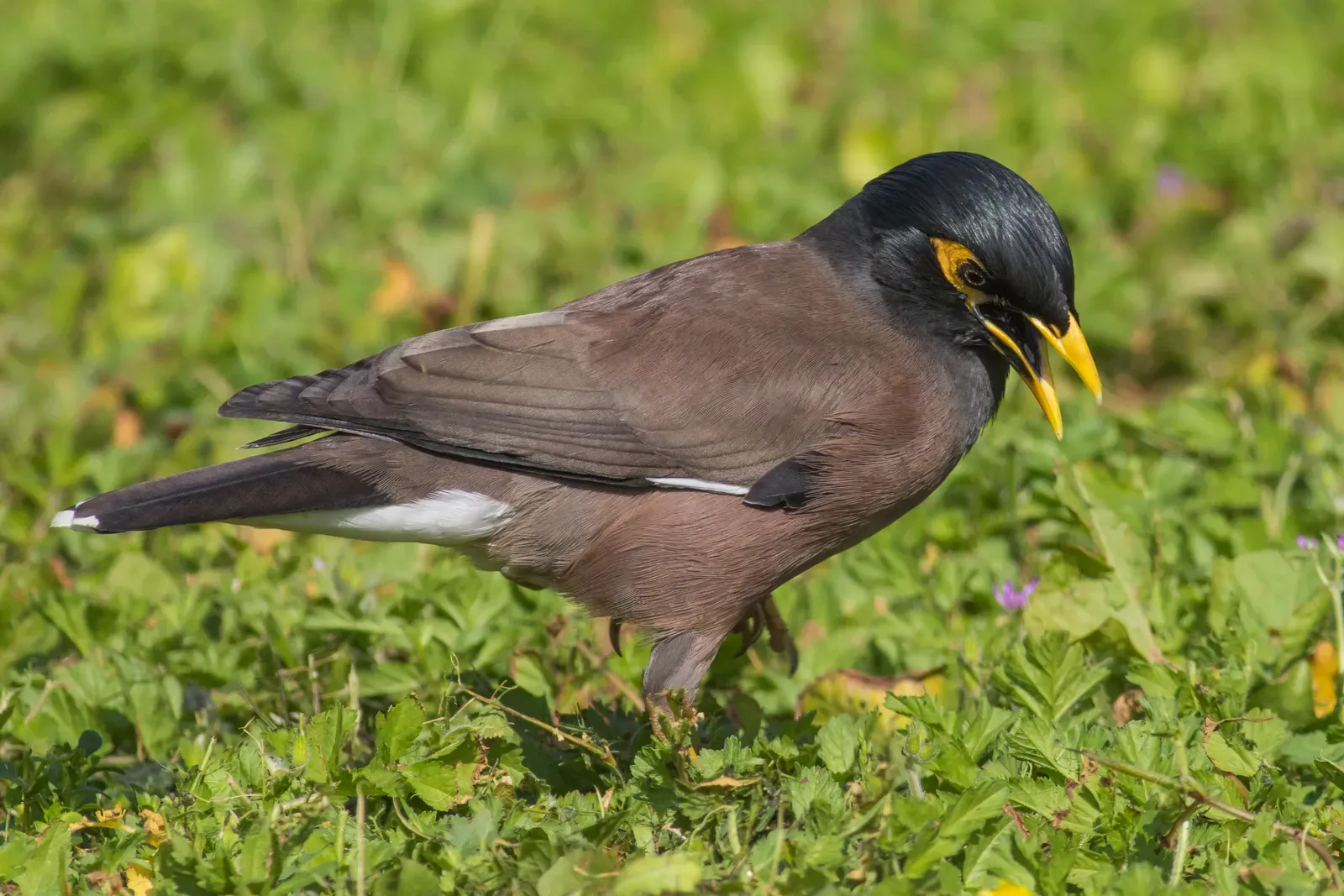
The common hill myna is renowned for its ability to mimic the human voice, and it has been claimed that the common hill mynah is the best talking bird and the best mimic in the world. Native to South and Southeast Asia, this glossy black bird with distinctive yellow wattles has a secret weapon in its vocal arsenal.
In captivity, they are among the most renowned mimics, the only bird, perhaps, on par with the grey parrot, and they can learn to reproduce many everyday sounds, particularly the human voice, and even whistled tunes, with astonishing accuracy and clarity. They can mimic everything from microwave beeps and barking dogs to ringtone melodies and even full human sentences. The clarity and tone are so accurate that many experts consider the Hill Myna superior to parrots when it comes to speech mimicry.
5. European Starling: The Underestimated Impressionist
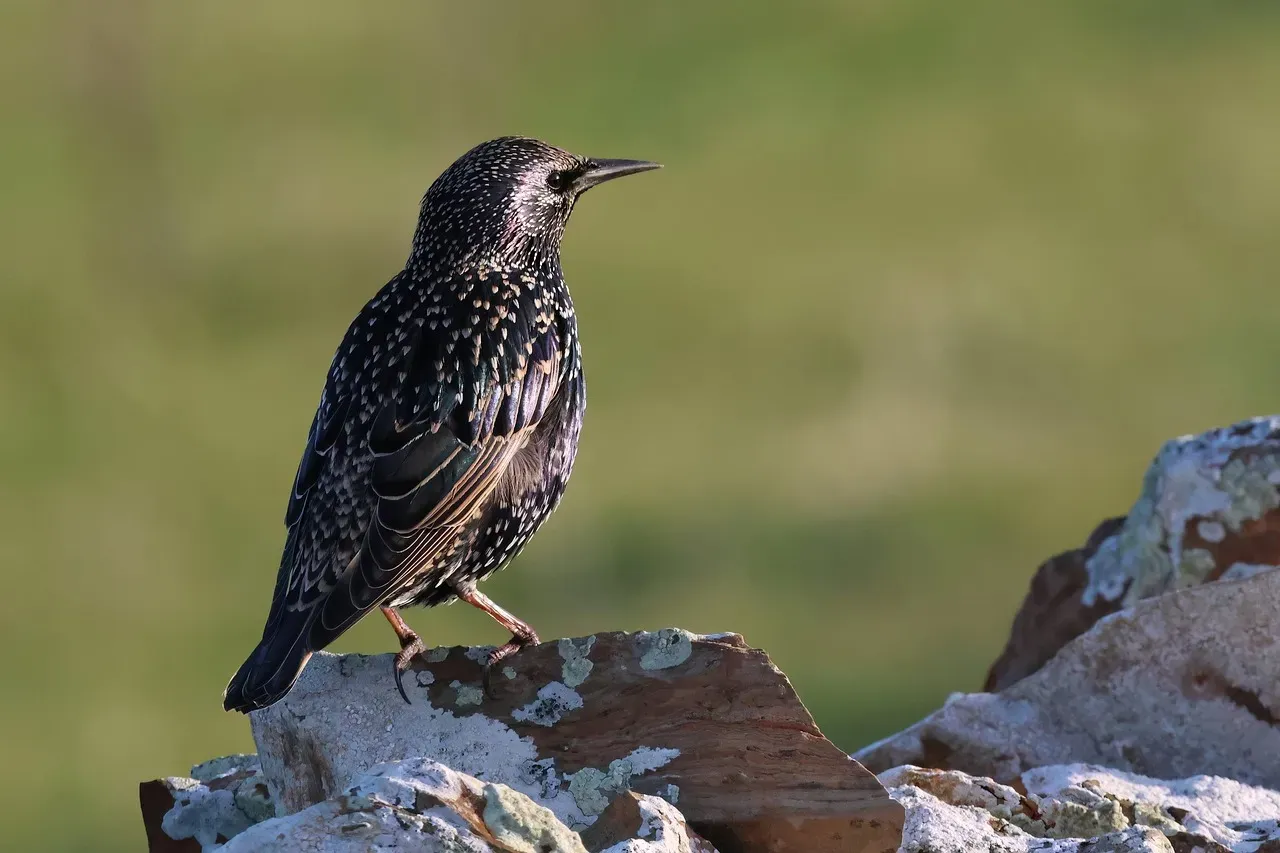
European Starlings are also accomplished mimics, just like their relatives the mynas, and are known to include imitations of other birds, but also just about anything else, including motorcycles and tea kettles. These widespread birds don’t always get the recognition they deserve, yet their mimicry skills are genuinely impressive.
US and European starlings are also exceptional mimics, with the former even going so far as to mimic the mockingbird, and starlings have been known to impersonate wild birds like owls and curlews, as well as domestic birds like hens and chickens. What’s particularly interesting is their adaptability. These birds thrive in urban environments where the soundscape is constantly changing, giving them endless material to work with.
6. Brown Thrasher: The Repertoire Record Holder
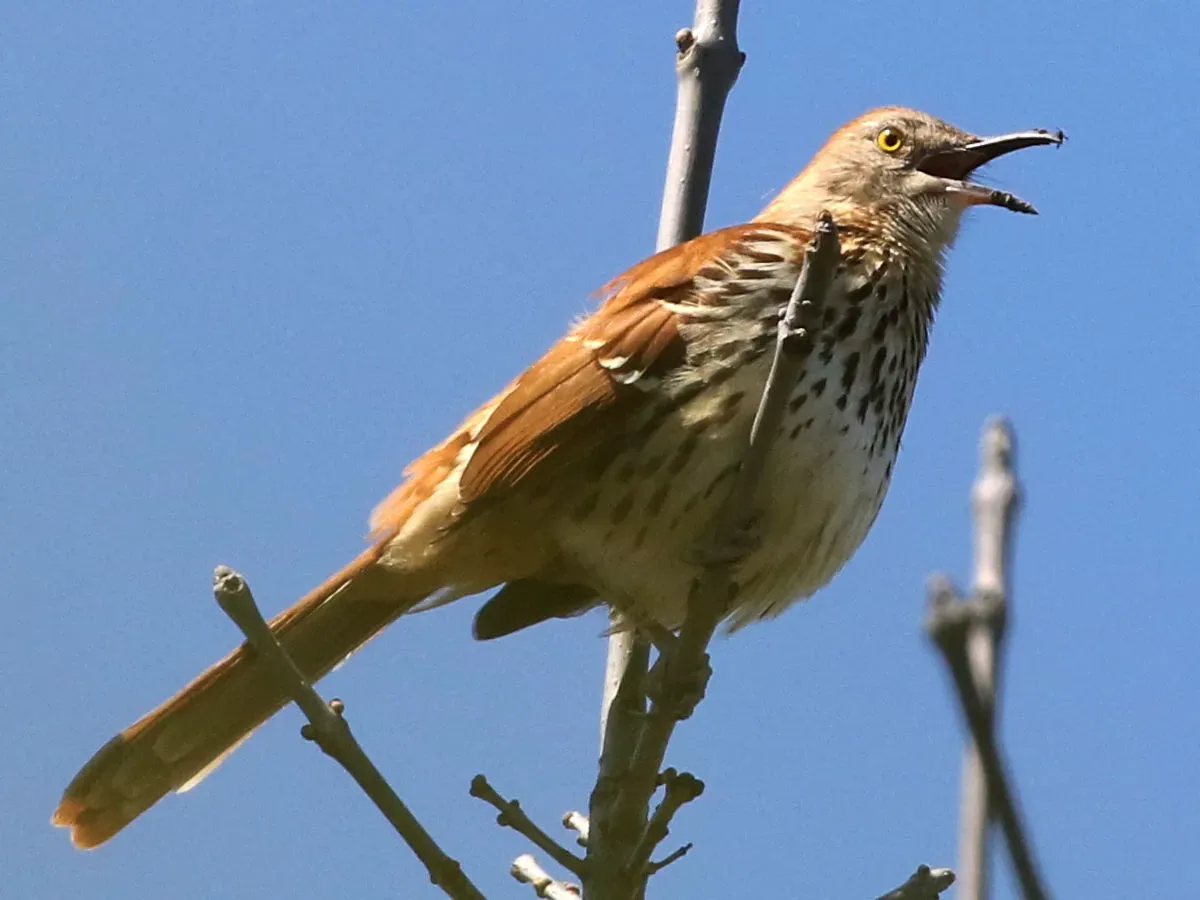
The Brown Thrasher can sing up to 2,000 different songs and may be the champion mimic in North America. This remarkable bird, closely related to the mockingbird, takes vocal variety to an entirely different level. Think about that number for a moment: two thousand distinct songs.
The Brown Thrasher has one of the largest vocal repertoires of any North American songbird, its songs are rich and full, and it is able to learn new songs while also engaging in vocal mimicry. Some birds Brown Thrashers mimic are the Northern Flicker, White-eyed Vireo, Wood Thrushes, and Northern Cardinal. Despite its talent, the Brown Thrasher often flies under the radar compared to its flashier mockingbird cousin.
7. Gray Catbird: The Dual-Voice Wonder
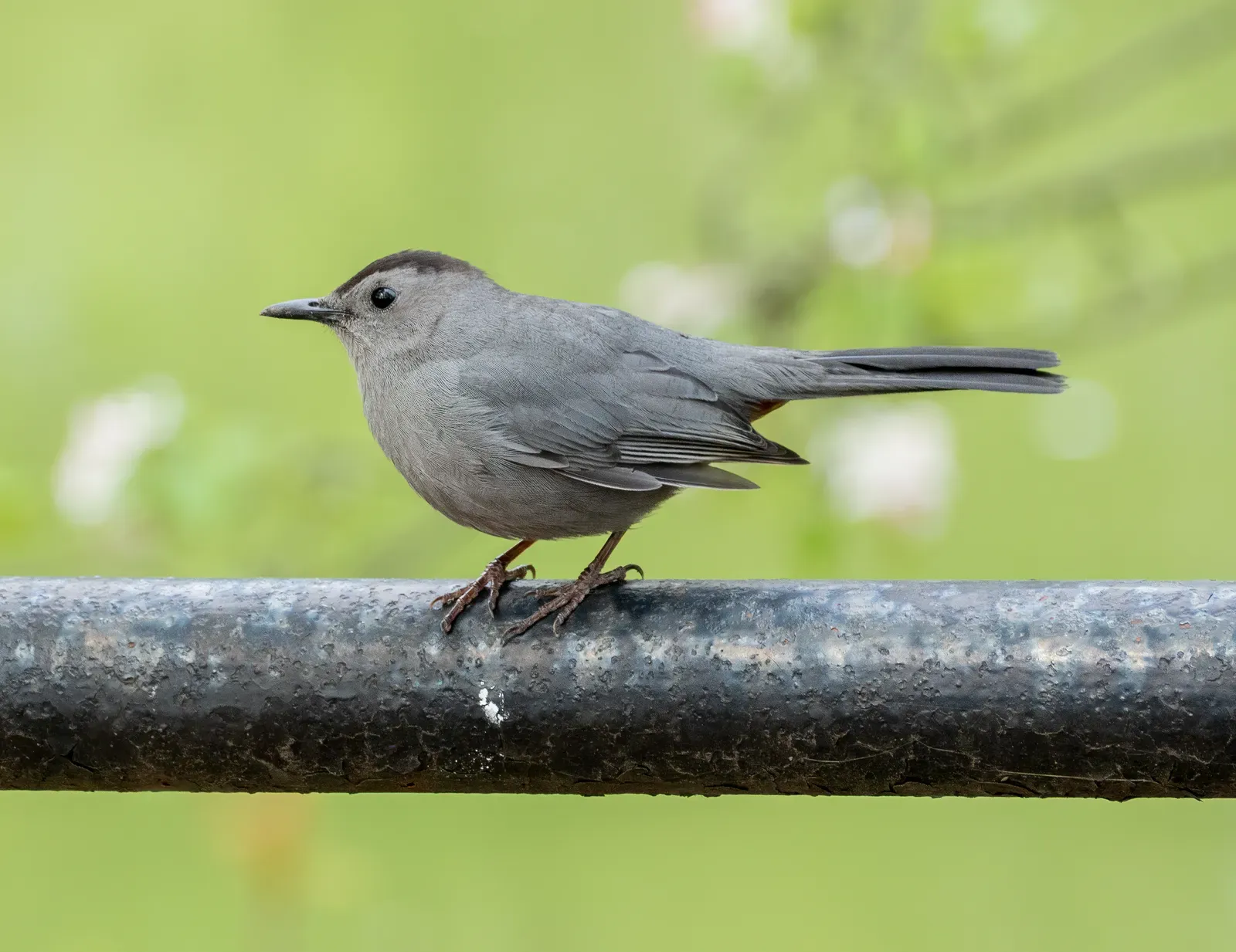
Gray Catbirds sing with great vocal versatility because both sides of this bird’s pharynx operate independently, and they can actually sing with two voices at the same time. This anatomical quirk gives the catbird an advantage that few other species possess.
Named for their distinctive cat-like call, these birds are more than just meowers. They are believed to mimic at least 44 species of birds, frogs, can whistle and squeak, and make a variety of mechanical sounds. Master impressionists, Gray Catbirds can even mimic a sound and sing a song all at once. The complexity of their performances is staggering, layering multiple sounds simultaneously in a way that seems almost impossible.
8. Blue Jay: The Hawk Impersonator
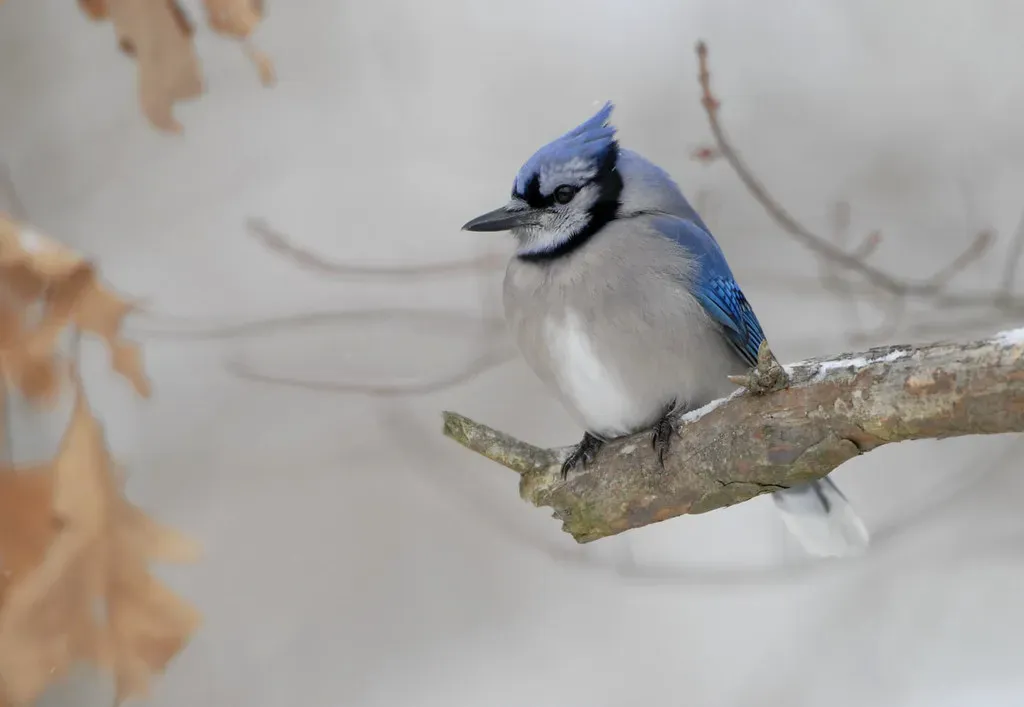
Blue Jays can mimic several species of hawks. This clever corvid uses its mimicry skills for a very specific purpose. Blue Jays are known to mimic the calls of other birds, most notably of Red-shouldered and Red-tailed Hawks, which they may use to deter other birds from feeders or to signal the presence of a predator.
Their wide range of vocalizations includes loud, harsh calls, whistles, rattles, and bell-like sounds, which means their vocal repertoire is quite diverse, even without extensive mimicry. The Blue Jay’s hawk calls are often so convincing that even experienced birdwatchers can be fooled. It’s hard to say for sure, but many believe they use this trick to clear competition away from food sources.
9. Australian Magpie: The Territorial Trickster
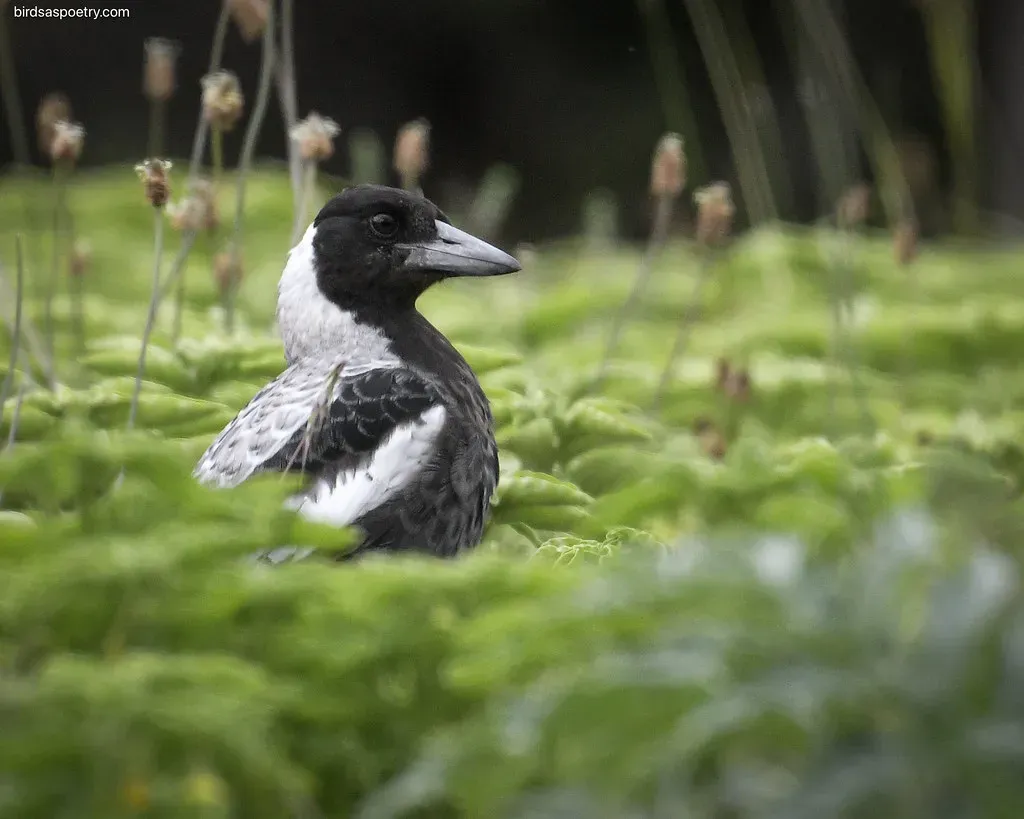
One hand-raised Australian magpie developed the ability to mimic human speech, including words and phrases. While not every magpie reaches this level of vocal prowess, these intelligent birds demonstrate remarkable mimicry abilities in the wild. The Australian magpie mimics the call of the barking owl and the boobook owl, both predators of the magpie’s young.
One individual mimicked a large number of non-human sounds, but a third of all mimicked sounds were of human speech, and the author stated that mimicry by the magpie was far more accurate than that of the lyrebird. That’s a bold claim, considering the lyrebird’s reputation. Yet the precision with which some Australian Magpies replicate sounds suggests they’re serious contenders in the mimicry game.
10. Common Raven: The Clever Corvid
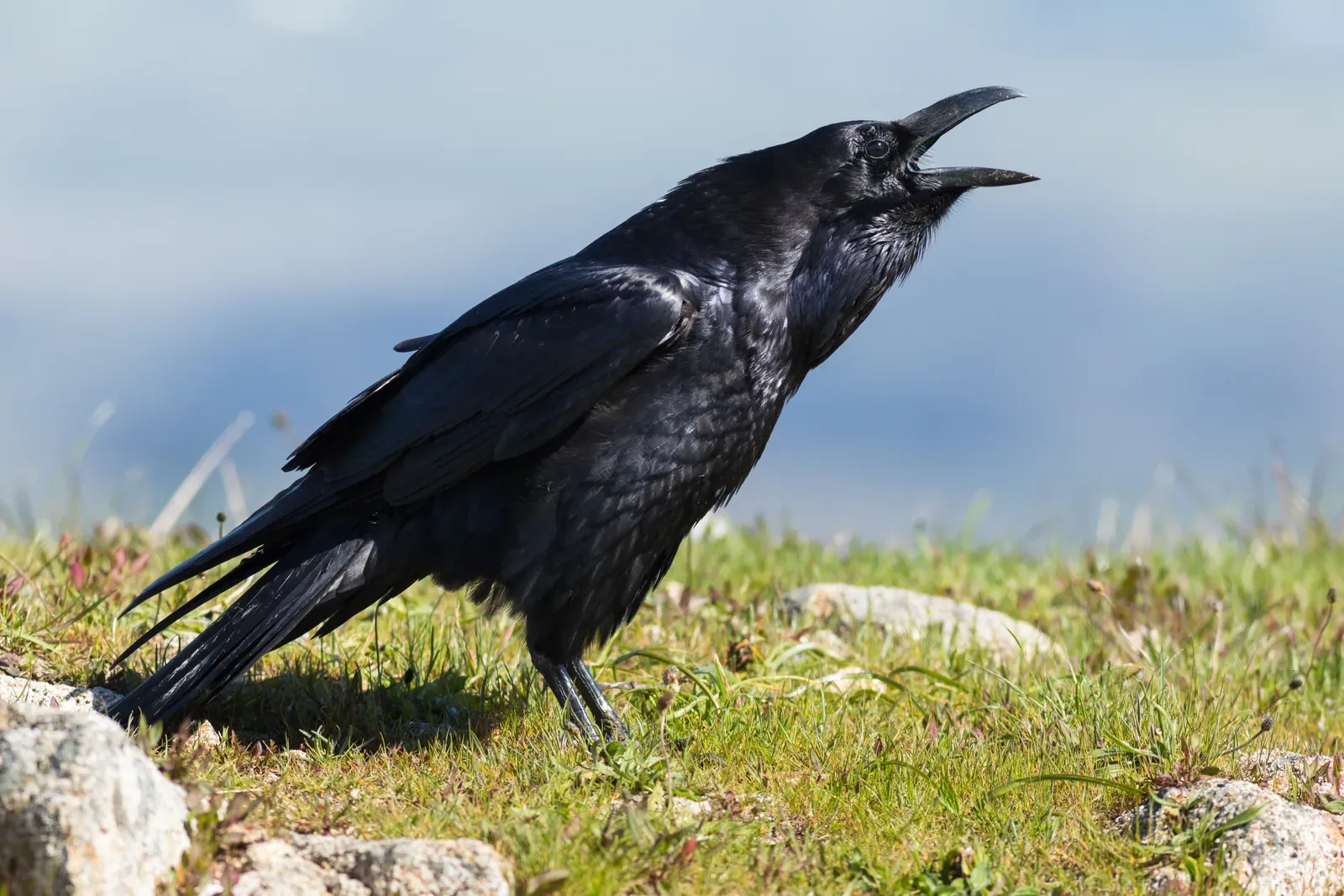
Several members of the corvids or crow family, such as ravens, can mimic human speech. Not only do they also coo, rattle, and click, but they can also mimic human voices and other sounds. Ravens belong to one of the most intelligent bird families on the planet, and their mimicry reflects their remarkable cognitive abilities.
Considered one of the most intelligent bird species, American Crows have even been known to show interest in different languages, and some bird experts posit that the crow’s ability to mimic human voices is rivaled only by the parrot, and that crows might even be more vocal if they were kept as pets as often. Ravens and crows might not be the first birds that come to mind when you think of mimics, yet their abilities suggest untapped potential that’s only beginning to be understood.
Why Do Birds Mimic Sounds?
The reasons behind avian mimicry are as varied as the birds themselves. Male lyrebirds incorporate mimicked sounds into elaborate courtship displays to impress females, while mockingbirds mimic hawks or other predators to fend off rivals from their turf. Mimicry serves different functions depending on the species and context.
Mimicking the sound of familiar or incoming migratory species can also fool other birds into thinking that territory is already taken by more than enough birds, and they can also impersonate the calls of more dominant individuals within the territory they want, thereby fooling the occupying species. Some scientists believe the ability to mimic demonstrates intelligence and survival skills, making males more attractive to potential mates. Others suggest it helps birds navigate their social environments or even defend against predators.
The Science Behind the Sound
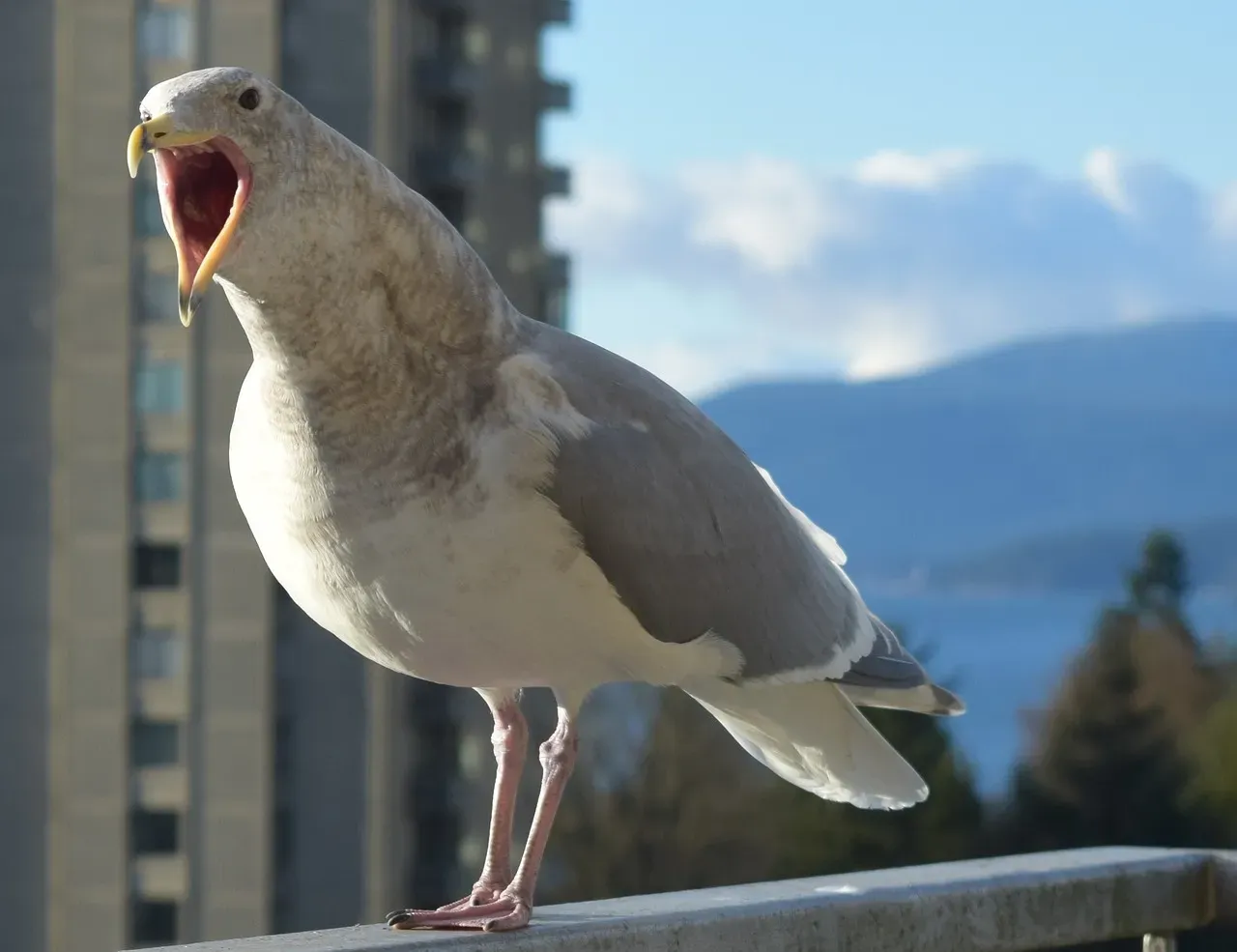
Birds produce their incredible vocal range through a specialized organ called the syrinx. Their vocal organ, the syrinx, is highly developed, allowing for this incredible range of sounds. Unlike humans who use vocal cords in the larynx, birds manipulate sound through membranes in this unique structure located where the trachea splits.
Unlike songbirds, which produce sounds by vibrating membranes in two different syrinxes, parrots have only one syrinx, located at the bottom of the windpipe, which is somewhat similar to humans, who also have only one sound-producing organ, the larynx. This difference in anatomy helps explain why parrots excel at mimicking human speech. The complexity and control birds have over their syrinx varies between species, contributing to the wide range of mimicry abilities we observe across the avian world.
Conclusion: Nature’s Greatest Performers
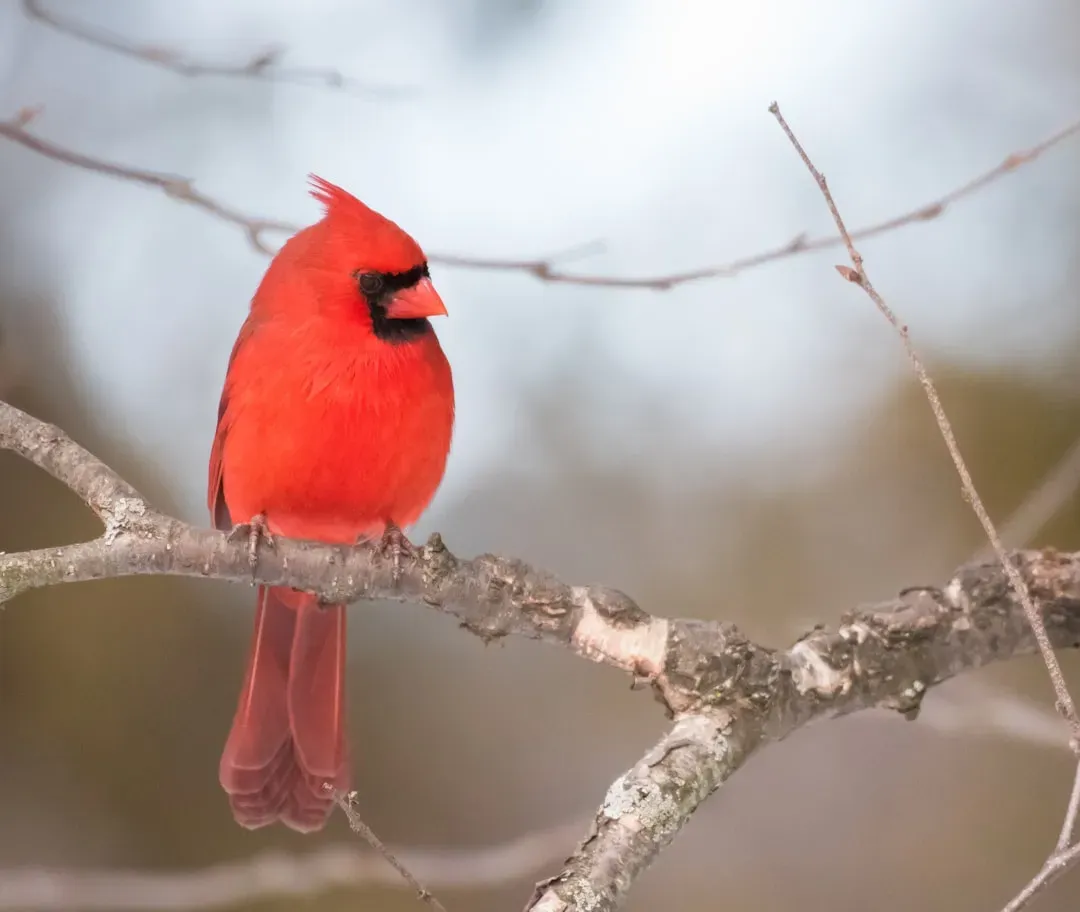
The world of mimicking birds reveals something profound about nature’s creativity and adaptability. These ten species represent just a fraction of the birds capable of vocal imitation, yet they showcase the astonishing range of what’s possible. From lyrebirds copying construction equipment to parrots understanding context, these birds challenge our assumptions about animal intelligence and communication.
Next time you hear an unusual sound outdoors, pause for a moment. It might not be what you think. Perhaps a mockingbird is testing out a new ringtone, or a raven is practicing its human vocabulary. The natural world is far more theatrical than we often realize, filled with performers that never stop learning, never stop experimenting, and never cease to amaze us. What do you think about it? Have you ever been fooled by a mimicking bird?
