
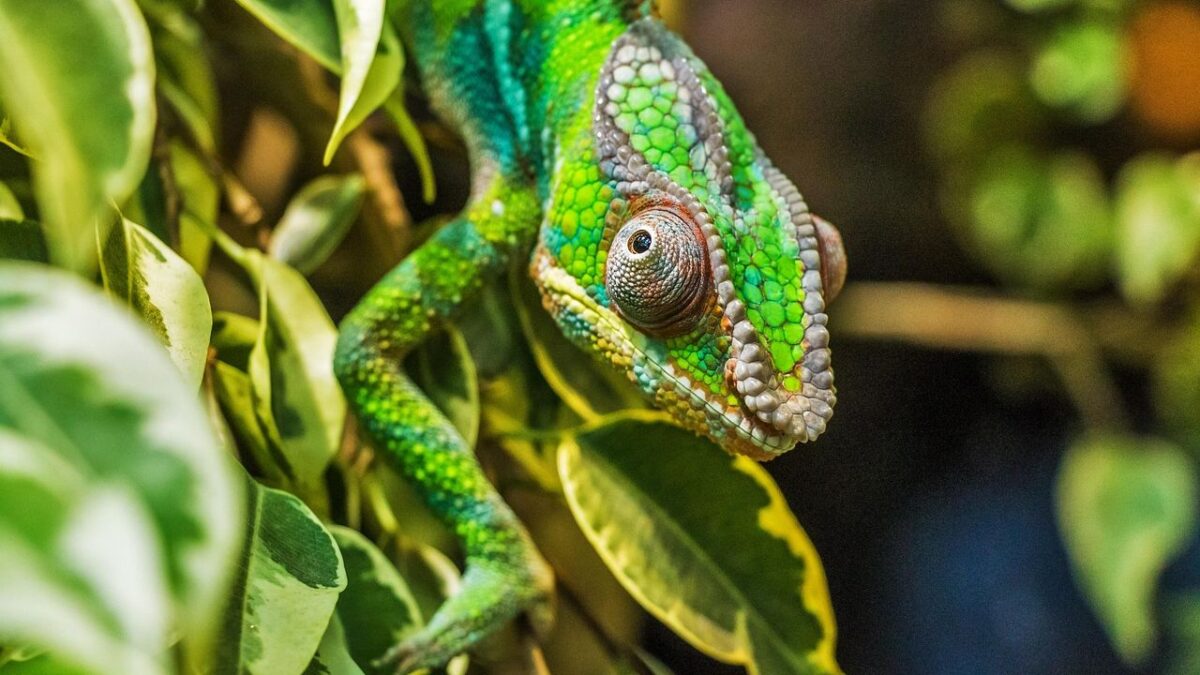
If you’ve ever thought chameleons are the only lizards putting on rapid color shows, think again. Nature has equipped various reptiles with the remarkable ability to transform their appearance almost instantaneously, switching from vivid greens to deep browns or displaying brilliant hues that seem to appear out of nowhere. It’s honestly one of those biological feats that sounds too incredible to be true, yet happens constantly in forests, deserts, and backyards around the world.
The speed at which these transformations occur might surprise you. Chameleons can change color surprisingly fast, often within seconds, and some can transform their colors in less than half a minute. Some species accomplish this feat in 20 seconds or less. Let’s be real, that’s faster than most of us can decide what to wear in the morning. These color-shifting abilities serve purposes far more complex than simple camouflage, revealing a sophisticated biological system that scientists are still working to fully understand.
The Cellular Architecture Behind the Magic
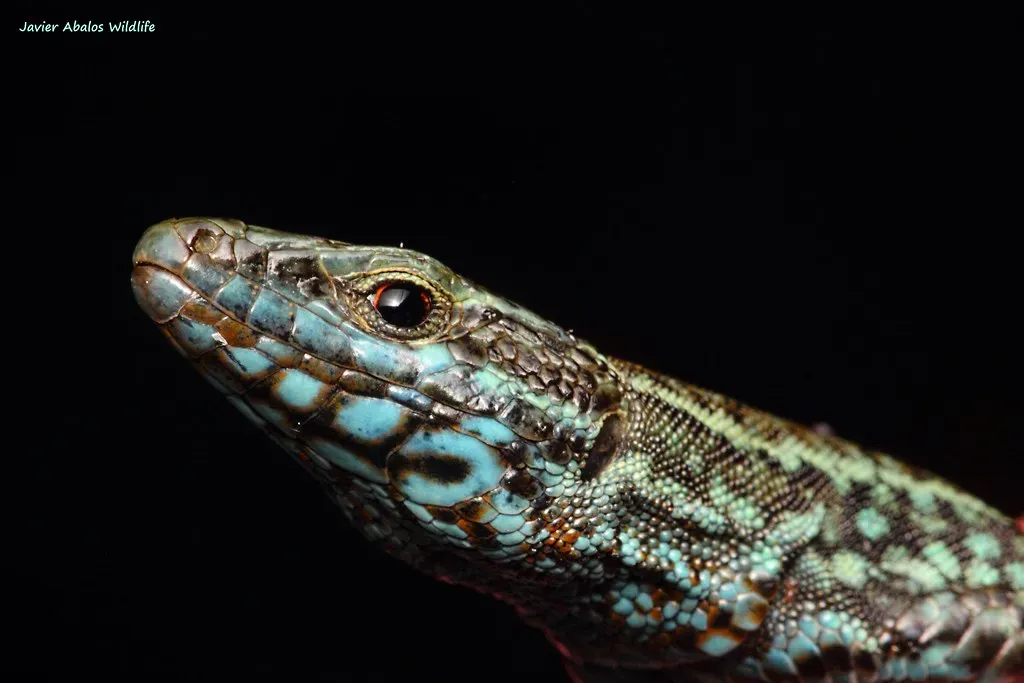
The secret to rapid color transformation lies beneath the surface, in specialized skin cells called chromatophores. Chromatophores are cells that produce color, found in a wide range of animals including amphibians, fish, reptiles, crustaceans and cephalopods. These aren’t just ordinary pigment cells randomly scattered around.
Think of chromatophores as nature’s own layered optical system. The color spectrum is a result of three layers of pigment cells: the xanthophores, responsible for the yellow pigmentation; cyanophores, responsible for the blue pigmentation, and melanophores, responsible for the brown and black pigmentation. Each layer works in concert with the others, creating the visible hues we observe on a reptile’s skin.
The top layer of a chameleon’s skin is actually transparent, allowing us to see the different colors underneath. It’s like having a clear window into a constantly shifting art installation. The real action happens deeper down, where these pigment cells respond to various triggers and signals.
What makes this system particularly fascinating is how melanophores control the overall appearance. Color change occurs due to the movement of packets of melanin pigment within the melanophores. When melanin pigment is aggregated within the centre of the cell, the skin appears very pale, whereas when it is dispersed through the arms of the melanophores towards the skin’s surface, the animal appears dark.
The precision and coordination required for this cellular ballet is remarkable, involving complex molecular machinery and signaling pathways that respond within moments to environmental or internal cues.
Chameleons and Their Crystal-Powered Color System
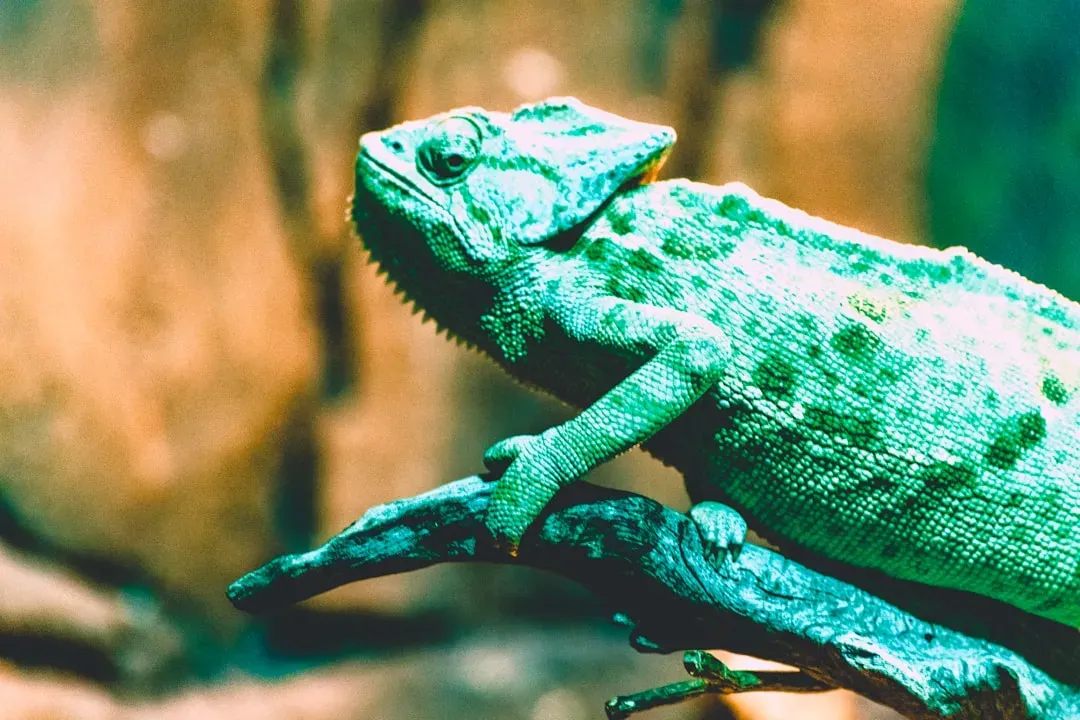
Chameleons have perfected color change into something almost otherworldly. In just a few moments, these lizards can shift the hue of their skin to intimidate predators, camouflage themselves, or find mates. Their technique involves more than simple pigment movement.
The color change is based on structural changes of crystal-like cells called iridophores underneath the skin that refract light. These iridophores contain nanocrystals that act almost like tiny adjustable mirrors. These specialized cells contain a lattice of nanocrystals that reflect different wavelengths of light depending on their spacing. When a chameleon is in a relaxed state, the nanocrystals are close together and reflect short wavelengths of light, which can turn skin green and blue.
Here’s where it gets really interesting. When they get excited, feel threatened, or want to display positively toward a mate, or negatively to a rival, the crystals separate or compress and give off the appearance of different colors. The nervous system activates these cells almost instantly, causing them to contract or expand.
When the animal is relaxed, the cells stay close together and reflect short wavelengths, like blue. A rush of excitement pushes those cells farther apart, enabling each iridophore to reflect longer wavelengths, like red, orange and yellow. The transformation happens so rapidly that it seems almost magical to witness in person.
Interestingly, when a chameleon is relaxed, they are naturally visible as green to help them camouflage with the green leaves and trees, due to the natural yellow pigment combined with the relaxed state of the crystal cells, which reflect blue light. Blue plus yellow equals green. It’s basically high school color theory happening at the cellular level.
Anole Lizards: The Overlooked Color-Changing Champions
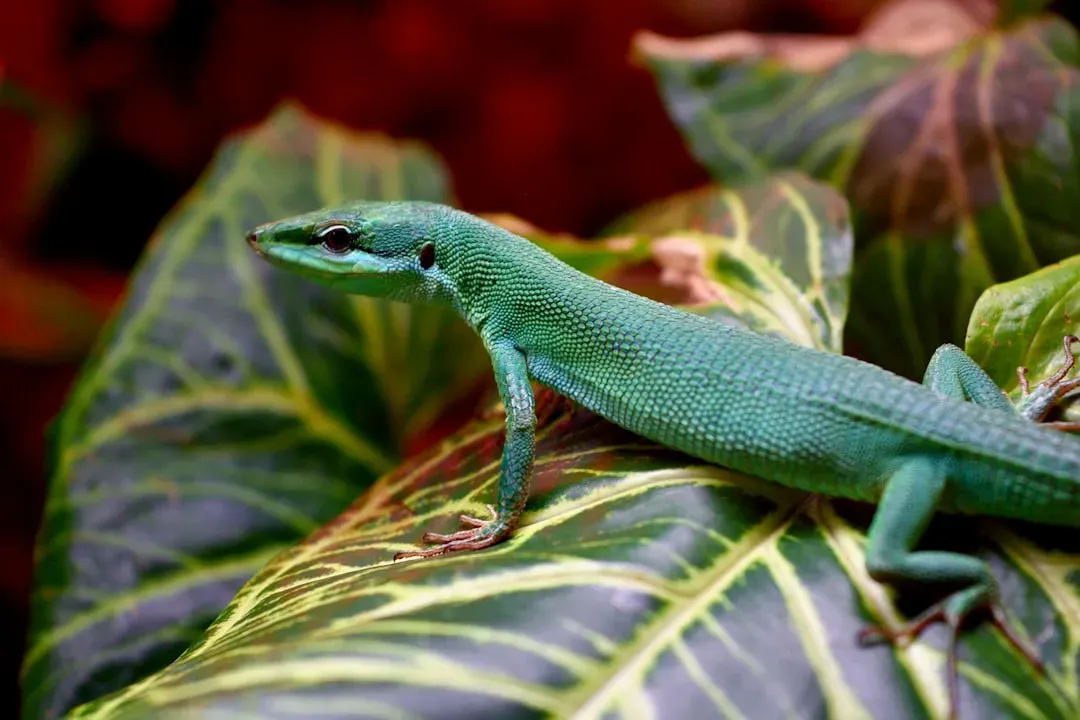
While chameleons steal the spotlight, anole lizards deserve serious recognition for their color-changing prowess. The majority of anoles can change their color depending on things like emotions, aggression or stress, activity level, levels of light and as a social signal, for example displaying dominance. There are almost 400 species spread across Central and South America, the southeastern United States, and Caribbean islands.
The green anole is a trunk-crown ecomorph and can change its color to several shades from brown to green. Despite being commonly called American chameleons in pet stores, they’re not true chameleons at all. Still, their abilities are impressive in their own right.
The mechanism differs slightly from chameleons. It is the melanophores which are responsible for the color change in anoles. When the melanin pigment is concentrated in one location within each cell, the lizards look green; but when the melanophore-stimulating hormone triggers the dispersal of melanin within the cells, the lizards turn brown.
Green anole lizards frequently switch their dorsal body color between bright green and dark brown, a change that requires only seconds. The speed rivals that of chameleons, though the color palette might be somewhat more limited. What they lack in chromatic diversity, they make up for in rapid responsiveness to their environment.
Researchers have discovered that male and female anoles use color change somewhat differently, with implications for social behavior and communication that scientists are still uncovering.
Why Reptiles Really Change Color: Beyond Camouflage
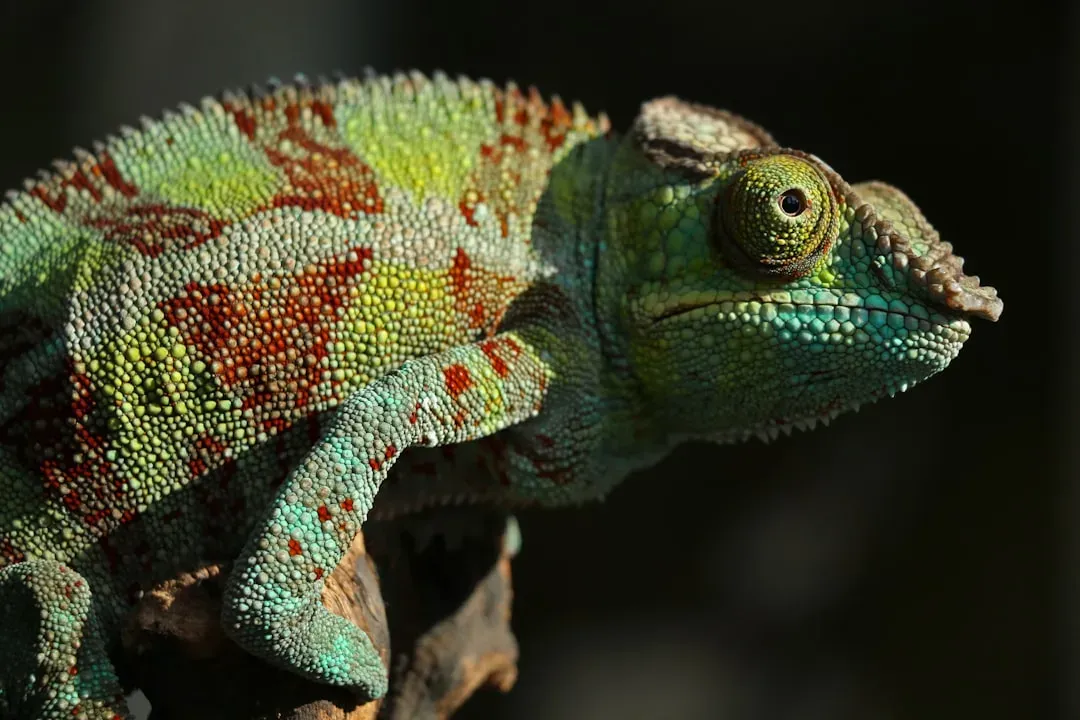
Here’s the thing: most people assume reptiles change color primarily for camouflage. That assumption turns out to be only partially correct. Contrary to popular belief, chameleons do not change color to blend into their background. Instead, color changes result from other factors, such as light, temperature, and even the reptiles’ emotions.
Chameleons change colors for a few reasons. They may change color as a reaction to light, the environment or hormones. They may also change colors depending on certain moods such as fear or excitement. Communication turns out to be a primary function, not concealment.
Temperature regulation also plays a role. Because chameleons are ectothermic, they change color to regulate their body temperatures, either to a darker color to absorb light and heat to raise their temperature, or to a lighter color to reflect light and heat. It’s like having a built-in thermostat controlled by skin pigmentation.
Social signaling represents another crucial function. The more dramatic color transformations help these lizards defend territory and attract mates. Males competing for dominance will display vibrant colors, while subordinate individuals often appear duller.
The speed at which males change colour also plays a role in impressing a female and ultimately winning her affections. In the reptile world, quick color changes apparently signal fitness and health. The faster and more vibrantly a male can display, the more attractive he becomes to potential mates.
Even stress and fear trigger color responses. Studies on various lizard species show that handling or exposure to stressors can cause rapid shifts in coloration, though the direction of change varies by species and circumstance.
The Nervous System and Hormonal Control Center
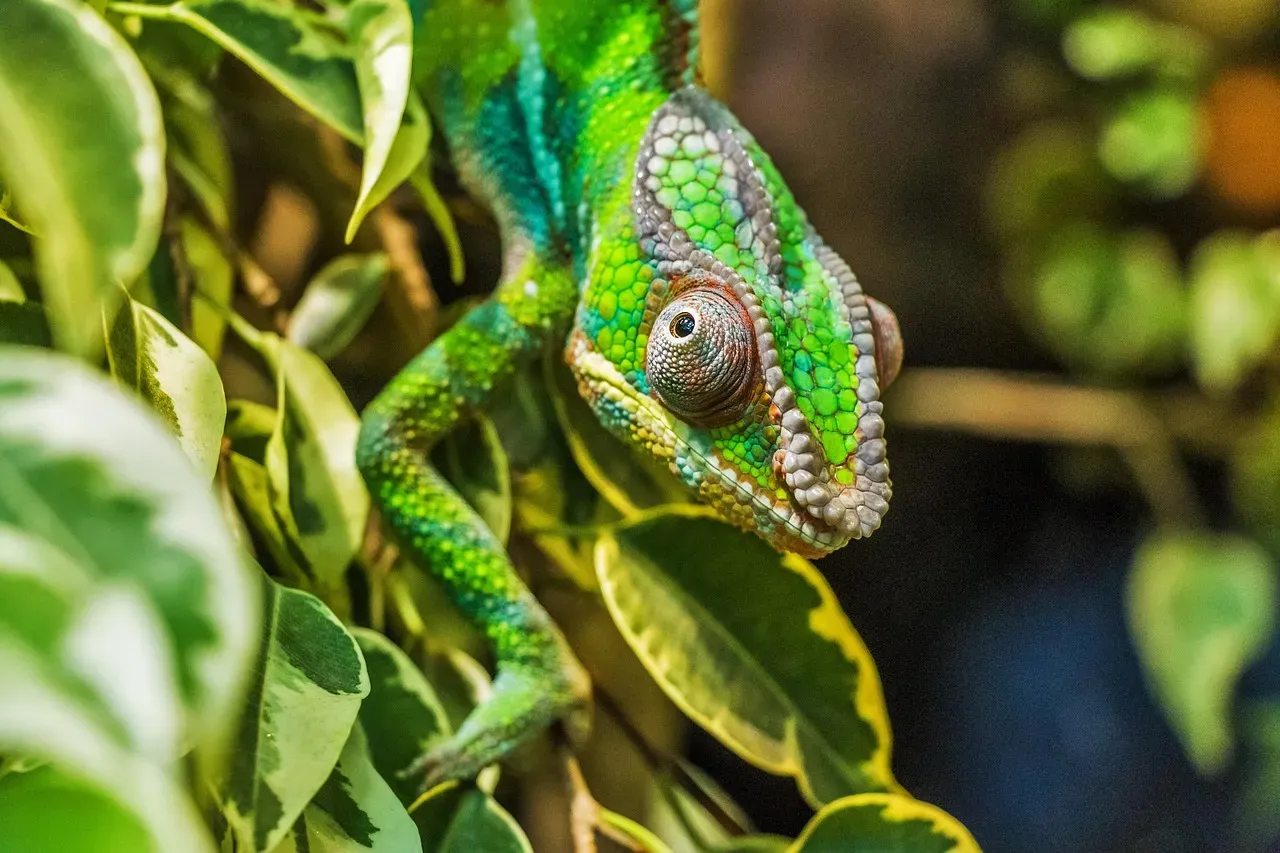
The speed of color change demands an equally rapid control system. Information about an animal’s surroundings from the senses is processed by the brain and the brain sends signals directly, or via hormones, to chromatophores. This dual pathway allows for both immediate and sustained color responses.
Neural signals provide the express route for instant changes. When a chameleon spots a rival or a predator approaches, nerve impulses race to the skin cells, triggering immediate pigment reorganization. These reptiles adapt to temperature, mood, social signals, and environment within milliseconds.
Hormones offer a slower but more sustained mechanism. In amphibians and reptiles, melanocyte-stimulating hormone and corticotropin-releasing hormone influence melanophore activity and color changes. These chemical messengers circulate through the bloodstream, maintaining color states over longer periods.
The interplay between these two systems creates remarkable flexibility. A lizard can flash a quick warning color via neural control, then maintain a defensive posture coloration through hormonal regulation. Cyclic adenosine monophosphate has been shown to be an important second messenger of pigment translocation, influencing proteins such as protein kinase A to drive molecular motors carrying pigment containing vesicles along both microtubules and microfilaments.
It’s hard to say for sure, but the sophistication of this dual control system suggests millions of years of evolutionary refinement. The ability to respond both instantly and persistently to environmental challenges provides significant survival advantages.
Not Just Chameleons: Other Rapid Color-Changing Reptiles
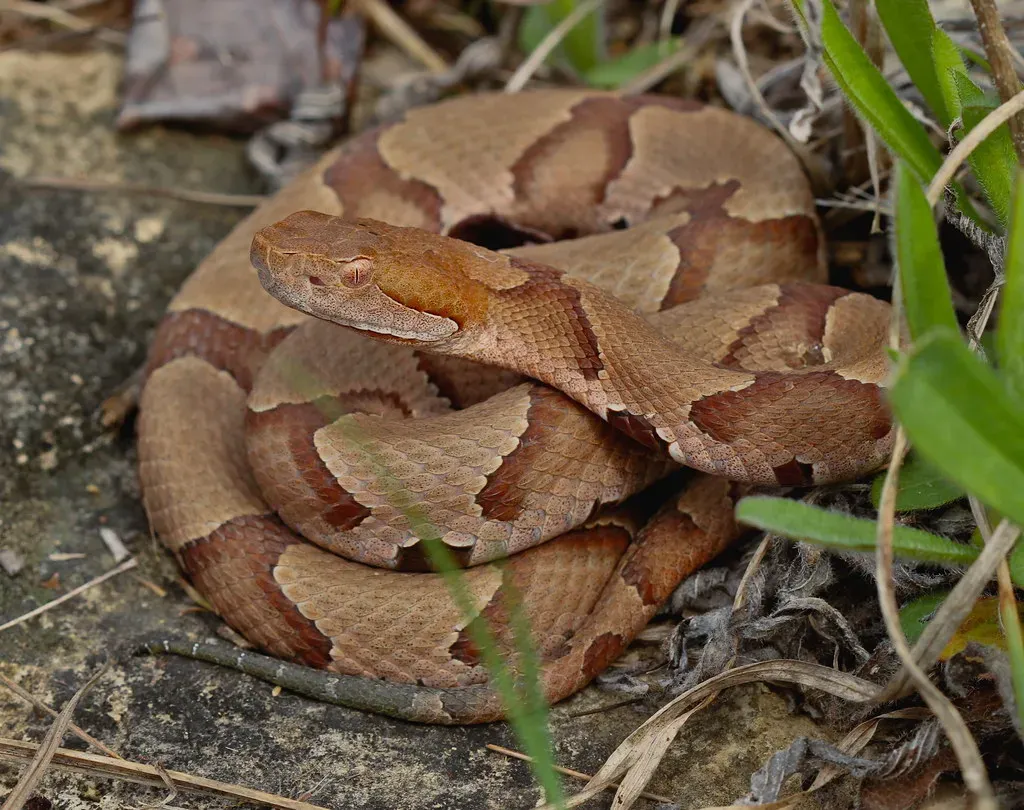
The color-changing club extends well beyond chameleons and anoles. Various reptile species have evolved similar abilities, each adapted to their specific ecological niches. Most fish, reptiles and amphibians undergo a limited physiological colour change in response to a change in environment. This type of camouflage, known as background adaptation, most commonly appears as a slight darkening or lightening of skin tone to approximately mimic the hue of the immediate environment.
Some agama lizards display remarkable transformations during social interactions. Male rainbow lizards exhibit brighter colors when dominant, while subordinate males darken their appearance in the presence of superior competitors. The shifts occur rapidly enough to reflect changing social dynamics in real time.
Frogs such as gray treefrog and Peron’s tree frog can change colour in less than one hour. While not quite as rapid as chameleons or anoles, this still represents impressive physiological control. Even certain snake species possess limited color-changing abilities, though their transformations typically occur more slowly.
The water anole changes color and pattern in different microhabitats as a form of camouflage to avoid detection by their predators, which include birds like motmots and kingfishers. This species has evolved color change specifically as an anti-predator adaptation, demonstrating how selective pressures shape these abilities.
The diversity of color-changing reptiles suggests this trait has evolved independently multiple times across different lineages, each time providing significant advantages to species that possess it.
What’s really wild is how different species use similar cellular mechanisms but achieve distinct results based on their specific ecological needs and social structures. Evolution apparently discovered this trick multiple times, refining it for different purposes across various reptile families.
Did you expect that reptiles beyond chameleons could shift colors so dramatically and rapidly? The natural world continues to surprise us with abilities that seem almost supernatural, yet operate according to elegant biological principles refined over countless generations. Next time you spot a lizard, take a closer look – you might witness a transformation happening right before your eyes.
