

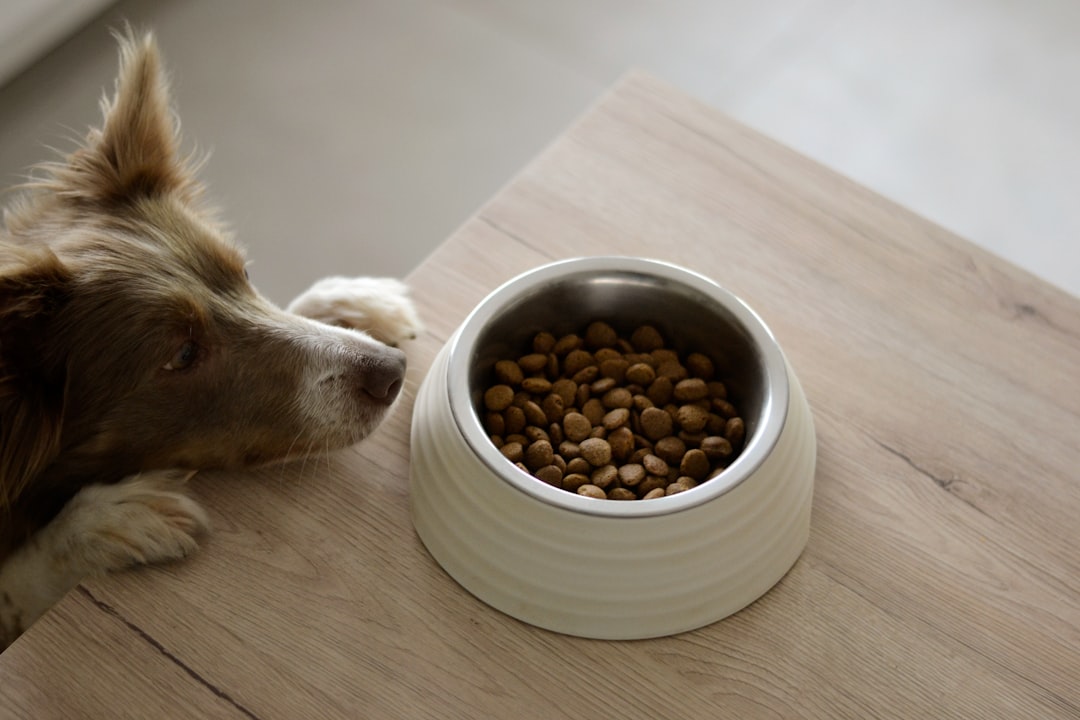

Recognizing the Signs of Digestive Distress (Image Credits: Unsplash)
Dogs with sensitive stomachs often endure discomfort from everyday meals, prompting owners to seek out premium foods that restore balance and vitality.
Recognizing the Signs of Digestive Distress
Millions of dogs face ongoing tummy troubles that disrupt their daily lives, from frequent bouts of vomiting to persistent loose stools that leave them lethargic and unhappy. These issues signal more than temporary upsets; they point to a need for dietary adjustments tailored to delicate systems. Owners who notice such patterns quickly realize the emotional toll it takes on both pet and family.
Common indicators include abdominal bloating after eating and inconsistent bowel movements that vary without clear cause. Though occasional indigestion might stem from stress or excitement, repeated episodes demand attention to prevent nutrient loss and chronic fatigue. Early recognition allows for proactive changes, turning potential long-term problems into manageable routines.
Food intolerances or abrupt diet shifts frequently underlie these symptoms, as dogs’ guts struggle to process certain elements. Veterinary checks rule out underlying conditions, paving the way for nutrition-focused solutions that prioritize gentle, effective ingredients.
Essential Ingredients That Support Gut Health
Premium formulas shine when they incorporate proteins and fibers designed for easy breakdown, helping sensitive dogs absorb nutrients without irritation. High-quality options emphasize sources like turkey or fish, which deliver vital amino acids while minimizing strain on the digestive tract. These choices not only fuel energy but also foster a stronger immune response through better overall nutrition.
Wholesome carbohydrates such as oats and brown rice provide steady energy and soluble fiber to regulate digestion, often proving kinder than more complex grains. Probiotics emerge as key allies here, introducing beneficial bacteria that restore gut balance and reduce inflammation over time.
- Turkey and fish for lean, digestible protein.
- Oats to soothe and stabilize the digestive process.
- Probiotics to enhance microbial harmony in the intestines.
- Brown rice as a gentle carb base for consistent bowel function.
- Lamb as a novel protein to avoid common triggers.
Selecting foods with these elements ensures meals become a source of comfort rather than conflict.
Ingredients That Can Worsen Sensitivities
Certain additives and fillers turn otherwise nutritious meals into sources of aggravation for dogs prone to stomach issues. Artificial preservatives like BHA or BHT extend shelf life but may provoke allergic responses or prolonged irritation in vulnerable pets. Opting for natural alternatives maintains freshness while safeguarding digestive peace.
Wheat and soy rank among frequent culprits, acting as allergens that inflame the gut and lead to recurring discomfort. By-products from unnamed meat sources often lack the purity needed, introducing unknowns that overwhelm sensitive systems.
| Ingredient Type | Potential Issue |
|---|---|
| Artificial Preservatives | May trigger allergies or gut inflammation |
| Wheat and Soy | Common allergens causing bloating and diarrhea |
| Meat By-Products | Low nutritional value and hard to digest |
Avoiding these promotes smoother digestion and highlights the value of transparent labeling in premium selections.
Adapting Choices for Age, Breed, and Lifestyle
Puppies require formulas rich in digestible proteins to support rapid growth without taxing their immature guts, often blending chicken with added DHA for cognitive benefits. Adult dogs, especially larger breeds, benefit from balanced calorie levels and novel proteins like venison to maintain weight and energy amid sensitivities. Seniors, meanwhile, thrive on higher-fiber options that ease age-related slowdowns in digestion.
Breed-specific needs add another layer; small dogs might need calorie-dense kibble, while giants prioritize joint-supporting elements alongside gut-friendly carbs. Activity levels influence portions, ensuring active pups get more without excess that burdens the stomach.
Transitioning demands patience, beginning with a 25% mix of new food over several days to monitor reactions like gas or appetite shifts. Consistency in feeding times aids adaptation, with fresh water always at hand to bolster hydration.
- Watch for symptoms like vomiting and bloating to identify sensitivities early.
- Prioritize digestible proteins, fibers, and probiotics in premium foods.
- Avoid allergens and fillers to prevent flare-ups and promote long-term health.
Empowering your dog’s comfort through thoughtful nutrition transforms mealtime from a challenge into a joy, fostering years of playful energy and strong bonds – what adjustments have you made for your pet’s tummy troubles? Share in the comments below.

- Urban Coyotes Show Remarkable Adaptability, Learning to Thrive in City Environments - July 22, 2026
- Beavers Are Nature’s Engineers, Creating Vital Habitats for Other Wildlife Species - July 21, 2026
- The Recovery of the California Condor Offers Hope for Other Critically Endangered Birds - July 21, 2026