

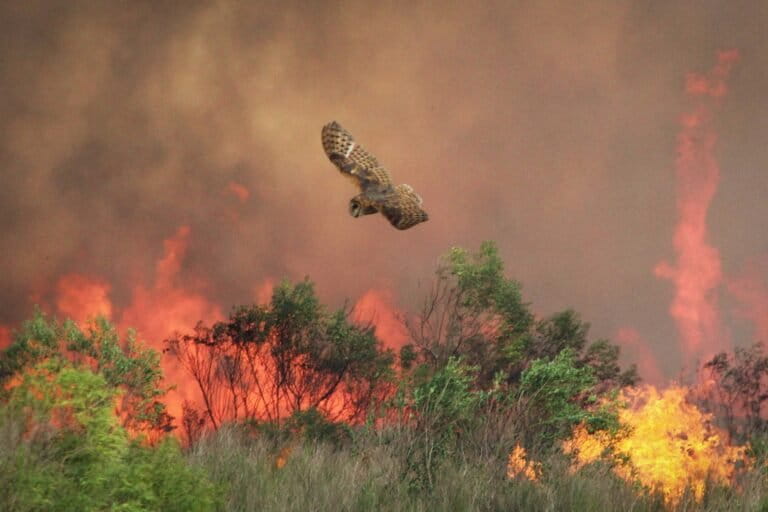
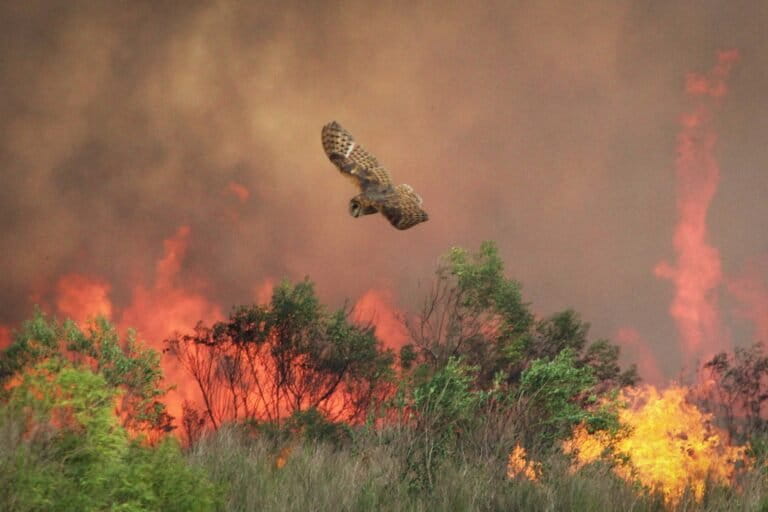
A Surprising Surge in Bird Numbers Post-Fire (Image Credits: Imgs.mongabay.com)
Sierra Nevada – Amid the rising tide of wildfires fueled by climate change, California’s avian populations reveal a complex story of adaptation and survival in scorched landscapes.
A Surprising Surge in Bird Numbers Post-Fire
Researchers have uncovered that certain bird species experience a remarkable population increase following wildfires in the Sierra Nevada. In a study spanning Yosemite, Sequoia, and Kings Canyon national parks, scientists analyzed data from 1999 to 2019. They found that burned areas supported higher densities of birds compared to unburned zones. This boost persisted for years, sometimes decades, transforming fire-ravaged forests into unexpected havens.
The black-backed woodpecker stands out as a prime example of this phenomenon. This species arrives swiftly after flames subside, drawn to the charred trees riddled with insects. It excavates nests in the softened wood, capitalizing on the abundance of beetle larvae that emerge in the aftermath. Observations indicate that such opportunistic behaviors not only sustain the woodpecker but also enhance its breeding success in these altered environments.
Species That Thrive and Those That Struggle
Not all birds fare equally in the wake of intense blazes. While 28 out of 42 examined species showed elevated population densities in previously burned areas, others faced declines. Fire-adapted birds like the olive-sided flycatcher and mountain chickadee benefited from the new growth of shrubs and insects that followed the burns. These changes created ideal foraging grounds and nesting sites, leading to sustained higher numbers over time.
However, cavity-nesting species such as the hairy woodpecker encountered hurdles if fires destroyed too many suitable snags. Intense burns can eliminate the dead trees essential for their homes, forcing relocations. Still, moderate fires often left enough remnants to support recovery. The varying responses highlight how fire severity influences avian communities differently across the region.
- Black-backed woodpecker: Thrives on post-fire insect booms.
- Olive-sided flycatcher: Benefits from regenerating understory vegetation.
- Mountain chickadee: Finds ample food in burned-open canopies.
- Hairy woodpecker: Relies on surviving snags for nesting.
- Western tanager: Increases in areas with mixed burn severities.
Long-Term Insights from Decades of Monitoring
Long-term monitoring efforts have provided crucial data on how wildfires reshape bird habitats over time. A 35-year analysis in California’s national parks revealed that fire’s effects on populations endure far beyond the initial smoke. Populations in burned zones often remained denser than in untouched forests, suggesting that periodic blazes mimic natural cycles that many species have evolved to exploit.
Scientists from the Institute for Bird Populations in Petaluma contributed key findings from Bay Area studies as well. Their work showed similar patterns, with burned landscapes fostering biodiversity for certain birds. These insights underscore the need to view fire not just as a destroyer but as a dynamic force in ecosystem health. Yet, escalating fire frequency due to drought and warming temperatures raises questions about whether birds can keep pace with the changes.
Conservation Strategies Amid Escalating Risks
Wildlife managers now incorporate fire’s dual role into protection plans for California’s birds. Efforts focus on preserving post-fire habitats while mitigating extreme burn risks. Prescribed burns in protected areas aim to create mosaic landscapes that support diverse species. These controlled fires reduce fuel loads and promote the conditions that benefit fire-dependent birds.
Collaboration between national parks and research institutes has led to refined monitoring protocols. By tracking bird responses to specific fire severities, conservationists identify priority zones for restoration. Such measures help safeguard vulnerable populations, ensuring that species like the black-backed woodpecker continue to find refuge in the Sierra Nevada’s resilient forests.
Key Takeaways
- Many bird species experience population boosts in burned areas, lasting up to decades.
- Fire-adapted birds like woodpeckers capitalize on insect surges and new growth.
- Conservation must balance fire’s benefits with risks from intensifying wildfires.
As wildfires become more frequent in California, the resilience of Sierra Nevada birds offers hope, yet it also signals the urgency for proactive habitat management. What steps do you believe are essential to protect these feathered survivors? Share your thoughts in the comments.

- Urban Coyotes Show Remarkable Adaptability, Learning to Thrive in City Environments - July 22, 2026
- Beavers Are Nature’s Engineers, Creating Vital Habitats for Other Wildlife Species - July 21, 2026
- The Recovery of the California Condor Offers Hope for Other Critically Endangered Birds - July 21, 2026