

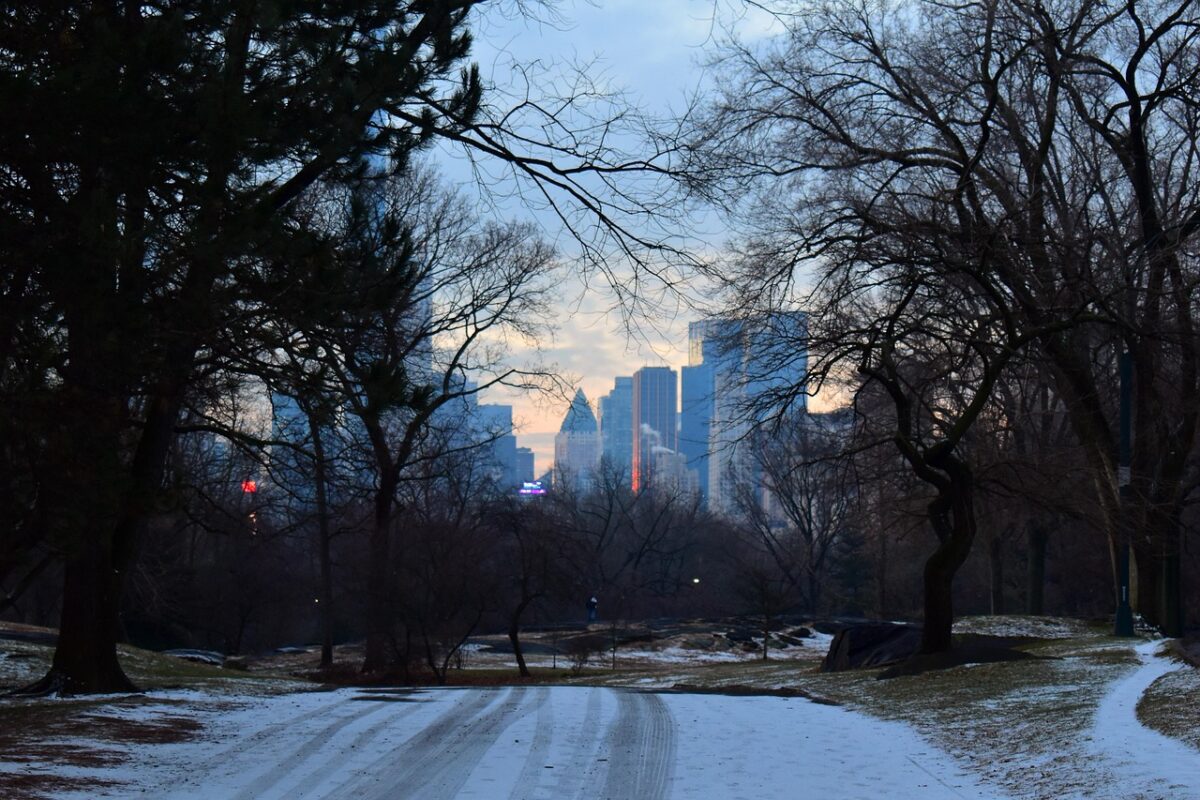

The Arctic Surge Takes Hold (Image Credits: Pixabay)
As the clock ticks toward midnight on December 31, 2025, an expansive wave of arctic air has settled over much of the United States, promising some of the season’s sharpest chills for celebrations nationwide.
The Arctic Surge Takes Hold
A powerful arctic front swept across the country in recent days, plunging temperatures well below seasonal norms and setting the stage for a frosty farewell to 2025. Meteorologists noted that this cold snap originated from a dip in the polar vortex, which funneled frigid Canadian air southward. By midday on New Year’s Eve, readings in the northern Plains had already dipped into the single digits, with wind chills amplifying the bite. This system marked a stark contrast to the milder holiday weather earlier in the week, catching many off guard.
Forecast models confirmed the persistence of these conditions through the evening hours. Cities from Minneapolis to Chicago reported sustained lows around zero degrees Fahrenheit, while gusty winds exacerbated the perceived cold. Officials urged residents to layer up for any outdoor events, emphasizing the rapid drop expected after sunset. The chill extended unusually far south, influencing preparations in unexpected regions.
Regional Variations in the Freeze
In the Midwest and Northeast, the cold arrived with flurries and light snow, creating slippery surfaces for evening commuters. Detroit and Boston braced for overnight lows in the teens, where festivities like fireworks displays faced potential delays due to icy roads. The Great Lakes region saw enhanced lake-effect snow bands, adding inches to accumulations in upstate New York and northern Ohio. These areas, already familiar with winter’s grip, activated plows and salting operations well in advance.
Further south, the intrusion felt more anomalous. Atlanta and Dallas hovered near freezing by midnight, a rarity that prompted warnings for pipe bursts and black ice. Even parts of Florida, typically spared such extremes, anticipated dips into the 30s, affecting beachside parties. On the West Coast, milder but still brisk conditions prevailed, with Seattle in the low 40s under partly cloudy skies. This patchwork of cold highlighted the front’s broad reach.
Implications for Travel and Celebrations
Airlines and highways reported disruptions as the freeze tightened its hold. Major airports in Denver and Philadelphia issued advisories for de-icing delays, with some flights grounded briefly amid gusts up to 30 miles per hour. Roadway incidents rose in the Dakotas, where visibility dropped during passing squalls. Travelers heeded calls to check conditions, opting for indoor alternatives where possible.
For New Year’s Eve gatherings, the weather reshaped plans across urban centers. Times Square in New York City proceeded under heightened security, but with thermal blankets distributed to spectators enduring 20-degree readings. Similar adaptations occurred in Nashville and Los Angeles, blending holiday cheer with caution. Emergency services prepared for hypothermia risks, stocking warming stations in high-traffic zones. Despite the obstacles, the resilient spirit of the season persisted.
- Midwest: Expect wind chills below -10°F; light snow possible.
- Northeast: Teens for lows; lake-effect snow in isolated spots.
- South: Unseasonal 30s; frost advisories issued.
- West: Chilly but drier; 40s with clearing skies.
- Plains: Sub-zero readings; blowing snow threats.
Outlook Beyond Midnight
The cold pattern showed little sign of relenting into early 2026, with another pulse of arctic air forecast for the first weekend of January. Temperatures in the central U.S. might linger 15 to 20 degrees below average, prolonging the wintry theme. Precipitation chances increased for the East Coast, where a potential nor’easter loomed by midweek. Western states, meanwhile, eyed incoming rain systems that could ease the dryness.
Climate experts linked this event to broader patterns, including a lingering La Niña influence, which often amplifies winter variability. Residents adapted by conserving energy and monitoring updates from the National Weather Service. As dawn broke on January 1, the nation awoke to a crisp reminder of winter’s depth, yet optimism for warmer days ahead tempered the freeze.
Key Takeaways
- An arctic blast has driven temperatures across the U.S. to some of the lowest points this season, affecting celebrations from coast to coast.
- Travelers should prepare for delays due to ice, snow, and wind, with safety measures in place for major events.
- The cold persists into the new year, signaling a robust winter ahead amid variable patterns.
This New Year’s Eve chill serves as a stark prelude to 2026’s meteorological narrative, underscoring nature’s unpredictability. What are your plans to stay warm amid the cold? Share in the comments below.

- Urban Coyotes Show Remarkable Adaptability, Learning to Thrive in City Environments - July 22, 2026
- Beavers Are Nature’s Engineers, Creating Vital Habitats for Other Wildlife Species - July 21, 2026
- The Recovery of the California Condor Offers Hope for Other Critically Endangered Birds - July 21, 2026