

When you think about the founding of America, your mind probably jumps to the Founding Fathers, colonial settlers, or maybe the Boston Tea Party. Yet there’s an entire layer of history that rarely gets the attention it deserves. Long before European ships arrived on these shores, sophisticated societies thrived here with complex governments, trade networks, and diplomatic traditions that would eventually shape the very foundation of this country.
The story of America isn’t complete without understanding the profound influence Native American nations had on its development. From inspiring democratic principles to defending their homelands with remarkable courage, these nations weren’t just passive observers of history. They were active participants whose decisions, battles, and alliances fundamentally altered the course of events. Let’s dive into the stories of ten nations whose legacies continue to resonate today.
The Haudenosaunee Confederacy: Democracy Before the Constitution
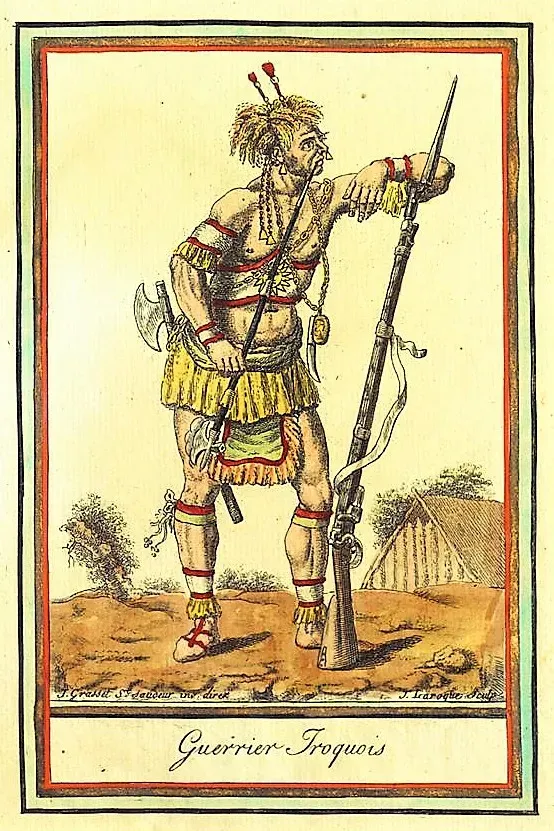
The Iroquois Confederacy, founded in 1142, stands as the oldest living participatory democracy on earth and influenced the framers of the U.S. Constitution. Known as the Haudenosaunee, this confederation originally united five nations – the Mohawk, Oneida, Cayuga, Seneca, and Onondaga – under the Great Law of Peace, with the Tuscarora joining later.
When delegates met in 1787 to draft the Constitution, there were no contemporary democracies in Europe from which to draw inspiration, and the most democratic governments they had personally encountered were those of Native American nations, particularly the Iroquois Confederacy. The bicameral structure of Congress mirrors how the Grand Council divided into sections of Elder Brothers and Younger Brothers. In 1988, Congress formally acknowledged the influence of the Iroquois Confederacy on the U.S. Constitution.
The Cherokee Nation: Resilience Through Forced Removal
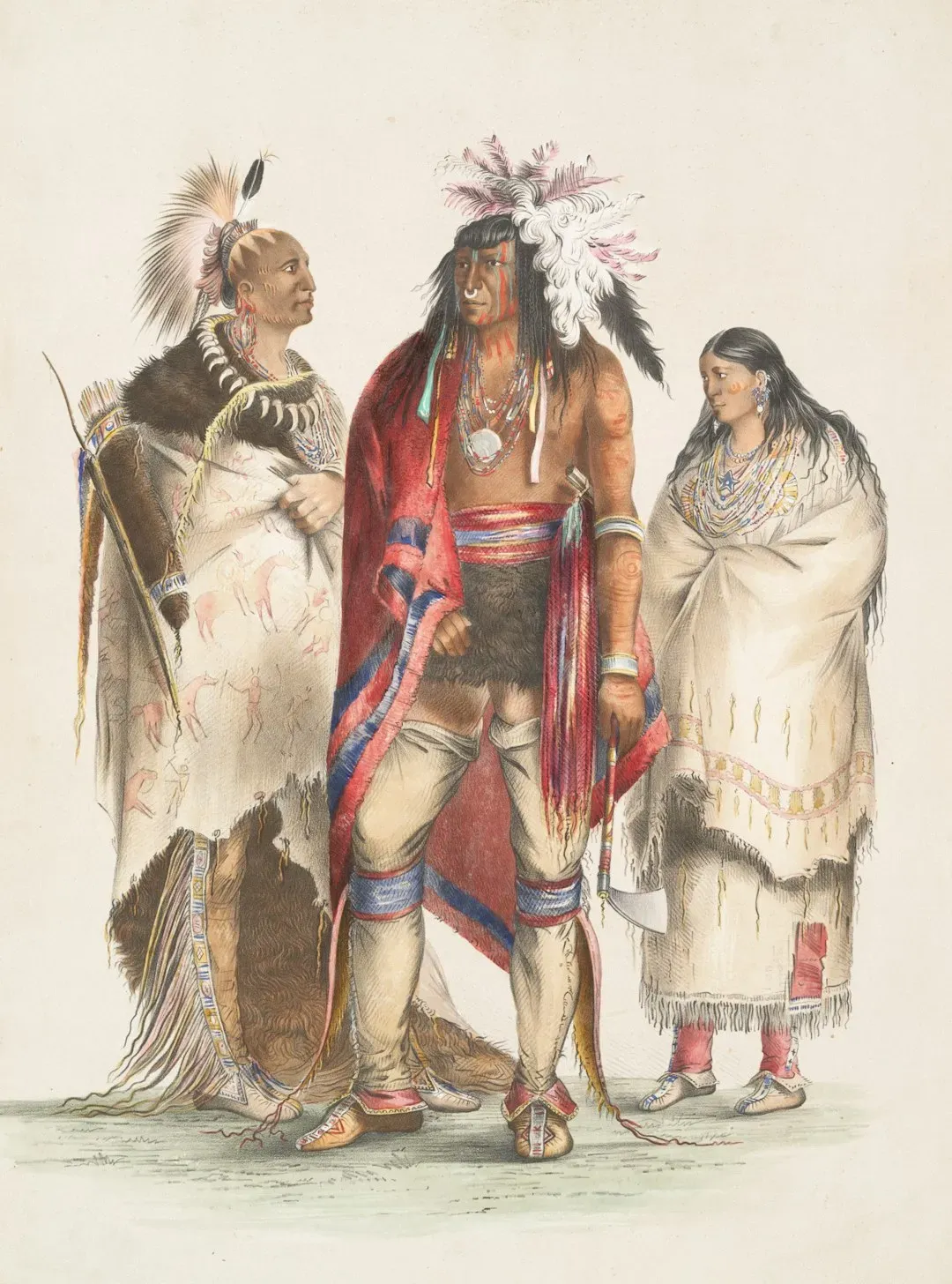
The Trail of Tears, which occurred from 1837 to 1839, was the forced westward migration of tribes from the South and Southeast guided by policies favored by President Andrew Jackson. The Cherokee were among the most culturally adaptive of all Native nations, developing their own written language and newspaper. Despite trying many different strategies to avoid removal, they were eventually forced to move.
Approximately 4,000 Cherokees died during the trek to Oklahoma, with Cherokee authorities estimating that 6,000 men, women, and children perished on the 1,200-mile march. Yet the Trail of Tears is not just a story of conquest but also one of victory, as the Cherokee still speak their language today and tribal traditions endure as testaments to their strength. Their determination to preserve culture in the face of overwhelming adversity makes the Cherokee story one of both tragedy and triumph.
The Lakota Sioux: Victory at Little Bighorn
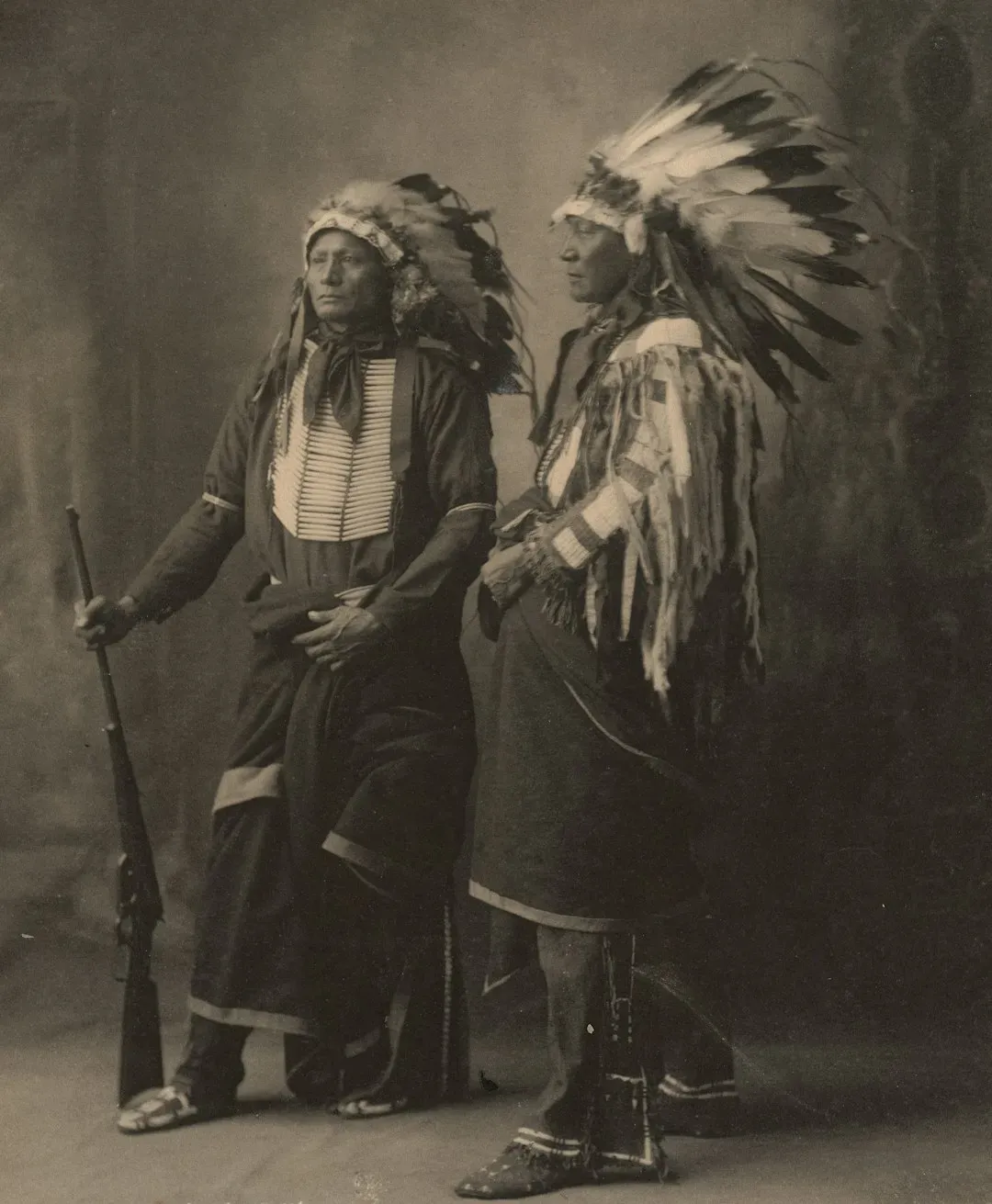
The Lakota’s most famous moment came on a hot June day in Montana Territory. The Battle of the Little Bighorn, also called Custer’s Last Stand, marked the most decisive Native American victory and the worst U.S. Army defeat in the long Plains Indian War. Under the leadership of Sitting Bull, bands of Lakota and Northern Cheyenne who refused to be confined by reservation boundaries came together, with many more joining in spring 1876.
Custer and the 7th Cavalry fell victim to surprises, not the least of which was encountering some 2,000 Sioux and Cheyenne warriors when Army intelligence had estimated only 800. Custer and all the men under his immediate command were slain. Native perspectives highlight the struggle for survival against encroachment, with the battle viewed as part of a broader resistance to displacement and violence. The victory, though temporary, demonstrated the military prowess and unity possible among Native nations when defending their lands.
The Navajo Nation: Code Talkers of World War II
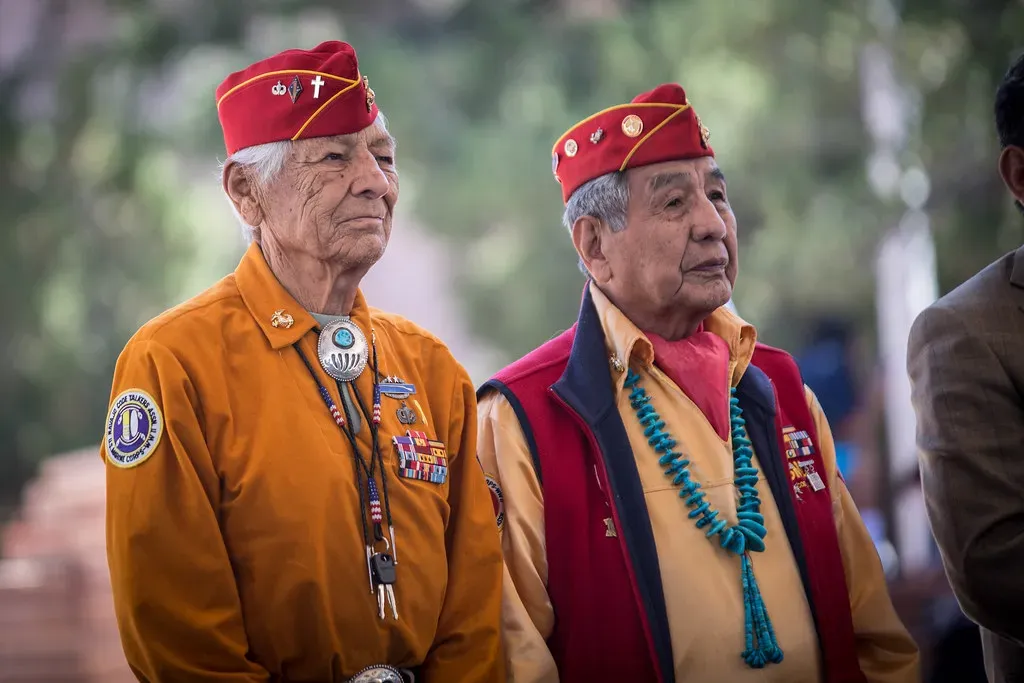
Honestly, this might be one of the most remarkable stories of linguistic warfare ever told. Approximately 534 American Indian code talkers were deployed in World War II, with the U.S. Marine Corps sending approximately 420 Navajo language speakers to help win the war in the Pacific. The code talkers improved the speed of encryption and decryption of communications in front line operations and are credited with some decisive victories, and their code was never broken.
At Iwo Jima, Major Howard Connor declared that without the Navajos, the Marines would never have taken the island, as six Navajo code talkers sent and received over 800 messages during the first two days of battle, all without error. The irony of being asked to use their Native languages to fight on behalf of America was not lost on code talkers, many of whom had been forced to attend boarding schools that tried to assimilate them and would punish students for speaking their traditional language.
The Wampanoag Nation: First Contact and King Philip’s War
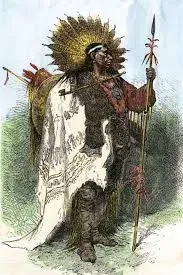
The Wampanoag were among the first Native peoples to encounter English colonists. They famously assisted the Plymouth Colony settlers in their early survival. Squanto, also known as Tisquantum, interpreted and guided colonists to food sources, and without him, the Plymouth Colony Pilgrims may never have survived. The relationship, initially cooperative, would eventually sour.
King Philip’s War, proportionately one of the bloodiest conflicts in American history, saw 800 out of 52,000 English colonists and 3,000 out of 20,000 natives lose their lives, with more than half of New England’s 90 towns assaulted by Native American warriors. The war was named after Metacomet, known to the English as King Philip, who was the last Massasoit of the Pokanoket Tribe and Wampanoag Nation. This conflict fundamentally altered the balance of power in New England and set patterns for future relations.
The Choctaw Nation: World War I Telephone Squad
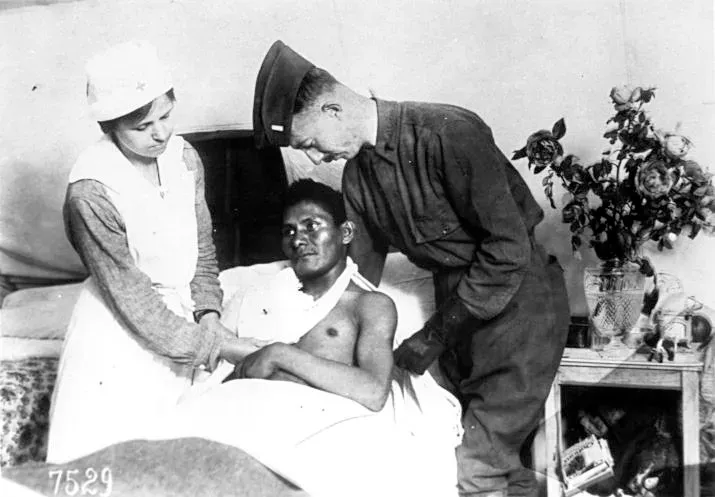
Before the Navajo became famous for their unbreakable code, another nation pioneered the concept. The idea of using American Indians fluent in both their traditional tribal language and English to send secret messages was first put to the test in World War I with the Choctaw Telephone Squad. The first Native code talkers served during World War I, using tribal languages to transmit messages that German eavesdroppers found impossible to decipher, and they made a lasting impression on the U.S. military.
Their contributions during the Meuse-Argonne Offensive proved decisive in several engagements. The Germans, who had been intercepting Allied communications with alarming success, suddenly found themselves unable to understand the transmissions. This innovation would be remembered decades later when the military again turned to Native languages during World War II. The Choctaw demonstrated that indigenous languages could serve as powerful tools of national defense.
The Comanche Nation: Warriors on Two Fronts
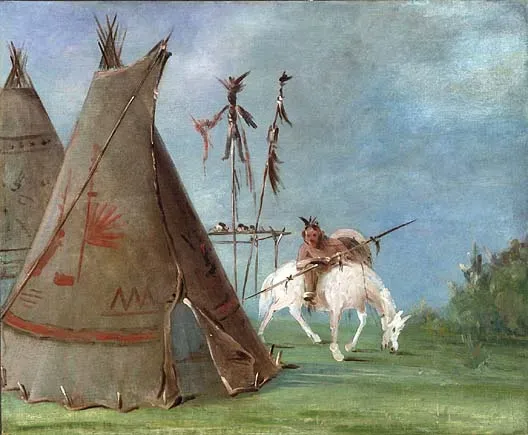
The Comanche were legendary horsemen who dominated the Southern Plains for generations. Their military prowess made them formidable opponents during westward expansion. Yet their story extends beyond resistance to Euro-American settlement. Comanche code talkers participated in the D-Day invasion of Nazi-occupied France as well as many of the major campaigns that crushed the Third Reich.
A total of 14 code talkers using the Comanche language took part in the Invasion of Normandy and served in the 4th Infantry Division in Europe, compiling a vocabulary of 250 code terms using words and phrases in their own language. Here’s the thing: the Comanche went from fighting against U.S. expansion to fighting alongside American forces in Europe. Their contribution to victory in World War II represents a complicated but important chapter in Native American military service.
The Oneida Nation: Revolutionary War Allies
The Iroquois Confederacy was divided by the Revolutionary War, with the Oneida and Tuscarora choosing to side with the Americans while other nations, including the Mohawk, fought with the British. This decision came at tremendous personal cost. Hundreds of years of peaceful coexistence and cooperation between the Six Nations came to an end, as warriors from the different nations fought one another.
The Oneida provided crucial support to Washington’s army during the brutal winter at Valley Forge, bringing much-needed supplies. Their alliance with the colonists represented a strategic gamble that the emerging nation would honor its promises to Native allies. Unfortunately, like many such promises, these were eventually broken. The Oneida’s choice to support American independence fractured one of the world’s oldest democratic confederations and ultimately cost them dearly in land and autonomy.
The Seminole Nation: Unconquered People
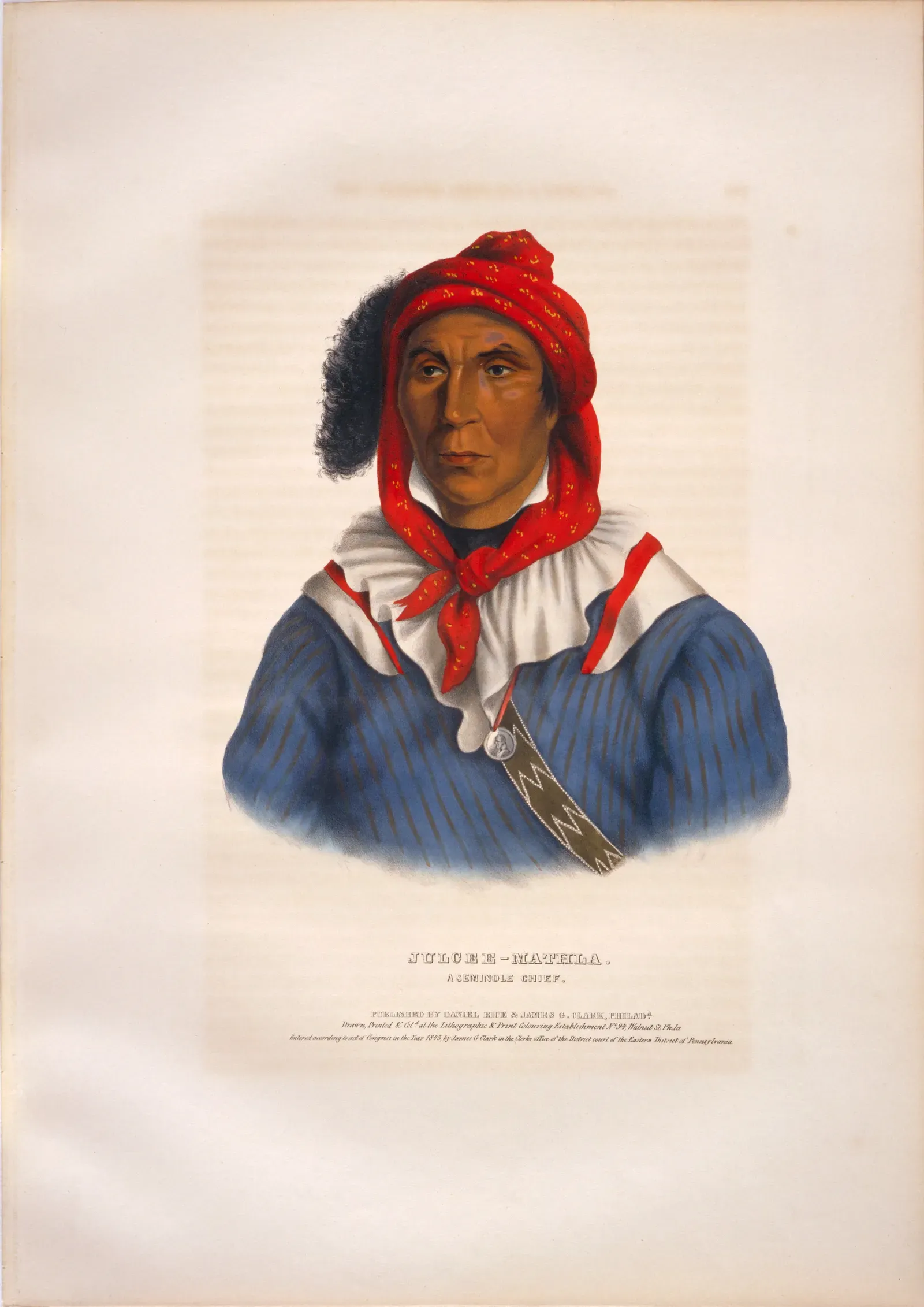
The Seminole hold a unique distinction among Native nations. Though subjected to multiple wars of removal and tremendous pressure from the U.S. government, they never formally surrendered. Some 100,000 American Indians were forcibly removed from the eastern United States to Indian Territory, including members of the Cherokee, Choctaw, Chickasaw, Creek, and Seminole tribes.
The Seminole Wars, spanning decades in the swamps and forests of Florida, proved costly and frustrating for American forces. Many Seminole were eventually relocated to Oklahoma, but a significant group remained hidden in the Florida Everglades, maintaining their independence. Their resistance represents one of the longest and most successful campaigns against forced removal. The Florida Seminoles’ determination to remain in their homeland earned them a reputation as unconquered people.
The Pueblo Peoples: The Revolt of 1680
Tewa leader Po’Pay led the Pueblo Revolt of 1680, which repelled Spanish colonizers for 12 years and secured the ancient traditions, languages and homelands of the Pueblo people to this day. The Pueblo Revolt drove out the Spanish for 12 years and saved many Indigenous cultures from being wiped out.
This coordinated uprising across dozens of pueblos represents one of the most successful indigenous rebellions in North American history. The Pueblo peoples united despite their different languages and traditions, driving Spanish colonizers completely out of New Mexico. Though the Spanish eventually returned, they did so with a grudging respect for Pueblo autonomy and religious practices. The revolt demonstrated that coordinated Native resistance could succeed and preserved cultural practices that continue to thrive today.
Conclusion
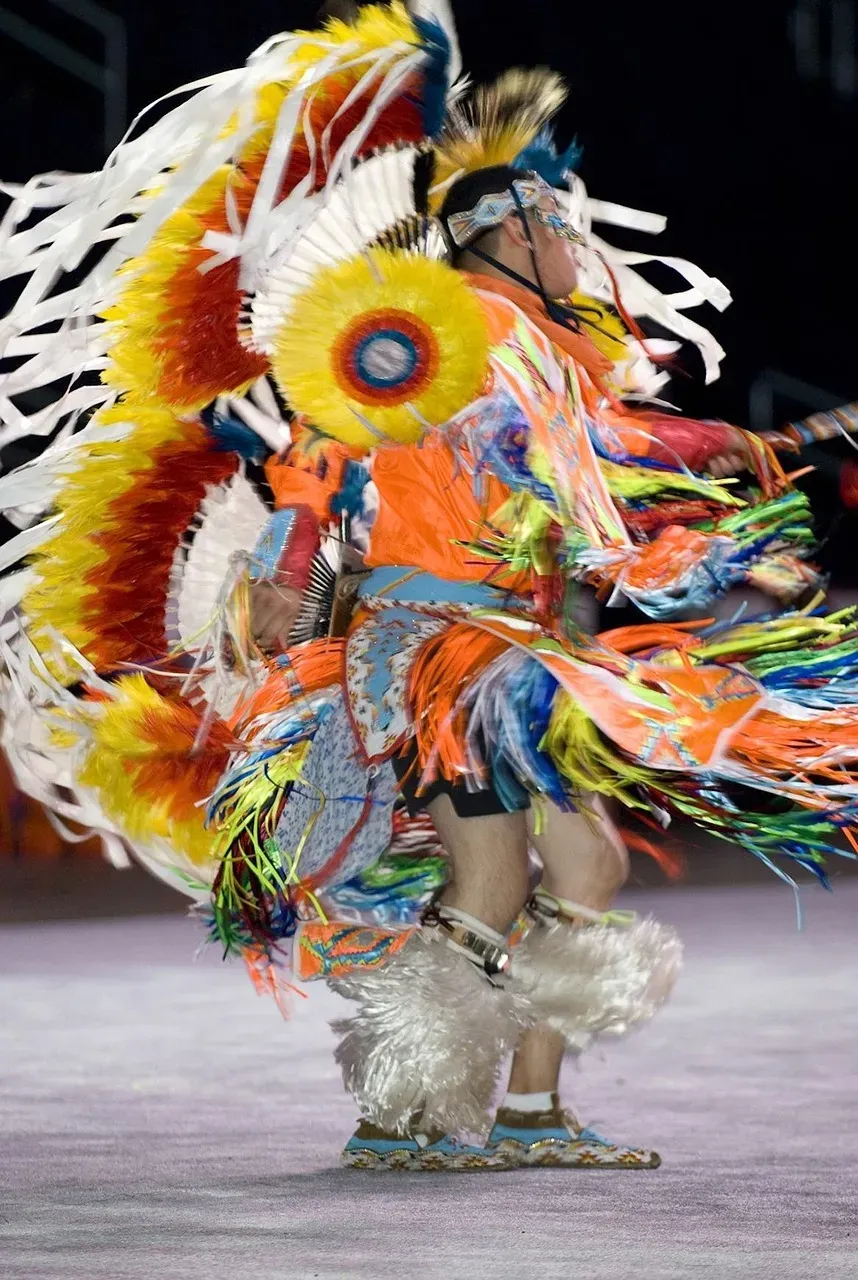
These ten nations represent just a fraction of the hundreds of indigenous peoples who shaped American history. Their stories aren’t footnotes or sidebars. They’re central to understanding how this country developed, from the democratic principles embedded in the Constitution to the hard-won battles for sovereignty and survival.
What strikes me most is the resilience. Despite centuries of broken treaties, forced removals, and cultural suppression, these nations persist. Their languages are being revitalized, their governments continue to function, and their contributions are finally receiving broader recognition. The narrative of American history looks fundamentally different when told from indigenous perspectives, revealing layers of complexity, diplomacy, and resistance that challenge simplified accounts of westward expansion and manifest destiny. Did you expect so many connections between Native nations and pivotal moments in American history?

- 14 Signs the Backyard Birds That Left Your Yard Are Quietly Coming Back - July 21, 2026
- 12 Cat Breeds Vets Refuse To Recommend to First Time Owners - July 21, 2026
- 6 US States With the Most Alligators - July 21, 2026