

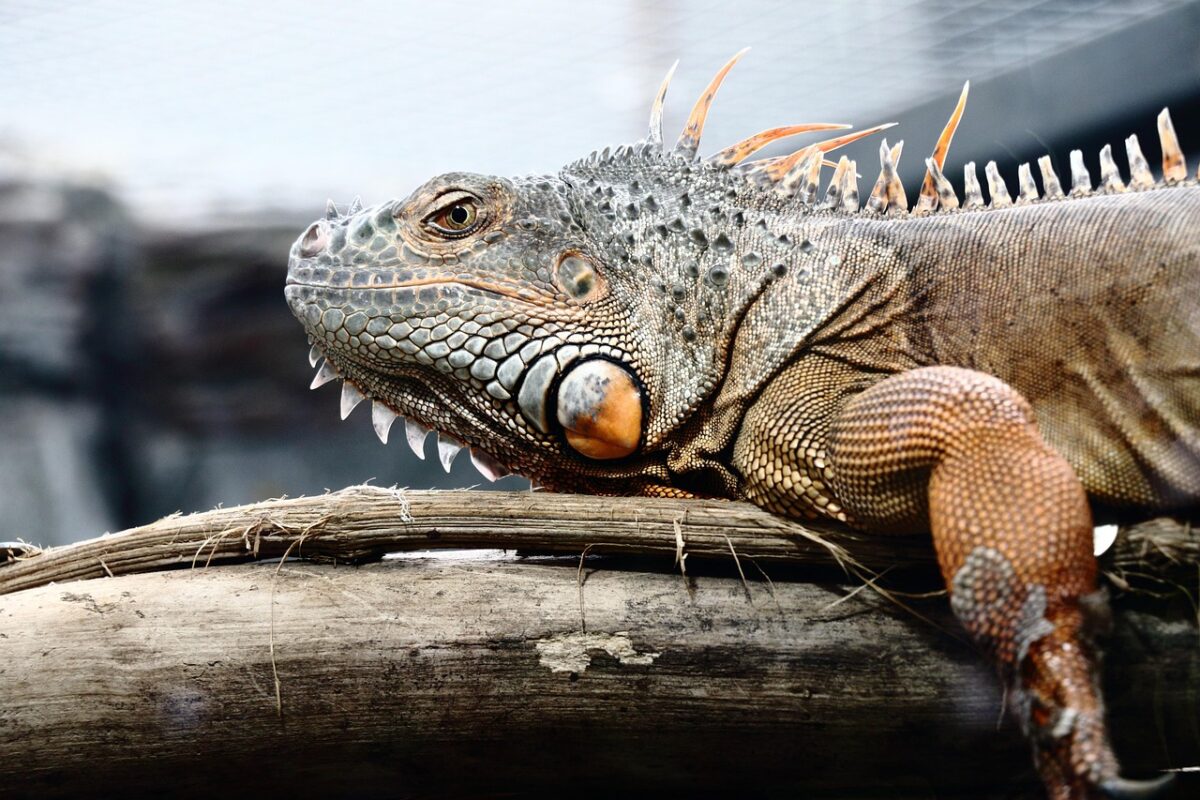

The Role of Natural Supplements in Reptile Care (Image Credits: Pixabay)
Reptile enthusiasts know that providing the right nutrition goes beyond basic feeding to support long-term health and prevent common issues in captivity.
The Role of Natural Supplements in Reptile Care
Captive reptiles face unique challenges, such as limited access to natural sunlight and varied diets, which can lead to deficiencies over time. Owners have turned to natural supplements to bridge these gaps, drawing from plant-based and mineral sources that mimic wild conditions. These aids focus on key nutrients without synthetic additives, promoting overall wellness.
Experts emphasize that supplements should complement, not replace, a balanced diet. For instance, many reptiles require specific vitamins to maintain bone structure and immune function. When introduced properly, these natural options help prevent metabolic bone disease and other ailments that affect pet reptiles annually.
Calcium: Foundation for Strong Bones
Calcium stands out as a cornerstone nutrient for reptiles, particularly those like bearded dragons and turtles that grow rapidly. Natural sources, such as powdered cuttlebone or oyster shell, provide pure calcium carbonate that supports skeletal development and prevents softening of the shell or limbs.
Reptiles in indoor environments often lack the UVB exposure needed to metabolize calcium effectively. Supplementing with calcium gluconate or citrate offers a safe, absorbable form. Owners report noticeable improvements in activity levels after consistent use, highlighting its role in daily vitality.
Vitamin D3 and Beyond: Supporting Metabolism
Vitamin D3 works in tandem with calcium to regulate absorption in the body, a process essential for reptiles that bask in the wild to synthesize this vitamin. Natural supplements derived from lichen or fish oils deliver D3 without the risks of over-supplementation. This nutrient also aids in phosphorus balance, crucial for preventing joint issues.
Other vitamins, like A and E, round out metabolic support. Vitamin A from beta-carotene in vegetables promotes healthy skin and vision, while vitamin E acts as an antioxidant to protect cells. Insectivorous reptiles benefit from dusting prey with these natural powders, ensuring intake through familiar feeding routines.
Multivitamins: A Balanced Approach to Nutrition
Comprehensive multivitamin blends tailored for reptiles combine essentials like B vitamins, which aid energy production and digestion. Sources such as bee pollen or algae-based formulas provide trace minerals and enzymes that enhance gut health. These all-in-one options simplify care for species with diverse dietary needs, from herbivores to carnivores.
Care must be taken to avoid excess, as imbalances can harm rather than help. For example, too much vitamin A might interfere with calcium uptake. Selecting products vetted by herpetological societies ensures safety and efficacy in boosting resilience against stress or seasonal changes.
- Choose supplements free from artificial colors or fillers.
- Opt for brands tested for heavy metals, common in mineral sources.
- Store in cool, dark places to preserve potency.
- Monitor for allergies, though rare in reptiles.
- Consult a vet for species-specific recommendations.
Safe Dosing and Monitoring Progress
Determining the right dosage depends on the reptile’s size, age, and species – smaller lizards might need just a light dusting weekly, while larger tortoises require more substantial amounts. Guidelines from reptile care resources suggest starting low and adjusting based on response. Gut-loading feeder insects with supplements amplifies benefits naturally.
Signs of thriving include vibrant coloration, steady weight gain, and active behavior. Lethargy or unusual shedding might signal the need for adjustment. Regular vet check-ups confirm that supplements contribute positively without causing overload.
Key Takeaways
- Focus on natural sources to mimic wild nutrition and minimize risks.
- Integrate supplements gradually to observe effects on health.
- Pair with proper UVB lighting for optimal vitamin utilization.
In the end, natural reptile supplements offer a reliable path to enhanced health when used thoughtfully. They empower owners to create thriving habitats that honor these fascinating creatures’ needs. What natural supplements have you tried with your reptile? Share your experiences in the comments.

- Urban Coyotes Show Remarkable Adaptability, Learning to Thrive in City Environments - July 22, 2026
- Beavers Are Nature’s Engineers, Creating Vital Habitats for Other Wildlife Species - July 21, 2026
- The Recovery of the California Condor Offers Hope for Other Critically Endangered Birds - July 21, 2026