


Colorado’s brutal winters host one of the rarest animal adaptations on Earth, where select species transform their summer hues into snow-white coats to survive the cold and evade predators. While hibernation, fat reserves and migration are familiar survival tools, seasonal color change is far less common globally — with only about 21 species known to do it, and four of them calling Colorado home. These remarkable shifts are not only a testament to evolutionary ingenuity but also highlight growing threats from a warming climate that could leave these masters of camouflage exposed.
Researchers and wildlife experts emphasize that light-driven physiological cues, rather than temperature alone, trigger these changes. Animals time their molt to match the snow’s arrival — a natural strategy perfected over millennia — yet rapid environmental change now risks mismatches between animal appearance and landscape. These adaptations offer a dramatic window into how life endures the Rockies’ fiercest season, and why protecting these species requires urgent attention.
Ermine: Winter’s Agile White Predators
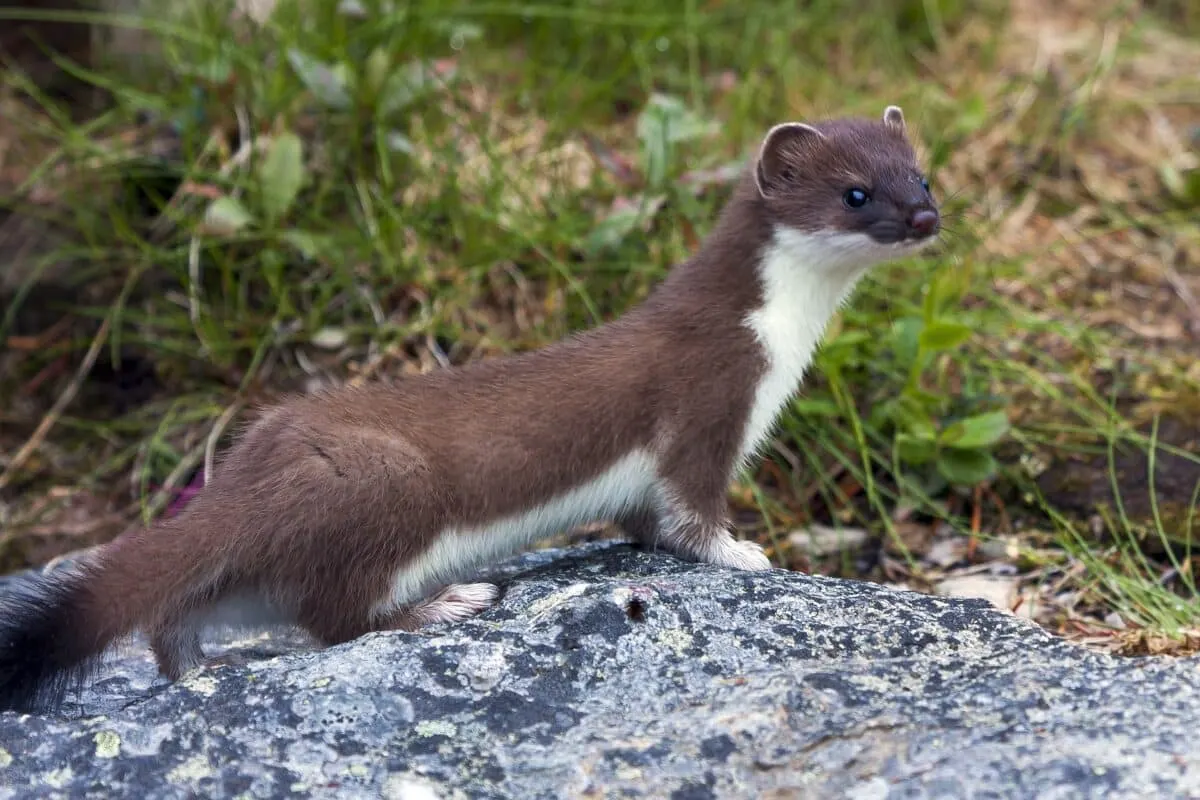
Ermine — the collective name for long-tailed and short-tailed weasels — are among Colorado’s most striking winter visitors. These sleek carnivores switch from earthy brown in summer to brilliant white coats in winter, save for their distinctive black-tipped tails, effectively cloaking them against snow-covered terrain.
Active in daylight hours when snow blankets the landscape, ermine hunt relentlessly, sometimes catching prey several times their size. Wildlife educators note sightings along ski trails and forested edges near Vail and Rocky Mountain National Park, where their curious movements underscore their adaptations’ effectiveness — camouflage aids both predator and prey tactics in the frigid months.
Snowshoe Hares: Hidden by Nature’s Design
Perhaps the most famous of Colorado’s winter color changers, the snowshoe hare aptly earns its name from oversized hind feet that keep it afloat in deep snow. These mammals don a nearly invisible white coat when winter arrives, blending into their snowy surroundings to avoid detection.
Their tracks — broad and unmistakable — are often the first sign of their presence. Snowshoe hares roam widely across the state’s mountainous regions, detectable not by sight but by the paths they carve through the powder. With binoculars and patience, observers can follow these trails to glimpse the adaptive marvels firsthand.
White-Tailed Ptarmigan: Alpine Elusives Above the Tree Line
The white-tailed ptarmigan, a member of the grouse family, is one of Colorado’s most elusive winter inhabitants. Living at elevations above 9,500 feet, these birds turn pure white against the snow, a perfect disguise in the remote high-alpine tundra few humans traverse in winter.
In summer, their mottled plumage blends with rocky slopes; in winter, they become nearly invisible. Spotting them requires access to high passes like Loveland Pass or vehicle-accessible peaks like Pikes Peak — locations where hardy birdwatchers can sometimes glimpse these masters of concealment.
The Science Behind Seasonal Color Shift
The mechanism behind seasonal camouflage is rooted in photoperiod — the change in daylight hours as seasons shift. As days shorten, hormonal changes trigger molt, causing fur or feathers to grow back without melanin, resulting in snow-white coats. This reduces visibility to predators and may add insulation due to the structure of hollow hair or feathers.
Yet this adaptation remains rare worldwide, found in just a few species mostly in northern climates. Colorado’s unique mix of high elevations and long winters makes it one of the few places where these transformations can be observed close to human activity.
Threats on the Horizon: Phenotypic Mismatch
The very trait that once guaranteed survival now poses risks. As climate change reduces snow cover, animals still turn white — but in landscapes where snow arrives late or recedes early, camouflage fails. This phenotypic mismatch can make prey more visible and predators easier to spot, disrupting the delicate balance these species depend on.
Wildlife experts express concern that alpine species, particularly those that rely on precise snow timing for concealment, may struggle to adapt quickly enough. Changes in snow patterns could lead to increased predation or starvation, further stressing already vulnerable populations.
How and Where to See Colorado’s Color-Changers
For enthusiasts hoping to catch a glimpse of these astonishing specialists, winter hikes, snowshoe trails, and cross-country ski routes provide some of the best opportunities. Snowshoe hares and ermine are more active during daylight, making midday treks particularly fruitful.
Ptarmigan sightings, though rare, may reward those venturing to high alpine terrain accessible via passes that remain open in winter. Binoculars, patience, and respect for cold conditions can turn a snowy hike into a memorable wildlife encounter.
Nature’s Wonders Facing a Warming World
Colorado’s seasonal color-shifters are not just biological curiosities — they are living indicators of environmental change. Their rare adaptations highlight both evolutionary ingenuity and fragility in the face of rapid climate shifts. As snow patterns become less predictable, the very camouflage that once protected them might mark them for danger.
Protecting these species demands increased scientific attention and conservation efforts that consider not just the animals but the shrinking winter landscapes they rely upon. In watching ermine flit across powder or recognizing hare tracks in fresh snow, we are reminded that nature’s most extraordinary adaptations deserve both awe and action.

- Urban Coyotes Show Remarkable Adaptability, Learning to Thrive in City Environments - July 22, 2026
- Beavers Are Nature’s Engineers, Creating Vital Habitats for Other Wildlife Species - July 21, 2026
- The Recovery of the California Condor Offers Hope for Other Critically Endangered Birds - July 21, 2026