

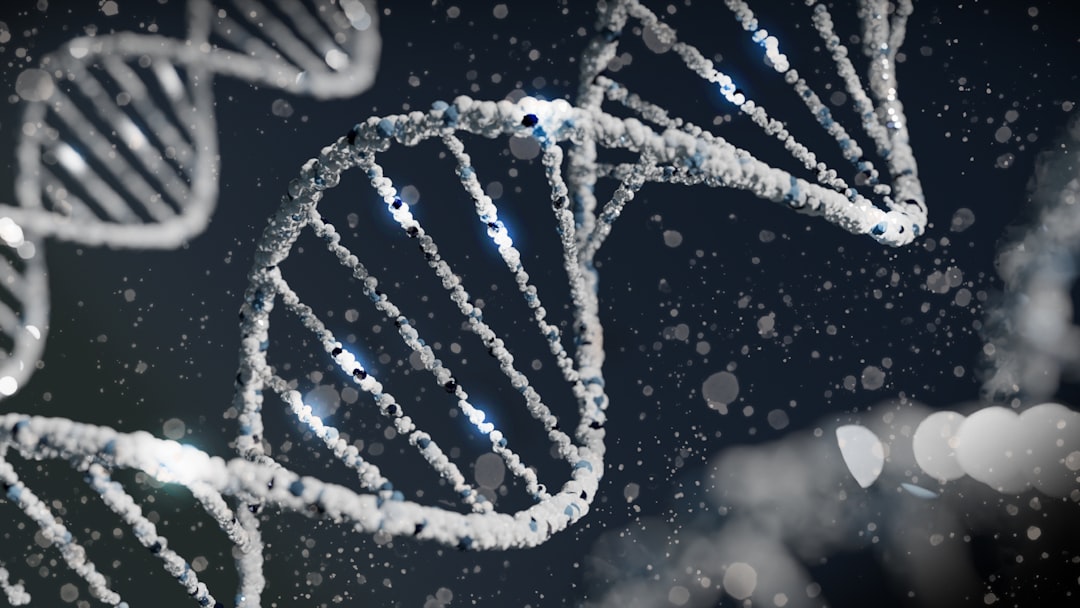

The Enigma of Microchimerism (Image Credits: Unsplash)
In the intricate world of human biology, a subtle exchange occurs during pregnancy that blurs the lines between self and other, introducing cells from one individual into another’s body.
The Enigma of Microchimerism
Researchers have long puzzled over a phenomenon where small numbers of genetically distinct cells persist in the human body long after birth. These cells, known as microchimeric cells, originate from sources like a fetus during pregnancy or even from twins in the womb. Scientists first identified this process decades ago, but recent studies have illuminated its depth and persistence.
Microchimerism challenges the foundational idea that the body rigorously rejects foreign genetic material. Instead, these cells integrate into various tissues, sometimes for decades. For instance, maternal cells can cross the placenta into the developing fetus, establishing a lifelong presence. This discovery has prompted immunologists to rethink tolerance mechanisms in the body.
Pathways of Cellular Exchange
The journey of these foreign cells begins in the womb, where the placenta serves as a bridge between mother and child. During gestation, fetal cells migrate into the mother’s bloodstream, and vice versa, creating a bidirectional flow. This exchange does not end at birth; evidence suggests it can occur through blood transfusions or organ transplants as well.
Once inside, these cells do not simply float aimlessly. They embed themselves in organs such as the heart, brain, and skin, potentially influencing local functions. Studies have detected them in healthy adults and those with chronic conditions, hinting at a role in both protection and pathology. The exact triggers for their survival remain under investigation, but the placenta’s unique immune environment appears crucial.
Health Impacts: Allies or Adversaries?
Microchimeric cells offer intriguing benefits, including tissue repair and immune modulation. In some cases, they contribute to wound healing by differentiating into needed cell types, as observed in animal models. Researchers link higher levels of these cells to reduced risk of certain cancers, suggesting they enhance surveillance against tumors.
However, their presence is not always benign. Elevated microchimerism correlates with autoimmune disorders like scleroderma, where the immune system attacks its own tissues. This duality raises questions about why some individuals thrive with these cells while others suffer. Ongoing research explores genetic factors that might tip the balance toward benefit or harm.
- Fetal cells aiding maternal heart repair post-pregnancy.
- Maternal cells potentially protecting offspring from infections.
- Associations with thyroid diseases and multiple sclerosis.
- Possible links to Alzheimer’s disease progression.
- Role in cancer suppression through immune activation.
Insights into Life, Death, and Beyond
These foreign cells may hold clues to aging and longevity. As people live longer, the cumulative effects of microchimerism could influence age-related decline. For example, persistent fetal cells in mothers might support vascular health, extending lifespan in subtle ways. Conversely, uncontrolled proliferation could accelerate degenerative processes.
In the realm of death, microchimerism offers a window into end-of-life biology. Autopsy studies reveal these cells in surprisingly high numbers in diseased tissues, suggesting they play a part in final physiological shifts. This has sparked interest in therapeutic applications, such as harnessing them for regenerative medicine. Yet, ethical concerns arise around manipulating such intimate biological legacies.
| Aspect | Potential Benefit | Potential Risk |
|---|---|---|
| Immune Response | Enhanced tolerance to transplants | Autoimmune flare-ups |
| Tissue Repair | Improved healing in organs | Unwanted cell growth |
| Aging Process | Delayed degeneration | Accelerated disease onset |
Key Takeaways
- Microchimeric cells persist lifelong, originating mainly from pregnancy.
- They can promote repair but also trigger immune disorders.
- Future therapies may leverage them for healthspan extension.
As science uncovers more about these hidden passengers, the boundary between individual identity and shared biology grows fuzzier, promising new avenues for understanding human resilience. What role do you think these cells play in your own health story? Share your thoughts in the comments.

- Urban Coyotes Show Remarkable Adaptability, Learning to Thrive in City Environments - July 22, 2026
- Beavers Are Nature’s Engineers, Creating Vital Habitats for Other Wildlife Species - July 21, 2026
- The Recovery of the California Condor Offers Hope for Other Critically Endangered Birds - July 21, 2026